

Cold Spray Coating Contribution to Catalyst Longevity
DEC 21, 20259 MIN READ
Generate Your Research Report Instantly with AI Agent
PatSnap Eureka helps you evaluate technical feasibility & market potential.
Cold Spray Coating Technology Background and Objectives
Cold spray coating technology emerged in the mid-1980s at the Institute of Theoretical and Applied Mechanics of the Russian Academy of Sciences in Novosibirsk. Initially developed as a method for applying metal coatings without significant thermal input, this technology has evolved significantly over the past four decades. The fundamental principle involves accelerating solid powder particles to supersonic velocities (300-1200 m/s) using a pressurized and preheated gas, allowing particles to plastically deform upon impact and create a strong mechanical bond with the substrate without melting.
The evolution of cold spray technology has seen three distinct generations. First-generation systems operated at relatively low pressures (up to 1.5 MPa) and temperatures (up to 600°C). Second-generation systems introduced higher pressures (up to 3.5 MPa) and temperatures (up to 800°C), enabling deposition of a wider range of materials. Current third-generation systems employ pressures up to 5 MPa and temperatures reaching 1000°C, significantly expanding material capabilities and coating performance.
In the context of catalytic applications, cold spray coating represents a paradigm shift from traditional catalyst preparation methods. Conventional catalyst manufacturing typically involves impregnation, precipitation, or sol-gel processes, which often result in thermal degradation of active components during subsequent heat treatments. Cold spray offers a solid-state alternative that preserves the intrinsic properties of catalytic materials while providing exceptional adhesion and durability.
The primary technical objective for cold spray coating in catalyst applications is to enhance longevity through several mechanisms: creating wear-resistant surfaces that protect catalysts from mechanical degradation; developing diffusion barrier layers that prevent catalyst poisoning; and establishing thermally stable structures that resist sintering at elevated operating temperatures. These improvements directly address the primary failure modes of industrial catalysts.
Secondary objectives include reducing precious metal loading through more efficient distribution of catalytic materials, enabling rapid catalyst replacement or regeneration through modular coating designs, and developing multi-functional catalyst systems with integrated sensing or self-healing capabilities. The technology aims to extend catalyst service life by 200-300% compared to conventional preparation methods, representing significant operational and economic benefits.
The long-term technological trajectory points toward development of gradient and composite catalyst structures with precisely engineered porosity and surface area, integration with advanced manufacturing techniques for complex geometries, and incorporation of novel nanomaterials that can be deposited without thermal degradation. These advancements align with broader industry trends toward more sustainable and resource-efficient catalytic processes.
The evolution of cold spray technology has seen three distinct generations. First-generation systems operated at relatively low pressures (up to 1.5 MPa) and temperatures (up to 600°C). Second-generation systems introduced higher pressures (up to 3.5 MPa) and temperatures (up to 800°C), enabling deposition of a wider range of materials. Current third-generation systems employ pressures up to 5 MPa and temperatures reaching 1000°C, significantly expanding material capabilities and coating performance.
In the context of catalytic applications, cold spray coating represents a paradigm shift from traditional catalyst preparation methods. Conventional catalyst manufacturing typically involves impregnation, precipitation, or sol-gel processes, which often result in thermal degradation of active components during subsequent heat treatments. Cold spray offers a solid-state alternative that preserves the intrinsic properties of catalytic materials while providing exceptional adhesion and durability.
The primary technical objective for cold spray coating in catalyst applications is to enhance longevity through several mechanisms: creating wear-resistant surfaces that protect catalysts from mechanical degradation; developing diffusion barrier layers that prevent catalyst poisoning; and establishing thermally stable structures that resist sintering at elevated operating temperatures. These improvements directly address the primary failure modes of industrial catalysts.
Secondary objectives include reducing precious metal loading through more efficient distribution of catalytic materials, enabling rapid catalyst replacement or regeneration through modular coating designs, and developing multi-functional catalyst systems with integrated sensing or self-healing capabilities. The technology aims to extend catalyst service life by 200-300% compared to conventional preparation methods, representing significant operational and economic benefits.
The long-term technological trajectory points toward development of gradient and composite catalyst structures with precisely engineered porosity and surface area, integration with advanced manufacturing techniques for complex geometries, and incorporation of novel nanomaterials that can be deposited without thermal degradation. These advancements align with broader industry trends toward more sustainable and resource-efficient catalytic processes.
Market Analysis for Catalyst Longevity Solutions
The global market for catalyst longevity solutions is experiencing significant growth, driven by increasing industrial demands for cost-effective and sustainable catalytic processes. Current market valuation stands at approximately $5.7 billion, with projections indicating a compound annual growth rate of 6.8% through 2028. This growth trajectory is particularly evident in petrochemical, automotive, and environmental sectors where catalyst performance directly impacts operational efficiency and regulatory compliance.
Cold spray coating technology represents an emerging segment within this market, currently accounting for about 4% of catalyst enhancement solutions but demonstrating accelerated adoption rates of 12-15% annually. This rapid uptake is primarily attributed to the technology's ability to extend catalyst lifespan by 30-45% compared to conventional protection methods, resulting in substantial cost savings for end-users.
Market demand analysis reveals three primary drivers fueling interest in cold spray coating for catalysts. First, the increasing cost of precious metal catalysts (platinum, palladium, rhodium) has intensified focus on longevity solutions, with prices for these metals having risen by 67% over the past five years. Second, stringent environmental regulations worldwide are mandating longer-lasting catalytic systems to reduce material consumption and waste. Third, competitive pressures across manufacturing sectors are pushing companies toward technologies that minimize downtime and replacement frequencies.
Regional market assessment shows North America currently leads adoption with 38% market share, followed by Europe (31%), Asia-Pacific (24%), and rest of world (7%). However, the highest growth rates are observed in Asia-Pacific markets, particularly China and India, where industrial expansion and environmental regulations are creating favorable conditions for advanced catalyst protection technologies.
Customer segmentation reveals that large chemical processors and automotive manufacturers represent the primary market (62%), followed by environmental technology companies (21%) and research institutions (17%). Notably, customer willingness-to-pay has increased substantially, with surveys indicating that end-users are prepared to invest 15-20% premium for solutions that demonstrably extend catalyst life by at least 25%.
Competitive landscape analysis identifies limited market saturation, with only seven companies currently offering specialized cold spray coating solutions for catalysts. This presents significant market entry opportunities, particularly for technologies that can demonstrate superior performance metrics in high-temperature applications or with specific catalyst compositions commonly used in growing sectors like renewable energy and green hydrogen production.
Cold spray coating technology represents an emerging segment within this market, currently accounting for about 4% of catalyst enhancement solutions but demonstrating accelerated adoption rates of 12-15% annually. This rapid uptake is primarily attributed to the technology's ability to extend catalyst lifespan by 30-45% compared to conventional protection methods, resulting in substantial cost savings for end-users.
Market demand analysis reveals three primary drivers fueling interest in cold spray coating for catalysts. First, the increasing cost of precious metal catalysts (platinum, palladium, rhodium) has intensified focus on longevity solutions, with prices for these metals having risen by 67% over the past five years. Second, stringent environmental regulations worldwide are mandating longer-lasting catalytic systems to reduce material consumption and waste. Third, competitive pressures across manufacturing sectors are pushing companies toward technologies that minimize downtime and replacement frequencies.
Regional market assessment shows North America currently leads adoption with 38% market share, followed by Europe (31%), Asia-Pacific (24%), and rest of world (7%). However, the highest growth rates are observed in Asia-Pacific markets, particularly China and India, where industrial expansion and environmental regulations are creating favorable conditions for advanced catalyst protection technologies.
Customer segmentation reveals that large chemical processors and automotive manufacturers represent the primary market (62%), followed by environmental technology companies (21%) and research institutions (17%). Notably, customer willingness-to-pay has increased substantially, with surveys indicating that end-users are prepared to invest 15-20% premium for solutions that demonstrably extend catalyst life by at least 25%.
Competitive landscape analysis identifies limited market saturation, with only seven companies currently offering specialized cold spray coating solutions for catalysts. This presents significant market entry opportunities, particularly for technologies that can demonstrate superior performance metrics in high-temperature applications or with specific catalyst compositions commonly used in growing sectors like renewable energy and green hydrogen production.
Current Challenges in Cold Spray Coating for Catalysts
Despite the promising advantages of cold spray coating technology for catalyst applications, several significant challenges currently impede its widespread adoption and effectiveness. The primary technical obstacle remains the bonding mechanism between coating particles and substrate materials. Unlike thermal spray methods, cold spray relies on kinetic energy rather than thermal energy for adhesion, which can result in insufficient metallurgical bonding, particularly when working with catalytic materials that often have complex compositions and structures.
The particle deformation behavior during impact presents another critical challenge. Catalyst materials, especially those containing ceramic components or noble metals, may exhibit brittle characteristics that prevent the plastic deformation necessary for successful cold spray deposition. This limitation restricts the range of applicable catalyst materials and potentially compromises coating integrity.
Porosity control represents a significant hurdle in cold spray coating for catalysts. While catalysts generally benefit from high surface area and porosity to maximize active sites, traditional cold spray processes tend to produce relatively dense coatings. Engineers must carefully balance the need for mechanical strength with the requirement for accessible catalytic sites, a delicate equilibrium that current cold spray parameters struggle to achieve consistently.
The preservation of catalytic activity during the high-velocity impact process poses another substantial challenge. The severe plastic deformation experienced by particles during cold spray can potentially alter the crystal structure, surface properties, and active sites of catalytic materials, thereby reducing their effectiveness. This is particularly problematic for complex catalysts with specific active site requirements.
Scale-up and uniformity issues further complicate industrial implementation. Achieving consistent coating properties across large or geometrically complex catalyst substrates remains difficult, with variations in thickness, porosity, and composition potentially leading to unpredictable catalytic performance and reduced longevity.
Cost considerations also present barriers to widespread adoption. The high-pressure gas systems required for cold spray operation, combined with specialized powder preparation needs for catalyst materials, result in significant capital and operational expenses that must be justified by enhanced catalyst performance and extended service life.
Additionally, limited fundamental understanding of the relationship between cold spray parameters and resulting catalytic properties hinders optimization efforts. The complex interplay between spray conditions, material properties, and catalytic performance requires extensive empirical testing, as predictive models remain inadequate for many catalyst systems.
The particle deformation behavior during impact presents another critical challenge. Catalyst materials, especially those containing ceramic components or noble metals, may exhibit brittle characteristics that prevent the plastic deformation necessary for successful cold spray deposition. This limitation restricts the range of applicable catalyst materials and potentially compromises coating integrity.
Porosity control represents a significant hurdle in cold spray coating for catalysts. While catalysts generally benefit from high surface area and porosity to maximize active sites, traditional cold spray processes tend to produce relatively dense coatings. Engineers must carefully balance the need for mechanical strength with the requirement for accessible catalytic sites, a delicate equilibrium that current cold spray parameters struggle to achieve consistently.
The preservation of catalytic activity during the high-velocity impact process poses another substantial challenge. The severe plastic deformation experienced by particles during cold spray can potentially alter the crystal structure, surface properties, and active sites of catalytic materials, thereby reducing their effectiveness. This is particularly problematic for complex catalysts with specific active site requirements.
Scale-up and uniformity issues further complicate industrial implementation. Achieving consistent coating properties across large or geometrically complex catalyst substrates remains difficult, with variations in thickness, porosity, and composition potentially leading to unpredictable catalytic performance and reduced longevity.
Cost considerations also present barriers to widespread adoption. The high-pressure gas systems required for cold spray operation, combined with specialized powder preparation needs for catalyst materials, result in significant capital and operational expenses that must be justified by enhanced catalyst performance and extended service life.
Additionally, limited fundamental understanding of the relationship between cold spray parameters and resulting catalytic properties hinders optimization efforts. The complex interplay between spray conditions, material properties, and catalytic performance requires extensive empirical testing, as predictive models remain inadequate for many catalyst systems.
Existing Cold Spray Methods for Catalyst Protection
01 Material composition effects on coating longevity
The choice of materials in cold spray coatings significantly impacts their longevity. Specific metal powders, alloys, and composite materials can enhance durability by improving adhesion strength, reducing porosity, and increasing resistance to environmental degradation. Optimized particle size distribution and material compatibility with the substrate are crucial factors that determine the long-term performance of cold spray coatings under various service conditions.- Material composition effects on coating durability: The choice of materials in cold spray coatings significantly impacts longevity. Specific metal alloys, composite materials, and powder compositions can enhance adhesion strength and wear resistance. Optimized particle size distribution and material compatibility with substrates contribute to extended coating lifespans. Materials with similar thermal expansion coefficients to the substrate reduce stress during temperature fluctuations, preventing premature coating failure.
- Process parameter optimization for enhanced longevity: Cold spray coating longevity can be significantly improved through optimization of process parameters. Key factors include spray velocity, temperature, standoff distance, and powder feed rate. Controlling these parameters ensures optimal particle deformation and mechanical interlocking with the substrate. Advanced process monitoring and control systems help maintain consistent coating quality throughout production, resulting in more durable and longer-lasting protective layers.
- Post-treatment methods to extend coating life: Various post-treatment techniques can significantly extend cold spray coating longevity. Heat treatment processes help relieve residual stresses and enhance bonding between particles and substrate. Surface finishing operations like polishing or shot peening improve surface quality and reduce potential failure points. Chemical treatments can seal porosity and enhance corrosion resistance. These post-processing steps optimize microstructure and mechanical properties, resulting in substantially improved coating durability and performance in demanding environments.
- Environmental resistance and protective mechanisms: Cold spray coatings can be engineered for superior environmental resistance, extending their functional lifespan. Specialized formulations provide enhanced protection against corrosion, oxidation, and chemical attack. Multi-layer coating systems create redundant protective barriers. Self-healing mechanisms incorporate particles that react with the environment to seal microcracks before they propagate. These protective features are particularly valuable in harsh operating conditions such as marine environments, chemical processing facilities, and high-temperature applications.
- Testing and prediction methods for coating longevity: Advanced testing methodologies and predictive models help evaluate and forecast cold spray coating longevity. Accelerated aging tests simulate years of environmental exposure in compressed timeframes. Mechanical testing protocols assess adhesion strength, wear resistance, and fatigue performance. Computational models predict coating behavior under various operating conditions. These approaches enable more accurate estimation of service life and help identify optimal coating formulations for specific applications, ensuring that coatings meet or exceed durability requirements.
02 Process parameters optimization for enhanced durability
Optimizing cold spray process parameters such as gas temperature, pressure, spray distance, and particle velocity significantly improves coating longevity. Controlled deposition conditions lead to better particle deformation, mechanical interlocking, and metallurgical bonding with the substrate. These optimized parameters reduce residual stresses and defects in the coating structure, resulting in superior wear resistance, corrosion protection, and overall extended service life.Expand Specific Solutions03 Post-treatment techniques for longevity enhancement
Various post-treatment methods can significantly extend the service life of cold spray coatings. Heat treatment processes like annealing help relieve residual stresses and promote diffusion bonding between particles and substrate. Surface treatments such as laser remelting, shot peening, or burnishing can densify the coating structure, reduce porosity, and enhance surface properties. These post-processing techniques improve adhesion strength, wear resistance, and overall coating performance in demanding environments.Expand Specific Solutions04 Testing and evaluation methods for coating longevity
Advanced testing methodologies are essential for accurately predicting and evaluating cold spray coating longevity. Accelerated aging tests, cyclic thermal exposure, salt spray testing, and mechanical wear simulations help quantify coating performance over time. Non-destructive evaluation techniques including ultrasonic testing, thermal imaging, and impedance spectroscopy enable monitoring of coating integrity during service. These testing approaches provide critical data for optimizing coating formulations and application parameters to maximize service life.Expand Specific Solutions05 Environmental resistance and protective mechanisms
Cold spray coatings can be engineered to provide exceptional resistance against environmental degradation factors. Specialized formulations offer enhanced protection against corrosion, oxidation, erosion, and chemical attack in harsh operating conditions. Multi-layer coating systems with tailored compositions can create synergistic protective mechanisms, including sacrificial protection, barrier effects, and self-healing capabilities. These protective features significantly extend coating longevity in challenging industrial, marine, and high-temperature environments.Expand Specific Solutions
Leading Companies in Cold Spray and Catalyst Industries
Cold spray coating technology is emerging as a significant contributor to catalyst longevity in an industry currently transitioning from early adoption to commercial implementation. The global market for this technology is expanding rapidly, projected to reach substantial growth as industries seek more durable catalyst solutions. From a technical maturity perspective, companies like China Petroleum & Chemical Corp. (Sinopec) and its Beijing Research Institute are leading development in petrochemical applications, while Wuxi Weifu Environmental Protection Catalyst and SINOTECH are advancing automotive catalyst protection solutions. BYD and Bayerische Motoren Werke (BMW) are integrating these coatings into electric vehicle components, while Fraunhofer-Gesellschaft and Air Liquide are pioneering next-generation industrial applications. The technology shows particular promise in extending catalyst life in harsh operating environments, with Corning and H.C. Starck developing specialized substrate materials that enhance coating adhesion and performance.
China Petroleum & Chemical Corp.
Technical Solution: China Petroleum & Chemical Corp. (Sinopec) has developed advanced cold spray coating technologies specifically designed to enhance catalyst longevity in petroleum refining processes. Their proprietary approach utilizes supersonic particle deposition to create highly adherent metallic and ceramic coatings on catalyst substrates. The technique involves accelerating fine powder particles (typically 5-50 μm) through a de Laval nozzle at velocities of 300-1200 m/s without significant thermal input, preserving the original properties of both the coating material and substrate. Sinopec's innovation lies in their specialized powder formulations containing rare earth elements and transition metals that, when cold sprayed, create self-regenerating catalyst surfaces that resist sintering and poisoning. Their process achieves coating thicknesses of 20-500 μm with porosity control between 0.5-5%, optimizing catalytic surface area while maintaining structural integrity under harsh operating conditions.
Strengths: Preserves catalyst material properties by avoiding high-temperature degradation; creates highly adherent coatings with excellent mechanical bonding; enables precise control of coating thickness and composition. Weaknesses: Requires specialized equipment and technical expertise; limited to materials that can undergo sufficient plastic deformation; higher initial implementation costs compared to conventional coating methods.
Uchicago Argonne LLC
Technical Solution: Argonne National Laboratory has developed a sophisticated cold spray coating technology for enhancing catalyst longevity in energy conversion and storage applications. Their approach utilizes a low-temperature kinetic spray process where carefully selected powder particles (typically 5-50 μm) are accelerated to velocities of 400-1100 m/s using precisely controlled gas dynamics. Argonne's innovation lies in their development of nanostructured powder formulations that, when cold sprayed, create hierarchical surface structures with optimized catalytic activity and durability. Their process incorporates in-situ diagnostic tools that monitor particle velocity, temperature, and deformation behavior during deposition, enabling real-time process adjustments to achieve desired coating properties. The resulting coatings feature controlled porosity (5-30%) with interconnected networks that maximize mass transport while maintaining structural integrity under operational conditions. Particularly noteworthy is Argonne's development of cold-sprayed protective coatings for PEM fuel cell catalysts that demonstrate exceptional resistance to carbon monoxide poisoning and voltage cycling degradation, extending catalyst life by 50-70% compared to uncoated systems while maintaining over 90% of initial catalytic activity after 5,000 hours of operation.
Strengths: World-class research facilities and scientific expertise; advanced in-situ diagnostic capabilities; ability to create nanostructured coatings with optimized catalytic properties. Weaknesses: Technology still primarily at research/development stage; scaling to industrial production presents challenges; higher implementation costs compared to conventional coating methods.
Key Innovations in Catalyst Coating Durability
Method for cold gas spraying
PatentWO2013110441A1
Innovation
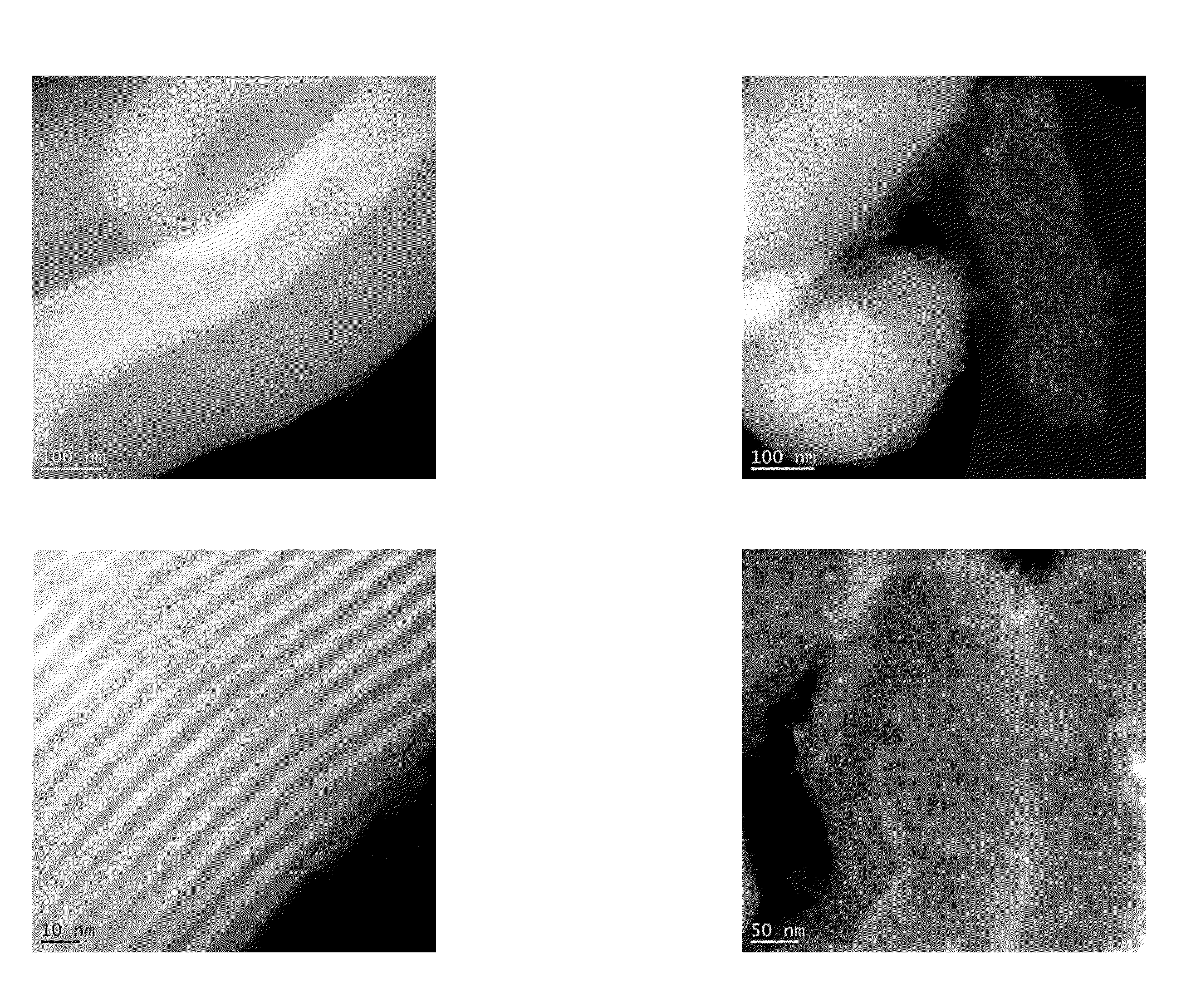
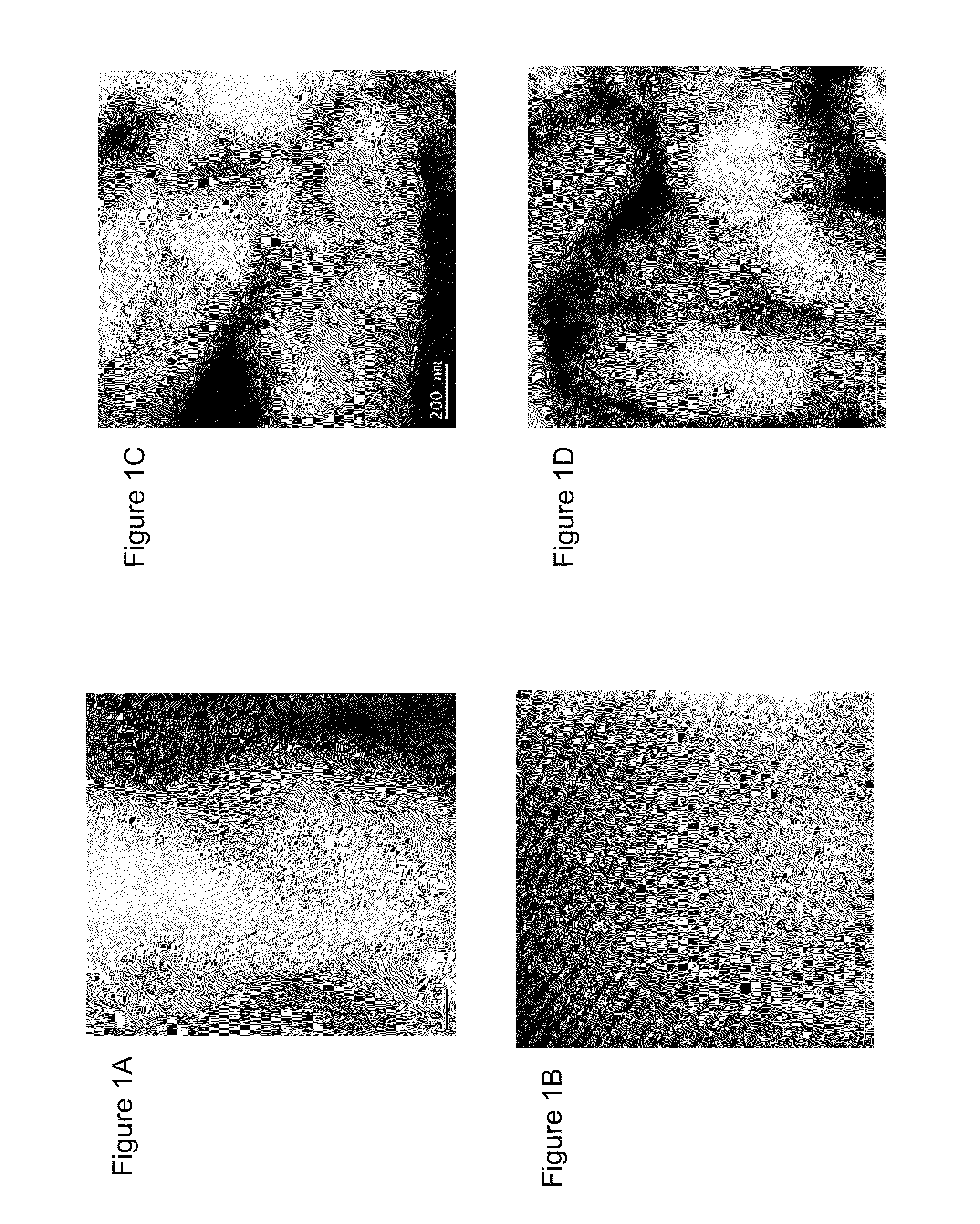
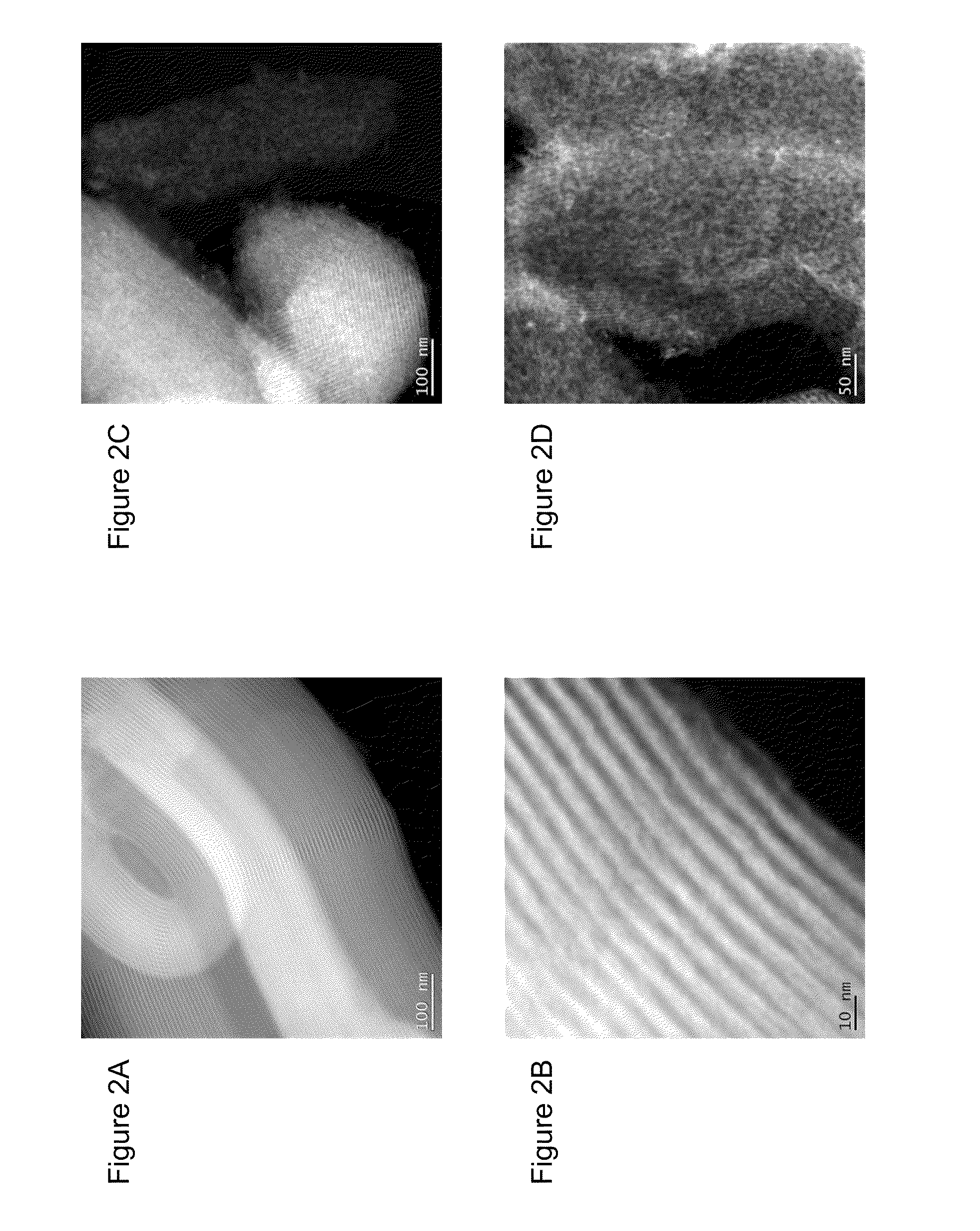
- The method involves using nanocrystalline agglomerates with porosity of 200 to 800 m^2/g, heated in a carrier gas with temperatures over 400°C, preferably nitrogen or helium, to form coatings that retain and enhance photocatalytic activity in visible light, even at high temperatures, by interacting with the carrier gas and maintaining the anatase modification of titanium dioxide.

Hydrothermal performance of catalyst supports
PatentActiveUS20120021898A1
Innovation
- A thin conformal coating is applied using atomic layer deposition (ALD) to high surface area catalytic supports, such as mesoporous silica, with materials like niobium oxide, zirconium oxide, or titanium oxide, which enhances structural integrity and resistance to hydrothermal degradation while maintaining porosity and catalytic activity.

Environmental Impact Assessment of Coating Technologies
The environmental impact of coating technologies, particularly cold spray coating in catalyst applications, requires comprehensive assessment across multiple dimensions. Cold spray coating processes demonstrate significantly lower environmental footprints compared to traditional thermal spray methods due to their minimal heat requirements and reduced waste generation. The absence of high-temperature operations eliminates many harmful emissions associated with conventional coating techniques, including greenhouse gases and volatile organic compounds.
When evaluating the environmental profile of cold spray coating for catalyst applications, lifecycle assessment reveals notable advantages in resource efficiency. The process consumes approximately 40-60% less energy than plasma spray alternatives, translating to reduced carbon emissions throughout the production phase. Additionally, the extended catalyst longevity achieved through cold spray coatings creates a positive environmental cascade effect - fewer replacement cycles mean reduced raw material extraction, manufacturing demands, and disposal requirements.
Water consumption metrics also favor cold spray technology, with studies indicating up to 70% reduction in process water requirements compared to wet chemical coating methods. This aspect becomes increasingly significant in regions facing water scarcity challenges, where industrial water usage faces growing regulatory scrutiny and operational constraints.
Waste stream analysis of cold spray operations shows minimal hazardous byproducts, with material utilization rates typically exceeding 90% - substantially higher than conventional spray technologies averaging 50-70% efficiency. The reduced overspray and precise deposition characteristics translate to fewer particulate emissions and decreased need for filtration and waste management infrastructure.
From a regulatory compliance perspective, cold spray coating technologies align well with increasingly stringent environmental standards worldwide. The process inherently meets many requirements of the European Union's Restriction of Hazardous Substances (RoHS) directive and similar global regulations limiting industrial emissions and hazardous material usage. This regulatory alignment provides strategic advantages for manufacturers implementing these technologies.
Biodiversity impact assessments indicate minimal ecological disruption from cold spray facilities compared to traditional coating operations. The reduced atmospheric emissions and waste generation translate to lower potential for habitat contamination and species disruption in surrounding ecosystems. This aspect becomes particularly relevant for manufacturing facilities located near sensitive ecological zones or water bodies.
Human health considerations also favor cold spray technologies, with workplace exposure to harmful substances significantly reduced compared to high-temperature alternatives. The elimination of volatile compounds and reduced particulate generation creates safer operational environments with decreased respiratory and carcinogenic risks for technical personnel involved in coating applications.
When evaluating the environmental profile of cold spray coating for catalyst applications, lifecycle assessment reveals notable advantages in resource efficiency. The process consumes approximately 40-60% less energy than plasma spray alternatives, translating to reduced carbon emissions throughout the production phase. Additionally, the extended catalyst longevity achieved through cold spray coatings creates a positive environmental cascade effect - fewer replacement cycles mean reduced raw material extraction, manufacturing demands, and disposal requirements.
Water consumption metrics also favor cold spray technology, with studies indicating up to 70% reduction in process water requirements compared to wet chemical coating methods. This aspect becomes increasingly significant in regions facing water scarcity challenges, where industrial water usage faces growing regulatory scrutiny and operational constraints.
Waste stream analysis of cold spray operations shows minimal hazardous byproducts, with material utilization rates typically exceeding 90% - substantially higher than conventional spray technologies averaging 50-70% efficiency. The reduced overspray and precise deposition characteristics translate to fewer particulate emissions and decreased need for filtration and waste management infrastructure.
From a regulatory compliance perspective, cold spray coating technologies align well with increasingly stringent environmental standards worldwide. The process inherently meets many requirements of the European Union's Restriction of Hazardous Substances (RoHS) directive and similar global regulations limiting industrial emissions and hazardous material usage. This regulatory alignment provides strategic advantages for manufacturers implementing these technologies.
Biodiversity impact assessments indicate minimal ecological disruption from cold spray facilities compared to traditional coating operations. The reduced atmospheric emissions and waste generation translate to lower potential for habitat contamination and species disruption in surrounding ecosystems. This aspect becomes particularly relevant for manufacturing facilities located near sensitive ecological zones or water bodies.
Human health considerations also favor cold spray technologies, with workplace exposure to harmful substances significantly reduced compared to high-temperature alternatives. The elimination of volatile compounds and reduced particulate generation creates safer operational environments with decreased respiratory and carcinogenic risks for technical personnel involved in coating applications.
Cost-Benefit Analysis of Cold Spray Implementation
Implementing cold spray coating technology for catalyst protection requires careful financial analysis to determine its economic viability. Initial capital expenditure for cold spray equipment typically ranges from $150,000 to $500,000 depending on system sophistication, automation level, and production capacity requirements. Additional costs include facility modifications ($30,000-$100,000), specialized training for operators ($5,000-$15,000 per technician), and ongoing maintenance expenses (approximately 5-8% of equipment cost annually).
Material costs represent a significant operational expense, with high-purity metal powders for catalyst protection costing between $100-$500 per kilogram. However, cold spray's high deposition efficiency (70-90%) compared to traditional coating methods (30-50%) results in substantial material conservation over time. Energy consumption costs average $15-$25 per hour of operation, varying with system size and production volume.
The financial benefits of cold spray implementation for catalyst protection are substantial. Extended catalyst lifespan represents the primary return on investment, with field tests demonstrating 30-70% longer operational life before replacement becomes necessary. For industrial catalysts costing $10,000-$100,000 per unit, this extension translates to significant savings in replacement frequency and associated downtime costs.
Production efficiency improvements provide additional value, as cold spray's rapid deposition rates (typically 5-15 kg/h) reduce coating process time by 40-60% compared to conventional methods. The technology's room-temperature process eliminates thermal damage to catalysts, reducing rejection rates by approximately 15-25% and minimizing rework requirements.
Long-term economic analysis indicates that most industrial implementations achieve return on investment within 12-36 months, depending on production volume and specific application requirements. Organizations processing high-value catalysts or operating at large scales typically experience faster payback periods. The technology's scalability also allows for phased implementation, enabling companies to expand capabilities as financial returns materialize.
Environmental and regulatory compliance benefits, while more difficult to quantify precisely, provide additional economic value through reduced waste disposal costs, lower emissions-related penalties, and potential qualification for sustainability incentives in certain jurisdictions. These factors typically contribute an additional 5-15% to the overall financial benefit calculation when properly accounted for in comprehensive cost-benefit analyses.
Material costs represent a significant operational expense, with high-purity metal powders for catalyst protection costing between $100-$500 per kilogram. However, cold spray's high deposition efficiency (70-90%) compared to traditional coating methods (30-50%) results in substantial material conservation over time. Energy consumption costs average $15-$25 per hour of operation, varying with system size and production volume.
The financial benefits of cold spray implementation for catalyst protection are substantial. Extended catalyst lifespan represents the primary return on investment, with field tests demonstrating 30-70% longer operational life before replacement becomes necessary. For industrial catalysts costing $10,000-$100,000 per unit, this extension translates to significant savings in replacement frequency and associated downtime costs.
Production efficiency improvements provide additional value, as cold spray's rapid deposition rates (typically 5-15 kg/h) reduce coating process time by 40-60% compared to conventional methods. The technology's room-temperature process eliminates thermal damage to catalysts, reducing rejection rates by approximately 15-25% and minimizing rework requirements.
Long-term economic analysis indicates that most industrial implementations achieve return on investment within 12-36 months, depending on production volume and specific application requirements. Organizations processing high-value catalysts or operating at large scales typically experience faster payback periods. The technology's scalability also allows for phased implementation, enabling companies to expand capabilities as financial returns materialize.
Environmental and regulatory compliance benefits, while more difficult to quantify precisely, provide additional economic value through reduced waste disposal costs, lower emissions-related penalties, and potential qualification for sustainability incentives in certain jurisdictions. These factors typically contribute an additional 5-15% to the overall financial benefit calculation when properly accounted for in comprehensive cost-benefit analyses.
Unlock deeper insights with PatSnap Eureka Quick Research — get a full tech report to explore trends and direct your research. Try now!
Generate Your Research Report Instantly with AI Agent
Supercharge your innovation with PatSnap Eureka AI Agent Platform!