Commutator Alignment Tactics to Mitigate Thermal Deformation
MAR 16, 20269 MIN READ
Generate Your Research Report Instantly with AI Agent
PatSnap Eureka helps you evaluate technical feasibility & market potential.
Commutator Thermal Deformation Background and Objectives
Commutators represent critical components in rotating electrical machines, serving as the interface between stationary brushes and rotating windings in DC motors and generators. These copper segments, arranged circumferentially around the rotor shaft, facilitate current transfer while maintaining electrical continuity during rotation. The precision manufacturing and assembly of commutators demand extremely tight tolerances, typically within micrometers, to ensure optimal electrical contact and minimize wear.
The evolution of commutator technology has paralleled the advancement of electrical machinery over the past century. Early commutators relied on simple mechanical assembly methods with limited consideration for thermal effects. As power densities increased and operating environments became more demanding, thermal-induced dimensional changes emerged as a significant challenge affecting machine performance and reliability.
Modern commutator applications span diverse industries including automotive, aerospace, industrial automation, and renewable energy systems. Each application presents unique thermal challenges, from the extreme temperature variations in automotive starter motors to the continuous high-power operation in industrial drives. The increasing demand for higher efficiency and longer service life has intensified focus on thermal management strategies.
Thermal deformation in commutators manifests through differential expansion of copper segments, insulating materials, and steel backing structures. Temperature gradients during operation cause non-uniform expansion, leading to surface irregularities, increased electrical resistance, and accelerated brush wear. These effects directly impact machine efficiency, electromagnetic interference, and operational lifespan.
The primary objective of commutator alignment tactics centers on maintaining dimensional stability under varying thermal conditions. This encompasses developing predictive models for thermal expansion behavior, implementing compensation mechanisms during manufacturing, and establishing real-time monitoring systems for operational conditions. Advanced alignment strategies aim to minimize surface runout variations to less than 10 micrometers across the operating temperature range.
Secondary objectives include extending brush life through improved surface uniformity, reducing electromagnetic noise generation, and enhancing overall machine reliability. The integration of smart materials and adaptive control systems represents emerging approaches to achieve dynamic thermal compensation, potentially revolutionizing traditional static alignment methodologies in next-generation electrical machines.
The evolution of commutator technology has paralleled the advancement of electrical machinery over the past century. Early commutators relied on simple mechanical assembly methods with limited consideration for thermal effects. As power densities increased and operating environments became more demanding, thermal-induced dimensional changes emerged as a significant challenge affecting machine performance and reliability.
Modern commutator applications span diverse industries including automotive, aerospace, industrial automation, and renewable energy systems. Each application presents unique thermal challenges, from the extreme temperature variations in automotive starter motors to the continuous high-power operation in industrial drives. The increasing demand for higher efficiency and longer service life has intensified focus on thermal management strategies.
Thermal deformation in commutators manifests through differential expansion of copper segments, insulating materials, and steel backing structures. Temperature gradients during operation cause non-uniform expansion, leading to surface irregularities, increased electrical resistance, and accelerated brush wear. These effects directly impact machine efficiency, electromagnetic interference, and operational lifespan.
The primary objective of commutator alignment tactics centers on maintaining dimensional stability under varying thermal conditions. This encompasses developing predictive models for thermal expansion behavior, implementing compensation mechanisms during manufacturing, and establishing real-time monitoring systems for operational conditions. Advanced alignment strategies aim to minimize surface runout variations to less than 10 micrometers across the operating temperature range.
Secondary objectives include extending brush life through improved surface uniformity, reducing electromagnetic noise generation, and enhancing overall machine reliability. The integration of smart materials and adaptive control systems represents emerging approaches to achieve dynamic thermal compensation, potentially revolutionizing traditional static alignment methodologies in next-generation electrical machines.
Market Demand for Reliable Commutator Performance
The global electric motor industry faces mounting pressure to deliver enhanced reliability and performance standards, particularly in applications where commutator-based systems operate under demanding thermal conditions. Industrial automation, automotive systems, and aerospace applications increasingly require motors that maintain consistent performance despite temperature fluctuations and thermal stress. This demand stems from the critical role these systems play in mission-critical operations where failure can result in significant operational disruptions and safety concerns.
Manufacturing sectors, particularly those involving continuous operation machinery, demonstrate substantial demand for thermally stable commutator systems. Production lines in steel, chemical processing, and mining industries operate motors continuously for extended periods, generating significant heat that can compromise commutator alignment and overall system reliability. The economic impact of unplanned downtime in these sectors drives the urgent need for advanced thermal deformation mitigation solutions.
The automotive industry represents a rapidly expanding market segment for reliable commutator performance, especially with the growing complexity of electric vehicle auxiliary systems and hybrid powertrains. Window regulators, seat adjusters, cooling fans, and starter motors require consistent commutator alignment to ensure vehicle reliability and customer satisfaction. Automotive manufacturers increasingly specify stringent thermal performance requirements to meet warranty obligations and maintain brand reputation.
Aerospace and defense applications constitute a high-value market segment where commutator reliability directly impacts mission success and safety. Aircraft control systems, satellite mechanisms, and military equipment operate in extreme temperature environments, necessitating advanced alignment tactics to prevent thermal deformation. The stringent certification requirements and long service life expectations in these applications create demand for innovative thermal management solutions.
Emerging markets in renewable energy systems, particularly wind turbine pitch control mechanisms and solar tracking systems, present new opportunities for thermally robust commutator technologies. These applications experience significant temperature variations due to environmental exposure, creating demand for alignment systems that maintain performance across wide temperature ranges while ensuring long-term operational reliability in remote installations.
Manufacturing sectors, particularly those involving continuous operation machinery, demonstrate substantial demand for thermally stable commutator systems. Production lines in steel, chemical processing, and mining industries operate motors continuously for extended periods, generating significant heat that can compromise commutator alignment and overall system reliability. The economic impact of unplanned downtime in these sectors drives the urgent need for advanced thermal deformation mitigation solutions.
The automotive industry represents a rapidly expanding market segment for reliable commutator performance, especially with the growing complexity of electric vehicle auxiliary systems and hybrid powertrains. Window regulators, seat adjusters, cooling fans, and starter motors require consistent commutator alignment to ensure vehicle reliability and customer satisfaction. Automotive manufacturers increasingly specify stringent thermal performance requirements to meet warranty obligations and maintain brand reputation.
Aerospace and defense applications constitute a high-value market segment where commutator reliability directly impacts mission success and safety. Aircraft control systems, satellite mechanisms, and military equipment operate in extreme temperature environments, necessitating advanced alignment tactics to prevent thermal deformation. The stringent certification requirements and long service life expectations in these applications create demand for innovative thermal management solutions.
Emerging markets in renewable energy systems, particularly wind turbine pitch control mechanisms and solar tracking systems, present new opportunities for thermally robust commutator technologies. These applications experience significant temperature variations due to environmental exposure, creating demand for alignment systems that maintain performance across wide temperature ranges while ensuring long-term operational reliability in remote installations.
Current Thermal Deformation Issues in Commutator Systems
Commutator systems in rotating electrical machines face significant thermal deformation challenges that directly impact operational efficiency and reliability. These issues primarily stem from the inherent heat generation during current switching processes and the subsequent thermal expansion of commutator materials. The copper segments and insulating materials exhibit different thermal expansion coefficients, creating mechanical stress concentrations that lead to dimensional instabilities and alignment deviations.
Temperature gradients across commutator surfaces represent a critical concern in modern high-performance motors. Uneven heat distribution occurs due to varying current densities, localized hot spots from arcing, and inadequate heat dissipation pathways. These thermal gradients cause differential expansion rates between adjacent segments, resulting in surface irregularities that compromise brush contact quality and accelerate wear mechanisms.
Material property mismatches between commutator components exacerbate thermal deformation problems. The copper segments, mica insulation, and steel core materials respond differently to temperature changes, creating internal stresses that manifest as radial runout, axial displacement, and circumferential distortion. These deformations directly affect the geometric precision required for optimal commutation performance.
Operational conditions in high-speed and high-current applications intensify thermal deformation effects. Increased rotational speeds generate additional centrifugal forces that interact with thermally weakened materials, while elevated current densities produce more substantial heat generation. The combination of mechanical and thermal stresses creates complex deformation patterns that are difficult to predict and control using conventional design approaches.
Manufacturing tolerances and assembly variations contribute to thermal deformation susceptibility. Initial geometric imperfections become amplified under thermal cycling conditions, leading to progressive degradation of commutator alignment. The cumulative effect of repeated thermal expansion and contraction cycles causes permanent deformation that cannot be corrected through standard maintenance procedures.
Current monitoring and diagnostic capabilities for thermal deformation remain limited in many industrial applications. Traditional vibration analysis and temperature measurement techniques often fail to detect early-stage thermal deformation issues, allowing problems to progress until significant performance degradation occurs. This reactive approach results in unexpected failures and costly downtime that could be prevented through improved thermal management strategies.
Temperature gradients across commutator surfaces represent a critical concern in modern high-performance motors. Uneven heat distribution occurs due to varying current densities, localized hot spots from arcing, and inadequate heat dissipation pathways. These thermal gradients cause differential expansion rates between adjacent segments, resulting in surface irregularities that compromise brush contact quality and accelerate wear mechanisms.
Material property mismatches between commutator components exacerbate thermal deformation problems. The copper segments, mica insulation, and steel core materials respond differently to temperature changes, creating internal stresses that manifest as radial runout, axial displacement, and circumferential distortion. These deformations directly affect the geometric precision required for optimal commutation performance.
Operational conditions in high-speed and high-current applications intensify thermal deformation effects. Increased rotational speeds generate additional centrifugal forces that interact with thermally weakened materials, while elevated current densities produce more substantial heat generation. The combination of mechanical and thermal stresses creates complex deformation patterns that are difficult to predict and control using conventional design approaches.
Manufacturing tolerances and assembly variations contribute to thermal deformation susceptibility. Initial geometric imperfections become amplified under thermal cycling conditions, leading to progressive degradation of commutator alignment. The cumulative effect of repeated thermal expansion and contraction cycles causes permanent deformation that cannot be corrected through standard maintenance procedures.
Current monitoring and diagnostic capabilities for thermal deformation remain limited in many industrial applications. Traditional vibration analysis and temperature measurement techniques often fail to detect early-stage thermal deformation issues, allowing problems to progress until significant performance degradation occurs. This reactive approach results in unexpected failures and costly downtime that could be prevented through improved thermal management strategies.
Existing Thermal Compensation Solutions
01 Material selection for thermal stability
Selection of commutator materials with enhanced thermal stability and low thermal expansion coefficients to minimize deformation under high temperature conditions. This includes the use of specific resin compositions, heat-resistant polymers, and composite materials that maintain dimensional stability during operation. The materials are chosen to withstand the thermal stress generated during motor operation while maintaining electrical conductivity and mechanical strength.- Material selection for thermal resistance: Selection of materials with high thermal stability and low thermal expansion coefficients for commutator construction to minimize thermal deformation. This includes using specific resin compositions, heat-resistant plastics, and composite materials that maintain dimensional stability under elevated temperatures. The materials are chosen to withstand the heat generated during motor operation while maintaining structural integrity.
- Structural design modifications: Implementation of specific structural designs and geometries to reduce thermal deformation effects. This includes optimizing the shape and configuration of commutator segments, incorporating expansion slots or grooves, and designing stress-relief features. The structural modifications help distribute thermal stress more evenly and accommodate thermal expansion without compromising performance.
- Cooling and heat dissipation methods: Integration of cooling mechanisms and heat dissipation features to control commutator temperature. This involves incorporating ventilation channels, heat sinks, or cooling fins into the commutator design. Enhanced heat transfer capabilities help maintain lower operating temperatures and reduce thermal deformation by efficiently removing heat generated during operation.
- Manufacturing process optimization: Development of specialized manufacturing techniques and assembly processes to minimize thermal deformation susceptibility. This includes controlled curing processes, precision molding methods, and heat treatment procedures that reduce internal stresses. The optimized manufacturing approaches ensure better dimensional stability and resistance to thermal effects during service life.
- Bonding and insulation improvements: Enhancement of bonding materials and insulation systems between commutator components to maintain integrity under thermal stress. This involves using thermally stable adhesives, improved insulating materials, and bonding techniques that accommodate differential thermal expansion. The improved bonding systems prevent delamination and maintain electrical insulation properties at elevated temperatures.
02 Structural design modifications
Implementation of specific structural designs and geometries to reduce thermal deformation effects. This includes optimized segment arrangements, modified slot configurations, and reinforced structural elements that distribute thermal stress more evenly. Design features such as expansion slots, stress-relief grooves, and balanced mass distribution help accommodate thermal expansion without compromising commutator integrity.Expand Specific Solutions03 Cooling and heat dissipation systems
Integration of cooling mechanisms and heat dissipation structures to manage thermal buildup in commutators. These solutions include enhanced ventilation designs, heat sink attachments, cooling fins, and thermal management coatings that facilitate heat transfer away from critical components. Active and passive cooling strategies are employed to maintain operating temperatures within acceptable ranges.Expand Specific Solutions04 Manufacturing process control
Advanced manufacturing techniques and process controls to minimize thermal deformation susceptibility. This includes precision molding methods, controlled curing processes, heat treatment procedures, and quality control measures that ensure consistent material properties and dimensional accuracy. Manufacturing parameters are optimized to reduce internal stresses and improve thermal performance.Expand Specific Solutions05 Bonding and assembly techniques
Specialized bonding methods and assembly techniques that accommodate thermal expansion differences between commutator components. This includes the use of thermally compatible adhesives, flexible bonding layers, and assembly procedures that allow for differential thermal expansion. These techniques ensure that connections between segments, insulators, and core materials remain intact under varying temperature conditions.Expand Specific Solutions
Key Players in Commutator and Motor Manufacturing
The commutator alignment tactics to mitigate thermal deformation field represents a mature industrial technology sector experiencing steady growth driven by increasing precision requirements in rotating machinery applications. The market demonstrates significant scale with established players spanning automotive, aerospace, and industrial automation sectors. Technology maturity varies considerably across the competitive landscape, with industry leaders like Robert Bosch GmbH, Siemens AG, and Mitsubishi Heavy Industries leveraging decades of engineering expertise in precision manufacturing and thermal management solutions. Japanese manufacturers including DENSO Corp., Mitsubishi Electric Corp., and Canon Inc. demonstrate advanced capabilities in micro-precision alignment technologies. Chinese companies such as Gree Electric Appliances and CITIC Sicastal represent emerging competitive forces with cost-effective manufacturing approaches. Research institutions like Xi'an Jiaotong University and University of California contribute fundamental thermal deformation modeling advances, while specialized firms like Tesat-Spacecom and Pac Tech focus on high-precision niche applications requiring extreme thermal stability.
Robert Bosch GmbH
Technical Solution: Bosch has developed advanced commutator alignment systems that utilize precision manufacturing techniques and thermal compensation algorithms to mitigate deformation effects. Their approach incorporates real-time temperature monitoring sensors integrated into motor housings, coupled with adaptive control systems that adjust commutator positioning based on thermal expansion patterns. The company employs specialized materials with matched thermal expansion coefficients and implements predictive maintenance algorithms that anticipate thermal-induced misalignments before they occur, ensuring optimal motor performance across varying temperature conditions.
Strengths: Comprehensive system integration, proven automotive reliability, advanced sensor technology. Weaknesses: High implementation costs, complex calibration requirements.
Mitsubishi Electric Corp.
Technical Solution: Mitsubishi Electric has pioneered thermal deformation mitigation through advanced commutator design featuring segmented construction with thermal isolation barriers. Their approach utilizes proprietary copper alloys with enhanced thermal stability and implements mechanical compensation systems that adjust for thermal expansion through spring-loaded mechanisms. The technology incorporates temperature-sensing elements that trigger automatic alignment corrections and employs specialized coatings that reduce thermal conductivity between commutator segments, maintaining electrical integrity under varying thermal conditions.
Strengths: Robust mechanical design, proven industrial applications, excellent thermal management. Weaknesses: Mechanical complexity, maintenance requirements for moving parts.
Core Patents in Thermal Deformation Mitigation
Apparatus for preventing thermal deformation of a machine tool
PatentInactiveUS5582237A
Innovation
- A modular apparatus with expandable and shrinkable heat exchanging units made of flexible material, connected via piping and controlled by a flow control system, which can be easily attached to machine tool parts to provide targeted heating or cooling, eliminating the need for complex oil jackets.


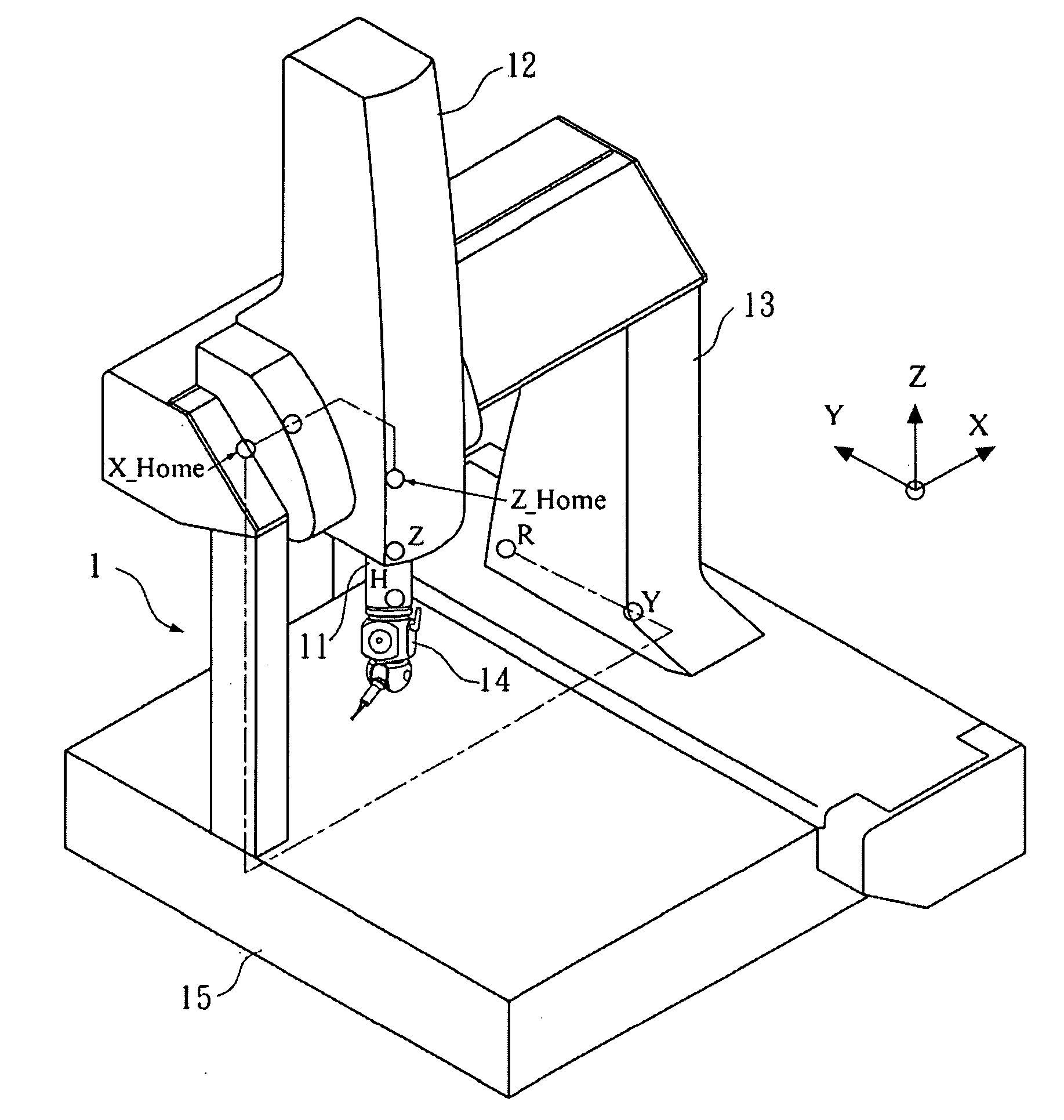
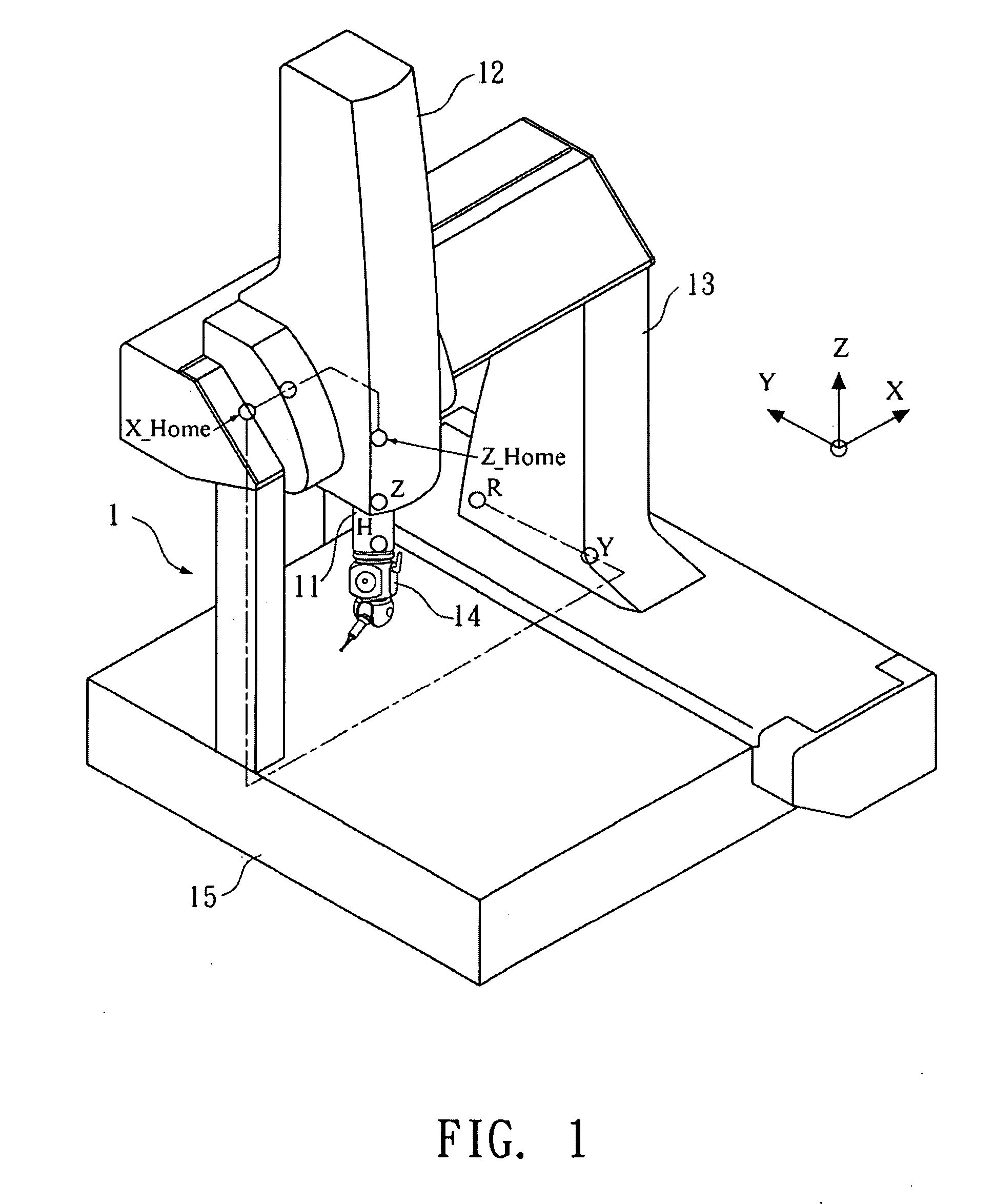
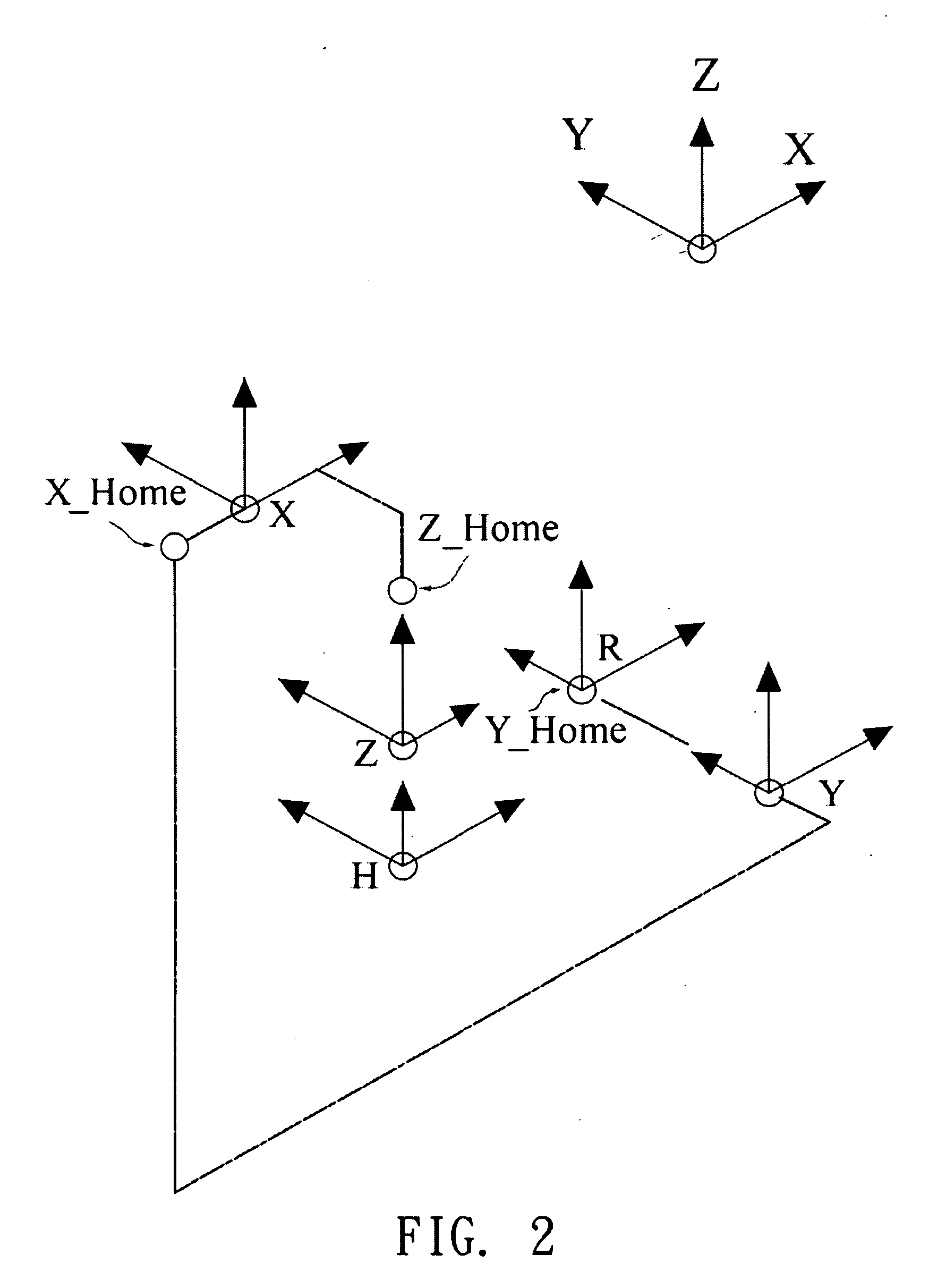
Thermal deformation error compensation method for coordinate measuring machine
PatentInactiveUS20100299094A1
Innovation
- A thermal deformation error compensation method is developed, using a thermal deformation and geometric error model created with Homogeneous Transformation Matrices, incorporating 21 geometric error terms and temperature data from high-precision measurements, which allows for error compensation by interpolating temperature and position data to estimate and correct 3D errors at any machine position.

Material Science Advances for Thermal Stability
The development of advanced materials with enhanced thermal stability represents a critical frontier in addressing commutator thermal deformation challenges. Recent breakthroughs in material science have introduced novel composite materials that exhibit superior dimensional stability under extreme temperature variations. These materials incorporate engineered microstructures that maintain mechanical integrity while providing excellent electrical conductivity properties essential for commutator applications.
Copper-based alloys enhanced with ceramic nanoparticles have emerged as promising candidates for next-generation commutator segments. These composite materials demonstrate significantly reduced thermal expansion coefficients compared to traditional copper alloys, while maintaining the electrical conductivity requirements. The incorporation of aluminum oxide and silicon carbide nanoparticles creates a reinforcement matrix that constrains thermal expansion at the molecular level.
Carbon nanotube reinforced copper composites represent another significant advancement in thermal stability enhancement. The unique properties of carbon nanotubes, including their negative thermal expansion coefficient in the axial direction, can effectively counteract the positive thermal expansion of copper matrices. This synergistic effect results in materials with near-zero thermal expansion characteristics across operational temperature ranges.
Advanced polymer-metal hybrid materials have shown exceptional promise for commutator insulation applications. These materials combine the thermal stability of high-performance polymers with the mechanical strength of metallic reinforcements. Polyimide-based composites reinforced with metallic fibers demonstrate superior dimensional stability while providing excellent electrical insulation properties under thermal stress conditions.
Surface engineering techniques utilizing thermal barrier coatings have revolutionized commutator thermal management. Multi-layer ceramic coatings applied through plasma spray processes create thermal gradients that minimize temperature-induced dimensional changes in underlying substrate materials. These coatings effectively isolate critical commutator components from thermal fluctuations while maintaining electrical performance.
Shape memory alloys integrated into commutator assemblies offer adaptive thermal compensation capabilities. These materials can be programmed to undergo controlled dimensional changes that counteract thermal expansion effects, providing active thermal deformation mitigation. The integration of such smart materials enables self-correcting alignment mechanisms that respond dynamically to temperature variations.
Copper-based alloys enhanced with ceramic nanoparticles have emerged as promising candidates for next-generation commutator segments. These composite materials demonstrate significantly reduced thermal expansion coefficients compared to traditional copper alloys, while maintaining the electrical conductivity requirements. The incorporation of aluminum oxide and silicon carbide nanoparticles creates a reinforcement matrix that constrains thermal expansion at the molecular level.
Carbon nanotube reinforced copper composites represent another significant advancement in thermal stability enhancement. The unique properties of carbon nanotubes, including their negative thermal expansion coefficient in the axial direction, can effectively counteract the positive thermal expansion of copper matrices. This synergistic effect results in materials with near-zero thermal expansion characteristics across operational temperature ranges.
Advanced polymer-metal hybrid materials have shown exceptional promise for commutator insulation applications. These materials combine the thermal stability of high-performance polymers with the mechanical strength of metallic reinforcements. Polyimide-based composites reinforced with metallic fibers demonstrate superior dimensional stability while providing excellent electrical insulation properties under thermal stress conditions.
Surface engineering techniques utilizing thermal barrier coatings have revolutionized commutator thermal management. Multi-layer ceramic coatings applied through plasma spray processes create thermal gradients that minimize temperature-induced dimensional changes in underlying substrate materials. These coatings effectively isolate critical commutator components from thermal fluctuations while maintaining electrical performance.
Shape memory alloys integrated into commutator assemblies offer adaptive thermal compensation capabilities. These materials can be programmed to undergo controlled dimensional changes that counteract thermal expansion effects, providing active thermal deformation mitigation. The integration of such smart materials enables self-correcting alignment mechanisms that respond dynamically to temperature variations.
Manufacturing Process Optimization Strategies
Manufacturing process optimization for commutator alignment represents a critical pathway to mitigate thermal deformation challenges in rotating electrical machinery. The optimization strategies encompass multiple manufacturing phases, from initial material preparation through final assembly procedures, each requiring precise control parameters to ensure dimensional stability under thermal stress conditions.
Advanced machining techniques form the foundation of optimized commutator manufacturing processes. Implementation of multi-axis CNC machining with real-time temperature monitoring enables manufacturers to maintain tight tolerances during copper segment fabrication. The integration of adaptive machining parameters, including variable cutting speeds and feed rates based on thermal feedback, significantly reduces residual stress accumulation that contributes to subsequent deformation patterns.
Material handling and preparation protocols require systematic optimization to address thermal expansion coefficients across different commutator components. Pre-conditioning treatments involving controlled thermal cycling during the manufacturing phase help stabilize material properties and reduce susceptibility to operational temperature variations. Strategic selection of copper alloys with enhanced thermal stability characteristics, combined with optimized annealing processes, establishes a robust foundation for dimensional consistency.
Assembly process refinements focus on minimizing thermal stress introduction during component integration phases. Implementation of temperature-controlled assembly environments, typically maintained within ±2°C tolerance ranges, prevents differential thermal expansion during critical joining operations. Sequential assembly protocols that account for thermal expansion characteristics of dissimilar materials ensure optimal stress distribution patterns throughout the completed commutator structure.
Quality control integration throughout manufacturing processes enables real-time detection and correction of thermal-related dimensional variations. Advanced metrology systems incorporating thermal imaging and precision measurement capabilities provide continuous feedback for process parameter adjustments. Statistical process control methodologies specifically designed for thermal-sensitive manufacturing operations help maintain consistent output quality while identifying optimization opportunities for enhanced thermal performance characteristics.
Advanced machining techniques form the foundation of optimized commutator manufacturing processes. Implementation of multi-axis CNC machining with real-time temperature monitoring enables manufacturers to maintain tight tolerances during copper segment fabrication. The integration of adaptive machining parameters, including variable cutting speeds and feed rates based on thermal feedback, significantly reduces residual stress accumulation that contributes to subsequent deformation patterns.
Material handling and preparation protocols require systematic optimization to address thermal expansion coefficients across different commutator components. Pre-conditioning treatments involving controlled thermal cycling during the manufacturing phase help stabilize material properties and reduce susceptibility to operational temperature variations. Strategic selection of copper alloys with enhanced thermal stability characteristics, combined with optimized annealing processes, establishes a robust foundation for dimensional consistency.
Assembly process refinements focus on minimizing thermal stress introduction during component integration phases. Implementation of temperature-controlled assembly environments, typically maintained within ±2°C tolerance ranges, prevents differential thermal expansion during critical joining operations. Sequential assembly protocols that account for thermal expansion characteristics of dissimilar materials ensure optimal stress distribution patterns throughout the completed commutator structure.
Quality control integration throughout manufacturing processes enables real-time detection and correction of thermal-related dimensional variations. Advanced metrology systems incorporating thermal imaging and precision measurement capabilities provide continuous feedback for process parameter adjustments. Statistical process control methodologies specifically designed for thermal-sensitive manufacturing operations help maintain consistent output quality while identifying optimization opportunities for enhanced thermal performance characteristics.
Unlock deeper insights with PatSnap Eureka Quick Research — get a full tech report to explore trends and direct your research. Try now!
Generate Your Research Report Instantly with AI Agent
Supercharge your innovation with PatSnap Eureka AI Agent Platform!