How to Implement Best Practices for Commutator Maintenance
MAR 16, 20269 MIN READ
Generate Your Research Report Instantly with AI Agent
PatSnap Eureka helps you evaluate technical feasibility & market potential.
Commutator Technology Background and Maintenance Objectives
Commutators represent a fundamental component in DC motors and generators, serving as the critical interface between stationary brushes and rotating armature windings. This electromechanical switching device has been integral to electrical machinery since the early development of direct current systems in the late 19th century. The commutator's primary function involves reversing current direction in armature conductors as they pass through magnetic field poles, ensuring continuous torque production and proper machine operation.
The evolution of commutator technology has been driven by demands for improved efficiency, reliability, and operational lifespan. Early commutators utilized simple copper segments with basic insulation materials, but modern designs incorporate advanced copper alloys, sophisticated insulation systems, and precision manufacturing techniques. Contemporary commutators feature enhanced segment profiles, optimized mica insulation, and surface treatments designed to minimize wear and electrical losses.
Maintenance objectives for commutator systems encompass multiple critical performance parameters that directly impact machine reliability and operational efficiency. The primary objective focuses on maintaining optimal surface conditions to ensure proper brush contact and minimize electrical resistance. This involves preserving the commutator's cylindrical geometry, surface smoothness, and appropriate patina formation that facilitates efficient current transfer while reducing brush wear.
Thermal management represents another crucial maintenance objective, as excessive heat generation can lead to segment lifting, insulation degradation, and premature failure. Effective maintenance practices must address heat dissipation through proper ventilation, contamination removal, and monitoring of operating temperatures during various load conditions.
Electrical performance optimization constitutes a fundamental maintenance goal, requiring attention to inter-segment insulation integrity, resistance balance across segments, and elimination of short circuits or ground faults. Regular assessment of electrical parameters ensures uniform current distribution and prevents localized heating that could compromise commutator integrity.
Mechanical stability maintenance involves preserving proper segment retention, preventing copper growth, and maintaining appropriate clearances between components. This objective requires systematic monitoring of segment protrusion, mica undercutting depth, and overall dimensional stability under operational stresses.
The overarching maintenance philosophy emphasizes predictive and preventive approaches rather than reactive repairs, aiming to extend service intervals, reduce unplanned downtime, and optimize total cost of ownership while maintaining peak electrical and mechanical performance throughout the commutator's operational lifecycle.
The evolution of commutator technology has been driven by demands for improved efficiency, reliability, and operational lifespan. Early commutators utilized simple copper segments with basic insulation materials, but modern designs incorporate advanced copper alloys, sophisticated insulation systems, and precision manufacturing techniques. Contemporary commutators feature enhanced segment profiles, optimized mica insulation, and surface treatments designed to minimize wear and electrical losses.
Maintenance objectives for commutator systems encompass multiple critical performance parameters that directly impact machine reliability and operational efficiency. The primary objective focuses on maintaining optimal surface conditions to ensure proper brush contact and minimize electrical resistance. This involves preserving the commutator's cylindrical geometry, surface smoothness, and appropriate patina formation that facilitates efficient current transfer while reducing brush wear.
Thermal management represents another crucial maintenance objective, as excessive heat generation can lead to segment lifting, insulation degradation, and premature failure. Effective maintenance practices must address heat dissipation through proper ventilation, contamination removal, and monitoring of operating temperatures during various load conditions.
Electrical performance optimization constitutes a fundamental maintenance goal, requiring attention to inter-segment insulation integrity, resistance balance across segments, and elimination of short circuits or ground faults. Regular assessment of electrical parameters ensures uniform current distribution and prevents localized heating that could compromise commutator integrity.
Mechanical stability maintenance involves preserving proper segment retention, preventing copper growth, and maintaining appropriate clearances between components. This objective requires systematic monitoring of segment protrusion, mica undercutting depth, and overall dimensional stability under operational stresses.
The overarching maintenance philosophy emphasizes predictive and preventive approaches rather than reactive repairs, aiming to extend service intervals, reduce unplanned downtime, and optimize total cost of ownership while maintaining peak electrical and mechanical performance throughout the commutator's operational lifecycle.
Market Demand for Reliable Commutator Systems
The global market for reliable commutator systems is experiencing substantial growth driven by increasing industrial automation and the expanding electric motor industry. Manufacturing sectors, particularly automotive, aerospace, and heavy machinery, are demanding higher performance standards from rotating electrical equipment, creating significant opportunities for advanced commutator maintenance solutions.
Industrial facilities worldwide are recognizing that proactive commutator maintenance directly impacts operational efficiency and equipment longevity. The automotive industry, with its shift toward electric vehicles and hybrid systems, represents a particularly dynamic market segment where commutator reliability is critical for motor performance and consumer safety. Similarly, the aerospace sector requires ultra-reliable commutator systems for flight-critical applications, driving demand for sophisticated maintenance protocols.
The power generation industry presents another substantial market opportunity, as aging infrastructure requires enhanced maintenance strategies to ensure grid stability and reduce unplanned outages. Wind turbine generators, industrial pumps, and compressor systems all rely on commutator-based motors where maintenance best practices can significantly reduce total cost of ownership.
Market research indicates strong demand for predictive maintenance technologies that can monitor commutator condition in real-time. Industries are increasingly seeking integrated solutions that combine traditional maintenance techniques with modern diagnostic tools, including vibration analysis, thermal imaging, and electrical signature analysis. This trend reflects a broader shift from reactive to predictive maintenance strategies across industrial sectors.
The railway and transportation sectors also contribute significantly to market demand, where commutator reliability directly affects service availability and passenger safety. Metro systems, freight railways, and industrial material handling equipment require robust maintenance protocols to minimize service disruptions and ensure regulatory compliance.
Emerging markets in Asia-Pacific and Latin America are experiencing rapid industrialization, creating new demand for reliable commutator systems and associated maintenance expertise. These regions present opportunities for companies offering comprehensive maintenance solutions that can support local industrial development while meeting international quality standards.
The market is also responding to environmental regulations that encourage longer equipment lifecycles and reduced waste generation. Effective commutator maintenance practices align with sustainability goals by extending motor life and reducing the need for premature equipment replacement, making these solutions increasingly attractive to environmentally conscious organizations.
Industrial facilities worldwide are recognizing that proactive commutator maintenance directly impacts operational efficiency and equipment longevity. The automotive industry, with its shift toward electric vehicles and hybrid systems, represents a particularly dynamic market segment where commutator reliability is critical for motor performance and consumer safety. Similarly, the aerospace sector requires ultra-reliable commutator systems for flight-critical applications, driving demand for sophisticated maintenance protocols.
The power generation industry presents another substantial market opportunity, as aging infrastructure requires enhanced maintenance strategies to ensure grid stability and reduce unplanned outages. Wind turbine generators, industrial pumps, and compressor systems all rely on commutator-based motors where maintenance best practices can significantly reduce total cost of ownership.
Market research indicates strong demand for predictive maintenance technologies that can monitor commutator condition in real-time. Industries are increasingly seeking integrated solutions that combine traditional maintenance techniques with modern diagnostic tools, including vibration analysis, thermal imaging, and electrical signature analysis. This trend reflects a broader shift from reactive to predictive maintenance strategies across industrial sectors.
The railway and transportation sectors also contribute significantly to market demand, where commutator reliability directly affects service availability and passenger safety. Metro systems, freight railways, and industrial material handling equipment require robust maintenance protocols to minimize service disruptions and ensure regulatory compliance.
Emerging markets in Asia-Pacific and Latin America are experiencing rapid industrialization, creating new demand for reliable commutator systems and associated maintenance expertise. These regions present opportunities for companies offering comprehensive maintenance solutions that can support local industrial development while meeting international quality standards.
The market is also responding to environmental regulations that encourage longer equipment lifecycles and reduced waste generation. Effective commutator maintenance practices align with sustainability goals by extending motor life and reducing the need for premature equipment replacement, making these solutions increasingly attractive to environmentally conscious organizations.
Current Commutator Maintenance Challenges and Issues
Commutator maintenance faces significant challenges stemming from the harsh operating environments and complex failure mechanisms inherent to rotating electrical machinery. Traditional maintenance approaches often rely on reactive strategies, leading to unexpected failures and costly downtime. The primary technical constraint lies in accurately predicting commutator wear patterns, as these components experience simultaneous mechanical, electrical, and thermal stresses that create unpredictable degradation pathways.
Carbon brush wear represents one of the most persistent challenges in commutator maintenance. The interaction between carbon brushes and copper segments generates varying wear rates depending on load conditions, environmental factors, and material quality. Inconsistent brush grades and improper seating procedures frequently result in uneven current distribution, leading to accelerated segment wear and reduced operational lifespan.
Electrical contact resistance issues pose another critical challenge, particularly in high-current applications. Oxidation and contamination of commutator surfaces create hotspots that can rapidly escalate into catastrophic failures. The difficulty in maintaining optimal contact pressure across all brush positions compounds this problem, especially in machines with large commutator diameters where mechanical tolerances become increasingly critical.
Thermal management constraints significantly impact maintenance effectiveness. Commutators operating in enclosed environments or under heavy load conditions experience temperature fluctuations that affect material properties and dimensional stability. The lack of real-time temperature monitoring capabilities in many installations prevents proactive intervention before thermal damage occurs.
Diagnostic limitations represent a fundamental barrier to effective maintenance implementation. Current inspection methods often require machine shutdown and manual assessment, making frequent monitoring economically unfeasible. The absence of standardized condition assessment criteria across different machine types and manufacturers creates inconsistencies in maintenance decision-making processes.
Access restrictions in industrial installations further complicate maintenance procedures. Many commutators are located in confined spaces or integrated within complex machinery assemblies, making routine inspection and servicing challenging. This accessibility issue often leads to deferred maintenance and increased risk of unexpected failures.
Skilled technician shortage presents an ongoing challenge for implementing comprehensive maintenance programs. The specialized knowledge required for proper commutator assessment and repair is becoming increasingly scarce as experienced personnel retire, creating gaps in maintenance capability across various industries.
Carbon brush wear represents one of the most persistent challenges in commutator maintenance. The interaction between carbon brushes and copper segments generates varying wear rates depending on load conditions, environmental factors, and material quality. Inconsistent brush grades and improper seating procedures frequently result in uneven current distribution, leading to accelerated segment wear and reduced operational lifespan.
Electrical contact resistance issues pose another critical challenge, particularly in high-current applications. Oxidation and contamination of commutator surfaces create hotspots that can rapidly escalate into catastrophic failures. The difficulty in maintaining optimal contact pressure across all brush positions compounds this problem, especially in machines with large commutator diameters where mechanical tolerances become increasingly critical.
Thermal management constraints significantly impact maintenance effectiveness. Commutators operating in enclosed environments or under heavy load conditions experience temperature fluctuations that affect material properties and dimensional stability. The lack of real-time temperature monitoring capabilities in many installations prevents proactive intervention before thermal damage occurs.
Diagnostic limitations represent a fundamental barrier to effective maintenance implementation. Current inspection methods often require machine shutdown and manual assessment, making frequent monitoring economically unfeasible. The absence of standardized condition assessment criteria across different machine types and manufacturers creates inconsistencies in maintenance decision-making processes.
Access restrictions in industrial installations further complicate maintenance procedures. Many commutators are located in confined spaces or integrated within complex machinery assemblies, making routine inspection and servicing challenging. This accessibility issue often leads to deferred maintenance and increased risk of unexpected failures.
Skilled technician shortage presents an ongoing challenge for implementing comprehensive maintenance programs. The specialized knowledge required for proper commutator assessment and repair is becoming increasingly scarce as experienced personnel retire, creating gaps in maintenance capability across various industries.
Current Best Practice Solutions for Commutator Care
01 Commutator surface treatment and coating methods
Various surface treatment techniques can be applied to commutators to improve their durability and performance. These treatments include applying protective coatings, polishing surfaces, and using specialized materials to reduce wear and friction. Surface modifications help prevent oxidation, corrosion, and material degradation during operation. Advanced coating technologies can extend the service life of commutators by creating barriers against environmental factors and electrical arcing.- Commutator surface treatment and coating methods: Various surface treatment techniques can be applied to commutators to improve their durability and performance. These treatments include applying protective coatings, polishing methods, and surface finishing processes that reduce wear and improve electrical contact. Special coating materials can be deposited on the commutator surface to enhance resistance to oxidation and corrosion while maintaining good electrical conductivity.
- Commutator cleaning and debris removal systems: Effective maintenance requires regular cleaning of commutator surfaces to remove carbon dust, debris, and contaminants that accumulate during operation. Specialized cleaning mechanisms and systems can be integrated to automatically or manually remove particles that interfere with proper brush contact. These systems help maintain optimal electrical contact and prevent premature wear of both the commutator and brushes.
- Brush and commutator contact optimization: Maintaining proper contact between brushes and the commutator surface is critical for motor performance. This involves monitoring and adjusting brush pressure, ensuring correct brush positioning, and selecting appropriate brush materials that are compatible with the commutator. Regular inspection and adjustment of the brush-commutator interface can prevent arcing, reduce wear, and extend service life.
- Commutator wear monitoring and diagnostic systems: Advanced monitoring systems can detect commutator wear patterns, surface irregularities, and performance degradation before they lead to failure. These diagnostic approaches may include sensors, measurement devices, and analytical methods that assess commutator condition during operation or maintenance intervals. Early detection of wear allows for timely intervention and prevents costly breakdowns.
- Commutator repair and reconditioning techniques: When commutators show signs of wear or damage, various repair and reconditioning methods can restore them to serviceable condition. These techniques include machining operations to restore surface smoothness, undercutting of insulation between segments, and replacement of damaged segments. Proper reconditioning procedures can significantly extend commutator life and maintain motor efficiency without requiring complete replacement.
02 Commutator cleaning and debris removal systems
Effective cleaning mechanisms are essential for maintaining commutator performance by removing carbon dust, brush debris, and other contaminants that accumulate during operation. Automated cleaning systems can be integrated into motor designs to continuously or periodically remove particles from commutator surfaces. These systems may include mechanical brushes, air jets, or vacuum mechanisms that prevent buildup of conductive debris which could cause short circuits or increased resistance.Expand Specific Solutions03 Brush and commutator contact optimization
Proper alignment and contact pressure between brushes and commutators are critical for optimal electrical conductivity and minimal wear. Adjustment mechanisms allow for precise positioning of brushes to ensure uniform contact across the commutator surface. Spring-loaded systems and adjustable mounting brackets enable maintenance personnel to compensate for brush wear and maintain consistent contact pressure. Regular inspection and adjustment of contact interfaces help prevent arcing, overheating, and premature component failure.Expand Specific Solutions04 Commutator wear monitoring and diagnostic systems
Advanced monitoring technologies enable real-time assessment of commutator condition through various sensing methods. These systems can detect abnormal wear patterns, surface irregularities, and electrical anomalies before they lead to failure. Diagnostic tools may measure parameters such as surface roughness, electrical resistance, temperature, and vibration to predict maintenance needs. Predictive maintenance approaches based on condition monitoring help optimize maintenance schedules and reduce unexpected downtime.Expand Specific Solutions05 Commutator resurfacing and restoration techniques
When commutators develop surface defects or wear beyond acceptable limits, resurfacing procedures can restore them to proper operating condition. Machining operations such as turning, grinding, or undercutting can remove damaged material and recreate smooth, concentric surfaces. Specialized tools and fixtures enable precise material removal while maintaining critical dimensional tolerances. Restoration techniques can significantly extend commutator life and provide cost-effective alternatives to complete replacement.Expand Specific Solutions
Key Players in Commutator and Motor Industry
The commutator maintenance technology sector represents a mature industrial market characterized by established players and incremental innovation rather than disruptive breakthroughs. The industry operates in a stable growth phase, driven primarily by automotive electrification trends and industrial automation demands. Market leaders like Robert Bosch GmbH and SEG Automotive Germany GmbH dominate through comprehensive maintenance solutions and extensive service networks. Technology maturity is high, with companies such as Ford Global Technologies LLC, Panasonic Holdings Corp., and GM Global Technology Operations LLC focusing on predictive maintenance algorithms and IoT integration. Specialized manufacturers including Sinterwerke Herne GmbH and C.&E. Fein GmbH contribute niche expertise in materials and precision tooling. The competitive landscape shows consolidation around proven maintenance methodologies, with innovation concentrated on digitalization and condition monitoring rather than fundamental technological shifts.
Robert Bosch GmbH
Technical Solution: Bosch implements comprehensive commutator maintenance through advanced diagnostic systems and predictive maintenance algorithms. Their approach includes real-time monitoring of brush wear patterns, commutator surface analysis using optical inspection systems, and automated cleaning protocols. The company utilizes IoT-enabled sensors to track commutator temperature, vibration levels, and electrical resistance changes. Their maintenance strategy incorporates machine learning algorithms to predict optimal maintenance intervals based on operating conditions, load patterns, and environmental factors. Bosch's integrated maintenance platform provides automated alerts for brush replacement, commutator resurfacing requirements, and contamination detection, enabling proactive maintenance scheduling and reducing unexpected failures.
Strengths: Advanced predictive analytics, comprehensive monitoring systems, proven automotive industry experience. Weaknesses: High implementation costs, complex system integration requirements.
SEG Automotive Germany GmbH
Technical Solution: SEG Automotive focuses on commutator maintenance through specialized brush technology and surface treatment solutions. Their approach emphasizes optimal brush material selection, proper brush pressure adjustment, and systematic commutator surface conditioning. The company develops maintenance protocols that include regular inspection schedules, brush wear measurement techniques, and commutator cleaning procedures using specialized solvents and abrasives. SEG's maintenance framework incorporates thermal management strategies to prevent overheating, electrical contact optimization to reduce arcing, and contamination prevention measures. Their solution includes training programs for maintenance personnel and standardized procedures for commutator refurbishment and replacement.
Strengths: Specialized automotive expertise, proven brush technology solutions, comprehensive training programs. Weaknesses: Limited to automotive applications, requires specialized maintenance personnel.
Core Technologies in Advanced Commutator Maintenance
Method for operating a d.c. generator
PatentWO2011039257A2
Innovation
- The method involves monitoring the inrush current and voltage dip at the DC voltage source to influence the patination of the commutator, allowing for corrective measures through separate cleaning cycles and adjusting operating parameters to maintain optimal lubrication and reduce wear, without changing the brush composition.


Method for Monitoring the Condition of a Commutator of an Electric Motor
PatentInactiveUS20110006717A1
Innovation
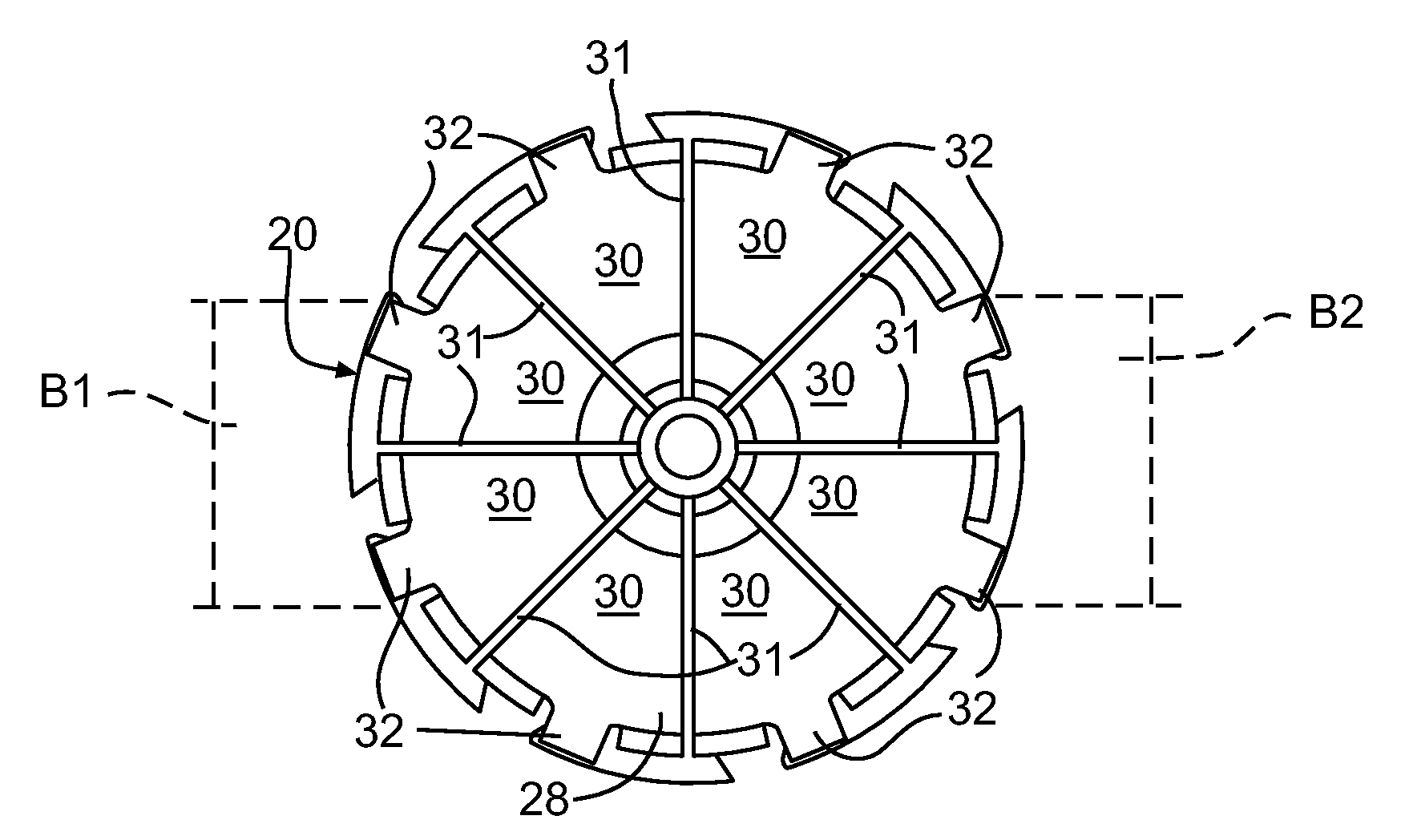
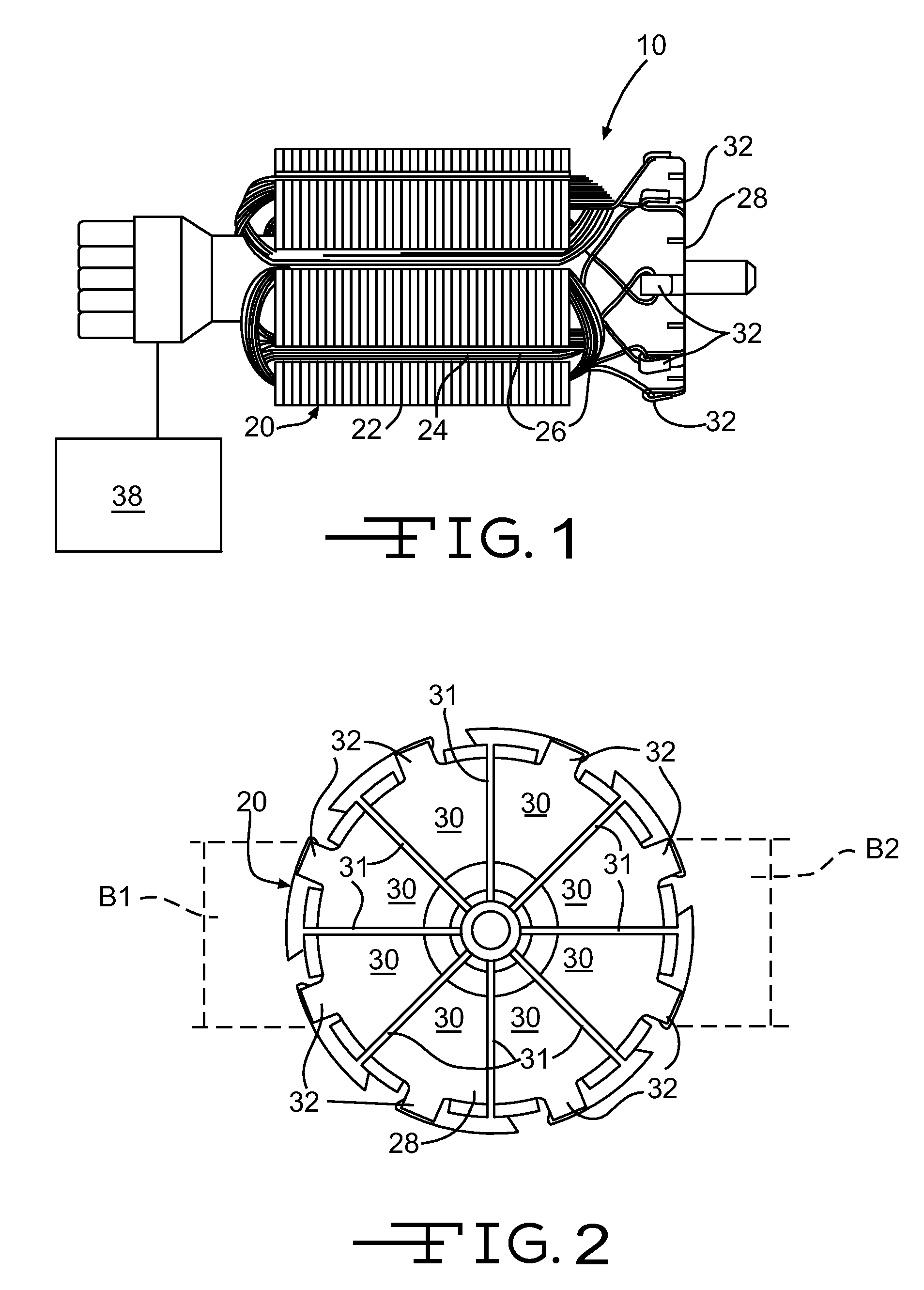
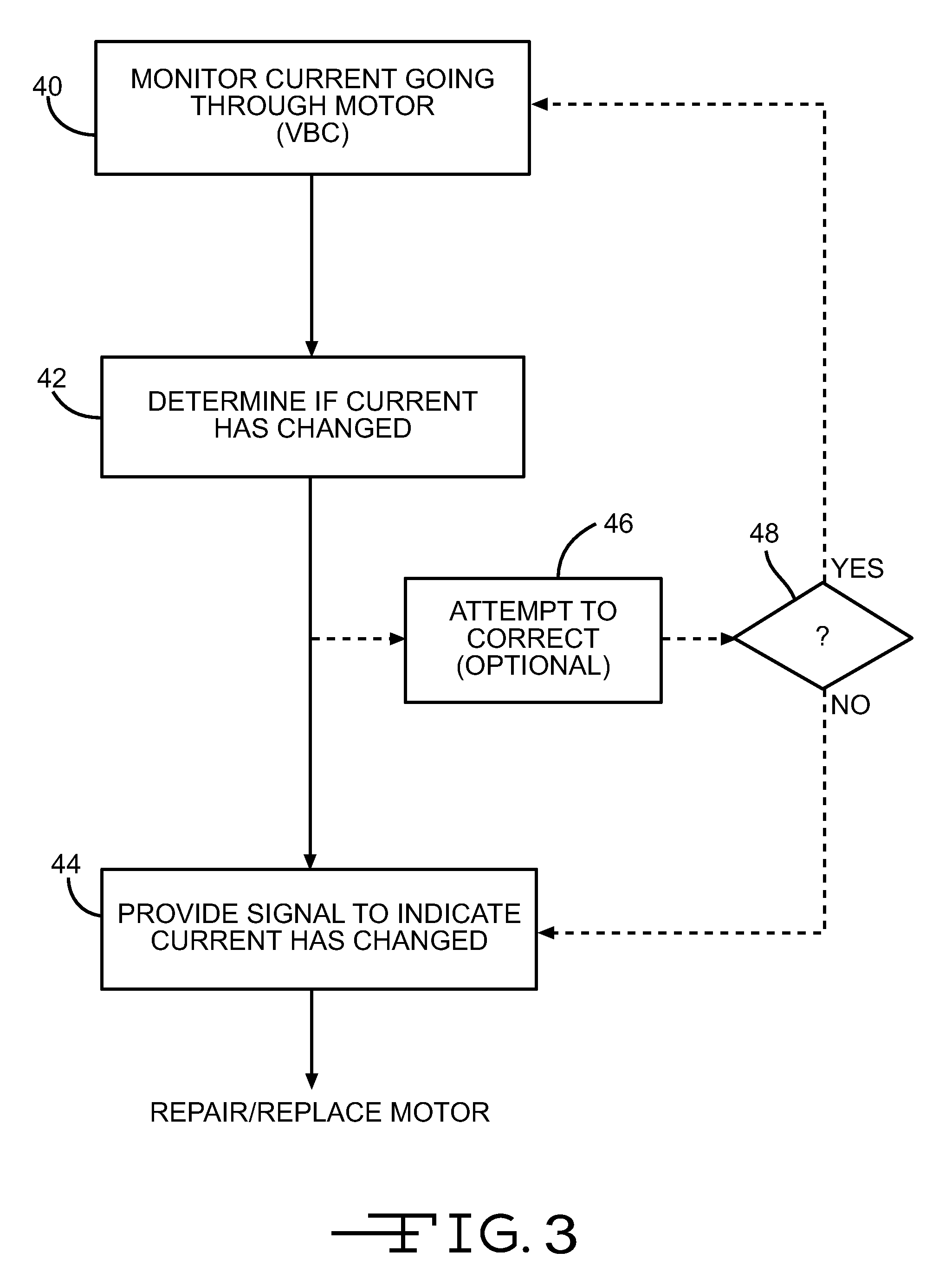
- A method for monitoring the current through the motor to detect changes in resistance, indicating packed slots, using a current monitoring device that provides signals for visual, audio, or diagnostic trouble codes, and optionally attempts to clean or burn off debris without disassembly.
Safety Standards and Regulations for Motor Maintenance
Motor maintenance operations involving commutators are governed by comprehensive safety standards and regulatory frameworks designed to protect personnel and ensure operational integrity. The Occupational Safety and Health Administration (OSHA) establishes fundamental workplace safety requirements, including lockout/tagout procedures (29 CFR 1910.147) that mandate complete energy isolation before commutator maintenance begins. These regulations require verified de-energization, proper tagging of disconnected power sources, and multi-person verification protocols to prevent accidental energization during maintenance activities.
The National Electrical Code (NEC) Article 430 specifically addresses motor maintenance safety requirements, establishing minimum clearance distances, proper grounding procedures, and electrical safety protocols. International standards such as IEC 60034 series provide comprehensive guidelines for rotating electrical machines, including specific provisions for commutator inspection and maintenance procedures. These standards mandate regular thermal imaging assessments, vibration monitoring protocols, and detailed documentation requirements for maintenance activities.
Industrial safety regulations require comprehensive personal protective equipment (PPE) protocols during commutator maintenance. This includes arc-rated clothing, insulated tools rated for the operating voltage, safety glasses with side shields, and non-conductive footwear. The IEEE 43 standard establishes insulation testing procedures that must be performed before and after commutator maintenance to verify system integrity and prevent electrical hazards.
Regulatory compliance extends to environmental considerations, particularly regarding carbon dust management and disposal. The Environmental Protection Agency (EPA) classifies carbon brush debris as industrial waste requiring proper containment and disposal procedures. Maintenance facilities must implement dust collection systems meeting NFPA 654 standards for combustible dust management, as carbon particles present both respiratory and fire hazards.
Documentation requirements under ISO 55000 asset management standards mandate detailed maintenance records, including pre-maintenance safety assessments, work completion verification, and post-maintenance testing results. These regulatory frameworks collectively ensure that commutator maintenance operations maintain the highest safety standards while preserving equipment reliability and extending operational lifespan through systematic, compliant maintenance practices.
The National Electrical Code (NEC) Article 430 specifically addresses motor maintenance safety requirements, establishing minimum clearance distances, proper grounding procedures, and electrical safety protocols. International standards such as IEC 60034 series provide comprehensive guidelines for rotating electrical machines, including specific provisions for commutator inspection and maintenance procedures. These standards mandate regular thermal imaging assessments, vibration monitoring protocols, and detailed documentation requirements for maintenance activities.
Industrial safety regulations require comprehensive personal protective equipment (PPE) protocols during commutator maintenance. This includes arc-rated clothing, insulated tools rated for the operating voltage, safety glasses with side shields, and non-conductive footwear. The IEEE 43 standard establishes insulation testing procedures that must be performed before and after commutator maintenance to verify system integrity and prevent electrical hazards.
Regulatory compliance extends to environmental considerations, particularly regarding carbon dust management and disposal. The Environmental Protection Agency (EPA) classifies carbon brush debris as industrial waste requiring proper containment and disposal procedures. Maintenance facilities must implement dust collection systems meeting NFPA 654 standards for combustible dust management, as carbon particles present both respiratory and fire hazards.
Documentation requirements under ISO 55000 asset management standards mandate detailed maintenance records, including pre-maintenance safety assessments, work completion verification, and post-maintenance testing results. These regulatory frameworks collectively ensure that commutator maintenance operations maintain the highest safety standards while preserving equipment reliability and extending operational lifespan through systematic, compliant maintenance practices.
Cost-Benefit Analysis of Commutator Maintenance Programs
The economic evaluation of commutator maintenance programs requires a comprehensive assessment of both direct and indirect costs against measurable benefits. Initial investment considerations include specialized diagnostic equipment, training programs for maintenance personnel, and establishment of preventive maintenance schedules. These upfront costs typically range from $50,000 to $200,000 for medium-scale industrial operations, depending on the complexity and number of rotating machines in the facility.
Direct operational costs encompass regular inspection activities, replacement of carbon brushes, commutator resurfacing procedures, and associated labor expenses. Industry data indicates that proactive maintenance programs typically cost 30-40% less than reactive maintenance approaches over a five-year period. The frequency of interventions directly impacts cost structures, with optimal maintenance intervals reducing both material consumption and labor requirements.
Quantifiable benefits include significant reductions in unplanned downtime, which can cost manufacturing facilities between $10,000 to $50,000 per hour depending on production capacity. Well-implemented maintenance programs demonstrate 60-80% reduction in unexpected failures, translating to substantial operational savings. Extended equipment lifespan represents another major benefit, with properly maintained commutators lasting 2-3 times longer than those under reactive maintenance regimes.
Energy efficiency improvements constitute an often-overlooked benefit category. Degraded commutators increase electrical resistance and reduce motor efficiency by 5-15%, resulting in higher energy consumption. Regular maintenance maintains optimal electrical contact, reducing energy costs by approximately 8-12% annually for typical industrial motor applications.
Risk mitigation benefits include reduced safety incidents, lower insurance premiums, and improved regulatory compliance. Catastrophic commutator failures can result in fire hazards, equipment damage exceeding $100,000, and potential injury liability. Preventive programs significantly reduce these risks, providing substantial value through avoided catastrophic events.
Return on investment calculations typically show positive results within 18-24 months for comprehensive maintenance programs. The break-even point varies based on equipment criticality, operational intensity, and local labor costs, but most industrial applications achieve 200-400% ROI over five-year periods through combined savings in downtime, energy, and replacement costs.
Direct operational costs encompass regular inspection activities, replacement of carbon brushes, commutator resurfacing procedures, and associated labor expenses. Industry data indicates that proactive maintenance programs typically cost 30-40% less than reactive maintenance approaches over a five-year period. The frequency of interventions directly impacts cost structures, with optimal maintenance intervals reducing both material consumption and labor requirements.
Quantifiable benefits include significant reductions in unplanned downtime, which can cost manufacturing facilities between $10,000 to $50,000 per hour depending on production capacity. Well-implemented maintenance programs demonstrate 60-80% reduction in unexpected failures, translating to substantial operational savings. Extended equipment lifespan represents another major benefit, with properly maintained commutators lasting 2-3 times longer than those under reactive maintenance regimes.
Energy efficiency improvements constitute an often-overlooked benefit category. Degraded commutators increase electrical resistance and reduce motor efficiency by 5-15%, resulting in higher energy consumption. Regular maintenance maintains optimal electrical contact, reducing energy costs by approximately 8-12% annually for typical industrial motor applications.
Risk mitigation benefits include reduced safety incidents, lower insurance premiums, and improved regulatory compliance. Catastrophic commutator failures can result in fire hazards, equipment damage exceeding $100,000, and potential injury liability. Preventive programs significantly reduce these risks, providing substantial value through avoided catastrophic events.
Return on investment calculations typically show positive results within 18-24 months for comprehensive maintenance programs. The break-even point varies based on equipment criticality, operational intensity, and local labor costs, but most industrial applications achieve 200-400% ROI over five-year periods through combined savings in downtime, energy, and replacement costs.
Unlock deeper insights with PatSnap Eureka Quick Research — get a full tech report to explore trends and direct your research. Try now!
Generate Your Research Report Instantly with AI Agent
Supercharge your innovation with PatSnap Eureka AI Agent Platform!