
Compacted Graphite Iron vs. Composite Materials: Usage Trends
APR 2, 20269 MIN READ
Generate Your Research Report Instantly with AI Agent
Patsnap Eureka helps you evaluate technical feasibility & market potential.
CGI vs Composite Materials Background and Objectives
Compacted Graphite Iron (CGI) and composite materials represent two distinct material paradigms that have evolved to address the demanding requirements of modern engineering applications. CGI, developed in the 1960s and commercialized in the 1980s, emerged as an intermediate solution between conventional gray cast iron and ductile iron, offering enhanced mechanical properties while maintaining excellent castability and thermal conductivity. Composite materials, encompassing fiber-reinforced plastics, metal matrix composites, and ceramic matrix composites, have gained prominence since the aerospace industry's adoption in the 1970s, driven by their exceptional strength-to-weight ratios and design flexibility.
The automotive industry has become the primary battleground for these competing material technologies, particularly in powertrain applications where thermal management, weight reduction, and mechanical performance converge. CGI has established dominance in diesel engine blocks and cylinder heads, leveraging its superior thermal conductivity and fatigue resistance compared to aluminum alternatives. Meanwhile, composite materials have penetrated structural components, body panels, and increasingly, semi-structural engine applications where weight savings justify higher material costs.
Current market dynamics reveal divergent adoption patterns across geographical regions and application sectors. European automotive manufacturers have embraced CGI technology extensively, with over 60% of heavy-duty diesel engines incorporating CGI components. North American markets show growing interest, particularly in commercial vehicle applications. Conversely, composite materials demonstrate stronger penetration in luxury automotive segments and aerospace applications, where performance premiums offset cost considerations.
The technological objectives driving this comparative analysis center on identifying optimal material selection criteria for next-generation applications. Key performance metrics include specific strength, thermal management capabilities, manufacturing scalability, lifecycle cost analysis, and environmental impact assessment. Understanding the evolutionary trajectories of both material systems becomes crucial for strategic technology investment decisions.
Emerging application domains such as electric vehicle thermal management systems, lightweight structural components, and high-performance engine applications present new competitive landscapes. The integration of advanced manufacturing techniques, including additive manufacturing for composites and precision casting for CGI, further complicates the selection matrix while expanding application possibilities for both material categories.
The automotive industry has become the primary battleground for these competing material technologies, particularly in powertrain applications where thermal management, weight reduction, and mechanical performance converge. CGI has established dominance in diesel engine blocks and cylinder heads, leveraging its superior thermal conductivity and fatigue resistance compared to aluminum alternatives. Meanwhile, composite materials have penetrated structural components, body panels, and increasingly, semi-structural engine applications where weight savings justify higher material costs.
Current market dynamics reveal divergent adoption patterns across geographical regions and application sectors. European automotive manufacturers have embraced CGI technology extensively, with over 60% of heavy-duty diesel engines incorporating CGI components. North American markets show growing interest, particularly in commercial vehicle applications. Conversely, composite materials demonstrate stronger penetration in luxury automotive segments and aerospace applications, where performance premiums offset cost considerations.
The technological objectives driving this comparative analysis center on identifying optimal material selection criteria for next-generation applications. Key performance metrics include specific strength, thermal management capabilities, manufacturing scalability, lifecycle cost analysis, and environmental impact assessment. Understanding the evolutionary trajectories of both material systems becomes crucial for strategic technology investment decisions.
Emerging application domains such as electric vehicle thermal management systems, lightweight structural components, and high-performance engine applications present new competitive landscapes. The integration of advanced manufacturing techniques, including additive manufacturing for composites and precision casting for CGI, further complicates the selection matrix while expanding application possibilities for both material categories.
Market Demand Analysis for CGI and Composite Applications
The automotive industry represents the largest market segment for both compacted graphite iron and composite materials, driven by stringent emission regulations and fuel efficiency requirements. CGI has established a strong foothold in heavy-duty diesel engine applications, particularly for cylinder blocks and heads in commercial vehicles, marine engines, and power generation equipment. The material's superior thermal conductivity and fatigue resistance make it indispensable for high-performance engine components where cast iron limitations become apparent.
Composite materials are experiencing accelerated adoption across multiple automotive applications, ranging from body panels and structural components to interior elements. The aerospace sector continues to be a primary driver for advanced composite materials, with commercial aircraft manufacturers increasingly incorporating carbon fiber reinforced plastics for weight reduction and fuel efficiency improvements. Wind energy applications have emerged as another significant growth area for composites, particularly in turbine blade manufacturing.
The construction and infrastructure sectors present divergent demand patterns for these materials. CGI finds applications in heavy machinery, construction equipment, and industrial pumps where durability and cost-effectiveness are paramount. Composite materials are gaining traction in architectural applications, bridge construction, and rehabilitation projects where corrosion resistance and design flexibility offer distinct advantages over traditional materials.
Market capacity analysis reveals that CGI occupies a specialized niche within the broader cast iron market, with demand closely tied to heavy-duty engine production volumes and industrial equipment manufacturing. The global foundry industry's capacity for CGI production remains concentrated in regions with established automotive and industrial manufacturing bases, creating supply chain dependencies that influence market dynamics.
Composite materials market capacity demonstrates more diverse geographic distribution, with production capabilities expanding rapidly in emerging markets. The market shows strong correlation with aerospace production cycles, automotive lightweighting initiatives, and renewable energy infrastructure development. Demand volatility in composite materials tends to be higher due to the cyclical nature of key end-use industries and the ongoing technology transitions affecting material selection criteria.
Regional demand variations reflect local industrial strengths and regulatory environments. European markets show strong preference for CGI in commercial vehicle applications, while North American demand is driven by heavy-duty truck and off-highway equipment sectors. Asian markets demonstrate growing appetite for both materials, with composite demand particularly strong in consumer electronics and automotive applications.
Composite materials are experiencing accelerated adoption across multiple automotive applications, ranging from body panels and structural components to interior elements. The aerospace sector continues to be a primary driver for advanced composite materials, with commercial aircraft manufacturers increasingly incorporating carbon fiber reinforced plastics for weight reduction and fuel efficiency improvements. Wind energy applications have emerged as another significant growth area for composites, particularly in turbine blade manufacturing.
The construction and infrastructure sectors present divergent demand patterns for these materials. CGI finds applications in heavy machinery, construction equipment, and industrial pumps where durability and cost-effectiveness are paramount. Composite materials are gaining traction in architectural applications, bridge construction, and rehabilitation projects where corrosion resistance and design flexibility offer distinct advantages over traditional materials.
Market capacity analysis reveals that CGI occupies a specialized niche within the broader cast iron market, with demand closely tied to heavy-duty engine production volumes and industrial equipment manufacturing. The global foundry industry's capacity for CGI production remains concentrated in regions with established automotive and industrial manufacturing bases, creating supply chain dependencies that influence market dynamics.
Composite materials market capacity demonstrates more diverse geographic distribution, with production capabilities expanding rapidly in emerging markets. The market shows strong correlation with aerospace production cycles, automotive lightweighting initiatives, and renewable energy infrastructure development. Demand volatility in composite materials tends to be higher due to the cyclical nature of key end-use industries and the ongoing technology transitions affecting material selection criteria.
Regional demand variations reflect local industrial strengths and regulatory environments. European markets show strong preference for CGI in commercial vehicle applications, while North American demand is driven by heavy-duty truck and off-highway equipment sectors. Asian markets demonstrate growing appetite for both materials, with composite demand particularly strong in consumer electronics and automotive applications.
Current Status and Challenges in Material Selection
The material selection landscape between compacted graphite iron (CGI) and composite materials presents a complex decision matrix influenced by multiple technical, economic, and performance factors. Currently, both material categories occupy distinct market segments, with CGI dominating heavy-duty automotive applications such as diesel engine blocks and cylinder heads, while composite materials have established strong footholds in aerospace, automotive body panels, and high-performance applications where weight reduction is paramount.
CGI's current market position stems from its superior thermal conductivity, excellent machinability, and cost-effectiveness in high-volume production scenarios. The material offers a compelling balance between the strength of ductile iron and the thermal properties of gray iron, making it particularly attractive for internal combustion engine applications. However, its adoption faces constraints related to weight considerations and increasingly stringent emission regulations that favor lighter alternatives.
Composite materials, particularly carbon fiber reinforced polymers (CFRP) and glass fiber reinforced polymers (GFRP), have gained significant traction due to their exceptional strength-to-weight ratios and design flexibility. The automotive industry's shift toward electrification has accelerated composite adoption, as electric vehicle manufacturers prioritize weight reduction to maximize battery range. Nevertheless, composite materials face substantial challenges in terms of manufacturing scalability, recycling complexity, and higher material costs compared to traditional metallic solutions.
Manufacturing considerations present divergent challenges for both material categories. CGI benefits from established foundry infrastructure and well-understood processing parameters, yet faces limitations in complex geometries and requires specialized expertise for optimal microstructure control. Composite manufacturing, while offering greater design freedom, struggles with cycle time optimization, quality consistency in automated production, and the need for specialized tooling and curing equipment.
Cost dynamics remain a critical selection factor, with CGI maintaining advantages in raw material costs and processing efficiency for high-volume applications. Composite materials face ongoing pressure to reduce manufacturing costs through automation, improved fiber placement technologies, and development of lower-cost precursor materials. The total cost of ownership calculation increasingly includes end-of-life considerations, where CGI's recyclability provides advantages over current composite recycling limitations.
Performance requirements continue to drive material selection decisions, with each category offering distinct advantages. CGI excels in applications requiring high thermal conductivity, vibration damping, and resistance to thermal cycling, while composites dominate where corrosion resistance, fatigue performance, and weight optimization are prioritized. The challenge lies in applications where multiple performance criteria must be balanced, often requiring hybrid solutions or careful trade-off analysis.
CGI's current market position stems from its superior thermal conductivity, excellent machinability, and cost-effectiveness in high-volume production scenarios. The material offers a compelling balance between the strength of ductile iron and the thermal properties of gray iron, making it particularly attractive for internal combustion engine applications. However, its adoption faces constraints related to weight considerations and increasingly stringent emission regulations that favor lighter alternatives.
Composite materials, particularly carbon fiber reinforced polymers (CFRP) and glass fiber reinforced polymers (GFRP), have gained significant traction due to their exceptional strength-to-weight ratios and design flexibility. The automotive industry's shift toward electrification has accelerated composite adoption, as electric vehicle manufacturers prioritize weight reduction to maximize battery range. Nevertheless, composite materials face substantial challenges in terms of manufacturing scalability, recycling complexity, and higher material costs compared to traditional metallic solutions.
Manufacturing considerations present divergent challenges for both material categories. CGI benefits from established foundry infrastructure and well-understood processing parameters, yet faces limitations in complex geometries and requires specialized expertise for optimal microstructure control. Composite manufacturing, while offering greater design freedom, struggles with cycle time optimization, quality consistency in automated production, and the need for specialized tooling and curing equipment.
Cost dynamics remain a critical selection factor, with CGI maintaining advantages in raw material costs and processing efficiency for high-volume applications. Composite materials face ongoing pressure to reduce manufacturing costs through automation, improved fiber placement technologies, and development of lower-cost precursor materials. The total cost of ownership calculation increasingly includes end-of-life considerations, where CGI's recyclability provides advantages over current composite recycling limitations.
Performance requirements continue to drive material selection decisions, with each category offering distinct advantages. CGI excels in applications requiring high thermal conductivity, vibration damping, and resistance to thermal cycling, while composites dominate where corrosion resistance, fatigue performance, and weight optimization are prioritized. The challenge lies in applications where multiple performance criteria must be balanced, often requiring hybrid solutions or careful trade-off analysis.
Current Material Solutions and Implementation Strategies
01 Compacted graphite iron for engine components
Compacted graphite iron (CGI) is increasingly used in engine blocks, cylinder heads, and other automotive components due to its superior mechanical properties compared to conventional gray iron. CGI offers enhanced strength, stiffness, and thermal conductivity, making it ideal for high-performance diesel and gasoline engines. The material allows for lighter weight designs while maintaining structural integrity under high thermal and mechanical stress conditions.- Compacted graphite iron for engine components: Compacted graphite iron (CGI) is increasingly used in engine blocks, cylinder heads, and other automotive components due to its superior mechanical properties compared to conventional gray iron. CGI offers enhanced strength, stiffness, and thermal conductivity, making it ideal for high-performance diesel and gasoline engines. The material allows for lighter weight designs while maintaining structural integrity under high thermal and mechanical stress conditions.
- Manufacturing processes and inoculation methods for compacted graphite iron: Advanced manufacturing techniques focus on controlling the graphite morphology in cast iron through specific inoculation and treatment processes. These methods involve precise control of chemical composition, cooling rates, and the addition of specific alloying elements to achieve the desired compacted graphite structure. The processes ensure consistent mechanical properties and minimize defects in the final castings.
- Composite materials with iron matrix reinforcement: Iron-based composite materials incorporate various reinforcing phases such as ceramic particles, fibers, or other metallic elements to enhance specific properties. These composites combine the cost-effectiveness of iron with improved wear resistance, strength, and thermal properties. Applications include wear-resistant components, tooling, and structural parts requiring enhanced performance characteristics beyond conventional cast iron.
- Advanced alloying and microstructure control in cast iron: Modern approaches to cast iron development focus on optimizing alloy compositions and microstructural features to achieve specific property combinations. This includes controlling the distribution and morphology of graphite, managing matrix phases, and incorporating trace elements to enhance performance. These developments enable tailored material properties for specific industrial applications requiring improved mechanical strength, thermal stability, or corrosion resistance.
- Recent innovations in graphite iron applications and processing: Contemporary research explores novel applications and processing methods for graphite iron materials, including additive manufacturing techniques, surface treatments, and hybrid material systems. These innovations aim to expand the application range of cast iron materials into new industrial sectors while improving production efficiency and material performance. Focus areas include enhanced machinability, reduced production costs, and improved environmental sustainability of manufacturing processes.
02 Manufacturing processes and inoculation methods for compacted graphite iron
Advanced manufacturing techniques focus on controlling the graphite morphology in cast iron through specific inoculation and treatment processes. These methods involve precise control of chemical composition, cooling rates, and the addition of specific alloying elements to achieve the desired compacted graphite structure. The processes ensure consistent mechanical properties and minimize defects in the final castings.Expand Specific Solutions03 Composite materials with iron matrix reinforcement
Iron-based composite materials incorporate various reinforcing phases such as ceramic particles, fibers, or other metallic elements to enhance specific properties. These composites combine the cost-effectiveness of iron with improved wear resistance, strength, and thermal properties. Applications include wear-resistant components, tooling, and structural parts requiring enhanced performance characteristics beyond conventional cast iron.Expand Specific Solutions04 High-strength cast iron alloys with modified compositions
Development of cast iron alloys with optimized chemical compositions to achieve superior mechanical properties. These alloys incorporate specific amounts of alloying elements to control microstructure and enhance properties such as tensile strength, ductility, and fatigue resistance. The formulations are designed for applications requiring high performance under demanding operating conditions.Expand Specific Solutions05 Recent innovations in graphite iron casting technology
Latest developments in casting technology focus on improving production efficiency, quality control, and material performance. Innovations include advanced molding techniques, automated process control systems, and novel treatment methods to achieve consistent microstructures. These technologies enable the production of complex geometries with enhanced mechanical properties and reduced manufacturing costs.Expand Specific Solutions
Major Players in CGI and Composite Industries
The compacted graphite iron versus composite materials landscape represents a mature industrial sector experiencing gradual technological evolution rather than disruptive transformation. The market demonstrates substantial scale, particularly in automotive and heavy machinery applications, with steady growth driven by lightweighting demands and performance optimization requirements. Technology maturity varies significantly across players, with established materials companies like Baker Hughes, BorgWarner, and RTX Corp. leveraging decades of metallurgical expertise, while composite specialists such as Hexcel Composites and Advanced Composite Co. focus on advanced fiber-reinforced solutions. Research institutions including Central South University and Institute of Metal Research Chinese Academy of Sciences contribute fundamental materials science innovations. The competitive dynamics show traditional iron casting companies like Zanardi Fonderie competing against composite manufacturers, with hybrid approaches emerging from diversified technology firms like Toyo Tanso and UBE Corp., indicating market consolidation around multi-material solutions.
Baker Hughes Co.
Technical Solution: Baker Hughes has developed advanced compacted graphite iron (CGI) solutions for oil and gas applications, particularly in downhole tools and drilling equipment. Their CGI technology offers superior thermal conductivity compared to traditional gray iron while maintaining excellent machinability. The company has integrated CGI into pump housings, valve bodies, and pressure vessels where high strength-to-weight ratios are critical. Their approach combines traditional metallurgy with modern composite reinforcement techniques, creating hybrid solutions that leverage both CGI's thermal properties and composite materials' corrosion resistance for harsh downhole environments.
Strengths: Extensive field experience in harsh environments, proven reliability in oil and gas applications. Weaknesses: Limited diversification beyond energy sector applications, higher material costs compared to conventional alternatives.
Dow Global Technologies LLC
Technical Solution: Dow has pioneered advanced composite material solutions that compete directly with compacted graphite iron in automotive and industrial applications. Their carbon fiber reinforced polymer (CFRP) and glass fiber composite systems offer significant weight reduction advantages over CGI while maintaining comparable strength characteristics. The company's VORAFORCE composite technology provides enhanced impact resistance and design flexibility, particularly in automotive engine components and structural applications. Dow's materials science expertise enables tailored composite formulations that can match CGI's thermal expansion properties while offering superior corrosion resistance and reduced manufacturing complexity through injection molding processes.
Strengths: Leading materials science capabilities, extensive automotive industry partnerships, scalable manufacturing processes. Weaknesses: Higher raw material costs, limited high-temperature performance compared to CGI in extreme applications.
Key Innovations in CGI and Composite Processing
High tensile strength gray iron alloy
PatentInactiveUS7163594B1
Innovation
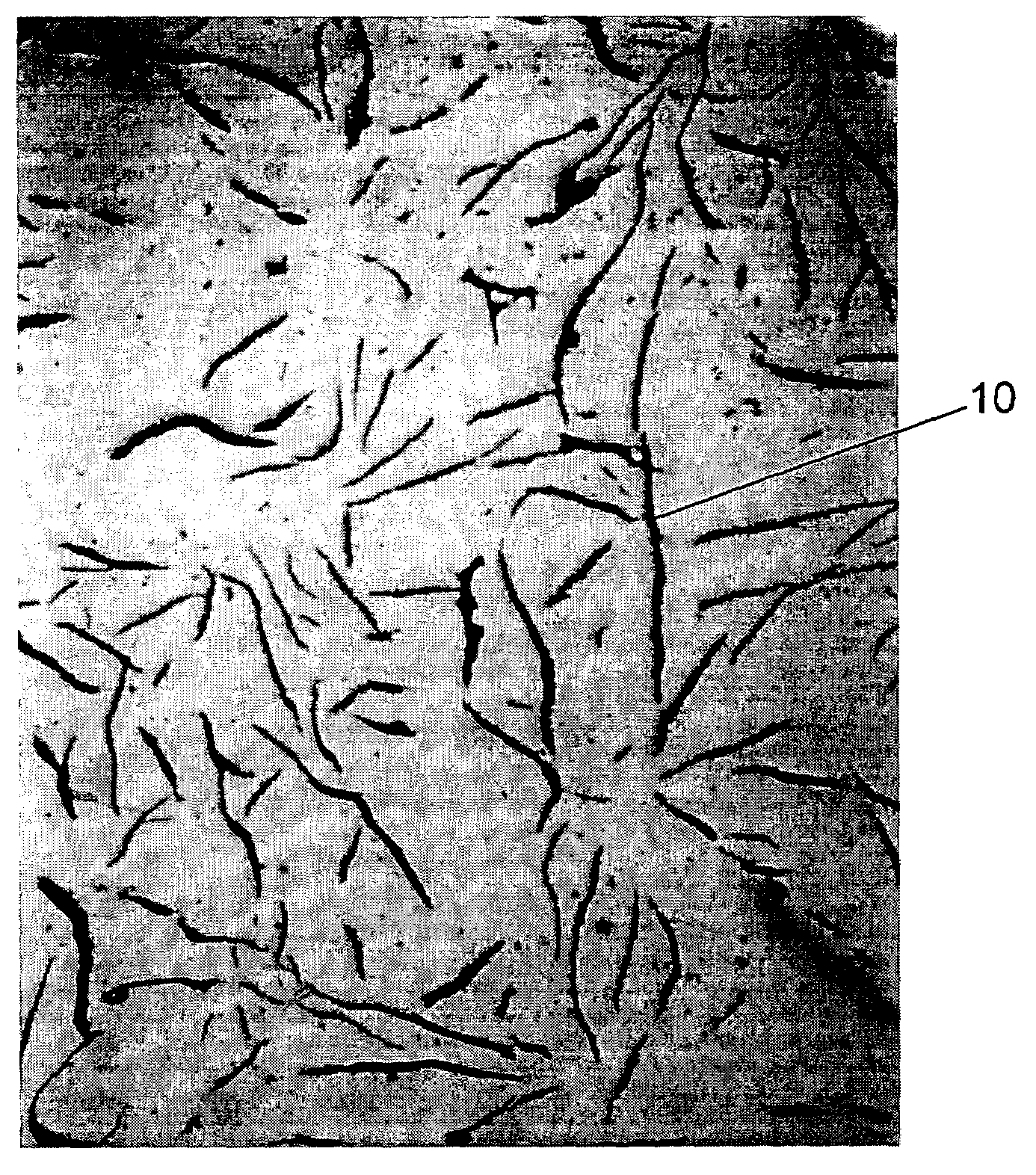
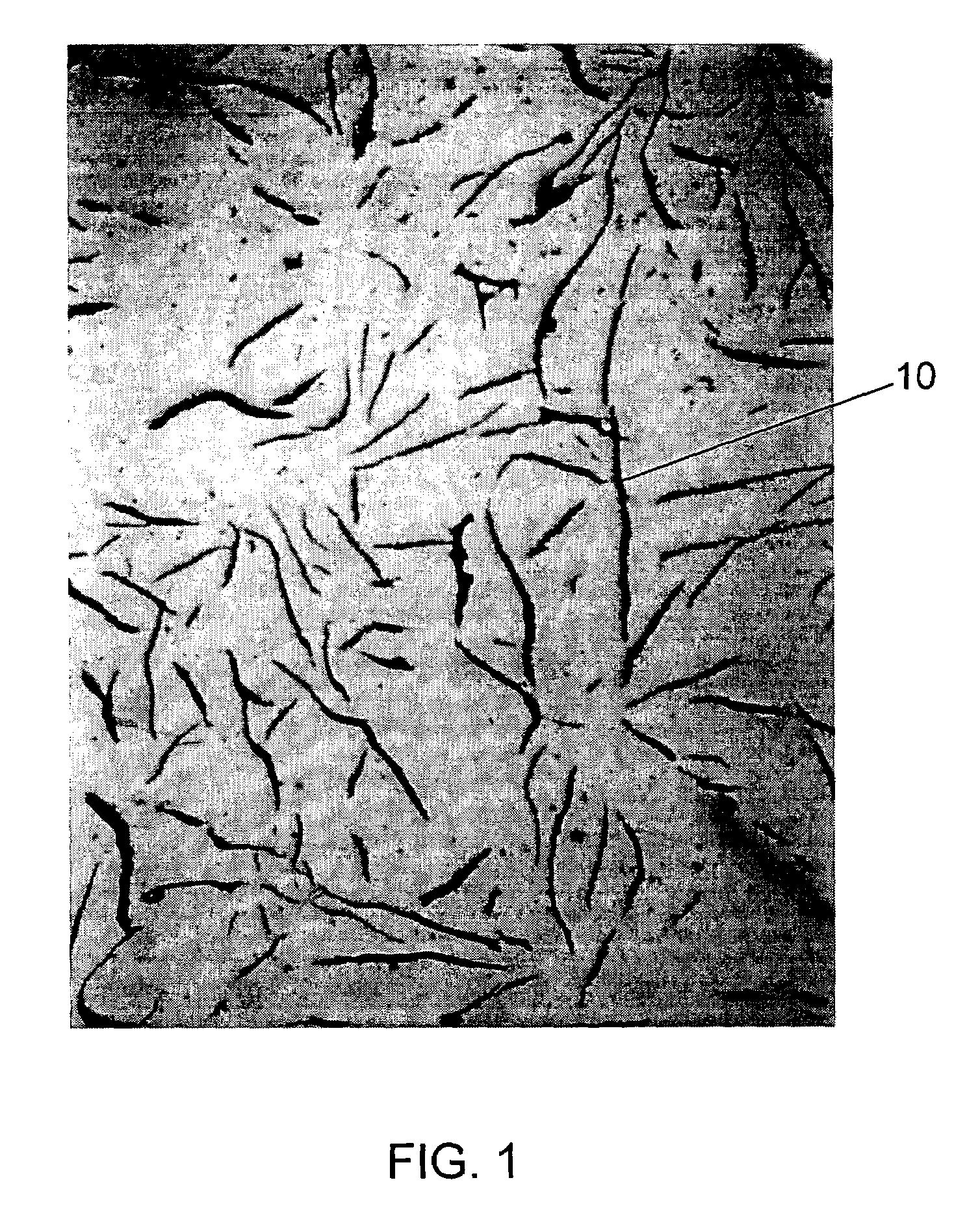
- A gray iron alloy with carefully controlled compositions of molybdenum and copper, maintaining Type A flake graphite microstructure, thermal conductivity, and machineability while increasing tensile strength, achieved through specific weight percentages of carbon, manganese, silicon, phosphorous, sulfur, and copper, and avoiding excessive molybdenum and chromium.
Reinforced composites, methods of manufacture, and articles therefrom
PatentActiveUS20180229469A1
Innovation
- A reinforced composite is developed by combining graphite with a binder and a reinforcing material such as carbon fibers, metal fibers, or ceramic fibers, and compressing the mixture at high temperatures and pressures to enhance mechanical strength and thermal resistance.


Environmental Impact and Sustainability Factors
The environmental implications of material selection between compacted graphite iron (CGI) and composite materials have become increasingly critical in industrial decision-making processes. Both material categories present distinct environmental profiles throughout their lifecycle, from raw material extraction to end-of-life disposal, significantly influencing their adoption patterns across various industries.
CGI demonstrates notable environmental advantages in its production phase compared to traditional cast iron alternatives. The manufacturing process requires approximately 15-20% less energy consumption due to improved machinability and reduced machining time. Additionally, CGI's enhanced durability and thermal conductivity contribute to improved engine efficiency in automotive applications, resulting in reduced fuel consumption and lower CO2 emissions during operational phases. The material's recyclability rate exceeds 95%, aligning with circular economy principles and reducing dependency on virgin raw materials.
Composite materials present a more complex environmental profile that varies significantly based on matrix and reinforcement combinations. Carbon fiber reinforced polymers, while offering exceptional strength-to-weight ratios, require energy-intensive production processes with carbon footprints approximately 3-5 times higher than steel production. However, their lightweight properties enable substantial fuel savings in aerospace and automotive applications, potentially offsetting initial production impacts over extended operational periods.
The sustainability landscape is further complicated by end-of-life considerations. CGI benefits from established recycling infrastructure within the ferrous metals industry, enabling seamless integration into existing waste management systems. Conversely, composite materials face significant challenges in recycling, particularly thermoset-based systems, leading to increased research investments in thermoplastic composites and chemical recycling technologies.
Regulatory frameworks increasingly favor materials with lower environmental impacts, driving innovation in both categories. The European Union's Green Deal and similar global initiatives are accelerating the development of bio-based composites and cleaner CGI production methods. These regulatory pressures are reshaping usage trends, with industries prioritizing materials that demonstrate measurable sustainability improvements while maintaining performance requirements.
CGI demonstrates notable environmental advantages in its production phase compared to traditional cast iron alternatives. The manufacturing process requires approximately 15-20% less energy consumption due to improved machinability and reduced machining time. Additionally, CGI's enhanced durability and thermal conductivity contribute to improved engine efficiency in automotive applications, resulting in reduced fuel consumption and lower CO2 emissions during operational phases. The material's recyclability rate exceeds 95%, aligning with circular economy principles and reducing dependency on virgin raw materials.
Composite materials present a more complex environmental profile that varies significantly based on matrix and reinforcement combinations. Carbon fiber reinforced polymers, while offering exceptional strength-to-weight ratios, require energy-intensive production processes with carbon footprints approximately 3-5 times higher than steel production. However, their lightweight properties enable substantial fuel savings in aerospace and automotive applications, potentially offsetting initial production impacts over extended operational periods.
The sustainability landscape is further complicated by end-of-life considerations. CGI benefits from established recycling infrastructure within the ferrous metals industry, enabling seamless integration into existing waste management systems. Conversely, composite materials face significant challenges in recycling, particularly thermoset-based systems, leading to increased research investments in thermoplastic composites and chemical recycling technologies.
Regulatory frameworks increasingly favor materials with lower environmental impacts, driving innovation in both categories. The European Union's Green Deal and similar global initiatives are accelerating the development of bio-based composites and cleaner CGI production methods. These regulatory pressures are reshaping usage trends, with industries prioritizing materials that demonstrate measurable sustainability improvements while maintaining performance requirements.
Cost-Performance Trade-offs in Material Selection
The selection between compacted graphite iron (CGI) and composite materials fundamentally hinges on balancing initial investment costs against long-term performance benefits. CGI typically presents lower upfront material costs and leverages existing manufacturing infrastructure, making it attractive for cost-sensitive applications. However, composite materials, despite higher initial expenses, often deliver superior performance characteristics that can justify the premium through extended service life and enhanced functionality.
Manufacturing economics play a crucial role in material selection decisions. CGI benefits from well-established foundry processes and tooling, resulting in predictable production costs and shorter lead times. Composite materials require specialized manufacturing techniques such as resin transfer molding or autoclave processing, which demand significant capital investment and skilled labor. The break-even point between these approaches varies significantly based on production volume, with CGI favoring high-volume applications and composites becoming more economical in specialized, low-volume scenarios.
Performance-driven cost considerations extend beyond initial material expenses to encompass total cost of ownership. Composite materials often demonstrate superior fatigue resistance, corrosion immunity, and weight reduction capabilities, translating to reduced maintenance requirements and improved operational efficiency. In automotive applications, the weight savings from composites can offset higher material costs through improved fuel economy over the vehicle's lifetime.
Industry-specific cost-performance optimization strategies have emerged across different sectors. Automotive manufacturers increasingly adopt hybrid approaches, utilizing CGI for engine blocks where thermal conductivity and machinability are paramount, while incorporating composites in body panels and structural components where weight reduction drives value creation. Aerospace applications typically justify composite premiums through performance multipliers, while industrial machinery sectors often prioritize CGI's cost predictability and repairability.
The economic landscape continues evolving as composite manufacturing scales increase and CGI processing technologies advance. Automated fiber placement and recycling technologies are reducing composite costs, while enhanced CGI alloys are improving performance characteristics. This convergence suggests future material selection will increasingly depend on application-specific optimization rather than broad categorical advantages.
Manufacturing economics play a crucial role in material selection decisions. CGI benefits from well-established foundry processes and tooling, resulting in predictable production costs and shorter lead times. Composite materials require specialized manufacturing techniques such as resin transfer molding or autoclave processing, which demand significant capital investment and skilled labor. The break-even point between these approaches varies significantly based on production volume, with CGI favoring high-volume applications and composites becoming more economical in specialized, low-volume scenarios.
Performance-driven cost considerations extend beyond initial material expenses to encompass total cost of ownership. Composite materials often demonstrate superior fatigue resistance, corrosion immunity, and weight reduction capabilities, translating to reduced maintenance requirements and improved operational efficiency. In automotive applications, the weight savings from composites can offset higher material costs through improved fuel economy over the vehicle's lifetime.
Industry-specific cost-performance optimization strategies have emerged across different sectors. Automotive manufacturers increasingly adopt hybrid approaches, utilizing CGI for engine blocks where thermal conductivity and machinability are paramount, while incorporating composites in body panels and structural components where weight reduction drives value creation. Aerospace applications typically justify composite premiums through performance multipliers, while industrial machinery sectors often prioritize CGI's cost predictability and repairability.
The economic landscape continues evolving as composite manufacturing scales increase and CGI processing technologies advance. Automated fiber placement and recycling technologies are reducing composite costs, while enhanced CGI alloys are improving performance characteristics. This convergence suggests future material selection will increasingly depend on application-specific optimization rather than broad categorical advantages.
Unlock deeper insights with Patsnap Eureka Quick Research — get a full tech report to explore trends and direct your research. Try now!
Generate Your Research Report Instantly with AI Agent
Supercharge your innovation with Patsnap Eureka AI Agent Platform!