

Comparative Study: Organic vs. Inorganic Peroxides
MAR 9, 20269 MIN READ
Generate Your Research Report Instantly with AI Agent
PatSnap Eureka helps you evaluate technical feasibility & market potential.
Peroxide Chemistry Background and Research Objectives
Peroxide chemistry represents a fundamental branch of chemical science that has evolved significantly since the discovery of hydrogen peroxide by Louis Jacques Thénard in 1818. The field encompasses two primary categories: organic peroxides, characterized by the presence of carbon-oxygen-oxygen bonds, and inorganic peroxides, featuring metal-oxygen-oxygen or non-metal-oxygen-oxygen linkages. This distinction forms the cornerstone of modern peroxide chemistry and drives diverse industrial applications ranging from polymerization catalysts to propellant systems.
The historical development of peroxide chemistry reveals distinct evolutionary pathways for organic and inorganic variants. Early research focused predominantly on inorganic peroxides, particularly hydrogen peroxide and alkali metal peroxides, due to their relative stability and ease of synthesis. The emergence of organic peroxide chemistry gained momentum in the mid-20th century, coinciding with the rapid expansion of polymer science and the demand for specialized initiators and cross-linking agents.
Contemporary peroxide chemistry faces mounting pressure to address sustainability challenges while maintaining performance standards. The increasing emphasis on green chemistry principles has intensified research into environmentally benign peroxide systems, biodegradable formulations, and energy-efficient synthesis routes. Simultaneously, emerging applications in advanced materials, pharmaceutical intermediates, and energy storage systems demand peroxides with precisely tailored properties and enhanced safety profiles.
The fundamental research objectives driving current peroxide chemistry investigations center on establishing comprehensive structure-activity relationships that govern reactivity, stability, and selectivity patterns. Understanding the mechanistic differences between organic and inorganic peroxide decomposition pathways remains crucial for optimizing their respective applications. This includes elucidating the role of molecular architecture, electronic effects, and environmental factors in determining peroxide behavior.
Safety considerations constitute another critical research dimension, as peroxides inherently present explosion and fire hazards. Developing predictive models for thermal stability, shock sensitivity, and compatibility with various substrates represents an ongoing challenge that directly impacts industrial implementation. The objective extends beyond mere hazard identification to encompass the design of inherently safer peroxide systems through molecular engineering approaches.
The technological objectives encompass advancing synthetic methodologies for both organic and inorganic peroxides, with particular emphasis on atom economy, reaction selectivity, and process intensification. This includes exploring novel catalytic systems, alternative oxidants, and innovative reactor designs that can enhance yield while minimizing waste generation and energy consumption.
The historical development of peroxide chemistry reveals distinct evolutionary pathways for organic and inorganic variants. Early research focused predominantly on inorganic peroxides, particularly hydrogen peroxide and alkali metal peroxides, due to their relative stability and ease of synthesis. The emergence of organic peroxide chemistry gained momentum in the mid-20th century, coinciding with the rapid expansion of polymer science and the demand for specialized initiators and cross-linking agents.
Contemporary peroxide chemistry faces mounting pressure to address sustainability challenges while maintaining performance standards. The increasing emphasis on green chemistry principles has intensified research into environmentally benign peroxide systems, biodegradable formulations, and energy-efficient synthesis routes. Simultaneously, emerging applications in advanced materials, pharmaceutical intermediates, and energy storage systems demand peroxides with precisely tailored properties and enhanced safety profiles.
The fundamental research objectives driving current peroxide chemistry investigations center on establishing comprehensive structure-activity relationships that govern reactivity, stability, and selectivity patterns. Understanding the mechanistic differences between organic and inorganic peroxide decomposition pathways remains crucial for optimizing their respective applications. This includes elucidating the role of molecular architecture, electronic effects, and environmental factors in determining peroxide behavior.
Safety considerations constitute another critical research dimension, as peroxides inherently present explosion and fire hazards. Developing predictive models for thermal stability, shock sensitivity, and compatibility with various substrates represents an ongoing challenge that directly impacts industrial implementation. The objective extends beyond mere hazard identification to encompass the design of inherently safer peroxide systems through molecular engineering approaches.
The technological objectives encompass advancing synthetic methodologies for both organic and inorganic peroxides, with particular emphasis on atom economy, reaction selectivity, and process intensification. This includes exploring novel catalytic systems, alternative oxidants, and innovative reactor designs that can enhance yield while minimizing waste generation and energy consumption.
Market Demand Analysis for Organic and Inorganic Peroxides
The global peroxide market demonstrates robust growth driven by diverse industrial applications spanning polymer manufacturing, chemical synthesis, and environmental remediation. Organic peroxides serve as essential initiators in polymerization processes, particularly for thermoplastic and thermoset resins, while inorganic peroxides function primarily as bleaching agents, disinfectants, and oxidizing compounds across multiple sectors.
The polymer industry represents the largest consumption segment for organic peroxides, with increasing demand from automotive, construction, and packaging sectors. Growing emphasis on lightweight materials and advanced composites in aerospace and automotive applications continues to drive market expansion. The shift toward sustainable packaging solutions and bio-based polymers creates additional opportunities for specialized organic peroxide formulations.
Inorganic peroxides experience steady demand growth in water treatment applications, driven by stringent environmental regulations and increasing focus on water quality management. The textile industry maintains consistent consumption patterns for hydrogen peroxide-based bleaching processes, while the electronics sector requires high-purity inorganic peroxides for semiconductor manufacturing and printed circuit board production.
Regional demand patterns reveal significant variations in consumption preferences. Asia-Pacific markets show strong growth in both segments, with China leading in manufacturing applications and India expanding in textile processing. European markets demonstrate preference for environmentally compliant formulations, driving innovation in safer peroxide alternatives. North American demand focuses on specialty applications requiring high-performance characteristics.
The healthcare and personal care sectors present emerging opportunities for both peroxide types. Organic peroxides find applications in pharmaceutical synthesis, while inorganic peroxides serve in medical device sterilization and cosmetic formulations. The COVID-19 pandemic accelerated demand for disinfection applications, particularly benefiting hydrogen peroxide markets.
Market dynamics indicate increasing preference for customized solutions over commodity products. End-users seek peroxides with specific thermal stability profiles, controlled decomposition rates, and enhanced safety characteristics. This trend favors suppliers capable of providing technical support and application-specific formulations rather than standard products.
Supply chain considerations significantly influence market demand patterns. Organic peroxides require specialized handling and storage infrastructure, limiting market accessibility for smaller consumers. Inorganic peroxides benefit from established distribution networks and simpler logistics requirements, supporting broader market penetration across diverse application segments.
The polymer industry represents the largest consumption segment for organic peroxides, with increasing demand from automotive, construction, and packaging sectors. Growing emphasis on lightweight materials and advanced composites in aerospace and automotive applications continues to drive market expansion. The shift toward sustainable packaging solutions and bio-based polymers creates additional opportunities for specialized organic peroxide formulations.
Inorganic peroxides experience steady demand growth in water treatment applications, driven by stringent environmental regulations and increasing focus on water quality management. The textile industry maintains consistent consumption patterns for hydrogen peroxide-based bleaching processes, while the electronics sector requires high-purity inorganic peroxides for semiconductor manufacturing and printed circuit board production.
Regional demand patterns reveal significant variations in consumption preferences. Asia-Pacific markets show strong growth in both segments, with China leading in manufacturing applications and India expanding in textile processing. European markets demonstrate preference for environmentally compliant formulations, driving innovation in safer peroxide alternatives. North American demand focuses on specialty applications requiring high-performance characteristics.
The healthcare and personal care sectors present emerging opportunities for both peroxide types. Organic peroxides find applications in pharmaceutical synthesis, while inorganic peroxides serve in medical device sterilization and cosmetic formulations. The COVID-19 pandemic accelerated demand for disinfection applications, particularly benefiting hydrogen peroxide markets.
Market dynamics indicate increasing preference for customized solutions over commodity products. End-users seek peroxides with specific thermal stability profiles, controlled decomposition rates, and enhanced safety characteristics. This trend favors suppliers capable of providing technical support and application-specific formulations rather than standard products.
Supply chain considerations significantly influence market demand patterns. Organic peroxides require specialized handling and storage infrastructure, limiting market accessibility for smaller consumers. Inorganic peroxides benefit from established distribution networks and simpler logistics requirements, supporting broader market penetration across diverse application segments.
Current Status and Challenges in Peroxide Applications
The peroxide industry currently faces a complex landscape characterized by diverse application requirements and varying performance demands across sectors. Organic peroxides dominate specialized applications such as polymer initiation, cross-linking processes, and pharmaceutical synthesis, where their controlled decomposition kinetics and selective reactivity prove essential. Meanwhile, inorganic peroxides maintain strong positions in traditional markets including bleaching, disinfection, and environmental remediation due to their cost-effectiveness and robust oxidizing capabilities.
Manufacturing scalability represents a significant challenge for both peroxide categories. Organic peroxides require sophisticated production facilities with stringent safety protocols due to their inherent instability and explosive potential. The synthesis of specialized organic peroxides often involves complex multi-step processes that limit production volumes and increase costs. Conversely, inorganic peroxides benefit from established large-scale production methods, though quality consistency and purity control remain ongoing concerns, particularly for hydrogen peroxide and sodium percarbonate applications.
Safety considerations continue to constrain market expansion across both peroxide types. Organic peroxides face regulatory scrutiny regarding transportation, storage, and handling requirements, with many compounds classified as hazardous materials requiring specialized logistics infrastructure. Thermal stability issues and sensitivity to contamination create additional operational challenges that limit their adoption in certain industrial processes.
Storage and stability challenges affect both categories differently. Organic peroxides typically require refrigerated storage and have limited shelf lives, creating supply chain complexities and inventory management issues. Inorganic peroxides, while generally more stable, face decomposition challenges under specific pH and temperature conditions, particularly affecting concentrated hydrogen peroxide solutions and metal peroxide formulations.
Environmental regulations increasingly influence peroxide selection and application methods. Growing emphasis on green chemistry principles favors peroxides that decompose into environmentally benign products, creating opportunities for both categories while simultaneously restricting certain formulations. The push toward sustainable manufacturing processes demands improved catalyst systems and reaction conditions that minimize waste generation.
Cost optimization remains a persistent challenge, particularly for organic peroxides where raw material prices and complex synthesis routes impact competitiveness. Market volatility in key feedstocks affects pricing stability, while the need for specialized equipment and safety measures increases capital requirements for manufacturers and end-users alike.
Manufacturing scalability represents a significant challenge for both peroxide categories. Organic peroxides require sophisticated production facilities with stringent safety protocols due to their inherent instability and explosive potential. The synthesis of specialized organic peroxides often involves complex multi-step processes that limit production volumes and increase costs. Conversely, inorganic peroxides benefit from established large-scale production methods, though quality consistency and purity control remain ongoing concerns, particularly for hydrogen peroxide and sodium percarbonate applications.
Safety considerations continue to constrain market expansion across both peroxide types. Organic peroxides face regulatory scrutiny regarding transportation, storage, and handling requirements, with many compounds classified as hazardous materials requiring specialized logistics infrastructure. Thermal stability issues and sensitivity to contamination create additional operational challenges that limit their adoption in certain industrial processes.
Storage and stability challenges affect both categories differently. Organic peroxides typically require refrigerated storage and have limited shelf lives, creating supply chain complexities and inventory management issues. Inorganic peroxides, while generally more stable, face decomposition challenges under specific pH and temperature conditions, particularly affecting concentrated hydrogen peroxide solutions and metal peroxide formulations.
Environmental regulations increasingly influence peroxide selection and application methods. Growing emphasis on green chemistry principles favors peroxides that decompose into environmentally benign products, creating opportunities for both categories while simultaneously restricting certain formulations. The push toward sustainable manufacturing processes demands improved catalyst systems and reaction conditions that minimize waste generation.
Cost optimization remains a persistent challenge, particularly for organic peroxides where raw material prices and complex synthesis routes impact competitiveness. Market volatility in key feedstocks affects pricing stability, while the need for specialized equipment and safety measures increases capital requirements for manufacturers and end-users alike.
Current Comparative Solutions for Peroxide Selection
01 Production and preparation methods of peroxides
Various methods for producing and preparing peroxide compounds, including synthesis processes, purification techniques, and manufacturing procedures. These methods focus on optimizing yield, purity, and stability of peroxide products through controlled chemical reactions and processing conditions.- Production and preparation methods of peroxides: Various methods for producing and preparing peroxide compounds, including synthesis processes, purification techniques, and manufacturing procedures. These methods focus on optimizing yield, purity, and stability of peroxide products through controlled chemical reactions and processing conditions.
- Stabilization and storage of peroxide compounds: Techniques and compositions for stabilizing peroxide compounds during storage and handling. This includes the use of stabilizing agents, appropriate packaging materials, and storage conditions to prevent decomposition and maintain the effectiveness of peroxides over extended periods.
- Peroxide-based bleaching and oxidation applications: Applications of peroxides as bleaching agents and oxidizing compounds in various industrial processes. These applications utilize the strong oxidizing properties of peroxides for whitening, disinfection, and chemical transformation purposes in textile, paper, and chemical industries.
- Peroxide compositions and formulations: Specialized formulations containing peroxides combined with other active ingredients or carriers to enhance performance and applicability. These compositions are designed for specific end-use applications with improved stability, efficacy, and safety characteristics.
- Safety and handling systems for peroxides: Systems and methods for safe handling, transportation, and use of peroxide compounds. This includes safety protocols, containment systems, and monitoring techniques to minimize risks associated with the reactive and potentially hazardous nature of peroxides.
02 Stabilization and storage of peroxide compounds
Techniques and compositions for stabilizing peroxide compounds during storage and handling to prevent decomposition and maintain effectiveness. This includes the use of stabilizing agents, appropriate packaging materials, and controlled storage conditions to extend shelf life and ensure safety.Expand Specific Solutions03 Peroxide-based bleaching and oxidation applications
Applications of peroxide compounds as bleaching agents and oxidizing agents in various industrial processes. These applications include textile bleaching, paper whitening, chemical oxidation reactions, and surface treatment processes where peroxides serve as effective oxidizing agents.Expand Specific Solutions04 Peroxide compositions and formulations
Specialized formulations and compositions containing peroxides combined with other active ingredients or carriers. These formulations are designed for specific applications and may include additives to enhance performance, stability, or safety characteristics of the peroxide-containing products.Expand Specific Solutions05 Safety and handling of peroxide materials
Methods and systems for safe handling, transportation, and use of peroxide compounds. This includes safety protocols, containment systems, decomposition control measures, and emergency response procedures to minimize risks associated with peroxide reactivity and potential hazards.Expand Specific Solutions
Major Players in Organic and Inorganic Peroxide Industries
The organic vs. inorganic peroxides market represents a mature chemical industry segment experiencing steady growth driven by diverse industrial applications. The market demonstrates significant scale, with established players like Arkema Inc., NOF Corp., and Mitsubishi Gas Chemical Co. leading through decades of specialized expertise. Technology maturity varies considerably across applications - while traditional polymerization catalysts represent well-established technology, emerging applications in advanced materials and specialty chemicals show ongoing innovation potential. Major chemical conglomerates including Daikin Industries, Akzo Nobel, and Dow Global Technologies leverage extensive R&D capabilities and global manufacturing networks to maintain competitive advantages. The competitive landscape features both specialized peroxide manufacturers and diversified chemical companies, with differentiation occurring through product purity, safety profiles, and application-specific formulations. Market dynamics favor companies with strong safety management systems and regulatory compliance capabilities, as peroxide handling requires sophisticated technical expertise and risk management protocols.
Arkema France SA
Technical Solution: Arkema specializes in developing both organic and inorganic peroxide formulations for polymerization applications. Their organic peroxide portfolio includes benzoyl peroxide, dicumyl peroxide, and tert-butyl peroxybenzoate systems optimized for different temperature ranges and polymer types. The company has developed advanced inorganic peroxide solutions including hydrogen peroxide-based systems and persulfate initiators for aqueous polymerization processes. Their comparative studies focus on thermal stability, decomposition kinetics, and environmental impact assessment. Arkema's research demonstrates that organic peroxides typically offer better control over molecular weight distribution in polymer synthesis, while their inorganic counterparts provide superior water solubility and reduced volatile organic compound emissions during processing.
Strengths: Comprehensive portfolio covering both organic and inorganic peroxides with extensive application data. Weaknesses: Higher cost compared to commodity peroxide suppliers and limited availability in emerging markets.
Mitsubishi Gas Chemical Co., Inc.
Technical Solution: Mitsubishi Gas Chemical conducts comprehensive comparative studies on organic versus inorganic peroxides for specialty chemical applications and advanced materials synthesis. Their organic peroxide research encompasses aromatic peroxides, aliphatic peroxides, and mixed peroxide systems with emphasis on thermal stability and decomposition control. The company's inorganic peroxide development focuses on metal peroxide complexes and composite peroxide materials for controlled release applications. Their comparative analysis reveals that organic peroxides typically exhibit higher reactivity and selectivity in organic synthesis reactions, while inorganic peroxides demonstrate superior stability under ambient conditions and reduced environmental persistence. Mitsubishi's research includes detailed studies on decomposition kinetics, product distribution analysis, and safety assessment protocols for both peroxide categories in various industrial processing environments.
Strengths: Strong analytical capabilities with advanced characterization techniques and comprehensive safety evaluation protocols. Weaknesses: Limited global distribution network may restrict market access in certain regions.
Core Technical Insights in Peroxide Performance Studies
Organic and inorganic peroxides as refining agents in the production of glass
PatentInactiveUS7946130B2
Innovation
- The use of organic and/or inorganic peroxides as refining agents, which decompose at specific temperatures to refine glass melts without leaving detectable residues, allowing for precise control over viscosity and properties of low-Tg glasses.
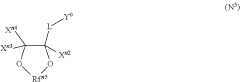
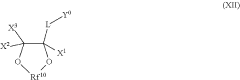
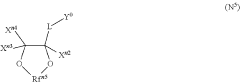
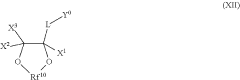
Method for producing fluoropolymer composition
PatentPendingUS20230348636A1
Innovation
- A method involving polymerizing fluoronomers in the presence of a fluorine-containing surfactant and initiator, followed by removing unreacted monomers and adding a radical generator for heat treatment, which decomposes the surfactants and compounds, reducing their content in the final fluoropolymer composition.
Safety Regulations and Environmental Impact Assessment
The regulatory landscape for peroxides varies significantly between organic and inorganic compounds, reflecting their distinct hazard profiles and environmental behaviors. Organic peroxides are typically classified under more stringent safety regulations due to their inherent instability and potential for explosive decomposition. International standards such as UN Class 5.2 specifically address organic peroxides, requiring specialized packaging, storage conditions, and transportation protocols. These compounds must maintain controlled temperatures during storage and transport, with many requiring refrigeration to prevent thermal runaway reactions.
Inorganic peroxides, while still hazardous, generally fall under broader oxidizing agent classifications and benefit from more established regulatory frameworks. Hydrogen peroxide, the most common inorganic peroxide, has well-defined concentration-based classifications ranging from consumer-grade solutions to industrial concentrations requiring specialized handling procedures. Regulatory bodies like OSHA, EPA, and their international counterparts have established comprehensive exposure limits and workplace safety standards for inorganic peroxides.
Environmental impact assessments reveal contrasting profiles between these compound classes. Organic peroxides typically exhibit higher environmental persistence due to their complex molecular structures, potentially leading to bioaccumulation concerns. Their decomposition products may include organic fragments that resist natural biodegradation processes, requiring careful waste management strategies and environmental monitoring protocols.
Conversely, inorganic peroxides generally demonstrate superior environmental compatibility. Hydrogen peroxide decomposes cleanly into water and oxygen, leaving no persistent residues. This characteristic has led to its widespread adoption in green chemistry applications and wastewater treatment processes. However, concentrated inorganic peroxide solutions can still pose immediate environmental risks through their strong oxidizing properties, potentially disrupting aquatic ecosystems if released untreated.
Regulatory compliance costs differ substantially between the two categories. Organic peroxide facilities require specialized infrastructure including temperature-controlled storage, explosion-proof equipment, and enhanced emergency response capabilities. These requirements translate to higher capital investments and operational expenses. Inorganic peroxide operations, while still requiring safety measures, benefit from more standardized industrial practices and lower regulatory compliance burdens, making them economically advantageous for many applications.
Inorganic peroxides, while still hazardous, generally fall under broader oxidizing agent classifications and benefit from more established regulatory frameworks. Hydrogen peroxide, the most common inorganic peroxide, has well-defined concentration-based classifications ranging from consumer-grade solutions to industrial concentrations requiring specialized handling procedures. Regulatory bodies like OSHA, EPA, and their international counterparts have established comprehensive exposure limits and workplace safety standards for inorganic peroxides.
Environmental impact assessments reveal contrasting profiles between these compound classes. Organic peroxides typically exhibit higher environmental persistence due to their complex molecular structures, potentially leading to bioaccumulation concerns. Their decomposition products may include organic fragments that resist natural biodegradation processes, requiring careful waste management strategies and environmental monitoring protocols.
Conversely, inorganic peroxides generally demonstrate superior environmental compatibility. Hydrogen peroxide decomposes cleanly into water and oxygen, leaving no persistent residues. This characteristic has led to its widespread adoption in green chemistry applications and wastewater treatment processes. However, concentrated inorganic peroxide solutions can still pose immediate environmental risks through their strong oxidizing properties, potentially disrupting aquatic ecosystems if released untreated.
Regulatory compliance costs differ substantially between the two categories. Organic peroxide facilities require specialized infrastructure including temperature-controlled storage, explosion-proof equipment, and enhanced emergency response capabilities. These requirements translate to higher capital investments and operational expenses. Inorganic peroxide operations, while still requiring safety measures, benefit from more standardized industrial practices and lower regulatory compliance burdens, making them economically advantageous for many applications.
Industrial Application Optimization Strategies
The optimization of industrial applications for organic and inorganic peroxides requires a comprehensive understanding of their distinct operational characteristics and performance parameters. Organic peroxides, with their lower decomposition temperatures and higher sensitivity to environmental factors, demand specialized handling protocols and storage systems that incorporate temperature control mechanisms and inert atmosphere maintenance. These requirements necessitate investment in sophisticated infrastructure but enable precise control over reaction kinetics in polymerization processes.
Inorganic peroxides present different optimization challenges, primarily centered on their higher thermal stability and oxidizing potential. Industrial applications can leverage these properties through simplified storage requirements and extended shelf life, reducing operational costs associated with inventory management. However, their stronger oxidizing nature requires enhanced safety protocols and corrosion-resistant equipment materials, particularly in continuous processing environments.
Process optimization strategies for organic peroxides focus on temperature gradient management and reaction timing precision. Industries implementing these compounds benefit from modular reactor designs that allow rapid temperature adjustments and emergency cooling systems. The integration of real-time monitoring systems enables operators to maintain optimal decomposition rates while preventing runaway reactions that could compromise product quality or safety.
For inorganic peroxide applications, optimization emphasizes concentration control and pH management. Industrial processes can achieve enhanced efficiency through automated dosing systems that maintain consistent peroxide levels throughout production cycles. The implementation of inline analytical systems allows for continuous monitoring of active oxygen content, enabling dynamic adjustment of process parameters to maintain product specifications.
Cross-platform optimization strategies involve developing hybrid systems that can accommodate both peroxide types depending on production requirements. This approach maximizes facility utilization while providing operational flexibility to respond to market demands. Industries adopting this strategy typically invest in versatile equipment designs and comprehensive operator training programs to ensure safe transitions between different peroxide systems.
The economic optimization of peroxide applications requires careful analysis of total cost of ownership, including raw material costs, infrastructure requirements, safety compliance expenses, and waste management considerations. Strategic sourcing partnerships and long-term supply agreements can significantly impact operational economics, particularly for high-volume applications where price stability becomes crucial for maintaining competitive positioning in downstream markets.
Inorganic peroxides present different optimization challenges, primarily centered on their higher thermal stability and oxidizing potential. Industrial applications can leverage these properties through simplified storage requirements and extended shelf life, reducing operational costs associated with inventory management. However, their stronger oxidizing nature requires enhanced safety protocols and corrosion-resistant equipment materials, particularly in continuous processing environments.
Process optimization strategies for organic peroxides focus on temperature gradient management and reaction timing precision. Industries implementing these compounds benefit from modular reactor designs that allow rapid temperature adjustments and emergency cooling systems. The integration of real-time monitoring systems enables operators to maintain optimal decomposition rates while preventing runaway reactions that could compromise product quality or safety.
For inorganic peroxide applications, optimization emphasizes concentration control and pH management. Industrial processes can achieve enhanced efficiency through automated dosing systems that maintain consistent peroxide levels throughout production cycles. The implementation of inline analytical systems allows for continuous monitoring of active oxygen content, enabling dynamic adjustment of process parameters to maintain product specifications.
Cross-platform optimization strategies involve developing hybrid systems that can accommodate both peroxide types depending on production requirements. This approach maximizes facility utilization while providing operational flexibility to respond to market demands. Industries adopting this strategy typically invest in versatile equipment designs and comprehensive operator training programs to ensure safe transitions between different peroxide systems.
The economic optimization of peroxide applications requires careful analysis of total cost of ownership, including raw material costs, infrastructure requirements, safety compliance expenses, and waste management considerations. Strategic sourcing partnerships and long-term supply agreements can significantly impact operational economics, particularly for high-volume applications where price stability becomes crucial for maintaining competitive positioning in downstream markets.
Unlock deeper insights with PatSnap Eureka Quick Research — get a full tech report to explore trends and direct your research. Try now!
Generate Your Research Report Instantly with AI Agent
Supercharge your innovation with PatSnap Eureka AI Agent Platform!