

Comparing Data Synchronization: Digital Vs Non-Digital
FEB 24, 20269 MIN READ
Generate Your Research Report Instantly with AI Agent
PatSnap Eureka helps you evaluate technical feasibility & market potential.
Data Sync Evolution and Digital Transformation Goals
Data synchronization has undergone a profound transformation over the past several decades, evolving from rudimentary manual processes to sophisticated automated systems that form the backbone of modern digital infrastructure. The historical trajectory reveals a clear progression from paper-based record keeping and physical data transfer methods to real-time, cloud-based synchronization platforms that enable seamless information flow across global networks.
The early stages of data synchronization were characterized by manual interventions, batch processing, and periodic updates that often resulted in significant latency and inconsistency issues. Organizations relied heavily on physical media transfers, scheduled database dumps, and human-mediated reconciliation processes. These non-digital approaches, while functional for their time, presented substantial limitations in terms of scalability, accuracy, and timeliness.
The advent of networked computing systems marked a pivotal shift toward digital synchronization methodologies. The introduction of database replication technologies, message queuing systems, and distributed computing frameworks laid the foundation for more sophisticated synchronization mechanisms. This evolution accelerated with the emergence of internet protocols, enabling cross-platform data exchange and remote synchronization capabilities.
Contemporary digital transformation initiatives have elevated data synchronization from a technical necessity to a strategic enabler of business agility and competitive advantage. Modern organizations recognize that effective data synchronization directly impacts operational efficiency, customer experience, and decision-making capabilities. The shift toward microservices architectures, API-driven integrations, and event-driven systems has fundamentally redefined synchronization requirements and expectations.
Current technological objectives focus on achieving near-instantaneous data consistency across distributed systems while maintaining high availability and fault tolerance. The emphasis has shifted from periodic batch synchronization to continuous, real-time data streaming and event-driven architectures that support immediate responsiveness to changing business conditions.
The integration of artificial intelligence and machine learning technologies into synchronization processes represents the latest evolutionary phase, enabling predictive synchronization patterns, automated conflict resolution, and intelligent data routing decisions. These advancements support the broader digital transformation goals of creating adaptive, self-healing systems that can maintain data integrity across increasingly complex technological ecosystems.
The early stages of data synchronization were characterized by manual interventions, batch processing, and periodic updates that often resulted in significant latency and inconsistency issues. Organizations relied heavily on physical media transfers, scheduled database dumps, and human-mediated reconciliation processes. These non-digital approaches, while functional for their time, presented substantial limitations in terms of scalability, accuracy, and timeliness.
The advent of networked computing systems marked a pivotal shift toward digital synchronization methodologies. The introduction of database replication technologies, message queuing systems, and distributed computing frameworks laid the foundation for more sophisticated synchronization mechanisms. This evolution accelerated with the emergence of internet protocols, enabling cross-platform data exchange and remote synchronization capabilities.
Contemporary digital transformation initiatives have elevated data synchronization from a technical necessity to a strategic enabler of business agility and competitive advantage. Modern organizations recognize that effective data synchronization directly impacts operational efficiency, customer experience, and decision-making capabilities. The shift toward microservices architectures, API-driven integrations, and event-driven systems has fundamentally redefined synchronization requirements and expectations.
Current technological objectives focus on achieving near-instantaneous data consistency across distributed systems while maintaining high availability and fault tolerance. The emphasis has shifted from periodic batch synchronization to continuous, real-time data streaming and event-driven architectures that support immediate responsiveness to changing business conditions.
The integration of artificial intelligence and machine learning technologies into synchronization processes represents the latest evolutionary phase, enabling predictive synchronization patterns, automated conflict resolution, and intelligent data routing decisions. These advancements support the broader digital transformation goals of creating adaptive, self-healing systems that can maintain data integrity across increasingly complex technological ecosystems.
Market Demand for Hybrid Data Synchronization Solutions
The enterprise market is experiencing unprecedented demand for hybrid data synchronization solutions that seamlessly integrate digital and non-digital data streams. Organizations across industries are recognizing that their operational efficiency depends on bridging the gap between traditional paper-based processes, legacy systems, and modern digital infrastructures. This convergence requirement has created a substantial market opportunity for solutions that can handle both structured digital data and unstructured non-digital information sources.
Financial services institutions represent one of the largest demand segments, where regulatory compliance necessitates maintaining both digital transaction records and physical document verification processes. Banks and insurance companies require systems that can synchronize customer data across digital platforms while incorporating handwritten forms, signed documents, and legacy paper trails into unified data repositories.
Manufacturing sectors demonstrate strong adoption patterns for hybrid synchronization technologies, particularly in quality control and supply chain management. Production facilities need solutions that integrate sensor data from IoT devices with manual inspection reports, handwritten maintenance logs, and paper-based certification documents. This integration enables real-time decision-making while preserving critical non-digital documentation requirements.
Healthcare organizations drive significant market demand due to their complex data ecosystems combining electronic health records with physical patient charts, handwritten prescriptions, and paper-based consent forms. The need for comprehensive patient data synchronization across digital and physical touchpoints has accelerated investment in hybrid solutions that ensure data integrity and accessibility.
Government agencies and public sector organizations constitute another major demand driver, requiring solutions that modernize citizen services while maintaining compatibility with existing paper-based processes. These entities need systems that can digitize and synchronize information from physical forms, documents, and manual processes with digital service platforms.
The retail and logistics industries show increasing demand for hybrid synchronization capabilities to manage inventory tracking, customer interactions, and supply chain documentation. Companies require solutions that integrate barcode scanning, RFID systems, and digital inventory management with handwritten delivery confirmations, paper receipts, and manual inspection records.
Market growth is further accelerated by regulatory requirements across industries mandating data traceability and audit trails that encompass both digital and physical documentation. Organizations seek comprehensive solutions that provide unified data governance frameworks while maintaining the flexibility to handle diverse data formats and sources.
Financial services institutions represent one of the largest demand segments, where regulatory compliance necessitates maintaining both digital transaction records and physical document verification processes. Banks and insurance companies require systems that can synchronize customer data across digital platforms while incorporating handwritten forms, signed documents, and legacy paper trails into unified data repositories.
Manufacturing sectors demonstrate strong adoption patterns for hybrid synchronization technologies, particularly in quality control and supply chain management. Production facilities need solutions that integrate sensor data from IoT devices with manual inspection reports, handwritten maintenance logs, and paper-based certification documents. This integration enables real-time decision-making while preserving critical non-digital documentation requirements.
Healthcare organizations drive significant market demand due to their complex data ecosystems combining electronic health records with physical patient charts, handwritten prescriptions, and paper-based consent forms. The need for comprehensive patient data synchronization across digital and physical touchpoints has accelerated investment in hybrid solutions that ensure data integrity and accessibility.
Government agencies and public sector organizations constitute another major demand driver, requiring solutions that modernize citizen services while maintaining compatibility with existing paper-based processes. These entities need systems that can digitize and synchronize information from physical forms, documents, and manual processes with digital service platforms.
The retail and logistics industries show increasing demand for hybrid synchronization capabilities to manage inventory tracking, customer interactions, and supply chain documentation. Companies require solutions that integrate barcode scanning, RFID systems, and digital inventory management with handwritten delivery confirmations, paper receipts, and manual inspection records.
Market growth is further accelerated by regulatory requirements across industries mandating data traceability and audit trails that encompass both digital and physical documentation. Organizations seek comprehensive solutions that provide unified data governance frameworks while maintaining the flexibility to handle diverse data formats and sources.
Current State of Digital vs Non-Digital Sync Methods
Digital data synchronization has evolved into a sophisticated ecosystem of technologies designed to maintain consistency across distributed systems. Real-time synchronization protocols such as Apache Kafka and Redis Streams enable millisecond-level data consistency across multiple nodes. Cloud-native solutions like AWS DynamoDB Global Tables and Google Cloud Spanner provide automatic multi-region synchronization with strong consistency guarantees. Enterprise-grade platforms including Microsoft SQL Server Always On and Oracle Data Guard offer comprehensive disaster recovery and high availability through continuous data replication.
Modern digital synchronization leverages conflict resolution algorithms such as Operational Transformation and Conflict-free Replicated Data Types to handle concurrent modifications. Vector clocks and logical timestamps ensure proper ordering of distributed events, while eventual consistency models balance performance with data integrity requirements. Edge computing architectures increasingly utilize delta synchronization techniques to minimize bandwidth usage and reduce latency in IoT deployments.
Non-digital synchronization methods continue to play critical roles in industries requiring physical verification and regulatory compliance. Manual data reconciliation processes remain standard in financial institutions for audit trails and compliance reporting. Paper-based backup systems serve as failsafe mechanisms in healthcare and government sectors where digital system failures could have severe consequences. Physical token-based synchronization using hardware security modules provides tamper-evident authentication for high-security applications.
Hybrid approaches combining digital efficiency with non-digital reliability are gaining prominence in mission-critical environments. Banking systems employ dual-entry verification where digital transactions require physical authorization tokens. Manufacturing facilities utilize barcode scanning to synchronize digital inventory systems with physical stock counts. Supply chain management increasingly relies on RFID tags bridging physical assets with digital tracking systems.
The current landscape reveals a clear performance divide between digital and non-digital methods. Digital synchronization achieves sub-second latency and can handle millions of transactions per second, while non-digital methods typically operate on hourly or daily cycles. However, non-digital approaches offer superior auditability and regulatory compliance, particularly in sectors with strict documentation requirements. Cost considerations favor digital solutions for high-volume operations, though non-digital methods provide better long-term data preservation and independence from technological obsolescence.
Modern digital synchronization leverages conflict resolution algorithms such as Operational Transformation and Conflict-free Replicated Data Types to handle concurrent modifications. Vector clocks and logical timestamps ensure proper ordering of distributed events, while eventual consistency models balance performance with data integrity requirements. Edge computing architectures increasingly utilize delta synchronization techniques to minimize bandwidth usage and reduce latency in IoT deployments.
Non-digital synchronization methods continue to play critical roles in industries requiring physical verification and regulatory compliance. Manual data reconciliation processes remain standard in financial institutions for audit trails and compliance reporting. Paper-based backup systems serve as failsafe mechanisms in healthcare and government sectors where digital system failures could have severe consequences. Physical token-based synchronization using hardware security modules provides tamper-evident authentication for high-security applications.
Hybrid approaches combining digital efficiency with non-digital reliability are gaining prominence in mission-critical environments. Banking systems employ dual-entry verification where digital transactions require physical authorization tokens. Manufacturing facilities utilize barcode scanning to synchronize digital inventory systems with physical stock counts. Supply chain management increasingly relies on RFID tags bridging physical assets with digital tracking systems.
The current landscape reveals a clear performance divide between digital and non-digital methods. Digital synchronization achieves sub-second latency and can handle millions of transactions per second, while non-digital methods typically operate on hourly or daily cycles. However, non-digital approaches offer superior auditability and regulatory compliance, particularly in sectors with strict documentation requirements. Cost considerations favor digital solutions for high-volume operations, though non-digital methods provide better long-term data preservation and independence from technological obsolescence.
Existing Digital and Non-Digital Sync Solutions
01 Differential synchronization and incremental update mechanisms
Implementing differential synchronization techniques that only transfer changed data rather than entire datasets can significantly improve synchronization efficiency. This approach involves tracking modifications, additions, and deletions, then transmitting only the delta changes between source and target systems. Incremental update mechanisms reduce bandwidth consumption and processing overhead by minimizing the amount of data that needs to be synchronized during each operation.- Differential synchronization and incremental update mechanisms: Implementing differential synchronization techniques that only transfer changed data rather than entire datasets can significantly improve synchronization efficiency. This approach involves tracking modifications, additions, and deletions, then transmitting only the delta changes between source and target systems. Incremental update mechanisms reduce bandwidth consumption and processing overhead by minimizing the amount of data that needs to be synchronized during each operation.
- Parallel and multi-threaded synchronization processing: Utilizing parallel processing and multi-threading techniques enables simultaneous synchronization of multiple data segments or objects, thereby improving overall throughput and reducing total synchronization time. This approach divides synchronization tasks into smaller units that can be processed concurrently across multiple threads or processors, maximizing resource utilization and minimizing idle time during data transfer operations.
- Compression and data optimization techniques: Applying data compression algorithms and optimization techniques before transmission reduces the volume of data that needs to be transferred during synchronization. This includes removing redundant information, compressing data streams, and optimizing data structures to minimize payload size. These methods decrease network bandwidth requirements and accelerate synchronization speed while maintaining data integrity.
- Intelligent scheduling and priority-based synchronization: Implementing intelligent scheduling algorithms that prioritize critical data and optimize synchronization timing based on system load, network conditions, and data importance can enhance efficiency. This approach involves analyzing data characteristics, user requirements, and system resources to determine optimal synchronization sequences and intervals, ensuring that high-priority data is synchronized first while minimizing impact on system performance.
- Caching and buffering strategies for synchronization: Employing caching mechanisms and buffering strategies helps reduce redundant synchronization operations and improves response times. By temporarily storing frequently accessed or recently synchronized data in local caches, systems can avoid unnecessary data transfers and quickly serve repeated requests. Buffer management techniques optimize memory usage and ensure smooth data flow during synchronization processes, particularly in scenarios with intermittent connectivity or variable network conditions.
02 Parallel and multi-threaded synchronization processing
Utilizing parallel processing and multi-threading techniques enables simultaneous synchronization of multiple data segments or objects, thereby improving overall throughput and reducing total synchronization time. This approach divides synchronization tasks into smaller units that can be processed concurrently across multiple threads or processors, maximizing resource utilization and minimizing idle time during data transfer operations.Expand Specific Solutions03 Compression and optimization of data transmission
Applying data compression algorithms and transmission optimization techniques reduces the volume of data transferred during synchronization operations. This includes using efficient encoding schemes, eliminating redundant information, and optimizing packet sizes for network transmission. These methods decrease bandwidth requirements and accelerate data transfer speeds, particularly beneficial for synchronization over limited or congested network connections.Expand Specific Solutions04 Intelligent scheduling and priority-based synchronization
Implementing intelligent scheduling algorithms that prioritize critical data and optimize synchronization timing based on system load, network conditions, and data importance enhances overall efficiency. This approach includes adaptive scheduling that adjusts synchronization frequency and resource allocation dynamically, ensuring that high-priority data is synchronized first while deferring less critical updates to periods of lower system activity.Expand Specific Solutions05 Caching and buffering strategies for synchronization
Employing sophisticated caching mechanisms and buffering strategies reduces redundant data transfers and improves synchronization performance. This includes maintaining local caches of frequently accessed data, implementing write-back buffers to batch multiple updates, and using predictive caching to preload data likely to be needed. These techniques minimize latency and reduce the number of synchronization operations required to maintain data consistency.Expand Specific Solutions
Key Players in Data Sync and Integration Industry
The data synchronization technology landscape is experiencing rapid evolution as the industry transitions from traditional non-digital methods to sophisticated digital solutions. The market demonstrates significant growth potential, driven by increasing demands for real-time data consistency across distributed systems. Technology maturity varies considerably across market players, with established giants like Apple, Microsoft, IBM, and Oracle leading digital synchronization innovations through cloud-native architectures and AI-enhanced protocols. Asian technology leaders including Huawei, ZTE, and Fujitsu are advancing hardware-software integration approaches, while specialized firms like Achronix and VMware focus on FPGA-based and virtualization-centric solutions respectively. The competitive landscape shows a clear bifurcation between legacy infrastructure providers adapting their non-digital systems and pure-play digital companies building cloud-first synchronization platforms, indicating an industry in active transformation toward fully digital ecosystems.
Apple, Inc.
Technical Solution: Apple's data synchronization approach centers on their iCloud infrastructure, which seamlessly synchronizes digital content across devices while maintaining compatibility with non-digital input methods. Their Core Data framework implements intelligent synchronization algorithms that prioritize user-generated content, achieving 99.9% uptime for digital synchronization services. The system handles both structured digital data and unstructured content from non-digital sources like handwritten notes through advanced OCR integration, ensuring consistent user experience across all Apple ecosystem devices with end-to-end encryption maintaining data security throughout the synchronization process.
Strengths: Seamless ecosystem integration, high reliability, strong security measures. Weaknesses: Limited cross-platform compatibility, primarily focused on consumer applications rather than enterprise solutions.
International Business Machines Corp.
Technical Solution: IBM's data synchronization strategy focuses on their InfoSphere DataStage and IBM Cloud Pak for Data platforms, which provide unified synchronization capabilities across digital and non-digital systems. Their solution employs advanced ETL processes with real-time change data capture (CDC) technology, enabling sub-second latency for digital synchronization while supporting traditional batch processing for legacy non-digital systems. The platform includes AI-driven conflict resolution mechanisms and supports over 200 data source connectors, facilitating seamless data flow between modern cloud applications and traditional mainframe systems.
Strengths: Robust enterprise-grade solutions, extensive connector ecosystem, AI-enhanced conflict resolution. Weaknesses: High implementation complexity, significant resource requirements for optimal performance.
Core Technologies in Hybrid Data Synchronization
Ranging scalable time stamp data synchronization
PatentInactiveUS20070016626A1
Innovation
- A method for scalable data synchronization using ranging time stamp synchronization anchors, which computes error and offset values to establish a time range for synchronization, allowing data updates between platforms without requiring a common time source, and repeats the computation to account for clock drift.


Method and computer-readable medium for jointly managing digital assets and non-digital assets
PatentInactiveUS7636723B2
Innovation
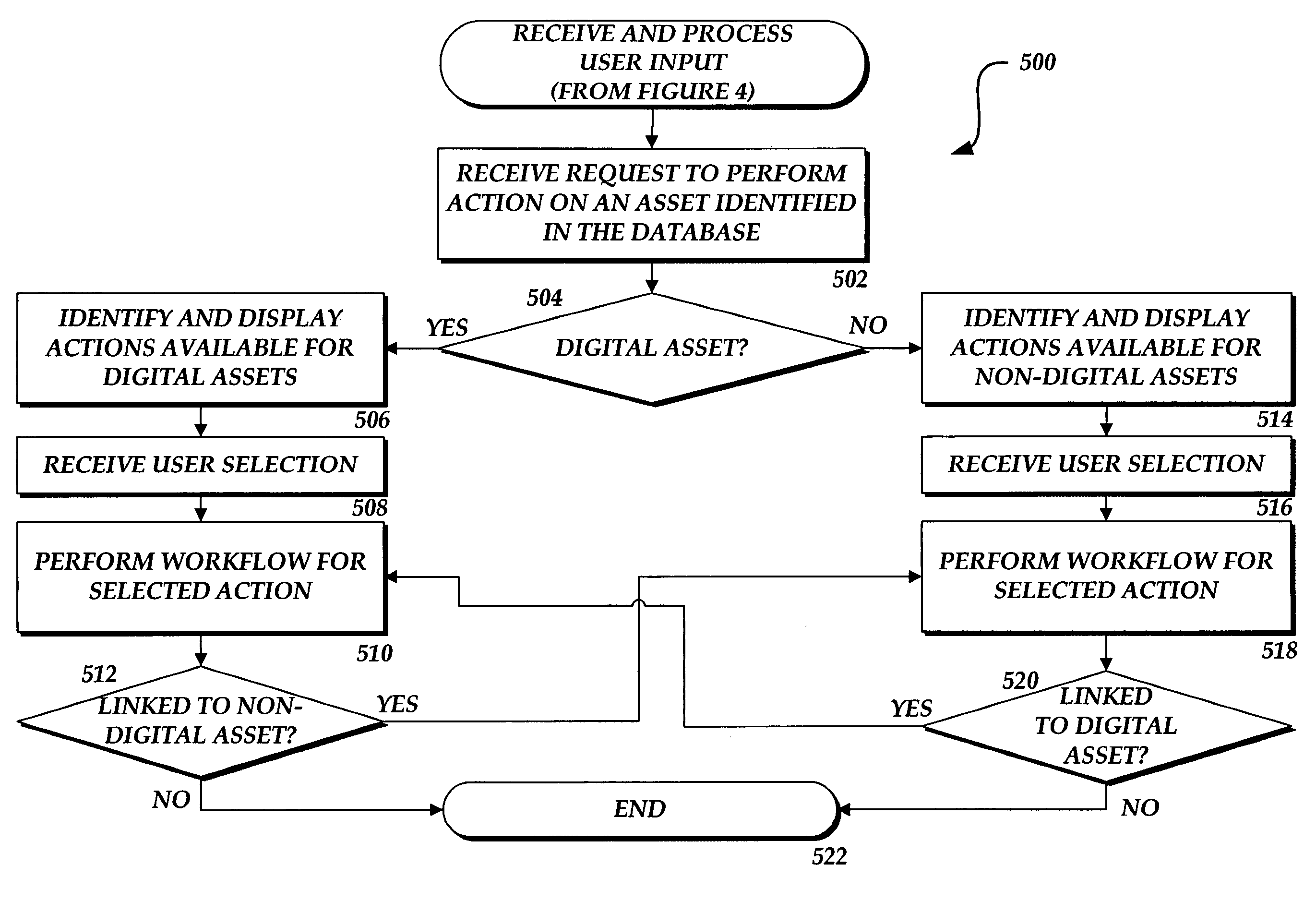
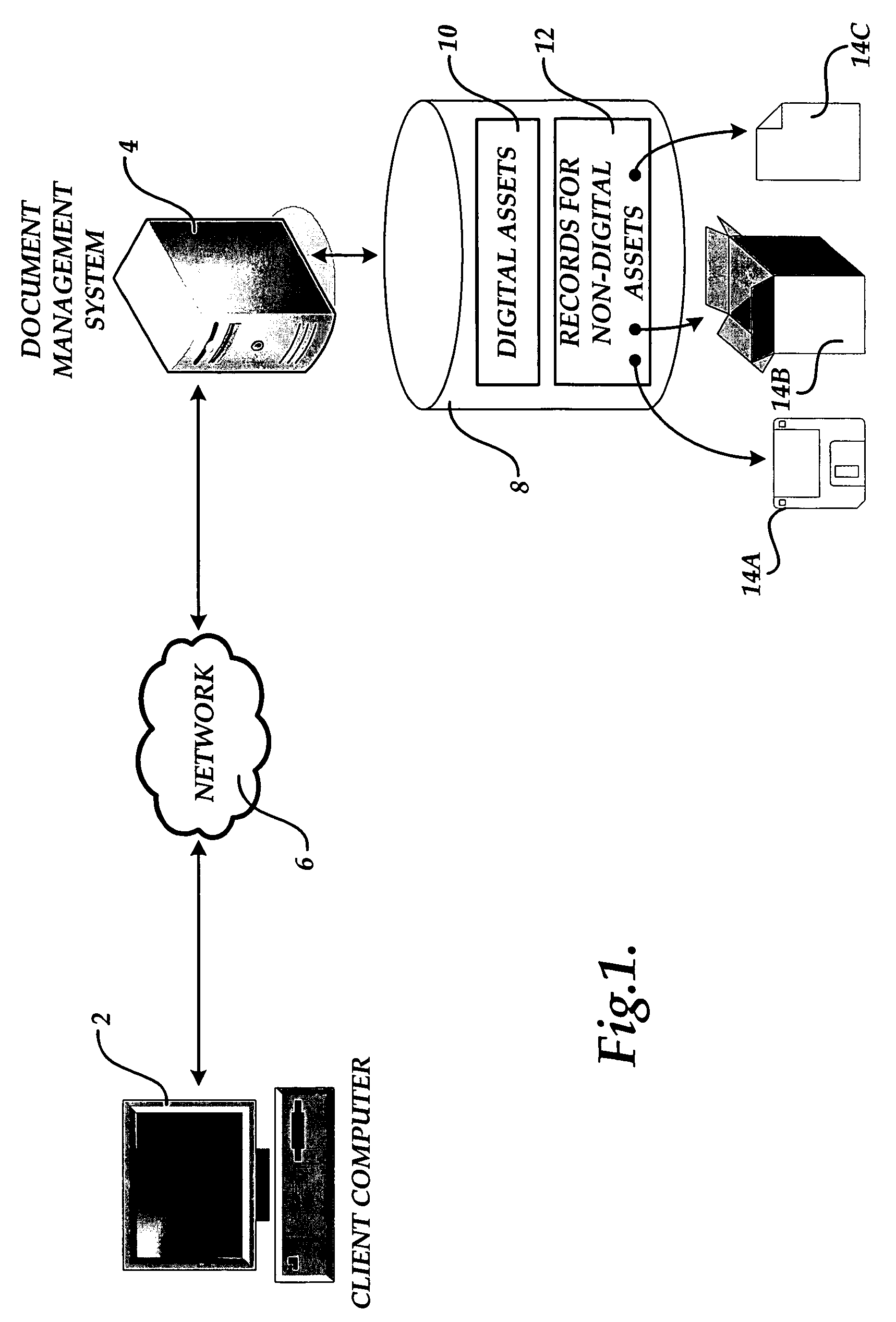
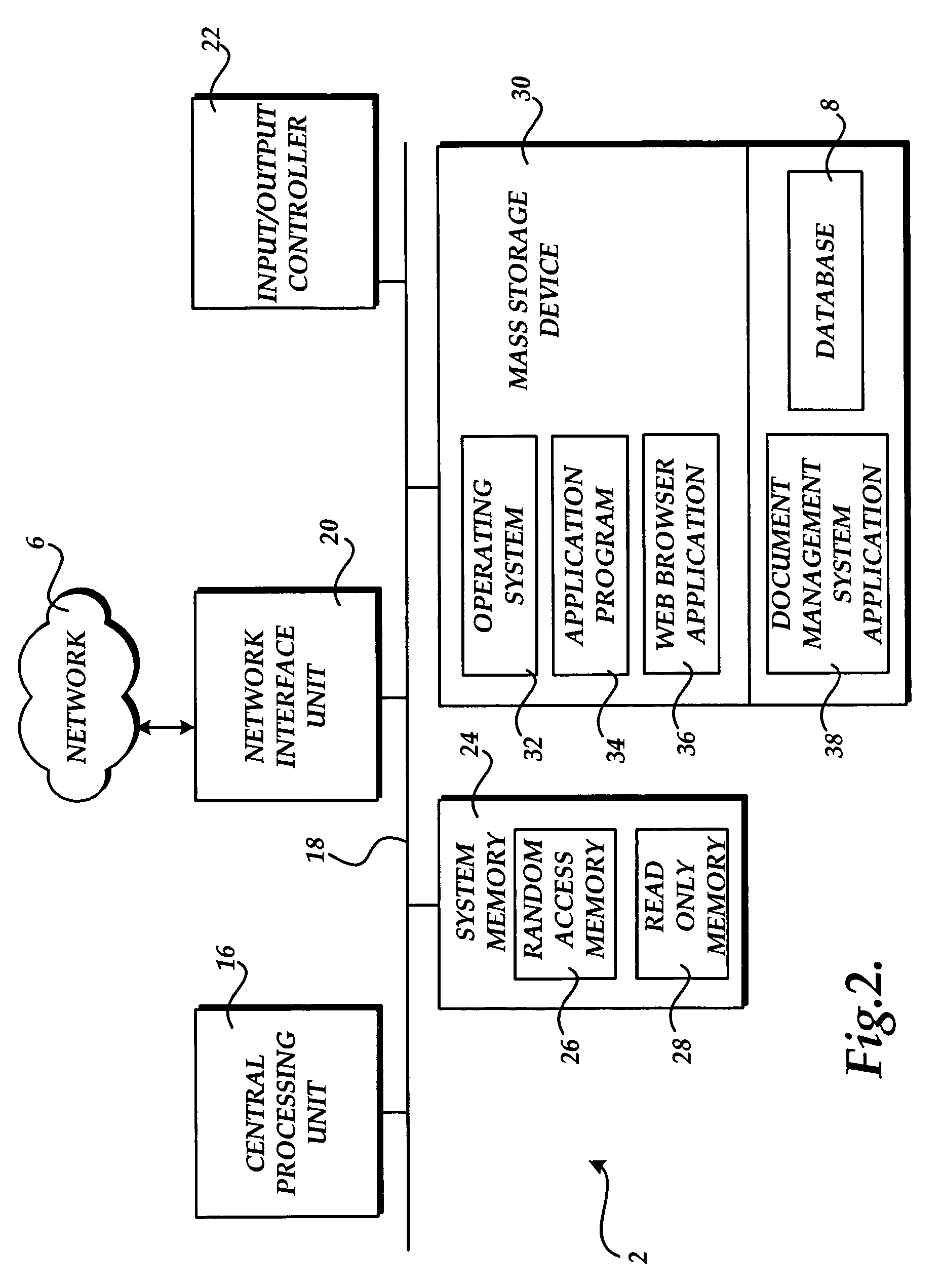
- A method and computer-readable medium that jointly manage digital and non-digital assets within a unified computing environment by maintaining a database with digital assets and records of non-digital assets, allowing for user- or system-initiated actions, and enabling linking of related assets for coordinated workflows.

Data Privacy and Security Compliance Framework
Data synchronization systems must operate within increasingly complex regulatory environments that demand robust privacy protection and security compliance measures. The fundamental distinction between digital and non-digital synchronization approaches creates divergent compliance challenges that organizations must carefully navigate to meet evolving regulatory requirements.
Digital synchronization platforms face comprehensive regulatory scrutiny under frameworks such as GDPR, CCPA, and emerging data protection legislation worldwide. These systems must implement end-to-end encryption, access controls, and audit trails that demonstrate compliance with data minimization principles and user consent requirements. The automated nature of digital synchronization enables real-time compliance monitoring but also introduces risks related to cross-border data transfers and jurisdictional conflicts.
Non-digital synchronization methods, while seemingly simpler from a technological perspective, present unique compliance challenges related to physical data handling, manual process documentation, and human error mitigation. These approaches often struggle to provide the granular audit trails and automated compliance controls that modern regulations demand, particularly regarding data subject rights and breach notification requirements.
The convergence of privacy-by-design principles with synchronization architecture requires organizations to embed compliance considerations into their fundamental system design. Digital platforms can leverage automated policy enforcement, real-time consent management, and dynamic data classification to maintain compliance across distributed environments. However, this technological sophistication introduces complexity in demonstrating compliance to regulators who may lack technical expertise.
Emerging compliance frameworks increasingly emphasize data sovereignty and localization requirements that significantly impact synchronization strategies. Digital systems must implement sophisticated geo-fencing and data residency controls, while non-digital approaches may offer inherent advantages in maintaining local data control but sacrifice efficiency and scalability.
The evolution toward zero-trust security models fundamentally reshapes compliance requirements for data synchronization, demanding continuous verification and risk assessment regardless of the chosen technological approach. Organizations must balance regulatory compliance with operational efficiency while preparing for future regulatory developments that will likely impose even stricter requirements on cross-system data movement and synchronization processes.
Digital synchronization platforms face comprehensive regulatory scrutiny under frameworks such as GDPR, CCPA, and emerging data protection legislation worldwide. These systems must implement end-to-end encryption, access controls, and audit trails that demonstrate compliance with data minimization principles and user consent requirements. The automated nature of digital synchronization enables real-time compliance monitoring but also introduces risks related to cross-border data transfers and jurisdictional conflicts.
Non-digital synchronization methods, while seemingly simpler from a technological perspective, present unique compliance challenges related to physical data handling, manual process documentation, and human error mitigation. These approaches often struggle to provide the granular audit trails and automated compliance controls that modern regulations demand, particularly regarding data subject rights and breach notification requirements.
The convergence of privacy-by-design principles with synchronization architecture requires organizations to embed compliance considerations into their fundamental system design. Digital platforms can leverage automated policy enforcement, real-time consent management, and dynamic data classification to maintain compliance across distributed environments. However, this technological sophistication introduces complexity in demonstrating compliance to regulators who may lack technical expertise.
Emerging compliance frameworks increasingly emphasize data sovereignty and localization requirements that significantly impact synchronization strategies. Digital systems must implement sophisticated geo-fencing and data residency controls, while non-digital approaches may offer inherent advantages in maintaining local data control but sacrifice efficiency and scalability.
The evolution toward zero-trust security models fundamentally reshapes compliance requirements for data synchronization, demanding continuous verification and risk assessment regardless of the chosen technological approach. Organizations must balance regulatory compliance with operational efficiency while preparing for future regulatory developments that will likely impose even stricter requirements on cross-system data movement and synchronization processes.
Performance Benchmarking and Cost Analysis
Performance benchmarking reveals significant disparities between digital and non-digital data synchronization approaches across multiple metrics. Digital synchronization systems consistently demonstrate superior throughput capabilities, with modern cloud-based solutions achieving synchronization rates exceeding 10,000 transactions per second under optimal conditions. In contrast, non-digital methods such as manual data entry and physical media transfers typically process fewer than 100 transactions per hour, representing a performance gap of several orders of magnitude.
Latency measurements further emphasize this performance divide. Digital synchronization protocols can achieve near real-time data consistency with latencies measured in milliseconds for local networks and seconds for global distributed systems. Non-digital approaches inherently introduce substantial delays, often requiring hours or days to complete synchronization cycles depending on geographic distribution and manual processing requirements.
Cost analysis presents a more nuanced comparison framework. Initial implementation costs for digital synchronization infrastructure can be substantial, particularly for enterprise-grade solutions requiring robust security, redundancy, and scalability features. Hardware, software licensing, and integration expenses typically range from tens of thousands to millions of dollars depending on system complexity and organizational scale.
Non-digital synchronization methods exhibit lower upfront capital requirements but generate significantly higher operational expenses over time. Labor costs associated with manual data handling, physical media management, and error correction procedures accumulate rapidly. Additionally, the indirect costs of delayed decision-making due to synchronization lag can substantially impact business operations and competitive positioning.
Total cost of ownership calculations consistently favor digital solutions for organizations processing moderate to high data volumes. The break-even point typically occurs within 12-24 months for most enterprise implementations, after which digital systems provide substantial cost advantages through automation and reduced manual intervention requirements.
Reliability metrics demonstrate mixed results depending on specific implementation approaches. Digital systems offer superior consistency and accuracy when properly configured, with error rates below 0.01% for established protocols. However, they introduce dependencies on network infrastructure, power systems, and software stability that can create single points of failure.
Latency measurements further emphasize this performance divide. Digital synchronization protocols can achieve near real-time data consistency with latencies measured in milliseconds for local networks and seconds for global distributed systems. Non-digital approaches inherently introduce substantial delays, often requiring hours or days to complete synchronization cycles depending on geographic distribution and manual processing requirements.
Cost analysis presents a more nuanced comparison framework. Initial implementation costs for digital synchronization infrastructure can be substantial, particularly for enterprise-grade solutions requiring robust security, redundancy, and scalability features. Hardware, software licensing, and integration expenses typically range from tens of thousands to millions of dollars depending on system complexity and organizational scale.
Non-digital synchronization methods exhibit lower upfront capital requirements but generate significantly higher operational expenses over time. Labor costs associated with manual data handling, physical media management, and error correction procedures accumulate rapidly. Additionally, the indirect costs of delayed decision-making due to synchronization lag can substantially impact business operations and competitive positioning.
Total cost of ownership calculations consistently favor digital solutions for organizations processing moderate to high data volumes. The break-even point typically occurs within 12-24 months for most enterprise implementations, after which digital systems provide substantial cost advantages through automation and reduced manual intervention requirements.
Reliability metrics demonstrate mixed results depending on specific implementation approaches. Digital systems offer superior consistency and accuracy when properly configured, with error rates below 0.01% for established protocols. However, they introduce dependencies on network infrastructure, power systems, and software stability that can create single points of failure.
Unlock deeper insights with PatSnap Eureka Quick Research — get a full tech report to explore trends and direct your research. Try now!
Generate Your Research Report Instantly with AI Agent
Supercharge your innovation with PatSnap Eureka AI Agent Platform!