
Comparing Diesel Generators for Cost-Efficiency Across Load Ranges
JUN 12, 20269 MIN READ
Generate Your Research Report Instantly with AI Agent
Patsnap Eureka helps you evaluate technical feasibility & market potential.
Diesel Generator Technology Background and Efficiency Goals
Diesel generator technology has evolved significantly since its inception in the late 19th century, transforming from rudimentary mechanical systems to sophisticated power generation solutions. The fundamental principle remains unchanged: converting chemical energy stored in diesel fuel into mechanical energy through combustion, which subsequently drives an alternator to produce electrical power. This technology has become indispensable across numerous sectors due to its reliability, fuel availability, and operational flexibility.
The development trajectory of diesel generators has been marked by continuous improvements in fuel injection systems, combustion chamber design, and electronic control mechanisms. Early generators operated with basic mechanical fuel injection and minimal automation, resulting in relatively poor fuel efficiency and high emissions. Modern systems incorporate advanced common rail injection, turbocharging, and sophisticated engine management systems that optimize performance across varying load conditions.
Contemporary diesel generator efficiency goals center on maximizing fuel economy while minimizing environmental impact across diverse operational scenarios. The primary objective involves achieving optimal fuel consumption rates that vary minimally across different load ranges, from light loads of 25-30% capacity to full-rated output. Industry standards now target specific fuel consumption rates below 200 grams per kilowatt-hour at rated load, with efficiency curves that maintain acceptable performance even during partial load operations.
Load-dependent efficiency optimization represents a critical challenge in modern diesel generator design. Traditional generators often exhibit poor efficiency at light loads, consuming disproportionate amounts of fuel relative to power output. Advanced technologies such as variable geometry turbochargers, electronic fuel management systems, and load bank integration aim to flatten the efficiency curve across operational ranges. These innovations enable generators to maintain fuel consumption rates within acceptable parameters whether operating at 30% or 100% capacity.
Environmental compliance objectives have become increasingly stringent, driving technological advancement toward cleaner combustion processes and reduced emissions. Current efficiency goals encompass not only fuel economy but also adherence to Tier 4 emission standards, requiring sophisticated after-treatment systems including diesel particulate filters and selective catalytic reduction. These systems must maintain their effectiveness across all load ranges without significantly compromising fuel efficiency or operational reliability.
The integration of digital monitoring and predictive maintenance technologies represents the latest evolution in diesel generator efficiency optimization. Smart controllers continuously analyze operational parameters, adjusting fuel delivery, timing, and auxiliary systems to maintain peak efficiency regardless of load variations. These systems enable real-time optimization that adapts to changing operational conditions while providing comprehensive data for performance analysis and maintenance scheduling.
The development trajectory of diesel generators has been marked by continuous improvements in fuel injection systems, combustion chamber design, and electronic control mechanisms. Early generators operated with basic mechanical fuel injection and minimal automation, resulting in relatively poor fuel efficiency and high emissions. Modern systems incorporate advanced common rail injection, turbocharging, and sophisticated engine management systems that optimize performance across varying load conditions.
Contemporary diesel generator efficiency goals center on maximizing fuel economy while minimizing environmental impact across diverse operational scenarios. The primary objective involves achieving optimal fuel consumption rates that vary minimally across different load ranges, from light loads of 25-30% capacity to full-rated output. Industry standards now target specific fuel consumption rates below 200 grams per kilowatt-hour at rated load, with efficiency curves that maintain acceptable performance even during partial load operations.
Load-dependent efficiency optimization represents a critical challenge in modern diesel generator design. Traditional generators often exhibit poor efficiency at light loads, consuming disproportionate amounts of fuel relative to power output. Advanced technologies such as variable geometry turbochargers, electronic fuel management systems, and load bank integration aim to flatten the efficiency curve across operational ranges. These innovations enable generators to maintain fuel consumption rates within acceptable parameters whether operating at 30% or 100% capacity.
Environmental compliance objectives have become increasingly stringent, driving technological advancement toward cleaner combustion processes and reduced emissions. Current efficiency goals encompass not only fuel economy but also adherence to Tier 4 emission standards, requiring sophisticated after-treatment systems including diesel particulate filters and selective catalytic reduction. These systems must maintain their effectiveness across all load ranges without significantly compromising fuel efficiency or operational reliability.
The integration of digital monitoring and predictive maintenance technologies represents the latest evolution in diesel generator efficiency optimization. Smart controllers continuously analyze operational parameters, adjusting fuel delivery, timing, and auxiliary systems to maintain peak efficiency regardless of load variations. These systems enable real-time optimization that adapts to changing operational conditions while providing comprehensive data for performance analysis and maintenance scheduling.
Market Demand Analysis for Cost-Efficient Power Generation
The global power generation market is experiencing unprecedented demand for cost-efficient solutions, driven by increasing energy consumption across industrial, commercial, and residential sectors. Diesel generators occupy a critical position in this landscape, serving as both primary power sources in remote locations and backup systems in grid-connected areas. The emphasis on cost-efficiency has intensified as organizations seek to optimize operational expenditures while maintaining reliable power supply.
Industrial sectors represent the largest demand segment for cost-efficient diesel generators, particularly in manufacturing, mining, and construction industries. These applications require generators capable of handling variable load conditions efficiently, from light operational loads during maintenance periods to full capacity during peak production. The construction industry specifically drives demand for generators that can adapt to changing power requirements as projects progress through different phases.
Remote and off-grid applications constitute another significant market segment, where diesel generators serve as primary power sources for telecommunications infrastructure, remote mining operations, and rural electrification projects. These applications prioritize fuel efficiency across diverse load ranges, as fuel transportation costs significantly impact total operational expenses. The growing deployment of cellular towers and data centers in remote locations continues to expand this market segment.
The backup power market for commercial and institutional facilities has evolved beyond simple standby applications. Modern facilities require generators that can operate efficiently during extended outages, handling varying loads as different systems come online. Healthcare facilities, data centers, and critical infrastructure installations demand generators capable of maintaining cost-effectiveness during both emergency situations and regular testing cycles.
Emerging markets in developing regions present substantial growth opportunities for cost-efficient diesel generator solutions. These markets often lack stable grid infrastructure, creating sustained demand for reliable, fuel-efficient power generation. The focus on total cost of ownership, including fuel consumption, maintenance requirements, and operational flexibility, drives purchasing decisions in these price-sensitive markets.
The integration of renewable energy systems has created new demand patterns for diesel generators as backup and load-balancing solutions. These hybrid applications require generators capable of rapid response and efficient operation across varying load conditions to complement intermittent renewable sources.
Industrial sectors represent the largest demand segment for cost-efficient diesel generators, particularly in manufacturing, mining, and construction industries. These applications require generators capable of handling variable load conditions efficiently, from light operational loads during maintenance periods to full capacity during peak production. The construction industry specifically drives demand for generators that can adapt to changing power requirements as projects progress through different phases.
Remote and off-grid applications constitute another significant market segment, where diesel generators serve as primary power sources for telecommunications infrastructure, remote mining operations, and rural electrification projects. These applications prioritize fuel efficiency across diverse load ranges, as fuel transportation costs significantly impact total operational expenses. The growing deployment of cellular towers and data centers in remote locations continues to expand this market segment.
The backup power market for commercial and institutional facilities has evolved beyond simple standby applications. Modern facilities require generators that can operate efficiently during extended outages, handling varying loads as different systems come online. Healthcare facilities, data centers, and critical infrastructure installations demand generators capable of maintaining cost-effectiveness during both emergency situations and regular testing cycles.
Emerging markets in developing regions present substantial growth opportunities for cost-efficient diesel generator solutions. These markets often lack stable grid infrastructure, creating sustained demand for reliable, fuel-efficient power generation. The focus on total cost of ownership, including fuel consumption, maintenance requirements, and operational flexibility, drives purchasing decisions in these price-sensitive markets.
The integration of renewable energy systems has created new demand patterns for diesel generators as backup and load-balancing solutions. These hybrid applications require generators capable of rapid response and efficient operation across varying load conditions to complement intermittent renewable sources.
Current Diesel Generator Performance and Load Challenges
Diesel generators currently face significant performance challenges when operating across varying load conditions, with efficiency degradation being most pronounced at partial load operations. Modern diesel generators typically achieve peak efficiency rates of 35-45% at full rated load, but this efficiency drops substantially to 15-25% when operating at loads below 30% of rated capacity. This performance characteristic creates substantial operational challenges for applications requiring variable power demands.
The fundamental issue stems from diesel engine combustion characteristics, where incomplete fuel burning occurs at low loads, leading to carbon buildup, wet stacking, and reduced component lifespan. Generators operating consistently below 40% load capacity experience accelerated maintenance requirements and potential engine damage. This phenomenon particularly affects standby and backup power systems that frequently operate at partial loads during testing cycles or emergency conditions.
Load factor optimization represents a critical challenge across different generator size categories. Small portable units (5-50 kW) demonstrate poor fuel efficiency curves, consuming disproportionate fuel amounts relative to power output at low loads. Medium-scale generators (50-500 kW) show improved load handling but still suffer from significant efficiency penalties below optimal operating ranges. Large industrial generators (500+ kW) maintain better partial load performance but require sophisticated load management systems to optimize efficiency.
Fuel consumption patterns reveal substantial cost implications across load ranges. At 25% load, diesel generators typically consume 40-60% more fuel per kWh compared to full load operation. This inefficiency translates to increased operational costs and higher carbon emissions per unit of useful power generated. Additionally, frequent low-load operation necessitates more frequent maintenance intervals, including injector cleaning, carbon removal, and oil changes.
Temperature management and emission control systems face particular challenges during variable load operations. Diesel particulate filters and selective catalytic reduction systems require specific temperature thresholds to function effectively, which are difficult to maintain during low-load conditions. This results in increased maintenance complexity and potential regulatory compliance issues in emission-sensitive applications.
Modern load bank testing and load management strategies attempt to address these challenges through periodic high-load operation cycles, but these solutions add operational complexity and costs. Advanced generator control systems now incorporate load forecasting and automatic load balancing features, yet fundamental thermodynamic limitations of diesel combustion continue to constrain efficiency improvements across the full operational spectrum.
The fundamental issue stems from diesel engine combustion characteristics, where incomplete fuel burning occurs at low loads, leading to carbon buildup, wet stacking, and reduced component lifespan. Generators operating consistently below 40% load capacity experience accelerated maintenance requirements and potential engine damage. This phenomenon particularly affects standby and backup power systems that frequently operate at partial loads during testing cycles or emergency conditions.
Load factor optimization represents a critical challenge across different generator size categories. Small portable units (5-50 kW) demonstrate poor fuel efficiency curves, consuming disproportionate fuel amounts relative to power output at low loads. Medium-scale generators (50-500 kW) show improved load handling but still suffer from significant efficiency penalties below optimal operating ranges. Large industrial generators (500+ kW) maintain better partial load performance but require sophisticated load management systems to optimize efficiency.
Fuel consumption patterns reveal substantial cost implications across load ranges. At 25% load, diesel generators typically consume 40-60% more fuel per kWh compared to full load operation. This inefficiency translates to increased operational costs and higher carbon emissions per unit of useful power generated. Additionally, frequent low-load operation necessitates more frequent maintenance intervals, including injector cleaning, carbon removal, and oil changes.
Temperature management and emission control systems face particular challenges during variable load operations. Diesel particulate filters and selective catalytic reduction systems require specific temperature thresholds to function effectively, which are difficult to maintain during low-load conditions. This results in increased maintenance complexity and potential regulatory compliance issues in emission-sensitive applications.
Modern load bank testing and load management strategies attempt to address these challenges through periodic high-load operation cycles, but these solutions add operational complexity and costs. Advanced generator control systems now incorporate load forecasting and automatic load balancing features, yet fundamental thermodynamic limitations of diesel combustion continue to constrain efficiency improvements across the full operational spectrum.
Existing Load Management and Efficiency Solutions
01 Fuel injection optimization and combustion efficiency improvements
Advanced fuel injection systems and combustion chamber designs can significantly improve the fuel efficiency of diesel generators. These technologies focus on optimizing the fuel-air mixture, injection timing, and combustion process to maximize energy output while minimizing fuel consumption. Enhanced combustion efficiency directly translates to reduced operational costs and improved cost-effectiveness.- Fuel injection optimization and combustion efficiency improvements: Advanced fuel injection systems and combustion chamber designs can significantly improve the cost-efficiency of diesel generators by optimizing fuel consumption and reducing emissions. These technologies focus on precise fuel metering, improved atomization, and enhanced combustion control to maximize energy output per unit of fuel consumed.
- Engine control and monitoring systems for operational efficiency: Intelligent control systems and monitoring technologies enable real-time optimization of diesel generator performance by adjusting operating parameters based on load conditions and environmental factors. These systems help maintain optimal efficiency across varying operational conditions while reducing maintenance costs and extending equipment lifespan.
- Heat recovery and waste energy utilization: Heat recovery systems capture and utilize waste heat from diesel generator exhaust and cooling systems to improve overall energy efficiency. These technologies convert otherwise wasted thermal energy into useful power or heating, thereby increasing the total energy output and improving cost-effectiveness of the generator system.
- Hybrid power systems and load management: Integration of diesel generators with alternative energy sources and advanced load management systems optimizes power generation costs by operating the diesel engine only when necessary and at optimal efficiency points. These hybrid configurations reduce fuel consumption and operational costs while maintaining reliable power supply.
- Maintenance optimization and component durability: Enhanced component designs and predictive maintenance technologies reduce operational costs by extending service intervals and improving component reliability. These innovations focus on wear-resistant materials, improved lubrication systems, and condition monitoring to minimize downtime and maintenance expenses.
02 Engine control and monitoring systems
Intelligent control systems that monitor engine parameters in real-time can optimize generator performance and reduce maintenance costs. These systems automatically adjust operating conditions based on load requirements and environmental factors, ensuring optimal fuel consumption and preventing costly breakdowns through predictive maintenance capabilities.Expand Specific Solutions03 Heat recovery and waste energy utilization
Systems that capture and utilize waste heat from diesel generator exhaust and cooling systems can improve overall energy efficiency. By recovering otherwise lost thermal energy for heating applications or additional power generation, these technologies enhance the cost-effectiveness of diesel generator operations through improved energy utilization ratios.Expand Specific Solutions04 Load management and power optimization
Advanced load management systems that automatically adjust generator output based on demand patterns can significantly reduce fuel consumption during low-load periods. These systems include variable speed controls, automatic start-stop functions, and load sharing capabilities that optimize power generation efficiency across different operating conditions.Expand Specific Solutions05 Maintenance optimization and component durability
Enhanced component designs and maintenance scheduling systems that extend service intervals and reduce downtime contribute significantly to cost-efficiency. These improvements include advanced filtration systems, wear-resistant materials, and condition-based maintenance protocols that minimize operational disruptions and reduce long-term maintenance costs.Expand Specific Solutions
Major Diesel Generator Manufacturers and Market Players
The diesel generator market for cost-efficiency optimization across varying load ranges represents a mature yet evolving competitive landscape. The industry is in a consolidation phase with established players like Cummins, Siemens AG, and Robert Bosch GmbH dominating through advanced engine technologies and comprehensive power solutions. Market growth is driven by infrastructure development and backup power needs, particularly in emerging economies where companies like Mahindra & Mahindra and HD Hyundai Infracore maintain strong regional presence. Technology maturity varies significantly, with traditional manufacturers like HIMOINSA and Multiquip focusing on proven diesel technologies, while newer entrants such as Ampd Energy and various Chinese firms including Sino Soar Hybrid are integrating hybrid and energy storage solutions to enhance efficiency across different load profiles, indicating a technological transition toward more adaptive and environmentally conscious power generation systems.
Mahindra & Mahindra Ltd.
Technical Solution: Mahindra develops cost-effective diesel generator solutions specifically designed for emerging markets with focus on fuel efficiency across variable load conditions. Their PowerOL series incorporates load-sensing technology that automatically adjusts engine RPM and fuel injection timing based on electrical demand, achieving significant fuel savings during low-load operations. The company's generators feature multi-stage filtration systems and advanced combustion chamber designs that maintain efficiency levels above 85% even at 30% load capacity. Mahindra's integrated monitoring systems provide real-time fuel consumption data and maintenance alerts, enabling operators to optimize operational costs through data-driven decision making and preventive maintenance scheduling.
Strengths: Cost-effective solutions with strong focus on fuel efficiency and reliability in challenging operating conditions. Weaknesses: Limited advanced digital features compared to premium competitors and smaller global service network.
HD Hyundai Infracore Co., Ltd.
Technical Solution: HD Hyundai Infracore specializes in heavy-duty diesel generator systems with advanced load management capabilities designed for industrial and marine applications. Their HiMSEN engine technology incorporates variable geometry turbocharging and electronic fuel management systems that optimize performance across load ranges from 20% to 110% capacity. The company's generators feature intelligent power management systems that automatically select the most efficient operating mode based on load profiles, reducing fuel consumption by up to 15% compared to conventional systems. Their integrated monitoring platforms provide comprehensive cost analysis tools including fuel efficiency tracking, maintenance cost optimization, and operational performance benchmarking across different load scenarios.
Strengths: Robust heavy-duty design with excellent reliability and comprehensive load range optimization capabilities. Weaknesses: Higher initial costs and primarily focused on large-scale industrial applications with limited small-scale options.
Core Technologies for Multi-Load Range Optimization
Hybrid power plant for improved efficiency and dynamic performance
PatentActiveUS20160352099A1
Innovation
- A power plant design incorporating an AC generator, an AC-to-DC converter, a DC bus, and an active power compensation system with power storage devices like ultracapacitors and microcontrollers, which routes power between the generator and energy storage or dissipating devices to stabilize the load and maintain efficient operation.


Apparatus and method for field modification of a diesel generator to improve efficiency
PatentInactiveUS20100313418A1
Innovation
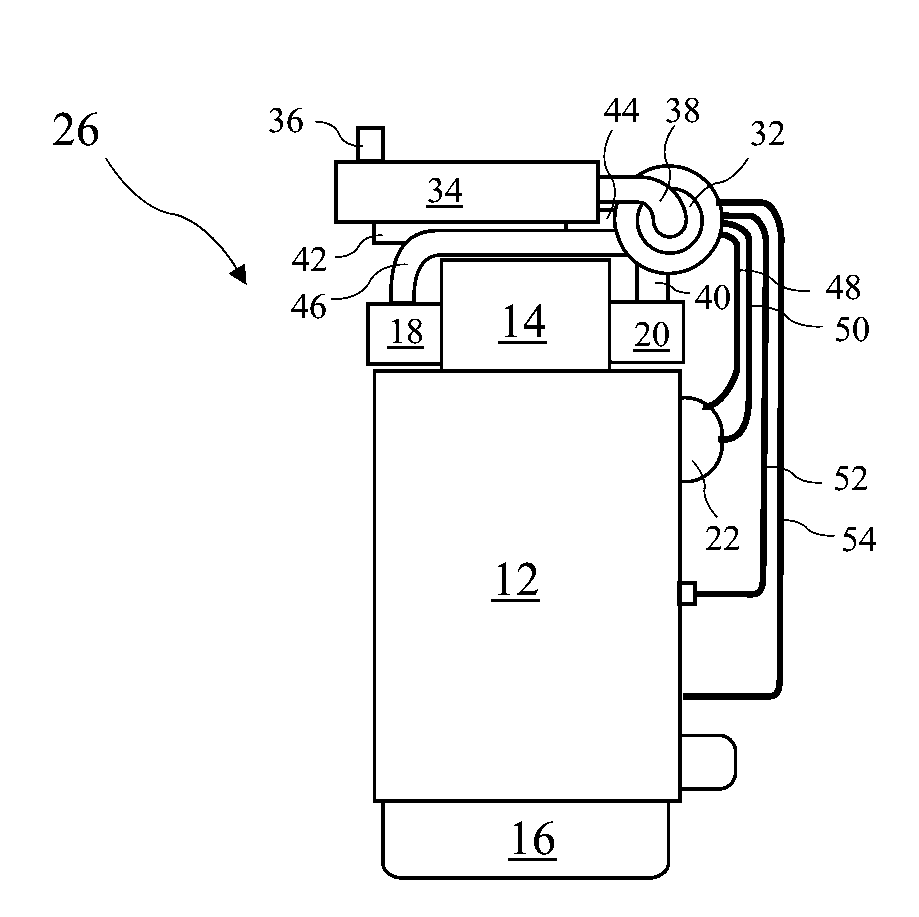
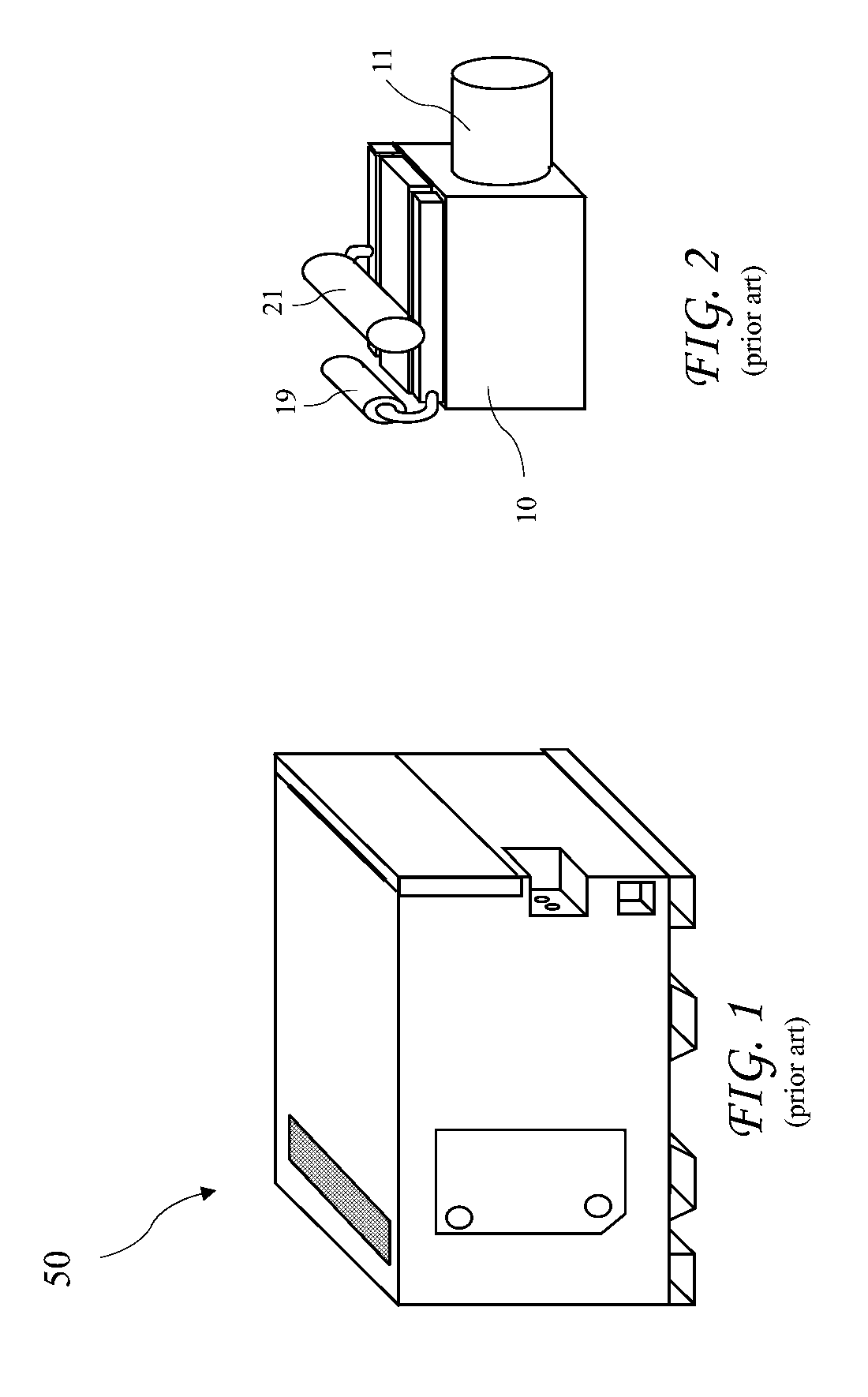
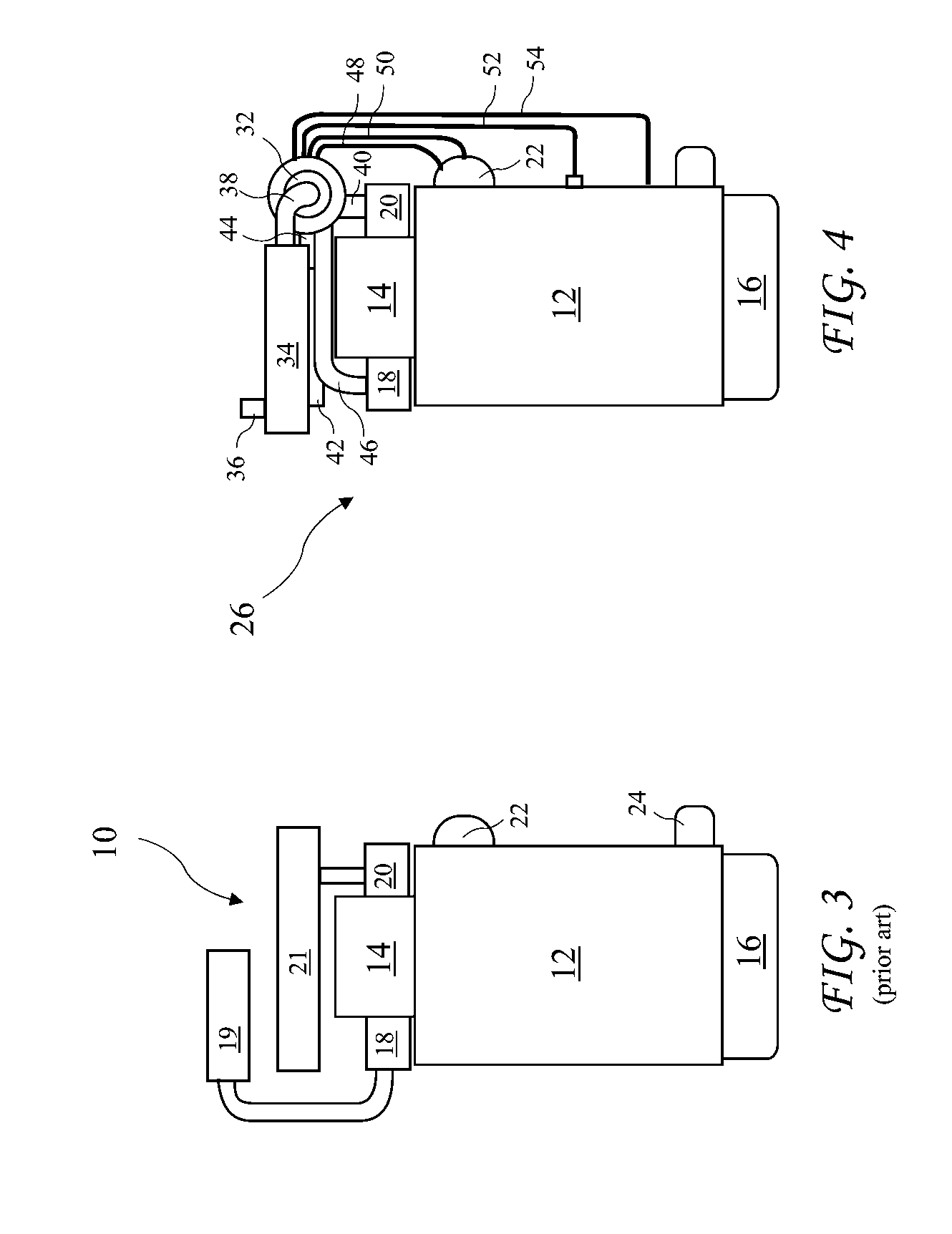
- A field modification kit including a small turbocharger for low boost operation and a low back pressure exhaust system, which provides between 0.5 and 3 pounds of boost, along with an improved air filter and muffler, allowing for field installation by standard personnel without modifying the fuel injection or governor system, addressing both fuel efficiency and wet stack issues.

Environmental Regulations for Diesel Power Generation
Environmental regulations governing diesel power generation have become increasingly stringent worldwide, significantly impacting the cost-efficiency analysis of diesel generators across different load ranges. These regulatory frameworks establish emission limits, operational standards, and compliance requirements that directly influence both capital expenditure and operational costs throughout the generator lifecycle.
The primary regulatory focus centers on controlling nitrogen oxides (NOx), particulate matter (PM), sulfur compounds, and carbon emissions. In the United States, the Environmental Protection Agency's Tier 4 standards mandate substantial reductions in diesel engine emissions, while European Stage V regulations impose similarly strict requirements. These standards vary based on engine power ratings, with generators operating at different load ranges subject to distinct compliance thresholds.
Emission control technologies required for regulatory compliance introduce significant cost implications that vary with load operation patterns. Selective Catalytic Reduction (SCR) systems, Diesel Particulate Filters (DPF), and Exhaust Gas Recirculation (EGR) technologies add substantial upfront costs but demonstrate different efficiency profiles across load ranges. SCR systems, for instance, achieve optimal performance at higher loads but may require additional heating elements for low-load operations, affecting fuel consumption patterns.
Regional regulatory variations create complex compliance landscapes that influence generator selection strategies. California's Air Resources Board maintains more restrictive standards than federal requirements, while developing markets may have less stringent but rapidly evolving regulations. These geographical differences affect the total cost of ownership calculations, particularly for multi-site deployments or mobile generator applications.
Compliance monitoring and reporting requirements impose ongoing operational costs that scale differently across load ranges. Continuous emission monitoring systems, periodic testing protocols, and documentation requirements create fixed costs that may disproportionately impact generators operating at lower capacity factors. Additionally, non-compliance penalties can reach substantial amounts, making regulatory adherence a critical factor in cost-efficiency evaluations.
Future regulatory trends indicate continued tightening of emission standards, with potential carbon pricing mechanisms and renewable energy mandates affecting diesel generator economics. These evolving requirements necessitate forward-looking cost analyses that account for regulatory compliance across anticipated operational load profiles.
The primary regulatory focus centers on controlling nitrogen oxides (NOx), particulate matter (PM), sulfur compounds, and carbon emissions. In the United States, the Environmental Protection Agency's Tier 4 standards mandate substantial reductions in diesel engine emissions, while European Stage V regulations impose similarly strict requirements. These standards vary based on engine power ratings, with generators operating at different load ranges subject to distinct compliance thresholds.
Emission control technologies required for regulatory compliance introduce significant cost implications that vary with load operation patterns. Selective Catalytic Reduction (SCR) systems, Diesel Particulate Filters (DPF), and Exhaust Gas Recirculation (EGR) technologies add substantial upfront costs but demonstrate different efficiency profiles across load ranges. SCR systems, for instance, achieve optimal performance at higher loads but may require additional heating elements for low-load operations, affecting fuel consumption patterns.
Regional regulatory variations create complex compliance landscapes that influence generator selection strategies. California's Air Resources Board maintains more restrictive standards than federal requirements, while developing markets may have less stringent but rapidly evolving regulations. These geographical differences affect the total cost of ownership calculations, particularly for multi-site deployments or mobile generator applications.
Compliance monitoring and reporting requirements impose ongoing operational costs that scale differently across load ranges. Continuous emission monitoring systems, periodic testing protocols, and documentation requirements create fixed costs that may disproportionately impact generators operating at lower capacity factors. Additionally, non-compliance penalties can reach substantial amounts, making regulatory adherence a critical factor in cost-efficiency evaluations.
Future regulatory trends indicate continued tightening of emission standards, with potential carbon pricing mechanisms and renewable energy mandates affecting diesel generator economics. These evolving requirements necessitate forward-looking cost analyses that account for regulatory compliance across anticipated operational load profiles.
Economic Models for Generator Fleet Optimization
Economic models for diesel generator fleet optimization represent sophisticated analytical frameworks designed to maximize operational efficiency while minimizing total cost of ownership across diverse load scenarios. These models integrate multiple variables including fuel consumption patterns, maintenance schedules, capital depreciation, and operational flexibility to determine optimal generator deployment strategies.
The foundation of fleet optimization models lies in load forecasting algorithms that predict power demand variations throughout different operational periods. Advanced models incorporate stochastic elements to account for unexpected load fluctuations, enabling dynamic generator allocation based on real-time demand patterns. These predictive capabilities allow operators to pre-position generators strategically, reducing response times and operational costs.
Multi-objective optimization frameworks form the core of modern fleet management systems, balancing competing priorities such as fuel efficiency, equipment longevity, and service reliability. Linear programming models are commonly employed to solve complex resource allocation problems, determining which generators should operate at specific load levels to achieve minimum operational costs while meeting reliability constraints.
Cost modeling components encompass both direct and indirect expenses, including fuel costs per kilowatt-hour across different load ranges, scheduled and unscheduled maintenance expenses, operator labor costs, and equipment depreciation rates. Advanced models incorporate time-varying fuel prices and seasonal demand patterns to optimize long-term operational strategies.
Fleet sizing optimization models determine the optimal number and capacity mix of generators required to serve anticipated load profiles cost-effectively. These models consider economies of scale in larger units versus operational flexibility provided by smaller, modular generators. Monte Carlo simulation techniques are frequently employed to evaluate performance under various demand scenarios.
Modern optimization platforms integrate machine learning algorithms to continuously refine cost predictions based on historical performance data. These adaptive models improve accuracy over time, identifying subtle patterns in generator performance that traditional static models might overlook, ultimately enhancing fleet-wide cost efficiency across all operational load ranges.
The foundation of fleet optimization models lies in load forecasting algorithms that predict power demand variations throughout different operational periods. Advanced models incorporate stochastic elements to account for unexpected load fluctuations, enabling dynamic generator allocation based on real-time demand patterns. These predictive capabilities allow operators to pre-position generators strategically, reducing response times and operational costs.
Multi-objective optimization frameworks form the core of modern fleet management systems, balancing competing priorities such as fuel efficiency, equipment longevity, and service reliability. Linear programming models are commonly employed to solve complex resource allocation problems, determining which generators should operate at specific load levels to achieve minimum operational costs while meeting reliability constraints.
Cost modeling components encompass both direct and indirect expenses, including fuel costs per kilowatt-hour across different load ranges, scheduled and unscheduled maintenance expenses, operator labor costs, and equipment depreciation rates. Advanced models incorporate time-varying fuel prices and seasonal demand patterns to optimize long-term operational strategies.
Fleet sizing optimization models determine the optimal number and capacity mix of generators required to serve anticipated load profiles cost-effectively. These models consider economies of scale in larger units versus operational flexibility provided by smaller, modular generators. Monte Carlo simulation techniques are frequently employed to evaluate performance under various demand scenarios.
Modern optimization platforms integrate machine learning algorithms to continuously refine cost predictions based on historical performance data. These adaptive models improve accuracy over time, identifying subtle patterns in generator performance that traditional static models might overlook, ultimately enhancing fleet-wide cost efficiency across all operational load ranges.
Unlock deeper insights with Patsnap Eureka Quick Research — get a full tech report to explore trends and direct your research. Try now!
Generate Your Research Report Instantly with AI Agent
Supercharge your innovation with Patsnap Eureka AI Agent Platform!