

Comparing DSP Models for Comprehensive Traffic Management Systems
FEB 26, 20269 MIN READ
Generate Your Research Report Instantly with AI Agent
Patsnap Eureka helps you evaluate technical feasibility & market potential.
DSP Traffic Management Background and Objectives
Digital Signal Processing (DSP) has emerged as a cornerstone technology in modern traffic management systems, fundamentally transforming how urban transportation networks operate and respond to dynamic conditions. The evolution of DSP in traffic applications traces back to the 1970s when basic signal processing techniques were first applied to traffic light control systems. Over subsequent decades, the field has witnessed remarkable advancement from simple timer-based controllers to sophisticated adaptive systems capable of real-time optimization.
The technological progression has been marked by several key milestones, including the introduction of loop detector signal processing in the 1980s, the development of video-based traffic detection systems in the 1990s, and the recent integration of machine learning algorithms with traditional DSP methods. Today's traffic management landscape demands increasingly complex signal processing capabilities to handle multi-modal transportation data, including vehicle detection, pedestrian tracking, environmental monitoring, and communication with connected vehicles.
Current DSP applications in traffic management encompass a broad spectrum of functionalities, from basic vehicle counting and speed measurement to advanced predictive analytics and autonomous traffic optimization. The integration of Internet of Things (IoT) sensors, computer vision systems, and wireless communication networks has created an ecosystem where DSP algorithms must process vast amounts of heterogeneous data in real-time while maintaining high accuracy and reliability standards.
The primary objective of implementing comprehensive DSP-based traffic management systems centers on achieving optimal traffic flow efficiency while minimizing congestion, reducing environmental impact, and enhancing safety for all road users. These systems aim to create adaptive, intelligent networks that can respond dynamically to changing traffic patterns, emergency situations, and special events. Key performance targets include reducing average travel times by 15-30%, decreasing fuel consumption and emissions by 10-25%, and improving overall network throughput capacity.
Modern DSP traffic management systems also strive to support emerging transportation paradigms, including connected and autonomous vehicles, smart city initiatives, and sustainable mobility solutions. The technology must accommodate future scalability requirements while maintaining backward compatibility with existing infrastructure investments, ensuring seamless integration across diverse urban environments and varying technological maturity levels.
The technological progression has been marked by several key milestones, including the introduction of loop detector signal processing in the 1980s, the development of video-based traffic detection systems in the 1990s, and the recent integration of machine learning algorithms with traditional DSP methods. Today's traffic management landscape demands increasingly complex signal processing capabilities to handle multi-modal transportation data, including vehicle detection, pedestrian tracking, environmental monitoring, and communication with connected vehicles.
Current DSP applications in traffic management encompass a broad spectrum of functionalities, from basic vehicle counting and speed measurement to advanced predictive analytics and autonomous traffic optimization. The integration of Internet of Things (IoT) sensors, computer vision systems, and wireless communication networks has created an ecosystem where DSP algorithms must process vast amounts of heterogeneous data in real-time while maintaining high accuracy and reliability standards.
The primary objective of implementing comprehensive DSP-based traffic management systems centers on achieving optimal traffic flow efficiency while minimizing congestion, reducing environmental impact, and enhancing safety for all road users. These systems aim to create adaptive, intelligent networks that can respond dynamically to changing traffic patterns, emergency situations, and special events. Key performance targets include reducing average travel times by 15-30%, decreasing fuel consumption and emissions by 10-25%, and improving overall network throughput capacity.
Modern DSP traffic management systems also strive to support emerging transportation paradigms, including connected and autonomous vehicles, smart city initiatives, and sustainable mobility solutions. The technology must accommodate future scalability requirements while maintaining backward compatibility with existing infrastructure investments, ensuring seamless integration across diverse urban environments and varying technological maturity levels.
Market Demand for Intelligent Traffic Systems
The global intelligent traffic systems market is experiencing unprecedented growth driven by rapid urbanization and increasing vehicle density in metropolitan areas worldwide. Urban populations continue to expand at an accelerating pace, creating substantial pressure on existing transportation infrastructure and necessitating advanced traffic management solutions that can optimize flow patterns and reduce congestion through sophisticated digital signal processing technologies.
Government initiatives and smart city development programs represent a primary catalyst for market expansion in the intelligent traffic systems sector. Municipal authorities are increasingly allocating substantial budgets toward modernizing transportation infrastructure, with particular emphasis on implementing comprehensive traffic management systems that leverage advanced DSP models for real-time traffic optimization, incident detection, and adaptive signal control mechanisms.
The rising frequency and severity of traffic congestion in major urban centers has created urgent demand for intelligent traffic solutions capable of dynamic response to changing traffic conditions. Traditional traffic management approaches prove inadequate for handling complex traffic scenarios, driving the need for sophisticated DSP-based systems that can process multiple data streams simultaneously and execute real-time optimization algorithms.
Environmental sustainability concerns and regulatory pressure to reduce vehicular emissions are significantly influencing market demand patterns. Intelligent traffic systems utilizing advanced DSP models can substantially decrease fuel consumption and emissions by optimizing traffic flow, reducing idle times at intersections, and implementing dynamic routing strategies that minimize overall travel distances and environmental impact.
The integration of connected vehicle technologies and Internet of Things infrastructure is expanding the addressable market for comprehensive traffic management systems. Modern vehicles equipped with vehicle-to-infrastructure communication capabilities require sophisticated DSP processing systems to handle the massive data volumes generated by connected transportation networks and translate this information into actionable traffic management decisions.
Economic factors including the high cost of traffic congestion on productivity and fuel consumption are driving both public and private sector investment in intelligent traffic solutions. The quantifiable economic benefits of reduced travel times, improved fuel efficiency, and enhanced transportation system reliability create compelling business cases for deploying advanced DSP-based traffic management systems across diverse geographic markets and urban environments.
Government initiatives and smart city development programs represent a primary catalyst for market expansion in the intelligent traffic systems sector. Municipal authorities are increasingly allocating substantial budgets toward modernizing transportation infrastructure, with particular emphasis on implementing comprehensive traffic management systems that leverage advanced DSP models for real-time traffic optimization, incident detection, and adaptive signal control mechanisms.
The rising frequency and severity of traffic congestion in major urban centers has created urgent demand for intelligent traffic solutions capable of dynamic response to changing traffic conditions. Traditional traffic management approaches prove inadequate for handling complex traffic scenarios, driving the need for sophisticated DSP-based systems that can process multiple data streams simultaneously and execute real-time optimization algorithms.
Environmental sustainability concerns and regulatory pressure to reduce vehicular emissions are significantly influencing market demand patterns. Intelligent traffic systems utilizing advanced DSP models can substantially decrease fuel consumption and emissions by optimizing traffic flow, reducing idle times at intersections, and implementing dynamic routing strategies that minimize overall travel distances and environmental impact.
The integration of connected vehicle technologies and Internet of Things infrastructure is expanding the addressable market for comprehensive traffic management systems. Modern vehicles equipped with vehicle-to-infrastructure communication capabilities require sophisticated DSP processing systems to handle the massive data volumes generated by connected transportation networks and translate this information into actionable traffic management decisions.
Economic factors including the high cost of traffic congestion on productivity and fuel consumption are driving both public and private sector investment in intelligent traffic solutions. The quantifiable economic benefits of reduced travel times, improved fuel efficiency, and enhanced transportation system reliability create compelling business cases for deploying advanced DSP-based traffic management systems across diverse geographic markets and urban environments.
Current DSP Models Status and Processing Challenges
Digital Signal Processing models in traffic management systems have evolved significantly over the past decade, with current implementations spanning multiple architectural approaches. Traditional DSP models primarily rely on Finite Impulse Response (FIR) and Infinite Impulse Response (IIR) filters for basic signal conditioning and noise reduction in sensor data processing. These conventional approaches demonstrate adequate performance for single-point traffic detection but face scalability limitations when deployed across comprehensive urban networks.
Modern DSP architectures have transitioned toward adaptive filtering systems, incorporating Least Mean Squares (LMS) and Recursive Least Squares (RLS) algorithms for dynamic traffic pattern recognition. These models excel in processing real-time data streams from multiple sensor types, including inductive loops, radar sensors, and computer vision systems. However, computational complexity remains a significant constraint, particularly when processing high-resolution video feeds and multi-dimensional sensor arrays simultaneously.
Machine learning-enhanced DSP models represent the current state-of-the-art, integrating convolutional neural networks with traditional signal processing pipelines. These hybrid systems demonstrate superior performance in complex scenarios involving weather variations, lighting changes, and irregular traffic patterns. Deep learning-based DSP models can process multiple data modalities concurrently, enabling more robust traffic state estimation and prediction capabilities.
Processing challenges in contemporary DSP implementations center around latency optimization and computational resource allocation. Real-time traffic management demands sub-second response times, creating bottlenecks in systems processing large-scale sensor networks. Memory bandwidth limitations particularly affect systems handling high-frequency sampling rates from distributed sensor arrays, leading to data buffering issues and potential information loss during peak traffic periods.
Interoperability challenges persist across different DSP model implementations, as legacy systems often utilize proprietary signal processing algorithms incompatible with modern standardized protocols. This fragmentation complicates system integration efforts and limits the effectiveness of comprehensive traffic management deployments. Additionally, calibration and synchronization issues between heterogeneous sensor types require sophisticated DSP algorithms capable of handling varying sampling rates and signal characteristics.
Power consumption optimization represents another critical challenge, especially for battery-powered wireless sensor nodes in traffic networks. Current DSP models must balance processing accuracy with energy efficiency, often requiring trade-offs between computational complexity and operational longevity. Edge computing implementations face particular constraints in this regard, necessitating lightweight DSP algorithms that maintain acceptable performance levels while minimizing power requirements.
Modern DSP architectures have transitioned toward adaptive filtering systems, incorporating Least Mean Squares (LMS) and Recursive Least Squares (RLS) algorithms for dynamic traffic pattern recognition. These models excel in processing real-time data streams from multiple sensor types, including inductive loops, radar sensors, and computer vision systems. However, computational complexity remains a significant constraint, particularly when processing high-resolution video feeds and multi-dimensional sensor arrays simultaneously.
Machine learning-enhanced DSP models represent the current state-of-the-art, integrating convolutional neural networks with traditional signal processing pipelines. These hybrid systems demonstrate superior performance in complex scenarios involving weather variations, lighting changes, and irregular traffic patterns. Deep learning-based DSP models can process multiple data modalities concurrently, enabling more robust traffic state estimation and prediction capabilities.
Processing challenges in contemporary DSP implementations center around latency optimization and computational resource allocation. Real-time traffic management demands sub-second response times, creating bottlenecks in systems processing large-scale sensor networks. Memory bandwidth limitations particularly affect systems handling high-frequency sampling rates from distributed sensor arrays, leading to data buffering issues and potential information loss during peak traffic periods.
Interoperability challenges persist across different DSP model implementations, as legacy systems often utilize proprietary signal processing algorithms incompatible with modern standardized protocols. This fragmentation complicates system integration efforts and limits the effectiveness of comprehensive traffic management deployments. Additionally, calibration and synchronization issues between heterogeneous sensor types require sophisticated DSP algorithms capable of handling varying sampling rates and signal characteristics.
Power consumption optimization represents another critical challenge, especially for battery-powered wireless sensor nodes in traffic networks. Current DSP models must balance processing accuracy with energy efficiency, often requiring trade-offs between computational complexity and operational longevity. Edge computing implementations face particular constraints in this regard, necessitating lightweight DSP algorithms that maintain acceptable performance levels while minimizing power requirements.
Existing DSP Architectures for Traffic Control
01 DSP architecture and processing units
Digital Signal Processor models featuring specialized architectures designed for efficient signal processing operations. These architectures include multiple processing units, parallel execution capabilities, and optimized data paths for handling complex mathematical operations such as multiplication, accumulation, and filtering. The designs focus on maximizing throughput while minimizing power consumption through specialized instruction sets and hardware configurations.- DSP architecture and processing units: Digital Signal Processors utilize specialized architectures optimized for signal processing operations. These architectures include multiple processing units, parallel execution capabilities, and dedicated hardware for mathematical operations such as multiplication and accumulation. The design focuses on efficient data flow and minimizing instruction cycles for common signal processing tasks.
- DSP instruction set and programming models: Digital Signal Processors employ specialized instruction sets designed for efficient signal processing operations. These instruction sets include single-cycle multiply-accumulate operations, parallel data processing instructions, and optimized memory access patterns. Programming models provide frameworks for developers to efficiently utilize DSP capabilities through various addressing modes and execution control mechanisms.
- DSP memory architecture and data management: Memory systems in Digital Signal Processors are designed with specialized architectures to support high-bandwidth data access. These include separate program and data memory spaces, cache hierarchies, and direct memory access controllers. The memory organization enables efficient data streaming and minimizes bottlenecks in signal processing applications.
- DSP power optimization and energy efficiency: Power management techniques in Digital Signal Processors focus on reducing energy consumption while maintaining performance. These approaches include dynamic voltage and frequency scaling, clock gating, power domain isolation, and adaptive processing modes. Energy-efficient designs are critical for battery-powered and embedded signal processing applications.
- DSP applications in communication and multimedia: Digital Signal Processors are widely applied in communication systems and multimedia processing. Applications include audio and video codec implementation, wireless communication baseband processing, image processing, and real-time filtering. These implementations leverage DSP capabilities for efficient algorithm execution in various signal processing domains.
02 DSP memory organization and data management
Memory architectures and data management systems specifically designed for digital signal processors. These include specialized memory hierarchies, cache structures, and data transfer mechanisms that enable efficient access to operands and intermediate results. The implementations focus on reducing memory bottlenecks and supporting high-bandwidth data operations required for real-time signal processing applications.Expand Specific Solutions03 DSP instruction set and programming models
Instruction set architectures and programming models tailored for digital signal processing applications. These encompass specialized instructions for common DSP operations, addressing modes optimized for signal processing algorithms, and programming interfaces that facilitate efficient implementation of filtering, transformation, and modulation operations. The models support both fixed-point and floating-point arithmetic operations.Expand Specific Solutions04 DSP power management and optimization
Power management techniques and optimization strategies for digital signal processors to reduce energy consumption while maintaining performance. These approaches include dynamic voltage and frequency scaling, clock gating, power domain management, and adaptive processing modes that adjust operational parameters based on workload requirements. The techniques are particularly important for battery-powered and embedded applications.Expand Specific Solutions05 DSP applications in communication and multimedia
Implementation of digital signal processor models for specific applications in communication systems and multimedia processing. These include modems, audio and video codecs, wireless communication protocols, and image processing systems. The implementations leverage DSP capabilities for real-time processing of signals, including encoding, decoding, filtering, and transformation operations required in modern communication and multimedia devices.Expand Specific Solutions
Major Players in DSP Traffic Management Solutions
The DSP models for comprehensive traffic management systems market is in a mature development stage, characterized by significant technological advancement and substantial market opportunities. The industry demonstrates strong growth potential driven by increasing urbanization and smart city initiatives globally. Technology maturity varies significantly across market participants, with established telecommunications giants like Ericsson, Telefónica, and Siemens leading in advanced DSP implementations for traffic infrastructure. Automotive manufacturers including Toyota and Honda are integrating sophisticated DSP solutions for vehicle-to-infrastructure communication. Chinese academic institutions such as Beijing Jiaotong University, Tongji University, and Southeast University are driving innovation through research partnerships with industry players like CRRC and Shanghai Seisys. The competitive landscape shows a convergence of traditional telecom providers, automotive OEMs, and emerging smart city solution providers, indicating a highly dynamic market with diverse technological approaches and varying levels of DSP implementation maturity across different application domains.
Telefonaktiebolaget LM Ericsson
Technical Solution: Ericsson leverages 5G network infrastructure combined with edge computing DSP solutions for intelligent traffic management. Their Connected Vehicle Cloud platform processes vehicular communication data using advanced DSP algorithms to enable vehicle-to-infrastructure (V2I) and vehicle-to-vehicle (V2V) communications. The system employs real-time DSP processing for traffic flow optimization, congestion prediction, and emergency response coordination. Their solution integrates cellular network data analytics with traffic management algorithms, utilizing massive MIMO and beamforming technologies to ensure reliable communication channels for traffic control systems, supporting latency-critical applications with sub-10ms response times.
Strengths: Strong telecommunications infrastructure, 5G network expertise, low-latency communication capabilities. Weaknesses: Limited direct traffic management experience, dependency on network coverage.
Honda Motor Co., Ltd.
Technical Solution: Honda develops traffic management solutions through their Smart Intersection technology, employing DSP algorithms for vehicle detection, tracking, and traffic flow analysis. Their system processes data from multiple sensors including cameras, radar, and communication devices to create comprehensive traffic situational awareness. The DSP framework analyzes vehicle trajectories, speed patterns, and intersection occupancy to optimize signal timing and prevent conflicts. Honda's approach integrates V2X communication protocols with traditional traffic detection methods, using machine learning-enhanced DSP algorithms to predict traffic patterns and adjust control strategies. Their system demonstrates capability in reducing intersection delays by up to 30% through predictive signal control and real-time traffic adaptation mechanisms.
Strengths: Strong automotive sensor technology, innovative V2X communication solutions, proven intersection management capabilities. Weaknesses: Limited large-scale urban deployment, focus mainly on intersection-level solutions.
Core DSP Algorithms for Traffic Data Processing
Traffic flow detecting system based on DSP
PatentInactiveCN1521701A
Innovation
- DSP is used for image digital signal processing, the analog video signal is input through the CCD camera, the A/D converter outputs the digital signal, and the digital signal processor performs vehicle passing determination and data accumulation to achieve real-time acquisition of traffic flow data and avoid the use of computers. , reducing system cost and stability requirements.


Method and apparatus for routing integrated data, voice, and video traffic
PatentInactiveUS7245630B1
Innovation
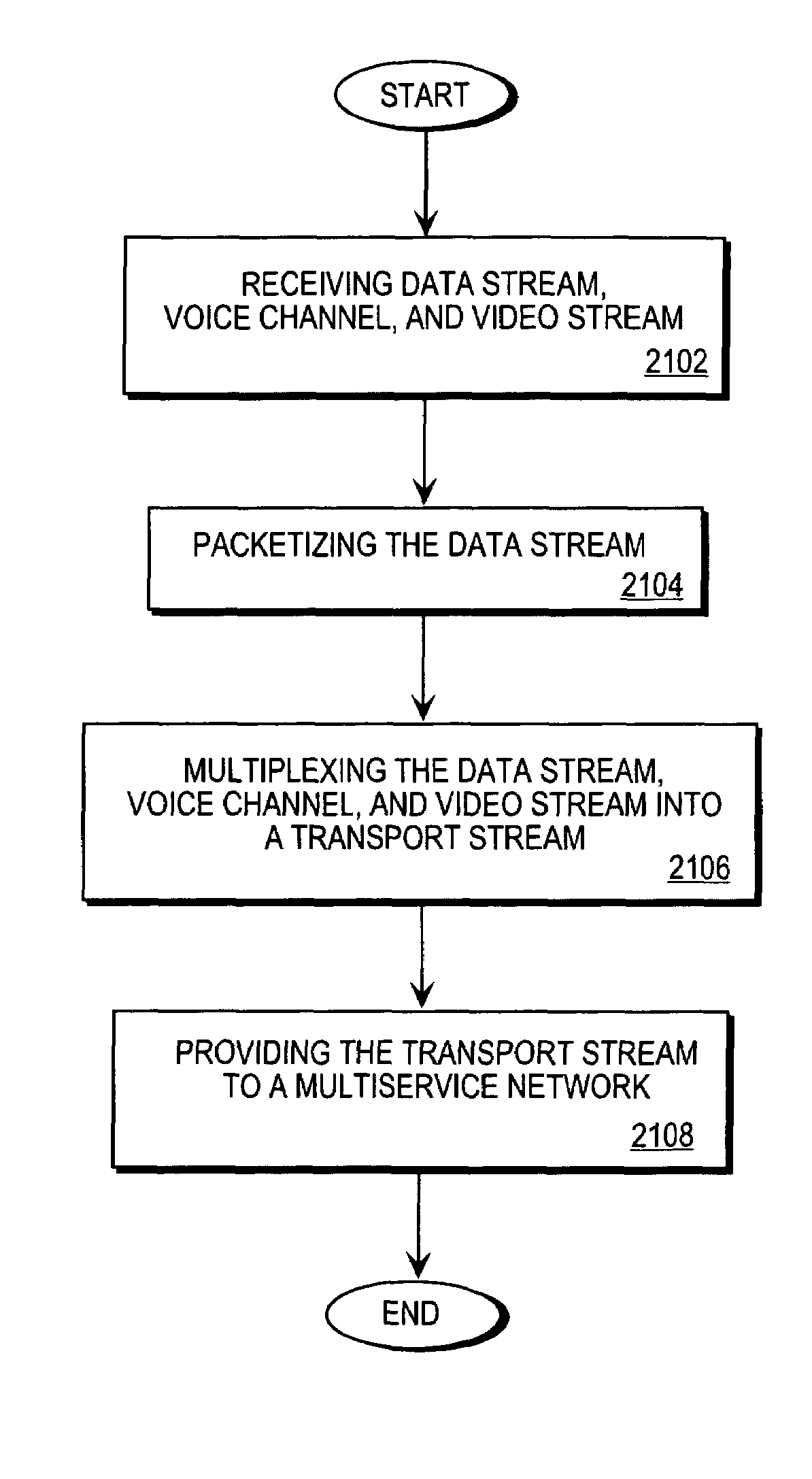
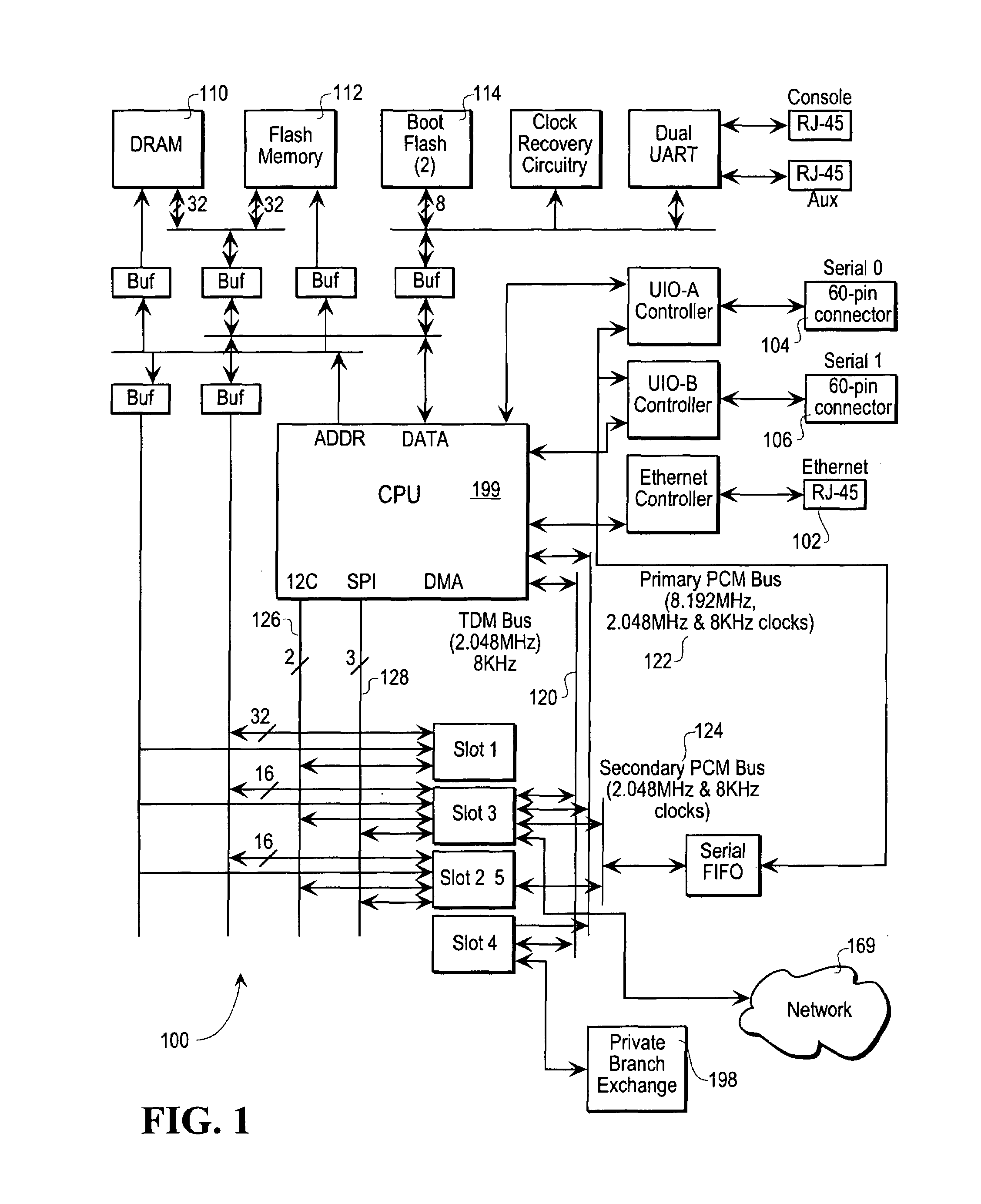
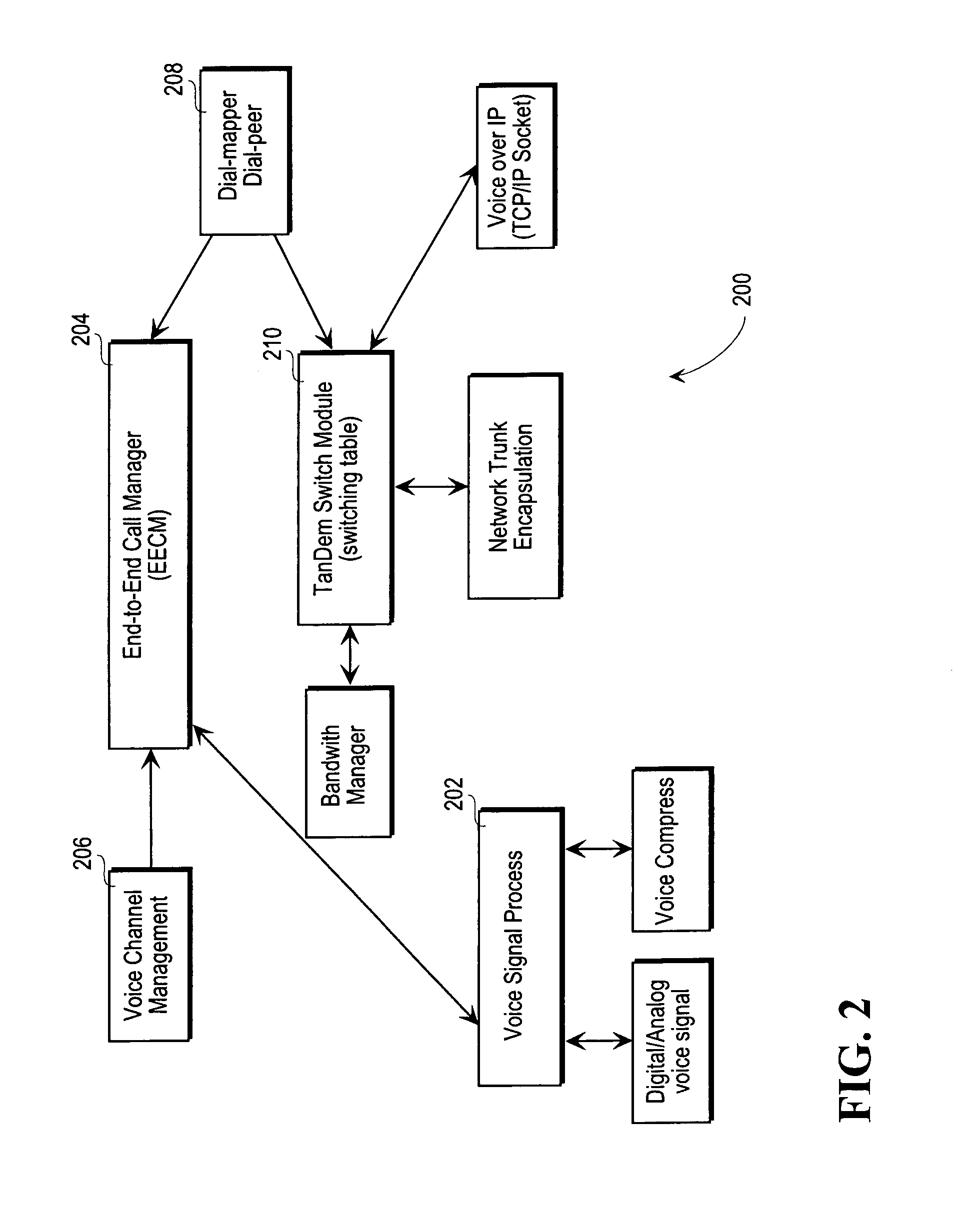
- The Multiservice Access Concentrator (MAC) integrates data, voice, and video onto packet-based or cell-based networks, using a software-configurable trunk to support multiple services and dynamically allocate signal processing resources, enabling voice port hunting, ring-no-answer forwarding, and disconnect supervision across voice over packet-data-network systems.

Smart City Policy Framework for Traffic Systems
The development of comprehensive traffic management systems utilizing Digital Signal Processing (DSP) models requires a robust policy framework that addresses regulatory compliance, data governance, and technological standardization within smart city initiatives. Current policy landscapes across major metropolitan areas demonstrate varying approaches to integrating advanced DSP-based traffic solutions, with some jurisdictions prioritizing real-time optimization while others focus on long-term predictive analytics capabilities.
Regulatory frameworks must establish clear guidelines for data collection, processing, and sharing protocols when implementing DSP models in traffic management systems. Privacy protection standards become particularly critical when these systems process vehicle identification data, pedestrian movement patterns, and behavioral analytics. European GDPR compliance models provide valuable precedents for balancing operational efficiency with citizen privacy rights, while emerging frameworks in Asia-Pacific regions emphasize performance-based regulatory approaches.
Interoperability standards represent a fundamental policy consideration for DSP model deployment across diverse urban environments. Municipal authorities require standardized APIs and data exchange protocols to ensure seamless integration between different vendor solutions and existing infrastructure systems. The establishment of common technical specifications enables cities to avoid vendor lock-in situations while maintaining flexibility for future system upgrades and expansions.
Financial policy frameworks must address the substantial investment requirements for DSP-based traffic management implementations. Public-private partnership models have emerged as effective mechanisms for distributing costs and risks associated with large-scale deployments. Revenue-sharing agreements based on measurable traffic flow improvements and emission reductions provide sustainable funding models that align private sector incentives with public policy objectives.
Performance measurement policies establish accountability mechanisms for DSP model effectiveness in real-world traffic scenarios. Key performance indicators must encompass traffic flow optimization, emergency response times, environmental impact reduction, and system reliability metrics. Regular auditing requirements ensure continuous improvement and provide data-driven insights for policy refinement and system optimization strategies.
Cross-jurisdictional coordination policies become essential when traffic management systems span multiple administrative boundaries. Standardized communication protocols and shared governance structures enable effective regional traffic optimization while respecting local autonomy and specific regulatory requirements within individual municipalities.
Regulatory frameworks must establish clear guidelines for data collection, processing, and sharing protocols when implementing DSP models in traffic management systems. Privacy protection standards become particularly critical when these systems process vehicle identification data, pedestrian movement patterns, and behavioral analytics. European GDPR compliance models provide valuable precedents for balancing operational efficiency with citizen privacy rights, while emerging frameworks in Asia-Pacific regions emphasize performance-based regulatory approaches.
Interoperability standards represent a fundamental policy consideration for DSP model deployment across diverse urban environments. Municipal authorities require standardized APIs and data exchange protocols to ensure seamless integration between different vendor solutions and existing infrastructure systems. The establishment of common technical specifications enables cities to avoid vendor lock-in situations while maintaining flexibility for future system upgrades and expansions.
Financial policy frameworks must address the substantial investment requirements for DSP-based traffic management implementations. Public-private partnership models have emerged as effective mechanisms for distributing costs and risks associated with large-scale deployments. Revenue-sharing agreements based on measurable traffic flow improvements and emission reductions provide sustainable funding models that align private sector incentives with public policy objectives.
Performance measurement policies establish accountability mechanisms for DSP model effectiveness in real-world traffic scenarios. Key performance indicators must encompass traffic flow optimization, emergency response times, environmental impact reduction, and system reliability metrics. Regular auditing requirements ensure continuous improvement and provide data-driven insights for policy refinement and system optimization strategies.
Cross-jurisdictional coordination policies become essential when traffic management systems span multiple administrative boundaries. Standardized communication protocols and shared governance structures enable effective regional traffic optimization while respecting local autonomy and specific regulatory requirements within individual municipalities.
Real-time Performance Benchmarking Standards
Establishing robust real-time performance benchmarking standards for DSP models in comprehensive traffic management systems requires a multi-dimensional evaluation framework that addresses the unique computational and temporal constraints of traffic control environments. These standards must encompass latency thresholds, throughput requirements, and accuracy metrics that reflect the critical nature of traffic management decisions.
The primary performance metric centers on processing latency, where DSP models must demonstrate consistent sub-millisecond response times for critical traffic control functions. Benchmarking standards should define maximum acceptable delays for different traffic scenarios, with emergency response situations requiring processing times under 10 milliseconds, while routine traffic optimization can tolerate up to 100 milliseconds. These thresholds must account for the entire processing pipeline, from sensor data acquisition through decision output.
Throughput benchmarking focuses on the system's capacity to handle concurrent data streams from multiple traffic sensors, cameras, and communication devices. Standards should specify minimum processing rates measured in operations per second, with requirements scaling based on intersection complexity and traffic volume. A typical urban intersection may require processing capabilities exceeding 10,000 sensor readings per second during peak hours.
Accuracy benchmarking standards must evaluate DSP model performance across diverse traffic conditions, including varying weather, lighting, and congestion levels. These standards should establish minimum detection accuracy rates of 95% for vehicle classification and 98% for traffic signal timing optimization. Performance degradation thresholds must be defined for adverse conditions, ensuring system reliability remains within acceptable bounds.
Resource utilization metrics form another critical component, measuring CPU, memory, and power consumption efficiency. Benchmarking standards should establish maximum resource consumption limits while maintaining required performance levels, particularly important for edge computing deployments in traffic infrastructure. Energy efficiency standards become crucial for solar-powered or battery-backup traffic systems.
Scalability benchmarking evaluates how DSP models perform as system complexity increases, measuring performance degradation rates when additional intersections, sensors, or traffic patterns are introduced. Standards should define acceptable performance scaling curves and identify breaking points where additional computational resources become necessary.
The primary performance metric centers on processing latency, where DSP models must demonstrate consistent sub-millisecond response times for critical traffic control functions. Benchmarking standards should define maximum acceptable delays for different traffic scenarios, with emergency response situations requiring processing times under 10 milliseconds, while routine traffic optimization can tolerate up to 100 milliseconds. These thresholds must account for the entire processing pipeline, from sensor data acquisition through decision output.
Throughput benchmarking focuses on the system's capacity to handle concurrent data streams from multiple traffic sensors, cameras, and communication devices. Standards should specify minimum processing rates measured in operations per second, with requirements scaling based on intersection complexity and traffic volume. A typical urban intersection may require processing capabilities exceeding 10,000 sensor readings per second during peak hours.
Accuracy benchmarking standards must evaluate DSP model performance across diverse traffic conditions, including varying weather, lighting, and congestion levels. These standards should establish minimum detection accuracy rates of 95% for vehicle classification and 98% for traffic signal timing optimization. Performance degradation thresholds must be defined for adverse conditions, ensuring system reliability remains within acceptable bounds.
Resource utilization metrics form another critical component, measuring CPU, memory, and power consumption efficiency. Benchmarking standards should establish maximum resource consumption limits while maintaining required performance levels, particularly important for edge computing deployments in traffic infrastructure. Energy efficiency standards become crucial for solar-powered or battery-backup traffic systems.
Scalability benchmarking evaluates how DSP models perform as system complexity increases, measuring performance degradation rates when additional intersections, sensors, or traffic patterns are introduced. Standards should define acceptable performance scaling curves and identify breaking points where additional computational resources become necessary.
Unlock deeper insights with Patsnap Eureka Quick Research — get a full tech report to explore trends and direct your research. Try now!
Generate Your Research Report Instantly with AI Agent
Supercharge your innovation with Patsnap Eureka AI Agent Platform!