

Comparing Eco-Friendly Coating for Joint Brake Longevity
MAY 29, 20269 MIN READ
Generate Your Research Report Instantly with AI Agent
PatSnap Eureka helps you evaluate technical feasibility & market potential.
Eco-Friendly Brake Coating Background and Objectives
The automotive industry has witnessed a significant paradigm shift toward sustainable manufacturing practices, driven by increasingly stringent environmental regulations and growing consumer awareness of ecological impact. Traditional brake coating systems, while effective in performance, often rely on heavy metals, volatile organic compounds, and other environmentally hazardous materials that pose risks to both manufacturing workers and end-users. This environmental concern has catalyzed extensive research into alternative coating solutions that maintain or enhance brake performance while minimizing ecological footprint.
Brake systems represent one of the most critical safety components in vehicles, where coating technologies play a pivotal role in ensuring optimal friction characteristics, wear resistance, and thermal management. The evolution of brake coating technology has progressed from basic metallic formulations to sophisticated multi-layered systems incorporating advanced materials science principles. However, the integration of environmental sustainability into this evolution presents unique challenges that require innovative approaches to material selection and processing techniques.
The primary objective of developing eco-friendly brake coatings centers on achieving superior joint longevity while eliminating or significantly reducing harmful environmental impacts. This involves replacing traditional toxic components with bio-based alternatives, water-based formulations, or advanced ceramic materials that offer comparable or enhanced performance characteristics. The longevity aspect is particularly crucial, as extended brake life directly correlates with reduced material consumption, lower maintenance frequency, and decreased waste generation throughout the vehicle's operational lifecycle.
Current research initiatives focus on biomimetic coating approaches that leverage natural processes and materials to achieve desired friction and wear properties. These investigations explore plant-based polymers, recycled carbon fibers, and nano-structured ceramic composites as potential replacements for conventional coating materials. The challenge lies in maintaining the precise balance between friction coefficient stability, thermal conductivity, and mechanical durability that traditional systems provide.
The technological objectives encompass developing coating formulations that demonstrate measurable improvements in brake pad and rotor longevity while meeting or exceeding existing safety standards. This includes achieving consistent friction performance across varying temperature ranges, enhanced resistance to environmental degradation, and improved compatibility with existing brake system architectures. Additionally, the manufacturing processes for these eco-friendly coatings must be economically viable and scalable for mass production applications.
Brake systems represent one of the most critical safety components in vehicles, where coating technologies play a pivotal role in ensuring optimal friction characteristics, wear resistance, and thermal management. The evolution of brake coating technology has progressed from basic metallic formulations to sophisticated multi-layered systems incorporating advanced materials science principles. However, the integration of environmental sustainability into this evolution presents unique challenges that require innovative approaches to material selection and processing techniques.
The primary objective of developing eco-friendly brake coatings centers on achieving superior joint longevity while eliminating or significantly reducing harmful environmental impacts. This involves replacing traditional toxic components with bio-based alternatives, water-based formulations, or advanced ceramic materials that offer comparable or enhanced performance characteristics. The longevity aspect is particularly crucial, as extended brake life directly correlates with reduced material consumption, lower maintenance frequency, and decreased waste generation throughout the vehicle's operational lifecycle.
Current research initiatives focus on biomimetic coating approaches that leverage natural processes and materials to achieve desired friction and wear properties. These investigations explore plant-based polymers, recycled carbon fibers, and nano-structured ceramic composites as potential replacements for conventional coating materials. The challenge lies in maintaining the precise balance between friction coefficient stability, thermal conductivity, and mechanical durability that traditional systems provide.
The technological objectives encompass developing coating formulations that demonstrate measurable improvements in brake pad and rotor longevity while meeting or exceeding existing safety standards. This includes achieving consistent friction performance across varying temperature ranges, enhanced resistance to environmental degradation, and improved compatibility with existing brake system architectures. Additionally, the manufacturing processes for these eco-friendly coatings must be economically viable and scalable for mass production applications.
Market Demand for Sustainable Brake Solutions
The automotive industry is experiencing unprecedented pressure to adopt sustainable technologies, driven by increasingly stringent environmental regulations and evolving consumer preferences. Global emissions standards, including Euro 7 in Europe and similar initiatives worldwide, are pushing manufacturers to reconsider every component's environmental impact, including brake systems. This regulatory landscape creates substantial market opportunities for eco-friendly brake coating solutions that can extend component longevity while reducing environmental footprint.
Consumer awareness regarding sustainability has reached a critical inflection point, with vehicle buyers actively seeking environmentally responsible options. Fleet operators, particularly in commercial transportation and logistics sectors, are prioritizing sustainable brake solutions to meet corporate sustainability goals and reduce total cost of ownership. The growing emphasis on lifecycle assessments in procurement decisions further amplifies demand for brake coatings that demonstrate superior environmental performance alongside enhanced durability.
The electric vehicle revolution significantly influences brake coating market dynamics. Electric vehicles require specialized brake solutions due to regenerative braking systems, which create unique thermal and operational conditions. Eco-friendly coatings that can withstand these specific requirements while maintaining joint integrity represent a substantial market opportunity. The projected growth in electric vehicle adoption directly correlates with increased demand for compatible sustainable brake technologies.
Commercial vehicle segments demonstrate particularly strong demand for sustainable brake solutions. Heavy-duty trucks, buses, and industrial equipment operators face mounting pressure to reduce maintenance costs while meeting environmental compliance requirements. Extended brake component longevity through advanced eco-friendly coatings directly addresses these dual concerns, creating a compelling value proposition for fleet managers and equipment manufacturers.
The aftermarket segment presents significant growth potential for sustainable brake coating solutions. Independent repair facilities and maintenance providers increasingly seek environmentally compliant products that offer superior performance characteristics. This trend is particularly pronounced in regions with strict environmental disposal regulations for automotive components.
Emerging markets show accelerating adoption of sustainable brake technologies as environmental awareness increases and regulatory frameworks develop. The convergence of cost-effectiveness and environmental benefits positions eco-friendly brake coatings as attractive solutions for manufacturers seeking to establish sustainable competitive advantages in these expanding markets.
Consumer awareness regarding sustainability has reached a critical inflection point, with vehicle buyers actively seeking environmentally responsible options. Fleet operators, particularly in commercial transportation and logistics sectors, are prioritizing sustainable brake solutions to meet corporate sustainability goals and reduce total cost of ownership. The growing emphasis on lifecycle assessments in procurement decisions further amplifies demand for brake coatings that demonstrate superior environmental performance alongside enhanced durability.
The electric vehicle revolution significantly influences brake coating market dynamics. Electric vehicles require specialized brake solutions due to regenerative braking systems, which create unique thermal and operational conditions. Eco-friendly coatings that can withstand these specific requirements while maintaining joint integrity represent a substantial market opportunity. The projected growth in electric vehicle adoption directly correlates with increased demand for compatible sustainable brake technologies.
Commercial vehicle segments demonstrate particularly strong demand for sustainable brake solutions. Heavy-duty trucks, buses, and industrial equipment operators face mounting pressure to reduce maintenance costs while meeting environmental compliance requirements. Extended brake component longevity through advanced eco-friendly coatings directly addresses these dual concerns, creating a compelling value proposition for fleet managers and equipment manufacturers.
The aftermarket segment presents significant growth potential for sustainable brake coating solutions. Independent repair facilities and maintenance providers increasingly seek environmentally compliant products that offer superior performance characteristics. This trend is particularly pronounced in regions with strict environmental disposal regulations for automotive components.
Emerging markets show accelerating adoption of sustainable brake technologies as environmental awareness increases and regulatory frameworks develop. The convergence of cost-effectiveness and environmental benefits positions eco-friendly brake coatings as attractive solutions for manufacturers seeking to establish sustainable competitive advantages in these expanding markets.
Current Challenges in Green Brake Coating Technology
The development of eco-friendly brake coating technologies faces significant material compatibility challenges that directly impact joint brake longevity. Traditional coating formulations rely heavily on heavy metals and volatile organic compounds, which provide excellent performance characteristics but pose environmental concerns. The transition to green alternatives requires identifying substitute materials that can maintain comparable friction coefficients, thermal stability, and wear resistance while meeting stringent environmental regulations.
Manufacturing scalability represents another critical obstacle in green brake coating implementation. Current eco-friendly formulations often require specialized production processes, controlled atmospheric conditions, and extended curing times that significantly increase manufacturing costs. Many sustainable coating materials demonstrate promising laboratory results but fail to maintain consistent quality when scaled to industrial production volumes, creating reliability concerns for automotive manufacturers.
Thermal management challenges persist as a major technical barrier in green coating development. Eco-friendly materials frequently exhibit lower thermal conductivity and reduced heat dissipation capabilities compared to conventional coatings. This limitation becomes particularly problematic in high-performance braking scenarios where excessive heat buildup can lead to coating degradation, reduced friction performance, and accelerated wear of brake components.
Adhesion and bonding issues continue to plague sustainable coating technologies. Many environmentally friendly formulations struggle to achieve optimal adhesion to various substrate materials commonly used in brake systems, including cast iron, steel, and composite materials. Poor adhesion results in premature coating failure, delamination, and compromised braking performance, ultimately reducing the overall longevity of brake joints.
Regulatory compliance complexity adds another layer of difficulty to green coating development. Different regional environmental standards and automotive safety requirements create a fragmented regulatory landscape that manufacturers must navigate. The challenge lies in developing coating formulations that simultaneously meet environmental sustainability criteria, automotive performance standards, and safety regulations across multiple markets.
Cost-effectiveness remains a persistent challenge as eco-friendly coating materials typically command premium prices compared to conventional alternatives. The economic viability of green coatings depends on achieving cost parity while delivering superior or equivalent performance characteristics, making it difficult for manufacturers to justify the transition without clear long-term benefits or regulatory mandates.
Manufacturing scalability represents another critical obstacle in green brake coating implementation. Current eco-friendly formulations often require specialized production processes, controlled atmospheric conditions, and extended curing times that significantly increase manufacturing costs. Many sustainable coating materials demonstrate promising laboratory results but fail to maintain consistent quality when scaled to industrial production volumes, creating reliability concerns for automotive manufacturers.
Thermal management challenges persist as a major technical barrier in green coating development. Eco-friendly materials frequently exhibit lower thermal conductivity and reduced heat dissipation capabilities compared to conventional coatings. This limitation becomes particularly problematic in high-performance braking scenarios where excessive heat buildup can lead to coating degradation, reduced friction performance, and accelerated wear of brake components.
Adhesion and bonding issues continue to plague sustainable coating technologies. Many environmentally friendly formulations struggle to achieve optimal adhesion to various substrate materials commonly used in brake systems, including cast iron, steel, and composite materials. Poor adhesion results in premature coating failure, delamination, and compromised braking performance, ultimately reducing the overall longevity of brake joints.
Regulatory compliance complexity adds another layer of difficulty to green coating development. Different regional environmental standards and automotive safety requirements create a fragmented regulatory landscape that manufacturers must navigate. The challenge lies in developing coating formulations that simultaneously meet environmental sustainability criteria, automotive performance standards, and safety regulations across multiple markets.
Cost-effectiveness remains a persistent challenge as eco-friendly coating materials typically command premium prices compared to conventional alternatives. The economic viability of green coatings depends on achieving cost parity while delivering superior or equivalent performance characteristics, making it difficult for manufacturers to justify the transition without clear long-term benefits or regulatory mandates.
Current Eco-Friendly Brake Coating Solutions
01 Bio-based coating formulations for enhanced durability
Development of coating compositions using renewable biological materials and natural polymers that provide extended service life while maintaining environmental compatibility. These formulations incorporate plant-based resins, bio-derived additives, and sustainable raw materials to create durable protective coatings with reduced environmental impact throughout their lifecycle.- Bio-based polymer coating formulations: Development of coating compositions using renewable biological materials and polymers that provide enhanced durability while maintaining environmental sustainability. These formulations incorporate natural resins, plant-based additives, and biodegradable components that extend coating lifespan without compromising ecological safety.
- Nanotechnology-enhanced sustainable coatings: Integration of nanomaterials and nanostructures into environmentally friendly coating systems to improve mechanical properties, weather resistance, and service life. These technologies utilize eco-safe nanoparticles and surface modification techniques to achieve superior performance characteristics while maintaining green chemistry principles.
- Self-healing coating mechanisms: Advanced coating systems that incorporate autonomous repair capabilities through microcapsule technology, shape memory materials, or reversible chemical bonds. These mechanisms allow coatings to automatically restore their protective properties when damaged, significantly extending service life while using environmentally benign healing agents.
- UV-resistant eco-friendly stabilizers: Development of natural and synthetic UV stabilization systems that protect coating matrices from photodegradation while maintaining environmental compatibility. These stabilizers include organic UV absorbers, hindered amine light stabilizers, and antioxidant packages derived from sustainable sources.
- Corrosion-resistant green coating technologies: Formulation of environmentally safe anti-corrosion coatings that provide long-term protection for metal substrates without using toxic heavy metals or volatile organic compounds. These systems employ alternative corrosion inhibitors, barrier enhancement techniques, and cathodic protection mechanisms using sustainable materials.
02 Nanotechnology integration for longevity enhancement
Application of nanomaterials and nanostructured components in eco-friendly coatings to improve mechanical properties, weather resistance, and overall durability. These technologies enable the creation of thin, efficient protective layers that extend coating lifespan while using fewer resources and reducing environmental footprint.Expand Specific Solutions03 Self-healing and adaptive coating systems
Development of intelligent coating technologies that can automatically repair minor damage and adapt to environmental conditions, significantly extending service life. These systems incorporate microcapsules, shape-memory materials, or responsive polymers that activate repair mechanisms when damage occurs, reducing maintenance requirements and replacement frequency.Expand Specific Solutions04 Water-based and solvent-free formulations
Advancement in environmentally friendly coating chemistries that eliminate or minimize volatile organic compounds while maintaining superior durability characteristics. These formulations utilize advanced polymer technologies, crosslinking mechanisms, and curing systems that provide long-lasting protection without compromising environmental safety or performance standards.Expand Specific Solutions05 UV-resistant and weathering-stable compositions
Specialized coating formulations designed to withstand prolonged exposure to ultraviolet radiation, temperature fluctuations, and harsh environmental conditions while maintaining eco-friendly properties. These compositions incorporate advanced stabilizers, antioxidants, and protective additives derived from sustainable sources to ensure long-term performance and color retention.Expand Specific Solutions
Key Players in Green Brake Coating Industry
The eco-friendly coating for joint brake longevity market represents an emerging sector within the broader automotive and industrial braking systems industry, currently in its early growth phase with significant technological advancement potential. The market encompasses diverse players ranging from established automotive giants like Robert Bosch GmbH, Ford Global Technologies, and Hyundai Motor Co. to specialized brake manufacturers such as Brembo SpA and Japan Brake Industrial Co., alongside innovative coating technology developers like C4 Laser Technology GmbH and Tech M3 Inc. with their proprietary Atomic-Forged process. Technology maturity varies considerably across participants, with traditional OEMs leveraging existing manufacturing capabilities while specialized firms like Fritz Winter Eisengießerei and coating specialists are pioneering advanced surface treatment solutions. The competitive landscape indicates a transitioning industry where environmental regulations and sustainability demands are driving innovation in brake longevity technologies, creating opportunities for both established players and emerging technology companies to capture market share through differentiated eco-friendly coating solutions.
Robert Bosch GmbH
Technical Solution: Bosch has implemented comprehensive eco-friendly coating systems for brake components, utilizing advanced nanotechnology-based formulations that eliminate heavy metals and hazardous substances. Their coating technology employs water-based epoxy systems combined with ceramic nanoparticles to enhance durability and reduce environmental footprint. The solution includes specialized surface preparation techniques and multi-layer coating applications that significantly extend brake joint longevity while meeting strict environmental compliance standards for automotive applications.
Strengths: Global automotive supplier with extensive manufacturing capabilities and strong integration with OEM partners. Weaknesses: Complex supply chain requirements may increase implementation costs for smaller manufacturers.
Ford Global Technologies LLC
Technical Solution: Ford has implemented comprehensive eco-friendly coating strategies for brake systems across their vehicle platforms, focusing on sustainable manufacturing processes and extended component longevity. Their approach includes water-based coating systems with reduced environmental impact and enhanced corrosion protection for brake calipers, rotors, and associated hardware. The technology emphasizes lifecycle cost reduction through improved durability and maintenance intervals while meeting stringent automotive industry environmental standards and regulatory requirements for sustainable manufacturing practices.
Strengths: Major automotive OEM with extensive vehicle testing capabilities and large-scale manufacturing implementation experience. Weaknesses: Technology development primarily focused on internal applications rather than external licensing or broader market availability.
Core Innovations in Sustainable Brake Coating Patents
Component of a brake for a vehicle
PatentWO2020043712A1
Innovation
- A brake component with a coating system comprising an intermediate layer of Ni or Cr alloy with embedded hard material particles and a cover layer of stainless steel matrix, where the intermediate layer has higher toughness and lower thermal conductivity than the cover layer, ensuring effective heat dissipation and stress management, and the thickness ratio of the cover layer to the intermediate layer is greater than 1.5, optimizing wear resistance and adhesion.

Brake assembly and coating
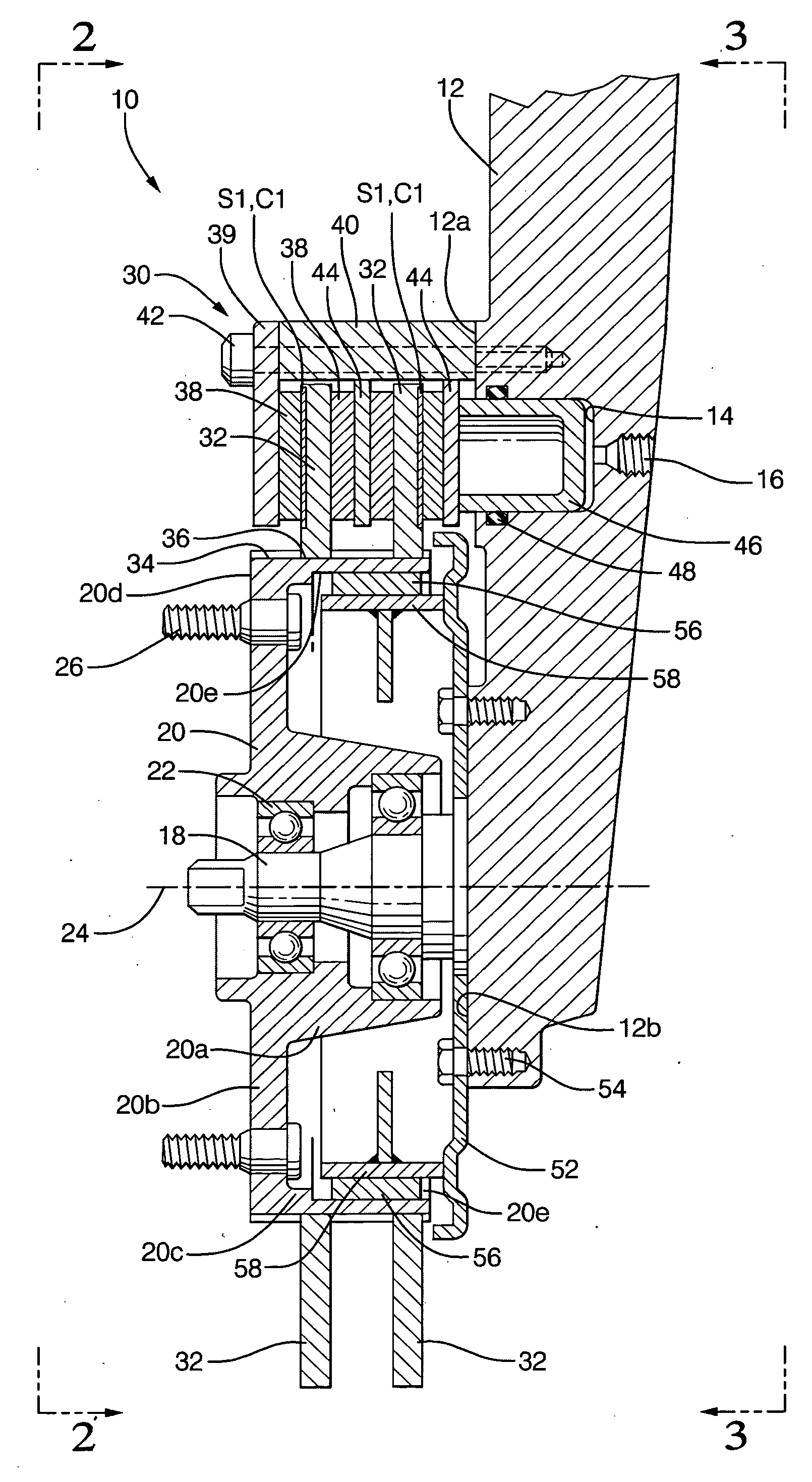
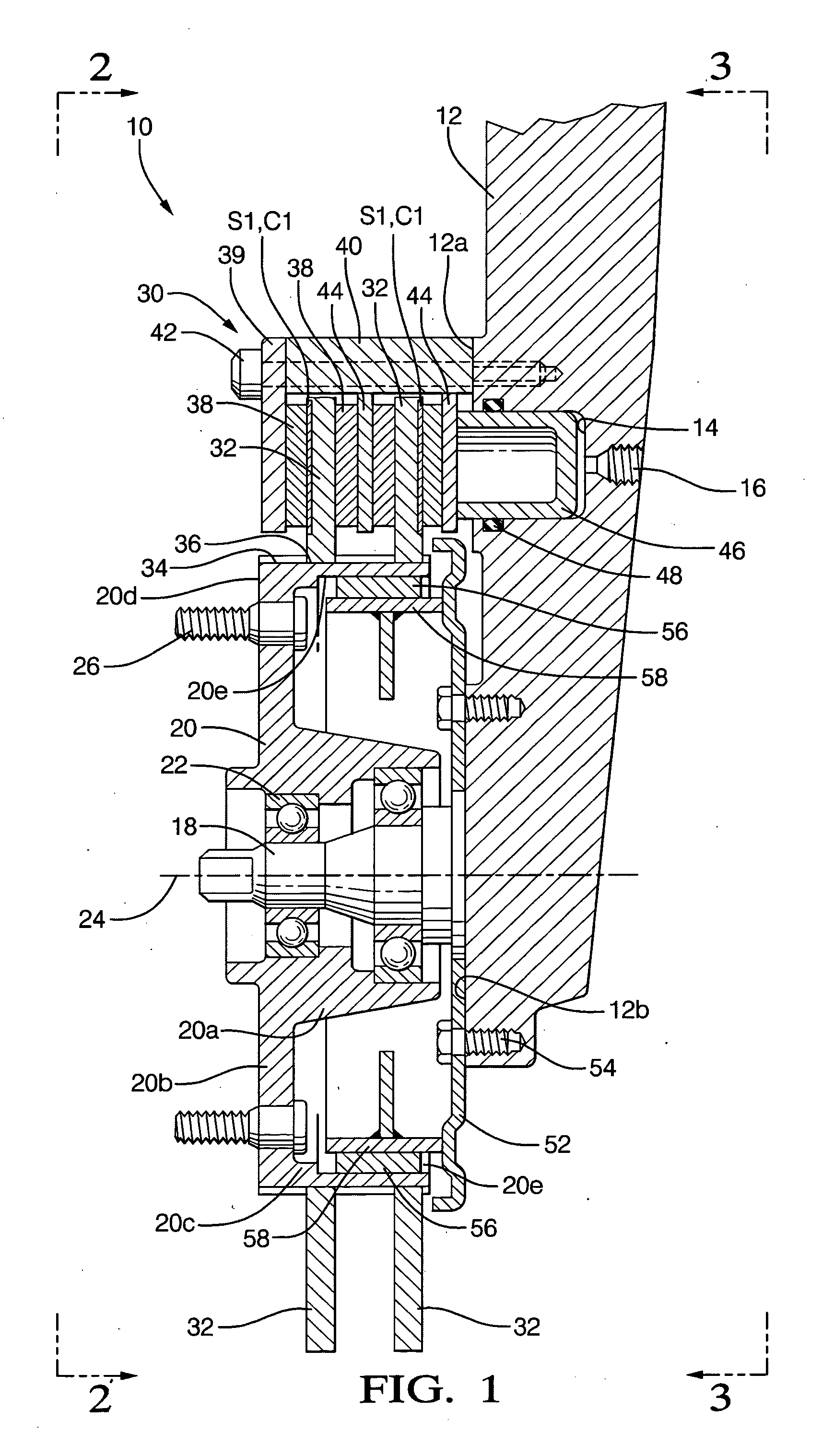
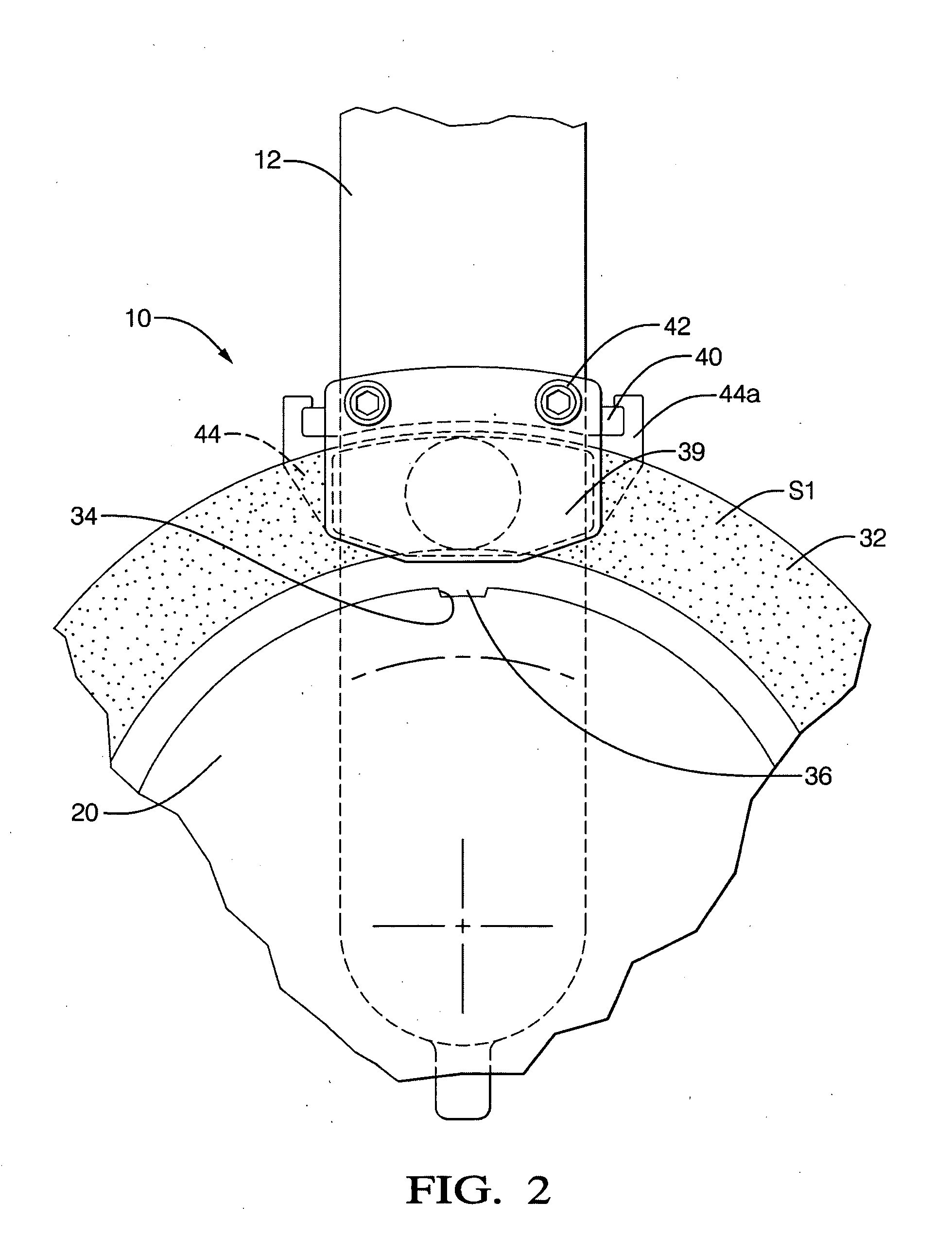
PatentInactiveUS20060272909A1
Innovation
- A composite coating combining sacrificial corrosion materials like zinc or aluminum with hard wear-resistant materials like diamond or carbides, applied via thermal or kinetic spraying, to provide both corrosion and wear resistance while maintaining adequate frictional performance.

Environmental Regulations for Brake Coating Materials
The regulatory landscape for brake coating materials has evolved significantly in response to growing environmental concerns and public health considerations. Traditional brake coatings often contained hazardous substances such as heavy metals, volatile organic compounds (VOCs), and other toxic materials that posed risks to both manufacturing workers and end-users. Regulatory bodies worldwide have implemented increasingly stringent standards to address these environmental and health impacts.
In the European Union, the REACH (Registration, Evaluation, Authorisation and Restriction of Chemicals) regulation serves as the primary framework governing chemical substances in brake coatings. This comprehensive legislation requires manufacturers to demonstrate the safety of chemical substances and restricts the use of substances of very high concern (SVHCs). Additionally, the RoHS (Restriction of Hazardous Substances) directive specifically limits the use of certain hazardous materials in automotive components, including brake systems.
The United States Environmental Protection Agency (EPA) has established regulations under the Toxic Substances Control Act (TSCA) that directly impact brake coating formulations. The EPA's National Emission Standards for Hazardous Air Pollutants (NESHAP) specifically addresses brake manufacturing facilities, setting limits on emissions of hazardous air pollutants during production processes. Furthermore, state-level regulations, particularly California's stringent environmental standards, often exceed federal requirements and influence industry practices nationwide.
Asian markets have also implemented comprehensive regulatory frameworks. Japan's Chemical Substances Control Law and China's new chemical substance notification requirements have created additional compliance obligations for brake coating manufacturers. These regulations emphasize the reduction of persistent, bioaccumulative, and toxic substances while promoting the development of safer alternatives.
Recent regulatory trends indicate a shift toward performance-based standards that encourage innovation in eco-friendly formulations. Regulations now increasingly focus on lifecycle assessments, requiring manufacturers to consider environmental impacts from production through disposal. This regulatory evolution has accelerated the development of water-based coatings, bio-based materials, and advanced polymer systems that meet both performance and environmental criteria.
Compliance with these evolving regulations requires continuous monitoring of regulatory updates across multiple jurisdictions, as non-compliance can result in significant penalties, market access restrictions, and reputational damage for manufacturers in the brake coating industry.
In the European Union, the REACH (Registration, Evaluation, Authorisation and Restriction of Chemicals) regulation serves as the primary framework governing chemical substances in brake coatings. This comprehensive legislation requires manufacturers to demonstrate the safety of chemical substances and restricts the use of substances of very high concern (SVHCs). Additionally, the RoHS (Restriction of Hazardous Substances) directive specifically limits the use of certain hazardous materials in automotive components, including brake systems.
The United States Environmental Protection Agency (EPA) has established regulations under the Toxic Substances Control Act (TSCA) that directly impact brake coating formulations. The EPA's National Emission Standards for Hazardous Air Pollutants (NESHAP) specifically addresses brake manufacturing facilities, setting limits on emissions of hazardous air pollutants during production processes. Furthermore, state-level regulations, particularly California's stringent environmental standards, often exceed federal requirements and influence industry practices nationwide.
Asian markets have also implemented comprehensive regulatory frameworks. Japan's Chemical Substances Control Law and China's new chemical substance notification requirements have created additional compliance obligations for brake coating manufacturers. These regulations emphasize the reduction of persistent, bioaccumulative, and toxic substances while promoting the development of safer alternatives.
Recent regulatory trends indicate a shift toward performance-based standards that encourage innovation in eco-friendly formulations. Regulations now increasingly focus on lifecycle assessments, requiring manufacturers to consider environmental impacts from production through disposal. This regulatory evolution has accelerated the development of water-based coatings, bio-based materials, and advanced polymer systems that meet both performance and environmental criteria.
Compliance with these evolving regulations requires continuous monitoring of regulatory updates across multiple jurisdictions, as non-compliance can result in significant penalties, market access restrictions, and reputational damage for manufacturers in the brake coating industry.
Performance Testing Standards for Eco-Brake Coatings
The establishment of comprehensive performance testing standards for eco-friendly brake coatings represents a critical framework for evaluating the effectiveness and reliability of sustainable braking solutions. Current industry standards primarily focus on traditional coating materials, creating a significant gap in standardized evaluation protocols for environmentally conscious alternatives. The development of specialized testing methodologies must address the unique characteristics of eco-friendly formulations while maintaining rigorous performance benchmarks.
Durability assessment protocols constitute the foundation of eco-brake coating evaluation standards. These protocols encompass accelerated aging tests that simulate extended operational conditions, including thermal cycling between -40°C to 200°C, humidity exposure at 95% relative humidity for 1000 hours, and salt spray corrosion resistance testing following ASTM B117 specifications. Additionally, wear resistance evaluation through pin-on-disk testing at standardized loads and velocities provides quantitative data on coating longevity under friction conditions.
Friction performance standardization requires specialized testing apparatus capable of measuring coefficient of friction across varying temperature ranges and moisture conditions. The testing protocol incorporates fade resistance evaluation through repeated braking cycles, recovery characteristics assessment after thermal exposure, and consistency measurements across different environmental conditions. These standards ensure eco-friendly coatings maintain predictable braking performance throughout their operational lifecycle.
Environmental impact verification standards integrate traditional performance metrics with sustainability assessments. Testing protocols include volatile organic compound emission measurements during curing and operational phases, biodegradability evaluation following OECD guidelines, and lifecycle assessment integration within performance documentation. These comprehensive standards ensure eco-friendly coatings deliver both environmental benefits and operational reliability.
Quality assurance frameworks establish batch-to-batch consistency requirements through statistical process control methodologies. Testing frequencies, sample sizes, and acceptance criteria are defined to maintain manufacturing quality while accommodating the inherent variability of sustainable raw materials. Documentation requirements ensure traceability and compliance verification throughout the supply chain, supporting widespread adoption of eco-friendly brake coating technologies.
Durability assessment protocols constitute the foundation of eco-brake coating evaluation standards. These protocols encompass accelerated aging tests that simulate extended operational conditions, including thermal cycling between -40°C to 200°C, humidity exposure at 95% relative humidity for 1000 hours, and salt spray corrosion resistance testing following ASTM B117 specifications. Additionally, wear resistance evaluation through pin-on-disk testing at standardized loads and velocities provides quantitative data on coating longevity under friction conditions.
Friction performance standardization requires specialized testing apparatus capable of measuring coefficient of friction across varying temperature ranges and moisture conditions. The testing protocol incorporates fade resistance evaluation through repeated braking cycles, recovery characteristics assessment after thermal exposure, and consistency measurements across different environmental conditions. These standards ensure eco-friendly coatings maintain predictable braking performance throughout their operational lifecycle.
Environmental impact verification standards integrate traditional performance metrics with sustainability assessments. Testing protocols include volatile organic compound emission measurements during curing and operational phases, biodegradability evaluation following OECD guidelines, and lifecycle assessment integration within performance documentation. These comprehensive standards ensure eco-friendly coatings deliver both environmental benefits and operational reliability.
Quality assurance frameworks establish batch-to-batch consistency requirements through statistical process control methodologies. Testing frequencies, sample sizes, and acceptance criteria are defined to maintain manufacturing quality while accommodating the inherent variability of sustainable raw materials. Documentation requirements ensure traceability and compliance verification throughout the supply chain, supporting widespread adoption of eco-friendly brake coating technologies.
Unlock deeper insights with PatSnap Eureka Quick Research — get a full tech report to explore trends and direct your research. Try now!
Generate Your Research Report Instantly with AI Agent
Supercharge your innovation with PatSnap Eureka AI Agent Platform!