
Comparing Neural vs Rule-Based NLP Systems
MAR 18, 20269 MIN READ
Generate Your Research Report Instantly with AI Agent
Patsnap Eureka helps you evaluate technical feasibility & market potential.
Neural vs Rule-Based NLP Evolution and Objectives
Natural Language Processing has undergone a fundamental paradigm shift over the past several decades, evolving from deterministic rule-based systems to sophisticated neural architectures. This evolution represents one of the most significant transformations in computational linguistics, fundamentally altering how machines understand and generate human language.
The historical trajectory of NLP began in the 1950s with rule-based approaches that dominated the field for nearly four decades. These systems relied on handcrafted linguistic rules, syntactic parsers, and semantic frameworks developed by linguists and computer scientists. Early pioneers like Noam Chomsky's transformational grammar and Terry Winograd's SHRDLU system established the foundation for symbolic AI approaches to language understanding.
The transition period emerged in the 1990s with statistical methods bridging rule-based and neural approaches. Hidden Markov Models, n-gram language models, and probabilistic context-free grammars introduced data-driven elements while maintaining interpretable structures. This hybrid era demonstrated that combining linguistic knowledge with statistical learning could achieve superior performance compared to purely rule-based systems.
The neural revolution accelerated dramatically after 2010, driven by advances in deep learning architectures. Word embeddings like Word2Vec and GloVe transformed how machines represent semantic meaning, while recurrent neural networks enabled sequential language modeling. The introduction of attention mechanisms and transformer architectures, culminating in models like BERT and GPT, established neural systems as the dominant paradigm for most NLP tasks.
Contemporary objectives for neural NLP systems focus on achieving human-level language understanding across diverse domains and languages. Key goals include developing more efficient architectures that require less computational resources, improving few-shot and zero-shot learning capabilities, and enhancing multilingual performance. Additionally, there is growing emphasis on creating more interpretable neural models that can explain their decision-making processes.
Rule-based systems continue to pursue objectives centered on precision, reliability, and domain-specific optimization. Modern rule-based approaches aim to leverage advances in knowledge representation, ontology engineering, and symbolic reasoning to create highly accurate systems for specialized applications where explainability and consistency are paramount.
The convergence of these paradigms represents an emerging objective where hybrid systems combine the interpretability and precision of rule-based approaches with the flexibility and learning capabilities of neural networks. This synthesis aims to create more robust, trustworthy, and adaptable NLP systems that can meet the diverse requirements of real-world applications while maintaining both performance and transparency.
The historical trajectory of NLP began in the 1950s with rule-based approaches that dominated the field for nearly four decades. These systems relied on handcrafted linguistic rules, syntactic parsers, and semantic frameworks developed by linguists and computer scientists. Early pioneers like Noam Chomsky's transformational grammar and Terry Winograd's SHRDLU system established the foundation for symbolic AI approaches to language understanding.
The transition period emerged in the 1990s with statistical methods bridging rule-based and neural approaches. Hidden Markov Models, n-gram language models, and probabilistic context-free grammars introduced data-driven elements while maintaining interpretable structures. This hybrid era demonstrated that combining linguistic knowledge with statistical learning could achieve superior performance compared to purely rule-based systems.
The neural revolution accelerated dramatically after 2010, driven by advances in deep learning architectures. Word embeddings like Word2Vec and GloVe transformed how machines represent semantic meaning, while recurrent neural networks enabled sequential language modeling. The introduction of attention mechanisms and transformer architectures, culminating in models like BERT and GPT, established neural systems as the dominant paradigm for most NLP tasks.
Contemporary objectives for neural NLP systems focus on achieving human-level language understanding across diverse domains and languages. Key goals include developing more efficient architectures that require less computational resources, improving few-shot and zero-shot learning capabilities, and enhancing multilingual performance. Additionally, there is growing emphasis on creating more interpretable neural models that can explain their decision-making processes.
Rule-based systems continue to pursue objectives centered on precision, reliability, and domain-specific optimization. Modern rule-based approaches aim to leverage advances in knowledge representation, ontology engineering, and symbolic reasoning to create highly accurate systems for specialized applications where explainability and consistency are paramount.
The convergence of these paradigms represents an emerging objective where hybrid systems combine the interpretability and precision of rule-based approaches with the flexibility and learning capabilities of neural networks. This synthesis aims to create more robust, trustworthy, and adaptable NLP systems that can meet the diverse requirements of real-world applications while maintaining both performance and transparency.
Market Demand for Advanced NLP Processing Solutions
The global natural language processing market has experienced unprecedented growth driven by the increasing digitization of business operations and the exponential rise in unstructured data generation. Organizations across industries are recognizing the critical need for sophisticated NLP solutions that can effectively process, analyze, and extract meaningful insights from vast amounts of textual information including customer communications, social media content, technical documentation, and regulatory materials.
Enterprise demand for NLP processing solutions spans multiple sectors with financial services leading adoption for automated document processing, compliance monitoring, and customer service optimization. Healthcare organizations increasingly require NLP capabilities for clinical documentation analysis, medical record processing, and drug discovery research. Technology companies and e-commerce platforms drive demand for sentiment analysis, content moderation, and personalized recommendation systems.
The market exhibits distinct preferences between neural and rule-based approaches depending on specific use case requirements. Enterprises handling sensitive data or operating in heavily regulated industries often favor rule-based systems for their transparency, predictability, and easier compliance validation. Conversely, organizations processing diverse, unstructured content at scale increasingly demand neural-based solutions for their superior adaptability and performance on complex language understanding tasks.
Current market dynamics reveal growing demand for hybrid solutions that combine the reliability of rule-based systems with the flexibility of neural approaches. Organizations seek NLP platforms capable of handling multilingual content processing, real-time analysis capabilities, and seamless integration with existing enterprise systems. The rise of conversational AI and chatbot implementations has further accelerated demand for robust NLP processing infrastructure.
Market growth drivers include regulatory compliance requirements, customer experience enhancement initiatives, and operational efficiency optimization goals. Organizations are particularly focused on solutions that can reduce manual processing costs while improving accuracy and consistency in language-related tasks. The increasing availability of cloud-based NLP services has democratized access to advanced processing capabilities, expanding market reach beyond large enterprises to mid-market organizations.
Emerging market segments include specialized applications for legal document analysis, scientific literature processing, and cross-border communication facilitation, indicating sustained growth potential across diverse industry verticals.
Enterprise demand for NLP processing solutions spans multiple sectors with financial services leading adoption for automated document processing, compliance monitoring, and customer service optimization. Healthcare organizations increasingly require NLP capabilities for clinical documentation analysis, medical record processing, and drug discovery research. Technology companies and e-commerce platforms drive demand for sentiment analysis, content moderation, and personalized recommendation systems.
The market exhibits distinct preferences between neural and rule-based approaches depending on specific use case requirements. Enterprises handling sensitive data or operating in heavily regulated industries often favor rule-based systems for their transparency, predictability, and easier compliance validation. Conversely, organizations processing diverse, unstructured content at scale increasingly demand neural-based solutions for their superior adaptability and performance on complex language understanding tasks.
Current market dynamics reveal growing demand for hybrid solutions that combine the reliability of rule-based systems with the flexibility of neural approaches. Organizations seek NLP platforms capable of handling multilingual content processing, real-time analysis capabilities, and seamless integration with existing enterprise systems. The rise of conversational AI and chatbot implementations has further accelerated demand for robust NLP processing infrastructure.
Market growth drivers include regulatory compliance requirements, customer experience enhancement initiatives, and operational efficiency optimization goals. Organizations are particularly focused on solutions that can reduce manual processing costs while improving accuracy and consistency in language-related tasks. The increasing availability of cloud-based NLP services has democratized access to advanced processing capabilities, expanding market reach beyond large enterprises to mid-market organizations.
Emerging market segments include specialized applications for legal document analysis, scientific literature processing, and cross-border communication facilitation, indicating sustained growth potential across diverse industry verticals.
Current State of Neural and Rule-Based NLP Technologies
Neural NLP systems have achieved remarkable breakthroughs in recent years, fundamentally transforming the landscape of natural language processing. Large language models such as GPT-4, Claude, and PaLM demonstrate unprecedented capabilities in text generation, comprehension, and reasoning tasks. These transformer-based architectures leverage attention mechanisms and massive parameter counts, with some models exceeding 175 billion parameters, enabling sophisticated understanding of context and semantic relationships.
The current neural approach dominance is evident across multiple domains including machine translation, sentiment analysis, question answering, and text summarization. BERT and its variants have established new benchmarks in language understanding tasks, while generative models like GPT series have revolutionized content creation and conversational AI. Recent developments in multimodal models such as CLIP and DALL-E showcase the integration of text and visual processing capabilities.
Rule-based NLP systems, while considered traditional, continue to maintain significant relevance in specific applications requiring high precision and interpretability. These systems excel in structured domains such as legal document processing, medical text analysis, and regulatory compliance where deterministic outcomes are crucial. Expert systems utilizing hand-crafted rules and ontologies provide transparent decision-making processes that remain essential for mission-critical applications.
Contemporary rule-based implementations leverage sophisticated linguistic frameworks including dependency parsing, semantic role labeling, and knowledge graphs. Tools like spaCy's rule-based matcher, Stanford CoreNLP's pattern-based extractors, and GATE's information extraction pipelines demonstrate the continued evolution of symbolic approaches. These systems often incorporate statistical components while maintaining rule-driven core logic.
Hybrid architectures represent an emerging trend that combines neural and rule-based methodologies to leverage the strengths of both approaches. Systems like AllenNLP's semantic parsing frameworks and IBM Watson's knowledge integration demonstrate how neural networks can be constrained by symbolic rules to improve accuracy and reliability. This convergence addresses limitations inherent in purely neural or rule-based systems.
The current technological landscape reveals distinct performance characteristics for each approach. Neural systems excel in handling ambiguity, learning from large datasets, and generalizing across domains, but face challenges in interpretability and consistency. Rule-based systems provide predictable behavior and domain expertise integration but struggle with scalability and adaptation to new contexts. Modern implementations increasingly focus on optimizing these complementary strengths through intelligent system design.
The current neural approach dominance is evident across multiple domains including machine translation, sentiment analysis, question answering, and text summarization. BERT and its variants have established new benchmarks in language understanding tasks, while generative models like GPT series have revolutionized content creation and conversational AI. Recent developments in multimodal models such as CLIP and DALL-E showcase the integration of text and visual processing capabilities.
Rule-based NLP systems, while considered traditional, continue to maintain significant relevance in specific applications requiring high precision and interpretability. These systems excel in structured domains such as legal document processing, medical text analysis, and regulatory compliance where deterministic outcomes are crucial. Expert systems utilizing hand-crafted rules and ontologies provide transparent decision-making processes that remain essential for mission-critical applications.
Contemporary rule-based implementations leverage sophisticated linguistic frameworks including dependency parsing, semantic role labeling, and knowledge graphs. Tools like spaCy's rule-based matcher, Stanford CoreNLP's pattern-based extractors, and GATE's information extraction pipelines demonstrate the continued evolution of symbolic approaches. These systems often incorporate statistical components while maintaining rule-driven core logic.
Hybrid architectures represent an emerging trend that combines neural and rule-based methodologies to leverage the strengths of both approaches. Systems like AllenNLP's semantic parsing frameworks and IBM Watson's knowledge integration demonstrate how neural networks can be constrained by symbolic rules to improve accuracy and reliability. This convergence addresses limitations inherent in purely neural or rule-based systems.
The current technological landscape reveals distinct performance characteristics for each approach. Neural systems excel in handling ambiguity, learning from large datasets, and generalizing across domains, but face challenges in interpretability and consistency. Rule-based systems provide predictable behavior and domain expertise integration but struggle with scalability and adaptation to new contexts. Modern implementations increasingly focus on optimizing these complementary strengths through intelligent system design.
Mainstream Neural and Rule-Based NLP Implementations
01 Natural Language Processing Architecture and Systems
Core NLP systems encompass fundamental architectures for processing and understanding natural language. These systems include components for text analysis, language modeling, and computational linguistics frameworks. The architectures provide foundational capabilities for parsing, tokenizing, and interpreting human language inputs across various applications and domains.- Natural Language Processing architectures and frameworks: Systems and methods for implementing natural language processing architectures that enable machines to understand, interpret, and generate human language. These frameworks provide foundational structures for building NLP applications, including modular components for text processing, semantic analysis, and language understanding. The architectures support various NLP tasks through integrated processing pipelines and computational models.
- Machine learning models for language understanding: Implementation of machine learning and deep learning models specifically designed for natural language understanding tasks. These systems utilize neural networks, transformers, and other advanced algorithms to process linguistic data, extract meaning, and perform tasks such as sentiment analysis, entity recognition, and language classification. The models are trained on large datasets to improve accuracy and performance.
- Conversational AI and dialogue systems: Technologies for creating interactive conversational agents and dialogue systems that can engage in natural language interactions with users. These systems incorporate context management, intent recognition, and response generation capabilities to facilitate human-like conversations. Applications include chatbots, virtual assistants, and automated customer service solutions that can understand queries and provide appropriate responses.
- Text analysis and information extraction: Methods and systems for analyzing textual content and extracting structured information from unstructured text data. These technologies enable automatic identification and extraction of key information such as named entities, relationships, events, and topics from documents. The systems support applications in document processing, knowledge management, and automated data extraction from various text sources.
- Multilingual and cross-lingual NLP processing: Systems designed to handle natural language processing across multiple languages and enable cross-lingual understanding and translation. These technologies support language detection, machine translation, and multilingual text processing, allowing applications to work seamlessly across different linguistic contexts. The systems incorporate language-specific models and universal language representations to facilitate communication and information processing across language barriers.
02 Machine Learning and Neural Network Integration in NLP
Advanced NLP systems incorporate machine learning algorithms and neural network models to enhance language understanding and generation capabilities. These systems utilize deep learning techniques, transformer models, and attention mechanisms to improve accuracy in tasks such as sentiment analysis, entity recognition, and language translation. The integration enables adaptive learning from large-scale text corpora.Expand Specific Solutions03 Conversational AI and Dialogue Systems
NLP systems designed for conversational interfaces enable natural human-computer interaction through chatbots, virtual assistants, and dialogue management systems. These implementations handle context understanding, intent recognition, and response generation to facilitate seamless communication. The systems support multi-turn conversations and maintain contextual awareness across interactions.Expand Specific Solutions04 Semantic Analysis and Knowledge Extraction
Specialized NLP systems focus on extracting meaningful information and relationships from unstructured text data. These systems perform semantic parsing, knowledge graph construction, and information retrieval to identify entities, concepts, and their interconnections. The technology enables automated understanding of document content and extraction of structured data from natural language sources.Expand Specific Solutions05 Multilingual and Cross-lingual NLP Processing
NLP systems with multilingual capabilities handle language processing across different languages and enable cross-lingual transfer learning. These systems support language detection, translation, and unified representations that work across linguistic boundaries. The implementations facilitate global applications by processing diverse language inputs and maintaining performance across multiple language families.Expand Specific Solutions
Leading Companies in Neural and Rule-Based NLP Space
The competitive landscape for neural versus rule-based NLP systems reflects a mature industry transitioning toward hybrid approaches. The market, valued in billions globally, demonstrates strong growth driven by enterprise AI adoption. Technology giants like IBM, Microsoft, and NVIDIA lead with sophisticated neural architectures, while companies such as Siemens, NEC, and Bosch integrate NLP into industrial applications. Financial services players including PayPal, Visa, and Wells Fargo leverage both approaches for transaction processing and fraud detection. Academic institutions like Shandong University and Tongji University contribute foundational research. The technology maturity varies significantly - rule-based systems offer reliability and interpretability for structured tasks, while neural approaches excel in complex language understanding. Companies like AI Speech and Ping An Technology represent specialized NLP providers, indicating market segmentation between general-purpose platforms and domain-specific solutions, with most enterprises now adopting hybrid architectures combining both methodologies.
International Business Machines Corp.
Technical Solution: IBM Watson employs a hybrid approach combining neural networks with rule-based systems for natural language understanding. Their Watson Natural Language Understanding service integrates deep learning models for semantic analysis with rule-based engines for entity extraction and sentiment analysis. The system uses transformer-based architectures for contextual understanding while maintaining rule-based components for domain-specific knowledge processing. Watson's approach allows for interpretable AI decisions through rule transparency while leveraging neural networks for complex pattern recognition in unstructured text data.
Strengths: Excellent interpretability through rule-based components, enterprise-grade scalability and reliability. Weaknesses: Higher computational overhead due to hybrid architecture, requires significant domain expertise for rule configuration.
Microsoft Technology Licensing LLC
Technical Solution: Microsoft's Cognitive Services combines BERT-based neural models with rule-based natural language processing for comprehensive text analysis. Their Language Understanding Intelligent Service (LUIS) integrates machine learning algorithms with customizable rule engines for intent recognition and entity extraction. The platform utilizes transformer architectures for contextual embeddings while incorporating rule-based validation layers for business logic enforcement. Microsoft's approach enables developers to build conversational AI applications that balance neural network flexibility with rule-based precision for specific use cases.
Strengths: Strong integration with Microsoft ecosystem, robust developer tools and APIs, excellent multilingual support. Weaknesses: Vendor lock-in concerns, potentially higher costs for large-scale deployments.
Core Patents in Hybrid NLP System Design
Rule-based natural language processing
PatentActiveUS20190102378A1
Innovation
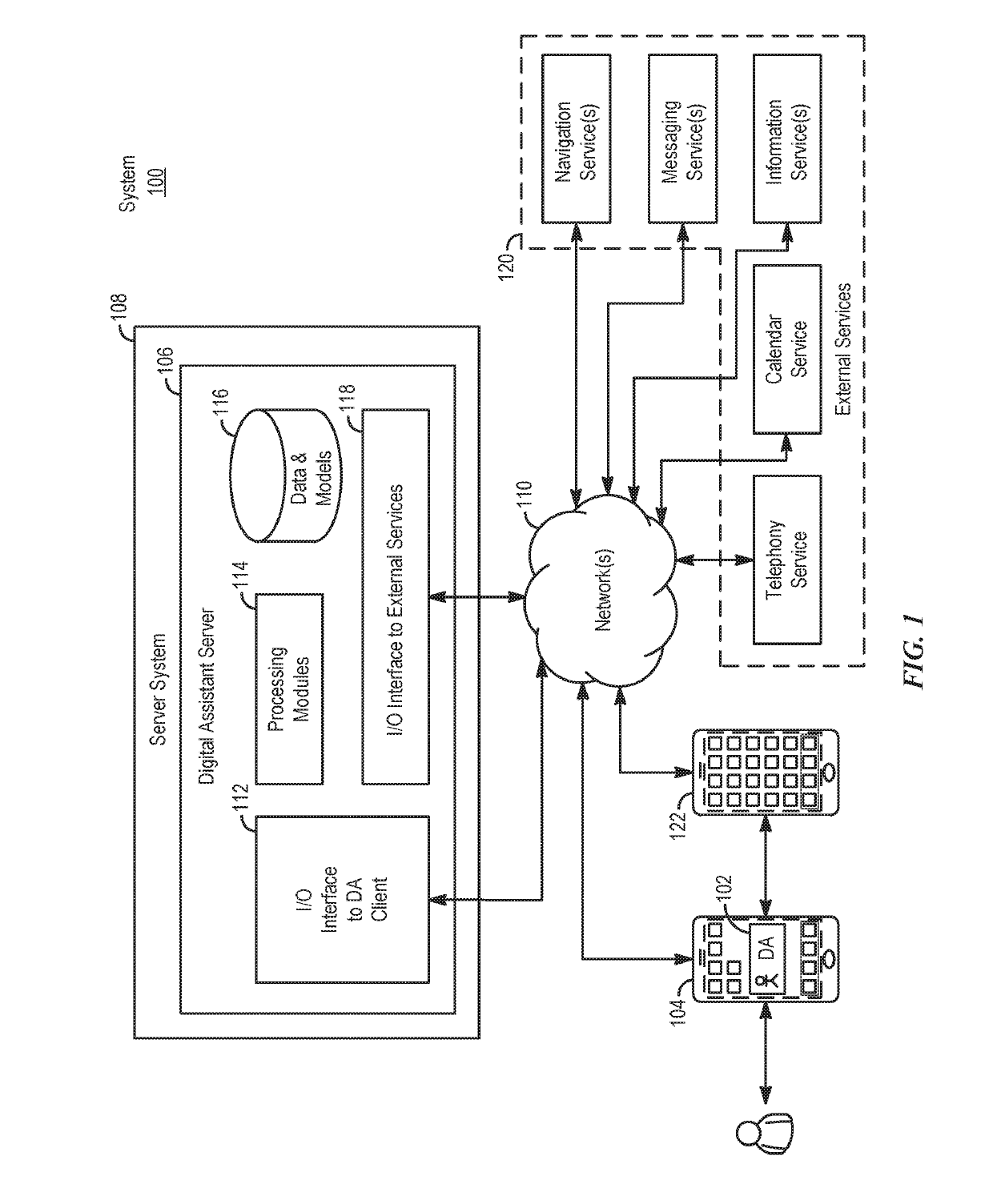
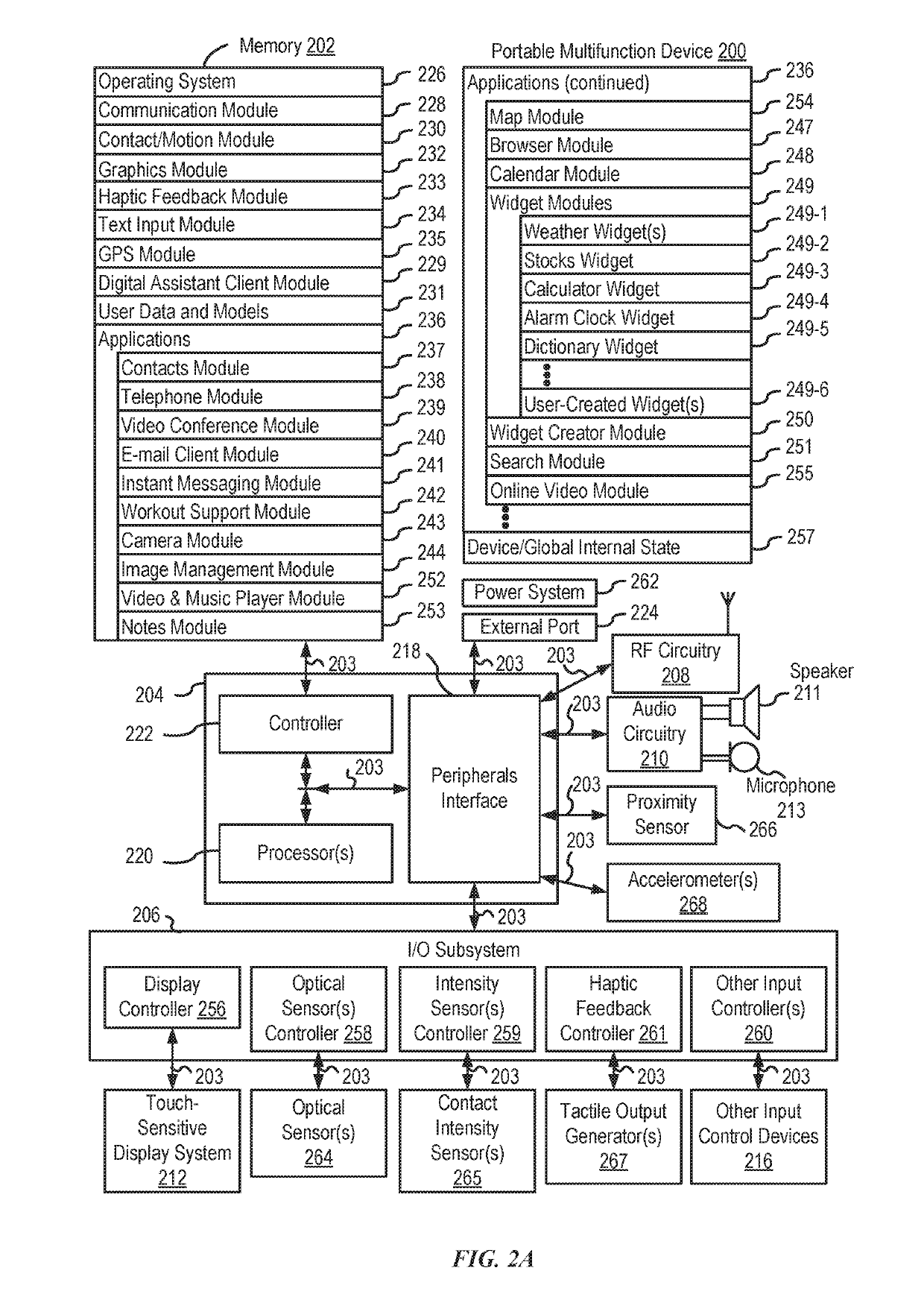
- Implementing a rule-based natural language processing system that recognizes and evaluates user utterances without the need for complex model training, allowing for lightweight computational processing and efficient intent recognition.

Hierarchical natural language understanding systems
PatentActiveUS20220245349A1
Innovation
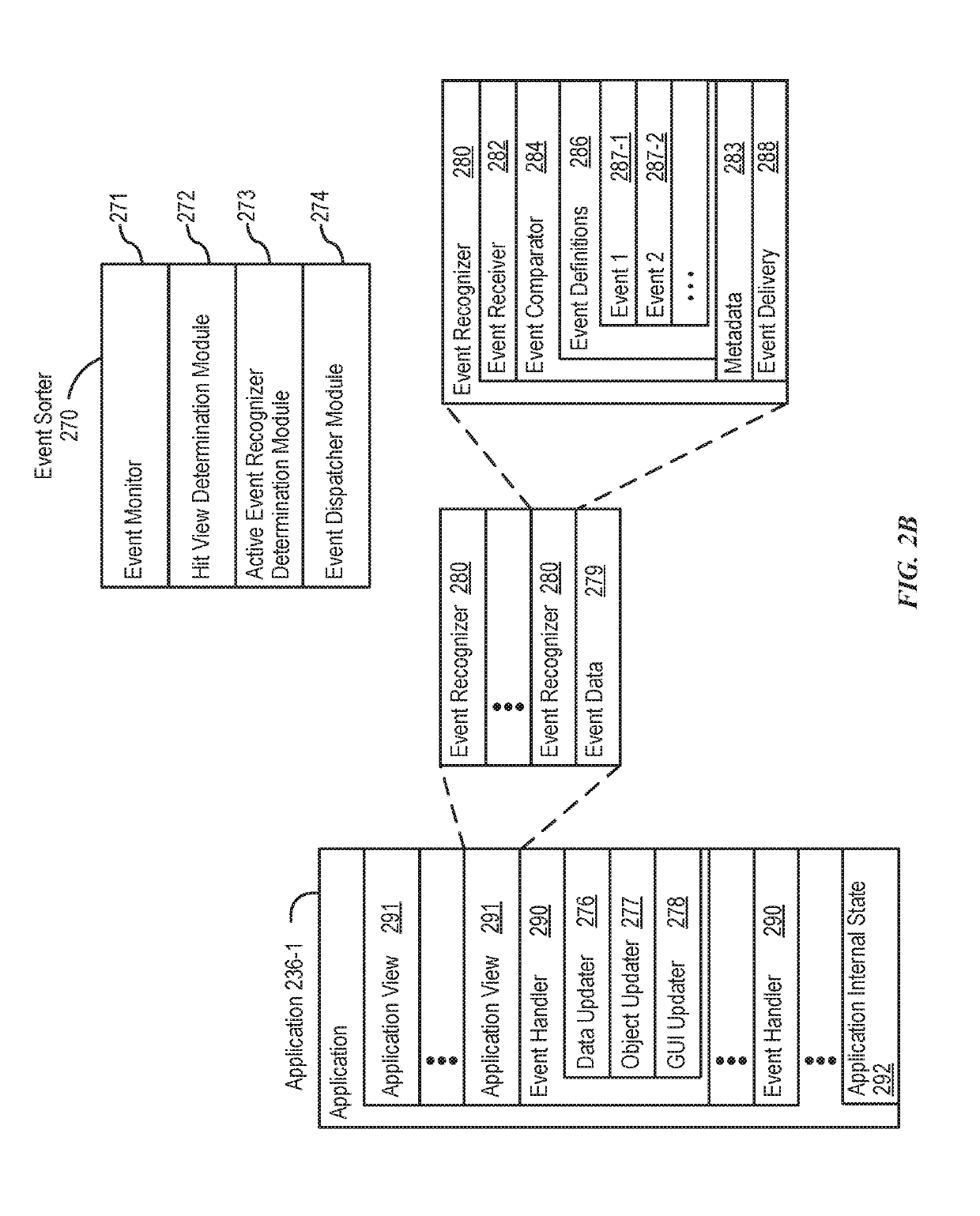
- A hierarchical NLP system comprising a lightweight, task-agnostic first machine learning model and a heavier, task-specific second model, where the first model processes utterances quickly and efficiently, determining whether to bypass or route the utterance to the second model, thereby optimizing resource usage and improving processing speed and accuracy.


Data Privacy Regulations Impact on NLP Systems
The implementation of data privacy regulations has fundamentally transformed how neural and rule-based NLP systems handle sensitive information, creating distinct compliance challenges for each approach. The General Data Protection Regulation (GDPR) in Europe, California Consumer Privacy Act (CCPA), and similar frameworks worldwide have established stringent requirements for data processing, storage, and user consent that directly impact NLP system architecture and deployment strategies.
Neural NLP systems face significant compliance complexities due to their black-box nature and extensive training data requirements. These systems typically process vast amounts of textual data that may contain personally identifiable information (PII), making it challenging to ensure complete data anonymization. The right to erasure, or "right to be forgotten," poses particular difficulties for neural models, as removing specific training examples from already-trained models often requires complete retraining, which is computationally expensive and technically complex.
Rule-based NLP systems demonstrate inherent advantages in privacy compliance due to their transparent and deterministic processing mechanisms. These systems can be designed with explicit privacy-preserving rules, making it easier to audit data handling processes and ensure compliance with regulatory requirements. The interpretable nature of rule-based systems allows organizations to clearly demonstrate how personal data is processed, stored, and potentially deleted, facilitating regulatory compliance documentation.
Data localization requirements imposed by various jurisdictions create additional operational challenges for both system types. Neural systems often rely on cloud-based training and inference infrastructure, which may conflict with data residency requirements. Rule-based systems, while more easily deployable on-premises, may still face challenges when integrating with external knowledge bases or APIs that process personal data across borders.
The concept of privacy by design has become increasingly important in NLP system development. Neural approaches are adopting techniques such as differential privacy, federated learning, and homomorphic encryption to address privacy concerns while maintaining model performance. Rule-based systems are incorporating privacy-preserving pattern matching and secure multi-party computation protocols to ensure sensitive data protection during processing.
Consent management represents another critical area where these systems diverge in their regulatory compliance approaches. Neural systems require comprehensive consent frameworks that account for the broad, often unpredictable ways training data might influence model behavior. Rule-based systems can implement more granular consent mechanisms, allowing users to opt out of specific processing rules or data categories with greater precision and immediate effect.
Neural NLP systems face significant compliance complexities due to their black-box nature and extensive training data requirements. These systems typically process vast amounts of textual data that may contain personally identifiable information (PII), making it challenging to ensure complete data anonymization. The right to erasure, or "right to be forgotten," poses particular difficulties for neural models, as removing specific training examples from already-trained models often requires complete retraining, which is computationally expensive and technically complex.
Rule-based NLP systems demonstrate inherent advantages in privacy compliance due to their transparent and deterministic processing mechanisms. These systems can be designed with explicit privacy-preserving rules, making it easier to audit data handling processes and ensure compliance with regulatory requirements. The interpretable nature of rule-based systems allows organizations to clearly demonstrate how personal data is processed, stored, and potentially deleted, facilitating regulatory compliance documentation.
Data localization requirements imposed by various jurisdictions create additional operational challenges for both system types. Neural systems often rely on cloud-based training and inference infrastructure, which may conflict with data residency requirements. Rule-based systems, while more easily deployable on-premises, may still face challenges when integrating with external knowledge bases or APIs that process personal data across borders.
The concept of privacy by design has become increasingly important in NLP system development. Neural approaches are adopting techniques such as differential privacy, federated learning, and homomorphic encryption to address privacy concerns while maintaining model performance. Rule-based systems are incorporating privacy-preserving pattern matching and secure multi-party computation protocols to ensure sensitive data protection during processing.
Consent management represents another critical area where these systems diverge in their regulatory compliance approaches. Neural systems require comprehensive consent frameworks that account for the broad, often unpredictable ways training data might influence model behavior. Rule-based systems can implement more granular consent mechanisms, allowing users to opt out of specific processing rules or data categories with greater precision and immediate effect.
Performance Benchmarking Frameworks for NLP Comparison
Establishing robust performance benchmarking frameworks is essential for conducting meaningful comparisons between neural and rule-based NLP systems. These frameworks must address the fundamental differences in system architectures, evaluation methodologies, and performance characteristics that distinguish these two paradigmatic approaches.
The foundation of effective benchmarking lies in standardized dataset selection and task definition. Benchmark frameworks typically incorporate diverse evaluation corpora spanning multiple domains, languages, and complexity levels. Common benchmarks include GLUE, SuperGLUE, and CoNLL shared tasks, which provide standardized test environments. However, these frameworks often exhibit inherent biases toward neural systems, necessitating careful consideration of evaluation metrics that fairly assess rule-based approaches.
Metric selection represents a critical component of benchmarking frameworks. Traditional accuracy-based metrics may inadequately capture the strengths of rule-based systems, such as interpretability and consistency. Comprehensive frameworks incorporate multi-dimensional evaluation criteria including precision, recall, F1-scores, computational efficiency, memory consumption, and inference latency. Additionally, specialized metrics for measuring system robustness, domain adaptability, and error consistency provide deeper insights into comparative performance.
Computational resource assessment forms another crucial dimension of benchmarking frameworks. Neural systems typically require substantial training infrastructure and GPU resources, while rule-based systems demand extensive human expertise for rule development and maintenance. Fair comparison frameworks must account for these different resource requirements through normalized efficiency metrics that consider development time, computational costs, and scalability factors.
Cross-domain evaluation protocols ensure comprehensive assessment of system generalization capabilities. Effective frameworks incorporate out-of-domain testing scenarios, adversarial examples, and stress testing conditions. These protocols reveal performance degradation patterns and highlight the relative strengths of each approach under varying operational conditions.
Reproducibility and standardization mechanisms are fundamental to reliable benchmarking frameworks. This includes standardized preprocessing pipelines, consistent evaluation protocols, and transparent reporting requirements. Version control for datasets, models, and evaluation scripts ensures consistent comparison conditions across different research groups and time periods.
Human evaluation integration provides qualitative assessment dimensions that complement automated metrics. Frameworks incorporating human judgment for output quality, interpretability assessment, and error analysis offer comprehensive performance perspectives that purely quantitative measures cannot capture.
The foundation of effective benchmarking lies in standardized dataset selection and task definition. Benchmark frameworks typically incorporate diverse evaluation corpora spanning multiple domains, languages, and complexity levels. Common benchmarks include GLUE, SuperGLUE, and CoNLL shared tasks, which provide standardized test environments. However, these frameworks often exhibit inherent biases toward neural systems, necessitating careful consideration of evaluation metrics that fairly assess rule-based approaches.
Metric selection represents a critical component of benchmarking frameworks. Traditional accuracy-based metrics may inadequately capture the strengths of rule-based systems, such as interpretability and consistency. Comprehensive frameworks incorporate multi-dimensional evaluation criteria including precision, recall, F1-scores, computational efficiency, memory consumption, and inference latency. Additionally, specialized metrics for measuring system robustness, domain adaptability, and error consistency provide deeper insights into comparative performance.
Computational resource assessment forms another crucial dimension of benchmarking frameworks. Neural systems typically require substantial training infrastructure and GPU resources, while rule-based systems demand extensive human expertise for rule development and maintenance. Fair comparison frameworks must account for these different resource requirements through normalized efficiency metrics that consider development time, computational costs, and scalability factors.
Cross-domain evaluation protocols ensure comprehensive assessment of system generalization capabilities. Effective frameworks incorporate out-of-domain testing scenarios, adversarial examples, and stress testing conditions. These protocols reveal performance degradation patterns and highlight the relative strengths of each approach under varying operational conditions.
Reproducibility and standardization mechanisms are fundamental to reliable benchmarking frameworks. This includes standardized preprocessing pipelines, consistent evaluation protocols, and transparent reporting requirements. Version control for datasets, models, and evaluation scripts ensures consistent comparison conditions across different research groups and time periods.
Human evaluation integration provides qualitative assessment dimensions that complement automated metrics. Frameworks incorporating human judgment for output quality, interpretability assessment, and error analysis offer comprehensive performance perspectives that purely quantitative measures cannot capture.
Unlock deeper insights with Patsnap Eureka Quick Research — get a full tech report to explore trends and direct your research. Try now!
Generate Your Research Report Instantly with AI Agent
Supercharge your innovation with Patsnap Eureka AI Agent Platform!