

Comparing Prepreg-Sourced Composites to Traditional Laminates
MAY 26, 20269 MIN READ
Generate Your Research Report Instantly with AI Agent
Patsnap Eureka helps you evaluate technical feasibility & market potential.
Prepreg Composite Technology Background and Objectives
Prepreg composite technology represents a significant advancement in materials engineering, building upon decades of composite material development that began in the aerospace industry during the 1940s and 1950s. The evolution from traditional hand lay-up laminates to sophisticated prepreg systems reflects the industry's pursuit of enhanced performance, consistency, and manufacturing efficiency. This technological progression has been driven by demanding applications in aerospace, automotive, and high-performance sporting goods where material properties must meet stringent specifications.
The fundamental distinction between prepreg-sourced composites and traditional laminates lies in their manufacturing approach and resulting material characteristics. Traditional laminates typically involve wet lay-up processes where dry reinforcement fibers are manually impregnated with resin systems during fabrication. This method, while cost-effective and accessible, often results in variable fiber-to-resin ratios, potential void formation, and inconsistent mechanical properties across different production batches.
Prepreg technology addresses these limitations by utilizing pre-impregnated reinforcement materials where fibers are uniformly coated with partially cured resin systems under controlled factory conditions. This approach enables precise control over resin content, fiber orientation, and material consistency, resulting in superior mechanical properties and reduced manufacturing variability. The controlled resin chemistry and curing kinetics in prepreg systems also allow for optimized processing parameters and enhanced final part quality.
The primary technical objectives driving prepreg composite development include achieving higher strength-to-weight ratios, improved fatigue resistance, enhanced dimensional stability, and reduced manufacturing defects compared to traditional laminate systems. Additionally, prepreg technology aims to enable automated manufacturing processes such as automated tape laying and automated fiber placement, which are essential for large-scale production in industries like commercial aviation and automotive manufacturing.
Current research and development efforts focus on expanding the temperature and environmental resistance capabilities of prepreg systems, developing out-of-autoclave curing processes to reduce manufacturing costs, and creating hybrid material systems that combine the benefits of prepreg precision with the flexibility of traditional laminating techniques. These objectives align with industry demands for materials that can withstand increasingly challenging operating conditions while maintaining economic viability for broader market adoption.
The fundamental distinction between prepreg-sourced composites and traditional laminates lies in their manufacturing approach and resulting material characteristics. Traditional laminates typically involve wet lay-up processes where dry reinforcement fibers are manually impregnated with resin systems during fabrication. This method, while cost-effective and accessible, often results in variable fiber-to-resin ratios, potential void formation, and inconsistent mechanical properties across different production batches.
Prepreg technology addresses these limitations by utilizing pre-impregnated reinforcement materials where fibers are uniformly coated with partially cured resin systems under controlled factory conditions. This approach enables precise control over resin content, fiber orientation, and material consistency, resulting in superior mechanical properties and reduced manufacturing variability. The controlled resin chemistry and curing kinetics in prepreg systems also allow for optimized processing parameters and enhanced final part quality.
The primary technical objectives driving prepreg composite development include achieving higher strength-to-weight ratios, improved fatigue resistance, enhanced dimensional stability, and reduced manufacturing defects compared to traditional laminate systems. Additionally, prepreg technology aims to enable automated manufacturing processes such as automated tape laying and automated fiber placement, which are essential for large-scale production in industries like commercial aviation and automotive manufacturing.
Current research and development efforts focus on expanding the temperature and environmental resistance capabilities of prepreg systems, developing out-of-autoclave curing processes to reduce manufacturing costs, and creating hybrid material systems that combine the benefits of prepreg precision with the flexibility of traditional laminating techniques. These objectives align with industry demands for materials that can withstand increasingly challenging operating conditions while maintaining economic viability for broader market adoption.
Market Demand Analysis for Advanced Composite Materials
The global advanced composite materials market is experiencing unprecedented growth driven by increasing demand for lightweight, high-performance materials across multiple industries. Aerospace and defense sectors remain the largest consumers, where weight reduction directly translates to fuel efficiency and enhanced performance capabilities. Commercial aviation manufacturers are increasingly adopting prepreg-sourced composites for primary structural components, moving beyond traditional applications in secondary structures.
Automotive industry demand has surged significantly as manufacturers pursue aggressive lightweighting strategies to meet stringent emission regulations and electric vehicle range requirements. The shift toward carbon fiber reinforced plastics in automotive applications has created substantial market opportunities, particularly for prepreg materials that offer superior quality control and consistency compared to traditional wet layup processes.
Wind energy sector represents another major growth driver, with turbine blade manufacturers seeking materials that can withstand extreme environmental conditions while maintaining structural integrity over extended operational periods. The marine industry is also expanding its adoption of advanced composites, particularly in high-performance vessels and offshore structures where corrosion resistance and strength-to-weight ratios are critical.
Sports and recreation markets continue to drive innovation in composite manufacturing, with premium applications demanding the superior surface finish and mechanical properties achievable through prepreg processing. Industrial applications, including pressure vessels, chemical processing equipment, and infrastructure components, are increasingly recognizing the long-term cost benefits of advanced composites despite higher initial material costs.
Regional demand patterns show strong growth in Asia-Pacific markets, driven by expanding aerospace manufacturing capabilities and automotive production. North American and European markets maintain leadership in high-value applications, particularly in aerospace and defense sectors. The increasing availability of automated manufacturing processes is making prepreg-sourced composites more cost-competitive with traditional laminates, expanding their addressable market significantly.
Supply chain considerations are becoming increasingly important as end-users seek reliable sources of consistent, high-quality materials. The demand for sustainable and recyclable composite solutions is also emerging as a significant market driver, influencing material selection criteria across industries.
Automotive industry demand has surged significantly as manufacturers pursue aggressive lightweighting strategies to meet stringent emission regulations and electric vehicle range requirements. The shift toward carbon fiber reinforced plastics in automotive applications has created substantial market opportunities, particularly for prepreg materials that offer superior quality control and consistency compared to traditional wet layup processes.
Wind energy sector represents another major growth driver, with turbine blade manufacturers seeking materials that can withstand extreme environmental conditions while maintaining structural integrity over extended operational periods. The marine industry is also expanding its adoption of advanced composites, particularly in high-performance vessels and offshore structures where corrosion resistance and strength-to-weight ratios are critical.
Sports and recreation markets continue to drive innovation in composite manufacturing, with premium applications demanding the superior surface finish and mechanical properties achievable through prepreg processing. Industrial applications, including pressure vessels, chemical processing equipment, and infrastructure components, are increasingly recognizing the long-term cost benefits of advanced composites despite higher initial material costs.
Regional demand patterns show strong growth in Asia-Pacific markets, driven by expanding aerospace manufacturing capabilities and automotive production. North American and European markets maintain leadership in high-value applications, particularly in aerospace and defense sectors. The increasing availability of automated manufacturing processes is making prepreg-sourced composites more cost-competitive with traditional laminates, expanding their addressable market significantly.
Supply chain considerations are becoming increasingly important as end-users seek reliable sources of consistent, high-quality materials. The demand for sustainable and recyclable composite solutions is also emerging as a significant market driver, influencing material selection criteria across industries.
Current Status and Challenges in Prepreg vs Laminate Technologies
The composite materials industry currently faces a significant technological divide between prepreg-sourced composites and traditional laminate manufacturing approaches. Prepreg technology has achieved substantial maturity in aerospace and high-performance applications, where manufacturers like Hexcel, Toray, and Cytec have established robust supply chains and quality control systems. These materials offer exceptional fiber-to-resin ratios, typically ranging from 60-65% fiber volume fraction, and demonstrate superior mechanical properties with consistent batch-to-batch performance.
Traditional laminate manufacturing, encompassing hand lay-up, resin transfer molding (RTM), and vacuum-assisted resin transfer molding (VARTM), maintains dominance in cost-sensitive applications. These processes offer greater flexibility in part geometry and lower tooling investments, making them attractive for marine, automotive, and construction industries. Current wet lay-up techniques can achieve fiber volume fractions of 45-55%, while advanced RTM processes approach 60% under optimal conditions.
Manufacturing scalability presents contrasting challenges for both technologies. Prepreg systems require sophisticated cold storage infrastructure, precise temperature control during processing, and specialized autoclave equipment, limiting accessibility for smaller manufacturers. The typical shelf life of 6-12 months at -18°C creates inventory management complexities and potential material waste. Conversely, traditional laminates offer room-temperature processing capabilities but struggle with thickness uniformity and void content control in complex geometries.
Quality consistency remains a critical differentiator between these approaches. Prepreg materials demonstrate exceptional repeatability due to controlled resin content and distribution, typically achieving void contents below 2%. Traditional laminates face inherent variability from manual resin application, environmental conditions, and operator skill levels, often resulting in void contents of 3-8% and mechanical property variations of 15-20%.
Economic considerations significantly influence technology adoption patterns. Prepreg materials command premium pricing, typically 3-5 times higher than equivalent dry fabrics, while requiring substantial capital investment in processing equipment. Traditional laminate approaches offer lower material costs and equipment accessibility but incur higher labor expenses and potential rework costs due to quality variations.
Emerging hybrid approaches attempt to bridge these technological gaps through innovations like out-of-autoclave prepregs, resin film infusion, and automated fiber placement systems. These developments aim to combine prepreg quality advantages with traditional laminate cost structures, though widespread commercial adoption remains limited by technical maturity and industry acceptance criteria.
Traditional laminate manufacturing, encompassing hand lay-up, resin transfer molding (RTM), and vacuum-assisted resin transfer molding (VARTM), maintains dominance in cost-sensitive applications. These processes offer greater flexibility in part geometry and lower tooling investments, making them attractive for marine, automotive, and construction industries. Current wet lay-up techniques can achieve fiber volume fractions of 45-55%, while advanced RTM processes approach 60% under optimal conditions.
Manufacturing scalability presents contrasting challenges for both technologies. Prepreg systems require sophisticated cold storage infrastructure, precise temperature control during processing, and specialized autoclave equipment, limiting accessibility for smaller manufacturers. The typical shelf life of 6-12 months at -18°C creates inventory management complexities and potential material waste. Conversely, traditional laminates offer room-temperature processing capabilities but struggle with thickness uniformity and void content control in complex geometries.
Quality consistency remains a critical differentiator between these approaches. Prepreg materials demonstrate exceptional repeatability due to controlled resin content and distribution, typically achieving void contents below 2%. Traditional laminates face inherent variability from manual resin application, environmental conditions, and operator skill levels, often resulting in void contents of 3-8% and mechanical property variations of 15-20%.
Economic considerations significantly influence technology adoption patterns. Prepreg materials command premium pricing, typically 3-5 times higher than equivalent dry fabrics, while requiring substantial capital investment in processing equipment. Traditional laminate approaches offer lower material costs and equipment accessibility but incur higher labor expenses and potential rework costs due to quality variations.
Emerging hybrid approaches attempt to bridge these technological gaps through innovations like out-of-autoclave prepregs, resin film infusion, and automated fiber placement systems. These developments aim to combine prepreg quality advantages with traditional laminate cost structures, though widespread commercial adoption remains limited by technical maturity and industry acceptance criteria.
Current Technical Solutions for Composite Manufacturing
01 Manufacturing processes for prepreg-based composite materials
Various manufacturing techniques and processes are employed to create composite materials from prepreg sources. These processes involve specific temperature controls, pressure applications, and curing methods to achieve optimal mechanical properties and structural integrity in the final composite products.- Manufacturing processes for prepreg-based composite materials: Various manufacturing techniques and processes are employed to create composite materials from prepreg sources. These processes involve specific temperature and pressure conditions, curing cycles, and handling methods to ensure optimal fiber-matrix integration and final composite properties. The manufacturing approaches focus on achieving consistent quality and mechanical performance in the resulting composite structures.
- Fiber reinforcement systems in prepreg composites: Different types of fiber reinforcements are utilized in prepreg composite systems to enhance mechanical properties such as strength, stiffness, and durability. The fiber arrangements, orientations, and types significantly influence the final composite performance. These systems are designed to optimize load transfer and structural integrity in various applications.
- Resin matrix formulations for prepreg applications: Specialized resin systems are developed for prepreg applications, focusing on properties such as viscosity, cure characteristics, thermal stability, and chemical resistance. These formulations are tailored to provide optimal impregnation of reinforcing fibers while maintaining processability and achieving desired final composite properties. The resin chemistry plays a crucial role in determining the overall performance of the composite material.
- Quality control and testing methods for prepreg composites: Comprehensive testing and quality control methodologies are implemented to evaluate prepreg composite materials. These methods assess various properties including mechanical strength, thermal behavior, dimensional stability, and defect detection. Quality assurance protocols ensure consistency in material properties and performance reliability across different production batches.
- Applications and structural design of prepreg composite components: Prepreg-sourced composites find applications in various industries including aerospace, automotive, and industrial sectors. The design considerations involve optimizing component geometry, layup sequences, and joint configurations to meet specific performance requirements. These applications leverage the high strength-to-weight ratio and tailorable properties of prepreg composite materials.
02 Fiber reinforcement systems in prepreg composites
Different types of fiber reinforcement materials and their arrangements within prepreg systems to enhance the strength, stiffness, and durability of composite structures. The fiber orientation, weave patterns, and distribution methods significantly impact the performance characteristics of the resulting composite materials.Expand Specific Solutions03 Resin matrix formulations for prepreg applications
Development and optimization of resin systems used as the matrix material in prepreg composites. These formulations focus on achieving proper viscosity, curing characteristics, adhesion properties, and thermal stability to ensure effective impregnation of reinforcement fibers and superior composite performance.Expand Specific Solutions04 Quality control and testing methods for prepreg composites
Standardized testing procedures and quality assurance protocols for evaluating prepreg-sourced composite materials. These methods assess mechanical properties, defect detection, cure monitoring, and performance validation to ensure consistent product quality and reliability in various applications.Expand Specific Solutions05 Applications and structural design of prepreg composite components
Specific applications and structural design considerations for components manufactured from prepreg-sourced composites. This includes aerospace structures, automotive parts, marine applications, and industrial components where the unique properties of prepreg composites provide advantages in weight reduction, strength, and performance.Expand Specific Solutions
Major Players in Prepreg and Traditional Laminate Industries
The prepreg-sourced composites versus traditional laminates market represents a mature industry undergoing technological transformation, with significant growth driven by aerospace and automotive applications. The market demonstrates substantial scale, particularly in high-performance sectors where prepreg materials offer superior mechanical properties and manufacturing consistency. Technology maturity varies significantly across players, with established leaders like Hexcel Corp. and Boeing Co. driving advanced prepreg innovations, while traditional laminate specialists such as Shengyi Technology and Isola USA Corp. are adapting their conventional processes. Chinese manufacturers including AVIC Composite Corp. and research institutions like Beijing Institute of Aeronautical Materials are rapidly advancing capabilities, intensifying global competition. The competitive landscape shows clear segmentation between aerospace-grade prepreg specialists and general-purpose laminate producers, with convergence occurring as performance requirements increase across industries.
Hexcel Corp.
Technical Solution: Hexcel Corporation is a leading manufacturer of advanced composite materials, specializing in carbon fiber, reinforcement fabrics, and prepreg systems for aerospace and industrial applications. Their prepreg technology offers superior fiber-to-resin ratio control, consistent thickness, and enhanced mechanical properties compared to traditional wet lay-up laminates. The company's prepreg solutions provide improved processability with reduced volatile organic compound emissions and better dimensional stability. Their advanced resin systems in prepreg form enable higher glass transition temperatures and enhanced durability performance versus conventional laminating resins. Hexcel's prepreg manufacturing process ensures uniform resin distribution and eliminates the variability associated with manual resin application in traditional laminate production.
Strengths: Industry-leading prepreg technology with superior quality control and consistency. Weaknesses: Higher material costs compared to traditional laminating methods and requires specialized storage conditions.
The Boeing Co.
Technical Solution: Boeing utilizes advanced prepreg composite systems extensively in aircraft manufacturing, particularly for primary structural components like wing skins and fuselage panels. Their approach compares prepreg-sourced composites to traditional aluminum and steel laminates, demonstrating significant weight reduction of up to 20% while maintaining structural integrity. Boeing's prepreg implementation includes automated fiber placement and automated tape laying technologies that ensure precise fiber orientation and consistent resin content. The company has developed proprietary prepreg formulations that offer improved damage tolerance and fatigue resistance compared to traditional metallic laminates. Their manufacturing processes leverage prepreg's inherent quality advantages, including reduced void content and enhanced interlaminar properties versus hand lay-up traditional methods.
Strengths: Extensive aerospace application experience with proven performance in critical structural components. Weaknesses: High capital investment requirements for automated prepreg processing equipment and longer cure cycles.
Key Innovations in Prepreg Processing Technologies
Structured thermoplastic in composite interleaves
PatentActiveUS20160052235A1
Innovation
- Incorporating structured thermoplastic polymer layers, such as veils of thermoplastic fibers, between fibrous layers in prepregs to act as interleaf toughening agents, allowing for curing at lower pressures without compromising toughness, and enabling the production of laminates with improved damage tolerance.


prepregs
PatentInactiveUS20110014419A1
Innovation
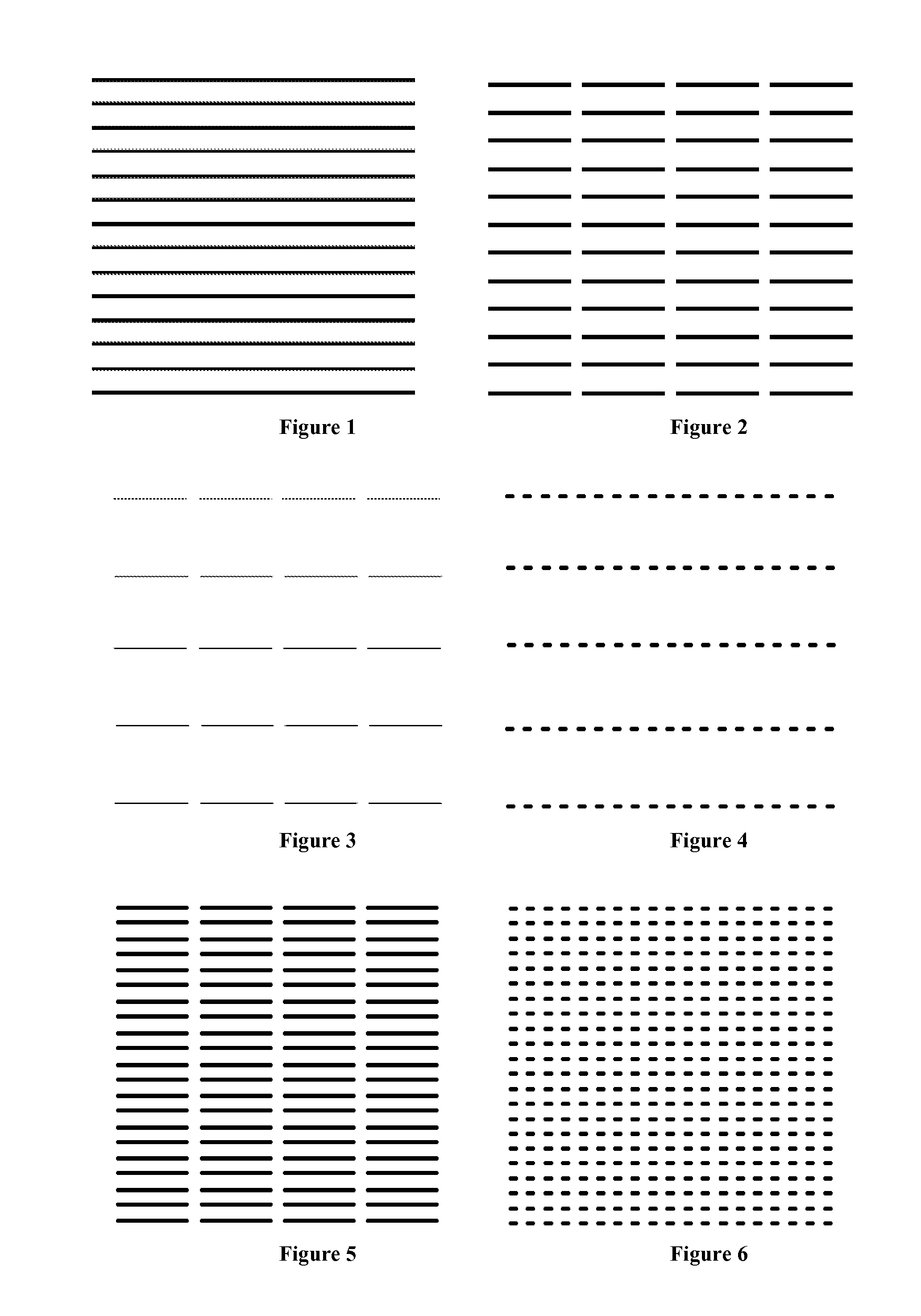
- The introduction of raised regions on the surface of prepregs, deposited using non-contact printing techniques like inkjet printing, creates channels for gas escape during curing, reducing porosity in the cured laminate while maintaining the integrity of the fiber structure and allowing for efficient drapability and flexibility.


Environmental Impact Assessment of Composite Manufacturing
The environmental implications of composite manufacturing present significant differences between prepreg-sourced composites and traditional laminates, with each approach carrying distinct ecological footprints throughout their production lifecycles. Manufacturing energy consumption varies substantially between these methodologies, as prepreg systems typically require controlled storage conditions and specialized curing processes that demand consistent temperature and pressure maintenance.
Prepreg manufacturing involves solvent-based resin impregnation processes that generate volatile organic compound emissions during production and storage phases. The controlled atmosphere requirements for prepreg storage contribute to increased energy consumption through refrigeration systems, while the autoclave curing process demands substantial thermal energy input. However, prepreg systems demonstrate superior material utilization efficiency, reducing waste generation compared to traditional wet layup methods.
Traditional laminate manufacturing presents different environmental challenges, particularly regarding resin handling and workspace ventilation requirements. Open molding processes common in traditional laminating release higher levels of styrene and other volatile compounds into the atmosphere. The manual application methods often result in increased material waste, as excess resin application and trimming operations generate more disposal requirements.
Carbon footprint analysis reveals that prepreg systems concentrate their environmental impact during the manufacturing phase, while traditional laminates distribute environmental costs across both production and application stages. The transportation and storage requirements for prepregs contribute additional carbon emissions due to cold chain logistics, whereas traditional materials can be stored at ambient conditions with reduced energy requirements.
Waste stream characteristics differ significantly between approaches. Prepreg manufacturing generates contaminated backing papers and expired material waste that requires specialized disposal methods. Traditional laminate production creates liquid resin waste, contaminated tools, and volatile emissions that necessitate capture and treatment systems. The recyclability potential varies, with prepreg systems offering more controlled material composition but presenting challenges for end-of-life processing due to their thermoset nature.
Water usage and contamination present contrasting profiles. Prepreg manufacturing typically involves closed-loop solvent systems that minimize water consumption but require careful management of chemical waste streams. Traditional laminating operations may utilize water-based cleaning systems and generate contaminated wastewater requiring treatment before disposal, creating different environmental management requirements for manufacturing facilities.
Prepreg manufacturing involves solvent-based resin impregnation processes that generate volatile organic compound emissions during production and storage phases. The controlled atmosphere requirements for prepreg storage contribute to increased energy consumption through refrigeration systems, while the autoclave curing process demands substantial thermal energy input. However, prepreg systems demonstrate superior material utilization efficiency, reducing waste generation compared to traditional wet layup methods.
Traditional laminate manufacturing presents different environmental challenges, particularly regarding resin handling and workspace ventilation requirements. Open molding processes common in traditional laminating release higher levels of styrene and other volatile compounds into the atmosphere. The manual application methods often result in increased material waste, as excess resin application and trimming operations generate more disposal requirements.
Carbon footprint analysis reveals that prepreg systems concentrate their environmental impact during the manufacturing phase, while traditional laminates distribute environmental costs across both production and application stages. The transportation and storage requirements for prepregs contribute additional carbon emissions due to cold chain logistics, whereas traditional materials can be stored at ambient conditions with reduced energy requirements.
Waste stream characteristics differ significantly between approaches. Prepreg manufacturing generates contaminated backing papers and expired material waste that requires specialized disposal methods. Traditional laminate production creates liquid resin waste, contaminated tools, and volatile emissions that necessitate capture and treatment systems. The recyclability potential varies, with prepreg systems offering more controlled material composition but presenting challenges for end-of-life processing due to their thermoset nature.
Water usage and contamination present contrasting profiles. Prepreg manufacturing typically involves closed-loop solvent systems that minimize water consumption but require careful management of chemical waste streams. Traditional laminating operations may utilize water-based cleaning systems and generate contaminated wastewater requiring treatment before disposal, creating different environmental management requirements for manufacturing facilities.
Quality Standards and Certification Requirements
The quality standards and certification requirements for prepreg-sourced composites and traditional laminates represent a critical framework that governs material acceptance, manufacturing processes, and end-product performance validation. These standards have evolved significantly as composite materials have transitioned from niche aerospace applications to widespread industrial use across automotive, marine, and infrastructure sectors.
International standards organizations including ASTM International, ISO, and industry-specific bodies such as RTCA for aerospace applications have established comprehensive testing protocols that address both material characterization and structural performance validation. For prepreg-sourced composites, standards such as ASTM D3039 for tensile properties and ASTM D7264 for flexural properties provide baseline mechanical property requirements, while traditional laminate systems often reference established standards like ASTM D638 for polymer tensile testing.
Certification pathways differ substantially between these material systems, particularly in regulated industries. Prepreg-sourced composites typically require more extensive documentation including resin system qualification, fiber-resin compatibility validation, and shelf-life verification protocols. The certification process often involves statistical process control measures and batch-to-batch consistency verification that can extend qualification timelines compared to traditional laminates.
Quality assurance protocols for prepreg materials encompass storage condition monitoring, out-time tracking, and pre-cure inspection procedures that are not applicable to traditional laminate systems. These requirements necessitate specialized handling equipment and environmental controls, adding complexity to manufacturing operations but ensuring consistent material properties throughout the production cycle.
Emerging certification frameworks are increasingly focusing on sustainability metrics and lifecycle assessment requirements, reflecting growing environmental consciousness in material selection processes. These evolving standards are beginning to favor prepreg-sourced composites due to their potential for reduced waste generation and improved recyclability compared to traditional wet-layup laminate processes.
The regulatory landscape continues to evolve with digitalization initiatives, including blockchain-based material traceability systems and real-time quality monitoring protocols that promise to streamline certification processes while enhancing quality assurance capabilities for both material categories.
International standards organizations including ASTM International, ISO, and industry-specific bodies such as RTCA for aerospace applications have established comprehensive testing protocols that address both material characterization and structural performance validation. For prepreg-sourced composites, standards such as ASTM D3039 for tensile properties and ASTM D7264 for flexural properties provide baseline mechanical property requirements, while traditional laminate systems often reference established standards like ASTM D638 for polymer tensile testing.
Certification pathways differ substantially between these material systems, particularly in regulated industries. Prepreg-sourced composites typically require more extensive documentation including resin system qualification, fiber-resin compatibility validation, and shelf-life verification protocols. The certification process often involves statistical process control measures and batch-to-batch consistency verification that can extend qualification timelines compared to traditional laminates.
Quality assurance protocols for prepreg materials encompass storage condition monitoring, out-time tracking, and pre-cure inspection procedures that are not applicable to traditional laminate systems. These requirements necessitate specialized handling equipment and environmental controls, adding complexity to manufacturing operations but ensuring consistent material properties throughout the production cycle.
Emerging certification frameworks are increasingly focusing on sustainability metrics and lifecycle assessment requirements, reflecting growing environmental consciousness in material selection processes. These evolving standards are beginning to favor prepreg-sourced composites due to their potential for reduced waste generation and improved recyclability compared to traditional wet-layup laminate processes.
The regulatory landscape continues to evolve with digitalization initiatives, including blockchain-based material traceability systems and real-time quality monitoring protocols that promise to streamline certification processes while enhancing quality assurance capabilities for both material categories.
Unlock deeper insights with Patsnap Eureka Quick Research — get a full tech report to explore trends and direct your research. Try now!
Generate Your Research Report Instantly with AI Agent
Supercharge your innovation with Patsnap Eureka AI Agent Platform!