
Comparing Pyroelectric Materials for Infrared Sensor Applications
MAY 13, 20269 MIN READ
Generate Your Research Report Instantly with AI Agent
Patsnap Eureka helps you evaluate technical feasibility & market potential.
Pyroelectric Materials Background and IR Sensor Goals
Pyroelectric materials represent a specialized class of crystalline substances that exhibit spontaneous electric polarization changes in response to temperature variations. These materials possess non-centrosymmetric crystal structures and belong to polar point groups, enabling them to generate measurable electrical signals when subjected to thermal fluctuations. The pyroelectric effect was first discovered in tourmaline crystals in the 18th century, but systematic scientific investigation began in the early 20th century with the development of modern crystallography and electrical measurement techniques.
The fundamental mechanism underlying pyroelectric behavior involves the temperature-dependent alignment of electric dipoles within the crystal lattice. As temperature changes, thermal expansion or contraction alters the crystal structure, modifying the spontaneous polarization and creating surface charges that can be detected as electrical current. This intrinsic property makes pyroelectric materials particularly suitable for thermal detection applications, especially in the infrared spectrum where thermal radiation from objects can be converted into measurable electrical signals.
Historical development of pyroelectric materials for practical applications accelerated significantly during the mid-20th century, driven by military and civilian needs for infrared detection systems. Early applications focused on single-crystal materials such as lithium tantalate and triglycine sulfate, which demonstrated excellent pyroelectric coefficients but suffered from mechanical fragility and environmental sensitivity. The introduction of ferroelectric ceramics in the 1960s marked a pivotal advancement, offering improved mechanical stability and manufacturability while maintaining competitive pyroelectric performance.
Modern infrared sensor applications demand pyroelectric materials that can achieve multiple simultaneous objectives. Primary technical goals include maximizing the pyroelectric coefficient to enhance signal strength, minimizing dielectric constant to reduce electrical noise, and optimizing thermal properties for rapid response times. Additionally, materials must demonstrate long-term stability under varying environmental conditions, including temperature cycling, humidity exposure, and mechanical stress.
Contemporary research focuses on developing advanced pyroelectric materials that can operate effectively across broader temperature ranges while maintaining consistent performance characteristics. Emerging applications in autonomous vehicles, medical diagnostics, and smart building systems require sensors capable of detecting minute temperature variations with high precision and reliability. These evolving requirements continue to drive innovation in material composition, crystal engineering, and processing techniques to achieve superior pyroelectric performance for next-generation infrared sensing applications.
The fundamental mechanism underlying pyroelectric behavior involves the temperature-dependent alignment of electric dipoles within the crystal lattice. As temperature changes, thermal expansion or contraction alters the crystal structure, modifying the spontaneous polarization and creating surface charges that can be detected as electrical current. This intrinsic property makes pyroelectric materials particularly suitable for thermal detection applications, especially in the infrared spectrum where thermal radiation from objects can be converted into measurable electrical signals.
Historical development of pyroelectric materials for practical applications accelerated significantly during the mid-20th century, driven by military and civilian needs for infrared detection systems. Early applications focused on single-crystal materials such as lithium tantalate and triglycine sulfate, which demonstrated excellent pyroelectric coefficients but suffered from mechanical fragility and environmental sensitivity. The introduction of ferroelectric ceramics in the 1960s marked a pivotal advancement, offering improved mechanical stability and manufacturability while maintaining competitive pyroelectric performance.
Modern infrared sensor applications demand pyroelectric materials that can achieve multiple simultaneous objectives. Primary technical goals include maximizing the pyroelectric coefficient to enhance signal strength, minimizing dielectric constant to reduce electrical noise, and optimizing thermal properties for rapid response times. Additionally, materials must demonstrate long-term stability under varying environmental conditions, including temperature cycling, humidity exposure, and mechanical stress.
Contemporary research focuses on developing advanced pyroelectric materials that can operate effectively across broader temperature ranges while maintaining consistent performance characteristics. Emerging applications in autonomous vehicles, medical diagnostics, and smart building systems require sensors capable of detecting minute temperature variations with high precision and reliability. These evolving requirements continue to drive innovation in material composition, crystal engineering, and processing techniques to achieve superior pyroelectric performance for next-generation infrared sensing applications.
Market Demand for Advanced Infrared Sensing Solutions
The global infrared sensor market is experiencing unprecedented growth driven by expanding applications across multiple industries. Security and surveillance systems represent the largest market segment, with increasing deployment of thermal imaging cameras in commercial buildings, residential complexes, and critical infrastructure facilities. The demand for non-contact temperature measurement solutions has accelerated significantly, particularly following recent global health concerns that emphasized the importance of rapid, accurate thermal screening capabilities.
Automotive applications constitute another rapidly expanding market segment for advanced infrared sensing solutions. Modern vehicles increasingly incorporate thermal imaging systems for enhanced night vision, pedestrian detection, and autonomous driving capabilities. The integration of pyroelectric infrared sensors in advanced driver assistance systems has become essential for meeting stringent safety regulations and consumer expectations for intelligent vehicle features.
Industrial automation and process control applications drive substantial demand for high-performance infrared sensors capable of operating in harsh environments. Manufacturing facilities require precise temperature monitoring for quality control, predictive maintenance, and energy efficiency optimization. The growing emphasis on Industry 4.0 initiatives has further accelerated adoption of smart sensing technologies that can provide real-time thermal data for automated decision-making systems.
Consumer electronics markets show increasing integration of infrared sensing capabilities in smartphones, smart home devices, and wearable technology. Motion detection, presence sensing, and gesture recognition applications require miniaturized, low-power pyroelectric sensors with enhanced sensitivity and response characteristics. The proliferation of Internet of Things devices has created new opportunities for distributed thermal sensing networks.
Healthcare and medical device applications represent a high-value market segment demanding exceptional accuracy and reliability. Non-invasive temperature monitoring, thermal therapy guidance, and diagnostic imaging applications require sensors with superior signal-to-noise ratios and stable long-term performance. Regulatory requirements in medical applications drive demand for sensors with proven reliability and consistent manufacturing quality.
The defense and aerospace sectors continue to invest heavily in advanced infrared sensing technologies for surveillance, target acquisition, and threat detection systems. These applications often require sensors capable of operating under extreme environmental conditions while maintaining high sensitivity and rapid response times.
Market growth is further supported by technological advancements in complementary technologies such as signal processing algorithms, miniaturized electronics, and advanced packaging techniques that enable new application possibilities and improved system performance.
Automotive applications constitute another rapidly expanding market segment for advanced infrared sensing solutions. Modern vehicles increasingly incorporate thermal imaging systems for enhanced night vision, pedestrian detection, and autonomous driving capabilities. The integration of pyroelectric infrared sensors in advanced driver assistance systems has become essential for meeting stringent safety regulations and consumer expectations for intelligent vehicle features.
Industrial automation and process control applications drive substantial demand for high-performance infrared sensors capable of operating in harsh environments. Manufacturing facilities require precise temperature monitoring for quality control, predictive maintenance, and energy efficiency optimization. The growing emphasis on Industry 4.0 initiatives has further accelerated adoption of smart sensing technologies that can provide real-time thermal data for automated decision-making systems.
Consumer electronics markets show increasing integration of infrared sensing capabilities in smartphones, smart home devices, and wearable technology. Motion detection, presence sensing, and gesture recognition applications require miniaturized, low-power pyroelectric sensors with enhanced sensitivity and response characteristics. The proliferation of Internet of Things devices has created new opportunities for distributed thermal sensing networks.
Healthcare and medical device applications represent a high-value market segment demanding exceptional accuracy and reliability. Non-invasive temperature monitoring, thermal therapy guidance, and diagnostic imaging applications require sensors with superior signal-to-noise ratios and stable long-term performance. Regulatory requirements in medical applications drive demand for sensors with proven reliability and consistent manufacturing quality.
The defense and aerospace sectors continue to invest heavily in advanced infrared sensing technologies for surveillance, target acquisition, and threat detection systems. These applications often require sensors capable of operating under extreme environmental conditions while maintaining high sensitivity and rapid response times.
Market growth is further supported by technological advancements in complementary technologies such as signal processing algorithms, miniaturized electronics, and advanced packaging techniques that enable new application possibilities and improved system performance.
Current State and Challenges in Pyroelectric Materials
Pyroelectric materials have emerged as critical components in infrared sensing applications, with their ability to convert thermal energy into electrical signals making them indispensable for motion detection, thermal imaging, and security systems. The current landscape of pyroelectric materials encompasses both traditional ceramics and advanced single crystals, each offering distinct advantages and limitations for infrared sensor implementations.
Lead zirconate titanate (PZT) ceramics dominate the commercial pyroelectric sensor market due to their cost-effectiveness and established manufacturing processes. These materials exhibit moderate pyroelectric coefficients ranging from 200-400 μC/m²K, making them suitable for standard infrared detection applications. However, PZT ceramics face increasing scrutiny due to environmental regulations concerning lead content, driving research toward lead-free alternatives such as barium titanate and potassium sodium niobate compositions.
Single crystal pyroelectric materials, including lithium tantalate (LiTaO₃) and triglycine sulfate (TGS), represent the high-performance segment of the market. LiTaO₃ crystals demonstrate superior thermal stability and pyroelectric coefficients exceeding 180 μC/m²K, while TGS crystals offer exceptional sensitivity with coefficients reaching 350 μC/m²K. Despite their superior performance characteristics, these materials face significant cost barriers and complex growth processes that limit widespread adoption.
The primary technical challenges confronting pyroelectric materials center on the fundamental trade-offs between sensitivity, thermal stability, and manufacturing scalability. Temperature-dependent performance degradation remains a critical issue, particularly for applications requiring operation across wide temperature ranges. Most pyroelectric materials exhibit significant coefficient variations with temperature, compromising sensor accuracy and reliability in demanding environments.
Noise characteristics present another substantial challenge, as pyroelectric sensors inherently generate thermal noise that limits detection sensitivity. The dielectric loss tangent directly impacts noise performance, with materials requiring optimization between high pyroelectric response and low dielectric losses. Current materials struggle to achieve both characteristics simultaneously, necessitating application-specific material selection compromises.
Manufacturing consistency and reproducibility pose ongoing challenges for both ceramic and crystal-based pyroelectric materials. Ceramic processing variations affect grain structure and domain alignment, leading to performance variations between production batches. Single crystal growth techniques, while producing superior materials, suffer from scalability limitations and high defect rates that increase production costs significantly.
Emerging challenges include the development of flexible and transparent pyroelectric materials for next-generation sensor applications. Traditional rigid ceramics and crystals cannot meet the mechanical requirements for wearable devices and curved sensor arrays. Additionally, the integration of pyroelectric materials with advanced electronics requires improved thermal and electrical interface compatibility, particularly for high-frequency applications where parasitic effects become significant.
Lead zirconate titanate (PZT) ceramics dominate the commercial pyroelectric sensor market due to their cost-effectiveness and established manufacturing processes. These materials exhibit moderate pyroelectric coefficients ranging from 200-400 μC/m²K, making them suitable for standard infrared detection applications. However, PZT ceramics face increasing scrutiny due to environmental regulations concerning lead content, driving research toward lead-free alternatives such as barium titanate and potassium sodium niobate compositions.
Single crystal pyroelectric materials, including lithium tantalate (LiTaO₃) and triglycine sulfate (TGS), represent the high-performance segment of the market. LiTaO₃ crystals demonstrate superior thermal stability and pyroelectric coefficients exceeding 180 μC/m²K, while TGS crystals offer exceptional sensitivity with coefficients reaching 350 μC/m²K. Despite their superior performance characteristics, these materials face significant cost barriers and complex growth processes that limit widespread adoption.
The primary technical challenges confronting pyroelectric materials center on the fundamental trade-offs between sensitivity, thermal stability, and manufacturing scalability. Temperature-dependent performance degradation remains a critical issue, particularly for applications requiring operation across wide temperature ranges. Most pyroelectric materials exhibit significant coefficient variations with temperature, compromising sensor accuracy and reliability in demanding environments.
Noise characteristics present another substantial challenge, as pyroelectric sensors inherently generate thermal noise that limits detection sensitivity. The dielectric loss tangent directly impacts noise performance, with materials requiring optimization between high pyroelectric response and low dielectric losses. Current materials struggle to achieve both characteristics simultaneously, necessitating application-specific material selection compromises.
Manufacturing consistency and reproducibility pose ongoing challenges for both ceramic and crystal-based pyroelectric materials. Ceramic processing variations affect grain structure and domain alignment, leading to performance variations between production batches. Single crystal growth techniques, while producing superior materials, suffer from scalability limitations and high defect rates that increase production costs significantly.
Emerging challenges include the development of flexible and transparent pyroelectric materials for next-generation sensor applications. Traditional rigid ceramics and crystals cannot meet the mechanical requirements for wearable devices and curved sensor arrays. Additionally, the integration of pyroelectric materials with advanced electronics requires improved thermal and electrical interface compatibility, particularly for high-frequency applications where parasitic effects become significant.
Existing Pyroelectric Material Solutions for IR Applications
01 Pyroelectric material composition and crystal structures
Development of pyroelectric materials focuses on specific crystal structures and compositions that exhibit strong pyroelectric properties. These materials typically feature non-centrosymmetric crystal lattices that allow for spontaneous polarization changes with temperature variations. Common compositions include ferroelectric ceramics, polymer-based materials, and composite structures that optimize the pyroelectric coefficient and thermal response characteristics.- Pyroelectric ceramic materials and compositions: Development of ceramic-based pyroelectric materials with enhanced sensitivity and stability. These materials typically involve specific crystalline structures that exhibit strong pyroelectric properties, including ferroelectric ceramics and modified ceramic compositions with improved temperature coefficients and reduced noise characteristics.
- Pyroelectric detector and sensor devices: Design and fabrication of pyroelectric detectors for infrared sensing applications. These devices utilize pyroelectric materials to convert thermal radiation into electrical signals, featuring optimized electrode configurations, packaging methods, and signal processing circuits for enhanced detection performance.
- Thin film pyroelectric materials and fabrication: Manufacturing techniques for thin film pyroelectric materials including deposition methods, substrate preparation, and post-processing treatments. These approaches enable the creation of miniaturized pyroelectric devices with controlled thickness, improved uniformity, and enhanced integration capabilities for microelectronic applications.
- Pyroelectric material processing and manufacturing methods: Various processing techniques for producing pyroelectric materials including powder preparation, sintering processes, crystal growth methods, and quality control measures. These manufacturing approaches focus on achieving optimal material properties, reproducibility, and cost-effective production of pyroelectric components.
- Advanced pyroelectric applications and systems: Integration of pyroelectric materials into complex systems and novel applications including thermal imaging arrays, motion detection systems, and energy harvesting devices. These implementations involve sophisticated circuit designs, multi-element configurations, and specialized packaging for specific operational requirements.
02 Pyroelectric sensor devices and detection systems
Pyroelectric materials are utilized in various sensor applications for infrared detection, motion sensing, and thermal imaging systems. These devices convert thermal energy into electrical signals through the pyroelectric effect, enabling detection of temperature changes and infrared radiation. The sensors can be configured as single elements or arrays for different detection requirements and sensitivity levels.Expand Specific Solutions03 Manufacturing processes and fabrication techniques
Various manufacturing methods are employed to produce pyroelectric materials and devices, including thin film deposition, ceramic processing, and polymer synthesis techniques. These processes focus on controlling material properties such as grain size, crystalline orientation, and surface characteristics to optimize pyroelectric performance. Fabrication techniques also address electrode formation and device packaging for practical applications.Expand Specific Solutions04 Enhanced pyroelectric properties through doping and modification
Improvement of pyroelectric material performance through chemical doping, compositional modifications, and structural engineering approaches. These enhancement methods aim to increase the pyroelectric coefficient, improve temperature stability, and optimize electrical properties. Various dopants and additives are incorporated to modify the ferroelectric domain structure and enhance the overall pyroelectric response.Expand Specific Solutions05 Applications in energy harvesting and electronic devices
Pyroelectric materials are increasingly used in energy harvesting applications and advanced electronic devices. These applications leverage the ability to convert waste heat and temperature fluctuations into usable electrical energy. Integration into electronic systems includes thermal switches, temperature sensors, and power generation devices that utilize ambient temperature variations for sustainable energy solutions.Expand Specific Solutions
Key Players in Pyroelectric Materials and IR Sensors
The pyroelectric materials market for infrared sensor applications represents a mature yet evolving technological landscape characterized by steady growth and incremental innovations. The industry has progressed beyond early development stages, with established market players like Panasonic Holdings Corp., Murata Manufacturing, NEC Corp., and Toshiba Corp. demonstrating advanced commercialization capabilities. Technology maturity varies significantly across the competitive landscape, with Japanese manufacturers such as Nippon Ceramic Co. and FUJIFILM Corp. leading in traditional pyroelectric ceramics, while specialized firms like Raytron Technology and Osprey Pir Ltd. focus on next-generation thin-film technologies. Research institutions including University of Tokyo, Shanghai Institute of Ceramics, and Huazhong University of Science & Technology contribute fundamental advances in material science. The market exhibits moderate consolidation with diversified applications spanning automotive, industrial automation, and consumer electronics, supported by companies like Honeywell International and Aptiv Technologies driving automotive integration.
Murata Manufacturing Co. Ltd.
Technical Solution: Murata has developed advanced pyroelectric infrared sensors using lithium tantalate (LiTaO3) and modified lead zirconate titanate (PZT) materials. Their technology focuses on optimizing the pyroelectric coefficient and reducing thermal noise through proprietary ceramic processing techniques. The company's sensors feature enhanced temperature stability and improved signal-to-noise ratio, making them suitable for motion detection and thermal imaging applications. Murata's manufacturing process includes precise control of grain size and crystalline structure to maximize pyroelectric response while minimizing cross-sensitivity to electromagnetic interference.
Strengths: Excellent manufacturing scalability, proven reliability in consumer electronics, strong material science expertise. Weaknesses: Higher cost compared to basic solutions, limited customization for specialized applications.
Raytron Technology Co., Ltd.
Technical Solution: Raytron specializes in pyroelectric infrared sensors using advanced barium strontium titanate (BST) thin films and novel ferroelectric materials optimized for uncooled thermal imaging applications. Their technology incorporates proprietary sol-gel processing techniques to achieve uniform film thickness and enhanced pyroelectric properties. The sensors feature integrated readout circuits and advanced noise reduction algorithms, enabling high-resolution thermal imaging at competitive costs. Raytron's manufacturing process emphasizes wafer-level packaging and automated assembly to achieve high volume production capabilities while maintaining strict quality control standards for commercial and security applications.
Strengths: Cost-effective manufacturing, strong focus on thermal imaging applications, rapid product development cycles. Weaknesses: Limited presence in high-end applications, smaller scale compared to major competitors.
Core Material Properties and Performance Comparisons
Pyroelectric infrared sensor
PatentInactiveUS20090072143A1
Innovation
- A pyroelectric infrared sensor with a flexible substrate made of polymer material, a vinylidene fluoride oligomer layer, and flexible electrodes, allowing for curved, cylindrical, or spherical shapes, and featuring a bimorph configuration for curvature adjustment, which enhances sensitivity and adaptability.
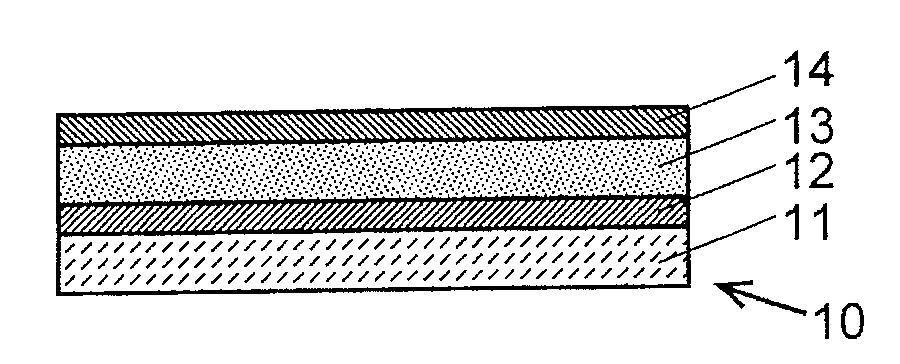
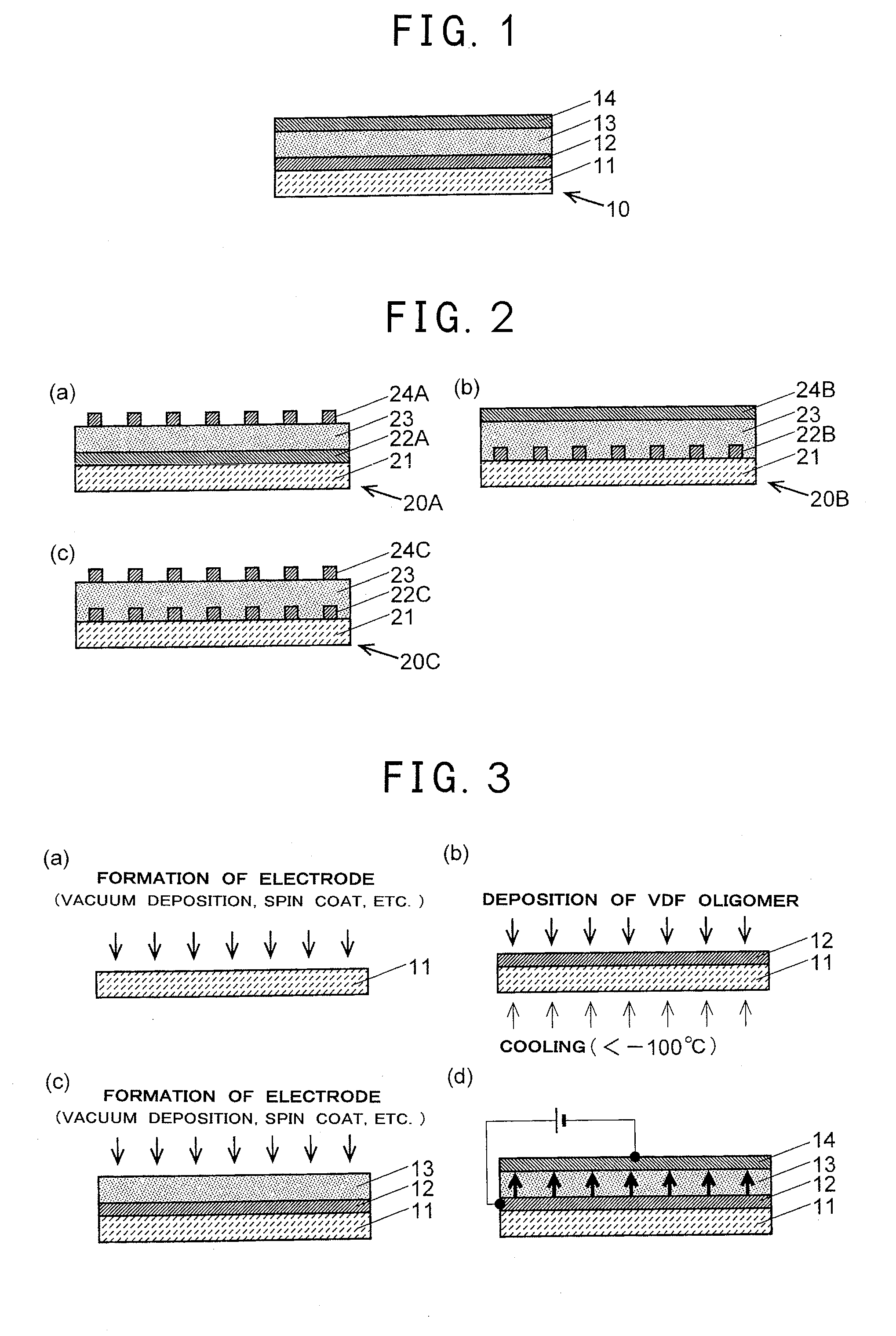
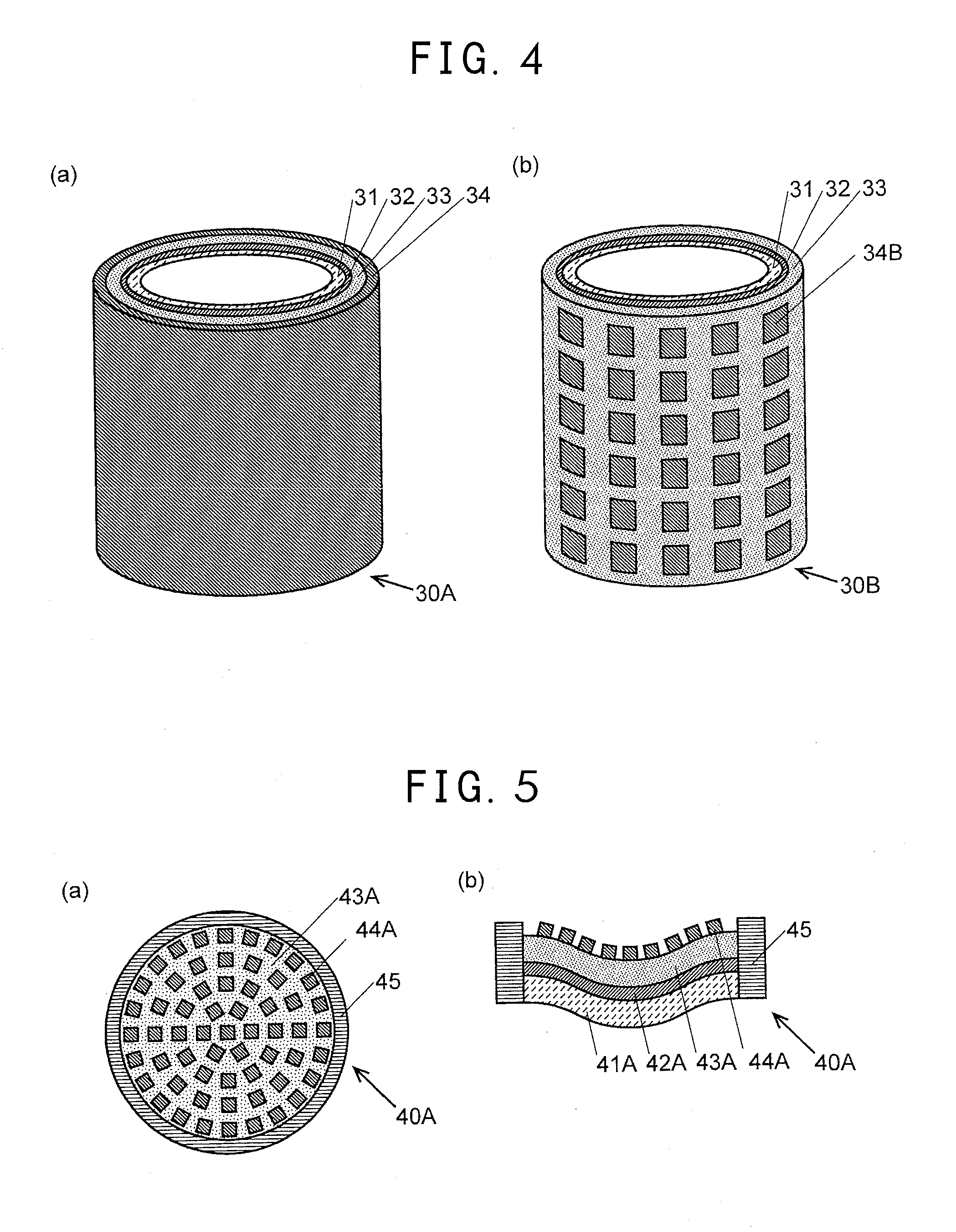

Pyroelectric device, method for manufacturing same and infrared sensor
PatentWO2004051760A1
Innovation
- A pyroelectric element with a perovskite-type crystal structure, specifically composed of Ti, Co, Ni, Mg, Fe, Ca, Sr, Mn, Ba, and Al, and noble metals, is developed, featuring a simplified manufacturing process that includes a first electrode layer on a substrate with a thermal expansion coefficient matching the pyroelectric layer, promoting optimal orientation and reducing stress-induced defects.


Environmental and Safety Standards for IR Sensors
Environmental and safety standards for infrared sensors utilizing pyroelectric materials represent a critical framework governing the deployment and operation of these devices across various applications. These standards encompass multiple regulatory domains, including electromagnetic compatibility, thermal safety, chemical exposure limits, and operational reliability under extreme conditions.
The International Electrotechnical Commission (IEC) provides foundational standards such as IEC 62471 for photobiological safety and IEC 60068 series for environmental testing procedures. These specifications define acceptable exposure limits for infrared radiation and establish testing protocols for temperature cycling, humidity resistance, and mechanical shock tolerance. Compliance with these standards ensures that pyroelectric IR sensors maintain functionality across temperature ranges typically spanning -40°C to +85°C for commercial applications and extended ranges for military specifications.
Material safety considerations focus primarily on the toxicity and handling requirements of pyroelectric compounds. Lead-based materials like lead zirconate titanate (PZT) face increasing regulatory scrutiny under RoHS (Restriction of Hazardous Substances) directives, driving development toward lead-free alternatives such as barium titanate and lithium tantalate. These regulations mandate specific packaging, labeling, and disposal procedures for sensors containing restricted substances.
Electromagnetic interference (EMI) standards, particularly FCC Part 15 and CISPR publications, establish emission limits and immunity requirements for IR sensor systems. Pyroelectric sensors must demonstrate minimal electromagnetic signature while maintaining sensitivity to target infrared signatures, requiring careful shielding design and signal processing optimization.
Industrial safety standards vary significantly across application sectors. Automotive applications must comply with ISO 26262 functional safety requirements, while medical devices follow FDA 21 CFR guidelines and ISO 14971 risk management protocols. Aerospace applications demand adherence to DO-160 environmental conditions and DO-254 design assurance standards.
Emerging environmental regulations increasingly emphasize lifecycle assessment and sustainability metrics, influencing material selection and manufacturing processes for next-generation pyroelectric IR sensors.
The International Electrotechnical Commission (IEC) provides foundational standards such as IEC 62471 for photobiological safety and IEC 60068 series for environmental testing procedures. These specifications define acceptable exposure limits for infrared radiation and establish testing protocols for temperature cycling, humidity resistance, and mechanical shock tolerance. Compliance with these standards ensures that pyroelectric IR sensors maintain functionality across temperature ranges typically spanning -40°C to +85°C for commercial applications and extended ranges for military specifications.
Material safety considerations focus primarily on the toxicity and handling requirements of pyroelectric compounds. Lead-based materials like lead zirconate titanate (PZT) face increasing regulatory scrutiny under RoHS (Restriction of Hazardous Substances) directives, driving development toward lead-free alternatives such as barium titanate and lithium tantalate. These regulations mandate specific packaging, labeling, and disposal procedures for sensors containing restricted substances.
Electromagnetic interference (EMI) standards, particularly FCC Part 15 and CISPR publications, establish emission limits and immunity requirements for IR sensor systems. Pyroelectric sensors must demonstrate minimal electromagnetic signature while maintaining sensitivity to target infrared signatures, requiring careful shielding design and signal processing optimization.
Industrial safety standards vary significantly across application sectors. Automotive applications must comply with ISO 26262 functional safety requirements, while medical devices follow FDA 21 CFR guidelines and ISO 14971 risk management protocols. Aerospace applications demand adherence to DO-160 environmental conditions and DO-254 design assurance standards.
Emerging environmental regulations increasingly emphasize lifecycle assessment and sustainability metrics, influencing material selection and manufacturing processes for next-generation pyroelectric IR sensors.
Material Selection Criteria and Performance Metrics
The selection of pyroelectric materials for infrared sensor applications requires a comprehensive evaluation framework based on multiple performance criteria and metrics. The primary consideration centers on the pyroelectric coefficient, which quantifies the material's ability to generate electrical charge in response to temperature changes. Materials with higher pyroelectric coefficients, such as lithium tantalate and modified lead zirconate titanate ceramics, demonstrate superior sensitivity to infrared radiation.
Thermal properties constitute another critical selection criterion. The thermal diffusivity and specific heat capacity directly influence the sensor's response time and temperature resolution. Materials with low thermal mass and appropriate thermal conductivity enable faster thermal equilibration and improved temporal resolution. The thermal time constant, typically ranging from microseconds to milliseconds depending on material thickness and thermal properties, determines the sensor's ability to track rapid temperature variations.
Electrical characteristics play a pivotal role in material selection. The dielectric constant affects the sensor's capacitance and noise characteristics, while electrical resistivity influences leakage currents and long-term stability. High-resistivity materials minimize dark current and improve signal-to-noise ratios, particularly important for low-light infrared detection applications.
Mechanical and structural properties significantly impact sensor performance and manufacturability. The material's crystalline structure, particularly for ferroelectric materials, determines the pyroelectric response direction and magnitude. Mechanical stability under thermal cycling prevents degradation and ensures consistent performance over extended operational periods.
Temperature stability represents a crucial performance metric, as pyroelectric sensors often operate across wide temperature ranges. The Curie temperature defines the upper operational limit for ferroelectric materials, while temperature coefficients of pyroelectric and dielectric properties determine measurement accuracy across the operating range.
Spectral response characteristics determine the sensor's effectiveness across different infrared wavelengths. Materials with broad spectral sensitivity enable versatile applications, while wavelength-specific optimization may be required for specialized detection tasks. The absorption coefficient and optical properties of the material or associated coatings influence the overall sensor sensitivity and selectivity.
Thermal properties constitute another critical selection criterion. The thermal diffusivity and specific heat capacity directly influence the sensor's response time and temperature resolution. Materials with low thermal mass and appropriate thermal conductivity enable faster thermal equilibration and improved temporal resolution. The thermal time constant, typically ranging from microseconds to milliseconds depending on material thickness and thermal properties, determines the sensor's ability to track rapid temperature variations.
Electrical characteristics play a pivotal role in material selection. The dielectric constant affects the sensor's capacitance and noise characteristics, while electrical resistivity influences leakage currents and long-term stability. High-resistivity materials minimize dark current and improve signal-to-noise ratios, particularly important for low-light infrared detection applications.
Mechanical and structural properties significantly impact sensor performance and manufacturability. The material's crystalline structure, particularly for ferroelectric materials, determines the pyroelectric response direction and magnitude. Mechanical stability under thermal cycling prevents degradation and ensures consistent performance over extended operational periods.
Temperature stability represents a crucial performance metric, as pyroelectric sensors often operate across wide temperature ranges. The Curie temperature defines the upper operational limit for ferroelectric materials, while temperature coefficients of pyroelectric and dielectric properties determine measurement accuracy across the operating range.
Spectral response characteristics determine the sensor's effectiveness across different infrared wavelengths. Materials with broad spectral sensitivity enable versatile applications, while wavelength-specific optimization may be required for specialized detection tasks. The absorption coefficient and optical properties of the material or associated coatings influence the overall sensor sensitivity and selectivity.
Unlock deeper insights with Patsnap Eureka Quick Research — get a full tech report to explore trends and direct your research. Try now!
Generate Your Research Report Instantly with AI Agent
Supercharge your innovation with Patsnap Eureka AI Agent Platform!