Comparing Real-Time vs Batch Processing in Virtual Power Plants Analytics
MAY 12, 20269 MIN READ
Generate Your Research Report Instantly with AI Agent
PatSnap Eureka helps you evaluate technical feasibility & market potential.
VPP Analytics Processing Background and Objectives
Virtual Power Plants represent a paradigm shift in energy management, emerging from the convergence of distributed energy resources, advanced communication technologies, and sophisticated control systems. The concept originated in the late 1990s as a response to increasing renewable energy penetration and the need for more flexible grid management solutions. VPPs aggregate diverse distributed energy resources including solar panels, wind turbines, battery storage systems, and controllable loads to function as a unified power plant.
The evolution of VPP technology has been driven by several key factors: the exponential growth of renewable energy installations, declining costs of energy storage technologies, advancement in Internet of Things devices, and the increasing sophistication of machine learning algorithms. Early VPP implementations focused primarily on simple aggregation and basic demand response programs, but modern systems have evolved to provide comprehensive grid services including frequency regulation, voltage support, and energy arbitrage.
The technological foundation of VPPs relies heavily on real-time data collection, processing, and decision-making capabilities. Traditional energy systems operated on predictable, centralized generation patterns, but VPPs must manage the inherent variability and uncertainty of distributed renewable resources. This fundamental shift has created unprecedented demands for data analytics infrastructure capable of processing massive volumes of sensor data, weather forecasts, market signals, and grid conditions.
Current VPP analytics systems face the critical challenge of balancing processing speed with analytical depth. Real-time processing enables immediate response to grid conditions and market opportunities but often sacrifices comprehensive analysis due to computational constraints. Conversely, batch processing allows for sophisticated modeling and optimization but may miss time-sensitive opportunities or fail to respond adequately to rapid system changes.
The primary objective of advancing VPP analytics processing is to optimize the trade-offs between response speed and analytical sophistication. This involves developing hybrid architectures that can seamlessly integrate real-time operational decisions with batch-processed strategic planning. The ultimate goal is to maximize the economic value of distributed energy resources while maintaining grid stability and reliability, thereby accelerating the transition toward a more sustainable and resilient energy system.
The evolution of VPP technology has been driven by several key factors: the exponential growth of renewable energy installations, declining costs of energy storage technologies, advancement in Internet of Things devices, and the increasing sophistication of machine learning algorithms. Early VPP implementations focused primarily on simple aggregation and basic demand response programs, but modern systems have evolved to provide comprehensive grid services including frequency regulation, voltage support, and energy arbitrage.
The technological foundation of VPPs relies heavily on real-time data collection, processing, and decision-making capabilities. Traditional energy systems operated on predictable, centralized generation patterns, but VPPs must manage the inherent variability and uncertainty of distributed renewable resources. This fundamental shift has created unprecedented demands for data analytics infrastructure capable of processing massive volumes of sensor data, weather forecasts, market signals, and grid conditions.
Current VPP analytics systems face the critical challenge of balancing processing speed with analytical depth. Real-time processing enables immediate response to grid conditions and market opportunities but often sacrifices comprehensive analysis due to computational constraints. Conversely, batch processing allows for sophisticated modeling and optimization but may miss time-sensitive opportunities or fail to respond adequately to rapid system changes.
The primary objective of advancing VPP analytics processing is to optimize the trade-offs between response speed and analytical sophistication. This involves developing hybrid architectures that can seamlessly integrate real-time operational decisions with batch-processed strategic planning. The ultimate goal is to maximize the economic value of distributed energy resources while maintaining grid stability and reliability, thereby accelerating the transition toward a more sustainable and resilient energy system.
Market Demand for VPP Real-Time Analytics Solutions
The global energy transition toward renewable sources has created unprecedented demand for sophisticated Virtual Power Plant analytics solutions, particularly those capable of real-time processing. Traditional energy grid management systems, designed for predictable fossil fuel generation, are increasingly inadequate for managing the volatility and distributed nature of renewable energy resources. This fundamental shift has generated substantial market opportunities for VPP analytics platforms that can process data streams instantaneously.
Utility companies worldwide are experiencing mounting pressure to integrate renewable energy sources while maintaining grid stability and reliability. The intermittent nature of solar and wind power requires continuous monitoring and rapid response capabilities that only real-time analytics can provide. Market research indicates that utilities are prioritizing investments in technologies that enable millisecond-level decision making for load balancing, demand response, and energy storage optimization.
The regulatory landscape is driving significant demand for real-time VPP analytics solutions. Grid operators must comply with increasingly stringent reliability standards and renewable energy mandates, creating urgent needs for advanced monitoring and control systems. Real-time analytics enable utilities to demonstrate compliance with regulatory requirements while optimizing operational efficiency and minimizing costs associated with grid imbalances.
Commercial and industrial energy consumers represent another major demand driver for real-time VPP analytics. Large energy users are seeking to reduce costs through participation in demand response programs and energy arbitrage opportunities. These applications require real-time market data processing and automated response capabilities that batch processing systems cannot deliver effectively.
The emergence of electric vehicle charging networks and energy storage systems has created new market segments demanding real-time analytics capabilities. These applications require instantaneous coordination between multiple distributed energy resources to optimize charging schedules, manage peak demand, and provide grid services. The growing adoption of smart home technologies and distributed solar installations further amplifies demand for real-time processing capabilities.
Financial markets are increasingly recognizing the value proposition of real-time VPP analytics, with energy trading and risk management applications driving substantial investment. Real-time data processing enables more accurate price forecasting, automated trading strategies, and dynamic hedging mechanisms that can significantly impact profitability in volatile energy markets.
Utility companies worldwide are experiencing mounting pressure to integrate renewable energy sources while maintaining grid stability and reliability. The intermittent nature of solar and wind power requires continuous monitoring and rapid response capabilities that only real-time analytics can provide. Market research indicates that utilities are prioritizing investments in technologies that enable millisecond-level decision making for load balancing, demand response, and energy storage optimization.
The regulatory landscape is driving significant demand for real-time VPP analytics solutions. Grid operators must comply with increasingly stringent reliability standards and renewable energy mandates, creating urgent needs for advanced monitoring and control systems. Real-time analytics enable utilities to demonstrate compliance with regulatory requirements while optimizing operational efficiency and minimizing costs associated with grid imbalances.
Commercial and industrial energy consumers represent another major demand driver for real-time VPP analytics. Large energy users are seeking to reduce costs through participation in demand response programs and energy arbitrage opportunities. These applications require real-time market data processing and automated response capabilities that batch processing systems cannot deliver effectively.
The emergence of electric vehicle charging networks and energy storage systems has created new market segments demanding real-time analytics capabilities. These applications require instantaneous coordination between multiple distributed energy resources to optimize charging schedules, manage peak demand, and provide grid services. The growing adoption of smart home technologies and distributed solar installations further amplifies demand for real-time processing capabilities.
Financial markets are increasingly recognizing the value proposition of real-time VPP analytics, with energy trading and risk management applications driving substantial investment. Real-time data processing enables more accurate price forecasting, automated trading strategies, and dynamic hedging mechanisms that can significantly impact profitability in volatile energy markets.
Current State of VPP Data Processing Technologies
Virtual Power Plants currently employ a hybrid approach to data processing, utilizing both real-time and batch processing technologies to manage the complex requirements of distributed energy resource coordination. The technological landscape is dominated by several key processing paradigms that address different operational needs within VPP ecosystems.
Real-time processing technologies in VPPs primarily rely on stream processing frameworks such as Apache Kafka, Apache Storm, and Apache Flink. These platforms enable millisecond-level response times for critical operations including grid frequency regulation, demand response activation, and emergency load shedding. Edge computing solutions have become increasingly prevalent, with companies deploying IoT gateways and edge servers at distributed energy resource sites to minimize latency in control signal transmission.
Batch processing remains essential for comprehensive analytics, forecasting, and optimization tasks. Apache Spark and Hadoop ecosystems dominate this space, processing historical data for demand forecasting, asset performance analysis, and long-term optimization strategies. These systems typically operate on hourly, daily, or weekly cycles, handling large volumes of accumulated sensor data, weather information, and market pricing data.
Cloud-native architectures have emerged as the preferred deployment model, with major cloud providers offering specialized services for energy sector applications. Amazon Web Services' IoT Core and Azure's Digital Twins platform provide scalable infrastructure for VPP data processing, while Google Cloud's BigQuery enables rapid analysis of massive datasets from distributed energy assets.
The integration challenge between real-time and batch systems has led to the adoption of lambda and kappa architectures. Lambda architecture maintains separate processing paths for real-time and batch data, while kappa architecture attempts to unify both through a single stream processing pipeline. Modern VPP implementations increasingly favor kappa architectures using technologies like Apache Pulsar and Confluent Platform.
Data storage technologies have evolved to support both processing paradigms simultaneously. Time-series databases such as InfluxDB and TimescaleDB optimize storage for sensor data, while distributed databases like Cassandra and MongoDB handle the varied data types generated by different energy assets. These storage solutions provide the foundation for both immediate operational decisions and comprehensive analytical insights.
Real-time processing technologies in VPPs primarily rely on stream processing frameworks such as Apache Kafka, Apache Storm, and Apache Flink. These platforms enable millisecond-level response times for critical operations including grid frequency regulation, demand response activation, and emergency load shedding. Edge computing solutions have become increasingly prevalent, with companies deploying IoT gateways and edge servers at distributed energy resource sites to minimize latency in control signal transmission.
Batch processing remains essential for comprehensive analytics, forecasting, and optimization tasks. Apache Spark and Hadoop ecosystems dominate this space, processing historical data for demand forecasting, asset performance analysis, and long-term optimization strategies. These systems typically operate on hourly, daily, or weekly cycles, handling large volumes of accumulated sensor data, weather information, and market pricing data.
Cloud-native architectures have emerged as the preferred deployment model, with major cloud providers offering specialized services for energy sector applications. Amazon Web Services' IoT Core and Azure's Digital Twins platform provide scalable infrastructure for VPP data processing, while Google Cloud's BigQuery enables rapid analysis of massive datasets from distributed energy assets.
The integration challenge between real-time and batch systems has led to the adoption of lambda and kappa architectures. Lambda architecture maintains separate processing paths for real-time and batch data, while kappa architecture attempts to unify both through a single stream processing pipeline. Modern VPP implementations increasingly favor kappa architectures using technologies like Apache Pulsar and Confluent Platform.
Data storage technologies have evolved to support both processing paradigms simultaneously. Time-series databases such as InfluxDB and TimescaleDB optimize storage for sensor data, while distributed databases like Cassandra and MongoDB handle the varied data types generated by different energy assets. These storage solutions provide the foundation for both immediate operational decisions and comprehensive analytical insights.
Existing Real-Time vs Batch Processing Solutions
01 Real-time data processing and analytics systems for virtual power plants
Advanced data processing systems are implemented to handle real-time analytics in virtual power plant operations. These systems utilize sophisticated algorithms and computational frameworks to process large volumes of energy data from distributed resources. The analytics capabilities enable continuous monitoring, pattern recognition, and performance optimization across the virtual power plant network.- Real-time data processing and analytics systems for virtual power plants: Advanced data processing systems are implemented to handle real-time analytics in virtual power plant operations. These systems enable continuous monitoring and analysis of distributed energy resources, providing instantaneous insights into power generation, consumption patterns, and grid performance. The technology focuses on processing large volumes of data from multiple sources to optimize energy distribution and maintain grid stability through sophisticated analytical algorithms.
- Machine learning algorithms for predictive analytics in energy management: Machine learning and artificial intelligence techniques are employed to enhance predictive capabilities within virtual power plant systems. These algorithms analyze historical data patterns, weather conditions, and consumption trends to forecast energy demand and supply fluctuations. The predictive models enable proactive decision-making for resource allocation and help optimize the performance of distributed energy assets through intelligent forecasting mechanisms.
- Distributed computing architectures for scalable processing performance: Scalable distributed computing frameworks are designed to handle the computational demands of virtual power plant analytics. These architectures enable parallel processing of multiple data streams from various energy sources and storage systems. The distributed approach ensures high availability, fault tolerance, and the ability to scale processing capacity based on the size and complexity of the virtual power plant network.
- Cloud-based analytics platforms for centralized monitoring and control: Cloud computing technologies provide centralized platforms for managing and analyzing virtual power plant operations. These platforms offer remote monitoring capabilities, centralized data storage, and computational resources that can be dynamically allocated based on processing requirements. The cloud-based approach enables efficient resource utilization, reduces infrastructure costs, and provides seamless integration with various energy management systems.
- Performance optimization algorithms for energy resource coordination: Specialized optimization algorithms are developed to coordinate multiple distributed energy resources within virtual power plants. These algorithms focus on maximizing overall system efficiency, minimizing operational costs, and ensuring optimal power quality. The optimization techniques consider various constraints such as grid stability requirements, energy storage limitations, and renewable energy variability to achieve peak performance across the entire virtual power plant network.
02 Machine learning and artificial intelligence for performance optimization
Machine learning algorithms and artificial intelligence techniques are employed to enhance the analytical processing performance of virtual power plants. These technologies enable predictive analytics, automated decision-making, and intelligent resource allocation. The systems can learn from historical data patterns to improve forecasting accuracy and optimize energy distribution strategies.Expand Specific Solutions03 Distributed computing architectures for scalable analytics
Distributed computing frameworks are utilized to achieve scalable analytics processing in virtual power plant systems. These architectures enable parallel processing of energy data across multiple nodes, improving computational efficiency and system responsiveness. The distributed approach allows for handling increasing data volumes while maintaining high performance standards.Expand Specific Solutions04 Cloud-based analytics platforms for virtual power plant management
Cloud computing platforms provide the infrastructure for advanced analytics processing in virtual power plant operations. These platforms offer scalable computational resources, data storage capabilities, and integration services for managing distributed energy resources. The cloud-based approach enables flexible deployment and cost-effective scaling of analytics capabilities.Expand Specific Solutions05 Performance monitoring and optimization algorithms
Specialized algorithms are developed for monitoring and optimizing the performance of virtual power plant analytics systems. These algorithms focus on system efficiency metrics, resource utilization optimization, and performance bottleneck identification. The monitoring systems provide real-time feedback on analytics processing performance and enable dynamic adjustments to maintain optimal operation.Expand Specific Solutions
Key Players in VPP Analytics Platform Industry
The virtual power plants analytics market is experiencing rapid growth as the industry transitions from traditional centralized power systems to distributed energy management, driven by increasing renewable energy integration and grid modernization needs. The market demonstrates significant scale potential with established technology giants like Siemens AG, IBM, and Google LLC leveraging their cloud computing and AI capabilities alongside specialized power analytics firms such as Power Analytics Corp. and emerging players like Power8 Tech. Technology maturity varies considerably across the competitive landscape, with traditional infrastructure companies like Bentley Systems and SAP SE offering established batch processing solutions, while cloud-native providers including Google and IBM are advancing real-time analytics capabilities through machine learning and edge computing technologies. Regional power utilities such as Shenzhen Power Supply Bureau and State Grid companies are increasingly adopting hybrid approaches, combining both processing methods to optimize grid operations and renewable energy forecasting in virtual power plant deployments.
Siemens AG
Technical Solution: Siemens provides comprehensive VPP analytics solutions through their DEMS (Distributed Energy Management System) platform, which integrates both real-time and batch processing capabilities. Their real-time processing engine handles millisecond-level grid balancing decisions and frequency regulation responses, while batch processing manages historical data analysis for demand forecasting and optimization strategies. The system utilizes advanced machine learning algorithms for predictive analytics and supports hybrid processing architectures that can seamlessly switch between real-time and batch modes based on operational requirements. Their solution includes edge computing capabilities for distributed energy resources and cloud-based analytics for comprehensive fleet management.
Strengths: Mature industrial automation expertise, robust real-time processing capabilities, comprehensive grid integration experience. Weaknesses: Higher implementation costs, complex system integration requirements.
International Business Machines Corp.
Technical Solution: IBM's VPP analytics platform leverages Watson IoT and hybrid cloud architecture to deliver scalable real-time and batch processing solutions. Their real-time stream processing handles immediate grid responses and energy trading decisions using Apache Kafka and IBM Streams technology, processing thousands of data points per second from distributed energy assets. The batch processing component utilizes IBM's AI and machine learning capabilities for long-term energy forecasting, asset performance optimization, and regulatory reporting. Their solution supports multi-cloud deployments and provides advanced analytics for demand response programs and energy market participation.
Strengths: Advanced AI/ML capabilities, scalable cloud infrastructure, strong data analytics expertise. Weaknesses: Vendor lock-in concerns, requires significant technical expertise for implementation.
Core Technologies in VPP Analytics Processing
System for dynamic batching at varying granularities using micro-batching to achieve both near real-time and batch processing characteristics
PatentInactiveUS8978034B1
Innovation
- A unified data processing layer that integrates real-time and batch processing, using micro-batching and provenance tracking to manage data across different granularities, with a hierarchical processing structure that includes an event collector, processing daemon, and data buffering control module, enabling accurate provenance tracking and policy enforcement.


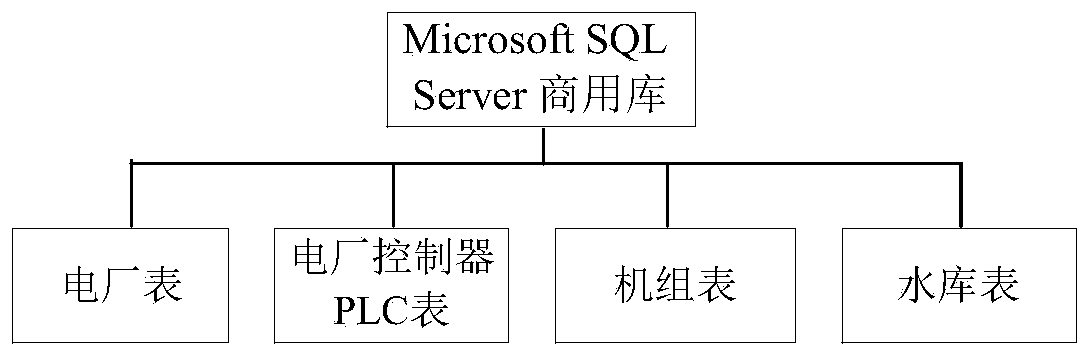
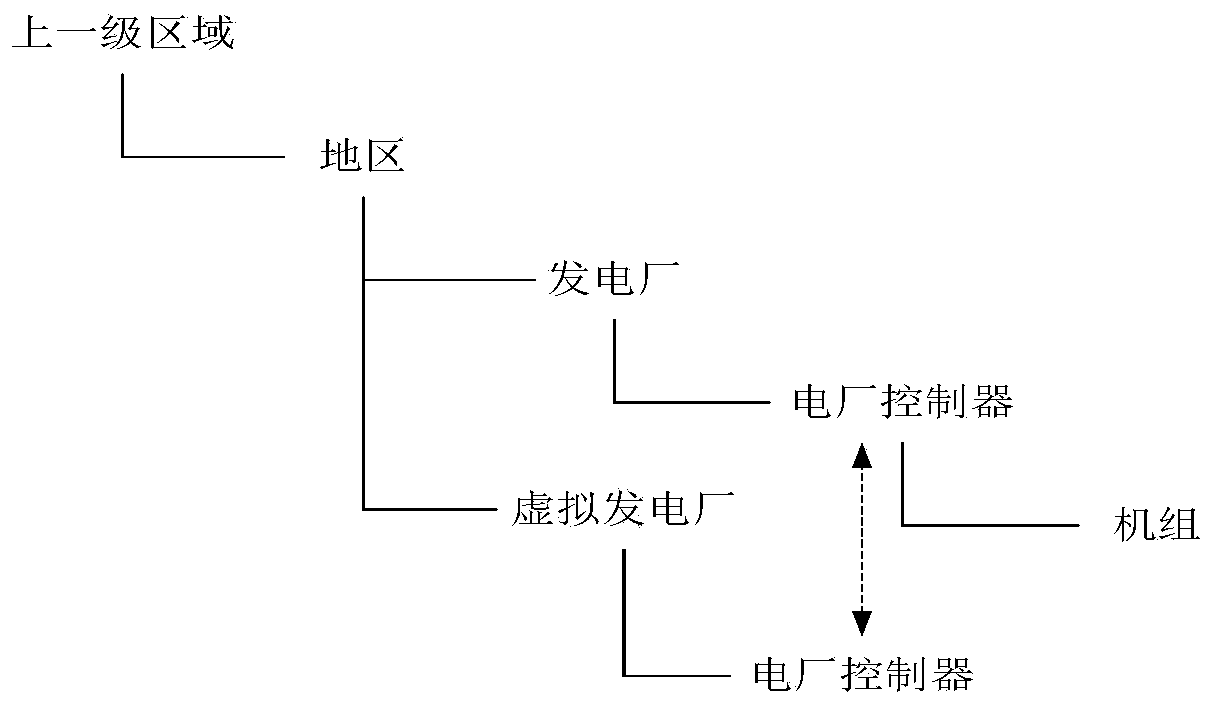
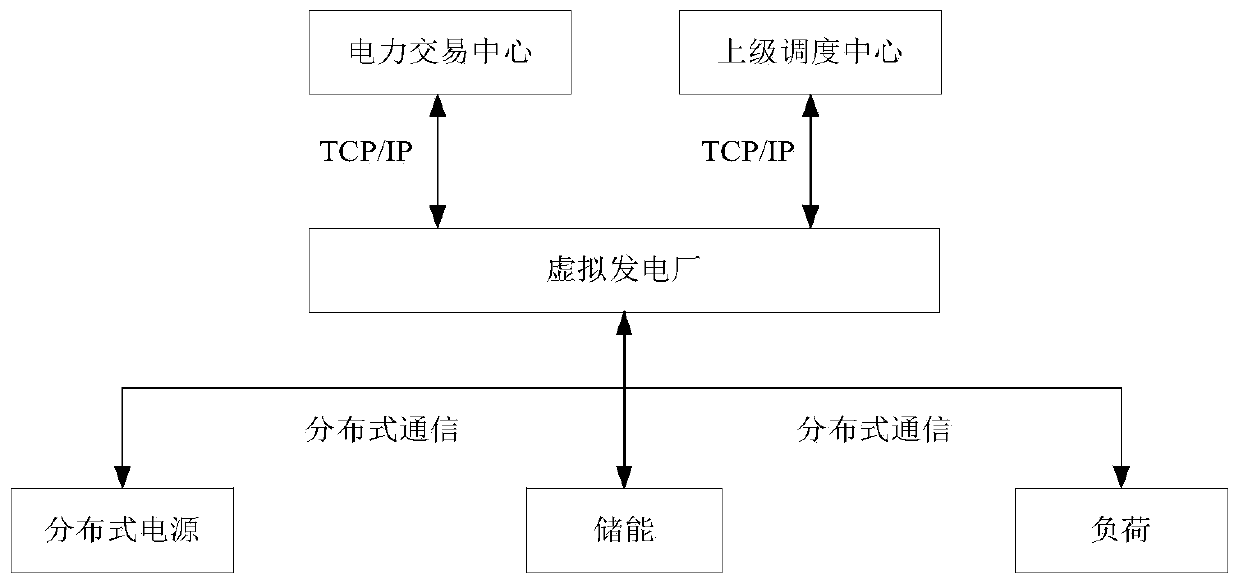
Regional complex distribution network dispatch control management system based on virtual power plant
PatentActiveCN110416998A
Innovation
- A regional complex distribution network dispatching and control management system based on virtual power plants is adopted. Through the big data cloud computing platform and advanced network communication technology, the aggregation and coordination optimization of different distributed power supplies, energy storage and controllable loads are realized. The virtual power plant as a whole Participate in power grid dispatching and adopt multi-source complementation and coordination optimization methods to achieve stable power supply from distributed power sources to the large power grid.

Energy Grid Regulatory Framework for VPP Analytics
The regulatory landscape governing Virtual Power Plant (VPP) analytics represents a complex intersection of energy market rules, data privacy requirements, and grid stability mandates. Current frameworks primarily focus on traditional centralized power generation models, creating significant gaps when applied to distributed VPP operations that aggregate multiple energy resources through sophisticated analytics platforms.
Existing regulations vary substantially across jurisdictions, with the European Union leading through the Clean Energy Package and Grid Codes that explicitly recognize VPPs as market participants. The United States operates under a patchwork of federal and state regulations, where FERC Order 2222 provides foundational support for distributed energy resource aggregation, while individual states maintain varying degrees of VPP integration requirements. These regulatory disparities create operational challenges for VPP analytics systems that must adapt to multiple compliance frameworks simultaneously.
Data governance represents a critical regulatory dimension, particularly regarding the collection, processing, and sharing of granular energy consumption and generation data. Privacy regulations such as GDPR in Europe and various state-level privacy laws in the US impose strict requirements on how VPP analytics platforms handle customer data. These requirements directly impact the choice between real-time and batch processing architectures, as real-time systems may face additional scrutiny regarding data retention and processing transparency.
Grid reliability standards established by organizations like NERC in North America and ENTSO-E in Europe impose stringent requirements on VPP analytics systems. These standards mandate specific response times for grid services, data accuracy thresholds, and system availability requirements that influence the technical architecture decisions between real-time and batch processing approaches. Compliance with these standards often requires hybrid analytics architectures that can meet both immediate grid response needs and comprehensive reporting obligations.
Emerging regulatory trends indicate a shift toward performance-based standards that focus on outcomes rather than prescriptive technical requirements. This evolution provides greater flexibility for VPP operators to choose optimal analytics processing methods while maintaining accountability for grid services delivery. However, this transition also introduces uncertainty as regulatory bodies develop new frameworks specifically designed for distributed energy resource aggregation and analytics-driven grid services.
Existing regulations vary substantially across jurisdictions, with the European Union leading through the Clean Energy Package and Grid Codes that explicitly recognize VPPs as market participants. The United States operates under a patchwork of federal and state regulations, where FERC Order 2222 provides foundational support for distributed energy resource aggregation, while individual states maintain varying degrees of VPP integration requirements. These regulatory disparities create operational challenges for VPP analytics systems that must adapt to multiple compliance frameworks simultaneously.
Data governance represents a critical regulatory dimension, particularly regarding the collection, processing, and sharing of granular energy consumption and generation data. Privacy regulations such as GDPR in Europe and various state-level privacy laws in the US impose strict requirements on how VPP analytics platforms handle customer data. These requirements directly impact the choice between real-time and batch processing architectures, as real-time systems may face additional scrutiny regarding data retention and processing transparency.
Grid reliability standards established by organizations like NERC in North America and ENTSO-E in Europe impose stringent requirements on VPP analytics systems. These standards mandate specific response times for grid services, data accuracy thresholds, and system availability requirements that influence the technical architecture decisions between real-time and batch processing approaches. Compliance with these standards often requires hybrid analytics architectures that can meet both immediate grid response needs and comprehensive reporting obligations.
Emerging regulatory trends indicate a shift toward performance-based standards that focus on outcomes rather than prescriptive technical requirements. This evolution provides greater flexibility for VPP operators to choose optimal analytics processing methods while maintaining accountability for grid services delivery. However, this transition also introduces uncertainty as regulatory bodies develop new frameworks specifically designed for distributed energy resource aggregation and analytics-driven grid services.
VPP Analytics Security and Privacy Considerations
The implementation of analytics systems in Virtual Power Plants introduces significant security and privacy challenges that must be carefully addressed, particularly when comparing real-time versus batch processing architectures. These considerations become critical as VPPs aggregate sensitive operational data from distributed energy resources, consumer usage patterns, and grid infrastructure components.
Real-time processing systems in VPP analytics face heightened security vulnerabilities due to their continuous data streaming requirements. The persistent network connections and immediate data transmission create expanded attack surfaces for malicious actors. Authentication mechanisms must operate with minimal latency while maintaining robust verification protocols. Additionally, real-time systems often require edge computing deployments closer to energy assets, potentially placing sensitive processing capabilities in less secure physical environments compared to centralized data centers.
Batch processing architectures offer enhanced security through controlled data transfer windows and centralized processing environments. The periodic nature of batch operations allows for comprehensive security scans and validation procedures between processing cycles. However, the temporary storage of accumulated data creates concentrated high-value targets for cyber attacks. Data encryption during storage periods becomes paramount, requiring sophisticated key management systems to protect sensitive information across extended timeframes.
Privacy considerations differ substantially between processing approaches. Real-time analytics may inadvertently expose granular consumer behavior patterns through continuous monitoring, raising concerns about individual privacy rights and regulatory compliance. The immediate processing of personal energy consumption data requires careful anonymization techniques that must operate without compromising analytical accuracy or introducing processing delays.
Batch processing provides opportunities for more thorough privacy protection through advanced anonymization and differential privacy techniques. The processing delays inherent in batch systems allow for sophisticated data sanitization procedures that can better protect individual consumer identities while preserving aggregate analytical value. However, the accumulation of detailed historical data raises concerns about long-term privacy exposure and potential re-identification risks.
Regulatory compliance frameworks, including GDPR and emerging energy sector privacy regulations, impose specific requirements on both processing architectures. Real-time systems must implement privacy-by-design principles with immediate consent management capabilities, while batch systems require comprehensive audit trails and data retention policies. The choice between processing approaches significantly impacts compliance strategies and associated implementation costs.
Real-time processing systems in VPP analytics face heightened security vulnerabilities due to their continuous data streaming requirements. The persistent network connections and immediate data transmission create expanded attack surfaces for malicious actors. Authentication mechanisms must operate with minimal latency while maintaining robust verification protocols. Additionally, real-time systems often require edge computing deployments closer to energy assets, potentially placing sensitive processing capabilities in less secure physical environments compared to centralized data centers.
Batch processing architectures offer enhanced security through controlled data transfer windows and centralized processing environments. The periodic nature of batch operations allows for comprehensive security scans and validation procedures between processing cycles. However, the temporary storage of accumulated data creates concentrated high-value targets for cyber attacks. Data encryption during storage periods becomes paramount, requiring sophisticated key management systems to protect sensitive information across extended timeframes.
Privacy considerations differ substantially between processing approaches. Real-time analytics may inadvertently expose granular consumer behavior patterns through continuous monitoring, raising concerns about individual privacy rights and regulatory compliance. The immediate processing of personal energy consumption data requires careful anonymization techniques that must operate without compromising analytical accuracy or introducing processing delays.
Batch processing provides opportunities for more thorough privacy protection through advanced anonymization and differential privacy techniques. The processing delays inherent in batch systems allow for sophisticated data sanitization procedures that can better protect individual consumer identities while preserving aggregate analytical value. However, the accumulation of detailed historical data raises concerns about long-term privacy exposure and potential re-identification risks.
Regulatory compliance frameworks, including GDPR and emerging energy sector privacy regulations, impose specific requirements on both processing architectures. Real-time systems must implement privacy-by-design principles with immediate consent management capabilities, while batch systems require comprehensive audit trails and data retention policies. The choice between processing approaches significantly impacts compliance strategies and associated implementation costs.
Unlock deeper insights with PatSnap Eureka Quick Research — get a full tech report to explore trends and direct your research. Try now!
Generate Your Research Report Instantly with AI Agent
Supercharge your innovation with PatSnap Eureka AI Agent Platform!