

Comparing Repositionable Adhesives for Surface Versatility
MAR 12, 202610 MIN READ
Generate Your Research Report Instantly with AI Agent
PatSnap Eureka helps you evaluate technical feasibility & market potential.
Repositionable Adhesive Technology Background and Objectives
Repositionable adhesives represent a specialized category of bonding materials designed to provide temporary or semi-permanent attachment while maintaining the ability to be removed and repositioned without damaging substrates or losing adhesive properties. These materials have evolved from traditional pressure-sensitive adhesives through advanced polymer chemistry and surface engineering techniques.
The fundamental principle behind repositionable adhesives lies in their unique molecular structure, which creates controlled adhesion strength that balances holding power with removability. Unlike permanent adhesives that form irreversible bonds, repositionable variants utilize specific polymer architectures, including microsphere technology, low-tack formulations, and structured adhesive surfaces that enable clean removal and multiple repositioning cycles.
Historical development of repositionable adhesives began in the 1960s with early removable tape applications, progressing through breakthrough innovations in the 1980s with the introduction of repositionable note products. The technology has since expanded into diverse applications including automotive assembly, electronics manufacturing, medical devices, and construction industries, driven by increasing demands for flexible manufacturing processes and damage-free bonding solutions.
Surface versatility has emerged as a critical performance parameter, as modern applications require adhesives to function effectively across diverse substrate materials including metals, plastics, glass, textiles, and composite materials. Each surface presents unique challenges related to surface energy, texture, chemical compatibility, and environmental conditions, necessitating sophisticated adhesive formulations that can adapt to varying surface characteristics.
The primary technical objectives for repositionable adhesive development focus on achieving optimal balance between initial tack, holding strength, and clean removability across multiple surface types. Key performance targets include maintaining consistent adhesion over extended periods, resisting environmental degradation, providing predictable release characteristics, and ensuring substrate compatibility without surface modification or contamination.
Current research directions emphasize developing smart adhesive systems that can respond to external stimuli such as temperature, pH, or electrical fields to control adhesion strength dynamically. Additionally, sustainability considerations are driving innovation toward bio-based formulations and recyclable adhesive systems that minimize environmental impact while maintaining superior performance characteristics across diverse surface applications.
The fundamental principle behind repositionable adhesives lies in their unique molecular structure, which creates controlled adhesion strength that balances holding power with removability. Unlike permanent adhesives that form irreversible bonds, repositionable variants utilize specific polymer architectures, including microsphere technology, low-tack formulations, and structured adhesive surfaces that enable clean removal and multiple repositioning cycles.
Historical development of repositionable adhesives began in the 1960s with early removable tape applications, progressing through breakthrough innovations in the 1980s with the introduction of repositionable note products. The technology has since expanded into diverse applications including automotive assembly, electronics manufacturing, medical devices, and construction industries, driven by increasing demands for flexible manufacturing processes and damage-free bonding solutions.
Surface versatility has emerged as a critical performance parameter, as modern applications require adhesives to function effectively across diverse substrate materials including metals, plastics, glass, textiles, and composite materials. Each surface presents unique challenges related to surface energy, texture, chemical compatibility, and environmental conditions, necessitating sophisticated adhesive formulations that can adapt to varying surface characteristics.
The primary technical objectives for repositionable adhesive development focus on achieving optimal balance between initial tack, holding strength, and clean removability across multiple surface types. Key performance targets include maintaining consistent adhesion over extended periods, resisting environmental degradation, providing predictable release characteristics, and ensuring substrate compatibility without surface modification or contamination.
Current research directions emphasize developing smart adhesive systems that can respond to external stimuli such as temperature, pH, or electrical fields to control adhesion strength dynamically. Additionally, sustainability considerations are driving innovation toward bio-based formulations and recyclable adhesive systems that minimize environmental impact while maintaining superior performance characteristics across diverse surface applications.
Market Demand Analysis for Multi-Surface Adhesive Solutions
The global adhesive market is experiencing unprecedented growth driven by increasing demand for versatile bonding solutions across multiple industries. Multi-surface adhesive solutions represent a rapidly expanding segment, fueled by evolving consumer preferences for flexible, reusable, and damage-free bonding applications. This market expansion is particularly pronounced in sectors requiring temporary or semi-permanent attachments without surface damage.
Consumer electronics manufacturing drives substantial demand for repositionable adhesives, particularly in smartphone assembly, tablet production, and wearable device manufacturing. These applications require adhesives that maintain strong initial tack while allowing for repositioning during assembly processes. The automotive industry similarly demands multi-surface solutions for interior component assembly, trim attachment, and temporary holding applications during manufacturing.
Construction and architectural sectors increasingly adopt repositionable adhesives for temporary installations, signage mounting, and modular construction applications. The growing trend toward sustainable building practices amplifies demand for adhesives that enable component reuse and minimize waste generation. Healthcare applications, including medical device assembly and patient monitoring equipment, require biocompatible repositionable solutions that perform reliably across diverse substrate materials.
E-commerce growth significantly impacts packaging applications, where repositionable adhesives enable secure closure systems while facilitating easy opening and potential resealing. The rise of subscription box services and direct-to-consumer shipping models creates sustained demand for user-friendly packaging solutions that enhance customer experience through convenient opening mechanisms.
Industrial maintenance and repair operations increasingly rely on multi-surface adhesive solutions for temporary fixes, equipment labeling, and component identification systems. These applications demand adhesives that perform consistently across metal, plastic, glass, and composite surfaces while maintaining removability without residue formation.
Market research indicates strong growth potential in emerging applications including flexible electronics, smart packaging, and Internet of Things device assembly. These sectors require adhesives that accommodate substrate flexibility while maintaining electrical conductivity or insulation properties as needed. The convergence of digitalization and physical products creates new opportunities for repositionable adhesive solutions that support modular, upgradeable product designs.
Regional demand patterns show particular strength in Asia-Pacific markets, driven by electronics manufacturing concentration and rapid industrialization. North American and European markets demonstrate growing preference for environmentally sustainable adhesive solutions that support circular economy principles through enhanced reusability and reduced environmental impact.
Consumer electronics manufacturing drives substantial demand for repositionable adhesives, particularly in smartphone assembly, tablet production, and wearable device manufacturing. These applications require adhesives that maintain strong initial tack while allowing for repositioning during assembly processes. The automotive industry similarly demands multi-surface solutions for interior component assembly, trim attachment, and temporary holding applications during manufacturing.
Construction and architectural sectors increasingly adopt repositionable adhesives for temporary installations, signage mounting, and modular construction applications. The growing trend toward sustainable building practices amplifies demand for adhesives that enable component reuse and minimize waste generation. Healthcare applications, including medical device assembly and patient monitoring equipment, require biocompatible repositionable solutions that perform reliably across diverse substrate materials.
E-commerce growth significantly impacts packaging applications, where repositionable adhesives enable secure closure systems while facilitating easy opening and potential resealing. The rise of subscription box services and direct-to-consumer shipping models creates sustained demand for user-friendly packaging solutions that enhance customer experience through convenient opening mechanisms.
Industrial maintenance and repair operations increasingly rely on multi-surface adhesive solutions for temporary fixes, equipment labeling, and component identification systems. These applications demand adhesives that perform consistently across metal, plastic, glass, and composite surfaces while maintaining removability without residue formation.
Market research indicates strong growth potential in emerging applications including flexible electronics, smart packaging, and Internet of Things device assembly. These sectors require adhesives that accommodate substrate flexibility while maintaining electrical conductivity or insulation properties as needed. The convergence of digitalization and physical products creates new opportunities for repositionable adhesive solutions that support modular, upgradeable product designs.
Regional demand patterns show particular strength in Asia-Pacific markets, driven by electronics manufacturing concentration and rapid industrialization. North American and European markets demonstrate growing preference for environmentally sustainable adhesive solutions that support circular economy principles through enhanced reusability and reduced environmental impact.
Current Status and Challenges in Repositionable Adhesive Tech
Repositionable adhesives have achieved significant technological maturity in recent years, with major breakthroughs in polymer chemistry and surface science enabling enhanced performance across diverse substrates. Current formulations primarily utilize pressure-sensitive adhesive (PSA) technologies based on acrylics, silicones, and rubber-based compounds, each offering distinct advantages for specific surface applications. These adhesives demonstrate reliable repositioning capabilities on materials ranging from glass and metal to textiles and low-energy surfaces like polyethylene and polypropylene.
The global repositionable adhesive market has experienced substantial growth, driven by increasing demand from packaging, automotive, electronics, and medical device industries. Leading manufacturers including 3M, Avery Dennison, and Henkel have established dominant positions through continuous innovation in adhesive chemistry and manufacturing processes. Their product portfolios encompass specialized solutions for temperature-resistant applications, UV-stable formulations, and bio-compatible variants for medical applications.
Despite technological advances, several critical challenges persist in repositionable adhesive development. Surface energy compatibility remains a fundamental limitation, as achieving consistent adhesion across substrates with varying surface tensions requires complex formulation adjustments. Low-energy surfaces such as fluoropolymers and certain plastics continue to present adhesion difficulties, often necessitating surface treatments or primer applications that compromise the adhesive's repositionable characteristics.
Temperature stability represents another significant constraint, particularly for applications requiring performance across extreme temperature ranges. Many current formulations exhibit reduced tack at low temperatures or permanent adhesion at elevated temperatures, limiting their versatility in demanding environments. Additionally, aging effects and environmental exposure can gradually alter adhesive properties, leading to performance degradation over extended periods.
Manufacturing scalability and cost optimization present ongoing challenges for widespread adoption. Advanced repositionable adhesive formulations often require specialized production equipment and quality control measures, resulting in higher manufacturing costs compared to conventional permanent adhesives. This economic factor particularly impacts price-sensitive applications where repositionable functionality must justify premium pricing.
Regulatory compliance adds complexity, especially for medical and food-contact applications where biocompatibility and migration testing requirements significantly extend development timelines. Environmental sustainability concerns are increasingly driving demand for bio-based and recyclable adhesive solutions, yet maintaining repositionable performance while meeting environmental criteria remains technically challenging.
Current research efforts focus on developing smart adhesive systems with switchable properties, incorporating stimuli-responsive polymers that can alter adhesion strength through external triggers such as temperature, pH, or electromagnetic fields. These innovations promise to address existing limitations while opening new application possibilities for repositionable adhesive technologies.
The global repositionable adhesive market has experienced substantial growth, driven by increasing demand from packaging, automotive, electronics, and medical device industries. Leading manufacturers including 3M, Avery Dennison, and Henkel have established dominant positions through continuous innovation in adhesive chemistry and manufacturing processes. Their product portfolios encompass specialized solutions for temperature-resistant applications, UV-stable formulations, and bio-compatible variants for medical applications.
Despite technological advances, several critical challenges persist in repositionable adhesive development. Surface energy compatibility remains a fundamental limitation, as achieving consistent adhesion across substrates with varying surface tensions requires complex formulation adjustments. Low-energy surfaces such as fluoropolymers and certain plastics continue to present adhesion difficulties, often necessitating surface treatments or primer applications that compromise the adhesive's repositionable characteristics.
Temperature stability represents another significant constraint, particularly for applications requiring performance across extreme temperature ranges. Many current formulations exhibit reduced tack at low temperatures or permanent adhesion at elevated temperatures, limiting their versatility in demanding environments. Additionally, aging effects and environmental exposure can gradually alter adhesive properties, leading to performance degradation over extended periods.
Manufacturing scalability and cost optimization present ongoing challenges for widespread adoption. Advanced repositionable adhesive formulations often require specialized production equipment and quality control measures, resulting in higher manufacturing costs compared to conventional permanent adhesives. This economic factor particularly impacts price-sensitive applications where repositionable functionality must justify premium pricing.
Regulatory compliance adds complexity, especially for medical and food-contact applications where biocompatibility and migration testing requirements significantly extend development timelines. Environmental sustainability concerns are increasingly driving demand for bio-based and recyclable adhesive solutions, yet maintaining repositionable performance while meeting environmental criteria remains technically challenging.
Current research efforts focus on developing smart adhesive systems with switchable properties, incorporating stimuli-responsive polymers that can alter adhesion strength through external triggers such as temperature, pH, or electromagnetic fields. These innovations promise to address existing limitations while opening new application possibilities for repositionable adhesive technologies.
Current Technical Solutions for Surface-Versatile Adhesives
01 Microsphere-based repositionable adhesive compositions
Repositionable adhesives can be formulated using microspheres or microballoons as key components to provide temporary bonding properties. These microsphere-based adhesives allow for repositioning on various surfaces while maintaining adhesive strength. The microspheres create a structured adhesive layer that enables multiple attachment and detachment cycles without significant loss of tack. This technology is particularly useful for applications requiring temporary placement and adjustment on different substrate types.- Microsphere-based repositionable adhesive compositions: Repositionable adhesives can be formulated using microspheres or microballoons as key components to provide temporary bonding properties. These microsphere-based adhesives allow for repositioning on various surfaces while maintaining adequate adhesion. The microspheres can be made from polymeric materials and are typically combined with adhesive resins to create pressure-sensitive adhesive compositions that can be repeatedly applied and removed without leaving residue.
- Acrylic polymer-based repositionable adhesives: Acrylic-based adhesive formulations provide excellent repositionability across different surface types. These adhesives utilize acrylic polymers and copolymers as the primary adhesive component, offering a balance between initial tack and removability. The formulations can be adjusted to optimize performance on various substrates including paper, plastic, metal, and glass surfaces, making them suitable for diverse applications requiring temporary adhesion.
- Silicone-based repositionable adhesive systems: Silicone adhesive compositions offer unique repositioning capabilities due to their inherent low surface energy and flexibility. These systems provide consistent adhesion across a wide range of surface energies and textures, from smooth to rough substrates. The silicone-based formulations maintain their repositionable characteristics over extended periods and under varying environmental conditions, making them particularly suitable for applications requiring long-term repositionability.
- Multi-layer adhesive constructions for surface versatility: Multi-layer adhesive structures enhance repositionability and surface compatibility by combining different adhesive layers with varying properties. These constructions typically include a backing layer, one or more adhesive layers with different tack levels, and optional release liners. The layered approach allows for optimization of adhesion to diverse surfaces while maintaining easy removability and repositioning capabilities without surface damage or residue.
- Surface treatment and primer systems for repositionable adhesion: Surface preparation methods and primer compositions improve the performance of repositionable adhesives on challenging substrates. These treatments modify surface energy and texture to enhance initial adhesion while preserving repositioning properties. The systems can include surface cleaning agents, primers, or coupling agents that create an intermediate layer between the substrate and adhesive, enabling consistent performance across materials with varying surface characteristics such as low-energy plastics, textured surfaces, and contaminated substrates.
02 Pressure-sensitive adhesive systems with repositionable properties
Pressure-sensitive adhesive formulations can be designed to exhibit repositionable characteristics through specific polymer compositions and tackifier systems. These adhesives provide immediate bonding upon contact with minimal pressure while allowing for clean removal and repositioning. The formulations balance cohesive and adhesive forces to enable surface versatility across materials such as paper, plastic, metal, and glass. The adhesive maintains its properties through multiple repositioning cycles.Expand Specific Solutions03 Low-tack adhesive formulations for multi-surface applications
Low-tack adhesive compositions are specifically designed to provide repositionable bonding across diverse surface types. These formulations utilize controlled adhesion levels that permit easy removal and repositioning without leaving residue or damaging substrates. The adhesives demonstrate versatility in adhering to both high and low surface energy materials. The technology enables temporary bonding solutions suitable for various industrial and consumer applications.Expand Specific Solutions04 Structured adhesive layers with repositioning capability
Adhesive systems featuring structured or patterned layers enable repositionable bonding on multiple surface types. These structures can include embossed patterns, discontinuous coatings, or layered constructions that facilitate air release and repositioning. The structured design allows the adhesive to conform to irregular surfaces while maintaining removability. This approach provides surface versatility through mechanical design rather than solely through chemical formulation.Expand Specific Solutions05 Acrylic-based repositionable adhesive systems
Acrylic polymer-based adhesive formulations offer repositionable properties with excellent surface versatility. These systems utilize specific acrylic copolymer compositions that provide controlled adhesion levels suitable for temporary bonding applications. The acrylic-based adhesives demonstrate compatibility with various substrates including polar and non-polar surfaces. The formulations can be tailored to provide specific levels of initial tack and long-term repositionability while maintaining clean removal characteristics.Expand Specific Solutions
Major Players in Repositionable Adhesive Industry
The repositionable adhesives market is experiencing significant growth driven by increasing demand for surface-versatile solutions across automotive, electronics, and packaging industries. The industry is in a mature development stage with established market leaders like 3M Innovative Properties Co., Avery Dennison Corp., and Henkel AG & Co. KGaA dominating through extensive patent portfolios and global distribution networks. Technology maturity varies significantly across segments, with companies like tesa SE and LINTEC Corp. advancing pressure-sensitive adhesive technologies, while research institutions such as Leibniz-Institut für Neue Materialien are pioneering next-generation bio-intelligent and stimuli-responsive adhesive materials. Emerging players like Documotion Research Inc. are introducing innovative liner-less solutions, indicating ongoing technological evolution. The competitive landscape shows consolidation among major chemical companies while specialized firms focus on niche applications, suggesting a bifurcated market structure with opportunities for both scale-driven and innovation-focused strategies.
3M Innovative Properties Co.
Technical Solution: 3M has developed advanced repositionable adhesive technologies featuring pressure-sensitive adhesives with controlled tack properties that enable multiple repositioning cycles without residue formation. Their solutions incorporate microsphere technology and specialized polymer formulations that provide excellent initial adhesion while maintaining removability across various substrates including paper, plastic, glass, and metal surfaces. The company's repositionable adhesives utilize acrylic-based chemistries with tailored molecular weight distributions to optimize the balance between adhesion strength and clean removal characteristics.
Strengths: Market leader with extensive R&D capabilities and proven track record in adhesive innovation. Weaknesses: Higher cost compared to commodity adhesive solutions and potential performance limitations on highly textured surfaces.
Avery Dennison Corp.
Technical Solution: Avery Dennison has developed repositionable adhesive systems specifically designed for label and graphic applications, featuring low-tack pressure-sensitive adhesives that allow for easy repositioning during application while providing sufficient holding power once positioned. Their technology incorporates specially formulated acrylic adhesives with controlled crosslinking density to achieve optimal repositionability characteristics. The company's solutions are engineered to work effectively across diverse substrate types including corrugated surfaces, painted metals, and various plastic materials while maintaining clean removability.
Strengths: Strong expertise in label applications and excellent substrate compatibility across various surface types. Weaknesses: Limited focus on high-performance industrial applications and potential adhesion degradation after multiple repositioning cycles.
Key Innovations in Repositionable Adhesive Formulations
Repositionable adhesive
PatentInactiveUS5073457A
Innovation
- A pressure-sensitive adhesive composition combining alkyl acrylate monomers with petroleum wax, which modifies the adhesive's surface to be initially repositionable and later develops latent permanent adhesion upon contact with a substrate, heat, or pressure, allowing for reversible and irreversible bonding.
Pressure-sensitive adhesives having microstructured surfaces
PatentInactiveUS6838150B2
Innovation
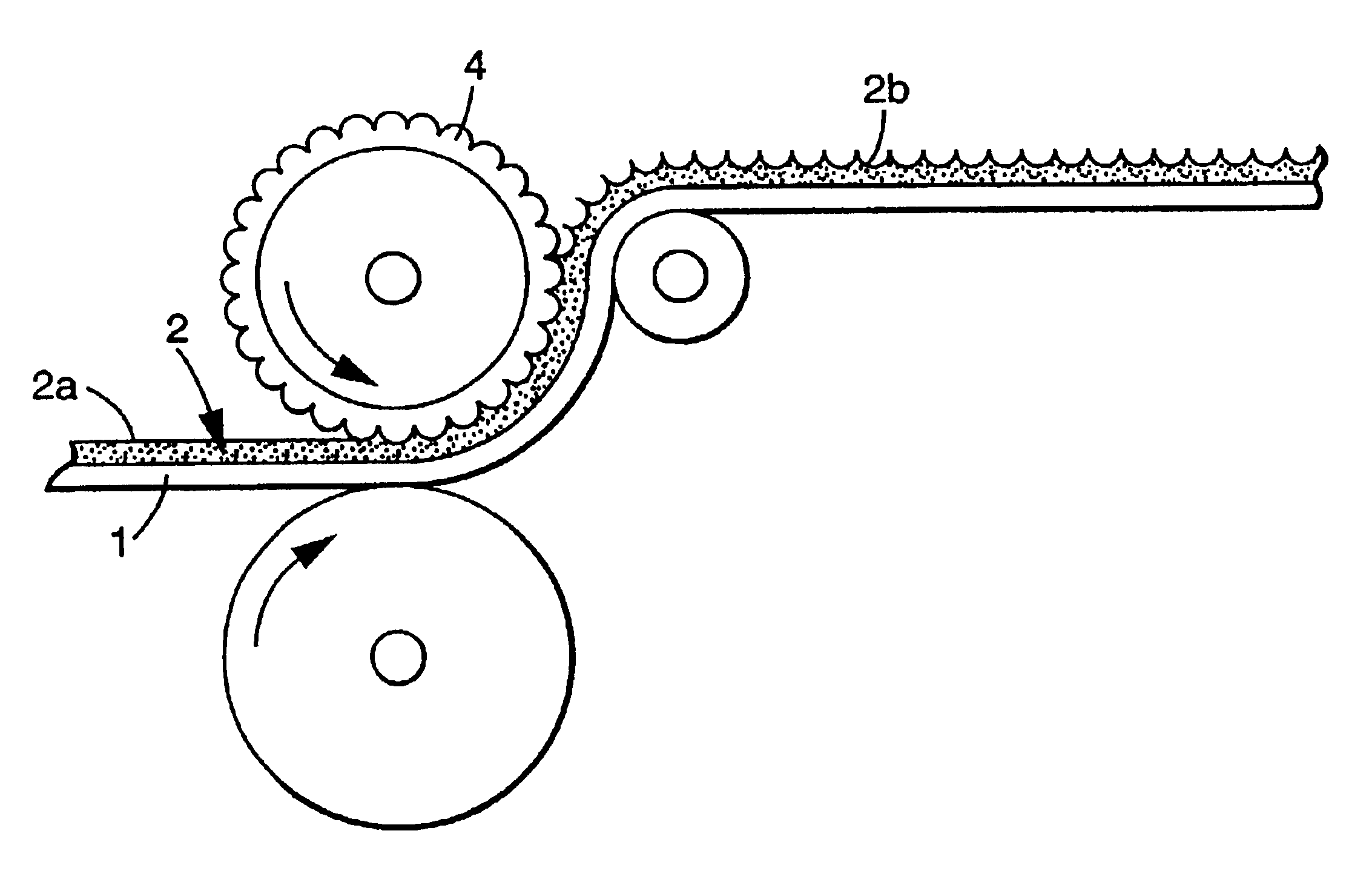
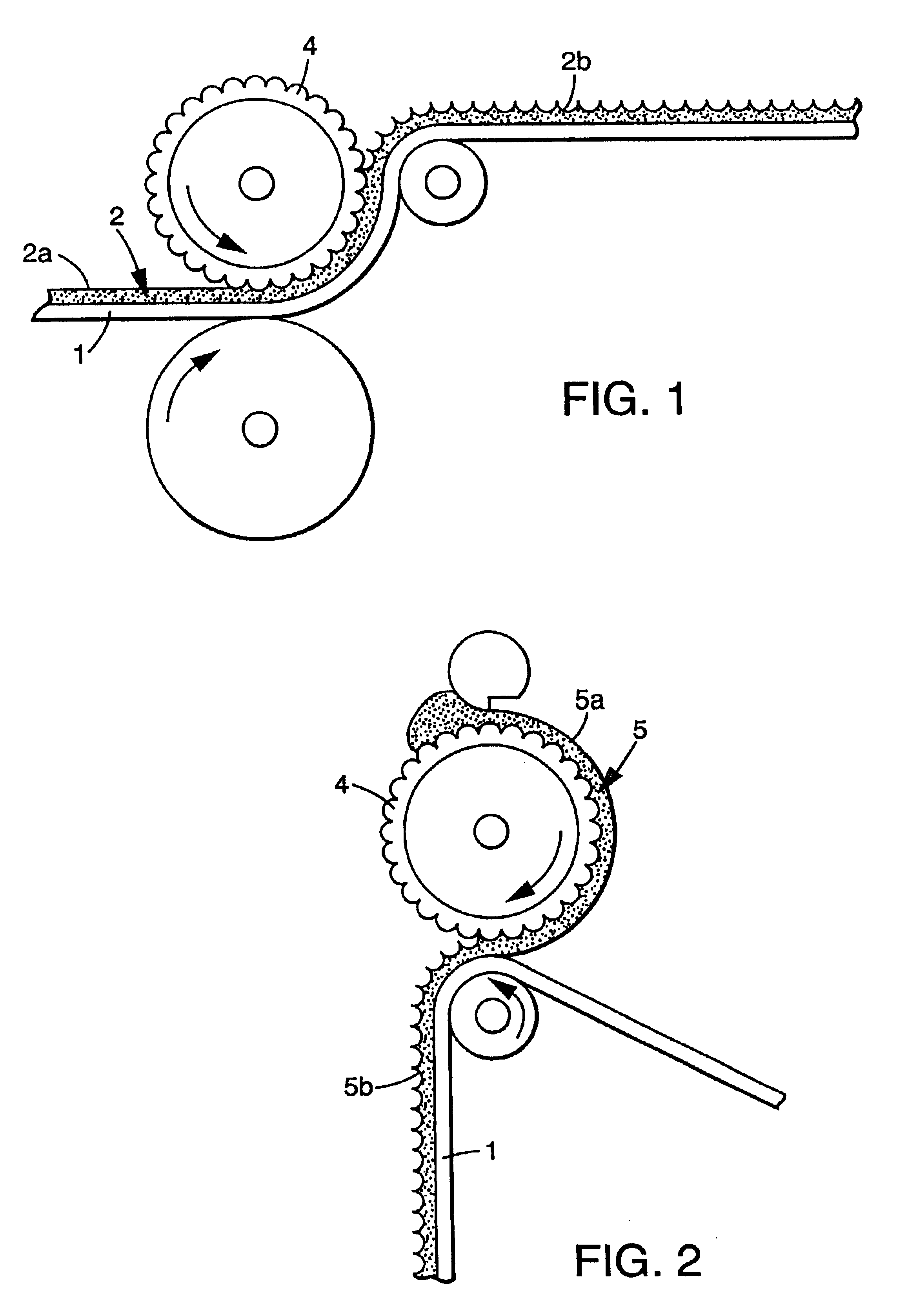
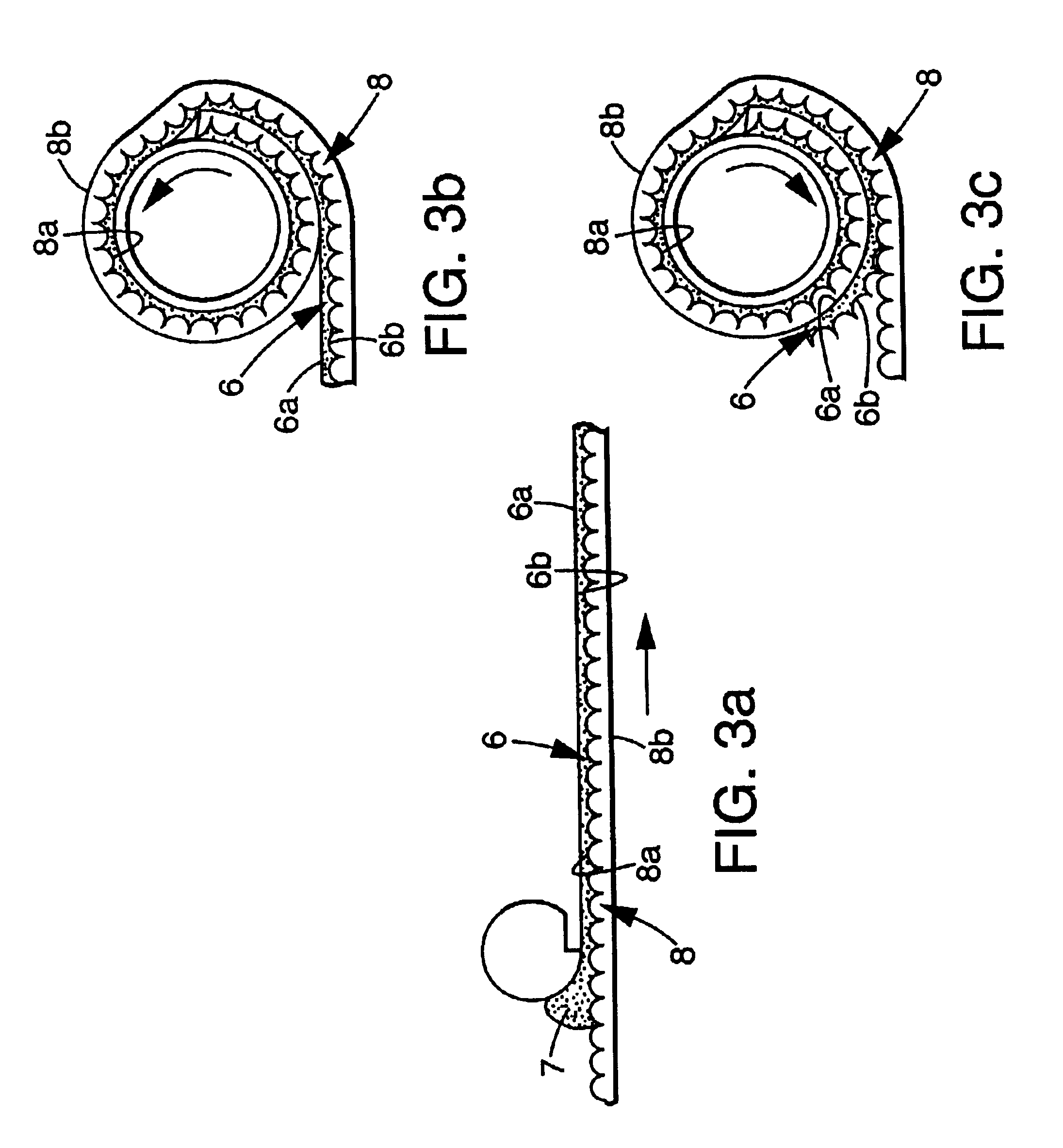
- The development of microstructured PSA articles with features having a lateral aspect ratio of 0.1 to 10, where at least two dimensions (height, width, and length) are microscopic, allowing for initial repositionability and adjustable long-term adhesion through the combination of microstructured patterns and rheological properties, achieved by embossing or coating with microstructured molding tools and backings.

Environmental Impact Assessment of Repositionable Adhesives
The environmental impact assessment of repositionable adhesives represents a critical evaluation framework that examines the ecological footprint throughout the entire lifecycle of these specialized bonding materials. This assessment encompasses raw material extraction, manufacturing processes, application phases, and end-of-life disposal or recycling scenarios. Given the increasing regulatory pressure and consumer awareness regarding environmental sustainability, understanding these impacts has become essential for both manufacturers and end-users seeking eco-friendly adhesive solutions.
Traditional repositionable adhesives often rely on synthetic polymers and chemical additives that may pose environmental concerns. Acrylic-based formulations, while offering excellent repositioning capabilities, can generate volatile organic compounds during manufacturing and application. Silicone-based alternatives typically demonstrate better environmental profiles due to their chemical stability and reduced toxicity, though their production processes may involve energy-intensive synthesis methods. The assessment must consider both direct environmental effects and indirect impacts through supply chain activities.
Lifecycle assessment methodologies reveal that repositionable adhesives generally exhibit lower environmental impacts compared to permanent alternatives when considering their extended usability and reduced waste generation. The ability to reposition and reuse these adhesives significantly reduces material consumption over time, offsetting some manufacturing-related environmental costs. However, the specialized chemistry required for repositioning functionality often involves more complex formulations that may increase the carbon footprint during production phases.
Biodegradability and recyclability present significant challenges for repositionable adhesive systems. Most current formulations demonstrate limited biodegradation rates due to their engineered durability requirements. Advanced bio-based alternatives incorporating renewable feedstocks show promise but often compromise performance characteristics essential for repositioning applications. The development of closed-loop recycling systems specifically designed for adhesive-bonded assemblies remains an emerging area requiring further technological advancement.
Regulatory frameworks increasingly emphasize the reduction of hazardous substances in adhesive formulations, driving innovation toward safer chemical alternatives. The REACH regulation in Europe and similar initiatives globally mandate comprehensive environmental and health impact assessments, influencing product development strategies. These regulatory pressures accelerate the adoption of green chemistry principles in repositionable adhesive design, promoting the use of renewable resources and elimination of persistent organic pollutants.
Future environmental impact mitigation strategies focus on developing fully biodegradable repositionable adhesives without performance compromises and establishing industry-wide standards for environmental assessment methodologies specific to repositionable bonding applications.
Traditional repositionable adhesives often rely on synthetic polymers and chemical additives that may pose environmental concerns. Acrylic-based formulations, while offering excellent repositioning capabilities, can generate volatile organic compounds during manufacturing and application. Silicone-based alternatives typically demonstrate better environmental profiles due to their chemical stability and reduced toxicity, though their production processes may involve energy-intensive synthesis methods. The assessment must consider both direct environmental effects and indirect impacts through supply chain activities.
Lifecycle assessment methodologies reveal that repositionable adhesives generally exhibit lower environmental impacts compared to permanent alternatives when considering their extended usability and reduced waste generation. The ability to reposition and reuse these adhesives significantly reduces material consumption over time, offsetting some manufacturing-related environmental costs. However, the specialized chemistry required for repositioning functionality often involves more complex formulations that may increase the carbon footprint during production phases.
Biodegradability and recyclability present significant challenges for repositionable adhesive systems. Most current formulations demonstrate limited biodegradation rates due to their engineered durability requirements. Advanced bio-based alternatives incorporating renewable feedstocks show promise but often compromise performance characteristics essential for repositioning applications. The development of closed-loop recycling systems specifically designed for adhesive-bonded assemblies remains an emerging area requiring further technological advancement.
Regulatory frameworks increasingly emphasize the reduction of hazardous substances in adhesive formulations, driving innovation toward safer chemical alternatives. The REACH regulation in Europe and similar initiatives globally mandate comprehensive environmental and health impact assessments, influencing product development strategies. These regulatory pressures accelerate the adoption of green chemistry principles in repositionable adhesive design, promoting the use of renewable resources and elimination of persistent organic pollutants.
Future environmental impact mitigation strategies focus on developing fully biodegradable repositionable adhesives without performance compromises and establishing industry-wide standards for environmental assessment methodologies specific to repositionable bonding applications.
Performance Testing Standards for Multi-Surface Adhesives
The establishment of comprehensive performance testing standards for multi-surface adhesives represents a critical foundation for evaluating repositionable adhesive technologies across diverse substrate applications. Current industry standards primarily focus on single-surface performance metrics, creating significant gaps in assessment methodologies for adhesives designed to function across multiple material types including metals, plastics, glass, textiles, and composite materials.
International standardization bodies including ASTM International, ISO, and PSTC have developed foundational testing protocols such as ASTM D3330 for peel adhesion and ISO 29862 for shear strength measurements. However, these standards lack specific provisions for evaluating repositionability characteristics and cross-surface performance consistency. The absence of standardized multi-surface testing protocols creates challenges in comparing adhesive performance across different manufacturers and applications.
Key performance parameters requiring standardized evaluation include initial tack strength, repositioning force requirements, adhesion buildup over time, and surface damage assessment upon removal. Temperature cycling tests, humidity resistance evaluations, and aging studies must be adapted to account for varying substrate thermal expansion coefficients and surface energy differences. Current testing gaps particularly affect evaluation of adhesive performance on low-surface-energy materials like polyethylene and PTFE.
Emerging testing methodologies incorporate automated peel testing systems capable of measuring repositioning forces in real-time, surface profilometry for damage assessment, and multi-axis testing configurations that simulate actual application conditions. Advanced characterization techniques including atomic force microscopy and surface energy analysis provide deeper insights into adhesive-substrate interactions across different materials.
The development of standardized multi-surface testing protocols requires collaboration between adhesive manufacturers, end-users, and standardization organizations to establish relevant performance benchmarks. These standards must address substrate preparation procedures, environmental conditioning requirements, and statistical analysis methods for multi-surface performance data. Implementation of comprehensive testing standards will enable more accurate performance predictions and facilitate innovation in repositionable adhesive technologies for diverse industrial applications.
International standardization bodies including ASTM International, ISO, and PSTC have developed foundational testing protocols such as ASTM D3330 for peel adhesion and ISO 29862 for shear strength measurements. However, these standards lack specific provisions for evaluating repositionability characteristics and cross-surface performance consistency. The absence of standardized multi-surface testing protocols creates challenges in comparing adhesive performance across different manufacturers and applications.
Key performance parameters requiring standardized evaluation include initial tack strength, repositioning force requirements, adhesion buildup over time, and surface damage assessment upon removal. Temperature cycling tests, humidity resistance evaluations, and aging studies must be adapted to account for varying substrate thermal expansion coefficients and surface energy differences. Current testing gaps particularly affect evaluation of adhesive performance on low-surface-energy materials like polyethylene and PTFE.
Emerging testing methodologies incorporate automated peel testing systems capable of measuring repositioning forces in real-time, surface profilometry for damage assessment, and multi-axis testing configurations that simulate actual application conditions. Advanced characterization techniques including atomic force microscopy and surface energy analysis provide deeper insights into adhesive-substrate interactions across different materials.
The development of standardized multi-surface testing protocols requires collaboration between adhesive manufacturers, end-users, and standardization organizations to establish relevant performance benchmarks. These standards must address substrate preparation procedures, environmental conditioning requirements, and statistical analysis methods for multi-surface performance data. Implementation of comprehensive testing standards will enable more accurate performance predictions and facilitate innovation in repositionable adhesive technologies for diverse industrial applications.
Unlock deeper insights with PatSnap Eureka Quick Research — get a full tech report to explore trends and direct your research. Try now!
Generate Your Research Report Instantly with AI Agent
Supercharge your innovation with PatSnap Eureka AI Agent Platform!