

Comparing Sensor Arrays vs. AI in Machine Olfaction: Efficiency
APR 29, 20269 MIN READ
Generate Your Research Report Instantly with AI Agent
PatSnap Eureka helps you evaluate technical feasibility & market potential.
Machine Olfaction Technology Background and Objectives
Machine olfaction technology represents a revolutionary approach to chemical sensing that mimics the human olfactory system's ability to detect, identify, and analyze volatile organic compounds and odorous substances. This interdisciplinary field emerged from the convergence of sensor technology, artificial intelligence, and biochemistry, aiming to replicate the sophisticated pattern recognition capabilities of biological smell perception through engineered systems.
The historical development of machine olfaction traces back to the 1980s when early electronic nose systems were first conceptualized using arrays of chemical sensors. These pioneering systems relied primarily on hardware-based sensor arrays comprising metal oxide semiconductors, conducting polymers, and piezoelectric crystals to generate distinctive response patterns for different odor molecules. The technology evolved significantly through the 1990s and 2000s with advances in sensor materials and signal processing techniques.
The advent of artificial intelligence and machine learning algorithms marked a paradigm shift in machine olfaction approaches. Modern AI-driven systems leverage deep learning networks, neural pattern recognition, and sophisticated data processing algorithms to interpret chemical signatures with unprecedented accuracy. This evolution has created two distinct technological pathways: traditional sensor array-based systems and AI-enhanced olfactory recognition platforms.
Contemporary machine olfaction technology aims to achieve several critical objectives that span multiple industrial and scientific applications. The primary goal involves developing systems capable of real-time odor detection and classification with sensitivity levels comparable to or exceeding human olfactory capabilities. These systems must demonstrate reliability across diverse environmental conditions while maintaining consistent performance over extended operational periods.
Efficiency optimization represents a fundamental objective driving current research and development efforts. This encompasses energy consumption minimization, processing speed enhancement, and cost-effectiveness in both manufacturing and deployment phases. The technology seeks to balance detection accuracy with computational efficiency, particularly in resource-constrained environments such as portable devices and embedded systems.
Another crucial objective involves expanding the scope of detectable compounds and improving selectivity in complex chemical environments. Modern applications demand systems capable of distinguishing between similar molecular structures and identifying target compounds within complex mixtures containing potential interferents.
The integration of machine olfaction technology into existing industrial processes and consumer applications represents an ongoing objective that requires seamless compatibility with current infrastructure while providing enhanced functionality and user experience.
The historical development of machine olfaction traces back to the 1980s when early electronic nose systems were first conceptualized using arrays of chemical sensors. These pioneering systems relied primarily on hardware-based sensor arrays comprising metal oxide semiconductors, conducting polymers, and piezoelectric crystals to generate distinctive response patterns for different odor molecules. The technology evolved significantly through the 1990s and 2000s with advances in sensor materials and signal processing techniques.
The advent of artificial intelligence and machine learning algorithms marked a paradigm shift in machine olfaction approaches. Modern AI-driven systems leverage deep learning networks, neural pattern recognition, and sophisticated data processing algorithms to interpret chemical signatures with unprecedented accuracy. This evolution has created two distinct technological pathways: traditional sensor array-based systems and AI-enhanced olfactory recognition platforms.
Contemporary machine olfaction technology aims to achieve several critical objectives that span multiple industrial and scientific applications. The primary goal involves developing systems capable of real-time odor detection and classification with sensitivity levels comparable to or exceeding human olfactory capabilities. These systems must demonstrate reliability across diverse environmental conditions while maintaining consistent performance over extended operational periods.
Efficiency optimization represents a fundamental objective driving current research and development efforts. This encompasses energy consumption minimization, processing speed enhancement, and cost-effectiveness in both manufacturing and deployment phases. The technology seeks to balance detection accuracy with computational efficiency, particularly in resource-constrained environments such as portable devices and embedded systems.
Another crucial objective involves expanding the scope of detectable compounds and improving selectivity in complex chemical environments. Modern applications demand systems capable of distinguishing between similar molecular structures and identifying target compounds within complex mixtures containing potential interferents.
The integration of machine olfaction technology into existing industrial processes and consumer applications represents an ongoing objective that requires seamless compatibility with current infrastructure while providing enhanced functionality and user experience.
Market Demand Analysis for Electronic Nose Applications
The electronic nose market demonstrates robust growth driven by increasing demand across multiple industrial sectors. Food and beverage industries represent the largest application segment, where electronic noses enable quality control, freshness monitoring, and contamination detection throughout production and supply chains. These systems provide consistent, objective assessments that surpass human sensory evaluation capabilities, particularly in high-volume manufacturing environments.
Healthcare applications constitute a rapidly expanding market segment, with electronic noses showing promise in disease diagnosis through breath analysis. Medical institutions increasingly recognize the potential for non-invasive diagnostic tools capable of detecting biomarkers associated with diabetes, cancer, respiratory diseases, and neurological conditions. The growing emphasis on early disease detection and personalized medicine creates substantial market opportunities for advanced olfactory sensing technologies.
Environmental monitoring represents another significant demand driver, as regulatory requirements for air quality assessment become more stringent globally. Industrial facilities, urban planning authorities, and environmental agencies require continuous monitoring systems capable of detecting pollutants, toxic gases, and odor emissions. Electronic noses offer advantages over traditional analytical methods through real-time monitoring capabilities and reduced operational costs.
The automotive industry presents emerging opportunities for electronic nose integration, particularly in cabin air quality management and safety applications. Vehicle manufacturers increasingly focus on passenger comfort and health, driving demand for systems that can detect harmful gases, monitor air freshness, and control ventilation systems automatically.
Agricultural applications show growing potential as precision farming techniques gain adoption. Electronic noses can assess crop quality, detect plant diseases, monitor soil conditions, and optimize storage environments for harvested products. The increasing focus on food security and sustainable agriculture practices supports market expansion in this sector.
Security and defense applications create specialized market niches for electronic nose technologies. Border control, airport security, and military operations require portable detection systems capable of identifying explosives, drugs, and chemical threats. These applications demand high sensitivity, reliability, and rapid response capabilities.
Market growth faces challenges including high initial investment costs, technical complexity, and the need for specialized expertise in system operation and maintenance. However, advancing sensor technologies, improved data processing algorithms, and decreasing component costs are gradually addressing these barriers, expanding market accessibility across diverse application domains.
Healthcare applications constitute a rapidly expanding market segment, with electronic noses showing promise in disease diagnosis through breath analysis. Medical institutions increasingly recognize the potential for non-invasive diagnostic tools capable of detecting biomarkers associated with diabetes, cancer, respiratory diseases, and neurological conditions. The growing emphasis on early disease detection and personalized medicine creates substantial market opportunities for advanced olfactory sensing technologies.
Environmental monitoring represents another significant demand driver, as regulatory requirements for air quality assessment become more stringent globally. Industrial facilities, urban planning authorities, and environmental agencies require continuous monitoring systems capable of detecting pollutants, toxic gases, and odor emissions. Electronic noses offer advantages over traditional analytical methods through real-time monitoring capabilities and reduced operational costs.
The automotive industry presents emerging opportunities for electronic nose integration, particularly in cabin air quality management and safety applications. Vehicle manufacturers increasingly focus on passenger comfort and health, driving demand for systems that can detect harmful gases, monitor air freshness, and control ventilation systems automatically.
Agricultural applications show growing potential as precision farming techniques gain adoption. Electronic noses can assess crop quality, detect plant diseases, monitor soil conditions, and optimize storage environments for harvested products. The increasing focus on food security and sustainable agriculture practices supports market expansion in this sector.
Security and defense applications create specialized market niches for electronic nose technologies. Border control, airport security, and military operations require portable detection systems capable of identifying explosives, drugs, and chemical threats. These applications demand high sensitivity, reliability, and rapid response capabilities.
Market growth faces challenges including high initial investment costs, technical complexity, and the need for specialized expertise in system operation and maintenance. However, advancing sensor technologies, improved data processing algorithms, and decreasing component costs are gradually addressing these barriers, expanding market accessibility across diverse application domains.
Current State of Sensor Arrays vs AI in Olfaction
Machine olfaction technology currently operates through two primary paradigms: traditional sensor array systems and artificial intelligence-driven approaches. Sensor arrays, predominantly based on metal oxide semiconductors, conducting polymers, and quartz crystal microbalances, have established themselves as the conventional foundation for electronic nose applications. These systems typically employ 10-50 individual sensors, each responding differently to various volatile organic compounds, creating unique fingerprint patterns for odor identification.
Traditional sensor array systems demonstrate mature commercial deployment across food quality control, environmental monitoring, and medical diagnostics. Companies like Alpha MOS, Airsense Analytics, and Electronic Sensor Technology have developed robust platforms achieving detection limits in the parts-per-billion range. However, these systems face significant limitations including sensor drift, cross-sensitivity issues, and extensive calibration requirements that impact long-term reliability and operational efficiency.
The integration of artificial intelligence represents a paradigm shift in machine olfaction capabilities. Modern AI approaches leverage deep learning algorithms, particularly convolutional neural networks and recurrent neural networks, to process complex odor data patterns. These systems can operate with simplified sensor configurations while achieving superior pattern recognition through advanced signal processing and feature extraction algorithms.
Current AI-enhanced olfaction systems demonstrate remarkable improvements in classification accuracy and adaptability. Machine learning models can compensate for sensor drift through continuous learning algorithms, reducing maintenance requirements and extending operational lifespans. Companies like Aryballe Technologies and Stratuscent have pioneered AI-first approaches, achieving comparable or superior performance to traditional arrays using significantly fewer physical sensors.
The efficiency comparison reveals distinct advantages for each approach. Sensor arrays provide immediate, real-time responses with minimal computational overhead but require extensive hardware infrastructure and regular recalibration. AI systems demand substantial computational resources and training data but offer enhanced flexibility, reduced hardware complexity, and improved long-term stability.
Hybrid approaches combining optimized sensor arrays with AI processing are emerging as the most promising solution. These systems leverage the reliability of physical sensors while harnessing AI's pattern recognition capabilities, achieving enhanced efficiency through reduced sensor counts and improved accuracy through intelligent data processing algorithms.
Traditional sensor array systems demonstrate mature commercial deployment across food quality control, environmental monitoring, and medical diagnostics. Companies like Alpha MOS, Airsense Analytics, and Electronic Sensor Technology have developed robust platforms achieving detection limits in the parts-per-billion range. However, these systems face significant limitations including sensor drift, cross-sensitivity issues, and extensive calibration requirements that impact long-term reliability and operational efficiency.
The integration of artificial intelligence represents a paradigm shift in machine olfaction capabilities. Modern AI approaches leverage deep learning algorithms, particularly convolutional neural networks and recurrent neural networks, to process complex odor data patterns. These systems can operate with simplified sensor configurations while achieving superior pattern recognition through advanced signal processing and feature extraction algorithms.
Current AI-enhanced olfaction systems demonstrate remarkable improvements in classification accuracy and adaptability. Machine learning models can compensate for sensor drift through continuous learning algorithms, reducing maintenance requirements and extending operational lifespans. Companies like Aryballe Technologies and Stratuscent have pioneered AI-first approaches, achieving comparable or superior performance to traditional arrays using significantly fewer physical sensors.
The efficiency comparison reveals distinct advantages for each approach. Sensor arrays provide immediate, real-time responses with minimal computational overhead but require extensive hardware infrastructure and regular recalibration. AI systems demand substantial computational resources and training data but offer enhanced flexibility, reduced hardware complexity, and improved long-term stability.
Hybrid approaches combining optimized sensor arrays with AI processing are emerging as the most promising solution. These systems leverage the reliability of physical sensors while harnessing AI's pattern recognition capabilities, achieving enhanced efficiency through reduced sensor counts and improved accuracy through intelligent data processing algorithms.
Current Sensor Array and AI-based Olfaction Solutions
01 Electronic nose sensor array optimization
Advanced sensor array configurations and optimization techniques are employed to enhance the detection capabilities of electronic nose systems. These approaches focus on improving sensor sensitivity, selectivity, and response time through optimized sensor arrangements and signal processing algorithms. The technology enables better discrimination between different odor compounds and reduces cross-sensitivity issues.- Electronic nose sensor array optimization: Advanced sensor array configurations and optimization techniques are employed to enhance the detection capabilities of electronic nose systems. These approaches focus on improving sensor sensitivity, selectivity, and response time through optimized sensor arrangements and signal processing algorithms. The technology enables better discrimination between different odor compounds and reduces interference from environmental factors.
- Machine learning algorithms for odor recognition: Artificial intelligence and machine learning techniques are integrated into olfactory systems to improve pattern recognition and classification accuracy. These methods utilize neural networks, deep learning, and statistical analysis to process complex odor signatures and enhance identification performance. The algorithms can adapt and learn from new odor patterns to continuously improve detection efficiency.
- Gas chromatography integration and analysis: Integration of gas chromatography techniques with electronic olfaction systems provides enhanced analytical capabilities for volatile compound detection. This approach combines separation science with electronic sensing to achieve higher specificity and quantitative analysis of odor components. The technology enables detailed chemical fingerprinting and improved identification of complex odor mixtures.
- Portable and miniaturized detection devices: Development of compact, portable electronic nose devices focuses on maintaining high detection efficiency while reducing size and power consumption. These systems incorporate microelectronics, MEMS technology, and efficient sampling methods to create field-deployable solutions. The miniaturization enables real-time monitoring applications in various environments without compromising detection performance.
- Multi-modal sensing and data fusion: Advanced olfactory systems employ multiple sensing modalities and data fusion techniques to enhance overall detection efficiency and reliability. These approaches combine different sensor technologies, environmental monitoring, and cross-validation methods to reduce false positives and improve accuracy. The integration of complementary sensing mechanisms provides robust odor detection across diverse operating conditions.
02 Machine learning algorithms for odor recognition
Artificial intelligence and machine learning techniques are integrated into olfactory systems to improve pattern recognition and classification accuracy. These methods include neural networks, deep learning algorithms, and statistical analysis approaches that can learn from training data to identify and classify various odor signatures with higher precision and reliability.Expand Specific Solutions03 Gas chromatography integration and analysis
Integration of gas chromatography techniques with electronic olfaction systems enhances the analytical capabilities for complex odor analysis. This approach combines separation techniques with detection methods to provide detailed chemical composition analysis and improved identification of volatile organic compounds in various applications.Expand Specific Solutions04 Portable and miniaturized olfaction devices
Development of compact, portable electronic nose devices that maintain high efficiency while reducing size and power consumption. These systems incorporate miniaturized sensors, optimized electronics, and efficient data processing capabilities to enable field deployment and real-time odor monitoring in various environments.Expand Specific Solutions05 Multi-modal sensing and data fusion
Advanced systems that combine multiple sensing modalities and data fusion techniques to enhance overall olfaction efficiency. These approaches integrate different types of sensors, environmental parameters, and analytical methods to provide comprehensive odor analysis with improved accuracy and reduced false positives.Expand Specific Solutions
Key Players in Electronic Nose and AI Olfaction Industry
The machine olfaction industry is experiencing rapid evolution as it transitions from early research phases to commercial applications, with the market expanding significantly driven by healthcare diagnostics, food safety, and environmental monitoring demands. The competitive landscape reveals a bifurcated approach between traditional sensor array technologies and emerging AI-driven solutions. Leading academic institutions including MIT, Caltech, and various Chinese universities are advancing fundamental research, while companies like Sony Group Corp., LG Electronics, and specialized firms such as Koniku Inc. and Realnose Inc. are developing commercial implementations. Technology maturity varies considerably, with established players like Smiths Detection and Henkel AG leveraging proven sensor technologies, while innovative companies like Aigan Technology and Komi Hakko are pioneering bionic olfactory chips and human-perception-based sensing systems, indicating a market poised for significant technological convergence and commercial breakthrough.
Sony Group Corp.
Technical Solution: Sony has developed advanced semiconductor-based sensor arrays for machine olfaction applications, integrating CMOS technology with chemical sensing capabilities. Their approach combines traditional sensor array architectures with AI-enhanced signal processing algorithms to improve detection accuracy and reduce power consumption. The company's sensor systems utilize multi-modal sensing approaches that can detect volatile organic compounds with high sensitivity. Sony's technology focuses on miniaturization and integration, making their olfactory sensors suitable for consumer electronics and automotive applications. Their AI algorithms employ machine learning techniques to enhance pattern recognition and reduce false positives in odor detection systems.
Strengths: Strong semiconductor manufacturing capabilities, excellent miniaturization technology, robust AI integration. Weaknesses: Limited specialization in chemical sensing compared to dedicated olfactory companies, higher cost for specialized applications.
Massachusetts Institute of Technology
Technical Solution: MIT has conducted extensive research comparing sensor array architectures with AI-enhanced approaches for machine olfaction, developing novel algorithms that optimize the trade-offs between hardware complexity and computational efficiency. Their research focuses on neuromorphic computing approaches that mimic biological olfactory systems, creating efficient processing architectures for odor recognition tasks. The institute's work includes development of sparse coding algorithms that can achieve high accuracy with minimal sensor arrays when combined with advanced machine learning techniques. MIT's research demonstrates that AI algorithms can significantly reduce the number of required sensors while maintaining or improving detection performance. Their studies have shown that hybrid approaches combining optimized sensor placement with deep learning can achieve superior efficiency compared to traditional dense sensor arrays.
Strengths: Cutting-edge research capabilities, innovative algorithmic approaches, strong theoretical foundations. Weaknesses: Academic focus limits commercial implementation, technology transfer challenges for industrial applications.
Core Technologies in Sensor Arrays vs AI Algorithms
Hybrid sensor array
PatentInactiveUS20150268208A1
Innovation
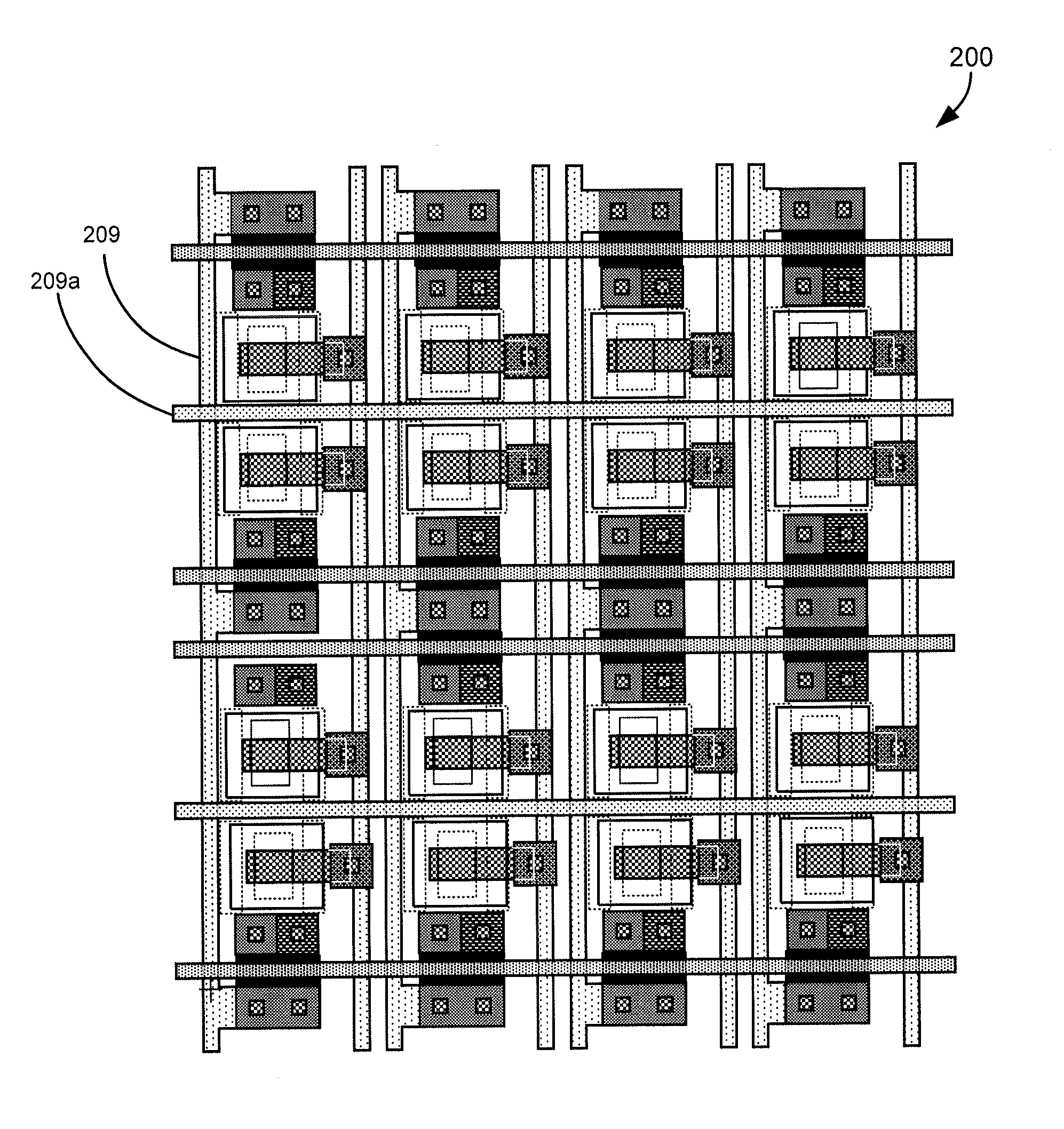
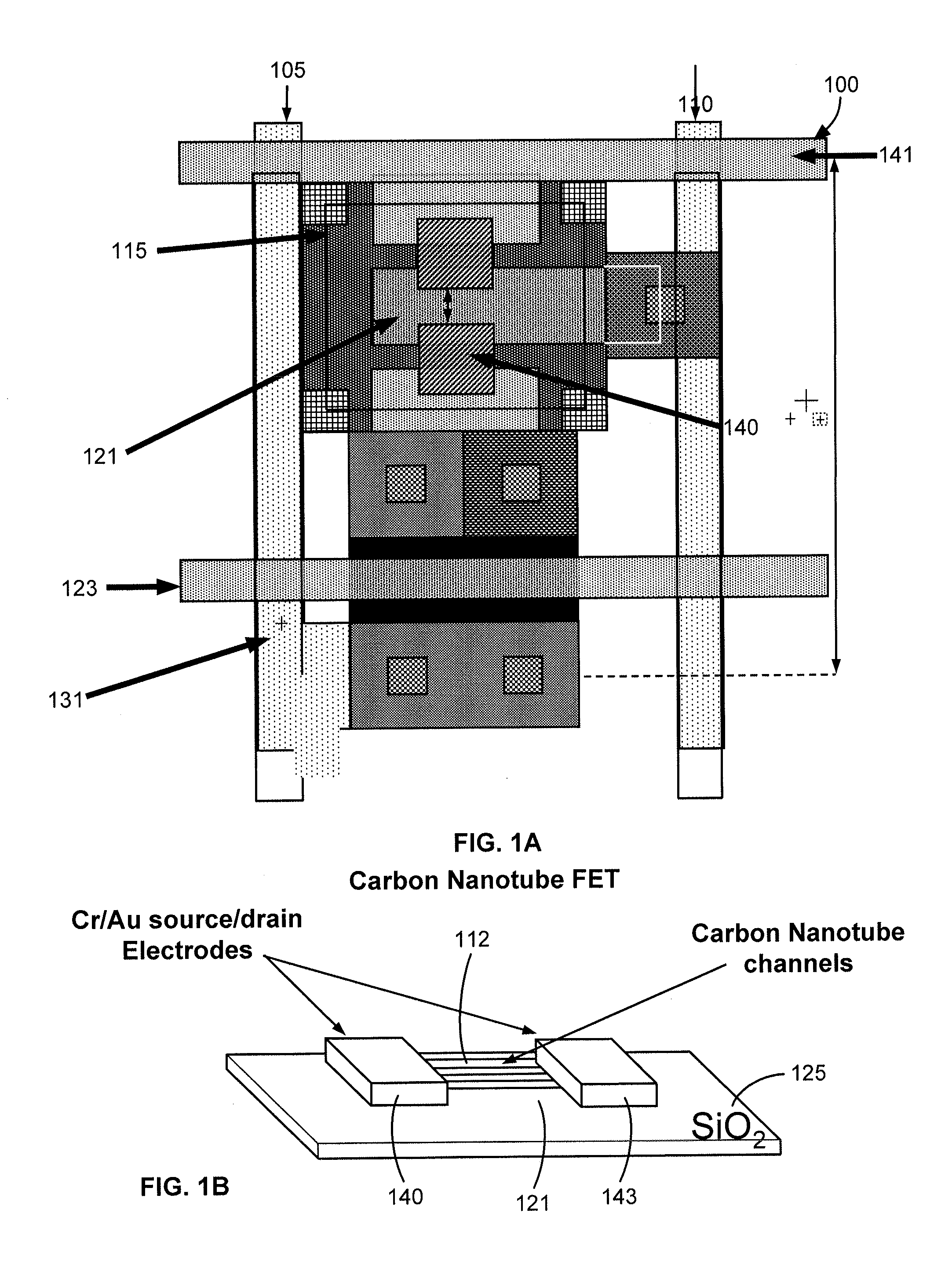
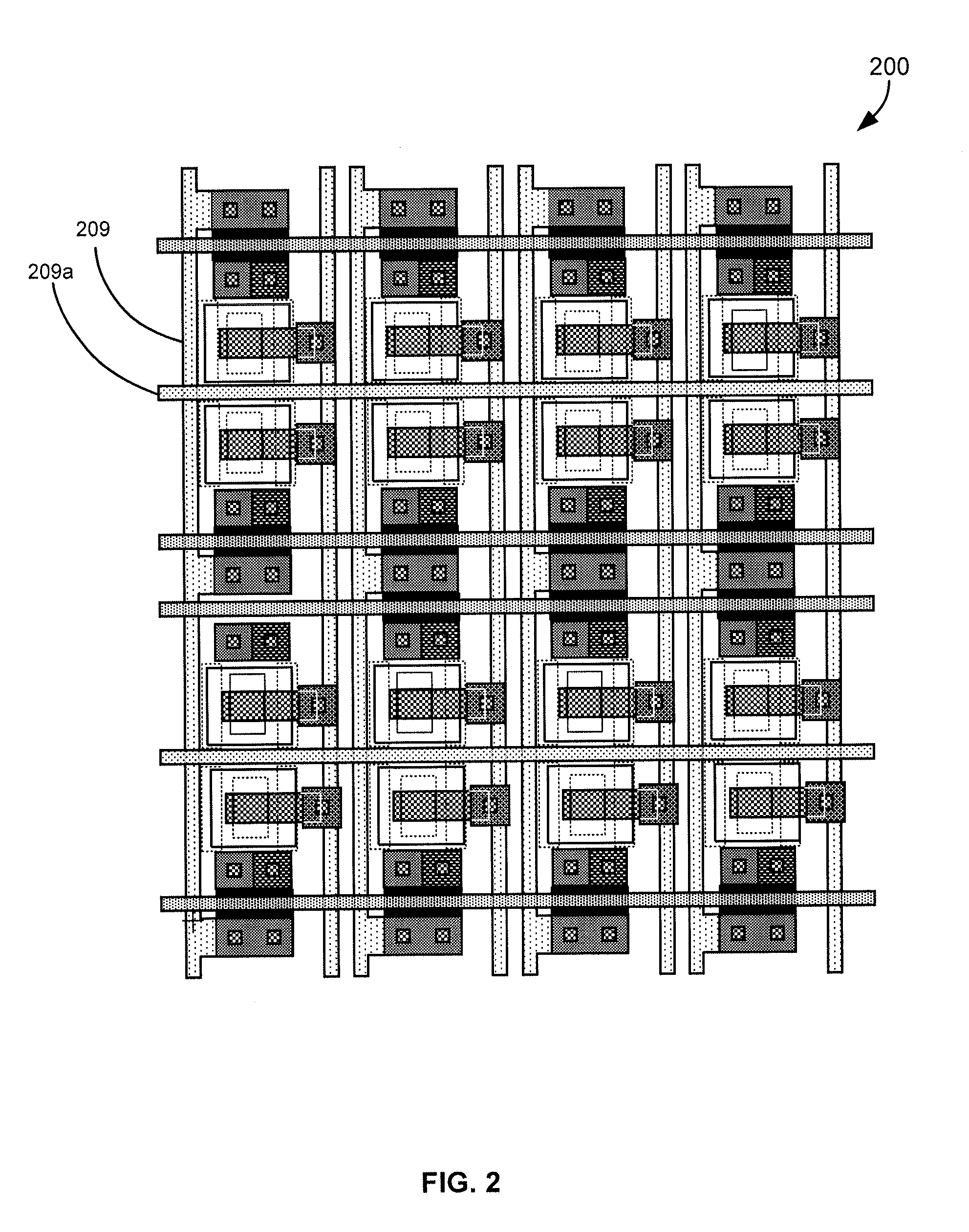
- A hybrid sensor array comprising digitally addressable carbon nanotube or graphene field-effect transistors functionalized with interaction-mediating molecular species or hybrid molecular constructs, such as single-strand DNA or membrane proteins, to enhance selectivity and sensitivity.

A robust artificial olfactory system
PatentWO2025179386A1
Innovation
- A robust artificial olfaction system using a sensor array with polymer composite thin films and artificial intelligence to detect volatile organic compounds, capable of ignoring background confounding aromas and accounting for sensor degradation and drift, through preprocessing and normalization of electrical signals using filters and normalization units, followed by AI-based inference.


Performance Benchmarking and Efficiency Metrics
Performance benchmarking in machine olfaction requires establishing standardized metrics that accurately reflect the operational efficiency of both sensor array-based systems and AI-driven approaches. Traditional evaluation frameworks focus on detection accuracy, response time, and sensitivity thresholds, but these metrics alone fail to capture the comprehensive efficiency picture in real-world deployment scenarios.
Sensor array systems demonstrate measurable advantages in power consumption metrics, typically operating at 10-50 milliwatts per sensor node compared to AI systems requiring 500-2000 milliwatts for processing units. Response latency represents another critical efficiency parameter, where electrochemical sensors achieve detection times of 100-500 milliseconds, while AI processing introduces additional computational delays of 50-200 milliseconds depending on model complexity and hardware specifications.
Throughput efficiency varies significantly between approaches. Sensor arrays can simultaneously process multiple analytes through parallel detection channels, achieving sample processing rates of 10-100 samples per minute. AI systems, constrained by sequential processing requirements, typically handle 5-50 samples per minute, though this limitation diminishes with advanced parallel computing architectures and optimized inference engines.
Calibration stability emerges as a crucial long-term efficiency metric. Sensor arrays require recalibration every 30-90 days due to drift phenomena, consuming operational resources and reducing system availability. AI models, once trained, maintain consistent performance over extended periods, requiring retraining only when encountering novel chemical signatures or environmental conditions outside training parameters.
Cost-per-detection analysis reveals divergent efficiency profiles across deployment scales. Small-scale implementations favor sensor arrays with lower initial investment requirements, while large-scale deployments benefit from AI systems' scalability advantages. The crossover point typically occurs at installations processing more than 1000 samples daily, where AI systems' higher computational overhead becomes economically justified through reduced maintenance requirements and enhanced analytical capabilities.
Environmental robustness metrics indicate that sensor arrays maintain stable performance across temperature ranges of -20°C to 60°C with humidity tolerance up to 95% relative humidity. AI systems demonstrate superior adaptability to environmental variations through software-based compensation algorithms, maintaining accuracy within 2-5% deviation across similar environmental ranges without hardware modifications.
Sensor array systems demonstrate measurable advantages in power consumption metrics, typically operating at 10-50 milliwatts per sensor node compared to AI systems requiring 500-2000 milliwatts for processing units. Response latency represents another critical efficiency parameter, where electrochemical sensors achieve detection times of 100-500 milliseconds, while AI processing introduces additional computational delays of 50-200 milliseconds depending on model complexity and hardware specifications.
Throughput efficiency varies significantly between approaches. Sensor arrays can simultaneously process multiple analytes through parallel detection channels, achieving sample processing rates of 10-100 samples per minute. AI systems, constrained by sequential processing requirements, typically handle 5-50 samples per minute, though this limitation diminishes with advanced parallel computing architectures and optimized inference engines.
Calibration stability emerges as a crucial long-term efficiency metric. Sensor arrays require recalibration every 30-90 days due to drift phenomena, consuming operational resources and reducing system availability. AI models, once trained, maintain consistent performance over extended periods, requiring retraining only when encountering novel chemical signatures or environmental conditions outside training parameters.
Cost-per-detection analysis reveals divergent efficiency profiles across deployment scales. Small-scale implementations favor sensor arrays with lower initial investment requirements, while large-scale deployments benefit from AI systems' scalability advantages. The crossover point typically occurs at installations processing more than 1000 samples daily, where AI systems' higher computational overhead becomes economically justified through reduced maintenance requirements and enhanced analytical capabilities.
Environmental robustness metrics indicate that sensor arrays maintain stable performance across temperature ranges of -20°C to 60°C with humidity tolerance up to 95% relative humidity. AI systems demonstrate superior adaptability to environmental variations through software-based compensation algorithms, maintaining accuracy within 2-5% deviation across similar environmental ranges without hardware modifications.
Integration Challenges in Industrial Olfaction Systems
The integration of machine olfaction systems into industrial environments presents multifaceted challenges that significantly impact the efficiency comparison between sensor arrays and AI-based approaches. These challenges stem from the complex interplay between hardware limitations, software requirements, and operational constraints inherent in industrial settings.
Hardware integration represents a primary obstacle, particularly when deploying sensor arrays in harsh industrial conditions. Traditional electronic nose systems require precise calibration and maintenance protocols that may conflict with continuous production schedules. Temperature fluctuations, humidity variations, and electromagnetic interference common in manufacturing facilities can severely compromise sensor performance and data reliability. AI-enhanced systems, while potentially more robust through adaptive algorithms, face similar environmental constraints but may demonstrate superior resilience through real-time compensation mechanisms.
Data acquisition and processing infrastructure poses another significant challenge. Sensor arrays generate substantial volumes of raw data requiring high-bandwidth communication networks and substantial storage capacity. The integration of these systems with existing industrial control networks often necessitates extensive modifications to legacy infrastructure. AI-based approaches compound this complexity by demanding additional computational resources for real-time processing, creating potential bottlenecks in time-critical applications.
Standardization and interoperability issues further complicate integration efforts. Industrial olfaction systems must interface with diverse equipment from multiple vendors, each employing different communication protocols and data formats. The absence of universal standards for odor measurement and classification creates compatibility challenges that can significantly increase implementation costs and complexity.
Maintenance and calibration requirements present ongoing operational challenges. Sensor arrays typically require frequent recalibration to maintain accuracy, potentially disrupting production workflows. AI systems, while offering self-learning capabilities, introduce complexity in validation and verification processes, particularly in regulated industries where traceability and compliance are paramount.
The human factor cannot be overlooked in integration planning. Operators require comprehensive training to effectively utilize these sophisticated systems, and the transition from traditional quality control methods to automated olfaction systems often encounters resistance. Successfully addressing these integration challenges is crucial for realizing the full efficiency potential of either sensor array or AI-based machine olfaction solutions in industrial applications.
Hardware integration represents a primary obstacle, particularly when deploying sensor arrays in harsh industrial conditions. Traditional electronic nose systems require precise calibration and maintenance protocols that may conflict with continuous production schedules. Temperature fluctuations, humidity variations, and electromagnetic interference common in manufacturing facilities can severely compromise sensor performance and data reliability. AI-enhanced systems, while potentially more robust through adaptive algorithms, face similar environmental constraints but may demonstrate superior resilience through real-time compensation mechanisms.
Data acquisition and processing infrastructure poses another significant challenge. Sensor arrays generate substantial volumes of raw data requiring high-bandwidth communication networks and substantial storage capacity. The integration of these systems with existing industrial control networks often necessitates extensive modifications to legacy infrastructure. AI-based approaches compound this complexity by demanding additional computational resources for real-time processing, creating potential bottlenecks in time-critical applications.
Standardization and interoperability issues further complicate integration efforts. Industrial olfaction systems must interface with diverse equipment from multiple vendors, each employing different communication protocols and data formats. The absence of universal standards for odor measurement and classification creates compatibility challenges that can significantly increase implementation costs and complexity.
Maintenance and calibration requirements present ongoing operational challenges. Sensor arrays typically require frequent recalibration to maintain accuracy, potentially disrupting production workflows. AI systems, while offering self-learning capabilities, introduce complexity in validation and verification processes, particularly in regulated industries where traceability and compliance are paramount.
The human factor cannot be overlooked in integration planning. Operators require comprehensive training to effectively utilize these sophisticated systems, and the transition from traditional quality control methods to automated olfaction systems often encounters resistance. Successfully addressing these integration challenges is crucial for realizing the full efficiency potential of either sensor array or AI-based machine olfaction solutions in industrial applications.
Unlock deeper insights with PatSnap Eureka Quick Research — get a full tech report to explore trends and direct your research. Try now!
Generate Your Research Report Instantly with AI Agent
Supercharge your innovation with PatSnap Eureka AI Agent Platform!