

Machine Olfaction in Disaster Response: Real-Time Analysis Capabilities
APR 29, 20269 MIN READ
Generate Your Research Report Instantly with AI Agent
PatSnap Eureka helps you evaluate technical feasibility & market potential.
Machine Olfaction Disaster Response Background and Objectives
Machine olfaction technology has emerged from decades of research in chemical sensing and artificial intelligence, tracing its origins to early gas chromatography systems in the 1950s and evolving through electronic nose developments in the 1980s. The field has experienced significant advancement with the integration of machine learning algorithms, miniaturized sensor arrays, and improved pattern recognition capabilities, transforming from laboratory-based instruments to portable, real-time detection systems.
The evolution of this technology reflects a growing understanding of chemical vapor detection principles, sensor material science, and computational pattern matching. Early systems required extensive calibration periods and controlled environments, while modern iterations leverage advanced algorithms and robust sensor designs to operate effectively in challenging field conditions. This technological maturation has coincided with increasing recognition of the critical role that rapid chemical detection plays in emergency response scenarios.
Contemporary disaster response operations face unprecedented challenges due to climate change, industrial expansion, and urbanization trends. Traditional detection methods often prove inadequate when rapid identification of hazardous substances, structural damage indicators, or biological threats becomes essential for responder safety and effective resource deployment. The limitations of human olfactory capabilities and conventional analytical equipment create significant gaps in situational awareness during critical response phases.
The primary objective of implementing machine olfaction in disaster response centers on developing real-time analytical capabilities that can instantly identify and quantify airborne chemical signatures associated with various emergency scenarios. This includes detecting toxic gas leaks, identifying accelerants in fire investigations, monitoring air quality during industrial accidents, and recognizing biological contamination markers in natural disasters.
Secondary objectives encompass enhancing responder safety through early warning systems, improving decision-making processes through rapid data acquisition, and establishing comprehensive environmental monitoring networks that can predict hazard evolution patterns. The technology aims to provide actionable intelligence within seconds rather than the hours or days required by traditional laboratory analysis methods.
The ultimate goal involves creating integrated sensor networks capable of autonomous operation in extreme environments while maintaining high accuracy and reliability standards. These systems must demonstrate robust performance across diverse chemical backgrounds, varying atmospheric conditions, and the chaotic environments typical of disaster zones, ultimately transforming emergency response protocols through enhanced situational awareness and predictive capabilities.
The evolution of this technology reflects a growing understanding of chemical vapor detection principles, sensor material science, and computational pattern matching. Early systems required extensive calibration periods and controlled environments, while modern iterations leverage advanced algorithms and robust sensor designs to operate effectively in challenging field conditions. This technological maturation has coincided with increasing recognition of the critical role that rapid chemical detection plays in emergency response scenarios.
Contemporary disaster response operations face unprecedented challenges due to climate change, industrial expansion, and urbanization trends. Traditional detection methods often prove inadequate when rapid identification of hazardous substances, structural damage indicators, or biological threats becomes essential for responder safety and effective resource deployment. The limitations of human olfactory capabilities and conventional analytical equipment create significant gaps in situational awareness during critical response phases.
The primary objective of implementing machine olfaction in disaster response centers on developing real-time analytical capabilities that can instantly identify and quantify airborne chemical signatures associated with various emergency scenarios. This includes detecting toxic gas leaks, identifying accelerants in fire investigations, monitoring air quality during industrial accidents, and recognizing biological contamination markers in natural disasters.
Secondary objectives encompass enhancing responder safety through early warning systems, improving decision-making processes through rapid data acquisition, and establishing comprehensive environmental monitoring networks that can predict hazard evolution patterns. The technology aims to provide actionable intelligence within seconds rather than the hours or days required by traditional laboratory analysis methods.
The ultimate goal involves creating integrated sensor networks capable of autonomous operation in extreme environments while maintaining high accuracy and reliability standards. These systems must demonstrate robust performance across diverse chemical backgrounds, varying atmospheric conditions, and the chaotic environments typical of disaster zones, ultimately transforming emergency response protocols through enhanced situational awareness and predictive capabilities.
Market Demand for Real-Time Chemical Detection in Emergency Response
The emergency response sector demonstrates substantial demand for real-time chemical detection technologies, driven by increasing frequency and complexity of industrial accidents, natural disasters, and security threats. Traditional response protocols rely heavily on visual assessment and basic detection equipment, creating significant gaps in hazard identification and personnel safety. The growing industrial footprint globally has amplified the potential for chemical releases during emergencies, necessitating advanced detection capabilities that can operate effectively in chaotic environments.
First responders face critical challenges when entering unknown chemical environments without adequate detection systems. Current portable detection devices often require manual operation, provide limited chemical identification capabilities, and lack the speed necessary for dynamic emergency situations. This operational gap has created urgent demand for automated, comprehensive chemical analysis systems that can function independently while providing real-time data to command centers and field personnel.
The market demand extends beyond traditional emergency services to encompass industrial safety teams, environmental response units, and military applications. Industrial facilities require rapid chemical leak detection to minimize exposure risks and environmental damage. Environmental agencies need sophisticated monitoring capabilities for assessing contamination levels during disaster response operations. Military and security forces require portable systems capable of identifying chemical threats in various operational scenarios.
Healthcare systems represent another significant demand driver, requiring rapid chemical identification to guide medical treatment protocols for exposure victims. Emergency departments need immediate access to chemical composition data to determine appropriate decontamination procedures and medical interventions. This creates demand for detection systems that can interface with medical information networks and provide treatment-relevant data formats.
The increasing complexity of modern chemical environments has outpaced traditional detection methodologies. Industrial sites contain diverse chemical inventories that can interact unpredictably during emergencies, creating novel compounds that standard detection equipment cannot identify. This complexity drives demand for advanced analytical capabilities that can process multiple simultaneous chemical signatures and provide comprehensive environmental assessments.
Regulatory frameworks increasingly mandate enhanced chemical detection capabilities for emergency response organizations. Safety standards require documented chemical exposure assessments and real-time monitoring during response operations. These regulatory requirements create sustained market demand for compliant detection technologies that can provide legally defensible documentation of chemical environments and exposure levels.
The integration requirements with existing emergency management systems represent a crucial market demand factor. Response organizations need detection technologies that seamlessly interface with command and control systems, geographic information platforms, and communication networks. This interoperability requirement shapes market demand toward sophisticated systems capable of multi-platform integration while maintaining operational reliability under extreme conditions.
First responders face critical challenges when entering unknown chemical environments without adequate detection systems. Current portable detection devices often require manual operation, provide limited chemical identification capabilities, and lack the speed necessary for dynamic emergency situations. This operational gap has created urgent demand for automated, comprehensive chemical analysis systems that can function independently while providing real-time data to command centers and field personnel.
The market demand extends beyond traditional emergency services to encompass industrial safety teams, environmental response units, and military applications. Industrial facilities require rapid chemical leak detection to minimize exposure risks and environmental damage. Environmental agencies need sophisticated monitoring capabilities for assessing contamination levels during disaster response operations. Military and security forces require portable systems capable of identifying chemical threats in various operational scenarios.
Healthcare systems represent another significant demand driver, requiring rapid chemical identification to guide medical treatment protocols for exposure victims. Emergency departments need immediate access to chemical composition data to determine appropriate decontamination procedures and medical interventions. This creates demand for detection systems that can interface with medical information networks and provide treatment-relevant data formats.
The increasing complexity of modern chemical environments has outpaced traditional detection methodologies. Industrial sites contain diverse chemical inventories that can interact unpredictably during emergencies, creating novel compounds that standard detection equipment cannot identify. This complexity drives demand for advanced analytical capabilities that can process multiple simultaneous chemical signatures and provide comprehensive environmental assessments.
Regulatory frameworks increasingly mandate enhanced chemical detection capabilities for emergency response organizations. Safety standards require documented chemical exposure assessments and real-time monitoring during response operations. These regulatory requirements create sustained market demand for compliant detection technologies that can provide legally defensible documentation of chemical environments and exposure levels.
The integration requirements with existing emergency management systems represent a crucial market demand factor. Response organizations need detection technologies that seamlessly interface with command and control systems, geographic information platforms, and communication networks. This interoperability requirement shapes market demand toward sophisticated systems capable of multi-platform integration while maintaining operational reliability under extreme conditions.
Current State and Challenges of Machine Olfaction in Disaster Scenarios
Machine olfaction technology for disaster response has achieved significant progress in recent years, yet remains in a relatively nascent stage compared to other sensing modalities. Current electronic nose systems demonstrate capabilities in detecting specific chemical signatures associated with various disaster scenarios, including gas leaks, structural fires, and hazardous material spills. However, these systems primarily operate in controlled laboratory environments or semi-controlled field conditions, with limited deployment in actual emergency response operations.
The technological landscape is dominated by metal oxide semiconductor sensors, conducting polymer arrays, and surface acoustic wave devices. These sensor technologies can identify volatile organic compounds and inorganic gases with varying degrees of accuracy and selectivity. Commercial systems from companies like Alpha MOS, Airsense Analytics, and Electronic Sensor Technology have shown promise in industrial monitoring applications, but their adaptation to disaster scenarios remains limited.
Real-time processing capabilities represent a critical bottleneck in current implementations. Most existing systems require several minutes to complete a full analysis cycle, including sample collection, sensor response stabilization, and pattern recognition processing. This latency significantly hampers their effectiveness in rapidly evolving disaster situations where immediate chemical threat identification is crucial for first responder safety and evacuation decisions.
Environmental robustness poses another substantial challenge. Disaster environments typically involve extreme temperatures, high humidity, smoke, dust, and electromagnetic interference. Current machine olfaction systems struggle to maintain consistent performance under these harsh conditions. Sensor drift, cross-sensitivity to environmental factors, and mechanical vulnerability limit their reliability when deployed in actual emergency scenarios.
Data interpretation complexity further constrains practical implementation. Chemical plumes in disaster environments contain complex mixtures of compounds that create overlapping sensor responses. Distinguishing between different threat signatures while filtering out background interference requires sophisticated pattern recognition algorithms that often lack the speed and accuracy needed for real-time decision making.
Power consumption and portability issues also limit field deployment. Most current systems require substantial power supplies and are not designed for mobile operation by emergency personnel. The integration of machine olfaction capabilities into existing emergency response equipment and protocols remains largely unexplored, creating additional barriers to widespread adoption in disaster response operations.
The technological landscape is dominated by metal oxide semiconductor sensors, conducting polymer arrays, and surface acoustic wave devices. These sensor technologies can identify volatile organic compounds and inorganic gases with varying degrees of accuracy and selectivity. Commercial systems from companies like Alpha MOS, Airsense Analytics, and Electronic Sensor Technology have shown promise in industrial monitoring applications, but their adaptation to disaster scenarios remains limited.
Real-time processing capabilities represent a critical bottleneck in current implementations. Most existing systems require several minutes to complete a full analysis cycle, including sample collection, sensor response stabilization, and pattern recognition processing. This latency significantly hampers their effectiveness in rapidly evolving disaster situations where immediate chemical threat identification is crucial for first responder safety and evacuation decisions.
Environmental robustness poses another substantial challenge. Disaster environments typically involve extreme temperatures, high humidity, smoke, dust, and electromagnetic interference. Current machine olfaction systems struggle to maintain consistent performance under these harsh conditions. Sensor drift, cross-sensitivity to environmental factors, and mechanical vulnerability limit their reliability when deployed in actual emergency scenarios.
Data interpretation complexity further constrains practical implementation. Chemical plumes in disaster environments contain complex mixtures of compounds that create overlapping sensor responses. Distinguishing between different threat signatures while filtering out background interference requires sophisticated pattern recognition algorithms that often lack the speed and accuracy needed for real-time decision making.
Power consumption and portability issues also limit field deployment. Most current systems require substantial power supplies and are not designed for mobile operation by emergency personnel. The integration of machine olfaction capabilities into existing emergency response equipment and protocols remains largely unexplored, creating additional barriers to widespread adoption in disaster response operations.
Existing Real-Time Chemical Analysis Solutions for Disasters
01 Real-time odor detection and identification systems
Advanced machine olfaction systems capable of detecting and identifying various odors in real-time using electronic nose technology. These systems employ sensor arrays and pattern recognition algorithms to analyze volatile organic compounds and provide immediate feedback on odor characteristics and concentrations.- Real-time odor detection and analysis systems: Advanced electronic nose systems capable of detecting and analyzing odors in real-time using sensor arrays and signal processing algorithms. These systems can identify specific chemical compounds and volatile organic compounds through pattern recognition and machine learning techniques, enabling immediate response to odor detection events.
- Machine learning algorithms for olfactory pattern recognition: Implementation of artificial intelligence and machine learning algorithms to process and interpret complex olfactory data patterns. These systems utilize neural networks and deep learning approaches to classify and identify different odor signatures, improving accuracy and reliability of machine olfaction systems over time through continuous learning.
- Sensor array technologies for chemical detection: Development of sophisticated sensor arrays incorporating multiple detection technologies such as metal oxide sensors, conducting polymer sensors, and optical sensors. These arrays work together to create comprehensive chemical fingerprints of odor samples, enabling precise identification and quantification of various volatile compounds in real-time applications.
- Data processing and signal analysis methods: Advanced signal processing techniques for converting raw sensor data into meaningful olfactory information. These methods include noise reduction, feature extraction, and data fusion algorithms that enhance the quality and reliability of olfactory measurements, enabling accurate real-time analysis of complex odor mixtures.
- Portable and miniaturized olfaction devices: Development of compact, portable electronic nose devices capable of real-time olfactory analysis in field conditions. These miniaturized systems integrate sensors, processing units, and communication capabilities into handheld or wearable formats, enabling on-site odor detection and analysis for various industrial and environmental applications.
02 Multi-sensor array integration for enhanced detection
Integration of multiple sensor types and arrays to improve the accuracy and reliability of machine olfaction systems. This approach combines different sensing technologies to create comprehensive odor profiles and enhance the system's ability to distinguish between similar compounds in complex environments.Expand Specific Solutions03 Machine learning algorithms for odor pattern recognition
Implementation of artificial intelligence and machine learning techniques to analyze odor patterns and improve recognition accuracy. These algorithms process sensor data to identify specific odor signatures and can be trained to recognize new compounds over time.Expand Specific Solutions04 Portable and miniaturized olfaction devices
Development of compact, portable machine olfaction systems that maintain real-time analysis capabilities while being suitable for field applications. These devices incorporate miniaturized sensors and processing units to enable on-site odor detection and analysis.Expand Specific Solutions05 Industrial and environmental monitoring applications
Specialized machine olfaction systems designed for continuous monitoring in industrial processes and environmental applications. These systems provide real-time analysis of air quality, process control, and safety monitoring by detecting specific chemical compounds and odor changes.Expand Specific Solutions
Key Players in Machine Olfaction and Disaster Response Technology
The machine olfaction technology for disaster response is in its early development stage, representing a niche but rapidly evolving market with significant growth potential driven by increasing demand for advanced emergency detection systems. The market remains relatively small but shows promising expansion as governments and organizations prioritize enhanced disaster preparedness capabilities. Technology maturity varies significantly across players, with specialized companies like Realnose Inc. leading digital olfaction platforms, while established technology giants such as Fujitsu Ltd. and detection specialists like Smiths Detection Ltd. leverage their existing sensor expertise. Research institutions including Brown University, George Mason University, and Xidian University contribute foundational research, while organizations like Shenyang Fire Research Institute focus on practical disaster response applications. The competitive landscape features a mix of startups, established technology companies, and academic institutions, indicating the technology's transitional phase from research to commercial viability with substantial room for innovation and market development.
Shenyang Fire Research Institute of Emergency Management Department
Technical Solution: The Shenyang Fire Research Institute has developed specialized fire detection and analysis systems that incorporate advanced chemical sensing technologies for early fire detection and characterization. Their research focuses on multi-parameter detection systems that can identify specific combustion products and smoke characteristics to determine fire type, intensity, and potential hazards. The technology employs arrays of gas sensors optimized for detecting carbon monoxide, hydrogen cyanide, and other toxic combustion products commonly produced in building fires. Their systems integrate thermal imaging and chemical detection to provide comprehensive fire scene analysis capabilities. The institute has developed portable units for firefighter deployment that can assess chemical hazards in real-time during emergency response operations.
Strengths: Specialized expertise in fire-related chemical detection with direct application to disaster response scenarios. Weaknesses: Limited commercial availability and focus primarily on fire-related applications rather than broader chemical threat detection.
Fujitsu Ltd.
Technical Solution: Fujitsu has developed IoT-based environmental monitoring solutions that incorporate chemical sensing capabilities for smart city and disaster management applications. Their technology platform integrates multiple sensor types including gas sensors, particulate matter detectors, and meteorological instruments to provide comprehensive environmental awareness. The system utilizes edge computing and AI processing to analyze sensor data in real-time, identifying anomalous chemical signatures that may indicate fires, industrial accidents, or other emergency situations. Their cloud-based analytics platform can correlate data from multiple sensor nodes to track the spread of chemical plumes and predict affected areas. The technology supports integration with existing emergency management systems and provides automated alerting capabilities to relevant authorities.
Strengths: Strong IT infrastructure and cloud computing capabilities with established IoT platform integration. Weaknesses: Limited specialization in chemical detection compared to dedicated sensor companies, potentially affecting detection sensitivity and accuracy.
Core Innovations in Rapid Olfactory Sensing for Emergency Response
Method for detecting and identifying toxic and harmful gases based on machine olfaction
PatentActiveUS20200200724A1
Innovation
- A method utilizing a machine olfactory system combined with Selected Linear Discriminate Analysis (SLDA) and a two-dimensional distance discriminant method to analyze gas samples, extracting recognition features and identifying gases through a recognition feature matrix comparison.
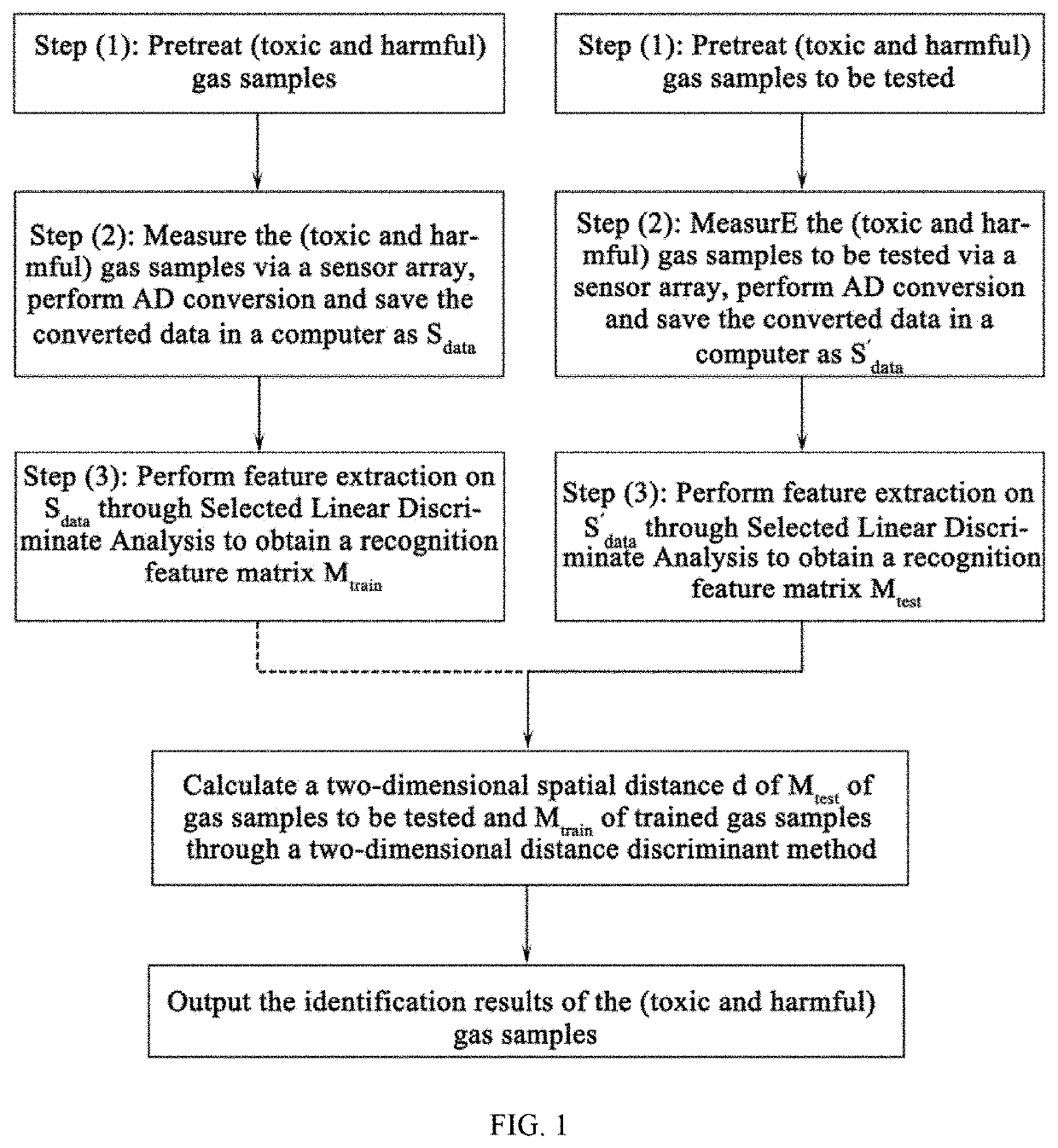
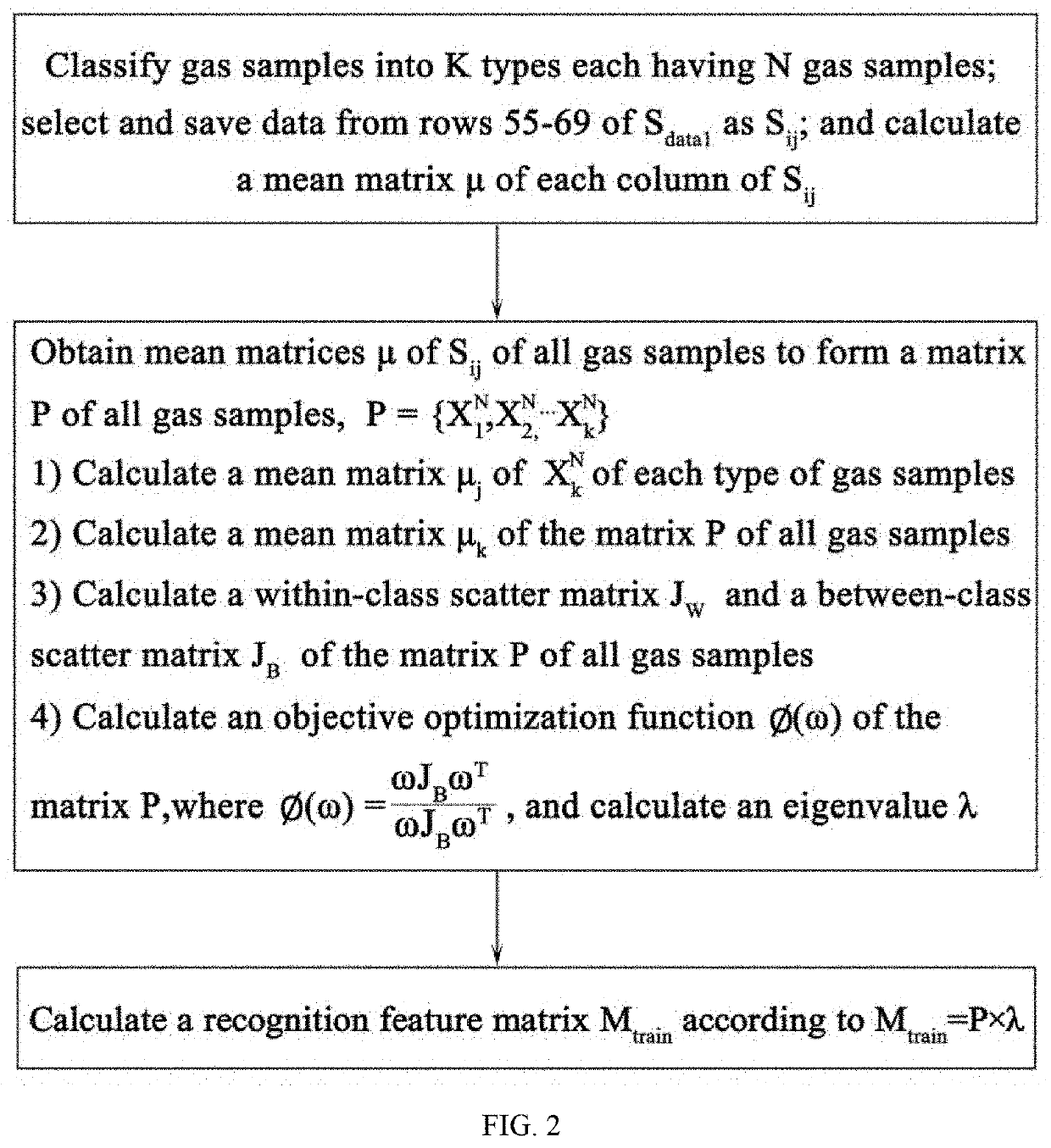
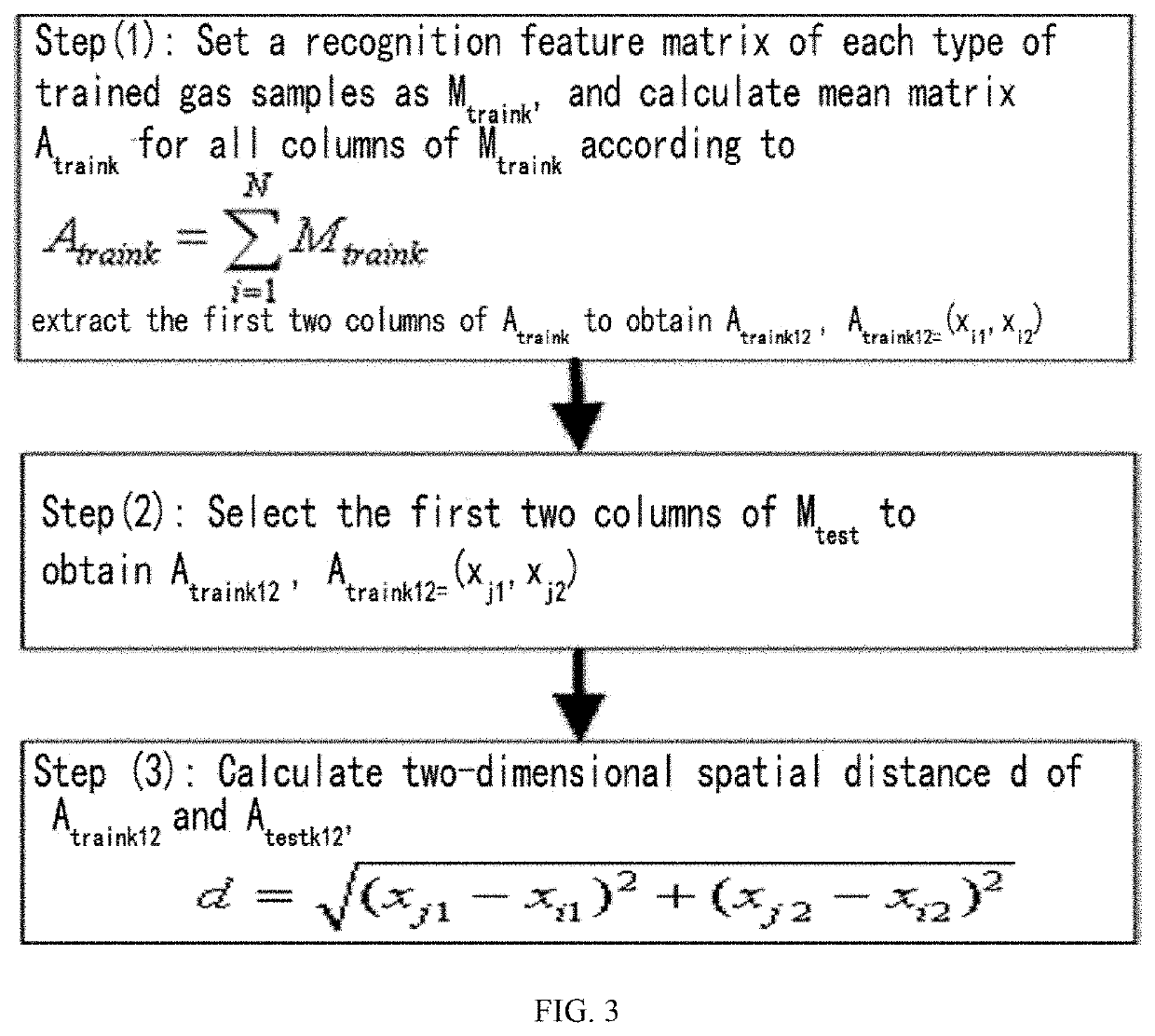

Multi-parametric machine olfaction
PatentActiveUS11828742B2
Innovation
- A system comprising an array of chemical, pressure, and temperature sensors, along with a temporal airflow modulator, which provides sniffed vapors in a temporally-modulated sequence through multiple air paths, expanding the feature space and mimicking biological olfaction by incorporating spatiotemporal time signatures and physical properties of odors.


Safety Standards and Regulations for Emergency Detection Equipment
The regulatory landscape for machine olfaction systems in disaster response is governed by multiple international and national standards that ensure reliability, accuracy, and safety in emergency situations. The International Electrotechnical Commission (IEC) provides foundational standards through IEC 61508 for functional safety of electrical systems, which directly applies to electronic nose technologies used in emergency detection. Additionally, ISO 45001 occupational health and safety management systems establish requirements for workplace safety equipment, including chemical detection devices.
Emergency detection equipment must comply with ATEX directives in European markets, ensuring safe operation in potentially explosive atmospheres commonly encountered during industrial disasters. The National Institute for Occupational Safety and Health (NIOSH) in the United States mandates specific performance criteria for gas detection equipment, including response time thresholds, detection limits, and calibration requirements that directly impact machine olfaction systems.
Certification processes require extensive testing under simulated emergency conditions, including temperature extremes, humidity variations, and electromagnetic interference scenarios. Equipment must demonstrate consistent performance across operational temperature ranges of -40°C to +70°C and maintain accuracy within ±10% of target concentrations for critical gases. Response time requirements typically mandate detection and alarm activation within 30 seconds for life-threatening concentrations.
Quality assurance protocols mandate regular calibration cycles, typically every 90 days for portable units and monthly for fixed installations. Documentation requirements include comprehensive maintenance logs, calibration certificates, and performance validation records. Manufacturers must provide detailed technical specifications, including cross-sensitivity data, detection ranges, and environmental operating limits.
Emerging regulations specifically address artificial intelligence integration in safety systems, requiring transparent decision-making algorithms and fail-safe mechanisms. The European Union's proposed AI Act includes provisions for high-risk AI applications in safety-critical environments, potentially impacting machine learning algorithms used in pattern recognition for chemical identification. These evolving standards emphasize the need for explainable AI systems that can provide clear justification for detection decisions during emergency response operations.
Emergency detection equipment must comply with ATEX directives in European markets, ensuring safe operation in potentially explosive atmospheres commonly encountered during industrial disasters. The National Institute for Occupational Safety and Health (NIOSH) in the United States mandates specific performance criteria for gas detection equipment, including response time thresholds, detection limits, and calibration requirements that directly impact machine olfaction systems.
Certification processes require extensive testing under simulated emergency conditions, including temperature extremes, humidity variations, and electromagnetic interference scenarios. Equipment must demonstrate consistent performance across operational temperature ranges of -40°C to +70°C and maintain accuracy within ±10% of target concentrations for critical gases. Response time requirements typically mandate detection and alarm activation within 30 seconds for life-threatening concentrations.
Quality assurance protocols mandate regular calibration cycles, typically every 90 days for portable units and monthly for fixed installations. Documentation requirements include comprehensive maintenance logs, calibration certificates, and performance validation records. Manufacturers must provide detailed technical specifications, including cross-sensitivity data, detection ranges, and environmental operating limits.
Emerging regulations specifically address artificial intelligence integration in safety systems, requiring transparent decision-making algorithms and fail-safe mechanisms. The European Union's proposed AI Act includes provisions for high-risk AI applications in safety-critical environments, potentially impacting machine learning algorithms used in pattern recognition for chemical identification. These evolving standards emphasize the need for explainable AI systems that can provide clear justification for detection decisions during emergency response operations.
Integration Challenges with First Responder Communication Systems
The integration of machine olfaction systems into existing first responder communication networks presents significant technical and operational challenges that must be addressed to ensure effective disaster response capabilities. Current emergency communication infrastructures rely heavily on radio frequency protocols, digital trunking systems, and standardized incident command structures that were not originally designed to accommodate real-time chemical sensing data streams.
Bandwidth limitations represent a primary constraint when incorporating continuous olfactory sensor data into emergency communication networks. Machine olfaction systems generate substantial data volumes through multi-sensor arrays that sample atmospheric conditions at high frequencies. Traditional emergency radio systems operate on narrow bandwidth allocations, making it difficult to transmit complex chemical signature data alongside voice communications and GPS coordinates without causing network congestion or communication delays.
Protocol compatibility issues arise from the diverse communication standards used across different emergency response agencies. Fire departments, hazardous materials teams, and emergency medical services often operate on separate radio networks with distinct data formatting requirements. Machine olfaction systems must therefore support multiple communication protocols simultaneously, including P25, TETRA, and various proprietary emergency service standards, while maintaining data integrity across platform transitions.
Real-time data prioritization becomes critical when chemical threat information must compete with other emergency communications for network resources. Machine olfaction systems require sophisticated algorithms to determine when chemical detection data warrants immediate transmission versus routine monitoring updates. This necessitates intelligent filtering mechanisms that can distinguish between background environmental readings and actionable threat signatures requiring immediate first responder attention.
Interoperability challenges extend beyond technical specifications to encompass training and procedural integration. First responders must be equipped to interpret machine olfaction alerts within their existing operational frameworks, requiring standardized alert formats and clear escalation procedures. The integration process must also account for varying technological capabilities across different emergency response organizations, ensuring that smaller departments with limited resources can still access critical chemical detection information through simplified interfaces or relay systems.
Bandwidth limitations represent a primary constraint when incorporating continuous olfactory sensor data into emergency communication networks. Machine olfaction systems generate substantial data volumes through multi-sensor arrays that sample atmospheric conditions at high frequencies. Traditional emergency radio systems operate on narrow bandwidth allocations, making it difficult to transmit complex chemical signature data alongside voice communications and GPS coordinates without causing network congestion or communication delays.
Protocol compatibility issues arise from the diverse communication standards used across different emergency response agencies. Fire departments, hazardous materials teams, and emergency medical services often operate on separate radio networks with distinct data formatting requirements. Machine olfaction systems must therefore support multiple communication protocols simultaneously, including P25, TETRA, and various proprietary emergency service standards, while maintaining data integrity across platform transitions.
Real-time data prioritization becomes critical when chemical threat information must compete with other emergency communications for network resources. Machine olfaction systems require sophisticated algorithms to determine when chemical detection data warrants immediate transmission versus routine monitoring updates. This necessitates intelligent filtering mechanisms that can distinguish between background environmental readings and actionable threat signatures requiring immediate first responder attention.
Interoperability challenges extend beyond technical specifications to encompass training and procedural integration. First responders must be equipped to interpret machine olfaction alerts within their existing operational frameworks, requiring standardized alert formats and clear escalation procedures. The integration process must also account for varying technological capabilities across different emergency response organizations, ensuring that smaller departments with limited resources can still access critical chemical detection information through simplified interfaces or relay systems.
Unlock deeper insights with PatSnap Eureka Quick Research — get a full tech report to explore trends and direct your research. Try now!
Generate Your Research Report Instantly with AI Agent
Supercharge your innovation with PatSnap Eureka AI Agent Platform!