Comparing Triethanolamine Efficacy as a Buffer in Different Media
APR 3, 20268 MIN READ
Generate Your Research Report Instantly with AI Agent
PatSnap Eureka helps you evaluate technical feasibility & market potential.
TEA Buffer Technology Background and Objectives
Triethanolamine (TEA) has emerged as a critical buffering agent in biochemical and analytical applications since its introduction in the mid-20th century. Originally developed for industrial applications, TEA's unique chemical properties, including its tertiary amine structure and multiple hydroxyl groups, have made it indispensable in maintaining pH stability across diverse experimental conditions. The compound's ability to function effectively in both aqueous and non-aqueous systems has positioned it as a versatile solution for complex buffering challenges.
The evolution of TEA buffer technology reflects broader advances in analytical chemistry and biotechnology. Early applications focused primarily on protein purification and enzyme assays, where maintaining precise pH conditions was crucial for biological activity. As analytical techniques became more sophisticated, researchers recognized that TEA's buffering capacity varied significantly depending on the medium composition, leading to systematic investigations of its performance across different solvent systems.
Contemporary research has revealed that TEA's buffering efficacy is highly dependent on medium characteristics, including ionic strength, temperature, and the presence of organic solvents or co-solutes. These findings have prompted comprehensive comparative studies to establish optimal conditions for specific applications. The growing complexity of modern analytical procedures, particularly in pharmaceutical development and environmental monitoring, has intensified the need for reliable buffering systems that maintain stability across varied experimental matrices.
Current technological objectives center on developing predictive models for TEA buffer performance in different media compositions. Researchers aim to establish standardized protocols that account for medium-specific interactions affecting buffer capacity and pH stability. Advanced spectroscopic and electrochemical techniques are being employed to characterize TEA's molecular behavior in various environments, providing insights into the fundamental mechanisms governing its buffering action.
The ultimate goal involves creating comprehensive databases that correlate medium properties with TEA buffering performance, enabling researchers to select optimal buffer concentrations and conditions for specific applications. This systematic approach promises to enhance reproducibility in analytical procedures while expanding TEA's utility in emerging fields such as green chemistry and sustainable analytical methods.
The evolution of TEA buffer technology reflects broader advances in analytical chemistry and biotechnology. Early applications focused primarily on protein purification and enzyme assays, where maintaining precise pH conditions was crucial for biological activity. As analytical techniques became more sophisticated, researchers recognized that TEA's buffering capacity varied significantly depending on the medium composition, leading to systematic investigations of its performance across different solvent systems.
Contemporary research has revealed that TEA's buffering efficacy is highly dependent on medium characteristics, including ionic strength, temperature, and the presence of organic solvents or co-solutes. These findings have prompted comprehensive comparative studies to establish optimal conditions for specific applications. The growing complexity of modern analytical procedures, particularly in pharmaceutical development and environmental monitoring, has intensified the need for reliable buffering systems that maintain stability across varied experimental matrices.
Current technological objectives center on developing predictive models for TEA buffer performance in different media compositions. Researchers aim to establish standardized protocols that account for medium-specific interactions affecting buffer capacity and pH stability. Advanced spectroscopic and electrochemical techniques are being employed to characterize TEA's molecular behavior in various environments, providing insights into the fundamental mechanisms governing its buffering action.
The ultimate goal involves creating comprehensive databases that correlate medium properties with TEA buffering performance, enabling researchers to select optimal buffer concentrations and conditions for specific applications. This systematic approach promises to enhance reproducibility in analytical procedures while expanding TEA's utility in emerging fields such as green chemistry and sustainable analytical methods.
Market Demand for TEA Buffer Applications
The pharmaceutical industry represents the largest market segment for triethanolamine buffer applications, driven by stringent regulatory requirements for drug formulation stability and biocompatibility. TEA buffers are extensively utilized in injectable medications, topical formulations, and oral drug delivery systems where precise pH control is critical for therapeutic efficacy. The growing global pharmaceutical market, particularly in emerging economies, continues to expand demand for reliable buffering agents that can maintain drug stability across diverse storage conditions and administration routes.
Biotechnology and life sciences research constitute another significant demand driver, with TEA buffers playing essential roles in protein purification, cell culture media, and diagnostic assay development. The rapid expansion of biopharmaceutical manufacturing and personalized medicine approaches has intensified requirements for high-purity buffering systems capable of supporting complex biological processes. Research institutions and contract research organizations increasingly specify TEA-based buffer systems for their reproducibility and compatibility with sensitive biological materials.
The cosmetics and personal care industry demonstrates substantial growth potential for TEA buffer applications, particularly in premium skincare formulations and anti-aging products. Consumer preferences for pH-balanced cosmetic products have driven manufacturers to incorporate sophisticated buffering systems that maintain product stability while ensuring skin compatibility. The trend toward natural and organic cosmetic formulations has created opportunities for TEA buffers derived from sustainable sources.
Industrial applications, including metal processing, textile manufacturing, and chemical synthesis, represent established market segments with steady demand patterns. TEA buffers serve critical functions in electroplating processes, fabric treatment operations, and catalytic reactions where pH stability directly impacts product quality and process efficiency. The increasing emphasis on process optimization and quality control in manufacturing environments supports continued market growth.
Emerging applications in environmental remediation and water treatment present new market opportunities, as TEA buffers demonstrate effectiveness in heavy metal removal and pH adjustment processes. The growing focus on sustainable industrial practices and environmental compliance creates additional demand for versatile buffering solutions capable of supporting green chemistry initiatives.
Biotechnology and life sciences research constitute another significant demand driver, with TEA buffers playing essential roles in protein purification, cell culture media, and diagnostic assay development. The rapid expansion of biopharmaceutical manufacturing and personalized medicine approaches has intensified requirements for high-purity buffering systems capable of supporting complex biological processes. Research institutions and contract research organizations increasingly specify TEA-based buffer systems for their reproducibility and compatibility with sensitive biological materials.
The cosmetics and personal care industry demonstrates substantial growth potential for TEA buffer applications, particularly in premium skincare formulations and anti-aging products. Consumer preferences for pH-balanced cosmetic products have driven manufacturers to incorporate sophisticated buffering systems that maintain product stability while ensuring skin compatibility. The trend toward natural and organic cosmetic formulations has created opportunities for TEA buffers derived from sustainable sources.
Industrial applications, including metal processing, textile manufacturing, and chemical synthesis, represent established market segments with steady demand patterns. TEA buffers serve critical functions in electroplating processes, fabric treatment operations, and catalytic reactions where pH stability directly impacts product quality and process efficiency. The increasing emphasis on process optimization and quality control in manufacturing environments supports continued market growth.
Emerging applications in environmental remediation and water treatment present new market opportunities, as TEA buffers demonstrate effectiveness in heavy metal removal and pH adjustment processes. The growing focus on sustainable industrial practices and environmental compliance creates additional demand for versatile buffering solutions capable of supporting green chemistry initiatives.
Current TEA Buffer Performance and Challenges
Triethanolamine (TEA) buffer systems demonstrate variable performance characteristics across different media compositions, with effectiveness heavily dependent on pH range, ionic strength, and chemical environment. Current applications primarily focus on the pH range of 7.3-8.3, where TEA exhibits optimal buffering capacity. However, performance degradation occurs outside this narrow window, limiting its versatility in diverse experimental conditions.
In aqueous media, TEA buffers maintain reasonable stability under standard laboratory conditions, with pKa values around 7.76 at 25°C. The buffer capacity remains adequate for most biological applications, though temperature sensitivity presents operational challenges. Ionic strength variations significantly impact buffering efficiency, with performance declining in high-salt environments commonly encountered in protein purification and crystallization protocols.
Organic solvent compatibility represents a major limitation for TEA buffer systems. In mixed aqueous-organic media, TEA demonstrates reduced solubility and altered pKa values, compromising buffering effectiveness. This constraint particularly affects applications in pharmaceutical formulations and organic synthesis where solvent compatibility is crucial for maintaining reaction conditions.
Metal ion interference poses another significant challenge in TEA buffer applications. The amine groups readily coordinate with divalent cations such as copper, zinc, and iron, leading to buffer capacity reduction and potential precipitation. This chelation property, while useful in specific applications, creates complications in metallobiochemistry and analytical chemistry where metal ions are essential components.
Temperature stability issues manifest across various media types, with TEA buffers showing decreased effectiveness at elevated temperatures. The temperature coefficient of approximately -0.028 pH units per degree Celsius necessitates frequent pH adjustments in thermally variable processes, increasing operational complexity and reducing reproducibility.
Oxidative degradation represents an emerging concern in long-term storage applications. TEA susceptibility to air oxidation leads to buffer capacity loss and formation of potentially interfering byproducts. This degradation accelerates in the presence of transition metals and under alkaline conditions, limiting shelf life and requiring careful storage protocols.
Concentration-dependent performance variations further complicate TEA buffer optimization. While higher concentrations provide enhanced buffering capacity, they also increase viscosity and ionic strength, potentially interfering with biological processes and analytical measurements. Balancing adequate buffering with minimal system perturbation remains a persistent challenge across different media applications.
In aqueous media, TEA buffers maintain reasonable stability under standard laboratory conditions, with pKa values around 7.76 at 25°C. The buffer capacity remains adequate for most biological applications, though temperature sensitivity presents operational challenges. Ionic strength variations significantly impact buffering efficiency, with performance declining in high-salt environments commonly encountered in protein purification and crystallization protocols.
Organic solvent compatibility represents a major limitation for TEA buffer systems. In mixed aqueous-organic media, TEA demonstrates reduced solubility and altered pKa values, compromising buffering effectiveness. This constraint particularly affects applications in pharmaceutical formulations and organic synthesis where solvent compatibility is crucial for maintaining reaction conditions.
Metal ion interference poses another significant challenge in TEA buffer applications. The amine groups readily coordinate with divalent cations such as copper, zinc, and iron, leading to buffer capacity reduction and potential precipitation. This chelation property, while useful in specific applications, creates complications in metallobiochemistry and analytical chemistry where metal ions are essential components.
Temperature stability issues manifest across various media types, with TEA buffers showing decreased effectiveness at elevated temperatures. The temperature coefficient of approximately -0.028 pH units per degree Celsius necessitates frequent pH adjustments in thermally variable processes, increasing operational complexity and reducing reproducibility.
Oxidative degradation represents an emerging concern in long-term storage applications. TEA susceptibility to air oxidation leads to buffer capacity loss and formation of potentially interfering byproducts. This degradation accelerates in the presence of transition metals and under alkaline conditions, limiting shelf life and requiring careful storage protocols.
Concentration-dependent performance variations further complicate TEA buffer optimization. While higher concentrations provide enhanced buffering capacity, they also increase viscosity and ionic strength, potentially interfering with biological processes and analytical measurements. Balancing adequate buffering with minimal system perturbation remains a persistent challenge across different media applications.
Existing TEA Buffer Solutions Across Media
01 Triethanolamine buffer in pharmaceutical formulations
Triethanolamine buffers are utilized in pharmaceutical formulations to maintain optimal pH levels for drug stability and efficacy. These buffer systems help ensure consistent therapeutic performance by preventing pH fluctuations that could degrade active pharmaceutical ingredients. The buffer capacity and pH range of triethanolamine make it suitable for various drug delivery systems including injectable solutions and topical preparations.- Triethanolamine buffer in pharmaceutical formulations: Triethanolamine buffers are utilized in pharmaceutical formulations to maintain optimal pH levels for drug stability and efficacy. The buffer system helps to control the acidity or alkalinity of the formulation, ensuring that active pharmaceutical ingredients remain stable during storage and administration. This buffering capacity is particularly important for injectable solutions and topical preparations where pH control is critical for therapeutic effectiveness and patient safety.
- Triethanolamine buffer in cosmetic and personal care products: In cosmetic and personal care applications, triethanolamine buffers serve to stabilize formulations and enhance product performance. The buffer maintains the desired pH range which is essential for skin compatibility and product efficacy. It helps preserve the integrity of active ingredients in creams, lotions, and other topical products while ensuring optimal skin penetration and absorption of beneficial compounds.
- Triethanolamine buffer in biological and diagnostic applications: Triethanolamine buffers play a crucial role in biological assays and diagnostic procedures by providing stable pH conditions for enzymatic reactions and protein stability. The buffer system maintains optimal conditions for biochemical processes, ensuring accurate and reproducible results in laboratory testing. It is particularly effective in maintaining the activity of biological molecules and preventing degradation during analytical procedures.
- Triethanolamine buffer in industrial cleaning and metal treatment: In industrial applications, triethanolamine buffers are employed in cleaning solutions and metal treatment processes to control pH and enhance chemical reactions. The buffer system improves the effectiveness of cleaning agents and facilitates metal surface preparation by maintaining optimal chemical conditions. It also helps in preventing corrosion and improving the quality of surface treatments in various manufacturing processes.
- Triethanolamine buffer stability and formulation optimization: The efficacy of triethanolamine buffers depends on proper formulation parameters including concentration, temperature, and interaction with other components. Research focuses on optimizing buffer composition to achieve maximum stability and performance across different applications. Studies examine the buffer's capacity to resist pH changes under various conditions and its compatibility with active ingredients to ensure long-term product stability and effectiveness.
02 Triethanolamine buffer in biological and diagnostic applications
Triethanolamine-based buffer systems are employed in biological assays, diagnostic tests, and laboratory procedures to maintain physiological pH conditions. These buffers provide stable environments for enzymatic reactions, protein stability, and cell culture applications. The buffering capacity ensures reproducible results in various analytical and diagnostic procedures.Expand Specific Solutions03 Triethanolamine buffer in cosmetic and personal care products
Triethanolamine buffers are incorporated into cosmetic formulations to adjust and maintain pH levels suitable for skin compatibility and product stability. These buffer systems enhance the efficacy of active ingredients in personal care products while ensuring optimal skin tolerance. The pH-adjusting properties contribute to improved product performance and shelf life.Expand Specific Solutions04 Triethanolamine buffer stability and compatibility studies
Research on triethanolamine buffer systems focuses on their stability under various storage conditions and compatibility with different active ingredients. Studies evaluate the buffer's ability to maintain pH over extended periods and its interaction with formulation components. These investigations help optimize buffer concentrations and identify suitable applications across different product categories.Expand Specific Solutions05 Triethanolamine buffer in industrial and chemical processes
Triethanolamine buffers are applied in industrial processes requiring precise pH control, including chemical synthesis, extraction procedures, and manufacturing operations. These buffer systems provide reliable pH maintenance in various chemical environments and temperature conditions. The buffering properties support process efficiency and product quality in industrial applications.Expand Specific Solutions
Core Innovations in TEA Buffer Optimization
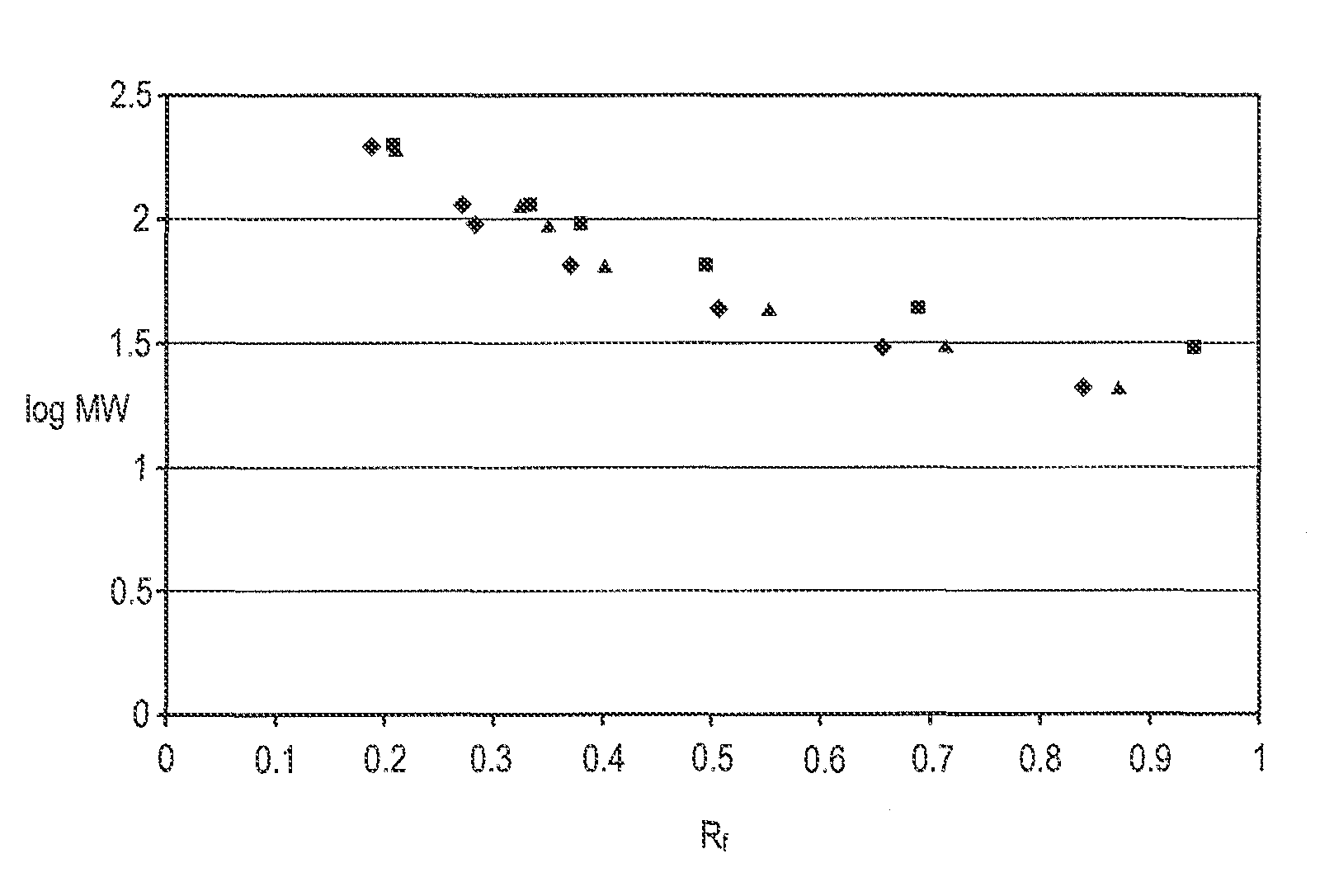
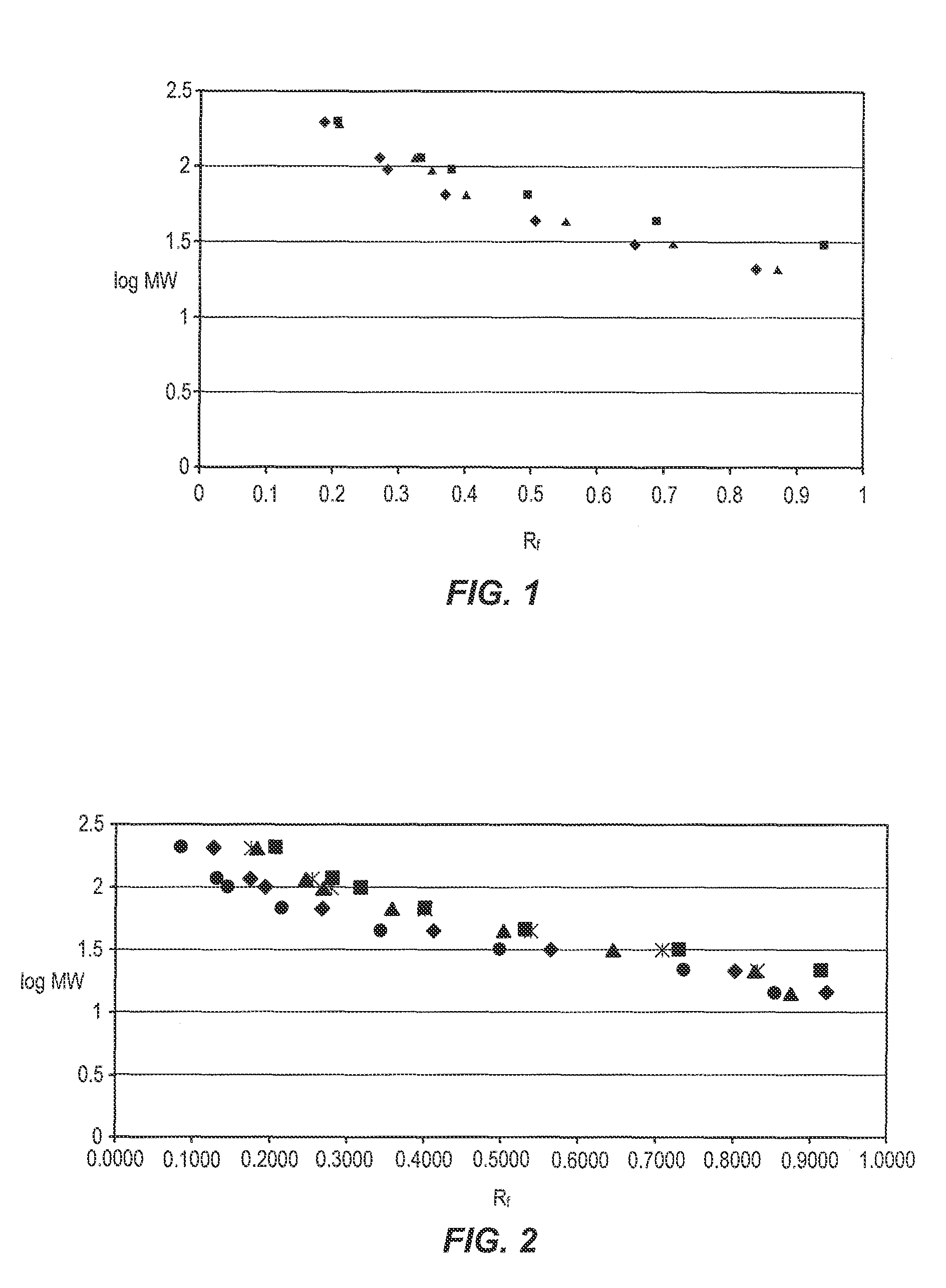
Hydrolysis-resistant polyacrylamide gels
PatentActiveUS8282800B2
Innovation
- Substituting triethanolamine for Tris and Bis-Tris in polyacrylamide gels, reducing or eliminating their presence, and incorporating additional species like ampholytes and pH modifiers to create a gel resistant to hydrolysis, allowing for improved band resolution and stability during storage and high-voltage electrophoresis.
RNA compositions comprising a buffer substance and methods for preparing, storing and using the same
PatentPendingUS20240226132A1
Innovation
- The use of a specific buffer system comprising triethanolamine (TEA) and its protonated form inhibits the formation of stable folded RNA forms, allowing for improved RNA integrity and stability at temperatures between +2 and +20°C, enabling storage and repeated freezing/thawing without significant degradation.


Regulatory Standards for TEA Buffer Usage
The regulatory landscape for triethanolamine (TEA) buffer usage encompasses multiple jurisdictions and application domains, each with distinct requirements and safety thresholds. In pharmaceutical applications, the United States Pharmacopeia (USP) and European Pharmacopoeia (Ph. Eur.) establish stringent purity standards for TEA used in buffer systems, typically requiring minimum 99% purity with specific limits on heavy metals, chloride content, and organic impurities. The FDA's guidance documents specify acceptable daily intake levels and require comprehensive toxicological data for any new TEA buffer formulations intended for drug products.
Food and cosmetic applications fall under different regulatory frameworks, with the FDA's Code of Federal Regulations Title 21 governing food-grade TEA buffer usage. The European Food Safety Authority (EFSA) has established specific migration limits for TEA when used in food contact materials, while cosmetic applications must comply with the EU Cosmetics Regulation, which restricts TEA concentration to maximum 2.5% in leave-on products due to potential nitrosamine formation concerns.
Environmental regulations significantly impact TEA buffer disposal and manufacturing processes. The Environmental Protection Agency (EPA) classifies TEA under the Toxic Substances Control Act (TSCA), requiring manufacturers to report production volumes and environmental release data. European REACH regulations mandate comprehensive safety data sheets and risk assessments for TEA buffer systems, particularly focusing on aquatic toxicity and biodegradation pathways.
Quality control standards for TEA buffer systems require adherence to Good Manufacturing Practices (GMP) across all applications. ISO 9001 certification is typically mandatory for suppliers, while pharmaceutical applications additionally require compliance with ICH guidelines for analytical method validation. Regular batch testing must demonstrate consistent pH buffering capacity, ionic strength, and absence of microbial contamination according to established pharmacopeial methods.
Recent regulatory developments include updated guidance on nitrosamine impurities in pharmaceutical buffers and enhanced environmental monitoring requirements for industrial TEA usage, reflecting evolving safety understanding and environmental protection priorities.
Food and cosmetic applications fall under different regulatory frameworks, with the FDA's Code of Federal Regulations Title 21 governing food-grade TEA buffer usage. The European Food Safety Authority (EFSA) has established specific migration limits for TEA when used in food contact materials, while cosmetic applications must comply with the EU Cosmetics Regulation, which restricts TEA concentration to maximum 2.5% in leave-on products due to potential nitrosamine formation concerns.
Environmental regulations significantly impact TEA buffer disposal and manufacturing processes. The Environmental Protection Agency (EPA) classifies TEA under the Toxic Substances Control Act (TSCA), requiring manufacturers to report production volumes and environmental release data. European REACH regulations mandate comprehensive safety data sheets and risk assessments for TEA buffer systems, particularly focusing on aquatic toxicity and biodegradation pathways.
Quality control standards for TEA buffer systems require adherence to Good Manufacturing Practices (GMP) across all applications. ISO 9001 certification is typically mandatory for suppliers, while pharmaceutical applications additionally require compliance with ICH guidelines for analytical method validation. Regular batch testing must demonstrate consistent pH buffering capacity, ionic strength, and absence of microbial contamination according to established pharmacopeial methods.
Recent regulatory developments include updated guidance on nitrosamine impurities in pharmaceutical buffers and enhanced environmental monitoring requirements for industrial TEA usage, reflecting evolving safety understanding and environmental protection priorities.
Environmental Impact of TEA Buffer Systems
The environmental implications of triethanolamine (TEA) buffer systems have become increasingly significant as laboratory and industrial applications expand globally. TEA's widespread use in biochemical research, pharmaceutical manufacturing, and analytical chemistry necessitates a comprehensive evaluation of its ecological footprint throughout its lifecycle.
TEA demonstrates moderate biodegradability under aerobic conditions, with degradation rates varying significantly based on environmental factors such as temperature, pH, and microbial population density. Studies indicate that TEA can persist in aquatic environments for several weeks to months, potentially affecting water quality parameters. The compound exhibits low acute toxicity to most aquatic organisms, with LC50 values typically exceeding 100 mg/L for fish species, though chronic exposure effects require further investigation.
Waste disposal practices for TEA-containing buffer solutions present both challenges and opportunities for environmental stewardship. Traditional neutralization and dilution methods may not adequately address the cumulative environmental burden, particularly in regions with high laboratory density. Advanced treatment approaches, including biological degradation systems and chemical oxidation processes, show promise for reducing environmental impact while maintaining cost-effectiveness.
The carbon footprint associated with TEA production and transportation contributes to the overall environmental assessment. Manufacturing processes typically involve energy-intensive synthesis from ethylene oxide and ammonia, generating greenhouse gas emissions that vary depending on production facility efficiency and energy sources. Regional production capabilities influence transportation-related emissions, with local sourcing strategies potentially reducing overall environmental impact.
Regulatory frameworks governing TEA discharge limits continue to evolve, with stricter guidelines emerging in environmentally sensitive regions. The European Union's REACH regulation and similar international standards are driving development of more sustainable buffer alternatives and improved waste management protocols. These regulatory pressures are catalyzing innovation in green chemistry approaches to buffer system design.
Emerging sustainable practices include buffer recycling technologies, concentrated formulation strategies to reduce packaging waste, and development of biodegradable buffer alternatives. Life cycle assessment methodologies are increasingly being applied to evaluate the complete environmental impact of TEA buffer systems, from raw material extraction through end-of-life disposal, enabling more informed decision-making in laboratory and industrial applications.
TEA demonstrates moderate biodegradability under aerobic conditions, with degradation rates varying significantly based on environmental factors such as temperature, pH, and microbial population density. Studies indicate that TEA can persist in aquatic environments for several weeks to months, potentially affecting water quality parameters. The compound exhibits low acute toxicity to most aquatic organisms, with LC50 values typically exceeding 100 mg/L for fish species, though chronic exposure effects require further investigation.
Waste disposal practices for TEA-containing buffer solutions present both challenges and opportunities for environmental stewardship. Traditional neutralization and dilution methods may not adequately address the cumulative environmental burden, particularly in regions with high laboratory density. Advanced treatment approaches, including biological degradation systems and chemical oxidation processes, show promise for reducing environmental impact while maintaining cost-effectiveness.
The carbon footprint associated with TEA production and transportation contributes to the overall environmental assessment. Manufacturing processes typically involve energy-intensive synthesis from ethylene oxide and ammonia, generating greenhouse gas emissions that vary depending on production facility efficiency and energy sources. Regional production capabilities influence transportation-related emissions, with local sourcing strategies potentially reducing overall environmental impact.
Regulatory frameworks governing TEA discharge limits continue to evolve, with stricter guidelines emerging in environmentally sensitive regions. The European Union's REACH regulation and similar international standards are driving development of more sustainable buffer alternatives and improved waste management protocols. These regulatory pressures are catalyzing innovation in green chemistry approaches to buffer system design.
Emerging sustainable practices include buffer recycling technologies, concentrated formulation strategies to reduce packaging waste, and development of biodegradable buffer alternatives. Life cycle assessment methodologies are increasingly being applied to evaluate the complete environmental impact of TEA buffer systems, from raw material extraction through end-of-life disposal, enabling more informed decision-making in laboratory and industrial applications.
Unlock deeper insights with PatSnap Eureka Quick Research — get a full tech report to explore trends and direct your research. Try now!
Generate Your Research Report Instantly with AI Agent
Supercharge your innovation with PatSnap Eureka AI Agent Platform!