Comparing TSV Data Transfer Capability in Cloud Robotics
APR 15, 20269 MIN READ
Generate Your Research Report Instantly with AI Agent
PatSnap Eureka helps you evaluate technical feasibility & market potential.
TSV Cloud Robotics Background and Objectives
Through Silicon Via (TSV) technology has emerged as a critical enabler for advanced semiconductor packaging and three-dimensional integrated circuits, fundamentally transforming how electronic systems achieve high-density interconnections. Originally developed to address the limitations of traditional wire bonding in semiconductor packaging, TSV technology creates vertical electrical connections through silicon substrates, enabling stacked chip architectures with significantly reduced form factors and enhanced performance characteristics.
The evolution of TSV technology spans over two decades, beginning with early research in the 1990s focused on basic through-hole fabrication techniques. Initial developments concentrated on creating reliable vertical interconnects for memory applications, gradually expanding to encompass complex system-on-chip designs and heterogeneous integration scenarios. The technology matured through successive generations of manufacturing processes, achieving progressively smaller via diameters, higher aspect ratios, and improved electrical characteristics.
Cloud robotics represents a paradigm shift in robotic system architecture, leveraging distributed computing resources to enhance robot capabilities beyond local processing limitations. This approach enables robots to access vast computational power, shared knowledge bases, and collaborative intelligence through network connectivity. The integration of cloud computing with robotics addresses fundamental constraints in autonomous systems, including limited onboard processing capacity, storage limitations, and the need for real-time data analysis and decision-making.
The convergence of TSV technology and cloud robotics creates unprecedented opportunities for developing next-generation robotic systems with enhanced data processing and communication capabilities. TSV-enabled hardware platforms can support high-bandwidth data interfaces essential for cloud connectivity, enabling seamless integration between local sensor processing and remote computational resources. This technological synergy addresses critical bottlenecks in robotic data transmission, particularly for applications requiring real-time video processing, sensor fusion, and machine learning inference.
The primary objective of investigating TSV data transfer capabilities in cloud robotics contexts centers on optimizing the data flow between robotic hardware and cloud infrastructure. This involves evaluating how TSV-based interconnect solutions can enhance bandwidth utilization, reduce latency, and improve overall system reliability in distributed robotic applications. Understanding these capabilities is essential for developing robust cloud-connected robotic systems that can effectively leverage remote computational resources while maintaining responsive local operations.
The evolution of TSV technology spans over two decades, beginning with early research in the 1990s focused on basic through-hole fabrication techniques. Initial developments concentrated on creating reliable vertical interconnects for memory applications, gradually expanding to encompass complex system-on-chip designs and heterogeneous integration scenarios. The technology matured through successive generations of manufacturing processes, achieving progressively smaller via diameters, higher aspect ratios, and improved electrical characteristics.
Cloud robotics represents a paradigm shift in robotic system architecture, leveraging distributed computing resources to enhance robot capabilities beyond local processing limitations. This approach enables robots to access vast computational power, shared knowledge bases, and collaborative intelligence through network connectivity. The integration of cloud computing with robotics addresses fundamental constraints in autonomous systems, including limited onboard processing capacity, storage limitations, and the need for real-time data analysis and decision-making.
The convergence of TSV technology and cloud robotics creates unprecedented opportunities for developing next-generation robotic systems with enhanced data processing and communication capabilities. TSV-enabled hardware platforms can support high-bandwidth data interfaces essential for cloud connectivity, enabling seamless integration between local sensor processing and remote computational resources. This technological synergy addresses critical bottlenecks in robotic data transmission, particularly for applications requiring real-time video processing, sensor fusion, and machine learning inference.
The primary objective of investigating TSV data transfer capabilities in cloud robotics contexts centers on optimizing the data flow between robotic hardware and cloud infrastructure. This involves evaluating how TSV-based interconnect solutions can enhance bandwidth utilization, reduce latency, and improve overall system reliability in distributed robotic applications. Understanding these capabilities is essential for developing robust cloud-connected robotic systems that can effectively leverage remote computational resources while maintaining responsive local operations.
Market Demand for TSV-Enhanced Cloud Robotics
The global cloud robotics market is experiencing unprecedented growth driven by the increasing demand for intelligent automation across multiple industries. Manufacturing sectors are particularly driving adoption as companies seek to enhance operational efficiency through real-time data processing and remote robot control capabilities. The integration of TSV technology addresses critical latency and bandwidth limitations that have historically constrained cloud robotics deployments in time-sensitive applications.
Healthcare robotics represents a rapidly expanding market segment where TSV-enhanced cloud robotics solutions are gaining significant traction. Surgical robots, rehabilitation devices, and patient care systems require ultra-low latency communication for precise control and real-time feedback. The enhanced data transfer capabilities provided by TSV technology enable more sophisticated medical procedures and improved patient outcomes, creating substantial market opportunities for technology providers.
Autonomous vehicle development is creating substantial demand for TSV-enhanced cloud robotics infrastructure. Vehicle manufacturers and technology companies are investing heavily in cloud-based processing systems that can handle massive data streams from sensors, cameras, and LiDAR systems. The superior bandwidth and reduced latency offered by TSV technology are essential for enabling real-time decision-making in autonomous navigation systems.
The logistics and warehousing industry is experiencing rapid transformation through automated systems that rely on cloud robotics platforms. E-commerce growth has intensified the need for efficient warehouse automation, where TSV-enhanced systems can coordinate multiple robots simultaneously while processing complex inventory management tasks. This sector demonstrates strong willingness to invest in advanced technologies that provide measurable productivity improvements.
Smart city initiatives worldwide are creating new market opportunities for TSV-enhanced cloud robotics applications. Municipal governments are deploying robotic systems for infrastructure monitoring, environmental sensing, and public safety applications. These deployments require robust data transfer capabilities to support distributed robot networks operating across urban environments.
The agricultural sector is emerging as a significant market for cloud robotics solutions enhanced by TSV technology. Precision farming applications, including autonomous tractors, crop monitoring drones, and harvesting robots, generate substantial data volumes that require efficient cloud processing. Farmers are increasingly adopting these technologies to optimize crop yields and reduce operational costs, creating sustained market demand for advanced data transfer solutions.
Healthcare robotics represents a rapidly expanding market segment where TSV-enhanced cloud robotics solutions are gaining significant traction. Surgical robots, rehabilitation devices, and patient care systems require ultra-low latency communication for precise control and real-time feedback. The enhanced data transfer capabilities provided by TSV technology enable more sophisticated medical procedures and improved patient outcomes, creating substantial market opportunities for technology providers.
Autonomous vehicle development is creating substantial demand for TSV-enhanced cloud robotics infrastructure. Vehicle manufacturers and technology companies are investing heavily in cloud-based processing systems that can handle massive data streams from sensors, cameras, and LiDAR systems. The superior bandwidth and reduced latency offered by TSV technology are essential for enabling real-time decision-making in autonomous navigation systems.
The logistics and warehousing industry is experiencing rapid transformation through automated systems that rely on cloud robotics platforms. E-commerce growth has intensified the need for efficient warehouse automation, where TSV-enhanced systems can coordinate multiple robots simultaneously while processing complex inventory management tasks. This sector demonstrates strong willingness to invest in advanced technologies that provide measurable productivity improvements.
Smart city initiatives worldwide are creating new market opportunities for TSV-enhanced cloud robotics applications. Municipal governments are deploying robotic systems for infrastructure monitoring, environmental sensing, and public safety applications. These deployments require robust data transfer capabilities to support distributed robot networks operating across urban environments.
The agricultural sector is emerging as a significant market for cloud robotics solutions enhanced by TSV technology. Precision farming applications, including autonomous tractors, crop monitoring drones, and harvesting robots, generate substantial data volumes that require efficient cloud processing. Farmers are increasingly adopting these technologies to optimize crop yields and reduce operational costs, creating sustained market demand for advanced data transfer solutions.
Current TSV Data Transfer Challenges in Cloud Systems
Through-Silicon Via (TSV) technology faces significant data transfer challenges when deployed in cloud robotics systems, primarily stemming from the complex interplay between hardware limitations and cloud infrastructure demands. The fundamental challenge lies in the inherent bandwidth constraints of TSV interconnects, which must handle massive data volumes generated by robotic sensors, cameras, and real-time processing units while maintaining ultra-low latency requirements essential for robotic control systems.
Thermal management presents a critical bottleneck in TSV data transfer performance within cloud environments. As data throughput increases, heat generation intensifies around TSV structures, leading to thermal crosstalk and signal integrity degradation. This thermal stress particularly affects high-density TSV arrays used in advanced robotics processors, causing intermittent data corruption and reduced transfer reliability. The problem becomes more pronounced in cloud data centers where multiple robotic systems operate simultaneously, creating cumulative thermal effects.
Signal integrity degradation represents another major challenge, manifesting through electromagnetic interference and crosstalk between adjacent TSV channels. In cloud robotics applications, where multiple data streams must be processed concurrently, this interference can cause significant data loss and require costly error correction mechanisms. The vertical nature of TSV connections makes them particularly susceptible to noise from switching activities in nearby circuits, compromising overall system performance.
Scalability limitations emerge when attempting to increase TSV density to meet growing data transfer demands. Current manufacturing processes struggle to maintain consistent electrical characteristics across large TSV arrays, leading to performance variations that affect data transfer reliability. This inconsistency becomes critical in cloud robotics where predictable performance is essential for real-time decision-making and coordinated multi-robot operations.
Power consumption optimization remains a persistent challenge, as TSV-based data transfer systems must balance high-speed performance with energy efficiency requirements. Cloud robotics systems demand continuous operation with minimal power overhead, yet current TSV implementations often require significant power for maintaining signal integrity and managing thermal effects. This power-performance trade-off directly impacts the economic viability of large-scale cloud robotics deployments.
Latency variability poses additional complications, particularly in distributed cloud robotics architectures where consistent timing is crucial. TSV data transfer performance can fluctuate based on system load, temperature variations, and manufacturing tolerances, creating unpredictable delays that compromise real-time robotics applications requiring precise synchronization between cloud processing and robotic actuators.
Thermal management presents a critical bottleneck in TSV data transfer performance within cloud environments. As data throughput increases, heat generation intensifies around TSV structures, leading to thermal crosstalk and signal integrity degradation. This thermal stress particularly affects high-density TSV arrays used in advanced robotics processors, causing intermittent data corruption and reduced transfer reliability. The problem becomes more pronounced in cloud data centers where multiple robotic systems operate simultaneously, creating cumulative thermal effects.
Signal integrity degradation represents another major challenge, manifesting through electromagnetic interference and crosstalk between adjacent TSV channels. In cloud robotics applications, where multiple data streams must be processed concurrently, this interference can cause significant data loss and require costly error correction mechanisms. The vertical nature of TSV connections makes them particularly susceptible to noise from switching activities in nearby circuits, compromising overall system performance.
Scalability limitations emerge when attempting to increase TSV density to meet growing data transfer demands. Current manufacturing processes struggle to maintain consistent electrical characteristics across large TSV arrays, leading to performance variations that affect data transfer reliability. This inconsistency becomes critical in cloud robotics where predictable performance is essential for real-time decision-making and coordinated multi-robot operations.
Power consumption optimization remains a persistent challenge, as TSV-based data transfer systems must balance high-speed performance with energy efficiency requirements. Cloud robotics systems demand continuous operation with minimal power overhead, yet current TSV implementations often require significant power for maintaining signal integrity and managing thermal effects. This power-performance trade-off directly impacts the economic viability of large-scale cloud robotics deployments.
Latency variability poses additional complications, particularly in distributed cloud robotics architectures where consistent timing is crucial. TSV data transfer performance can fluctuate based on system load, temperature variations, and manufacturing tolerances, creating unpredictable delays that compromise real-time robotics applications requiring precise synchronization between cloud processing and robotic actuators.
Existing TSV Data Transfer Solutions
01 TSV structure and manufacturing methods for semiconductor devices
Through-silicon vias (TSVs) enable vertical electrical connections through semiconductor substrates, facilitating three-dimensional integration of integrated circuits. Various manufacturing techniques include forming conductive vias through silicon wafers, insulation layer deposition, and metal filling processes. These structures allow for improved data transfer capabilities by reducing interconnect lengths and enabling high-density vertical connections between stacked dies or chips.- TSV structure and manufacturing methods for semiconductor devices: Through-silicon vias (TSVs) are vertical electrical connections passing through silicon wafers or dies, enabling three-dimensional integration of semiconductor devices. Various manufacturing methods have been developed to form TSVs with improved structural integrity, including etching techniques, filling processes, and insulation layer formation. These methods focus on creating reliable vertical interconnections that facilitate data transfer between stacked semiconductor layers while maintaining electrical isolation and mechanical stability.
- High-speed data transmission interfaces utilizing TSV technology: TSV technology enables high-speed data transmission between vertically stacked chips by providing short electrical paths with reduced parasitic capacitance and inductance. Advanced interface designs incorporate TSV structures to achieve increased bandwidth and reduced latency in data transfer operations. These implementations support various communication protocols and signaling methods optimized for three-dimensional integrated circuits, allowing for faster data exchange rates compared to traditional wire bonding or flip-chip connections.
- TSV-based memory architectures and data access methods: Memory devices utilizing TSV technology achieve enhanced data transfer capabilities through vertical stacking of memory dies. These architectures implement specialized data access methods that leverage the short interconnection paths provided by TSVs to increase memory bandwidth and reduce power consumption. The designs include configurations for parallel data channels, optimized signal routing, and controller interfaces that manage data flow between stacked memory layers efficiently.
- Signal integrity and noise reduction in TSV data transmission: Maintaining signal integrity during data transfer through TSVs requires addressing various electrical challenges including crosstalk, electromagnetic interference, and signal attenuation. Solutions include implementing shielding structures, optimizing TSV spacing and arrangement, and incorporating termination circuits. These techniques ensure reliable data transmission by minimizing signal degradation and reducing noise coupling between adjacent TSVs, thereby maintaining data accuracy at high transfer rates.
- Testing and verification methods for TSV data transfer functionality: Specialized testing methodologies have been developed to verify the data transfer capabilities of TSV-based devices. These methods include built-in self-test circuits, boundary scan techniques, and dedicated test structures that evaluate TSV electrical performance, continuity, and data transmission accuracy. Testing approaches address challenges unique to three-dimensional integration, such as accessing internal connections and detecting defects in vertical interconnections, ensuring reliable operation of TSV data paths before final device assembly.
02 High-speed data transmission interfaces and protocols
Advanced data transmission interfaces support high-bandwidth communication between semiconductor components. These systems incorporate specialized protocols and signaling methods to achieve rapid data transfer rates. Implementation includes differential signaling, clock synchronization mechanisms, and error correction techniques to ensure reliable high-speed data transmission across TSV connections.Expand Specific Solutions03 Stacked die configurations with TSV interconnections
Multi-layer semiconductor assemblies utilize TSV technology to create vertical interconnections between stacked dies. These configurations enable increased integration density and improved performance through shortened signal paths. The stacking approach allows for heterogeneous integration of different chip types while maintaining efficient data transfer capabilities through the TSV structures.Expand Specific Solutions04 Testing and verification methods for TSV functionality
Specialized testing methodologies ensure the reliability and performance of TSV connections in semiconductor devices. These techniques include electrical characterization, signal integrity verification, and defect detection methods. Testing approaches evaluate data transfer capabilities, resistance measurements, and continuity checks to validate proper TSV operation before final assembly.Expand Specific Solutions05 Power delivery and thermal management through TSV structures
TSV technology facilitates efficient power distribution and thermal dissipation in three-dimensional integrated circuits. Dedicated power and ground TSVs reduce impedance and improve power delivery to stacked components. The vertical structures also provide thermal conduction paths to manage heat generation in high-density configurations, supporting sustained high-speed data transfer operations.Expand Specific Solutions
Key Players in TSV and Cloud Robotics Industry
The cloud robotics industry is experiencing rapid growth, driven by increasing demand for intelligent automation and remote robotic operations. The market demonstrates significant expansion potential as organizations seek scalable, cloud-enabled robotic solutions across manufacturing, logistics, and service sectors. Technology maturity varies considerably among market participants, with established technology giants like Samsung Electronics, Huawei Technologies, and Qualcomm leading in foundational infrastructure and semiconductor capabilities. Industrial automation leaders including ABB, Siemens, and Mitsubishi Heavy Industries bring mature hardware integration expertise. Specialized cloud robotics companies such as Rapyuta Robotics and Extend Robotics represent emerging innovation in platform development, while automotive manufacturers like Toyota Motor Corp are integrating cloud robotics into next-generation mobility solutions. The competitive landscape reflects a convergence of traditional robotics, cloud computing, and telecommunications technologies, indicating the industry's transition from experimental to commercial deployment phases.
Micron Technology, Inc.
Technical Solution: Micron has developed TSV technology primarily for memory applications that directly benefit cloud robotics data transfer capabilities through high-bandwidth memory (HBM) and 3D NAND solutions. Their TSV implementation enables vertical data channels with bandwidths exceeding 460GB/s per stack, crucial for real-time robotics data processing. The company's TSV technology features precision-etched silicon vias with advanced copper filling techniques, enabling reliable high-speed data transfer between memory layers. Micron's approach includes specialized TSV designs for robotics applications that require rapid access to large datasets, incorporating adaptive refresh mechanisms and power-efficient data pathways optimized for continuous operation in cloud robotics environments.
Strengths: Specialized memory expertise and proven high-bandwidth TSV solutions for data-intensive applications. Weaknesses: Limited direct robotics experience, focus primarily on memory rather than complete system solutions.
Samsung Electronics Co., Ltd.
Technical Solution: Samsung has developed advanced TSV (Through-Silicon Via) technology for 3D memory stacking and high-bandwidth memory (HBM) solutions that enable efficient data transfer in cloud robotics applications. Their TSV implementation achieves data transfer rates exceeding 1TB/s through optimized vertical interconnects and reduced parasitic effects. The company's TSV technology incorporates copper-filled vias with diameters ranging from 5-20μm, enabling dense interconnect arrays for multi-die stacking. Samsung's approach includes advanced thermal management solutions and signal integrity optimization techniques specifically designed for high-frequency data transmission requirements in cloud robotics environments where low latency and high throughput are critical.
Strengths: Industry-leading manufacturing capabilities and proven TSV technology with high data transfer rates. Weaknesses: High manufacturing costs and complexity in integration with existing robotics systems.
Core TSV Innovations for Robotics Data Processing
Through-silicon via (TSV) fault-tolerant circuit, method for TSV fault-tolerance and integrated circuit (IC)
PatentActiveUS11892502B2
Innovation
- The integration of a TSV fault-tolerant circuit in ICs, which includes operational TSVs, a spare TSV, and fault-tolerance control modules coupled with a decoder, allowing for the deactivation of defective TSVs and activation of spare TSVs based on positioning codes to ensure continuous signal transmission.


Fault-tolerant unit and method for through-silicon via
PatentActiveUS20120248438A1
Innovation
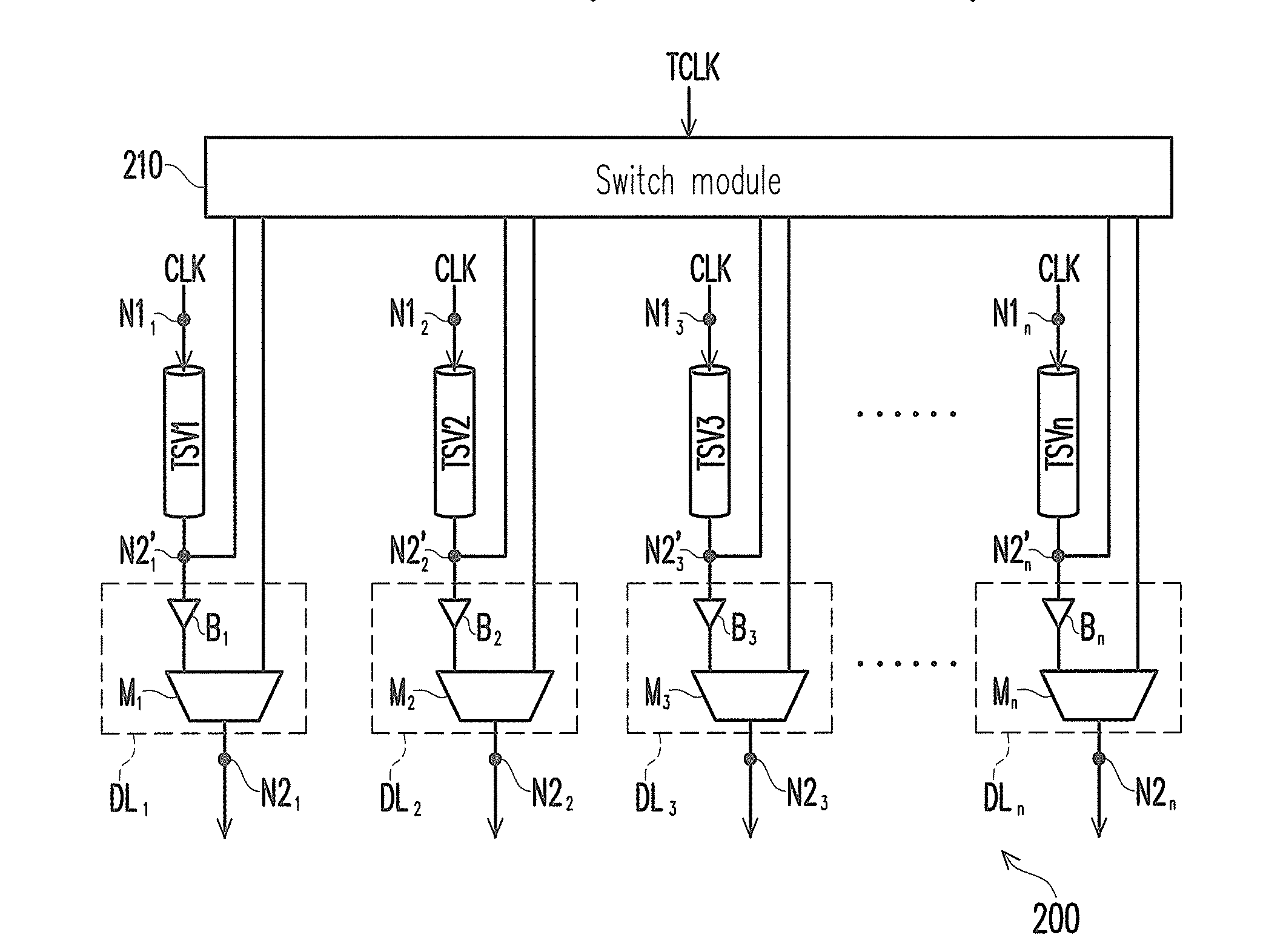
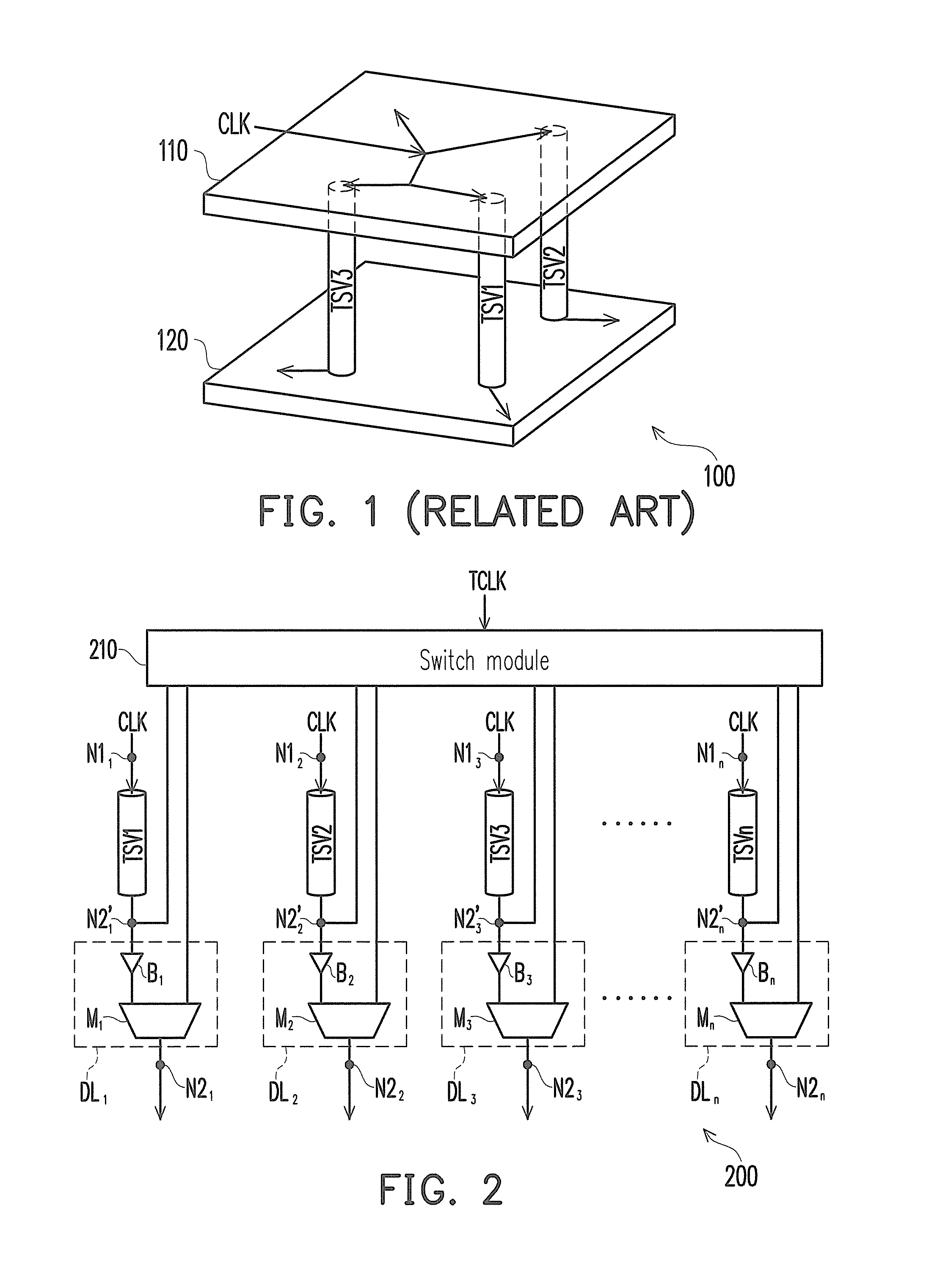
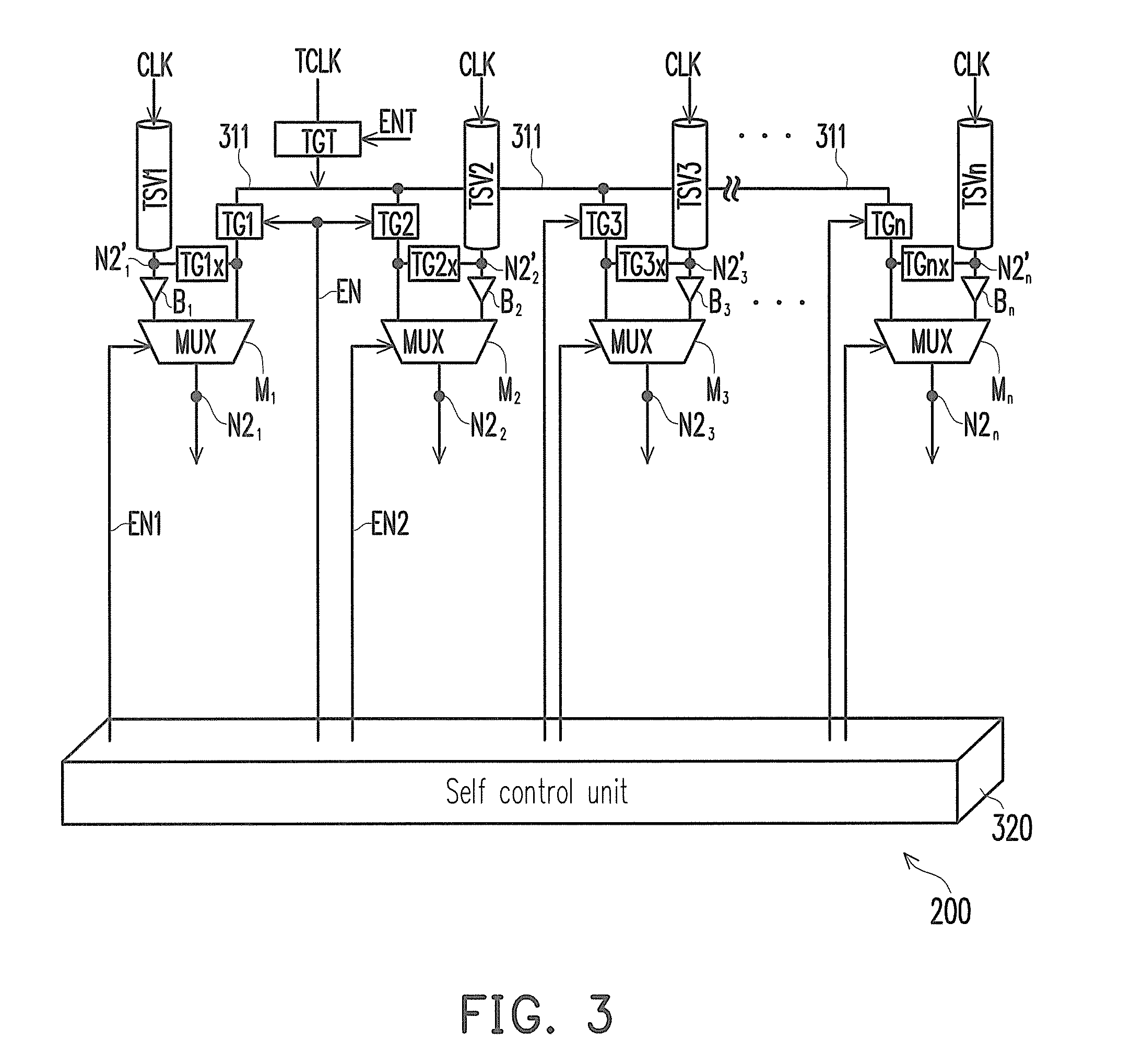
- A fault-tolerant unit and method for TSVs that utilize existing TSV structures with a switch module and delay adjustment modules to reroute signals when a TSV fails, ensuring continuous operation without adding redundant TSVs, by disconnecting faulty TSVs and connecting alternative nodes to maintain signal transmission.

Latency Requirements and Performance Standards
Cloud robotics applications utilizing Through-Silicon Via (TSV) technology face stringent latency requirements that vary significantly across different operational scenarios. Real-time control applications typically demand end-to-end latencies below 1 millisecond for critical safety functions, while collaborative robotics operations can tolerate latencies up to 10 milliseconds. Teleoperation scenarios require latencies under 50 milliseconds to maintain acceptable human-machine interaction quality.
TSV-based data transfer systems must meet specific performance benchmarks to ensure reliable cloud robotics operations. The primary performance metrics include data throughput rates exceeding 10 Gbps for high-resolution sensor data streams, packet loss rates below 0.01% for mission-critical communications, and jitter variations maintained within 100 microseconds. These standards become particularly challenging when multiple robotic units simultaneously access cloud resources through TSV interconnects.
Performance standards for TSV data transfer capability encompass both bandwidth efficiency and reliability metrics. The system must maintain consistent data rates during peak load conditions, with bandwidth utilization efficiency exceeding 85% under normal operating conditions. Error correction capabilities should ensure bit error rates below 10^-12, while maintaining forward error correction overhead under 5% of total data payload.
Latency tolerance varies considerably based on the specific robotic application domain. Industrial automation systems require deterministic latency patterns with minimal variance, typically operating within 100-microsecond windows. Autonomous navigation systems can accommodate higher average latencies but require burst transmission capabilities for emergency response scenarios, demanding instantaneous data transfer rates up to 100 Gbps for short durations.
Quality of Service (QoS) parameters for TSV-enabled cloud robotics establish hierarchical priority systems for different data types. Sensor fusion data streams receive highest priority with guaranteed bandwidth allocation, while routine telemetry data operates on best-effort delivery models. The performance standards mandate dynamic bandwidth allocation capabilities, enabling real-time adjustment of data transfer priorities based on operational requirements and network congestion conditions.
TSV-based data transfer systems must meet specific performance benchmarks to ensure reliable cloud robotics operations. The primary performance metrics include data throughput rates exceeding 10 Gbps for high-resolution sensor data streams, packet loss rates below 0.01% for mission-critical communications, and jitter variations maintained within 100 microseconds. These standards become particularly challenging when multiple robotic units simultaneously access cloud resources through TSV interconnects.
Performance standards for TSV data transfer capability encompass both bandwidth efficiency and reliability metrics. The system must maintain consistent data rates during peak load conditions, with bandwidth utilization efficiency exceeding 85% under normal operating conditions. Error correction capabilities should ensure bit error rates below 10^-12, while maintaining forward error correction overhead under 5% of total data payload.
Latency tolerance varies considerably based on the specific robotic application domain. Industrial automation systems require deterministic latency patterns with minimal variance, typically operating within 100-microsecond windows. Autonomous navigation systems can accommodate higher average latencies but require burst transmission capabilities for emergency response scenarios, demanding instantaneous data transfer rates up to 100 Gbps for short durations.
Quality of Service (QoS) parameters for TSV-enabled cloud robotics establish hierarchical priority systems for different data types. Sensor fusion data streams receive highest priority with guaranteed bandwidth allocation, while routine telemetry data operates on best-effort delivery models. The performance standards mandate dynamic bandwidth allocation capabilities, enabling real-time adjustment of data transfer priorities based on operational requirements and network congestion conditions.
Security Considerations in TSV Cloud Data Transfer
Security considerations in TSV cloud data transfer for robotics applications encompass multiple layers of protection that must be implemented to safeguard sensitive operational data. The distributed nature of cloud robotics systems creates unique vulnerabilities where TSV-based data transmission channels become potential attack vectors for malicious actors seeking to compromise robotic operations or extract proprietary information.
Authentication and authorization mechanisms form the foundation of secure TSV data transfer protocols. Multi-factor authentication systems must verify both the robotic endpoints and cloud infrastructure components before establishing data transmission channels. Role-based access controls ensure that only authorized robotic systems can access specific data streams, while dynamic credential rotation prevents long-term exposure of authentication tokens during extended operational periods.
Data encryption represents a critical security layer for TSV cloud transfers, requiring both in-transit and at-rest protection strategies. Advanced encryption standards must be applied to all data packets traversing TSV channels, with key management systems ensuring secure distribution and rotation of cryptographic keys across distributed robotic networks. End-to-end encryption protocols prevent unauthorized interception during cloud transmission phases.
Network security protocols specifically designed for TSV architectures must address the unique characteristics of high-bandwidth, low-latency robotic data streams. Secure tunneling protocols create isolated communication channels between robotic systems and cloud infrastructure, while intrusion detection systems monitor TSV traffic patterns for anomalous behavior that might indicate security breaches or attempted data exfiltration.
Privacy protection mechanisms become particularly important when robotic systems operate in sensitive environments or handle personal data. Data anonymization techniques must be applied to sensor data before cloud transmission, while differential privacy methods ensure that aggregated robotic data cannot be reverse-engineered to reveal sensitive operational details or environmental information.
Compliance frameworks for TSV cloud data transfer must align with industry-specific regulations and international data protection standards. Regular security audits and penetration testing validate the effectiveness of implemented security measures, while incident response protocols ensure rapid containment and remediation of any security breaches affecting TSV data transmission channels.
Authentication and authorization mechanisms form the foundation of secure TSV data transfer protocols. Multi-factor authentication systems must verify both the robotic endpoints and cloud infrastructure components before establishing data transmission channels. Role-based access controls ensure that only authorized robotic systems can access specific data streams, while dynamic credential rotation prevents long-term exposure of authentication tokens during extended operational periods.
Data encryption represents a critical security layer for TSV cloud transfers, requiring both in-transit and at-rest protection strategies. Advanced encryption standards must be applied to all data packets traversing TSV channels, with key management systems ensuring secure distribution and rotation of cryptographic keys across distributed robotic networks. End-to-end encryption protocols prevent unauthorized interception during cloud transmission phases.
Network security protocols specifically designed for TSV architectures must address the unique characteristics of high-bandwidth, low-latency robotic data streams. Secure tunneling protocols create isolated communication channels between robotic systems and cloud infrastructure, while intrusion detection systems monitor TSV traffic patterns for anomalous behavior that might indicate security breaches or attempted data exfiltration.
Privacy protection mechanisms become particularly important when robotic systems operate in sensitive environments or handle personal data. Data anonymization techniques must be applied to sensor data before cloud transmission, while differential privacy methods ensure that aggregated robotic data cannot be reverse-engineered to reveal sensitive operational details or environmental information.
Compliance frameworks for TSV cloud data transfer must align with industry-specific regulations and international data protection standards. Regular security audits and penetration testing validate the effectiveness of implemented security measures, while incident response protocols ensure rapid containment and remediation of any security breaches affecting TSV data transmission channels.
Unlock deeper insights with PatSnap Eureka Quick Research — get a full tech report to explore trends and direct your research. Try now!
Generate Your Research Report Instantly with AI Agent
Supercharge your innovation with PatSnap Eureka AI Agent Platform!