

Composite Current Source Tuning for Optimized Circuit Connectivity
MAR 19, 20269 MIN READ
Generate Your Research Report Instantly with AI Agent
PatSnap Eureka helps you evaluate technical feasibility & market potential.
Composite Current Source Background and Circuit Objectives
Composite current sources represent a fundamental advancement in analog circuit design, emerging from the critical need to achieve precise current control across diverse operating conditions. These sophisticated current generation circuits combine multiple current source topologies to leverage the advantages of each individual approach while mitigating their respective limitations. The evolution of composite current sources stems from the inherent trade-offs present in traditional single-topology current sources, where designers historically faced compromises between output impedance, temperature stability, supply voltage sensitivity, and power consumption.
The development trajectory of composite current source technology has been driven by the exponential growth in mixed-signal integrated circuits and the increasing demand for high-precision analog functions. Early current source implementations relied on simple current mirror configurations, which provided adequate performance for basic applications but suffered from limited accuracy and poor process variation tolerance. As semiconductor manufacturing processes advanced and circuit complexity increased, the limitations of these elementary approaches became increasingly apparent, particularly in applications requiring high linearity and stability.
Modern composite current source architectures typically integrate multiple current generation mechanisms, such as bandgap-referenced current sources combined with temperature-compensated current mirrors, or voltage-controlled current sources paired with feedback-stabilized current regulators. This multi-faceted approach enables designers to achieve superior performance metrics across key parameters including temperature coefficient, power supply rejection ratio, output impedance, and long-term stability.
The primary technical objectives driving composite current source development center on achieving optimal circuit connectivity through enhanced current matching, reduced sensitivity to process variations, and improved dynamic response characteristics. These objectives are particularly critical in applications such as precision analog-to-digital converters, high-resolution digital-to-analog converters, and sophisticated sensor interface circuits where current source accuracy directly impacts overall system performance.
Contemporary research efforts focus on developing adaptive tuning mechanisms that can dynamically optimize current source performance based on real-time operating conditions. These intelligent tuning systems employ feedback control loops, calibration algorithms, and compensation networks to maintain optimal current generation characteristics across varying temperature, supply voltage, and load conditions, representing the next evolutionary step in composite current source technology.
The development trajectory of composite current source technology has been driven by the exponential growth in mixed-signal integrated circuits and the increasing demand for high-precision analog functions. Early current source implementations relied on simple current mirror configurations, which provided adequate performance for basic applications but suffered from limited accuracy and poor process variation tolerance. As semiconductor manufacturing processes advanced and circuit complexity increased, the limitations of these elementary approaches became increasingly apparent, particularly in applications requiring high linearity and stability.
Modern composite current source architectures typically integrate multiple current generation mechanisms, such as bandgap-referenced current sources combined with temperature-compensated current mirrors, or voltage-controlled current sources paired with feedback-stabilized current regulators. This multi-faceted approach enables designers to achieve superior performance metrics across key parameters including temperature coefficient, power supply rejection ratio, output impedance, and long-term stability.
The primary technical objectives driving composite current source development center on achieving optimal circuit connectivity through enhanced current matching, reduced sensitivity to process variations, and improved dynamic response characteristics. These objectives are particularly critical in applications such as precision analog-to-digital converters, high-resolution digital-to-analog converters, and sophisticated sensor interface circuits where current source accuracy directly impacts overall system performance.
Contemporary research efforts focus on developing adaptive tuning mechanisms that can dynamically optimize current source performance based on real-time operating conditions. These intelligent tuning systems employ feedback control loops, calibration algorithms, and compensation networks to maintain optimal current generation characteristics across varying temperature, supply voltage, and load conditions, representing the next evolutionary step in composite current source technology.
Market Demand for Optimized Current Source Solutions
The global electronics industry is experiencing unprecedented demand for advanced current source solutions, driven by the proliferation of high-performance computing systems, automotive electronics, and IoT devices. Modern electronic systems require increasingly sophisticated power management capabilities to handle complex operational scenarios while maintaining energy efficiency and reliability. This growing complexity has created substantial market opportunities for composite current source tuning technologies that can optimize circuit connectivity across diverse applications.
Data centers and cloud computing infrastructure represent one of the most significant demand drivers for optimized current source solutions. These facilities require precise power delivery systems capable of handling dynamic workloads while minimizing energy consumption. The shift toward edge computing and distributed processing architectures has further amplified the need for adaptive current source technologies that can maintain optimal performance across varying operational conditions.
The automotive sector presents another substantial market opportunity, particularly with the accelerating adoption of electric vehicles and advanced driver assistance systems. Modern vehicles incorporate hundreds of electronic control units that demand reliable, efficient current source management. The transition to autonomous driving technologies requires even more sophisticated power management solutions capable of supporting real-time processing demands while ensuring safety-critical system reliability.
Consumer electronics manufacturers are increasingly seeking current source solutions that can extend battery life while supporting enhanced functionality. Mobile devices, wearables, and smart home appliances require power management systems that can dynamically adjust to usage patterns and optimize energy distribution across multiple subsystems. This trend has created strong demand for tunable current source technologies that can adapt to diverse operational requirements.
Industrial automation and manufacturing sectors are driving demand for robust current source solutions capable of operating in harsh environments while maintaining precise control over sensitive equipment. The Industry 4.0 transformation has increased requirements for intelligent power management systems that can support predictive maintenance and optimize operational efficiency.
Emerging applications in renewable energy systems, medical devices, and aerospace technologies are creating new market segments for specialized current source solutions. These applications often require custom-tailored approaches that can meet stringent performance, reliability, and regulatory requirements while maintaining cost-effectiveness.
The market demand is further intensified by regulatory pressures for improved energy efficiency and environmental sustainability. Organizations worldwide are seeking power management solutions that can reduce overall energy consumption while maintaining or enhancing system performance capabilities.
Data centers and cloud computing infrastructure represent one of the most significant demand drivers for optimized current source solutions. These facilities require precise power delivery systems capable of handling dynamic workloads while minimizing energy consumption. The shift toward edge computing and distributed processing architectures has further amplified the need for adaptive current source technologies that can maintain optimal performance across varying operational conditions.
The automotive sector presents another substantial market opportunity, particularly with the accelerating adoption of electric vehicles and advanced driver assistance systems. Modern vehicles incorporate hundreds of electronic control units that demand reliable, efficient current source management. The transition to autonomous driving technologies requires even more sophisticated power management solutions capable of supporting real-time processing demands while ensuring safety-critical system reliability.
Consumer electronics manufacturers are increasingly seeking current source solutions that can extend battery life while supporting enhanced functionality. Mobile devices, wearables, and smart home appliances require power management systems that can dynamically adjust to usage patterns and optimize energy distribution across multiple subsystems. This trend has created strong demand for tunable current source technologies that can adapt to diverse operational requirements.
Industrial automation and manufacturing sectors are driving demand for robust current source solutions capable of operating in harsh environments while maintaining precise control over sensitive equipment. The Industry 4.0 transformation has increased requirements for intelligent power management systems that can support predictive maintenance and optimize operational efficiency.
Emerging applications in renewable energy systems, medical devices, and aerospace technologies are creating new market segments for specialized current source solutions. These applications often require custom-tailored approaches that can meet stringent performance, reliability, and regulatory requirements while maintaining cost-effectiveness.
The market demand is further intensified by regulatory pressures for improved energy efficiency and environmental sustainability. Organizations worldwide are seeking power management solutions that can reduce overall energy consumption while maintaining or enhancing system performance capabilities.
Current State of Composite Current Source Technologies
Composite current source technologies have evolved significantly over the past decade, driven by increasing demands for precision analog circuits, power management systems, and high-performance integrated circuits. Current implementations primarily focus on achieving enhanced linearity, reduced temperature coefficients, and improved power supply rejection ratios through sophisticated circuit topologies and advanced semiconductor processes.
The dominant approach in contemporary composite current source design involves multi-stage architectures that combine different current generation mechanisms. Cascode configurations remain prevalent, utilizing stacked transistor arrangements to achieve high output impedance while maintaining stable current delivery across varying load conditions. These implementations typically employ MOSFET-based designs in advanced CMOS processes, leveraging device matching and layout optimization techniques to minimize process variations.
Temperature compensation represents a critical aspect of current composite current source implementations. Modern solutions integrate bandgap reference circuits with proportional-to-absolute-temperature (PTAT) and complementary-to-absolute-temperature (CTAT) current sources. This approach enables temperature coefficients below 50 ppm/°C across industrial temperature ranges, meeting stringent requirements for precision applications such as analog-to-digital converters and sensor interface circuits.
Process variation mitigation has become increasingly sophisticated through the adoption of trimming and calibration techniques. Digital trimming using laser-fused resistors or EEPROM-based adjustment allows post-fabrication optimization of current source accuracy. Some implementations incorporate real-time calibration loops that continuously monitor and adjust current output based on on-chip reference measurements.
Power efficiency optimization has gained prominence with the proliferation of battery-powered and energy-harvesting applications. Current designs emphasize low-voltage operation capabilities, with many implementations achieving stable operation at supply voltages below 1.8V. Adaptive biasing techniques dynamically adjust quiescent currents based on load requirements, reducing overall power consumption while maintaining performance specifications.
Despite these advances, several technical challenges persist in composite current source implementations. Process scaling to advanced nodes introduces increased device mismatch and reduced intrinsic gain, complicating the achievement of high output impedance. Additionally, electromagnetic interference susceptibility has become more pronounced as circuit densities increase and operating frequencies extend into gigahertz ranges.
The dominant approach in contemporary composite current source design involves multi-stage architectures that combine different current generation mechanisms. Cascode configurations remain prevalent, utilizing stacked transistor arrangements to achieve high output impedance while maintaining stable current delivery across varying load conditions. These implementations typically employ MOSFET-based designs in advanced CMOS processes, leveraging device matching and layout optimization techniques to minimize process variations.
Temperature compensation represents a critical aspect of current composite current source implementations. Modern solutions integrate bandgap reference circuits with proportional-to-absolute-temperature (PTAT) and complementary-to-absolute-temperature (CTAT) current sources. This approach enables temperature coefficients below 50 ppm/°C across industrial temperature ranges, meeting stringent requirements for precision applications such as analog-to-digital converters and sensor interface circuits.
Process variation mitigation has become increasingly sophisticated through the adoption of trimming and calibration techniques. Digital trimming using laser-fused resistors or EEPROM-based adjustment allows post-fabrication optimization of current source accuracy. Some implementations incorporate real-time calibration loops that continuously monitor and adjust current output based on on-chip reference measurements.
Power efficiency optimization has gained prominence with the proliferation of battery-powered and energy-harvesting applications. Current designs emphasize low-voltage operation capabilities, with many implementations achieving stable operation at supply voltages below 1.8V. Adaptive biasing techniques dynamically adjust quiescent currents based on load requirements, reducing overall power consumption while maintaining performance specifications.
Despite these advances, several technical challenges persist in composite current source implementations. Process scaling to advanced nodes introduces increased device mismatch and reduced intrinsic gain, complicating the achievement of high output impedance. Additionally, electromagnetic interference susceptibility has become more pronounced as circuit densities increase and operating frequencies extend into gigahertz ranges.
Existing Current Source Tuning Solutions
01 Current source circuit with cascaded transistor configurations
Composite current source circuits can be implemented using cascaded transistor configurations to improve output impedance and current stability. These configurations typically involve stacking multiple transistors in series, with each stage providing enhanced performance characteristics. The cascaded structure helps to reduce the impact of voltage variations on the output current and improves the overall precision of the current source.- Current mirror and cascaded current source configurations: Composite current source circuits can utilize current mirror topologies where multiple transistors are connected to replicate and scale reference currents. Cascaded configurations with stacked current sources improve output impedance and current accuracy. These architectures often employ MOSFET or bipolar transistor arrangements with feedback mechanisms to maintain stable current delivery across varying load conditions.
- Multi-stage current source with compensation circuits: Advanced composite current sources incorporate compensation circuits to reduce temperature sensitivity and process variation effects. Multi-stage designs combine coarse and fine current adjustment stages for improved precision. These circuits may include startup circuits, bias voltage generators, and trimming networks to ensure consistent performance across different operating conditions.
- Parallel and series connection of current source units: Composite current sources can be constructed by connecting multiple current source units in parallel to achieve higher output current capability or in series to increase compliance voltage. This modular approach allows for scalable current generation with improved matching characteristics. The connectivity scheme often includes switching elements for dynamic reconfiguration and current steering capabilities.
- Differential and balanced current source architectures: Differential current source configurations provide balanced current outputs for applications requiring symmetrical drive signals. These architectures employ matched current source pairs with common-mode feedback to maintain balance. The connectivity includes cross-coupled arrangements and tail current sources that enhance linearity and reduce even-order harmonics in signal processing applications.
- Programmable and digitally controlled current source networks: Modern composite current sources integrate digital control interfaces for programmable current output. These networks use binary-weighted or thermometer-coded current source arrays with switching matrices for precise current selection. The connectivity includes digital-to-analog conversion elements, enabling dynamic current adjustment through serial or parallel digital control signals for adaptive circuit applications.
02 Current mirror based composite current source architectures
Current mirror topologies form the foundation of many composite current source circuits, where multiple current mirrors are interconnected to achieve desired current ratios and improved matching characteristics. These architectures utilize transistor pairs or groups configured to replicate reference currents with high accuracy. The composite structure allows for better temperature compensation and reduced sensitivity to process variations.Expand Specific Solutions03 Feedback-controlled composite current source circuits
Composite current sources incorporating feedback mechanisms provide enhanced regulation and stability by continuously monitoring and adjusting the output current. These circuits employ operational amplifiers or comparators in feedback loops to maintain constant current output despite load or supply voltage changes. The feedback configuration enables precise current control and improved power supply rejection ratio.Expand Specific Solutions04 Multi-stage current source with bias control networks
Advanced composite current source designs utilize multi-stage architectures with sophisticated bias control networks to optimize performance across varying operating conditions. These circuits incorporate multiple bias stages that work together to establish stable operating points for the current source transistors. The bias networks help maintain consistent current output over wide temperature and voltage ranges.Expand Specific Solutions05 Integrated current source arrays with programmable connectivity
Modern composite current source implementations feature integrated arrays of current sources with programmable interconnection schemes, allowing flexible configuration for different applications. These designs enable digital control of current source selection and combination, providing scalable current output capabilities. The programmable connectivity allows for dynamic adjustment of total output current and improved circuit versatility.Expand Specific Solutions
Key Players in Current Source and Circuit Design Industry
The composite current source tuning technology for optimized circuit connectivity represents a mature segment within the broader power management and analog circuit industry, currently in its advanced development phase with significant market penetration across automotive, industrial automation, and consumer electronics sectors. The market demonstrates substantial scale, driven by increasing demand for energy-efficient solutions and precise power control systems. Technology maturity varies significantly among key players, with established semiconductor giants like Texas Instruments, Analog Devices, and Cirrus Logic leading in advanced integrated solutions, while companies such as Murata Manufacturing and OMRON Corp. excel in component-level innovations. Chinese firms including JoulWatt Technology and Dioo Microcircuits are rapidly advancing in specialized applications, particularly in battery management and power conversion systems. Research institutions like Columbia University and Hangzhou Dianzi University contribute fundamental research, while infrastructure companies such as State Grid Corp. drive large-scale implementation requirements, creating a competitive landscape characterized by both technological sophistication and diverse application-specific optimization approaches.
OMRON Corp.
Technical Solution: OMRON implements composite current source tuning through their sensor-integrated approach, combining precision current sources with advanced sensing capabilities to optimize circuit connectivity in automation systems. Their solutions feature adaptive current control mechanisms that respond to real-time system conditions, ensuring optimal performance across varying load scenarios. The company's designs incorporate intelligent current distribution algorithms that minimize power consumption while maintaining circuit stability and reliability. Their approach utilizes modular current source architectures that can be easily configured for different applications, providing flexibility in system design and implementation for industrial control and sensing applications.
Strengths: Strong integration with sensing systems, excellent industrial automation expertise. Weaknesses: Limited focus on pure analog circuit design, primarily application-specific solutions.
Texas Instruments Incorporated
Technical Solution: Texas Instruments develops advanced composite current source architectures utilizing precision current mirrors and multi-stage amplification techniques for optimized circuit connectivity. Their solutions incorporate adaptive biasing schemes that dynamically adjust current distribution based on load conditions, ensuring stable operation across varying temperature and process corners. The company's current source designs feature low output impedance characteristics and high power supply rejection ratios, enabling robust performance in mixed-signal applications. Their integrated approach combines analog front-end processing with digital control loops to achieve precise current regulation and minimize cross-talk between adjacent circuit blocks.
Strengths: Industry-leading precision and stability in current source design, extensive portfolio of analog solutions. Weaknesses: Higher cost compared to discrete implementations, complex integration requirements.
Core Innovations in Composite Current Source Design
Transmission line driver and method for driving the same
PatentActiveUS9000618B2
Innovation
- A transmission line driver utilizing a composite current source, comprising an internal and external current source generated by bandgap voltage and reference resistors, is employed to stabilize output voltage by matching internal and external currents, allowing for adjustable impedance matching and fixed output voltage.


Current reference circuit with voltage-to-current converter having auto-tuning function
PatentInactiveUS7102342B2
Innovation
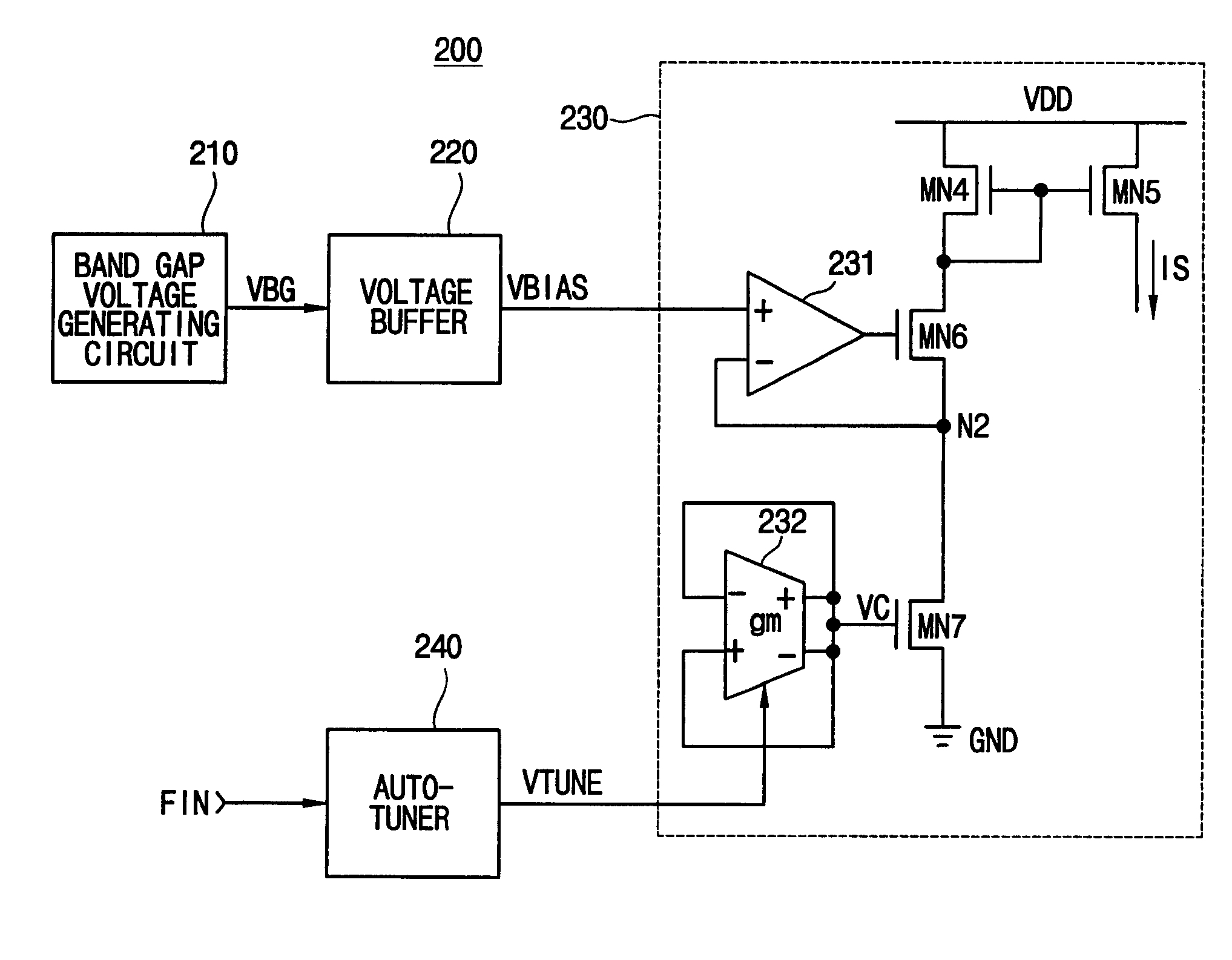
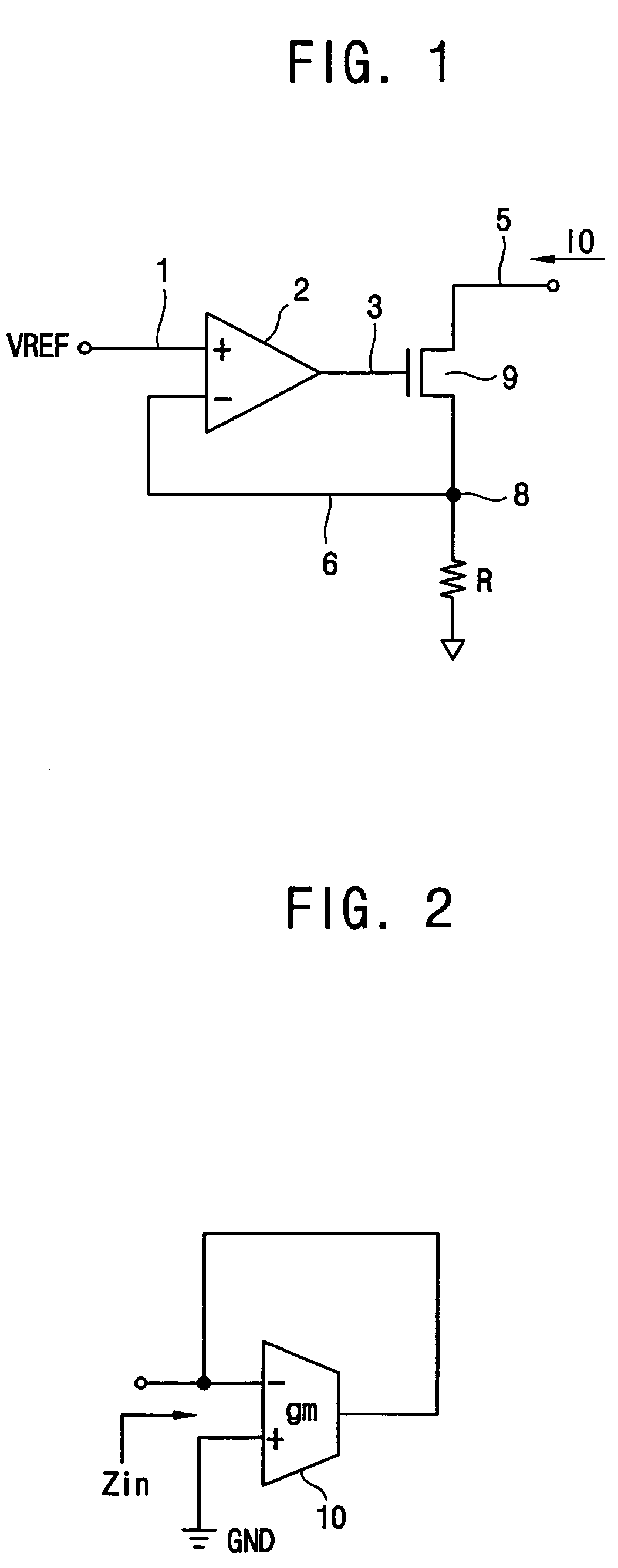
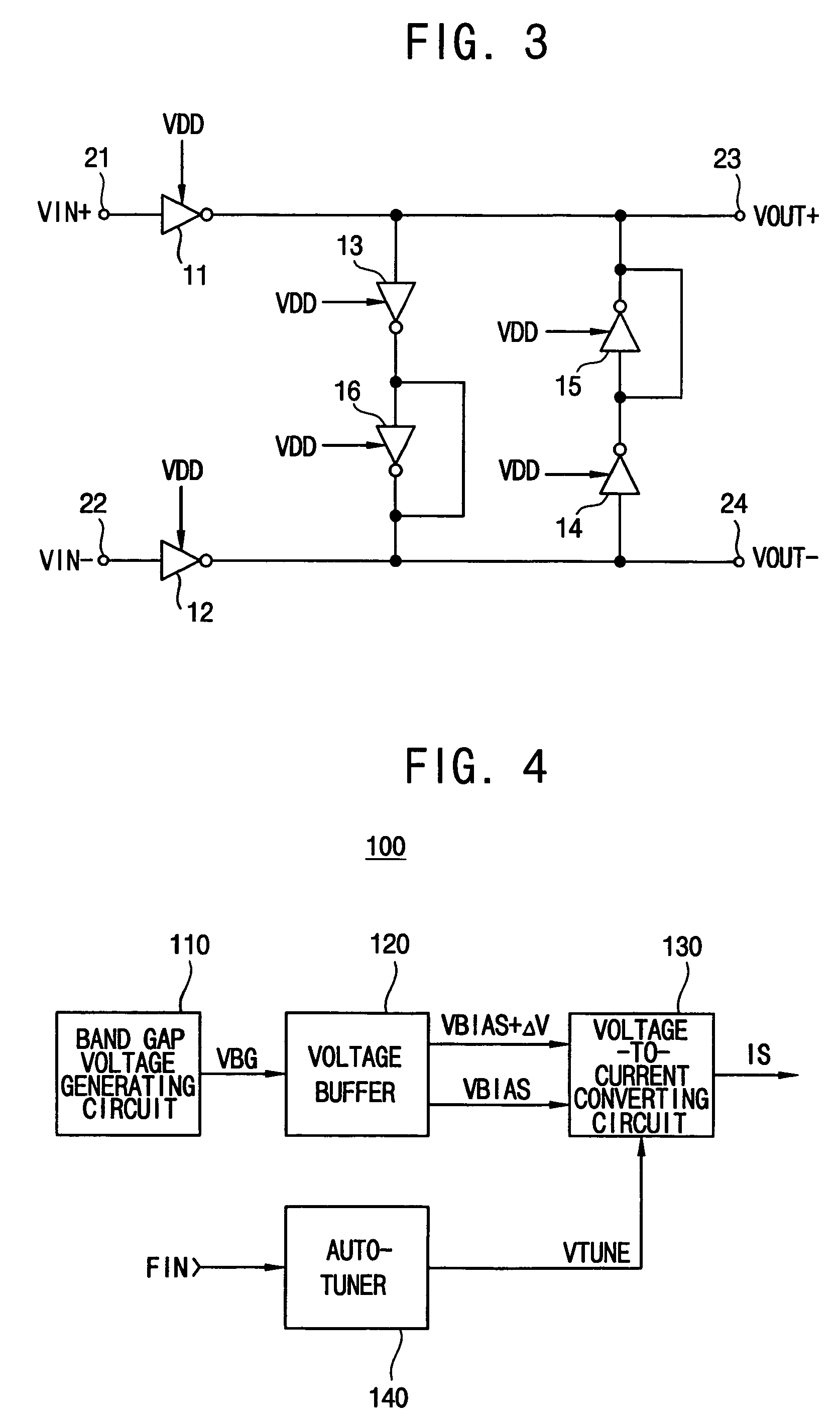
- A current reference circuit with an auto-tuning function that uses a band gap voltage generating circuit, a voltage buffer, and a voltage-to-current converting circuit with a transconductance circuit, controlled by a phase-locked loop to maintain stable transconductance values, independent of temperature and process variations.

Circuit Design Standards and Compliance Requirements
Composite current source tuning systems must adhere to stringent circuit design standards to ensure reliable performance and regulatory compliance. The IEEE 1149.1 boundary scan standard provides fundamental guidelines for testability requirements, while IPC-2221 establishes critical spacing and conductor width specifications that directly impact current source stability. These standards mandate minimum trace widths of 0.1mm for low-current applications and require specific impedance matching protocols to maintain signal integrity across composite current paths.
Safety compliance represents a paramount concern in composite current source implementations. IEC 61010-1 safety requirements for electrical equipment dictate maximum allowable leakage currents and insulation resistance thresholds. Current source circuits must incorporate fail-safe mechanisms that automatically disable output when detecting overcurrent conditions exceeding 110% of rated capacity. Additionally, thermal protection circuits must engage when junction temperatures approach 85% of maximum ratings, ensuring component longevity and preventing catastrophic failures.
Electromagnetic compatibility standards significantly influence composite current source design architectures. FCC Part 15 regulations limit conducted and radiated emissions, requiring careful consideration of switching frequency selection and output filtering topologies. Current source circuits must demonstrate compliance with CISPR 25 automotive EMC requirements when deployed in vehicular applications, necessitating specialized shielding techniques and ground plane optimization strategies.
Quality assurance protocols mandate comprehensive testing procedures throughout the development lifecycle. IPC-A-610 acceptability standards define visual inspection criteria for solder joints and component placement accuracy. Statistical process control methodologies require continuous monitoring of current source output stability, with control limits established at ±3 sigma from nominal values. Reliability testing must demonstrate mean time between failures exceeding 50,000 hours under specified operating conditions.
Documentation requirements encompass detailed design verification reports, compliance test certificates, and traceability matrices linking design decisions to applicable standards. Risk assessment documentation must identify potential failure modes and corresponding mitigation strategies, ensuring comprehensive coverage of safety-critical applications where composite current source performance directly impacts system reliability and user safety.
Safety compliance represents a paramount concern in composite current source implementations. IEC 61010-1 safety requirements for electrical equipment dictate maximum allowable leakage currents and insulation resistance thresholds. Current source circuits must incorporate fail-safe mechanisms that automatically disable output when detecting overcurrent conditions exceeding 110% of rated capacity. Additionally, thermal protection circuits must engage when junction temperatures approach 85% of maximum ratings, ensuring component longevity and preventing catastrophic failures.
Electromagnetic compatibility standards significantly influence composite current source design architectures. FCC Part 15 regulations limit conducted and radiated emissions, requiring careful consideration of switching frequency selection and output filtering topologies. Current source circuits must demonstrate compliance with CISPR 25 automotive EMC requirements when deployed in vehicular applications, necessitating specialized shielding techniques and ground plane optimization strategies.
Quality assurance protocols mandate comprehensive testing procedures throughout the development lifecycle. IPC-A-610 acceptability standards define visual inspection criteria for solder joints and component placement accuracy. Statistical process control methodologies require continuous monitoring of current source output stability, with control limits established at ±3 sigma from nominal values. Reliability testing must demonstrate mean time between failures exceeding 50,000 hours under specified operating conditions.
Documentation requirements encompass detailed design verification reports, compliance test certificates, and traceability matrices linking design decisions to applicable standards. Risk assessment documentation must identify potential failure modes and corresponding mitigation strategies, ensuring comprehensive coverage of safety-critical applications where composite current source performance directly impacts system reliability and user safety.
Power Efficiency and Thermal Management Considerations
Power efficiency represents a critical design parameter in composite current source tuning systems, directly impacting overall circuit performance and operational sustainability. The dynamic nature of current source adjustments inherently introduces power consumption variations that must be carefully managed to maintain optimal efficiency levels. Advanced tuning algorithms incorporate power-aware optimization techniques that balance connectivity performance with energy consumption, ensuring that enhanced circuit functionality does not compromise system efficiency.
The relationship between tuning frequency and power consumption exhibits complex characteristics that require sophisticated management strategies. High-frequency tuning operations typically demand increased power budgets due to rapid switching activities and control circuit overhead. Conversely, adaptive tuning approaches that respond to circuit conditions can significantly reduce average power consumption while maintaining connectivity optimization. Modern implementations leverage predictive algorithms to minimize unnecessary tuning cycles, thereby preserving power resources for critical operational phases.
Thermal management emerges as a fundamental challenge in composite current source systems, particularly during intensive tuning operations. The concentrated heat generation from current source arrays can create localized thermal hotspots that degrade circuit performance and reliability. Effective thermal design strategies incorporate distributed current source architectures that spread heat generation across larger areas, reducing peak temperatures and improving thermal uniformity.
Advanced thermal monitoring systems integrate temperature sensors directly within current source clusters, enabling real-time thermal feedback for tuning algorithms. This integration allows for temperature-aware optimization that adjusts tuning parameters based on thermal conditions, preventing overheating while maintaining connectivity performance. Dynamic thermal management techniques include adaptive current limiting, selective source deactivation, and temperature-compensated tuning algorithms.
The interdependence between power efficiency and thermal management creates optimization challenges that require holistic design approaches. Thermal-aware power management strategies consider both instantaneous power consumption and cumulative thermal effects when determining optimal tuning parameters. These approaches often employ machine learning algorithms to predict thermal behavior and proactively adjust power allocation to prevent thermal violations while maximizing circuit connectivity performance.
The relationship between tuning frequency and power consumption exhibits complex characteristics that require sophisticated management strategies. High-frequency tuning operations typically demand increased power budgets due to rapid switching activities and control circuit overhead. Conversely, adaptive tuning approaches that respond to circuit conditions can significantly reduce average power consumption while maintaining connectivity optimization. Modern implementations leverage predictive algorithms to minimize unnecessary tuning cycles, thereby preserving power resources for critical operational phases.
Thermal management emerges as a fundamental challenge in composite current source systems, particularly during intensive tuning operations. The concentrated heat generation from current source arrays can create localized thermal hotspots that degrade circuit performance and reliability. Effective thermal design strategies incorporate distributed current source architectures that spread heat generation across larger areas, reducing peak temperatures and improving thermal uniformity.
Advanced thermal monitoring systems integrate temperature sensors directly within current source clusters, enabling real-time thermal feedback for tuning algorithms. This integration allows for temperature-aware optimization that adjusts tuning parameters based on thermal conditions, preventing overheating while maintaining connectivity performance. Dynamic thermal management techniques include adaptive current limiting, selective source deactivation, and temperature-compensated tuning algorithms.
The interdependence between power efficiency and thermal management creates optimization challenges that require holistic design approaches. Thermal-aware power management strategies consider both instantaneous power consumption and cumulative thermal effects when determining optimal tuning parameters. These approaches often employ machine learning algorithms to predict thermal behavior and proactively adjust power allocation to prevent thermal violations while maximizing circuit connectivity performance.
Unlock deeper insights with PatSnap Eureka Quick Research — get a full tech report to explore trends and direct your research. Try now!
Generate Your Research Report Instantly with AI Agent
Supercharge your innovation with PatSnap Eureka AI Agent Platform!