

Coordinating Infrastructure Development for Osmotic Power
APR 20, 20269 MIN READ
Generate Your Research Report Instantly with AI Agent
PatSnap Eureka helps you evaluate technical feasibility & market potential.
Osmotic Power Infrastructure Background and Development Goals
Osmotic power, also known as salinity gradient power or blue energy, represents a renewable energy technology that harnesses the chemical potential difference between freshwater and saltwater to generate electricity. This technology has evolved from theoretical concepts in the 1970s to practical demonstration projects in the 21st century, driven by the global imperative to diversify renewable energy portfolios and reduce carbon emissions.
The fundamental principle underlying osmotic power involves the natural process of osmosis, where water molecules move across a semi-permeable membrane from areas of lower salt concentration to higher concentration. This process creates pressure differentials that can be converted into mechanical energy and subsequently into electrical power through turbine systems.
Historical development of osmotic power technology began with early theoretical work by Pattle in 1954, followed by significant research contributions from Loeb and Norman in the 1970s. The technology gained renewed attention in the 1990s as membrane technologies advanced and environmental concerns intensified. Norway's Statkraft pioneered the first commercial-scale prototype in 2009, marking a crucial milestone in the technology's evolution.
Current technological approaches primarily focus on two main methods: Pressure Retarded Osmosis (PRO) and Reverse Electrodialysis (RED). PRO systems utilize hydraulic pressure generated by osmotic processes to drive turbines, while RED systems employ ion-selective membranes to create electrical potential differences directly. Both approaches face significant technical challenges related to membrane efficiency, fouling resistance, and energy conversion optimization.
The primary development goals for osmotic power infrastructure center on achieving commercial viability through improved energy conversion efficiency, reduced capital costs, and enhanced system reliability. Target efficiency improvements aim to increase power density from current levels of 2-5 W/m² to commercially viable ranges of 10-20 W/m². Cost reduction objectives focus on membrane technology advancement, system integration optimization, and economies of scale in manufacturing.
Strategic development priorities include establishing standardized infrastructure frameworks, developing robust membrane materials resistant to biofouling and chemical degradation, and creating integrated systems that can operate reliably in diverse environmental conditions. Long-term goals encompass scaling up from demonstration projects to utility-scale installations capable of contributing meaningfully to national energy grids while maintaining environmental sustainability and economic competitiveness with other renewable energy sources.
The fundamental principle underlying osmotic power involves the natural process of osmosis, where water molecules move across a semi-permeable membrane from areas of lower salt concentration to higher concentration. This process creates pressure differentials that can be converted into mechanical energy and subsequently into electrical power through turbine systems.
Historical development of osmotic power technology began with early theoretical work by Pattle in 1954, followed by significant research contributions from Loeb and Norman in the 1970s. The technology gained renewed attention in the 1990s as membrane technologies advanced and environmental concerns intensified. Norway's Statkraft pioneered the first commercial-scale prototype in 2009, marking a crucial milestone in the technology's evolution.
Current technological approaches primarily focus on two main methods: Pressure Retarded Osmosis (PRO) and Reverse Electrodialysis (RED). PRO systems utilize hydraulic pressure generated by osmotic processes to drive turbines, while RED systems employ ion-selective membranes to create electrical potential differences directly. Both approaches face significant technical challenges related to membrane efficiency, fouling resistance, and energy conversion optimization.
The primary development goals for osmotic power infrastructure center on achieving commercial viability through improved energy conversion efficiency, reduced capital costs, and enhanced system reliability. Target efficiency improvements aim to increase power density from current levels of 2-5 W/m² to commercially viable ranges of 10-20 W/m². Cost reduction objectives focus on membrane technology advancement, system integration optimization, and economies of scale in manufacturing.
Strategic development priorities include establishing standardized infrastructure frameworks, developing robust membrane materials resistant to biofouling and chemical degradation, and creating integrated systems that can operate reliably in diverse environmental conditions. Long-term goals encompass scaling up from demonstration projects to utility-scale installations capable of contributing meaningfully to national energy grids while maintaining environmental sustainability and economic competitiveness with other renewable energy sources.
Market Demand Analysis for Osmotic Energy Systems
The global energy transition toward renewable sources has created substantial market demand for osmotic energy systems as a complementary technology to solar and wind power. Unlike intermittent renewable sources, osmotic power offers continuous baseload generation, making it particularly attractive for coastal regions seeking energy security and grid stability. This consistent power output addresses a critical gap in renewable energy portfolios, driving interest from utilities and energy planners worldwide.
Coastal nations with significant freshwater discharge points represent the primary market for osmotic energy infrastructure. Countries including Norway, the Netherlands, Japan, and South Korea have demonstrated strong governmental support through research funding and pilot project initiatives. The European Union's Green Deal framework specifically identifies osmotic power as a strategic technology for achieving carbon neutrality goals, creating policy-driven demand for commercial-scale deployments.
Industrial applications present another significant demand driver, particularly for energy-intensive coastal facilities such as desalination plants, chemical processing centers, and data centers. These facilities can leverage osmotic energy systems to reduce operational costs while meeting sustainability targets. The co-location potential with existing water treatment infrastructure creates synergistic opportunities that enhance economic viability.
The desalination industry represents a particularly promising market segment, as reverse osmosis plants generate concentrated brine streams that can serve as high-salinity inputs for osmotic power generation. This circular approach addresses waste management challenges while creating additional revenue streams, making it attractive to water utility operators facing increasing environmental regulations.
Market demand is also emerging from island nations and remote coastal communities seeking energy independence. These markets prioritize energy security over pure economic returns, creating opportunities for smaller-scale osmotic systems that can operate independently of major grid infrastructure. The reliability factor becomes especially valuable in regions prone to supply chain disruptions or extreme weather events.
Corporate sustainability commitments from multinational corporations are generating additional demand pressure, as companies seek verifiable renewable energy sources for their coastal operations. The unique positioning of osmotic power as a truly continuous renewable source provides competitive advantages in corporate procurement processes focused on grid stability and carbon footprint reduction.
Coastal nations with significant freshwater discharge points represent the primary market for osmotic energy infrastructure. Countries including Norway, the Netherlands, Japan, and South Korea have demonstrated strong governmental support through research funding and pilot project initiatives. The European Union's Green Deal framework specifically identifies osmotic power as a strategic technology for achieving carbon neutrality goals, creating policy-driven demand for commercial-scale deployments.
Industrial applications present another significant demand driver, particularly for energy-intensive coastal facilities such as desalination plants, chemical processing centers, and data centers. These facilities can leverage osmotic energy systems to reduce operational costs while meeting sustainability targets. The co-location potential with existing water treatment infrastructure creates synergistic opportunities that enhance economic viability.
The desalination industry represents a particularly promising market segment, as reverse osmosis plants generate concentrated brine streams that can serve as high-salinity inputs for osmotic power generation. This circular approach addresses waste management challenges while creating additional revenue streams, making it attractive to water utility operators facing increasing environmental regulations.
Market demand is also emerging from island nations and remote coastal communities seeking energy independence. These markets prioritize energy security over pure economic returns, creating opportunities for smaller-scale osmotic systems that can operate independently of major grid infrastructure. The reliability factor becomes especially valuable in regions prone to supply chain disruptions or extreme weather events.
Corporate sustainability commitments from multinational corporations are generating additional demand pressure, as companies seek verifiable renewable energy sources for their coastal operations. The unique positioning of osmotic power as a truly continuous renewable source provides competitive advantages in corporate procurement processes focused on grid stability and carbon footprint reduction.
Current Status and Challenges in Osmotic Power Infrastructure
Osmotic power technology currently exists in a nascent stage of commercial development, with only a handful of demonstration facilities operational worldwide. The most notable installations include the Statkraft prototype plant in Tofte, Norway, which operated from 2009 to 2013, and several smaller-scale pilot projects in the Netherlands and Japan. These facilities have demonstrated the technical feasibility of pressure retarded osmosis and reverse electrodialysis methods, yet none have achieved commercial viability at scale.
The global distribution of osmotic power infrastructure remains highly concentrated in regions with favorable geographic conditions, particularly areas where rivers meet the sea. Northern European countries, especially Norway and the Netherlands, have emerged as early leaders due to their extensive coastlines, significant freshwater resources, and supportive government policies for renewable energy development. Asian markets, including Japan and South Korea, have also initiated research programs, though their infrastructure development lags behind European efforts.
Current technological implementations face substantial efficiency limitations, with energy conversion rates typically ranging between 1-3 watts per square meter of membrane surface area. This performance falls significantly short of the theoretical potential of 2-3 kilowatts per cubic meter of freshwater, highlighting the gap between laboratory achievements and real-world applications. Membrane fouling, pressure loss, and suboptimal system integration continue to constrain operational efficiency across existing installations.
Economic viability represents the most critical challenge confronting osmotic power infrastructure development. Capital expenditure requirements for membrane systems, pumping equipment, and specialized facilities currently exceed $10,000 per installed kilowatt, making osmotic power substantially more expensive than conventional renewable alternatives. Operating costs remain elevated due to membrane replacement needs, system maintenance requirements, and energy consumption for auxiliary processes.
Technical barriers encompass membrane durability issues, with current materials experiencing significant performance degradation within 2-3 years of operation. Scaling challenges prevent the transition from laboratory-scale success to industrial-scale implementation, as larger systems introduce complex fluid dynamics and pressure management complications. Additionally, the integration of osmotic power systems with existing electrical grid infrastructure requires specialized power conditioning equipment and grid stability considerations that add complexity and cost to deployment efforts.
The global distribution of osmotic power infrastructure remains highly concentrated in regions with favorable geographic conditions, particularly areas where rivers meet the sea. Northern European countries, especially Norway and the Netherlands, have emerged as early leaders due to their extensive coastlines, significant freshwater resources, and supportive government policies for renewable energy development. Asian markets, including Japan and South Korea, have also initiated research programs, though their infrastructure development lags behind European efforts.
Current technological implementations face substantial efficiency limitations, with energy conversion rates typically ranging between 1-3 watts per square meter of membrane surface area. This performance falls significantly short of the theoretical potential of 2-3 kilowatts per cubic meter of freshwater, highlighting the gap between laboratory achievements and real-world applications. Membrane fouling, pressure loss, and suboptimal system integration continue to constrain operational efficiency across existing installations.
Economic viability represents the most critical challenge confronting osmotic power infrastructure development. Capital expenditure requirements for membrane systems, pumping equipment, and specialized facilities currently exceed $10,000 per installed kilowatt, making osmotic power substantially more expensive than conventional renewable alternatives. Operating costs remain elevated due to membrane replacement needs, system maintenance requirements, and energy consumption for auxiliary processes.
Technical barriers encompass membrane durability issues, with current materials experiencing significant performance degradation within 2-3 years of operation. Scaling challenges prevent the transition from laboratory-scale success to industrial-scale implementation, as larger systems introduce complex fluid dynamics and pressure management complications. Additionally, the integration of osmotic power systems with existing electrical grid infrastructure requires specialized power conditioning equipment and grid stability considerations that add complexity and cost to deployment efforts.
Current Infrastructure Coordination Solutions for Osmotic Power
01 Pressure retarded osmosis (PRO) systems for power generation
Osmotic power generation utilizing pressure retarded osmosis technology, where energy is harvested from the salinity gradient between two solutions of different concentrations. The system typically involves semipermeable membranes that allow water to flow from low-salinity to high-salinity solutions, generating pressure that can be converted to electrical energy through turbines or other energy conversion devices.- Pressure retarded osmosis (PRO) systems for power generation: Osmotic power generation utilizes pressure retarded osmosis technology where solutions of different salt concentrations are separated by semi-permeable membranes. The osmotic pressure difference drives water flow from low to high concentration side, and the pressurized high-concentration solution is used to drive turbines for electricity generation. This technology harnesses the energy from salinity gradients, particularly at locations where freshwater meets seawater.
- Reverse electrodialysis (RED) systems: Reverse electrodialysis is an alternative method for osmotic power generation that uses ion-exchange membranes to convert salinity gradient energy directly into electrical energy. When solutions with different salt concentrations are separated by alternating cation and anion exchange membranes, ions migrate through the membranes creating an electrical potential difference that can be harvested as electric power.
- Membrane materials and configurations for osmotic power: Advanced membrane technologies are critical for efficient osmotic power generation. This includes development of high-performance semi-permeable membranes with enhanced water permeability, salt rejection capabilities, and mechanical strength. Membrane configurations such as hollow fiber, spiral wound, and flat sheet designs are optimized to maximize surface area and minimize pressure drops for improved energy conversion efficiency.
- Hybrid osmotic power systems and energy recovery: Hybrid systems combine osmotic power generation with other renewable energy technologies or desalination processes to improve overall efficiency and economic viability. These integrated approaches may couple osmotic power with solar, wind, or waste heat recovery systems. Energy recovery devices and optimization of operating parameters enhance the net power output and reduce the energy consumption of the overall system.
- Pretreatment and fouling control in osmotic power systems: Effective pretreatment of feed solutions and fouling mitigation strategies are essential for maintaining long-term performance of osmotic power systems. This includes removal of suspended solids, organic matter, and biological contaminants that can cause membrane fouling. Various cleaning protocols, antifouling coatings, and operational strategies are employed to extend membrane lifespan and maintain stable power generation efficiency.
02 Membrane technology and materials for osmotic power systems
Development of specialized membranes with enhanced permeability and selectivity for osmotic power applications. These membranes are designed to maximize water flux while maintaining salt rejection, utilizing advanced materials and structures to improve efficiency and durability in osmotic energy conversion processes.Expand Specific Solutions03 Forward osmosis (FO) systems and applications
Forward osmosis technology for energy generation and water treatment applications, where osmotic pressure differences drive water transport across membranes. The systems can be integrated with power generation modules or used in hybrid configurations to extract energy from salinity gradients while simultaneously treating water or concentrating solutions.Expand Specific Solutions04 Hybrid osmotic power systems with energy recovery
Integrated systems combining osmotic power generation with energy recovery mechanisms and other renewable energy technologies. These hybrid configurations optimize overall energy efficiency by recovering pressure energy, integrating with desalination processes, or coupling with other power generation methods to enhance the economic viability of osmotic power plants.Expand Specific Solutions05 Draw solutions and chemical systems for osmotic processes
Development of specialized draw solutions and chemical systems to enhance osmotic power generation efficiency. These solutions are engineered to create optimal osmotic pressure gradients, facilitate easy regeneration, and minimize energy consumption in the overall osmotic power cycle. The systems may include novel chemical compositions and regeneration methods.Expand Specific Solutions
Major Players in Osmotic Power Infrastructure Development
The osmotic power infrastructure development sector represents an emerging technology field in its early commercialization stage, with significant growth potential driven by increasing renewable energy demands. The market remains relatively small but shows promising expansion opportunities as coastal regions seek sustainable energy solutions. Technology maturity varies considerably across the competitive landscape, with established infrastructure giants like State Grid Corp. of China and Toshiba Corp. leveraging their grid integration expertise, while specialized players such as Saltpower Holding ApS and Saltkraft ApS focus on dedicated osmotic power systems. Research institutions including KAUST, Nanyang Technological University, and Tsinghua University are advancing fundamental membrane and energy conversion technologies. Japanese companies like Toray Industries and Sasakura Engineering contribute advanced materials and desalination expertise, while emerging firms like NRGTEK Inc develop integrated energy-water solutions, creating a diverse ecosystem spanning from basic research to commercial deployment.
State Grid Corp. of China
Technical Solution: State Grid approaches osmotic power infrastructure through large-scale grid integration planning and coastal energy hub development. Their strategy involves coordinating osmotic power plants with existing electrical grid infrastructure, developing standardized connection protocols, and creating regional energy clusters that combine osmotic power with other renewable sources. The company has initiated feasibility studies for integrating osmotic power into China's national grid system, focusing on coastal provinces with suitable salinity gradients. Their infrastructure development model emphasizes centralized planning, standardized equipment specifications, and coordination with local governments for site selection and environmental approvals.
Strengths: Massive financial resources, extensive grid infrastructure experience, and strong government backing for large-scale renewable energy projects. Weaknesses: Limited specific expertise in osmotic power technology and slower decision-making processes due to bureaucratic structure.
Saltpower Holding ApS
Technical Solution: Saltpower specializes in developing commercial-scale osmotic power plants using pressure retarded osmosis (PRO) technology. Their approach focuses on creating integrated infrastructure systems that combine seawater intake facilities, membrane housing units, and power generation equipment. The company has developed modular plant designs that can be scaled from pilot installations to multi-megawatt facilities, with emphasis on optimizing membrane performance and minimizing fouling through advanced pretreatment systems. Their infrastructure coordination strategy includes partnerships with coastal utilities and integration with existing desalination plants to share intake and discharge infrastructure, reducing overall capital costs and environmental impact.
Strengths: Specialized focus on osmotic power commercialization with proven pilot-scale demonstrations and strong industry partnerships. Weaknesses: Limited global presence and relatively small scale compared to major energy infrastructure developers.
Key Technologies in Osmotic Power Infrastructure Integration
Power generation process
PatentInactiveUS20200166023A1
Innovation
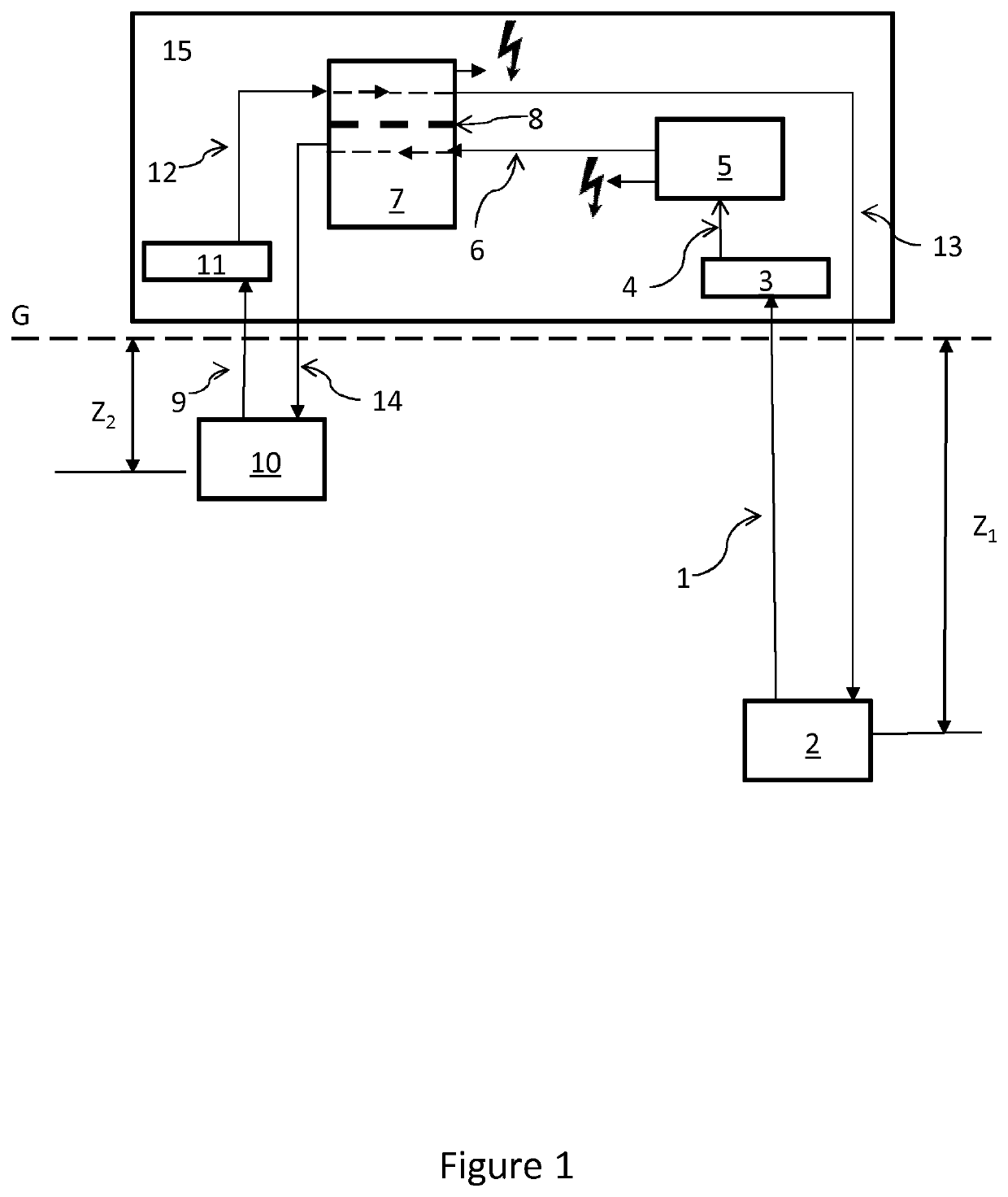
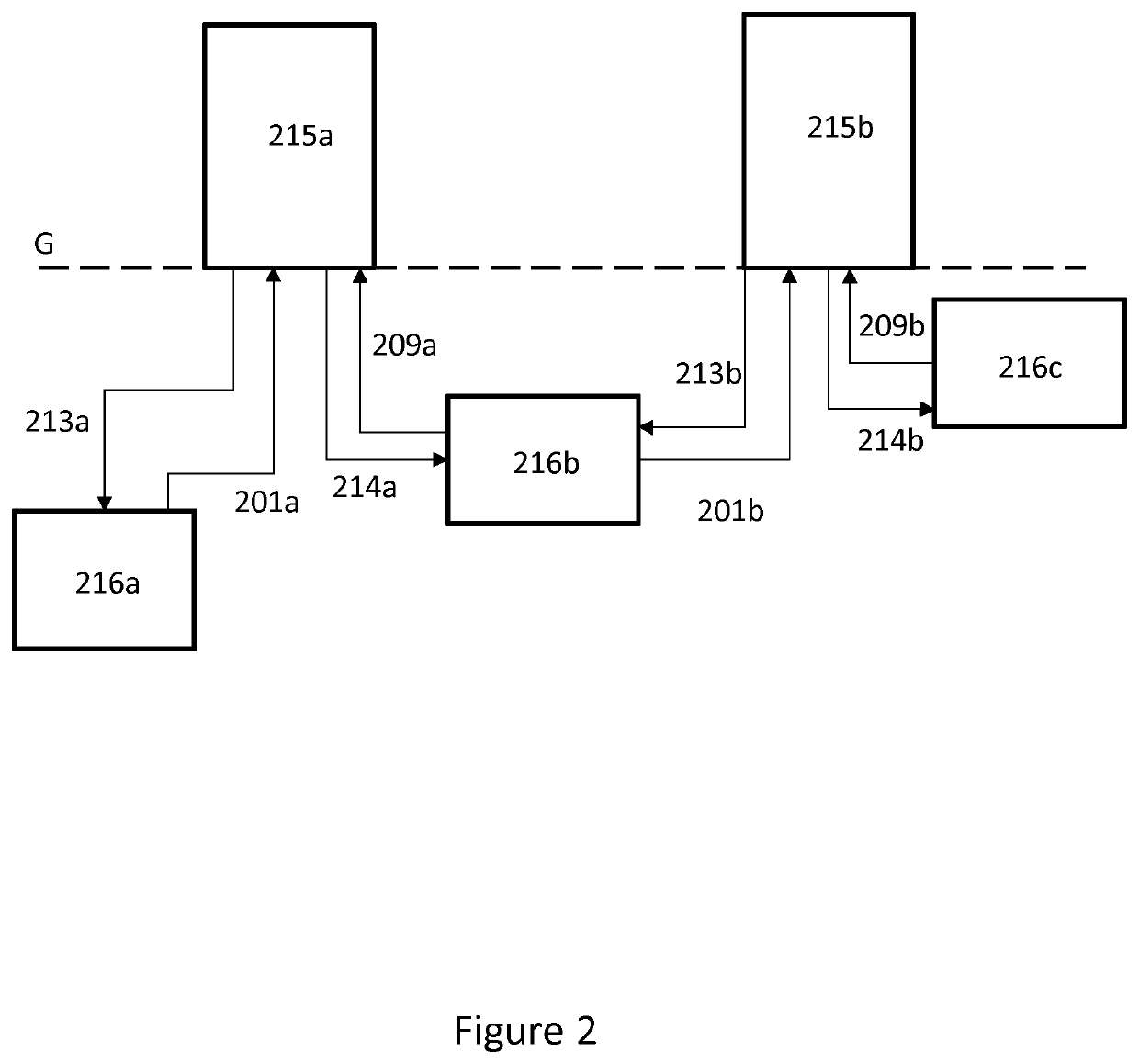
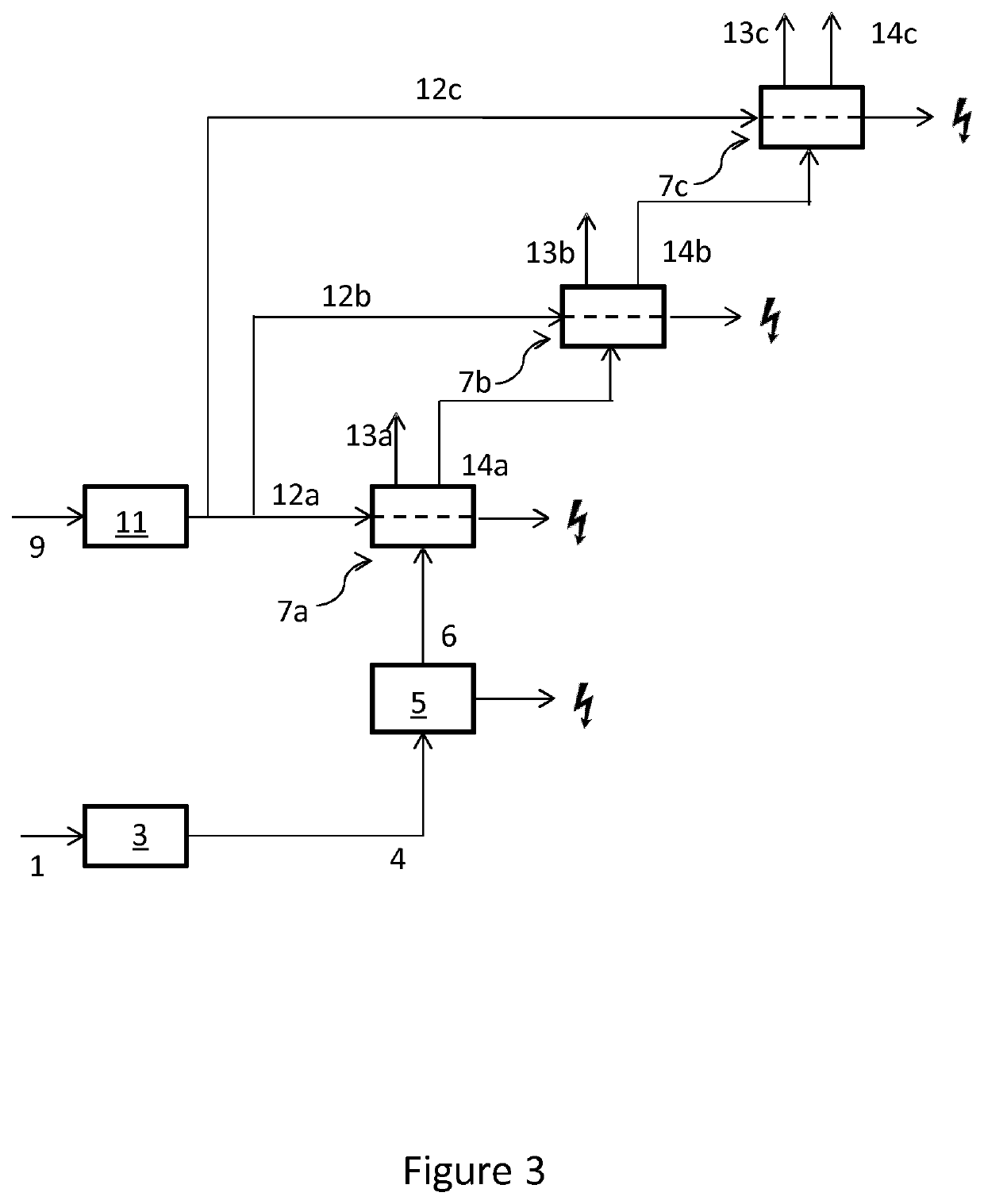
- A power generation process that extracts a warm saline stream from a geothermal formation, converts latent osmotic energy into electricity using a semi-permeable membrane, and reduces temperature through a thermal power unit, with the output stream injected into a different underground formation, allowing for reduced water usage and efficient waste management.

Method for combining desalination and osmotic power with carbon dioxide capture
PatentInactiveUS20110100218A1
Innovation
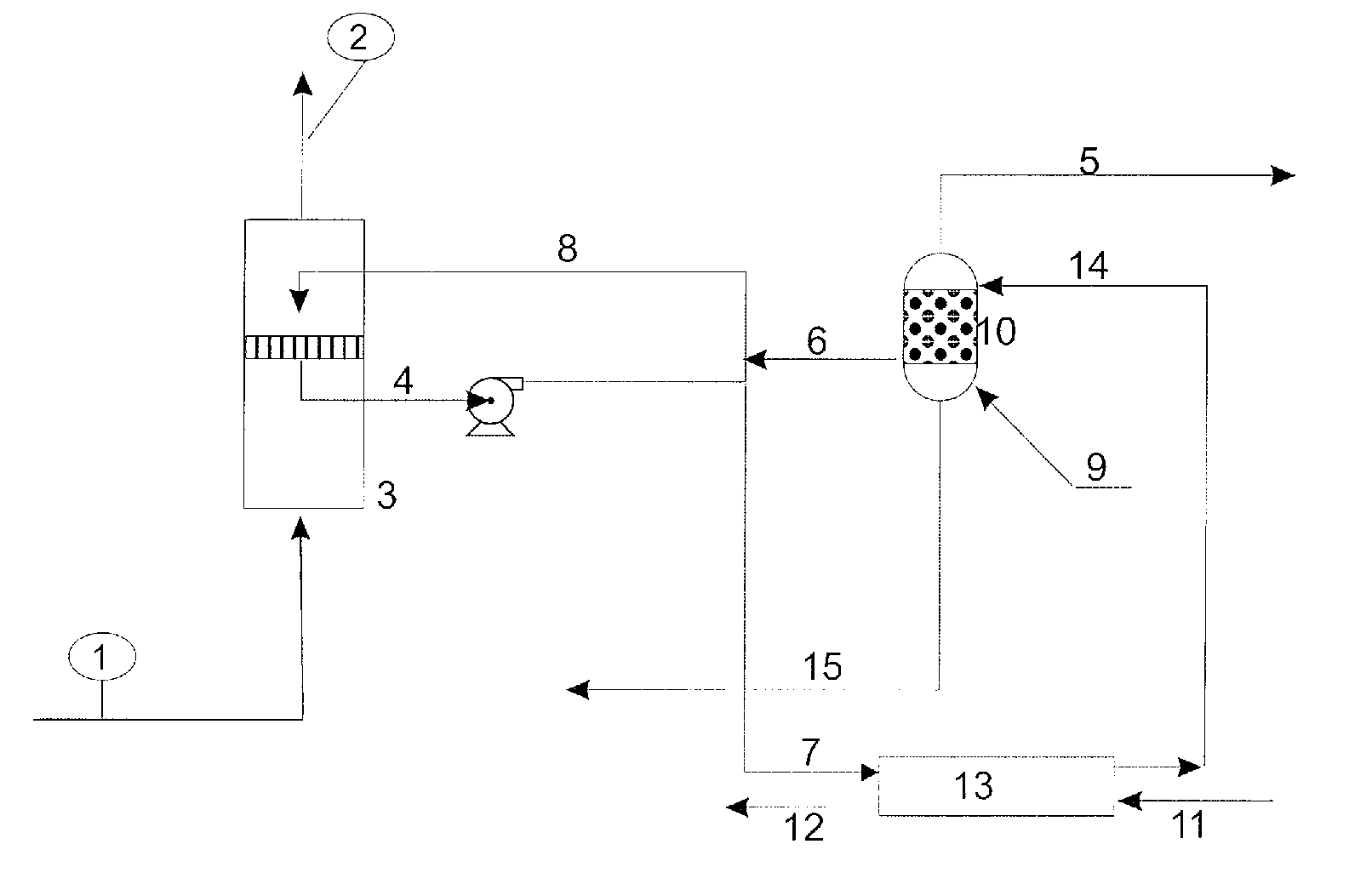
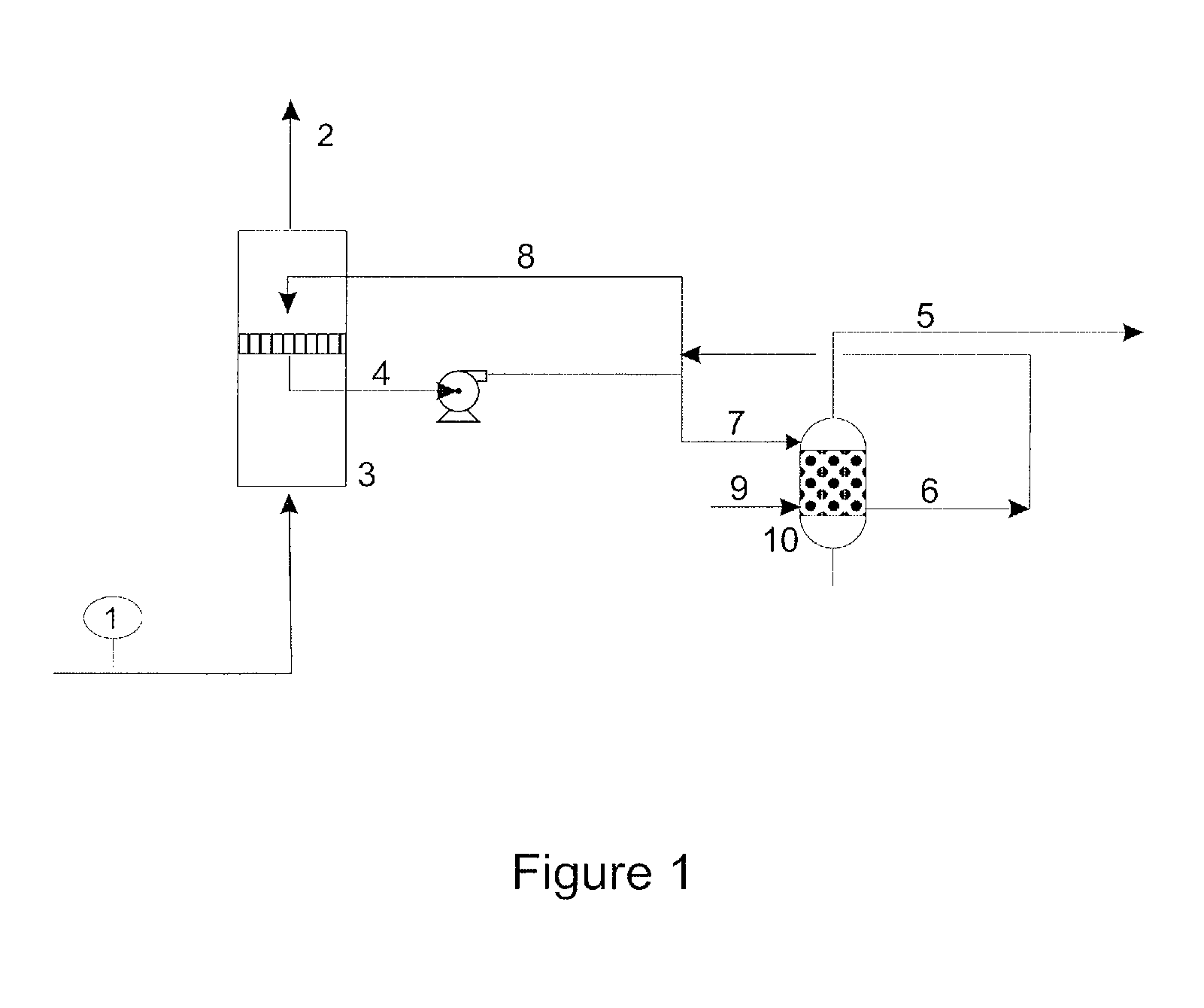
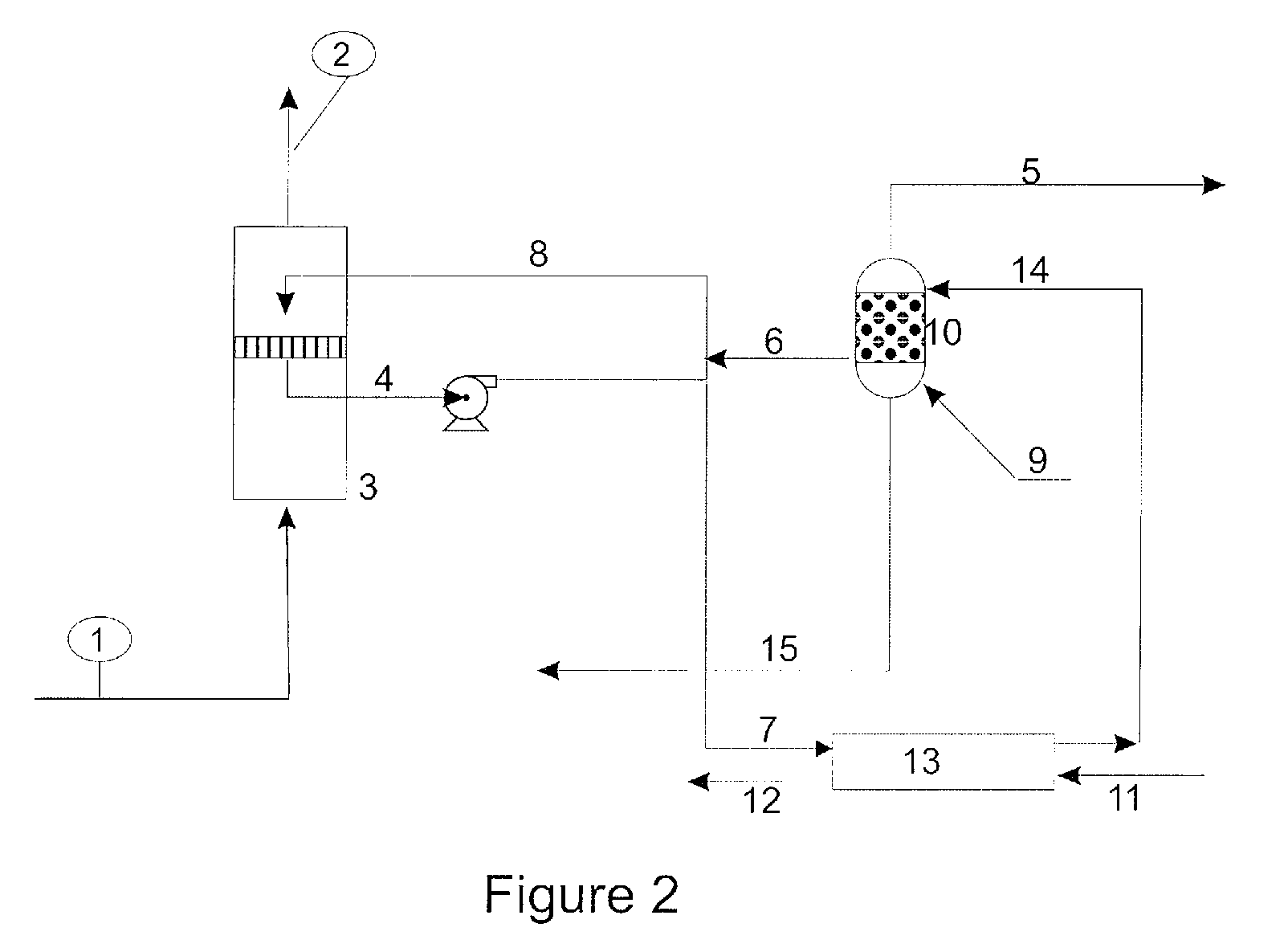
- Combining ammonia-based carbon capture with forward osmosis desalination and osmotic power generation, where the high osmotic pressure of ammonium carbonate solutions is used to drive water desalination and power generation, sharing the energy required to decompose ammonium carbonates for both processes, reducing capital equipment needs and overall costs.

Environmental Impact Assessment of Osmotic Power Infrastructure
The environmental impact assessment of osmotic power infrastructure represents a critical evaluation framework that examines both positive and negative ecological consequences of salinity gradient energy systems. This comprehensive assessment encompasses multiple environmental dimensions, from marine ecosystem disruption to long-term sustainability benefits, requiring systematic analysis of infrastructure deployment across diverse geographical locations.
Marine ecosystem impacts constitute the primary environmental concern for osmotic power installations. Large-scale water intake systems necessary for osmotic power generation can significantly affect local marine life through entrainment and impingement processes. Fish larvae, plankton, and other marine organisms may be drawn into intake structures, potentially disrupting local food chains and biodiversity patterns. Additionally, the discharge of concentrated brine solutions back into marine environments can alter local salinity levels, affecting sensitive marine habitats and species adaptation mechanisms.
Coastal morphology and sediment transport patterns face potential disruption from osmotic power infrastructure development. Installation of intake and discharge structures can modify natural water flow patterns, leading to changes in coastal erosion and sediment deposition. These alterations may impact coastal wetlands, estuarine environments, and shoreline stability, requiring careful consideration of placement strategies and engineering design modifications to minimize geomorphological impacts.
Water quality considerations extend beyond salinity changes to include temperature variations and chemical composition alterations. Osmotic power processes may introduce temperature differentials in discharged water, potentially creating thermal pollution effects in receiving water bodies. Furthermore, membrane cleaning processes and system maintenance activities could introduce chemical contaminants, necessitating robust monitoring and treatment protocols to maintain water quality standards.
Positive environmental impacts include significant carbon footprint reduction compared to fossil fuel-based energy generation. Osmotic power systems produce clean, renewable energy without greenhouse gas emissions during operation, contributing to climate change mitigation efforts. The technology offers potential for reducing dependence on carbon-intensive energy sources while providing consistent baseload power generation capabilities.
Cumulative environmental effects require assessment across multiple installation sites and operational timeframes. Long-term monitoring protocols must evaluate ecosystem adaptation responses, species migration pattern changes, and potential synergistic effects with other marine infrastructure developments. Mitigation strategies should incorporate adaptive management approaches, allowing for operational adjustments based on ongoing environmental monitoring results and emerging scientific understanding of osmotic power ecological interactions.
Marine ecosystem impacts constitute the primary environmental concern for osmotic power installations. Large-scale water intake systems necessary for osmotic power generation can significantly affect local marine life through entrainment and impingement processes. Fish larvae, plankton, and other marine organisms may be drawn into intake structures, potentially disrupting local food chains and biodiversity patterns. Additionally, the discharge of concentrated brine solutions back into marine environments can alter local salinity levels, affecting sensitive marine habitats and species adaptation mechanisms.
Coastal morphology and sediment transport patterns face potential disruption from osmotic power infrastructure development. Installation of intake and discharge structures can modify natural water flow patterns, leading to changes in coastal erosion and sediment deposition. These alterations may impact coastal wetlands, estuarine environments, and shoreline stability, requiring careful consideration of placement strategies and engineering design modifications to minimize geomorphological impacts.
Water quality considerations extend beyond salinity changes to include temperature variations and chemical composition alterations. Osmotic power processes may introduce temperature differentials in discharged water, potentially creating thermal pollution effects in receiving water bodies. Furthermore, membrane cleaning processes and system maintenance activities could introduce chemical contaminants, necessitating robust monitoring and treatment protocols to maintain water quality standards.
Positive environmental impacts include significant carbon footprint reduction compared to fossil fuel-based energy generation. Osmotic power systems produce clean, renewable energy without greenhouse gas emissions during operation, contributing to climate change mitigation efforts. The technology offers potential for reducing dependence on carbon-intensive energy sources while providing consistent baseload power generation capabilities.
Cumulative environmental effects require assessment across multiple installation sites and operational timeframes. Long-term monitoring protocols must evaluate ecosystem adaptation responses, species migration pattern changes, and potential synergistic effects with other marine infrastructure developments. Mitigation strategies should incorporate adaptive management approaches, allowing for operational adjustments based on ongoing environmental monitoring results and emerging scientific understanding of osmotic power ecological interactions.
Policy Framework for Marine Renewable Energy Infrastructure
The development of osmotic power infrastructure requires a comprehensive policy framework that addresses the unique challenges of marine renewable energy systems. Current regulatory approaches often lack the specificity needed for salinity gradient power technologies, creating uncertainty for investors and developers. Establishing clear guidelines for environmental impact assessments, grid integration standards, and operational safety protocols is essential for coordinating large-scale infrastructure deployment.
Regulatory harmonization across different jurisdictions presents a significant challenge for osmotic power development. Coastal regions often involve multiple regulatory bodies, including maritime authorities, environmental agencies, and energy regulators. A unified policy framework should establish streamlined permitting processes that reduce bureaucratic delays while maintaining rigorous environmental protection standards. This coordination mechanism must address both onshore and offshore components of osmotic power systems.
Financial incentive structures play a crucial role in accelerating infrastructure development. Policy frameworks should incorporate feed-in tariffs, renewable energy certificates, and tax incentives specifically tailored to osmotic power technologies. These mechanisms must account for the technology's unique characteristics, including its continuous power generation capability and minimal visual impact compared to other marine renewable energy sources.
Environmental stewardship policies require careful consideration of marine ecosystem impacts. Regulatory frameworks must establish monitoring protocols for water quality changes, marine life interactions, and sediment transport patterns. These policies should mandate comprehensive baseline studies and ongoing environmental monitoring throughout the operational lifecycle of osmotic power facilities.
International cooperation frameworks are essential for coordinating cross-border osmotic power projects, particularly in shared water bodies. Policy alignment between neighboring countries can facilitate technology transfer, joint research initiatives, and standardized safety protocols. Such cooperation mechanisms should address intellectual property rights, technology sharing agreements, and coordinated emergency response procedures.
Grid integration policies must accommodate the unique characteristics of osmotic power generation, including its predictable output patterns and potential for baseload operation. Regulatory frameworks should establish technical standards for power quality, grid stability contributions, and energy storage integration requirements that optimize the value proposition of osmotic power within broader renewable energy portfolios.
Regulatory harmonization across different jurisdictions presents a significant challenge for osmotic power development. Coastal regions often involve multiple regulatory bodies, including maritime authorities, environmental agencies, and energy regulators. A unified policy framework should establish streamlined permitting processes that reduce bureaucratic delays while maintaining rigorous environmental protection standards. This coordination mechanism must address both onshore and offshore components of osmotic power systems.
Financial incentive structures play a crucial role in accelerating infrastructure development. Policy frameworks should incorporate feed-in tariffs, renewable energy certificates, and tax incentives specifically tailored to osmotic power technologies. These mechanisms must account for the technology's unique characteristics, including its continuous power generation capability and minimal visual impact compared to other marine renewable energy sources.
Environmental stewardship policies require careful consideration of marine ecosystem impacts. Regulatory frameworks must establish monitoring protocols for water quality changes, marine life interactions, and sediment transport patterns. These policies should mandate comprehensive baseline studies and ongoing environmental monitoring throughout the operational lifecycle of osmotic power facilities.
International cooperation frameworks are essential for coordinating cross-border osmotic power projects, particularly in shared water bodies. Policy alignment between neighboring countries can facilitate technology transfer, joint research initiatives, and standardized safety protocols. Such cooperation mechanisms should address intellectual property rights, technology sharing agreements, and coordinated emergency response procedures.
Grid integration policies must accommodate the unique characteristics of osmotic power generation, including its predictable output patterns and potential for baseload operation. Regulatory frameworks should establish technical standards for power quality, grid stability contributions, and energy storage integration requirements that optimize the value proposition of osmotic power within broader renewable energy portfolios.
Unlock deeper insights with PatSnap Eureka Quick Research — get a full tech report to explore trends and direct your research. Try now!
Generate Your Research Report Instantly with AI Agent
Supercharge your innovation with PatSnap Eureka AI Agent Platform!