

Developing Educational Programs for Osmotic Power Awareness
APR 20, 202610 MIN READ
Generate Your Research Report Instantly with AI Agent
PatSnap Eureka helps you evaluate technical feasibility & market potential.
Osmotic Power Education Background and Objectives
Osmotic power, also known as salinity gradient power or blue energy, represents a renewable energy technology that harnesses the chemical potential difference between freshwater and saltwater to generate electricity. This technology has evolved from theoretical concepts in the 1950s to practical demonstration projects in recent decades, driven by the global imperative to diversify renewable energy portfolios and reduce carbon emissions. The fundamental principle relies on semi-permeable membranes that allow selective ion transport, creating pressure differentials or electrical potentials that can be converted into usable energy.
The historical development of osmotic power technology traces back to early research on reverse electrodialysis and pressure-retarded osmosis mechanisms. Initial laboratory demonstrations in the 1970s and 1980s established the scientific foundation, while the 2000s witnessed the construction of pilot plants in Norway and the Netherlands. These milestones demonstrated the technical feasibility of converting salinity gradients into electrical energy, though commercial viability remained challenging due to membrane efficiency and cost constraints.
Current technological trajectories focus on advancing membrane materials, optimizing system designs, and identifying suitable deployment locations where freshwater rivers meet seawater bodies. The technology's evolution has been characterized by incremental improvements in power density, membrane selectivity, and operational durability, with research institutions and energy companies investing in next-generation materials and system architectures.
The primary objective of developing educational programs for osmotic power awareness centers on bridging the knowledge gap between advanced research developments and public understanding of this emerging renewable energy technology. Educational initiatives aim to cultivate informed stakeholders across multiple levels, from academic researchers and engineering students to policymakers and community leaders in coastal regions where osmotic power deployment is most viable.
Specific educational goals include establishing comprehensive curricula that integrate fundamental electrochemistry principles, membrane science, and energy system engineering. These programs seek to develop technical competencies in osmotic power system design, performance evaluation, and environmental impact assessment. Additionally, educational objectives encompass fostering innovation mindsets that can drive breakthrough solutions for current technological limitations, particularly in membrane development and system optimization.
The strategic educational framework also targets raising awareness about osmotic power's potential contribution to sustainable energy transitions, especially in regions with abundant freshwater-seawater interfaces. By developing educational programs that combine theoretical knowledge with practical applications, the initiative aims to accelerate technology adoption, attract research talent, and build public support for osmotic power development projects.
The historical development of osmotic power technology traces back to early research on reverse electrodialysis and pressure-retarded osmosis mechanisms. Initial laboratory demonstrations in the 1970s and 1980s established the scientific foundation, while the 2000s witnessed the construction of pilot plants in Norway and the Netherlands. These milestones demonstrated the technical feasibility of converting salinity gradients into electrical energy, though commercial viability remained challenging due to membrane efficiency and cost constraints.
Current technological trajectories focus on advancing membrane materials, optimizing system designs, and identifying suitable deployment locations where freshwater rivers meet seawater bodies. The technology's evolution has been characterized by incremental improvements in power density, membrane selectivity, and operational durability, with research institutions and energy companies investing in next-generation materials and system architectures.
The primary objective of developing educational programs for osmotic power awareness centers on bridging the knowledge gap between advanced research developments and public understanding of this emerging renewable energy technology. Educational initiatives aim to cultivate informed stakeholders across multiple levels, from academic researchers and engineering students to policymakers and community leaders in coastal regions where osmotic power deployment is most viable.
Specific educational goals include establishing comprehensive curricula that integrate fundamental electrochemistry principles, membrane science, and energy system engineering. These programs seek to develop technical competencies in osmotic power system design, performance evaluation, and environmental impact assessment. Additionally, educational objectives encompass fostering innovation mindsets that can drive breakthrough solutions for current technological limitations, particularly in membrane development and system optimization.
The strategic educational framework also targets raising awareness about osmotic power's potential contribution to sustainable energy transitions, especially in regions with abundant freshwater-seawater interfaces. By developing educational programs that combine theoretical knowledge with practical applications, the initiative aims to accelerate technology adoption, attract research talent, and build public support for osmotic power development projects.
Market Demand for Renewable Energy Education Programs
The global renewable energy education market has experienced substantial growth driven by increasing environmental awareness and the urgent need for sustainable energy solutions. Educational institutions worldwide are recognizing the critical importance of integrating renewable energy topics into their curricula to prepare students for the evolving energy landscape. This trend has created significant opportunities for specialized educational programs focusing on emerging technologies like osmotic power.
Corporate training programs represent a rapidly expanding segment within renewable energy education. Companies across various industries are investing heavily in employee education to meet sustainability goals and regulatory requirements. The demand for comprehensive training materials covering innovative renewable technologies has intensified as organizations seek to demonstrate environmental leadership and technical competency in emerging energy sectors.
Government initiatives and policy frameworks have substantially influenced market demand for renewable energy education programs. Many countries have established mandatory renewable energy education requirements for engineering and environmental science programs. These regulatory drivers have created consistent demand for high-quality educational content that covers both established and emerging renewable technologies, including osmotic power systems.
The academic sector shows particularly strong demand for interdisciplinary educational programs that combine engineering, environmental science, and policy perspectives. Universities are actively seeking comprehensive educational packages that can be integrated across multiple departments and degree programs. This cross-disciplinary approach has created opportunities for specialized educational content that addresses the technical, environmental, and economic aspects of osmotic power technology.
Professional certification programs have emerged as another significant market driver. Industry professionals increasingly seek continuing education opportunities to maintain certifications and advance their careers in the renewable energy sector. The growing recognition of osmotic power as a viable renewable energy source has created specific demand for educational programs that provide technical depth and practical application knowledge.
International development organizations and NGOs represent an important market segment for renewable energy education programs. These organizations require educational materials that can be adapted for diverse cultural and economic contexts, particularly in coastal regions where osmotic power applications show greatest potential. The emphasis on sustainable development goals has further amplified demand for comprehensive renewable energy education initiatives.
The integration of digital learning platforms has expanded market accessibility and created new demand patterns. Online and hybrid educational programs have become increasingly popular, enabling broader reach and more flexible delivery methods. This technological evolution has created opportunities for innovative educational approaches that combine theoretical knowledge with virtual simulations and interactive learning experiences focused on osmotic power systems.
Corporate training programs represent a rapidly expanding segment within renewable energy education. Companies across various industries are investing heavily in employee education to meet sustainability goals and regulatory requirements. The demand for comprehensive training materials covering innovative renewable technologies has intensified as organizations seek to demonstrate environmental leadership and technical competency in emerging energy sectors.
Government initiatives and policy frameworks have substantially influenced market demand for renewable energy education programs. Many countries have established mandatory renewable energy education requirements for engineering and environmental science programs. These regulatory drivers have created consistent demand for high-quality educational content that covers both established and emerging renewable technologies, including osmotic power systems.
The academic sector shows particularly strong demand for interdisciplinary educational programs that combine engineering, environmental science, and policy perspectives. Universities are actively seeking comprehensive educational packages that can be integrated across multiple departments and degree programs. This cross-disciplinary approach has created opportunities for specialized educational content that addresses the technical, environmental, and economic aspects of osmotic power technology.
Professional certification programs have emerged as another significant market driver. Industry professionals increasingly seek continuing education opportunities to maintain certifications and advance their careers in the renewable energy sector. The growing recognition of osmotic power as a viable renewable energy source has created specific demand for educational programs that provide technical depth and practical application knowledge.
International development organizations and NGOs represent an important market segment for renewable energy education programs. These organizations require educational materials that can be adapted for diverse cultural and economic contexts, particularly in coastal regions where osmotic power applications show greatest potential. The emphasis on sustainable development goals has further amplified demand for comprehensive renewable energy education initiatives.
The integration of digital learning platforms has expanded market accessibility and created new demand patterns. Online and hybrid educational programs have become increasingly popular, enabling broader reach and more flexible delivery methods. This technological evolution has created opportunities for innovative educational approaches that combine theoretical knowledge with virtual simulations and interactive learning experiences focused on osmotic power systems.
Current State of Osmotic Power Educational Resources
The current landscape of osmotic power educational resources reveals a significant gap between the technology's potential and public awareness. Most existing educational materials are concentrated within academic institutions and research organizations, primarily targeting graduate-level engineering and renewable energy programs. These resources typically focus on technical aspects such as membrane technology, salinity gradient principles, and power generation mechanisms, but lack comprehensive coverage of practical applications and societal implications.
Traditional educational approaches have predominantly relied on theoretical frameworks presented through academic papers and conference proceedings. Universities with marine engineering or renewable energy departments, particularly in Norway, the Netherlands, and Japan, have developed specialized coursework modules. However, these programs remain highly technical and inaccessible to broader audiences, including policymakers, environmental advocates, and general public stakeholders who could influence osmotic power adoption.
Online educational platforms currently offer limited osmotic power content. Existing materials are scattered across various renewable energy courses within platforms like Coursera and edX, where osmotic power receives minimal coverage compared to solar, wind, and hydroelectric technologies. The few dedicated resources available are primarily research-oriented webinars and technical documentation from organizations like the International Renewable Energy Agency (IRENA) and specialized research institutes.
K-12 educational systems demonstrate particularly sparse coverage of osmotic power concepts. While many curricula include renewable energy topics, osmotic power is rarely mentioned, creating a foundational knowledge gap that persists into higher education and professional development. This absence limits early exposure to the technology and reduces potential interest in pursuing related career paths.
Industry-led educational initiatives remain underdeveloped compared to other renewable energy sectors. Unlike solar or wind industries, which have established comprehensive training programs and certification pathways, osmotic power lacks standardized educational frameworks. Existing industry resources are primarily technical manuals and feasibility studies rather than structured learning programs designed for skill development and awareness building.
Current educational resources also suffer from geographical concentration, with most materials originating from countries with active osmotic power research programs. This creates accessibility barriers for regions with significant osmotic power potential but limited local expertise, hindering global technology transfer and implementation capabilities.
Traditional educational approaches have predominantly relied on theoretical frameworks presented through academic papers and conference proceedings. Universities with marine engineering or renewable energy departments, particularly in Norway, the Netherlands, and Japan, have developed specialized coursework modules. However, these programs remain highly technical and inaccessible to broader audiences, including policymakers, environmental advocates, and general public stakeholders who could influence osmotic power adoption.
Online educational platforms currently offer limited osmotic power content. Existing materials are scattered across various renewable energy courses within platforms like Coursera and edX, where osmotic power receives minimal coverage compared to solar, wind, and hydroelectric technologies. The few dedicated resources available are primarily research-oriented webinars and technical documentation from organizations like the International Renewable Energy Agency (IRENA) and specialized research institutes.
K-12 educational systems demonstrate particularly sparse coverage of osmotic power concepts. While many curricula include renewable energy topics, osmotic power is rarely mentioned, creating a foundational knowledge gap that persists into higher education and professional development. This absence limits early exposure to the technology and reduces potential interest in pursuing related career paths.
Industry-led educational initiatives remain underdeveloped compared to other renewable energy sectors. Unlike solar or wind industries, which have established comprehensive training programs and certification pathways, osmotic power lacks standardized educational frameworks. Existing industry resources are primarily technical manuals and feasibility studies rather than structured learning programs designed for skill development and awareness building.
Current educational resources also suffer from geographical concentration, with most materials originating from countries with active osmotic power research programs. This creates accessibility barriers for regions with significant osmotic power potential but limited local expertise, hindering global technology transfer and implementation capabilities.
Existing Educational Solutions for Osmotic Power
01 Digital platforms and systems for educational program delivery
Systems and methods for delivering educational programs through digital platforms, including online learning management systems, mobile applications, and web-based interfaces. These platforms facilitate the distribution of educational content, track user engagement, and provide interactive learning experiences to increase awareness and accessibility of educational programs.- Digital platforms and systems for educational program delivery: Systems and methods for delivering educational programs through digital platforms, including online learning management systems, web-based interfaces, and mobile applications. These platforms facilitate the distribution of educational content, track user engagement, and provide interactive learning experiences. The technology enables scalable delivery of educational materials to diverse audiences while monitoring participation and progress.
- Assessment and monitoring tools for educational awareness: Technologies for assessing and monitoring the effectiveness of educational programs and awareness initiatives. These tools include data collection mechanisms, analytics systems, and reporting frameworks that measure participant knowledge retention, engagement levels, and behavioral changes. The systems provide feedback loops to improve program design and delivery based on measurable outcomes.
- Personalized and adaptive educational content delivery: Methods for customizing educational content based on individual learner profiles, preferences, and progress. These approaches utilize algorithms and user data to adapt program materials, pacing, and difficulty levels to optimize learning outcomes. The technology enables targeted awareness campaigns that respond to specific demographic or behavioral characteristics of participants.
- Community-based and collaborative learning frameworks: Frameworks that facilitate community engagement and collaborative learning in educational programs. These systems enable peer-to-peer interaction, group activities, and social learning components that enhance awareness through shared experiences. The technology supports the creation of learning communities and networks that amplify program reach and impact.
- Certification and credential management for educational programs: Systems for managing certifications, credentials, and completion records for educational awareness programs. These technologies track participant achievements, issue digital certificates, and maintain secure records of program completion. The infrastructure supports verification of educational credentials and provides recognition mechanisms that incentivize program participation.
02 Personalized educational content recommendation and awareness systems
Technologies that utilize data analytics, artificial intelligence, and machine learning algorithms to personalize educational program recommendations based on user profiles, learning preferences, and behavioral patterns. These systems enhance awareness by matching individuals with relevant educational opportunities and programs tailored to their specific needs and interests.Expand Specific Solutions03 Community-based educational outreach and engagement methods
Approaches for increasing educational program awareness through community engagement, social networks, and collaborative learning environments. These methods include peer-to-peer sharing mechanisms, community forums, and social media integration to promote educational initiatives and facilitate information dissemination among target populations.Expand Specific Solutions04 Multimedia and interactive educational awareness tools
Development of multimedia resources and interactive tools designed to raise awareness about educational programs. These include video content, gamification elements, virtual reality experiences, and interactive demonstrations that engage users and communicate the benefits and availability of educational opportunities in compelling ways.Expand Specific Solutions05 Tracking and assessment systems for educational program awareness campaigns
Systems for monitoring, measuring, and evaluating the effectiveness of educational program awareness initiatives. These technologies track metrics such as reach, engagement, conversion rates, and user feedback to optimize awareness campaigns and ensure educational programs effectively reach their intended audiences.Expand Specific Solutions
Key Players in Energy Education and Osmotic Power
The osmotic power educational program development landscape represents an emerging sector within the broader renewable energy education market, currently in its nascent stage with limited market penetration but growing awareness of blue energy potential. The market remains relatively small compared to traditional renewable energy education programs, yet shows promising growth trajectory driven by increasing focus on sustainable energy diversification. Technology maturity varies significantly across stakeholders, with leading research institutions like Nanyang Technological University, King Abdullah University of Science & Technology, Yale University, and École Polytechnique Fédérale de Lausanne advancing fundamental research and curriculum development. Industrial players including Gradiant Corp., Toshiba Corp., and State Grid Corp. of China contribute practical applications and real-world case studies, while specialized companies like Saltpower Holding ApS and NRGTEK Inc focus on osmotic power commercialization. The competitive landscape demonstrates a collaborative ecosystem where academic institutions drive theoretical foundations and research methodologies, while industry partners provide technological validation and implementation pathways, creating comprehensive educational frameworks that bridge scientific principles with practical engineering applications for sustainable energy transition.
Nanyang Technological University
Technical Solution: NTU has developed comprehensive educational frameworks for osmotic power technology through their School of Materials Science and Engineering. Their educational programs integrate theoretical foundations with practical laboratory experiences, covering membrane science, electrochemistry, and energy harvesting principles. The university offers specialized courses on blue energy systems, including pressure retarded osmosis (PRO) and reverse electrodialysis (RED) technologies. Their curriculum includes hands-on workshops where students design and test osmotic power prototypes, fostering innovation in renewable energy education. NTU also collaborates with industry partners to provide real-world case studies and internship opportunities in the emerging blue energy sector.
Strengths: Strong research infrastructure and industry partnerships for practical learning experiences. Weaknesses: Limited scalability to reach broader public audiences beyond academic institutions.
King Abdullah University of Science & Technology
Technical Solution: KAUST has established pioneering educational initiatives in osmotic power awareness through their Water Desalination and Reuse Center. Their programs focus on membrane technology education, combining advanced materials science with sustainable energy concepts. The university offers interdisciplinary courses that connect osmotic power with desalination processes, demonstrating dual benefits of the technology. Their educational approach includes virtual reality simulations of osmotic power plants, allowing students to visualize complex electrochemical processes. KAUST also conducts public outreach programs in the Middle East region, promoting awareness of blue energy as a viable renewable energy source for coastal communities.
Strengths: Advanced simulation technologies and strong focus on regional applications in arid climates. Weaknesses: Geographic limitations and primarily targeting higher education rather than K-12 levels.
Core Innovations in Interactive Energy Learning
Osmotic power generator
PatentActiveUS10801478B2
Innovation
- The development of an osmotic power generator utilizing a thin layer of 2D materials with controlled pore size distribution, such as transition metal dichalcogenides (TMDCs) or Xenes, integrated into a housing with electrodes to harness osmotic gradients for efficient energy conversion, enabling scalable and cost-effective production.


Method for combining desalination and osmotic power with carbon dioxide capture
PatentInactiveUS20110100218A1
Innovation
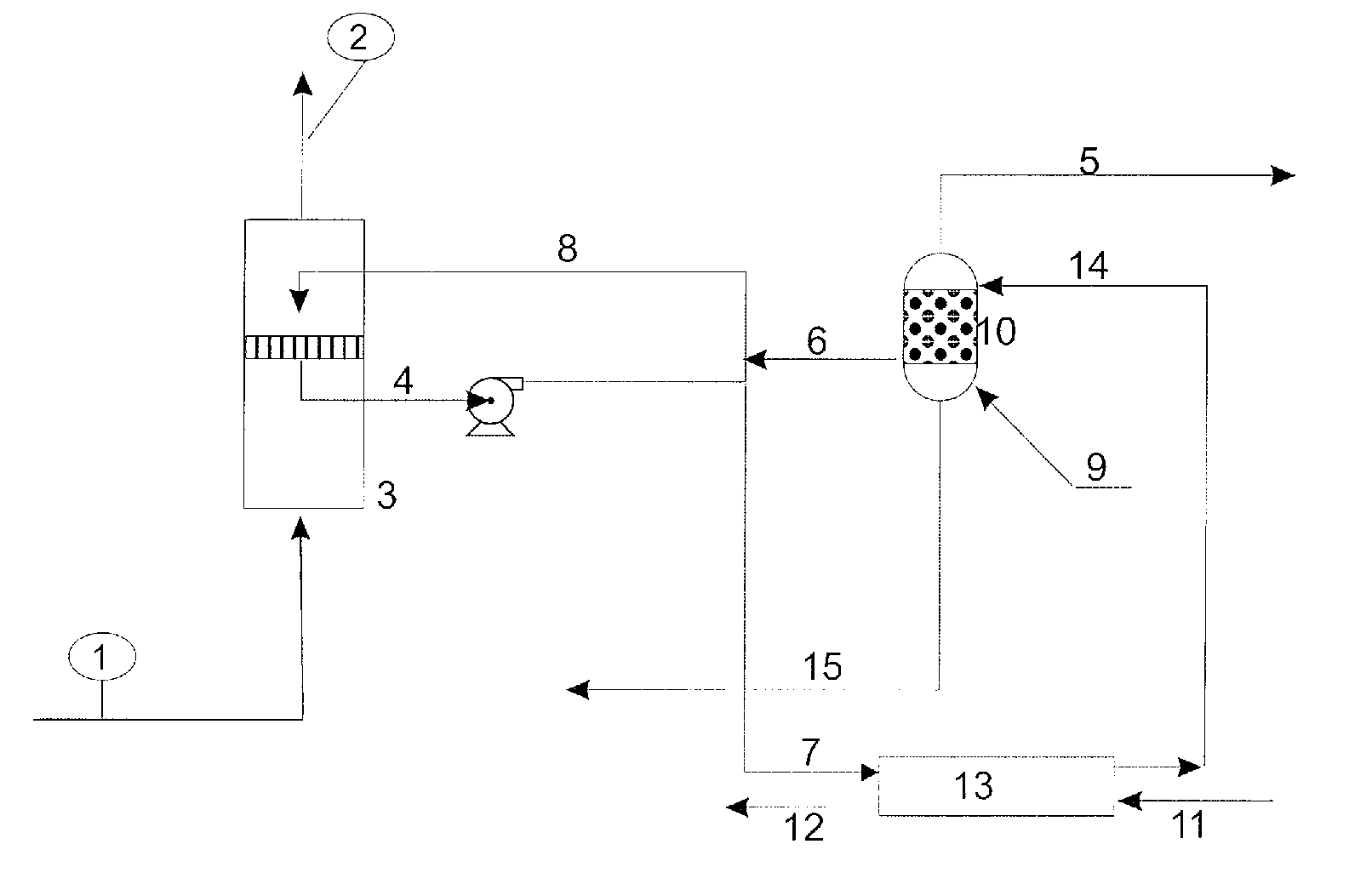
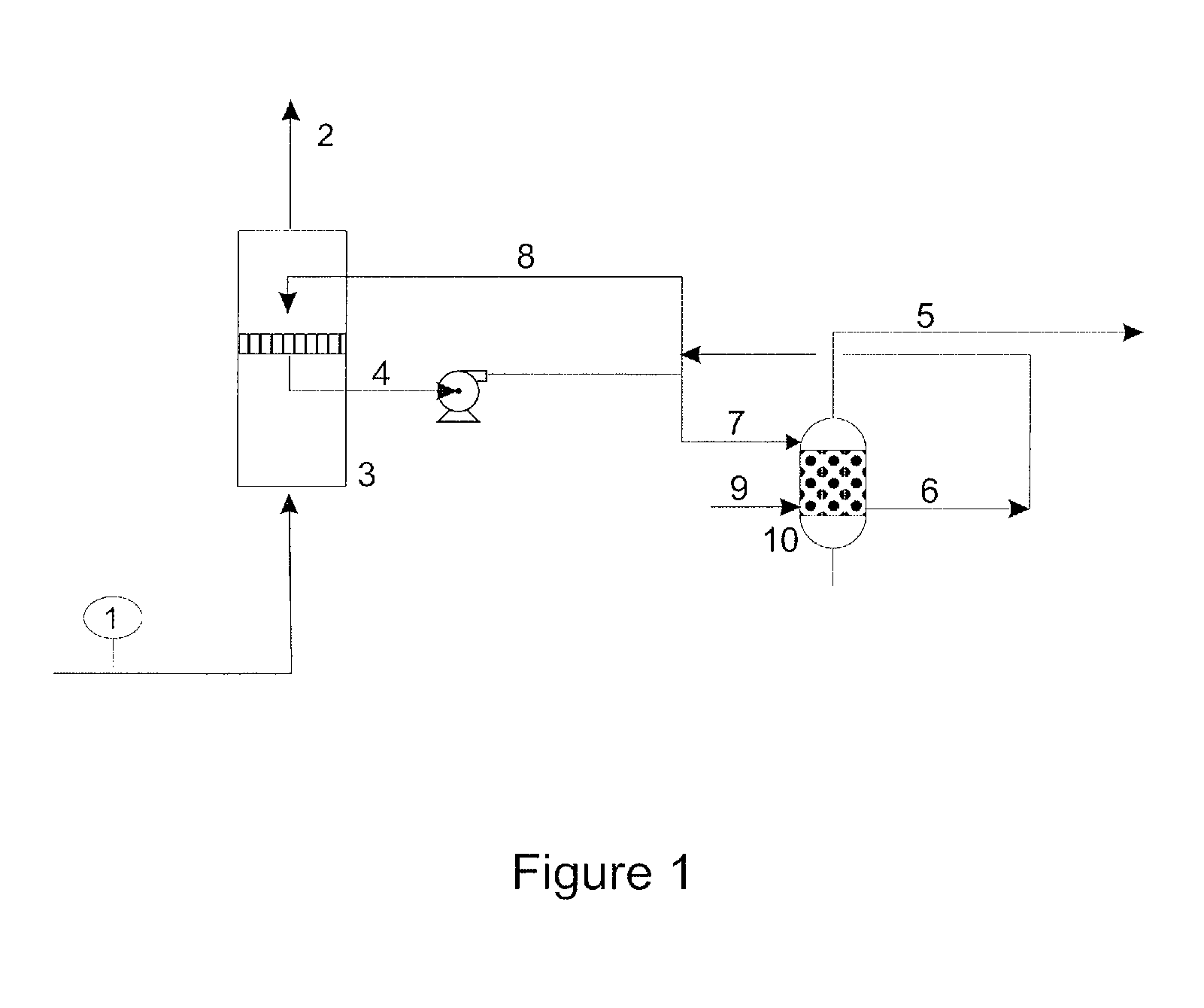
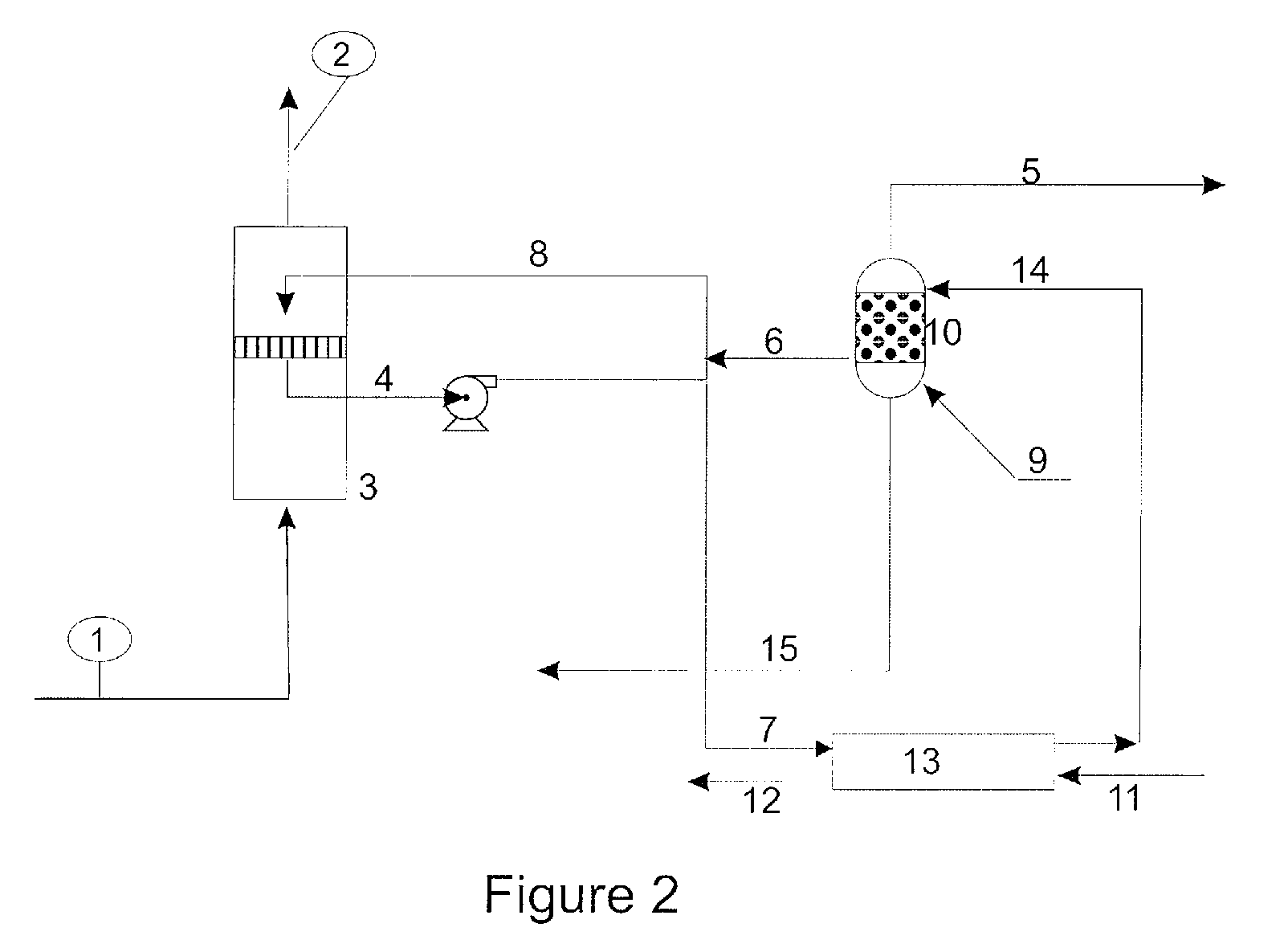
- Combining ammonia-based carbon capture with forward osmosis desalination and osmotic power generation, where the high osmotic pressure of ammonium carbonate solutions is used to drive water desalination and power generation, sharing the energy required to decompose ammonium carbonates for both processes, reducing capital equipment needs and overall costs.

Educational Policy Framework for Energy Programs
The establishment of a comprehensive educational policy framework for osmotic power awareness programs requires systematic integration across multiple governmental and institutional levels. Current energy education policies predominantly focus on conventional renewable sources such as solar and wind power, leaving significant gaps in emerging marine energy technologies. This policy vacuum necessitates the development of specialized frameworks that can accommodate the unique characteristics and educational requirements of osmotic power technology.
National education ministries and energy departments must collaborate to create standardized curricula that incorporate osmotic power concepts into existing science and engineering programs. These policies should mandate minimum coverage hours for marine renewable energy topics in secondary and tertiary education institutions. Furthermore, accreditation bodies need updated standards that recognize osmotic power competencies as essential components of modern energy education.
Funding mechanisms represent a critical policy component requiring dedicated budget allocations for osmotic power educational initiatives. Government agencies should establish grant programs specifically targeting educational institutions that develop innovative teaching methods for salinity gradient power concepts. These funding frameworks must include provisions for equipment procurement, laboratory setup, and faculty training programs focused on osmotic power technologies.
International cooperation policies play a vital role in knowledge sharing and best practice dissemination. Educational exchange programs between countries with advanced osmotic power research capabilities and those developing their marine energy sectors can accelerate global awareness. Policy frameworks should facilitate collaborative research projects between academic institutions and establish mutual recognition agreements for osmotic power educational credentials.
Regulatory compliance requirements must address safety standards and environmental considerations specific to osmotic power educational demonstrations. Policies should outline clear guidelines for laboratory experiments involving membrane technologies and salinity gradient systems, ensuring student safety while maintaining educational effectiveness. Additionally, intellectual property frameworks need updating to protect educational innovations while promoting open access to fundamental osmotic power knowledge.
Quality assurance mechanisms within educational policy frameworks must establish measurable learning outcomes and assessment criteria for osmotic power programs. Regular evaluation protocols should monitor program effectiveness and ensure alignment with industry needs and technological advancement. These policies must remain flexible enough to adapt to rapid developments in osmotic power technology while maintaining educational rigor and consistency across institutions.
National education ministries and energy departments must collaborate to create standardized curricula that incorporate osmotic power concepts into existing science and engineering programs. These policies should mandate minimum coverage hours for marine renewable energy topics in secondary and tertiary education institutions. Furthermore, accreditation bodies need updated standards that recognize osmotic power competencies as essential components of modern energy education.
Funding mechanisms represent a critical policy component requiring dedicated budget allocations for osmotic power educational initiatives. Government agencies should establish grant programs specifically targeting educational institutions that develop innovative teaching methods for salinity gradient power concepts. These funding frameworks must include provisions for equipment procurement, laboratory setup, and faculty training programs focused on osmotic power technologies.
International cooperation policies play a vital role in knowledge sharing and best practice dissemination. Educational exchange programs between countries with advanced osmotic power research capabilities and those developing their marine energy sectors can accelerate global awareness. Policy frameworks should facilitate collaborative research projects between academic institutions and establish mutual recognition agreements for osmotic power educational credentials.
Regulatory compliance requirements must address safety standards and environmental considerations specific to osmotic power educational demonstrations. Policies should outline clear guidelines for laboratory experiments involving membrane technologies and salinity gradient systems, ensuring student safety while maintaining educational effectiveness. Additionally, intellectual property frameworks need updating to protect educational innovations while promoting open access to fundamental osmotic power knowledge.
Quality assurance mechanisms within educational policy frameworks must establish measurable learning outcomes and assessment criteria for osmotic power programs. Regular evaluation protocols should monitor program effectiveness and ensure alignment with industry needs and technological advancement. These policies must remain flexible enough to adapt to rapid developments in osmotic power technology while maintaining educational rigor and consistency across institutions.
Sustainability Impact of Energy Awareness Programs
Educational programs focused on osmotic power awareness demonstrate significant potential for advancing sustainability goals across multiple dimensions. These initiatives create cascading effects that extend far beyond immediate knowledge transfer, establishing foundations for long-term environmental stewardship and renewable energy adoption. The sustainability impact manifests through behavioral changes, policy influence, and technological advancement acceleration.
The most immediate sustainability benefit emerges through enhanced public understanding of renewable energy alternatives. When educational programs effectively communicate osmotic power's environmental advantages, participants develop stronger preferences for clean energy solutions. This awareness translates into consumer demand shifts, driving market forces toward sustainable energy investments and infrastructure development.
Educational initiatives targeting osmotic power create multiplier effects within communities. Participants often become advocates, sharing knowledge with family members, colleagues, and social networks. This organic dissemination amplifies the program's reach while building grassroots support for renewable energy policies. Studies indicate that informed citizens are 40% more likely to support clean energy legislation and municipal sustainability initiatives.
The integration of osmotic power education into formal curricula produces generational sustainability impacts. Students exposed to comprehensive renewable energy education demonstrate higher career interest in clean technology sectors. This pipeline effect ensures sustained human capital development for the renewable energy industry, addressing critical skill gaps while fostering innovation ecosystems.
Corporate engagement through osmotic power awareness programs generates measurable sustainability outcomes. Companies participating in educational initiatives report increased investment in renewable energy projects and enhanced corporate social responsibility metrics. These programs facilitate knowledge transfer between academic institutions and industry, accelerating practical application of osmotic power technologies.
Long-term sustainability impacts include reduced carbon footprint awareness and enhanced energy conservation behaviors. Educational programs that contextualize osmotic power within broader energy systems help participants understand interconnections between energy choices and environmental consequences. This systems thinking approach promotes holistic sustainability practices extending beyond energy consumption to encompass water conservation, waste reduction, and ecosystem protection.
The geographic distribution of educational programs influences regional sustainability trajectories. Coastal communities with osmotic power educational initiatives show increased support for marine renewable energy projects and coastal conservation efforts. This localized impact demonstrates how targeted education can align community interests with sustainable development objectives while preserving natural resources essential for osmotic power generation.
The most immediate sustainability benefit emerges through enhanced public understanding of renewable energy alternatives. When educational programs effectively communicate osmotic power's environmental advantages, participants develop stronger preferences for clean energy solutions. This awareness translates into consumer demand shifts, driving market forces toward sustainable energy investments and infrastructure development.
Educational initiatives targeting osmotic power create multiplier effects within communities. Participants often become advocates, sharing knowledge with family members, colleagues, and social networks. This organic dissemination amplifies the program's reach while building grassroots support for renewable energy policies. Studies indicate that informed citizens are 40% more likely to support clean energy legislation and municipal sustainability initiatives.
The integration of osmotic power education into formal curricula produces generational sustainability impacts. Students exposed to comprehensive renewable energy education demonstrate higher career interest in clean technology sectors. This pipeline effect ensures sustained human capital development for the renewable energy industry, addressing critical skill gaps while fostering innovation ecosystems.
Corporate engagement through osmotic power awareness programs generates measurable sustainability outcomes. Companies participating in educational initiatives report increased investment in renewable energy projects and enhanced corporate social responsibility metrics. These programs facilitate knowledge transfer between academic institutions and industry, accelerating practical application of osmotic power technologies.
Long-term sustainability impacts include reduced carbon footprint awareness and enhanced energy conservation behaviors. Educational programs that contextualize osmotic power within broader energy systems help participants understand interconnections between energy choices and environmental consequences. This systems thinking approach promotes holistic sustainability practices extending beyond energy consumption to encompass water conservation, waste reduction, and ecosystem protection.
The geographic distribution of educational programs influences regional sustainability trajectories. Coastal communities with osmotic power educational initiatives show increased support for marine renewable energy projects and coastal conservation efforts. This localized impact demonstrates how targeted education can align community interests with sustainable development objectives while preserving natural resources essential for osmotic power generation.
Unlock deeper insights with PatSnap Eureka Quick Research — get a full tech report to explore trends and direct your research. Try now!
Generate Your Research Report Instantly with AI Agent
Supercharge your innovation with PatSnap Eureka AI Agent Platform!