

Cost Analysis: Quantum Networking vs Traditional Infrastructures
APR 21, 20269 MIN READ
Generate Your Research Report Instantly with AI Agent
PatSnap Eureka helps you evaluate technical feasibility & market potential.
Quantum Networking Background and Cost Objectives
Quantum networking represents a revolutionary paradigm shift in information transmission, leveraging the fundamental principles of quantum mechanics to enable unprecedented levels of security and computational capability. Unlike traditional networking infrastructures that rely on classical bits, quantum networks utilize quantum bits (qubits) that can exist in superposition states, enabling quantum entanglement and quantum key distribution protocols. This emerging technology has evolved from theoretical concepts in the 1980s to practical implementations in specialized applications today.
The historical development of quantum networking began with the foundational work of Charles Bennett and Gilles Brassard in 1984, who proposed the first quantum key distribution protocol. Subsequent decades witnessed significant milestones including the first quantum cryptography demonstrations in the 1990s, the establishment of metropolitan quantum networks in the 2000s, and the recent achievements in satellite-based quantum communication. Current technological maturity indicates quantum networking is transitioning from laboratory environments to limited commercial deployments.
Traditional networking infrastructures, built upon decades of incremental improvements in fiber optics, electronic switching, and protocol optimization, have achieved remarkable cost efficiency and scalability. These systems benefit from established manufacturing processes, standardized components, and extensive global supply chains that drive down per-unit costs while maintaining high reliability and performance standards.
The primary cost objectives for quantum networking technology center on achieving economic viability compared to traditional alternatives while delivering unique value propositions. Key financial targets include reducing quantum hardware costs by orders of magnitude, minimizing operational complexity, and establishing sustainable business models that justify premium pricing through enhanced security capabilities.
Critical cost considerations encompass the entire technology stack, from quantum light sources and single-photon detectors to specialized refrigeration systems and quantum repeaters. Current quantum networking implementations require sophisticated infrastructure including ultra-low temperature environments, precision optical components, and specialized maintenance protocols that significantly impact total cost of ownership.
The strategic imperative for cost analysis stems from the need to identify specific use cases where quantum networking's unique advantages justify higher implementation costs. Applications in financial services, government communications, and critical infrastructure protection may warrant premium pricing, while broader commercial adoption requires substantial cost reductions to compete with traditional networking solutions.
The historical development of quantum networking began with the foundational work of Charles Bennett and Gilles Brassard in 1984, who proposed the first quantum key distribution protocol. Subsequent decades witnessed significant milestones including the first quantum cryptography demonstrations in the 1990s, the establishment of metropolitan quantum networks in the 2000s, and the recent achievements in satellite-based quantum communication. Current technological maturity indicates quantum networking is transitioning from laboratory environments to limited commercial deployments.
Traditional networking infrastructures, built upon decades of incremental improvements in fiber optics, electronic switching, and protocol optimization, have achieved remarkable cost efficiency and scalability. These systems benefit from established manufacturing processes, standardized components, and extensive global supply chains that drive down per-unit costs while maintaining high reliability and performance standards.
The primary cost objectives for quantum networking technology center on achieving economic viability compared to traditional alternatives while delivering unique value propositions. Key financial targets include reducing quantum hardware costs by orders of magnitude, minimizing operational complexity, and establishing sustainable business models that justify premium pricing through enhanced security capabilities.
Critical cost considerations encompass the entire technology stack, from quantum light sources and single-photon detectors to specialized refrigeration systems and quantum repeaters. Current quantum networking implementations require sophisticated infrastructure including ultra-low temperature environments, precision optical components, and specialized maintenance protocols that significantly impact total cost of ownership.
The strategic imperative for cost analysis stems from the need to identify specific use cases where quantum networking's unique advantages justify higher implementation costs. Applications in financial services, government communications, and critical infrastructure protection may warrant premium pricing, while broader commercial adoption requires substantial cost reductions to compete with traditional networking solutions.
Market Demand for Quantum vs Traditional Networks
The global telecommunications infrastructure market continues to experience unprecedented transformation as organizations increasingly demand higher security, processing capabilities, and data transmission speeds. Traditional networking infrastructures, while mature and widely deployed, face growing limitations in addressing emerging cybersecurity threats and computational requirements. This evolving landscape has created substantial market interest in quantum networking technologies as a potential solution to these challenges.
Enterprise demand for quantum networking solutions is primarily driven by sectors requiring ultra-secure communications, including financial services, government agencies, healthcare organizations, and critical infrastructure providers. These industries face escalating cyber threats and regulatory requirements that traditional encryption methods may not adequately address in the coming decades. The banking sector, in particular, has shown significant interest in quantum key distribution systems for securing high-value transactions and sensitive financial data.
Government and defense organizations represent another major demand driver for quantum networking technologies. National security agencies worldwide are investing heavily in quantum communication systems to protect classified information and maintain strategic advantages. This governmental push has created substantial funding opportunities and accelerated research initiatives, contributing to market momentum for quantum networking solutions.
The telecommunications industry itself is experiencing growing pressure to upgrade infrastructure capabilities beyond what traditional networks can provide. Service providers are exploring quantum networking as a means to offer differentiated security services and prepare for future quantum computing integration. This sector's interest extends beyond security applications to include potential quantum-enhanced processing capabilities and network optimization.
However, market adoption faces significant barriers related to cost considerations and technical complexity. Traditional networking infrastructure benefits from decades of optimization, standardization, and economies of scale that quantum technologies have yet to achieve. The current market demand remains concentrated among early adopters with specific high-security requirements and substantial technology budgets.
Research institutions and technology companies are driving experimental demand for quantum networking components and systems. This academic and corporate research market, while smaller in immediate revenue terms, plays a crucial role in developing practical applications and reducing future implementation costs. The demand from this segment continues to grow as quantum networking research expands globally.
Market projections indicate that demand for quantum networking solutions will likely follow a gradual adoption curve, with specialized applications leading broader commercial deployment. The timeline for widespread market adoption remains closely tied to cost reduction achievements and the development of hybrid solutions that integrate quantum capabilities with existing traditional infrastructure investments.
Enterprise demand for quantum networking solutions is primarily driven by sectors requiring ultra-secure communications, including financial services, government agencies, healthcare organizations, and critical infrastructure providers. These industries face escalating cyber threats and regulatory requirements that traditional encryption methods may not adequately address in the coming decades. The banking sector, in particular, has shown significant interest in quantum key distribution systems for securing high-value transactions and sensitive financial data.
Government and defense organizations represent another major demand driver for quantum networking technologies. National security agencies worldwide are investing heavily in quantum communication systems to protect classified information and maintain strategic advantages. This governmental push has created substantial funding opportunities and accelerated research initiatives, contributing to market momentum for quantum networking solutions.
The telecommunications industry itself is experiencing growing pressure to upgrade infrastructure capabilities beyond what traditional networks can provide. Service providers are exploring quantum networking as a means to offer differentiated security services and prepare for future quantum computing integration. This sector's interest extends beyond security applications to include potential quantum-enhanced processing capabilities and network optimization.
However, market adoption faces significant barriers related to cost considerations and technical complexity. Traditional networking infrastructure benefits from decades of optimization, standardization, and economies of scale that quantum technologies have yet to achieve. The current market demand remains concentrated among early adopters with specific high-security requirements and substantial technology budgets.
Research institutions and technology companies are driving experimental demand for quantum networking components and systems. This academic and corporate research market, while smaller in immediate revenue terms, plays a crucial role in developing practical applications and reducing future implementation costs. The demand from this segment continues to grow as quantum networking research expands globally.
Market projections indicate that demand for quantum networking solutions will likely follow a gradual adoption curve, with specialized applications leading broader commercial deployment. The timeline for widespread market adoption remains closely tied to cost reduction achievements and the development of hybrid solutions that integrate quantum capabilities with existing traditional infrastructure investments.
Current Cost Structure and Economic Challenges
The current cost structure of quantum networking infrastructure presents a stark contrast to traditional networking systems, with quantum technologies requiring substantially higher initial capital investments. Quantum networking hardware, including quantum repeaters, single-photon detectors, and specialized optical components, typically costs 10-100 times more than equivalent classical networking equipment. A basic quantum key distribution system ranges from $100,000 to $500,000, while enterprise-grade quantum network nodes can exceed $1 million per unit.
Traditional networking infrastructures benefit from decades of optimization and economies of scale, resulting in predictable cost structures. Standard fiber optic equipment, routers, and switches have well-established pricing models with costs decreasing consistently due to mass production. The operational expenditure for traditional networks is primarily driven by maintenance, power consumption, and periodic upgrades, typically representing 15-20% of initial capital investment annually.
Quantum networking faces significant economic challenges stemming from technological immaturity and limited manufacturing scale. The requirement for ultra-low temperature environments in many quantum systems introduces substantial cooling costs, with cryogenic systems consuming 10-50 times more power than room-temperature alternatives. Additionally, the need for specialized personnel trained in quantum technologies commands premium salaries, often 30-50% higher than traditional network engineers.
Infrastructure deployment costs reveal another critical disparity. Quantum networks require specialized fiber with minimal loss characteristics and dedicated dark fiber channels, increasing deployment costs by 200-400% compared to traditional networks. The limited transmission distances of current quantum systems necessitate more frequent repeater installations, further escalating infrastructure expenses.
Economic viability remains constrained by the nascent quantum networking market. Limited commercial applications and uncertain return on investment timelines create financing challenges for large-scale deployments. Current quantum networking projects rely heavily on government funding and research grants, indicating the technology's pre-commercial status.
The total cost of ownership for quantum networks currently exceeds traditional alternatives by factors of 5-20, depending on application requirements. However, this gap is expected to narrow as quantum technologies mature and manufacturing scales increase over the next decade.
Traditional networking infrastructures benefit from decades of optimization and economies of scale, resulting in predictable cost structures. Standard fiber optic equipment, routers, and switches have well-established pricing models with costs decreasing consistently due to mass production. The operational expenditure for traditional networks is primarily driven by maintenance, power consumption, and periodic upgrades, typically representing 15-20% of initial capital investment annually.
Quantum networking faces significant economic challenges stemming from technological immaturity and limited manufacturing scale. The requirement for ultra-low temperature environments in many quantum systems introduces substantial cooling costs, with cryogenic systems consuming 10-50 times more power than room-temperature alternatives. Additionally, the need for specialized personnel trained in quantum technologies commands premium salaries, often 30-50% higher than traditional network engineers.
Infrastructure deployment costs reveal another critical disparity. Quantum networks require specialized fiber with minimal loss characteristics and dedicated dark fiber channels, increasing deployment costs by 200-400% compared to traditional networks. The limited transmission distances of current quantum systems necessitate more frequent repeater installations, further escalating infrastructure expenses.
Economic viability remains constrained by the nascent quantum networking market. Limited commercial applications and uncertain return on investment timelines create financing challenges for large-scale deployments. Current quantum networking projects rely heavily on government funding and research grants, indicating the technology's pre-commercial status.
The total cost of ownership for quantum networks currently exceeds traditional alternatives by factors of 5-20, depending on application requirements. However, this gap is expected to narrow as quantum technologies mature and manufacturing scales increase over the next decade.
Current Cost-Effective Networking Solutions
01 Quantum network architecture and infrastructure optimization
Methods and systems for optimizing quantum network architecture to reduce deployment and operational costs. This includes designing efficient network topologies, optimizing node placement, and implementing cost-effective quantum repeater configurations. The approaches focus on minimizing hardware requirements while maintaining network performance and scalability.- Quantum network architecture optimization for cost reduction: Methods and systems for optimizing quantum network architectures to reduce deployment and operational costs. This includes designing efficient network topologies, optimizing quantum repeater placement, and implementing cost-effective quantum channel configurations. The optimization considers factors such as distance, fidelity requirements, and resource allocation to minimize overall network expenses while maintaining performance standards.
- Cost-efficient quantum key distribution systems: Technologies focused on reducing the cost of quantum key distribution infrastructure through improved hardware designs, simplified protocols, and resource-sharing mechanisms. These approaches enable more affordable secure communication networks by optimizing photon sources, detectors, and transmission equipment while maintaining security guarantees.
- Economic models and pricing strategies for quantum networks: Frameworks for analyzing and managing the economic aspects of quantum networking services, including cost modeling, pricing strategies, and business models. These methods help service providers determine optimal pricing structures, evaluate return on investment, and make quantum networking commercially viable through various monetization approaches.
- Resource allocation and cost management in quantum communication: Techniques for efficient resource allocation and cost management in quantum communication systems. This includes dynamic resource scheduling, bandwidth optimization, and methods for reducing operational expenses through intelligent management of quantum resources such as entangled pairs, quantum memory, and processing capabilities.
- Low-cost quantum network components and devices: Development of affordable quantum networking hardware components including cost-effective quantum transceivers, simplified quantum routers, and economical quantum network interfaces. These innovations aim to reduce the capital expenditure required for quantum network deployment through manufacturing optimization and component integration.
02 Resource allocation and scheduling in quantum networks
Techniques for efficient resource allocation and scheduling in quantum networks to minimize operational costs. This involves optimizing the distribution of quantum resources, managing entanglement generation and distribution, and implementing dynamic scheduling algorithms that balance performance requirements with cost constraints. The methods aim to maximize resource utilization while reducing overall network expenses.Expand Specific Solutions03 Cost-effective quantum communication protocols
Development of quantum communication protocols that reduce the cost of quantum key distribution and quantum data transmission. These protocols optimize the use of quantum channels, minimize photon loss, and improve error correction efficiency. The innovations focus on reducing the number of required quantum operations and improving the overall cost-performance ratio of quantum communication systems.Expand Specific Solutions04 Hybrid classical-quantum network integration
Systems and methods for integrating classical and quantum networks to reduce overall networking costs. This includes leveraging existing classical infrastructure, implementing hybrid routing protocols, and developing cost-effective interfaces between classical and quantum domains. The approaches enable gradual deployment of quantum networking capabilities while minimizing capital expenditure.Expand Specific Solutions05 Quantum network cost modeling and analysis
Frameworks and tools for modeling, analyzing, and predicting the costs associated with quantum network deployment and operation. This includes cost estimation models for different network configurations, performance-cost trade-off analysis, and economic feasibility assessment methods. The solutions help stakeholders make informed decisions about quantum network investments and identify cost optimization opportunities.Expand Specific Solutions
Major Players in Quantum and Traditional Networks
The quantum networking sector represents an emerging technology landscape in its early commercialization phase, with significant market potential driven by growing cybersecurity demands and government investments in quantum infrastructure. The competitive landscape spans established telecommunications giants like British Telecommunications, China Telecom, and Cisco Technology alongside specialized quantum companies such as PsiQuantum, Terra Quantum, and Chinese firms including Guangdong Guoteng Quantum Technology and Origin Quantum Computing Technology. Technology maturity varies considerably, with academic institutions like University of California, National University of Defense Technology, and Beijing University of Posts & Telecommunications driving fundamental research, while companies like Anhui Asky Quantum Technology and CAS Quantum Network demonstrate practical implementations. Traditional infrastructure providers including Google, Toshiba, and Thales are integrating quantum capabilities into existing networks, creating a hybrid competitive environment where quantum networking costs remain premium compared to classical solutions, though declining as technology matures and scales.
PsiQuantum Corp.
Technical Solution: PsiQuantum focuses on photonic quantum computing and networking solutions, developing million-qubit quantum computers using silicon photonics technology. Their approach to quantum networking leverages existing telecommunications infrastructure, making it potentially more cost-effective than building entirely new quantum networks. The company's photonic approach allows for room-temperature operation and compatibility with existing fiber optic networks, reducing infrastructure costs compared to traditional quantum systems that require extreme cooling. Their business model emphasizes practical, scalable quantum networking solutions for commercial deployment.
Strengths: Room-temperature operation, compatibility with existing fiber infrastructure, scalable photonic approach. Weaknesses: Still in development phase, unproven at commercial scale.
Google LLC
Technical Solution: Google has developed comprehensive quantum networking solutions through its Quantum AI division, focusing on quantum error correction and scalable quantum communication protocols. Their approach emphasizes building fault-tolerant quantum networks that can operate at scale, with significant investments in quantum hardware and software infrastructure. The company has demonstrated quantum supremacy and continues to advance quantum networking capabilities through partnerships with academic institutions and government agencies. Their quantum networking strategy includes developing quantum internet protocols and exploring commercial applications for secure communications.
Strengths: Massive computational resources, leading quantum research capabilities, strong financial backing. Weaknesses: High development costs, complex implementation challenges.
Key Cost Innovation in Quantum Technologies
LLO-based single-wavelength quantum and classical communication simultaneous transmission method
PatentActiveCN111147243A
Innovation
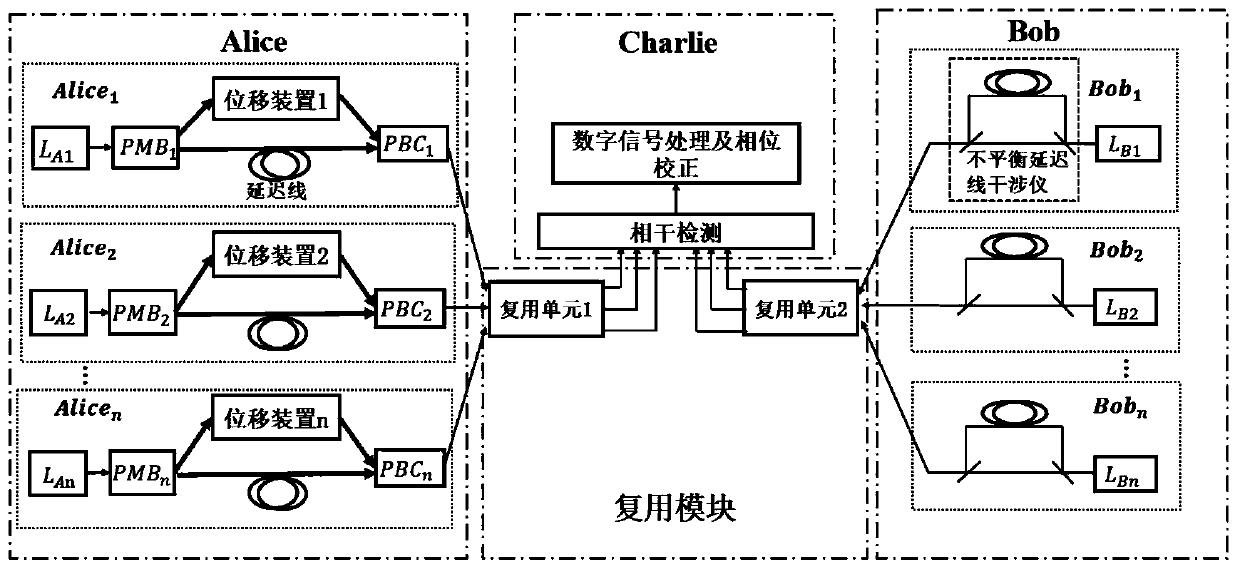
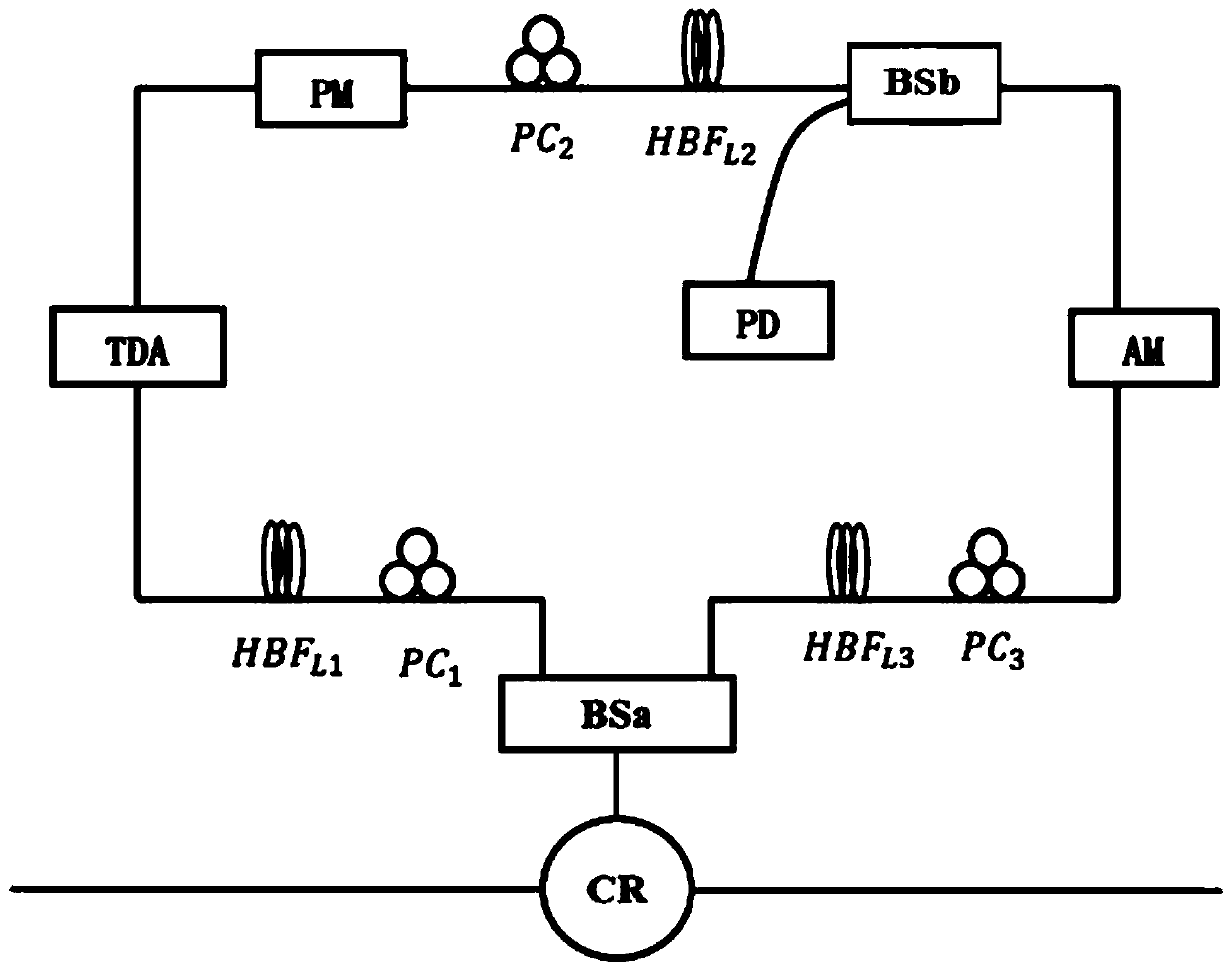
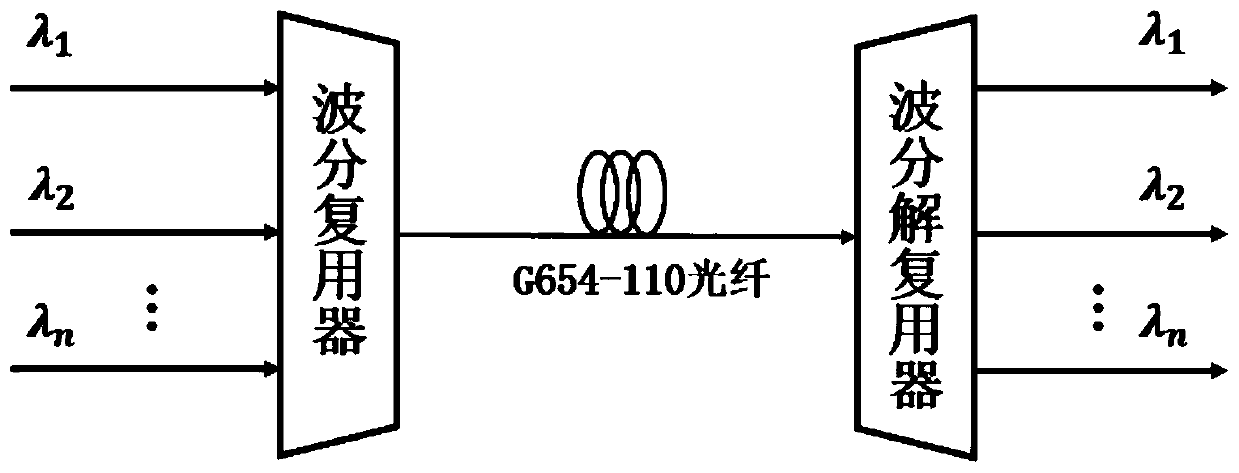
- Using a single-wavelength quantum and classical communication simultaneous interpretation system based on LLO, quantum and classical signals are realized by encoding quantum signals and classical signals on the same weakly coherent pulse, and using discrete modulation CV-QKD protocols, combined with reverse coordination error correction protocols. single-wavelength multiplexing and coherent detection, reducing hardware requirements and closing potential security holes.

Investment Policy for Quantum Infrastructure
The development of quantum networking infrastructure requires a comprehensive investment framework that addresses both immediate capital requirements and long-term strategic positioning. Investment policies must account for the substantial upfront costs associated with quantum hardware, specialized facilities, and skilled personnel while balancing these against the transformative potential of quantum technologies.
Capital allocation strategies should prioritize modular deployment approaches that allow for incremental scaling as technology matures. Initial investments should focus on establishing quantum key distribution networks in high-security sectors such as financial services and government communications, where premium pricing can justify higher infrastructure costs. This targeted approach enables organizations to build expertise and demonstrate value before expanding to broader commercial applications.
Risk mitigation frameworks must address the inherent uncertainties in quantum technology development timelines and performance benchmarks. Investment policies should incorporate flexible funding mechanisms that can adapt to rapid technological changes, including provisions for technology refresh cycles that may be shorter than traditional networking equipment. Portfolio diversification across multiple quantum approaches, including photonic and trapped-ion systems, helps reduce exposure to single-technology risks.
Public-private partnership models present significant opportunities for sharing the substantial infrastructure costs while accelerating deployment timelines. Government initiatives supporting quantum research and development can provide crucial early-stage funding, while private sector involvement ensures commercial viability and market-driven innovation. These partnerships can also facilitate the development of standardized protocols and interoperability frameworks essential for widespread adoption.
Return on investment calculations must extend beyond traditional financial metrics to include strategic value propositions such as enhanced security capabilities, competitive differentiation, and future market positioning. Investment policies should establish clear milestones for technology readiness levels and commercial viability, with decision gates that allow for course corrections based on technological progress and market feedback.
Long-term sustainability requires investment in human capital development and ecosystem building. Policies should allocate resources for training programs, research collaborations with academic institutions, and supplier development initiatives that create a robust quantum technology supply chain capable of supporting large-scale deployment.
Capital allocation strategies should prioritize modular deployment approaches that allow for incremental scaling as technology matures. Initial investments should focus on establishing quantum key distribution networks in high-security sectors such as financial services and government communications, where premium pricing can justify higher infrastructure costs. This targeted approach enables organizations to build expertise and demonstrate value before expanding to broader commercial applications.
Risk mitigation frameworks must address the inherent uncertainties in quantum technology development timelines and performance benchmarks. Investment policies should incorporate flexible funding mechanisms that can adapt to rapid technological changes, including provisions for technology refresh cycles that may be shorter than traditional networking equipment. Portfolio diversification across multiple quantum approaches, including photonic and trapped-ion systems, helps reduce exposure to single-technology risks.
Public-private partnership models present significant opportunities for sharing the substantial infrastructure costs while accelerating deployment timelines. Government initiatives supporting quantum research and development can provide crucial early-stage funding, while private sector involvement ensures commercial viability and market-driven innovation. These partnerships can also facilitate the development of standardized protocols and interoperability frameworks essential for widespread adoption.
Return on investment calculations must extend beyond traditional financial metrics to include strategic value propositions such as enhanced security capabilities, competitive differentiation, and future market positioning. Investment policies should establish clear milestones for technology readiness levels and commercial viability, with decision gates that allow for course corrections based on technological progress and market feedback.
Long-term sustainability requires investment in human capital development and ecosystem building. Policies should allocate resources for training programs, research collaborations with academic institutions, and supplier development initiatives that create a robust quantum technology supply chain capable of supporting large-scale deployment.
Economic Risk Assessment Framework
The economic risk assessment framework for quantum networking versus traditional infrastructures requires a comprehensive evaluation methodology that addresses both quantifiable financial risks and strategic uncertainties inherent in emerging quantum technologies. This framework must account for the fundamental differences in risk profiles between established classical networking systems and nascent quantum communication networks.
Investment risk analysis forms the cornerstone of this framework, encompassing capital expenditure volatility, technology obsolescence risks, and return on investment uncertainties. Quantum networking infrastructure demands substantial upfront investments in specialized hardware, cryogenic systems, and quantum-grade components, creating significant exposure to technological disruption and performance variability. Traditional infrastructures, while requiring periodic upgrades, present more predictable investment patterns with established depreciation schedules and proven scalability models.
Operational risk assessment must evaluate the probability and impact of system failures, maintenance complexities, and skilled workforce availability. Quantum networks face unique operational challenges including quantum decoherence, environmental sensitivity, and the scarcity of quantum-trained technicians. These factors contribute to higher operational risk premiums compared to traditional networks, where failure modes are well-understood and mitigation strategies are mature.
Market adoption risk represents another critical dimension, particularly for quantum networking where commercial viability remains uncertain. The framework must assess demand volatility, regulatory compliance costs, and competitive positioning risks. Traditional infrastructures benefit from established market demand and regulatory frameworks, while quantum networks face uncertain adoption timelines and evolving security standards.
Financial modeling within this framework should incorporate Monte Carlo simulations to capture the wide range of potential outcomes for quantum networking investments. Risk-adjusted net present value calculations must account for higher discount rates reflecting quantum technology uncertainties, while sensitivity analyses should examine critical variables such as quantum error rates, network scalability, and integration costs.
The framework must also address strategic risks including vendor lock-in, technology standardization uncertainties, and geopolitical factors affecting quantum technology access. These considerations are particularly relevant given the strategic importance of quantum communications for national security applications and the concentrated nature of quantum technology suppliers globally.
Investment risk analysis forms the cornerstone of this framework, encompassing capital expenditure volatility, technology obsolescence risks, and return on investment uncertainties. Quantum networking infrastructure demands substantial upfront investments in specialized hardware, cryogenic systems, and quantum-grade components, creating significant exposure to technological disruption and performance variability. Traditional infrastructures, while requiring periodic upgrades, present more predictable investment patterns with established depreciation schedules and proven scalability models.
Operational risk assessment must evaluate the probability and impact of system failures, maintenance complexities, and skilled workforce availability. Quantum networks face unique operational challenges including quantum decoherence, environmental sensitivity, and the scarcity of quantum-trained technicians. These factors contribute to higher operational risk premiums compared to traditional networks, where failure modes are well-understood and mitigation strategies are mature.
Market adoption risk represents another critical dimension, particularly for quantum networking where commercial viability remains uncertain. The framework must assess demand volatility, regulatory compliance costs, and competitive positioning risks. Traditional infrastructures benefit from established market demand and regulatory frameworks, while quantum networks face uncertain adoption timelines and evolving security standards.
Financial modeling within this framework should incorporate Monte Carlo simulations to capture the wide range of potential outcomes for quantum networking investments. Risk-adjusted net present value calculations must account for higher discount rates reflecting quantum technology uncertainties, while sensitivity analyses should examine critical variables such as quantum error rates, network scalability, and integration costs.
The framework must also address strategic risks including vendor lock-in, technology standardization uncertainties, and geopolitical factors affecting quantum technology access. These considerations are particularly relevant given the strategic importance of quantum communications for national security applications and the concentrated nature of quantum technology suppliers globally.
Unlock deeper insights with PatSnap Eureka Quick Research — get a full tech report to explore trends and direct your research. Try now!
Generate Your Research Report Instantly with AI Agent
Supercharge your innovation with PatSnap Eureka AI Agent Platform!