

Ceramic Substrates Vs Sapphire Substrates: Cost-Performance Breakdown
MAY 26, 20269 MIN READ
Generate Your Research Report Instantly with AI Agent
PatSnap Eureka helps you evaluate technical feasibility & market potential.
Ceramic vs Sapphire Substrate Technology Background and Objectives
Substrate technology has emerged as a critical foundation for modern electronic and optoelectronic devices, with ceramic and sapphire substrates representing two dominant material platforms that have shaped industry development over the past several decades. The evolution of substrate materials began in the early semiconductor era when silicon substrates dominated, but the increasing demands for high-power, high-frequency, and specialized optical applications drove the development of alternative substrate solutions.
Ceramic substrates, primarily composed of aluminum oxide (Al2O3), aluminum nitride (AlN), and beryllium oxide (BeO), gained prominence in the 1970s and 1980s as the electronics industry sought materials with superior thermal management properties and electrical insulation capabilities. These materials offered significant advantages over traditional organic substrates, particularly in power electronics and RF applications where heat dissipation and signal integrity were paramount concerns.
Sapphire substrates, consisting of single-crystal aluminum oxide, emerged as a specialized solution primarily driven by the LED and compound semiconductor industries. The technology gained substantial momentum in the 1990s with the development of gallium nitride (GaN) based devices, where sapphire's crystal structure and optical transparency provided unique advantages for blue and white LED manufacturing.
The primary objective of comparing ceramic and sapphire substrate technologies centers on establishing a comprehensive cost-performance framework that enables informed decision-making across various application domains. This analysis aims to quantify the trade-offs between material costs, processing expenses, performance characteristics, and long-term reliability factors that influence substrate selection in contemporary electronic systems.
Key performance metrics under evaluation include thermal conductivity, electrical properties, mechanical strength, optical characteristics, and manufacturing scalability. The cost analysis encompasses raw material expenses, processing complexity, yield rates, and total cost of ownership considerations that impact the economic viability of each substrate technology.
The strategic importance of this comparative analysis extends beyond immediate cost considerations, as substrate selection fundamentally influences device performance, manufacturing processes, and market competitiveness. Understanding these relationships enables technology roadmap development and investment prioritization in an increasingly competitive semiconductor landscape.
Ceramic substrates, primarily composed of aluminum oxide (Al2O3), aluminum nitride (AlN), and beryllium oxide (BeO), gained prominence in the 1970s and 1980s as the electronics industry sought materials with superior thermal management properties and electrical insulation capabilities. These materials offered significant advantages over traditional organic substrates, particularly in power electronics and RF applications where heat dissipation and signal integrity were paramount concerns.
Sapphire substrates, consisting of single-crystal aluminum oxide, emerged as a specialized solution primarily driven by the LED and compound semiconductor industries. The technology gained substantial momentum in the 1990s with the development of gallium nitride (GaN) based devices, where sapphire's crystal structure and optical transparency provided unique advantages for blue and white LED manufacturing.
The primary objective of comparing ceramic and sapphire substrate technologies centers on establishing a comprehensive cost-performance framework that enables informed decision-making across various application domains. This analysis aims to quantify the trade-offs between material costs, processing expenses, performance characteristics, and long-term reliability factors that influence substrate selection in contemporary electronic systems.
Key performance metrics under evaluation include thermal conductivity, electrical properties, mechanical strength, optical characteristics, and manufacturing scalability. The cost analysis encompasses raw material expenses, processing complexity, yield rates, and total cost of ownership considerations that impact the economic viability of each substrate technology.
The strategic importance of this comparative analysis extends beyond immediate cost considerations, as substrate selection fundamentally influences device performance, manufacturing processes, and market competitiveness. Understanding these relationships enables technology roadmap development and investment prioritization in an increasingly competitive semiconductor landscape.
Market Demand Analysis for High-Performance Substrate Materials
The global high-performance substrate materials market is experiencing unprecedented growth driven by the rapid expansion of semiconductor, LED, and power electronics industries. The increasing demand for miniaturization, higher power density, and enhanced thermal management in electronic devices has positioned both ceramic and sapphire substrates as critical components in next-generation applications.
LED manufacturing represents the largest market segment for both substrate types, with the global LED market's continuous expansion fueling substantial demand. Ceramic substrates, particularly aluminum oxide and aluminum nitride variants, dominate cost-sensitive applications where thermal conductivity and electrical insulation are primary requirements. The automotive LED lighting sector and general illumination markets show strong preference for ceramic solutions due to their favorable cost-performance ratio.
Sapphire substrates command premium market positions in high-end applications where superior optical transparency and extreme durability are essential. The smartphone industry's adoption of sapphire for camera lens covers and premium device components has created a significant market pull. Additionally, the emerging gallium nitride semiconductor market relies heavily on sapphire substrates for high-frequency and high-power applications.
Power electronics applications present a rapidly growing market opportunity for both substrate technologies. The electric vehicle revolution and renewable energy infrastructure development are driving demand for substrates capable of handling high thermal loads and electrical stress. Ceramic substrates currently capture the majority of this market due to their established manufacturing ecosystem and cost advantages.
The 5G telecommunications rollout has intensified demand for high-performance substrates in RF applications. Base station equipment and mobile device components require substrates with excellent thermal management capabilities and signal integrity performance. This market segment shows increasing sophistication in substrate requirements, with performance specifications becoming more stringent.
Geographically, Asia-Pacific regions demonstrate the strongest market demand, driven by concentrated semiconductor manufacturing and LED production facilities. The region's established supply chains and manufacturing expertise create favorable conditions for both ceramic and sapphire substrate adoption across various performance tiers and cost requirements.
LED manufacturing represents the largest market segment for both substrate types, with the global LED market's continuous expansion fueling substantial demand. Ceramic substrates, particularly aluminum oxide and aluminum nitride variants, dominate cost-sensitive applications where thermal conductivity and electrical insulation are primary requirements. The automotive LED lighting sector and general illumination markets show strong preference for ceramic solutions due to their favorable cost-performance ratio.
Sapphire substrates command premium market positions in high-end applications where superior optical transparency and extreme durability are essential. The smartphone industry's adoption of sapphire for camera lens covers and premium device components has created a significant market pull. Additionally, the emerging gallium nitride semiconductor market relies heavily on sapphire substrates for high-frequency and high-power applications.
Power electronics applications present a rapidly growing market opportunity for both substrate technologies. The electric vehicle revolution and renewable energy infrastructure development are driving demand for substrates capable of handling high thermal loads and electrical stress. Ceramic substrates currently capture the majority of this market due to their established manufacturing ecosystem and cost advantages.
The 5G telecommunications rollout has intensified demand for high-performance substrates in RF applications. Base station equipment and mobile device components require substrates with excellent thermal management capabilities and signal integrity performance. This market segment shows increasing sophistication in substrate requirements, with performance specifications becoming more stringent.
Geographically, Asia-Pacific regions demonstrate the strongest market demand, driven by concentrated semiconductor manufacturing and LED production facilities. The region's established supply chains and manufacturing expertise create favorable conditions for both ceramic and sapphire substrate adoption across various performance tiers and cost requirements.
Current Status and Challenges in Substrate Manufacturing
The substrate manufacturing industry currently faces significant challenges in balancing cost efficiency with performance requirements, particularly when comparing ceramic and sapphire substrates. Manufacturing processes for both materials have reached considerable maturity, yet each presents distinct operational complexities that directly impact production economics and final product performance.
Ceramic substrate manufacturing has achieved substantial scale economies through established powder metallurgy and tape casting processes. However, the industry struggles with achieving consistent material properties across large production volumes. Variations in sintering temperatures, atmospheric control, and raw material purity create yield inconsistencies that can reach 15-20% in high-performance applications. These variations particularly affect thermal conductivity uniformity and dimensional stability, critical parameters for electronic applications.
Sapphire substrate production faces different but equally challenging constraints. The crystal growth process, primarily through Kyropoulos or Czochralski methods, requires extremely controlled environments and extended processing times. Current manufacturing capabilities are limited by furnace capacity and energy consumption, with typical growth cycles extending 10-15 days for large-diameter substrates. This extended timeline creates significant work-in-process inventory costs and limits production flexibility.
Quality control represents a major challenge across both substrate types. Ceramic substrates require extensive testing for porosity, grain structure uniformity, and thermal properties, while sapphire substrates demand rigorous optical inspection and crystallographic orientation verification. These quality assurance processes can account for 20-30% of total manufacturing time and significantly impact overall production costs.
Supply chain constraints further complicate manufacturing operations. High-purity alumina for ceramic substrates and ultra-pure aluminum oxide for sapphire growth face periodic availability issues and price volatility. Additionally, specialized equipment maintenance and replacement parts for crystal growth furnaces create operational dependencies that can disrupt production schedules.
The industry also confronts increasing environmental regulations affecting manufacturing processes. Energy-intensive sintering and crystal growth operations face mounting pressure to reduce carbon footprints while maintaining product quality standards. This regulatory environment necessitates substantial investments in process optimization and alternative energy sources, adding complexity to cost-performance calculations.
Ceramic substrate manufacturing has achieved substantial scale economies through established powder metallurgy and tape casting processes. However, the industry struggles with achieving consistent material properties across large production volumes. Variations in sintering temperatures, atmospheric control, and raw material purity create yield inconsistencies that can reach 15-20% in high-performance applications. These variations particularly affect thermal conductivity uniformity and dimensional stability, critical parameters for electronic applications.
Sapphire substrate production faces different but equally challenging constraints. The crystal growth process, primarily through Kyropoulos or Czochralski methods, requires extremely controlled environments and extended processing times. Current manufacturing capabilities are limited by furnace capacity and energy consumption, with typical growth cycles extending 10-15 days for large-diameter substrates. This extended timeline creates significant work-in-process inventory costs and limits production flexibility.
Quality control represents a major challenge across both substrate types. Ceramic substrates require extensive testing for porosity, grain structure uniformity, and thermal properties, while sapphire substrates demand rigorous optical inspection and crystallographic orientation verification. These quality assurance processes can account for 20-30% of total manufacturing time and significantly impact overall production costs.
Supply chain constraints further complicate manufacturing operations. High-purity alumina for ceramic substrates and ultra-pure aluminum oxide for sapphire growth face periodic availability issues and price volatility. Additionally, specialized equipment maintenance and replacement parts for crystal growth furnaces create operational dependencies that can disrupt production schedules.
The industry also confronts increasing environmental regulations affecting manufacturing processes. Energy-intensive sintering and crystal growth operations face mounting pressure to reduce carbon footprints while maintaining product quality standards. This regulatory environment necessitates substantial investments in process optimization and alternative energy sources, adding complexity to cost-performance calculations.
Current Cost-Performance Solutions for Substrate Selection
01 Manufacturing methods for cost-effective ceramic substrates
Various manufacturing techniques and processes have been developed to produce ceramic substrates in a more cost-effective manner. These methods focus on optimizing production parameters, reducing material waste, and improving yield rates. The techniques include advanced sintering processes, improved powder preparation methods, and enhanced forming techniques that can significantly reduce production costs while maintaining substrate quality and performance characteristics.- Cost-effective ceramic substrate manufacturing processes: Various manufacturing techniques and processes have been developed to reduce the production costs of ceramic substrates while maintaining quality. These methods focus on optimizing material usage, reducing processing steps, and improving yield rates. Advanced fabrication techniques enable mass production of ceramic substrates with enhanced cost-effectiveness for commercial applications.
- Sapphire substrate production optimization and cost reduction: Innovative approaches for sapphire substrate manufacturing aim to balance performance requirements with economic considerations. These developments include improved crystal growth methods, enhanced processing techniques, and optimized substrate preparation procedures that reduce material waste and processing time while maintaining the superior properties of sapphire substrates.
- Performance comparison between ceramic and sapphire substrates: Comprehensive evaluation methods have been established to assess the relative performance characteristics of ceramic versus sapphire substrates. These assessments consider factors such as thermal conductivity, electrical properties, mechanical strength, and reliability under various operating conditions to determine the most suitable substrate material for specific applications.
- Alternative substrate materials for cost optimization: Research into alternative substrate materials and composite structures provides cost-effective solutions that can compete with traditional ceramic and sapphire options. These developments include hybrid materials, modified ceramic compositions, and engineered substrates that offer improved cost-performance ratios for various electronic and optical applications.
- Economic analysis and market considerations for substrate selection: Systematic approaches for evaluating the total cost of ownership and market viability of different substrate technologies have been developed. These methodologies consider not only initial material costs but also processing expenses, yield rates, performance benefits, and long-term reliability to provide comprehensive cost-performance assessments for industrial decision-making.
02 Alternative materials and compositions for substrate cost reduction
Research has focused on developing alternative ceramic materials and compositions that can provide similar performance to traditional substrates while offering better cost-performance ratios. These materials include modified ceramic formulations, composite materials, and engineered substrates that balance performance requirements with manufacturing costs. The development of these alternatives aims to reduce dependency on expensive raw materials while maintaining essential substrate properties.Expand Specific Solutions03 Sapphire substrate production optimization and cost analysis
Innovations in sapphire substrate production have been developed to improve cost-effectiveness through optimized growth processes, enhanced crystal quality, and reduced manufacturing defects. These advancements include improved crystal growth techniques, better process control methods, and enhanced substrate preparation processes that help reduce overall production costs while maintaining the high-quality characteristics required for various applications.Expand Specific Solutions04 Performance comparison and evaluation methods
Systematic approaches have been established for evaluating and comparing the performance characteristics of different substrate materials. These evaluation methods include standardized testing procedures, performance benchmarking techniques, and cost-benefit analysis frameworks that help determine the optimal substrate choice for specific applications. The methods consider various factors including thermal properties, electrical characteristics, mechanical strength, and long-term reliability.Expand Specific Solutions05 Market applications and economic considerations
Studies have examined the economic aspects and market applications of ceramic and sapphire substrates across different industries. These analyses consider factors such as application-specific requirements, market demand, supply chain considerations, and total cost of ownership. The research helps identify optimal substrate solutions for various applications while considering both initial costs and long-term economic benefits in different market segments.Expand Specific Solutions
Major Players in Substrate Material Industry
The ceramic versus sapphire substrate market represents a mature yet evolving competitive landscape driven by diverse application demands across LED, semiconductor, and automotive sectors. The industry has reached technological maturity with established players like Kyocera Corp., Corning Inc., and Sumitomo Electric Industries dominating ceramic substrate manufacturing, while companies such as Crystal IS Inc. and Shin-Etsu Chemical specialize in sapphire substrate production. Market dynamics show ceramic substrates maintaining cost advantages for high-volume applications, particularly in automotive and industrial sectors, while sapphire substrates command premium positioning in high-performance LED and optical applications. Technology leaders including Nichia Corp., ROHM Co., and TDK Corp. continue advancing material properties and manufacturing processes, with emerging players like Jade Bird Display and Suzhou Jingzhan Semiconductor driving innovation in specialized applications, indicating ongoing market segmentation based on performance-cost optimization requirements.
CeramTec-Etec GmbH
Technical Solution: CeramTec specializes in technical ceramics including aluminum oxide and aluminum nitride substrates for electronic applications. Their ceramic substrate solutions focus on thermal management with AlN substrates achieving thermal conductivity values of 150-200 W/mK while maintaining electrical isolation. The company's cost-performance analysis demonstrates that ceramic substrates offer significant economic advantages over sapphire, with production costs reduced by approximately 50-70% due to established ceramic manufacturing processes and raw material availability. Their substrates are optimized for power LED applications where thermal dissipation is critical, providing reliable performance at lower costs than sapphire alternatives.
Strengths: High thermal conductivity, cost-effective production, strong material expertise. Weaknesses: Limited optical applications compared to sapphire, brittleness concerns in some designs.
Kyocera Corp.
Technical Solution: Kyocera has developed advanced ceramic substrate technologies including alumina and aluminum nitride substrates for LED and power electronics applications. Their ceramic substrates offer excellent thermal conductivity (up to 180 W/mK for AlN), superior electrical insulation properties, and cost-effective manufacturing through tape casting and co-firing processes. The company's multilayer ceramic technology enables complex circuit integration while maintaining thermal management capabilities. Their cost analysis shows ceramic substrates provide 40-60% cost reduction compared to sapphire substrates in high-volume production, with manufacturing scalability advantages through established ceramic processing infrastructure.
Strengths: Cost-effective mass production, excellent thermal management, proven reliability. Weaknesses: Lower optical transparency than sapphire, limited high-frequency performance in some applications.
Key Technologies in Substrate Cost-Performance Optimization
Device Substrate With High Thermal Conductivity And Method Of Manufacturing The Same
PatentActiveUS20200227263A1
Innovation
- A device substrate with a buried oxide film layer (Box layer) made of high thermal conductivity materials like AlN, Si3N4, or Al2O3, and a transfer substrate bonded via a heat-resistant adhesive, allowing for efficient heat dissipation and minimal thermal conductivity loss, while avoiding high-temperature processes that cause metal impurity diffusion and ensuring no separation from the support substrate during thinning.

Method and apparatus for producing large, single-crystals of aluminum nitride
PatentInactiveUS6770135B2
Innovation
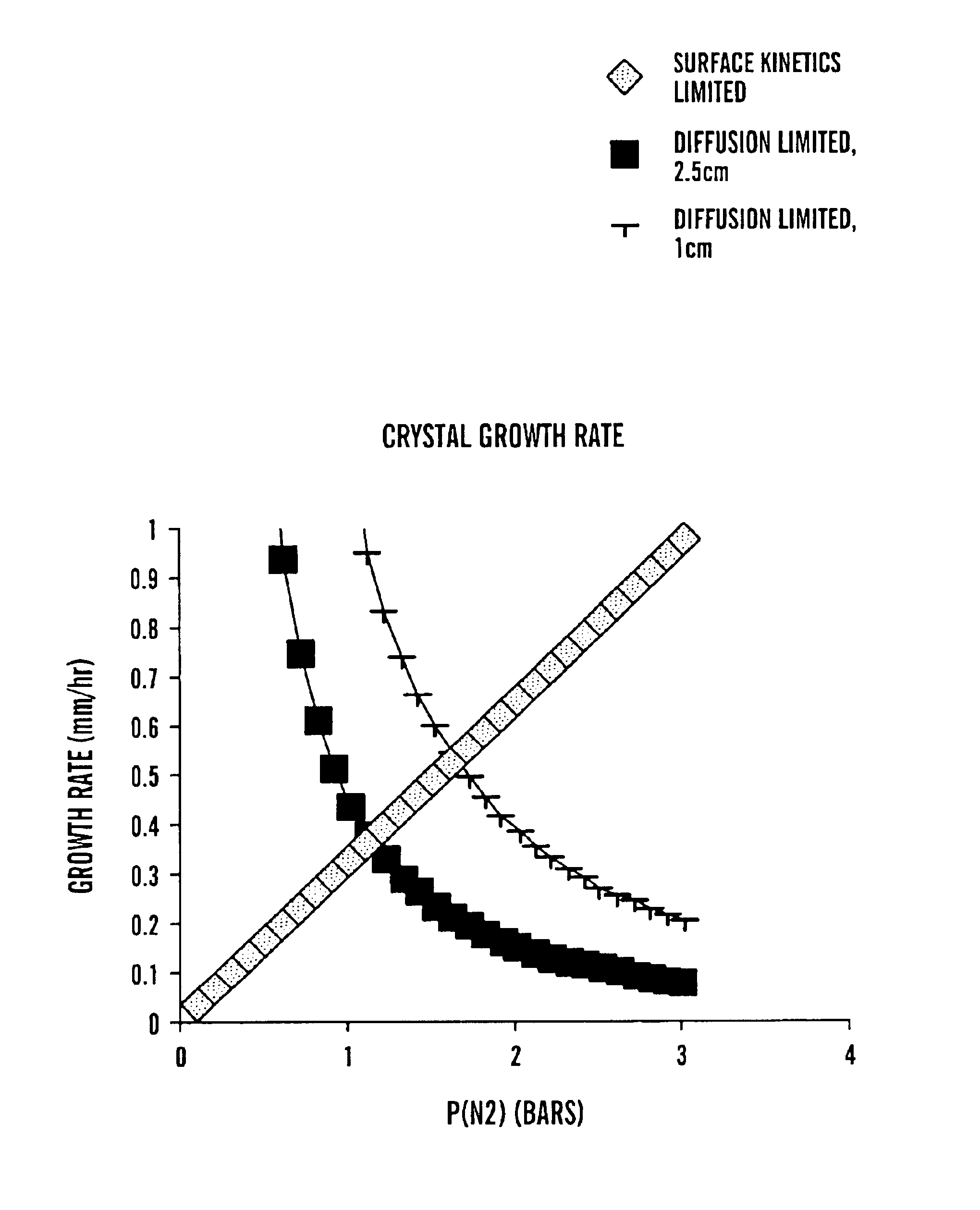
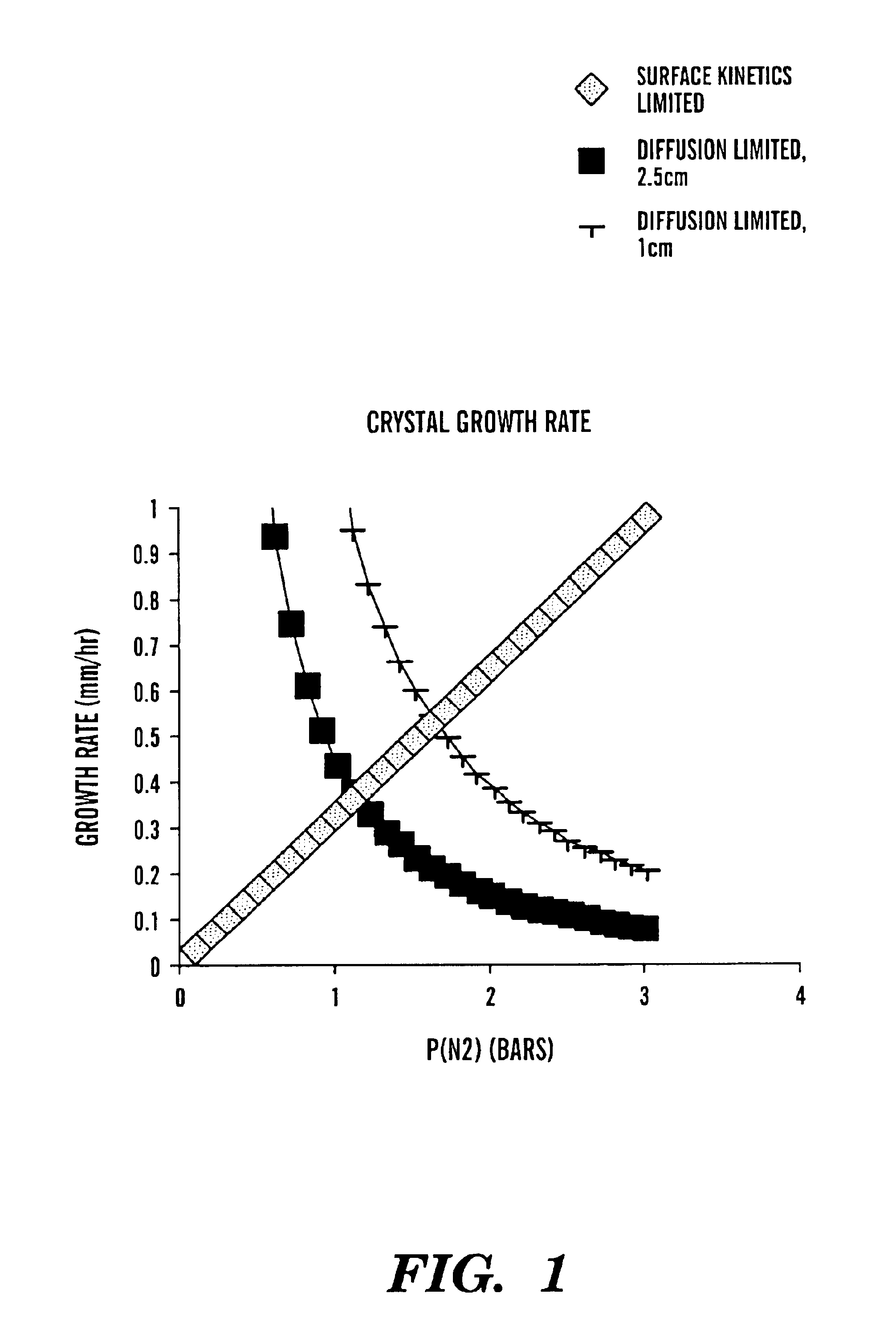
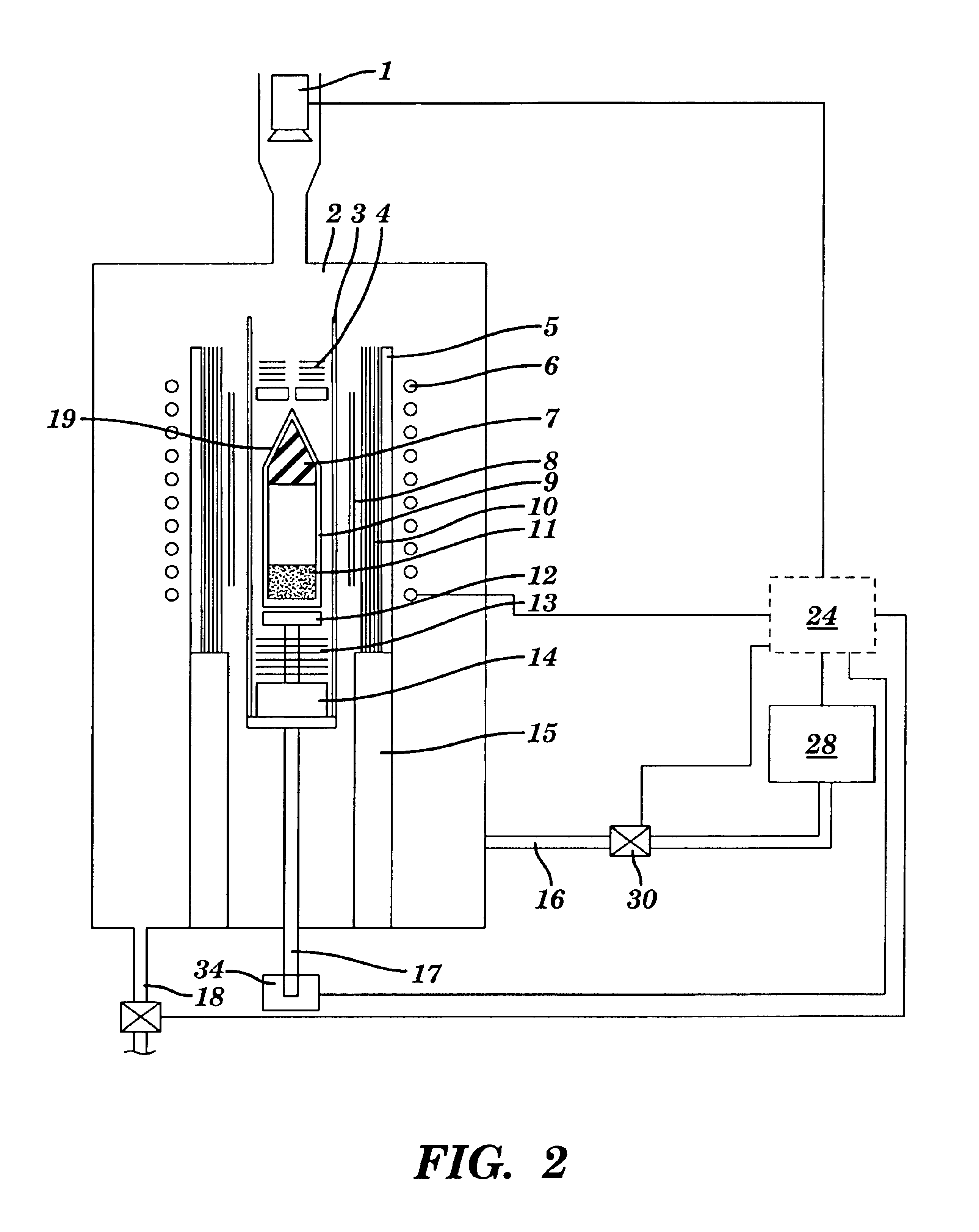
- The use of an apparatus and method that involves a gas outlet and inlet system, a radio frequency coil, and shielding to create a thermal gradient, allowing for the growth of single-crystal AlN at super-atmospheric nitrogen pressures, which increases the growth rate by controlling the nitrogen pressure and temperature difference, and using a crucible with selective barriers to manage Al and N2 vapor pressures.

Supply Chain Risk Assessment for Substrate Materials
The supply chain landscape for substrate materials presents distinct risk profiles for ceramic and sapphire substrates, fundamentally shaped by their different manufacturing ecosystems and raw material dependencies. Ceramic substrates rely on widely available materials such as aluminum oxide, aluminum nitride, and silicon carbide, which are sourced from multiple global suppliers across diverse geographical regions. This broad supplier base creates inherent supply chain resilience, as disruptions in one region can typically be compensated through alternative sourcing channels.
Sapphire substrate supply chains exhibit higher concentration risks due to the specialized nature of sapphire crystal growth processes. The production is dominated by a limited number of manufacturers primarily located in Asia-Pacific regions, particularly China, South Korea, and Russia. This geographical concentration creates vulnerability to regional disruptions, trade policy changes, and geopolitical tensions that could significantly impact global sapphire availability.
Manufacturing complexity introduces additional risk differentials between these substrate types. Ceramic substrate production involves relatively standardized processes that can be established across multiple facilities with moderate capital investment. The technology transfer barriers are lower, enabling broader manufacturing distribution and reducing single-point-of-failure risks. Conversely, sapphire crystal growth requires sophisticated equipment, extended production cycles, and specialized expertise, limiting the number of viable production facilities globally.
Raw material availability presents contrasting risk scenarios. Ceramic substrates benefit from abundant raw material sources, with aluminum oxide and related compounds readily available from numerous mining and processing operations worldwide. Sapphire production depends on high-purity aluminum oxide feedstock and specialized crystal growth environments, creating dependencies on fewer, more specialized suppliers with stringent quality requirements.
Supply chain flexibility varies significantly between these materials. Ceramic substrate manufacturers can typically adjust production volumes more rapidly in response to demand fluctuations, supported by shorter manufacturing cycles and broader supplier networks. Sapphire substrate production involves longer lead times and higher switching costs between suppliers, reducing supply chain agility and increasing inventory risks for downstream manufacturers.
Quality control and certification requirements add another layer of supply chain complexity. While both materials require rigorous quality standards, sapphire substrates demand more specialized testing and certification processes, often involving fewer qualified testing facilities and longer validation cycles, potentially creating bottlenecks in supply chain operations.
Sapphire substrate supply chains exhibit higher concentration risks due to the specialized nature of sapphire crystal growth processes. The production is dominated by a limited number of manufacturers primarily located in Asia-Pacific regions, particularly China, South Korea, and Russia. This geographical concentration creates vulnerability to regional disruptions, trade policy changes, and geopolitical tensions that could significantly impact global sapphire availability.
Manufacturing complexity introduces additional risk differentials between these substrate types. Ceramic substrate production involves relatively standardized processes that can be established across multiple facilities with moderate capital investment. The technology transfer barriers are lower, enabling broader manufacturing distribution and reducing single-point-of-failure risks. Conversely, sapphire crystal growth requires sophisticated equipment, extended production cycles, and specialized expertise, limiting the number of viable production facilities globally.
Raw material availability presents contrasting risk scenarios. Ceramic substrates benefit from abundant raw material sources, with aluminum oxide and related compounds readily available from numerous mining and processing operations worldwide. Sapphire production depends on high-purity aluminum oxide feedstock and specialized crystal growth environments, creating dependencies on fewer, more specialized suppliers with stringent quality requirements.
Supply chain flexibility varies significantly between these materials. Ceramic substrate manufacturers can typically adjust production volumes more rapidly in response to demand fluctuations, supported by shorter manufacturing cycles and broader supplier networks. Sapphire substrate production involves longer lead times and higher switching costs between suppliers, reducing supply chain agility and increasing inventory risks for downstream manufacturers.
Quality control and certification requirements add another layer of supply chain complexity. While both materials require rigorous quality standards, sapphire substrates demand more specialized testing and certification processes, often involving fewer qualified testing facilities and longer validation cycles, potentially creating bottlenecks in supply chain operations.
Sustainability Impact of Substrate Manufacturing Processes
The manufacturing processes of ceramic and sapphire substrates present distinct sustainability profiles that significantly impact their long-term viability in electronic applications. Ceramic substrate production typically involves lower energy consumption during manufacturing, with firing temperatures ranging from 1200-1600°C compared to sapphire's crystal growth requirements. The ceramic manufacturing process generates fewer greenhouse gas emissions per unit area, primarily due to shorter processing cycles and established industrial infrastructure that enables more efficient resource utilization.
Sapphire substrate manufacturing faces considerable sustainability challenges, particularly in the crystal growth phase. The Kyropoulos and Czochralski methods require sustained high-temperature environments exceeding 2000°C for extended periods, resulting in substantial energy consumption. Additionally, the process generates significant waste heat and requires specialized cooling systems, further increasing the environmental footprint. The yield rates in sapphire production are typically lower than ceramic substrates, meaning higher material waste and increased resource consumption per functional unit.
Water consumption patterns differ markedly between the two manufacturing approaches. Ceramic substrate production utilizes water primarily for cooling and cleaning processes, with established recycling systems reducing overall consumption. Sapphire manufacturing requires extensive water usage for crystal cooling and polishing operations, often demanding higher purity water that necessitates additional treatment processes.
Raw material sourcing presents another sustainability dimension. Ceramic substrates utilize abundant materials like alumina and silica, which are widely available and require less intensive extraction processes. Sapphire production relies on high-purity aluminum oxide, demanding more refined processing and purification steps that increase the environmental impact of raw material preparation.
End-of-life considerations favor ceramic substrates due to their composition compatibility with existing recycling infrastructure. Ceramic materials can be reprocessed or repurposed more readily than sapphire substrates, which require specialized handling due to their crystalline structure and high hardness. The recyclability factor becomes increasingly important as electronic waste regulations tighten globally.
Manufacturing location flexibility also influences sustainability outcomes. Ceramic substrate production can be distributed across multiple facilities with varying energy sources, potentially leveraging renewable energy where available. Sapphire manufacturing typically requires centralized, specialized facilities that may have limited options for sustainable energy integration, though some manufacturers are beginning to incorporate renewable energy sources into their operations.
Sapphire substrate manufacturing faces considerable sustainability challenges, particularly in the crystal growth phase. The Kyropoulos and Czochralski methods require sustained high-temperature environments exceeding 2000°C for extended periods, resulting in substantial energy consumption. Additionally, the process generates significant waste heat and requires specialized cooling systems, further increasing the environmental footprint. The yield rates in sapphire production are typically lower than ceramic substrates, meaning higher material waste and increased resource consumption per functional unit.
Water consumption patterns differ markedly between the two manufacturing approaches. Ceramic substrate production utilizes water primarily for cooling and cleaning processes, with established recycling systems reducing overall consumption. Sapphire manufacturing requires extensive water usage for crystal cooling and polishing operations, often demanding higher purity water that necessitates additional treatment processes.
Raw material sourcing presents another sustainability dimension. Ceramic substrates utilize abundant materials like alumina and silica, which are widely available and require less intensive extraction processes. Sapphire production relies on high-purity aluminum oxide, demanding more refined processing and purification steps that increase the environmental impact of raw material preparation.
End-of-life considerations favor ceramic substrates due to their composition compatibility with existing recycling infrastructure. Ceramic materials can be reprocessed or repurposed more readily than sapphire substrates, which require specialized handling due to their crystalline structure and high hardness. The recyclability factor becomes increasingly important as electronic waste regulations tighten globally.
Manufacturing location flexibility also influences sustainability outcomes. Ceramic substrate production can be distributed across multiple facilities with varying energy sources, potentially leveraging renewable energy where available. Sapphire manufacturing typically requires centralized, specialized facilities that may have limited options for sustainable energy integration, though some manufacturers are beginning to incorporate renewable energy sources into their operations.
Unlock deeper insights with PatSnap Eureka Quick Research — get a full tech report to explore trends and direct your research. Try now!
Generate Your Research Report Instantly with AI Agent
Supercharge your innovation with PatSnap Eureka AI Agent Platform!