

Cryopreservation vs Cold Storage: Antibody Stability Tests
FEB 12, 20269 MIN READ
Generate Your Research Report Instantly with AI Agent
PatSnap Eureka helps you evaluate technical feasibility & market potential.
Antibody Storage Technology Background and Objectives
Antibody-based therapeutics have revolutionized modern medicine, with monoclonal antibodies representing one of the fastest-growing segments in the pharmaceutical industry. The global antibody market exceeded $150 billion in recent years, driven by applications in oncology, autoimmune diseases, and infectious disease treatment. As these biological products become increasingly critical to healthcare systems worldwide, ensuring their stability during storage has emerged as a paramount concern for manufacturers, distributors, and healthcare providers.
The fundamental challenge in antibody storage lies in maintaining the structural integrity and biological activity of these complex protein molecules over extended periods. Antibodies are susceptible to various degradation pathways including aggregation, fragmentation, oxidation, and deamidation, all of which can compromise therapeutic efficacy and potentially trigger immunogenic responses in patients. Traditional cold storage methods, typically maintaining temperatures between 2-8°C, have been the industry standard for decades. However, emerging evidence suggests that cryopreservation techniques, involving storage at ultra-low temperatures ranging from -20°C to -80°C or even in liquid nitrogen at -196°C, may offer superior long-term stability for certain antibody formulations.
The primary objective of comparative stability testing between cryopreservation and cold storage is to establish evidence-based guidelines for optimal antibody preservation strategies. This research aims to quantitatively assess degradation rates, functional activity retention, and structural stability across different temperature regimes and storage durations. Understanding the molecular mechanisms underlying antibody stability at various temperatures will enable the development of tailored storage protocols that maximize shelf life while minimizing quality deterioration.
Furthermore, this technical investigation seeks to address practical considerations including cost-effectiveness, scalability, and accessibility of different storage approaches. While cryopreservation may offer enhanced stability, it requires specialized equipment and infrastructure that may not be universally available, particularly in resource-limited settings. The research therefore aims to balance scientific optimization with real-world implementation feasibility, ultimately supporting the development of storage strategies that ensure global access to high-quality antibody therapeutics while maintaining stringent quality standards throughout the product lifecycle.
The fundamental challenge in antibody storage lies in maintaining the structural integrity and biological activity of these complex protein molecules over extended periods. Antibodies are susceptible to various degradation pathways including aggregation, fragmentation, oxidation, and deamidation, all of which can compromise therapeutic efficacy and potentially trigger immunogenic responses in patients. Traditional cold storage methods, typically maintaining temperatures between 2-8°C, have been the industry standard for decades. However, emerging evidence suggests that cryopreservation techniques, involving storage at ultra-low temperatures ranging from -20°C to -80°C or even in liquid nitrogen at -196°C, may offer superior long-term stability for certain antibody formulations.
The primary objective of comparative stability testing between cryopreservation and cold storage is to establish evidence-based guidelines for optimal antibody preservation strategies. This research aims to quantitatively assess degradation rates, functional activity retention, and structural stability across different temperature regimes and storage durations. Understanding the molecular mechanisms underlying antibody stability at various temperatures will enable the development of tailored storage protocols that maximize shelf life while minimizing quality deterioration.
Furthermore, this technical investigation seeks to address practical considerations including cost-effectiveness, scalability, and accessibility of different storage approaches. While cryopreservation may offer enhanced stability, it requires specialized equipment and infrastructure that may not be universally available, particularly in resource-limited settings. The research therefore aims to balance scientific optimization with real-world implementation feasibility, ultimately supporting the development of storage strategies that ensure global access to high-quality antibody therapeutics while maintaining stringent quality standards throughout the product lifecycle.
Market Demand for Antibody Preservation Solutions
The global antibody preservation market is experiencing robust growth driven by the rapid expansion of biopharmaceutical research, therapeutic antibody development, and diagnostic applications. Monoclonal antibodies have become cornerstone therapeutics for treating cancer, autoimmune diseases, and infectious diseases, creating substantial demand for reliable preservation methods that maintain antibody integrity throughout the supply chain. Research institutions, pharmaceutical companies, and clinical laboratories require preservation solutions that balance cost-effectiveness with long-term stability assurance.
The biopharmaceutical industry faces increasing pressure to optimize cold chain logistics and storage infrastructure as antibody-based therapeutics proliferate. Traditional cold storage methods, while widely accessible, present challenges in maintaining consistent temperature control during transportation and extended storage periods. This has intensified interest in cryopreservation technologies that promise superior long-term stability, particularly for high-value antibody products and research biobanks requiring decade-long preservation capabilities.
Market demand is further amplified by the growing personalized medicine sector and companion diagnostics, where antibody reagents must retain precise binding characteristics over extended periods. Contract research organizations and biobanking facilities are actively seeking validated preservation protocols that minimize protein aggregation, oxidation, and loss of biological activity. The COVID-19 pandemic accelerated awareness of cold chain vulnerabilities, prompting stakeholders to reassess preservation strategies for critical biological materials.
Emerging markets in Asia-Pacific and Latin America are contributing to demand growth as these regions expand biomanufacturing capabilities and clinical trial activities. However, infrastructure limitations in developing regions create distinct requirements for preservation solutions that can tolerate occasional temperature fluctuations without catastrophic product loss. This geographical diversity in market needs is driving innovation in hybrid preservation approaches and temperature-stable formulations.
The market also reflects growing regulatory scrutiny regarding stability data requirements for biologics. Regulatory agencies increasingly demand comprehensive stability testing across various storage conditions, compelling manufacturers to invest in comparative studies between cryopreservation and conventional cold storage. This regulatory landscape is shaping procurement decisions and driving demand for preservation solutions with robust validation documentation and proven track records in maintaining antibody functionality across diverse environmental conditions.
The biopharmaceutical industry faces increasing pressure to optimize cold chain logistics and storage infrastructure as antibody-based therapeutics proliferate. Traditional cold storage methods, while widely accessible, present challenges in maintaining consistent temperature control during transportation and extended storage periods. This has intensified interest in cryopreservation technologies that promise superior long-term stability, particularly for high-value antibody products and research biobanks requiring decade-long preservation capabilities.
Market demand is further amplified by the growing personalized medicine sector and companion diagnostics, where antibody reagents must retain precise binding characteristics over extended periods. Contract research organizations and biobanking facilities are actively seeking validated preservation protocols that minimize protein aggregation, oxidation, and loss of biological activity. The COVID-19 pandemic accelerated awareness of cold chain vulnerabilities, prompting stakeholders to reassess preservation strategies for critical biological materials.
Emerging markets in Asia-Pacific and Latin America are contributing to demand growth as these regions expand biomanufacturing capabilities and clinical trial activities. However, infrastructure limitations in developing regions create distinct requirements for preservation solutions that can tolerate occasional temperature fluctuations without catastrophic product loss. This geographical diversity in market needs is driving innovation in hybrid preservation approaches and temperature-stable formulations.
The market also reflects growing regulatory scrutiny regarding stability data requirements for biologics. Regulatory agencies increasingly demand comprehensive stability testing across various storage conditions, compelling manufacturers to invest in comparative studies between cryopreservation and conventional cold storage. This regulatory landscape is shaping procurement decisions and driving demand for preservation solutions with robust validation documentation and proven track records in maintaining antibody functionality across diverse environmental conditions.
Current Status of Cryopreservation and Cold Storage Technologies
Cryopreservation technology has evolved significantly over the past decades, establishing itself as a critical method for long-term biological sample preservation. Modern cryopreservation systems typically operate at ultra-low temperatures ranging from -80°C to -196°C using liquid nitrogen or mechanical freezers. These systems employ controlled-rate freezing protocols and cryoprotective agents to minimize ice crystal formation and maintain molecular integrity. Current commercial solutions include automated controlled-rate freezers, vapor-phase liquid nitrogen storage systems, and advanced monitoring platforms that ensure temperature stability and sample traceability.
Cold storage technologies, operating between 2°C and 8°C, represent the standard approach for short to medium-term antibody preservation. Contemporary cold storage infrastructure includes pharmaceutical-grade refrigerators with precise temperature control, real-time monitoring systems, and backup power solutions. Advanced units feature uniform temperature distribution, minimal temperature fluctuations, and comprehensive data logging capabilities to comply with regulatory requirements. These systems are widely deployed across research laboratories, biopharmaceutical manufacturing facilities, and clinical settings.
The antibody stability testing landscape has matured considerably, with standardized protocols now established by regulatory bodies including FDA and EMA. Current testing methodologies encompass multiple analytical techniques such as size-exclusion chromatography, dynamic light scattering, differential scanning calorimetry, and binding affinity assays. These methods collectively assess critical quality attributes including aggregation levels, fragmentation patterns, post-translational modifications, and functional activity retention over defined storage periods.
Despite technological advances, several challenges persist in both preservation modalities. Cryopreservation faces issues related to freeze-thaw cycle damage, cryoprotectant toxicity, and the high operational costs associated with maintaining ultra-low temperatures. Cold storage encounters limitations in long-term stability maintenance, particularly for sensitive antibody formats, and requires continuous energy supply with associated sustainability concerns. Additionally, standardization gaps exist in comparative stability assessment protocols, making direct technology evaluation complex. The industry continues to seek optimized solutions that balance preservation efficacy, operational feasibility, and economic viability while ensuring consistent antibody quality for therapeutic and diagnostic applications.
Cold storage technologies, operating between 2°C and 8°C, represent the standard approach for short to medium-term antibody preservation. Contemporary cold storage infrastructure includes pharmaceutical-grade refrigerators with precise temperature control, real-time monitoring systems, and backup power solutions. Advanced units feature uniform temperature distribution, minimal temperature fluctuations, and comprehensive data logging capabilities to comply with regulatory requirements. These systems are widely deployed across research laboratories, biopharmaceutical manufacturing facilities, and clinical settings.
The antibody stability testing landscape has matured considerably, with standardized protocols now established by regulatory bodies including FDA and EMA. Current testing methodologies encompass multiple analytical techniques such as size-exclusion chromatography, dynamic light scattering, differential scanning calorimetry, and binding affinity assays. These methods collectively assess critical quality attributes including aggregation levels, fragmentation patterns, post-translational modifications, and functional activity retention over defined storage periods.
Despite technological advances, several challenges persist in both preservation modalities. Cryopreservation faces issues related to freeze-thaw cycle damage, cryoprotectant toxicity, and the high operational costs associated with maintaining ultra-low temperatures. Cold storage encounters limitations in long-term stability maintenance, particularly for sensitive antibody formats, and requires continuous energy supply with associated sustainability concerns. Additionally, standardization gaps exist in comparative stability assessment protocols, making direct technology evaluation complex. The industry continues to seek optimized solutions that balance preservation efficacy, operational feasibility, and economic viability while ensuring consistent antibody quality for therapeutic and diagnostic applications.
Comparative Analysis of Current Storage Protocols
01 Formulation optimization with stabilizing excipients
Antibody stability can be enhanced through the use of specific excipients and buffer systems in pharmaceutical formulations. Stabilizing agents such as sugars, polyols, surfactants, and amino acids help maintain protein structure and prevent aggregation during storage. pH optimization and ionic strength control are critical factors in maintaining antibody conformational stability. These formulation strategies are essential for extending shelf life and maintaining therapeutic efficacy of antibody-based products.- Formulation optimization with stabilizing excipients: Antibody stability can be enhanced through the use of specific excipients and formulation components that prevent aggregation, degradation, and denaturation. These formulations may include buffers, surfactants, amino acids, sugars, and polyols that maintain the structural integrity of antibodies during storage and handling. The optimization of pH, ionic strength, and protein concentration are critical factors in developing stable antibody formulations for therapeutic applications.
- Lyophilization and reconstitution strategies: Freeze-drying or lyophilization techniques are employed to improve long-term stability of antibody products by removing water content. The development of suitable lyophilization cycles, along with appropriate cryoprotectants and lyoprotectants, helps maintain antibody structure and activity upon reconstitution. This approach is particularly valuable for extending shelf life and facilitating distribution of antibody therapeutics.
- Chemical modification and conjugation methods: Antibody stability can be improved through site-specific chemical modifications, conjugation techniques, or engineering of the antibody structure. These methods may involve PEGylation, glycosylation optimization, or introduction of stabilizing mutations that reduce susceptibility to physical and chemical degradation. Such modifications can enhance resistance to temperature stress, oxidation, and proteolytic degradation while maintaining biological activity.
- Container closure systems and packaging: The selection of appropriate container closure systems and packaging materials plays a crucial role in maintaining antibody stability. Materials that minimize protein adsorption, prevent oxygen permeation, and protect from light exposure are essential. The development of specialized vials, syringes, and delivery devices with low protein binding properties helps preserve antibody integrity throughout the product lifecycle.
- Analytical methods for stability assessment: Comprehensive analytical techniques are employed to evaluate and monitor antibody stability under various conditions. These methods include assessment of aggregation, fragmentation, oxidation, deamidation, and loss of potency through techniques such as chromatography, spectroscopy, and bioassays. Accelerated and real-time stability studies using these analytical tools are essential for determining shelf life and establishing appropriate storage conditions for antibody products.
02 Prevention of antibody aggregation
Aggregation is a major stability concern for therapeutic antibodies that can affect safety and efficacy. Various approaches are employed to minimize aggregation, including the selection of appropriate storage conditions, control of protein concentration, and addition of anti-aggregation agents. Analytical methods for detecting and characterizing aggregates are crucial for quality control. Formulation development focuses on identifying conditions that minimize protein-protein interactions and maintain monomeric antibody structure throughout the product lifecycle.Expand Specific Solutions03 Chemical modification and conjugation strategies
Chemical stability of antibodies can be improved through site-specific modifications and conjugation techniques. These approaches include engineering of specific amino acid residues, glycosylation pattern optimization, and development of antibody-drug conjugates with enhanced stability profiles. Such modifications can protect sensitive regions of the antibody from degradation pathways including oxidation, deamidation, and fragmentation. The strategic design of these modifications maintains biological activity while improving overall stability characteristics.Expand Specific Solutions04 Temperature and storage condition optimization
Maintaining antibody stability requires careful control of storage and handling conditions. Temperature-dependent degradation pathways can be mitigated through optimized storage protocols, including refrigeration, freezing, or lyophilization strategies. Freeze-thaw stability and thermal stress resistance are important considerations for product development. Accelerated stability studies help predict long-term storage behavior and establish appropriate shelf life specifications for antibody therapeutics under various storage conditions.Expand Specific Solutions05 Analytical methods for stability assessment
Comprehensive analytical techniques are essential for monitoring antibody stability throughout development and manufacturing. These methods include size-exclusion chromatography, differential scanning calorimetry, spectroscopic techniques, and mass spectrometry for detecting physical and chemical degradation. Stability-indicating assays help identify critical quality attributes and establish specifications for release and stability testing. Advanced analytical platforms enable real-time monitoring of antibody integrity and support formulation optimization efforts to ensure product quality and patient safety.Expand Specific Solutions
Major Players in Antibody Storage and Biopreservation
The antibody stability testing field comparing cryopreservation and cold storage methods is in a mature development stage, driven by the expanding biologics market projected to exceed $500 billion globally. The competitive landscape features established pharmaceutical giants like F. Hoffmann-La Roche Ltd., Pfizer Inc., Regeneron Pharmaceuticals, and Genentech, Inc., alongside specialized biotechnology firms such as Arecor Ltd. and Seagen, Inc. Technology maturity is high among leaders like Roche Diagnostics GmbH, Abbott Laboratories, and Biogen MA, Inc., who possess advanced formulation platforms and extensive stability testing capabilities. Emerging players including Innovent Biologics and Sunshine Guojian Pharmaceutical represent growing Asian market participation. Academic institutions like Beth Israel Deaconess Medical Center and Max-Delbrück-Centrum contribute fundamental research, while companies like MedImmune LLC and UCB Biopharma SRL advance novel preservation methodologies, creating a highly competitive yet collaborative ecosystem focused on optimizing antibody therapeutic stability and efficacy.
F. Hoffmann-La Roche Ltd.
Technical Solution: Roche has developed comprehensive antibody stability testing protocols comparing cryopreservation and cold storage conditions. Their approach involves accelerated stability studies at multiple temperature points (2-8°C, -20°C, -80°C) with real-time monitoring of critical quality attributes including aggregation, fragmentation, and potency retention over extended periods. The company employs advanced analytical techniques such as size-exclusion chromatography (SEC), dynamic light scattering (DLS), and differential scanning calorimetry (DSC) to assess structural integrity. Their formulation development includes optimized buffer systems with cryoprotectants and stabilizers to maintain antibody stability across different storage conditions, supporting both liquid and lyophilized formats for therapeutic antibodies[1][5].
Strengths: Industry-leading analytical capabilities and extensive experience in antibody development with robust quality control systems. Weaknesses: High operational costs for maintaining multiple storage condition studies and complex regulatory documentation requirements.
Regeneron Pharmaceuticals, Inc.
Technical Solution: Regeneron implements rigorous stability testing programs comparing cryogenic storage versus refrigerated conditions for their monoclonal antibody portfolio. Their methodology includes forced degradation studies to identify potential degradation pathways, followed by long-term stability assessments under ICH guidelines. The company utilizes high-throughput screening platforms to evaluate multiple formulation candidates simultaneously, testing parameters such as pH stability, ionic strength effects, and excipient compatibility. Their VelocImmune technology platform generates fully human antibodies that undergo comprehensive stability characterization including freeze-thaw cycle tolerance, thermal stress resistance, and oxidation susceptibility testing to determine optimal storage conditions for clinical and commercial products[2][8].
Strengths: Proprietary antibody generation platform with integrated stability assessment and rapid formulation optimization capabilities. Weaknesses: Limited public disclosure of specific stability data and primarily focused on their own antibody formats.
Critical Stability Assessment Technologies and Patents
Stabilized antibody formulations and uses thereof
PatentInactiveEP2066350A2
Innovation
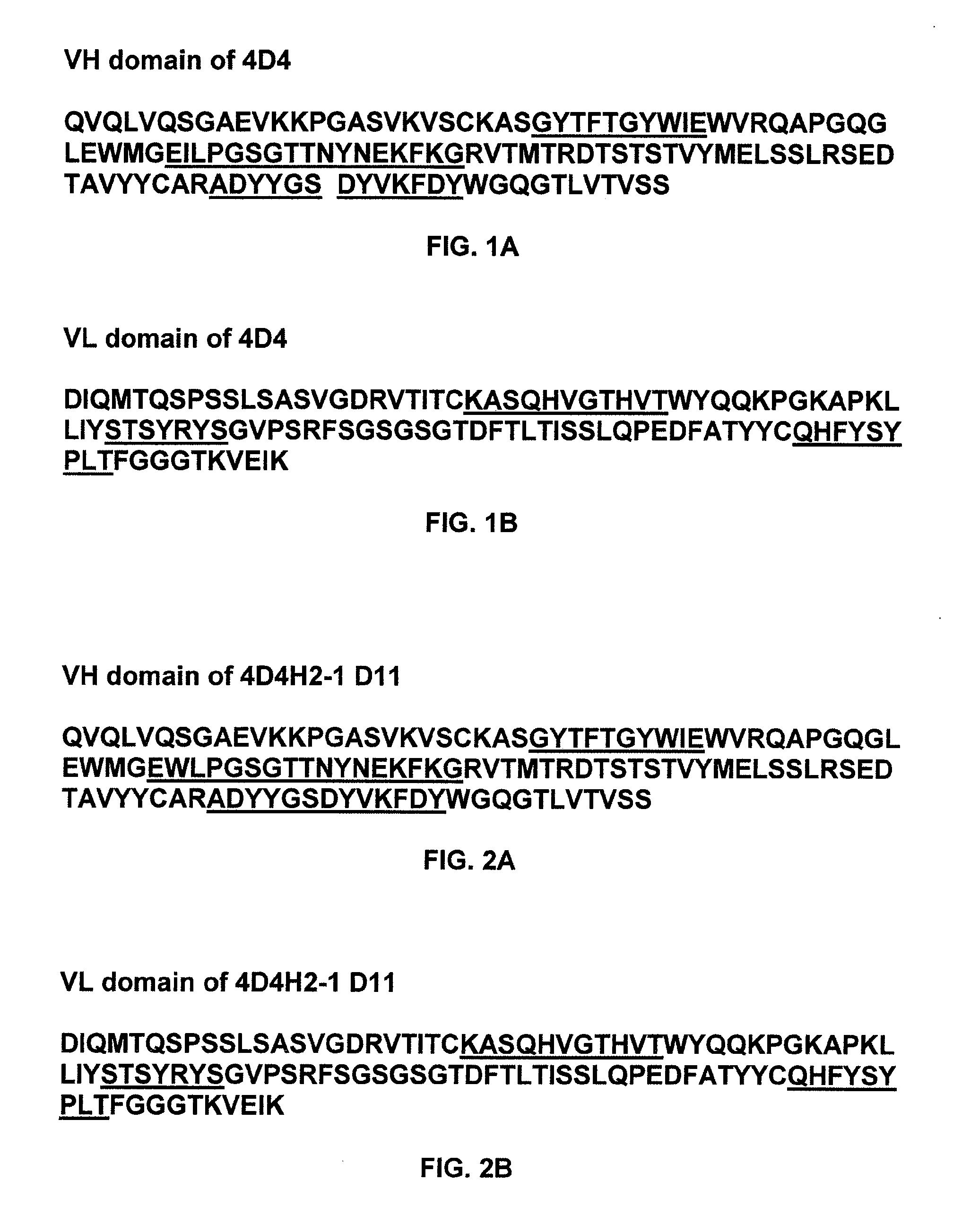
- Development of stable liquid antibody formulations using non-zwitterionic buffers like phosphate, tris, citrate, or acetate, with specific concentrations and pH ranges, along with excipients such as saccharides and surfactants, to maintain antibody stability and activity over extended periods.
Stabilized antibody formulations and uses thereof
PatentInactiveUS20100129379A1
Innovation
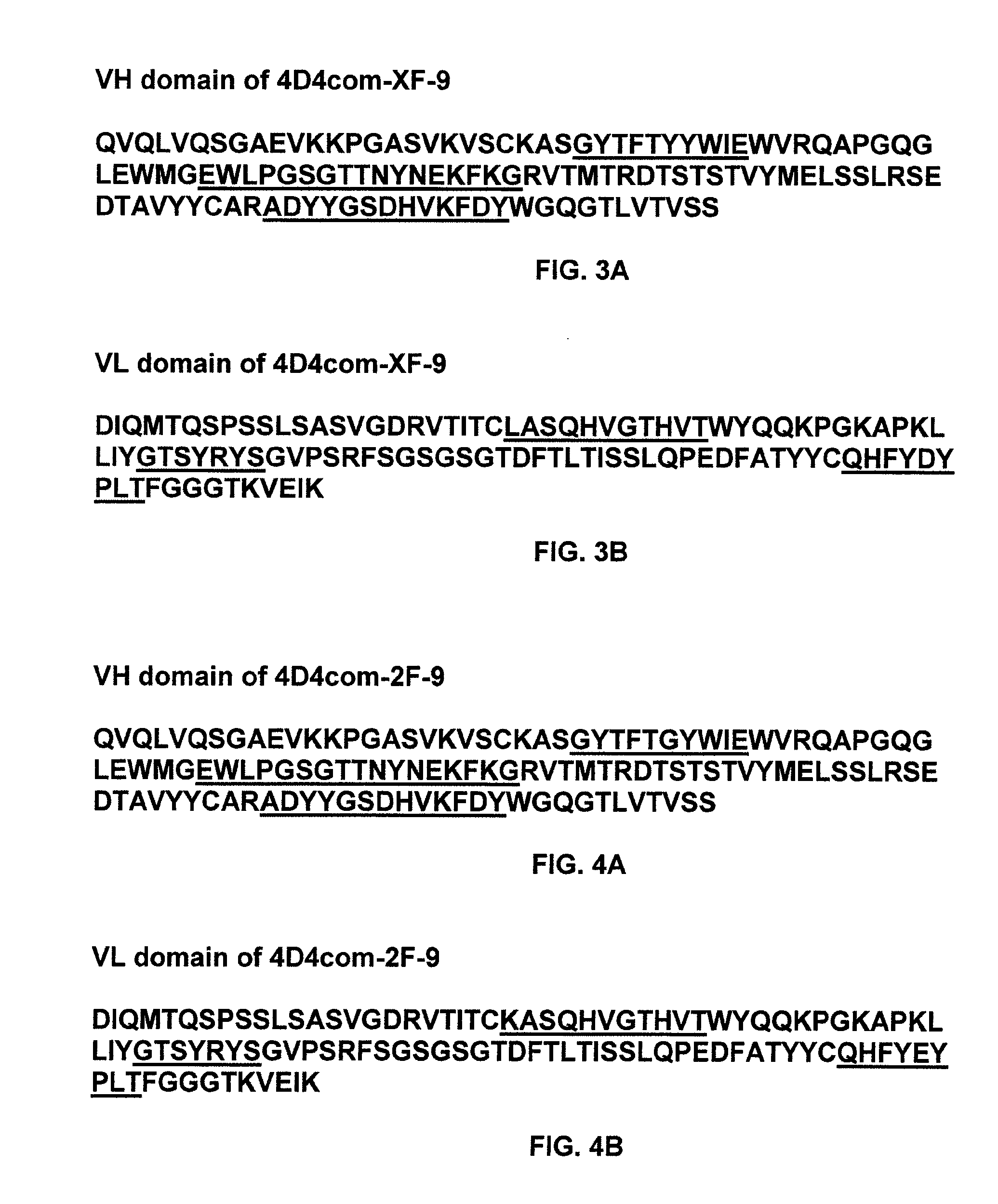
- Development of stable liquid antibody formulations using non-zwitterionic buffers like phosphate, tris, citrate, or acetate, with specific concentrations and pH ranges, along with excipients like saccharides and surfactants, to maintain antibody stability and activity over extended periods.


Regulatory Requirements for Biologics Storage Validation
The regulatory landscape governing biologics storage validation has become increasingly stringent as regulatory agencies worldwide recognize the critical importance of maintaining product integrity throughout the cold chain. The United States Food and Drug Administration (FDA), European Medicines Agency (EMA), and other international regulatory bodies have established comprehensive guidelines that mandate rigorous validation protocols for both cryopreservation and cold storage systems used in antibody preservation.
Current Good Manufacturing Practice (cGMP) regulations require pharmaceutical manufacturers to demonstrate through documented evidence that storage conditions consistently maintain antibody stability within predefined specifications. This encompasses validation of temperature mapping, monitoring systems, alarm mechanisms, and backup power supplies. For cryopreservation systems operating below minus 130 degrees Celsius, additional validation requirements address the unique challenges of ultra-low temperature maintenance, including liquid nitrogen supply reliability and vapor phase uniformity.
The International Council for Harmonisation (ICH) Q5C guideline specifically addresses stability testing of biotechnological products, establishing frameworks for storage condition selection and stability study design. These guidelines necessitate that stability protocols incorporate worst-case scenarios, including temperature excursions and recovery procedures. Regulatory submissions must include comprehensive stability data demonstrating antibody integrity across the intended storage duration, supported by validated analytical methods for assessing critical quality attributes such as aggregation, fragmentation, and potency.
Documentation requirements extend beyond initial validation to encompass ongoing monitoring and periodic requalification. Regulatory authorities expect detailed standard operating procedures covering storage system maintenance, deviation management, and change control processes. The implementation of risk-based approaches, as outlined in ICH Q9, enables manufacturers to prioritize validation efforts based on potential impact to product quality. Furthermore, recent regulatory trends emphasize real-time stability monitoring and the integration of advanced process analytical technologies to ensure continuous compliance with storage specifications throughout the product lifecycle.
Current Good Manufacturing Practice (cGMP) regulations require pharmaceutical manufacturers to demonstrate through documented evidence that storage conditions consistently maintain antibody stability within predefined specifications. This encompasses validation of temperature mapping, monitoring systems, alarm mechanisms, and backup power supplies. For cryopreservation systems operating below minus 130 degrees Celsius, additional validation requirements address the unique challenges of ultra-low temperature maintenance, including liquid nitrogen supply reliability and vapor phase uniformity.
The International Council for Harmonisation (ICH) Q5C guideline specifically addresses stability testing of biotechnological products, establishing frameworks for storage condition selection and stability study design. These guidelines necessitate that stability protocols incorporate worst-case scenarios, including temperature excursions and recovery procedures. Regulatory submissions must include comprehensive stability data demonstrating antibody integrity across the intended storage duration, supported by validated analytical methods for assessing critical quality attributes such as aggregation, fragmentation, and potency.
Documentation requirements extend beyond initial validation to encompass ongoing monitoring and periodic requalification. Regulatory authorities expect detailed standard operating procedures covering storage system maintenance, deviation management, and change control processes. The implementation of risk-based approaches, as outlined in ICH Q9, enables manufacturers to prioritize validation efforts based on potential impact to product quality. Furthermore, recent regulatory trends emphasize real-time stability monitoring and the integration of advanced process analytical technologies to ensure continuous compliance with storage specifications throughout the product lifecycle.
Quality Control Standards for Antibody Stability Testing
Quality control standards for antibody stability testing represent a critical framework that ensures the reliability and reproducibility of comparative studies between cryopreservation and cold storage methods. These standards encompass multiple dimensions of testing protocols, measurement criteria, and acceptance thresholds that must be rigorously applied to generate meaningful data for regulatory submissions and clinical applications.
The establishment of standardized testing protocols begins with defining appropriate stability-indicating parameters. These typically include measurements of antibody aggregation through size-exclusion chromatography or dynamic light scattering, assessment of fragmentation patterns via capillary electrophoresis, and evaluation of binding affinity using surface plasmon resonance or enzyme-linked immunosorbent assays. Each analytical method must demonstrate validated precision, accuracy, and sensitivity within specified ranges to ensure data integrity across different storage conditions and time points.
Sample handling procedures constitute another essential component of quality control standards. This includes specifications for container closure systems, fill volumes, and headspace requirements that minimize oxidative stress and mechanical agitation during storage. Temperature monitoring protocols must maintain continuous documentation with calibrated sensors, establishing alert and action limits that trigger immediate investigation when deviations occur. For cryopreservation studies, freeze-thaw cycle parameters require precise control over cooling and warming rates, typically monitored through thermocouples positioned within representative samples.
Statistical acceptance criteria form the quantitative backbone of quality control standards. Stability data must demonstrate that critical quality attributes remain within predefined specifications, commonly set at 90-110% of initial values for potency measurements and below 5% for high molecular weight species formation. Trending analysis using appropriate statistical models helps distinguish normal variability from genuine stability concerns, enabling data-driven decisions about storage method selection.
Documentation requirements under current good manufacturing practice guidelines mandate comprehensive records of all testing activities, including raw data, calculations, deviations, and investigator signatures. These records must be readily retrievable for regulatory inspection and support the overall comparability assessment between cryopreservation and cold storage approaches, ultimately determining which method provides superior antibody preservation for specific therapeutic applications.
The establishment of standardized testing protocols begins with defining appropriate stability-indicating parameters. These typically include measurements of antibody aggregation through size-exclusion chromatography or dynamic light scattering, assessment of fragmentation patterns via capillary electrophoresis, and evaluation of binding affinity using surface plasmon resonance or enzyme-linked immunosorbent assays. Each analytical method must demonstrate validated precision, accuracy, and sensitivity within specified ranges to ensure data integrity across different storage conditions and time points.
Sample handling procedures constitute another essential component of quality control standards. This includes specifications for container closure systems, fill volumes, and headspace requirements that minimize oxidative stress and mechanical agitation during storage. Temperature monitoring protocols must maintain continuous documentation with calibrated sensors, establishing alert and action limits that trigger immediate investigation when deviations occur. For cryopreservation studies, freeze-thaw cycle parameters require precise control over cooling and warming rates, typically monitored through thermocouples positioned within representative samples.
Statistical acceptance criteria form the quantitative backbone of quality control standards. Stability data must demonstrate that critical quality attributes remain within predefined specifications, commonly set at 90-110% of initial values for potency measurements and below 5% for high molecular weight species formation. Trending analysis using appropriate statistical models helps distinguish normal variability from genuine stability concerns, enabling data-driven decisions about storage method selection.
Documentation requirements under current good manufacturing practice guidelines mandate comprehensive records of all testing activities, including raw data, calculations, deviations, and investigator signatures. These records must be readily retrievable for regulatory inspection and support the overall comparability assessment between cryopreservation and cold storage approaches, ultimately determining which method provides superior antibody preservation for specific therapeutic applications.
Unlock deeper insights with PatSnap Eureka Quick Research — get a full tech report to explore trends and direct your research. Try now!
Generate Your Research Report Instantly with AI Agent
Supercharge your innovation with PatSnap Eureka AI Agent Platform!