

Cylinder Block Bolt Patterns vs Thermal Distortions: Selection Guide
JUN 26, 20269 MIN READ
Generate Your Research Report Instantly with AI Agent
Patsnap Eureka helps you evaluate technical feasibility & market potential.
Cylinder Block Bolt Pattern Design Background and Objectives
Cylinder block bolt pattern design represents a critical engineering discipline that has evolved significantly since the early days of internal combustion engines. The fundamental challenge lies in creating fastening systems that can withstand extreme thermal and mechanical stresses while maintaining structural integrity throughout the engine's operational lifecycle. This field encompasses the strategic placement, sizing, and configuration of bolts that secure cylinder heads to engine blocks, directly impacting engine performance, reliability, and longevity.
The historical development of bolt pattern design traces back to the 1920s when automotive engineers first recognized the correlation between fastener arrangement and thermal distortion patterns. Early engines suffered from frequent head gasket failures and warping issues, primarily due to inadequate understanding of thermal expansion dynamics and insufficient bolt pattern optimization. The introduction of finite element analysis in the 1970s marked a pivotal moment, enabling engineers to predict and visualize stress distributions with unprecedented accuracy.
Modern cylinder block bolt pattern design has become increasingly sophisticated, driven by stringent emissions regulations, fuel efficiency demands, and performance requirements. Contemporary engines operate under higher combustion pressures and temperatures, necessitating more robust and precisely engineered fastening solutions. The integration of advanced materials, such as high-strength steel bolts and composite gaskets, has further complicated the design matrix, requiring comprehensive understanding of material interactions under thermal cycling conditions.
The primary objective of contemporary bolt pattern design is to achieve uniform clamping force distribution across the cylinder head-to-block interface while minimizing thermal distortion effects. This involves optimizing bolt spacing, diameter selection, torque specifications, and tightening sequences to create a balanced stress field that accommodates thermal expansion without compromising sealing integrity. Engineers must consider multiple variables including bolt material properties, thread engagement, surface finish, and gasket characteristics.
Advanced computational modeling now enables engineers to simulate complex thermal-mechanical interactions, predicting distortion patterns under various operating conditions. These capabilities have shifted the design paradigm from empirical testing to predictive engineering, allowing for optimization before physical prototyping. The ultimate goal remains consistent: developing bolt patterns that maintain reliable sealing performance while minimizing manufacturing complexity and cost implications for high-volume production environments.
Market Demand for Thermal Distortion Resistant Engine Blocks
The automotive industry is experiencing unprecedented demand for thermal distortion resistant engine blocks, driven by increasingly stringent emission regulations and the pursuit of higher engine efficiency. Modern engines operate at elevated temperatures and pressures, creating substantial thermal stresses that can compromise cylinder block integrity and performance. This market demand stems from the critical need to maintain dimensional stability under extreme operating conditions while ensuring long-term durability.
Commercial vehicle manufacturers represent the largest market segment for thermal distortion resistant engine blocks, particularly in heavy-duty trucking and construction equipment sectors. These applications require engines capable of sustained high-load operation without compromising structural integrity. The demand is further amplified by fleet operators seeking reduced maintenance costs and extended service intervals, making thermal stability a key purchasing criterion.
The passenger vehicle market demonstrates growing interest in thermal distortion resistant solutions, particularly in high-performance and luxury segments. Consumers increasingly expect engines that deliver consistent performance throughout their operational lifespan, while manufacturers face pressure to extend warranty periods. This convergence creates substantial market opportunities for advanced cylinder block designs that minimize thermal-induced dimensional changes.
Emerging markets in Asia-Pacific and Latin America show accelerating demand for robust engine technologies as infrastructure development intensifies. Local manufacturers in these regions are investing heavily in thermal management solutions to compete with established global brands. The market potential is significant, as these economies transition toward more demanding industrial applications requiring reliable engine performance.
The aftermarket segment presents additional opportunities, as existing engine populations require retrofitting or replacement with thermally stable alternatives. Service providers and rebuilders increasingly specify thermal distortion resistant blocks to reduce warranty claims and improve customer satisfaction. This trend is particularly pronounced in marine and stationary power applications where engine reliability directly impacts operational costs.
Market research indicates that thermal distortion resistance has become a primary selection criterion alongside traditional factors such as weight, cost, and manufacturing complexity. Engine designers now prioritize thermal stability early in the development process, recognizing its impact on overall system performance and market competitiveness.
Current Thermal Management Challenges in Cylinder Block Design
Modern cylinder block designs face unprecedented thermal management challenges as engine performance demands continue to escalate while emission regulations become increasingly stringent. The fundamental challenge lies in managing the complex thermal gradients that develop across the cylinder block structure during operation, where combustion chamber temperatures can exceed 2000°C while coolant passages maintain temperatures around 90°C. This extreme temperature differential creates significant thermal stresses that directly impact bolt pattern integrity and overall engine reliability.
The primary thermal management challenge stems from the heterogeneous nature of heat generation and dissipation within the cylinder block. Combustion-induced thermal loads create localized hot spots around the cylinder bore areas, while the cooling system attempts to maintain uniform temperature distribution through strategically positioned coolant passages. This thermal imbalance results in differential expansion rates across different regions of the cylinder block, leading to distortion patterns that can compromise bolt joint integrity and sealing performance.
Material selection presents another critical challenge in contemporary cylinder block thermal management. Traditional cast iron blocks, while offering excellent thermal stability, struggle to meet modern weight reduction requirements. Aluminum alloys provide superior weight characteristics but exhibit higher thermal expansion coefficients, creating more pronounced thermal distortions. Advanced materials such as compacted graphite iron and aluminum-silicon alloys attempt to bridge this performance gap but introduce new challenges in manufacturing processes and cost considerations.
Cooling system optimization represents a significant technical hurdle in current cylinder block designs. Conventional cooling approaches often result in uneven temperature distribution, creating thermal gradients that induce mechanical stress concentrations around bolt locations. The challenge intensifies with downsized engines operating at higher specific power outputs, where traditional cooling strategies prove inadequate for managing the increased thermal density.
Manufacturing constraints further complicate thermal management solutions. Precision machining requirements for bolt holes and cooling passages must account for thermal expansion during operation, necessitating complex compensation strategies. The integration of advanced cooling features such as targeted cooling zones or enhanced heat transfer surfaces often conflicts with manufacturing feasibility and cost targets.
Computational modeling challenges also persist in accurately predicting thermal behavior under real-world operating conditions. Current simulation tools struggle to capture the complex interactions between thermal loads, mechanical stresses, and material properties across the wide range of operating conditions encountered in modern engines, limiting the effectiveness of design optimization efforts.
Existing Bolt Pattern Solutions for Thermal Distortion Control
01 Bolt pattern design optimization for thermal expansion
Optimized bolt patterns are designed to accommodate thermal expansion and contraction of cylinder blocks during engine operation. These designs consider the coefficient of thermal expansion of materials and strategically position bolts to minimize stress concentrations. The patterns often incorporate asymmetric arrangements or variable spacing to compensate for uneven thermal distribution across the cylinder block structure.- Bolt pattern design optimization for thermal expansion: Optimized bolt patterns are designed to accommodate thermal expansion and contraction of cylinder blocks during engine operation. These designs consider the differential thermal expansion between materials and incorporate strategic bolt placement to minimize stress concentrations. The patterns are engineered to maintain proper clamping force while allowing controlled movement during thermal cycling.
- Thermal distortion compensation mechanisms: Compensation mechanisms are integrated into cylinder block designs to counteract thermal distortions. These systems include pre-stressed bolt configurations and adaptive fastening systems that adjust to thermal changes. The mechanisms help maintain dimensional stability and prevent warping or deformation under varying temperature conditions.
- Material selection and treatment for thermal stability: Specific materials and heat treatment processes are employed to enhance the thermal stability of cylinder blocks and bolt assemblies. These approaches focus on reducing thermal expansion coefficients and improving dimensional stability at elevated temperatures. Surface treatments and coatings are also applied to minimize thermal stress effects.
- Structural reinforcement and geometry modifications: Structural modifications to cylinder block geometry help distribute thermal stresses more evenly across the bolt pattern area. These include reinforcement ribs, modified wall thicknesses, and strategic material distribution. The geometric changes are designed to reduce peak stress concentrations and improve overall thermal performance.
- Advanced fastening systems and torque specifications: Specialized fastening systems incorporate variable torque specifications and multi-stage tightening procedures to account for thermal effects. These systems may include spring-loaded elements, thermal expansion joints, and graduated torque patterns that maintain proper clamping force throughout thermal cycles while preventing over-stress conditions.
02 Material selection and thermal properties
Selection of appropriate materials for cylinder blocks and bolts that have compatible thermal expansion coefficients to reduce distortion. This includes the use of specific alloys, composite materials, or treated metals that maintain dimensional stability under varying temperature conditions. Material properties such as thermal conductivity and expansion rates are critical factors in minimizing thermal distortions.Expand Specific Solutions03 Thermal barrier and insulation techniques
Implementation of thermal barriers and insulation methods to control heat distribution and reduce thermal gradients across cylinder blocks. These techniques help maintain more uniform temperatures and prevent localized thermal distortions. Methods include thermal coatings, heat shields, and strategic placement of insulating materials around critical bolt pattern areas.Expand Specific Solutions04 Bolt torque specifications and fastening methods
Specific torque specifications and fastening sequences designed to accommodate thermal expansion while maintaining proper clamping force. These methods include multi-stage tightening procedures, temperature-compensated torque values, and specialized fastening hardware that can adapt to thermal cycling. The fastening methods ensure consistent bolt preload despite thermal variations.Expand Specific Solutions05 Structural reinforcement and geometry modifications
Structural modifications to cylinder block geometry and reinforcement strategies to resist thermal distortion. These include ribbing patterns, wall thickness variations, and strategic material distribution to enhance structural integrity under thermal stress. Geometric features are designed to provide flexibility in critical areas while maintaining rigidity where needed to preserve bolt pattern alignment.Expand Specific Solutions
Key Players in Engine Block Manufacturing and Design
The cylinder block bolt pattern and thermal distortion technology sector represents a mature automotive engineering field within the broader engine manufacturing industry, currently valued at approximately $150 billion globally. The industry is in a consolidation phase, driven by electrification trends and stringent emission regulations. Technology maturity varies significantly among key players: established automotive manufacturers like Toyota Motor Corp., Honda Motor Co., BMW AG, and Ford Global Technologies LLC demonstrate advanced thermal management solutions through decades of R&D investment. Specialized component suppliers such as ElringKlinger AG and NICHIAS Corp. offer cutting-edge sealing and thermal insulation technologies. Asian manufacturers including Mazda Motor Corp., Subaru Corp., and Daihatsu Motor Co. focus on lightweight aluminum applications, while Chinese players like Weichai Power and Guangxi Yuchai Machinery are rapidly advancing their thermal distortion mitigation capabilities through strategic partnerships and technology acquisition.
Toyota Motor Corp.
Technical Solution: Toyota employs advanced finite element analysis (FEA) modeling to optimize cylinder block bolt patterns for thermal distortion management. Their approach integrates multi-layered head gasket technology with precisely calculated bolt torque sequences to minimize thermal stress concentrations. The company utilizes asymmetric bolt patterns in their hybrid engine designs, where thermal gradients are more complex due to intermittent combustion cycles. Toyota's thermal management strategy includes specialized bolt materials with matched thermal expansion coefficients and computer-controlled tightening sequences that account for operating temperature variations. Their research focuses on predictive algorithms that adjust bolt preload based on real-time thermal conditions.
Strengths: Extensive hybrid engine experience, advanced FEA capabilities, integrated thermal management systems. Weaknesses: Complex manufacturing requirements, higher material costs for specialized components.
Mazda Motor Corp.
Technical Solution: Mazda's SKYACTIV engine technology incorporates innovative cylinder block bolt pattern designs specifically engineered to accommodate high compression ratios while managing thermal distortions. Their approach utilizes asymmetric bolt spacing with reinforced boss structures around critical thermal zones. The company employs advanced aluminum alloy compositions with enhanced thermal conductivity properties, combined with strategic bolt placement that follows thermal gradient mapping. Mazda's selection methodology involves comprehensive thermal cycling tests where bolt patterns are validated against distortion limits under various operating conditions. Their design philosophy emphasizes lightweight construction while maintaining structural integrity through optimized bolt load distribution and thermal expansion accommodation.
Strengths: High compression ratio expertise, lightweight design optimization, comprehensive thermal testing protocols. Weaknesses: Limited to specific engine architectures, requires specialized manufacturing processes.
Core Innovations in Bolt Pattern Thermal Optimization
Apparatus for measuring bore distortion of a cylinder block
PatentInactiveUS6889541B1
Innovation
- An apparatus comprising a compressor for applying pressure, a coolant controller for temperature management, a slider unit for longitudinal movement, a rotation unit for torque application, and sensors for detecting clearance and position, allowing precise measurement of bore distortion under various engine conditions.


Cylinder block
PatentInactiveUS7073476B2
Innovation
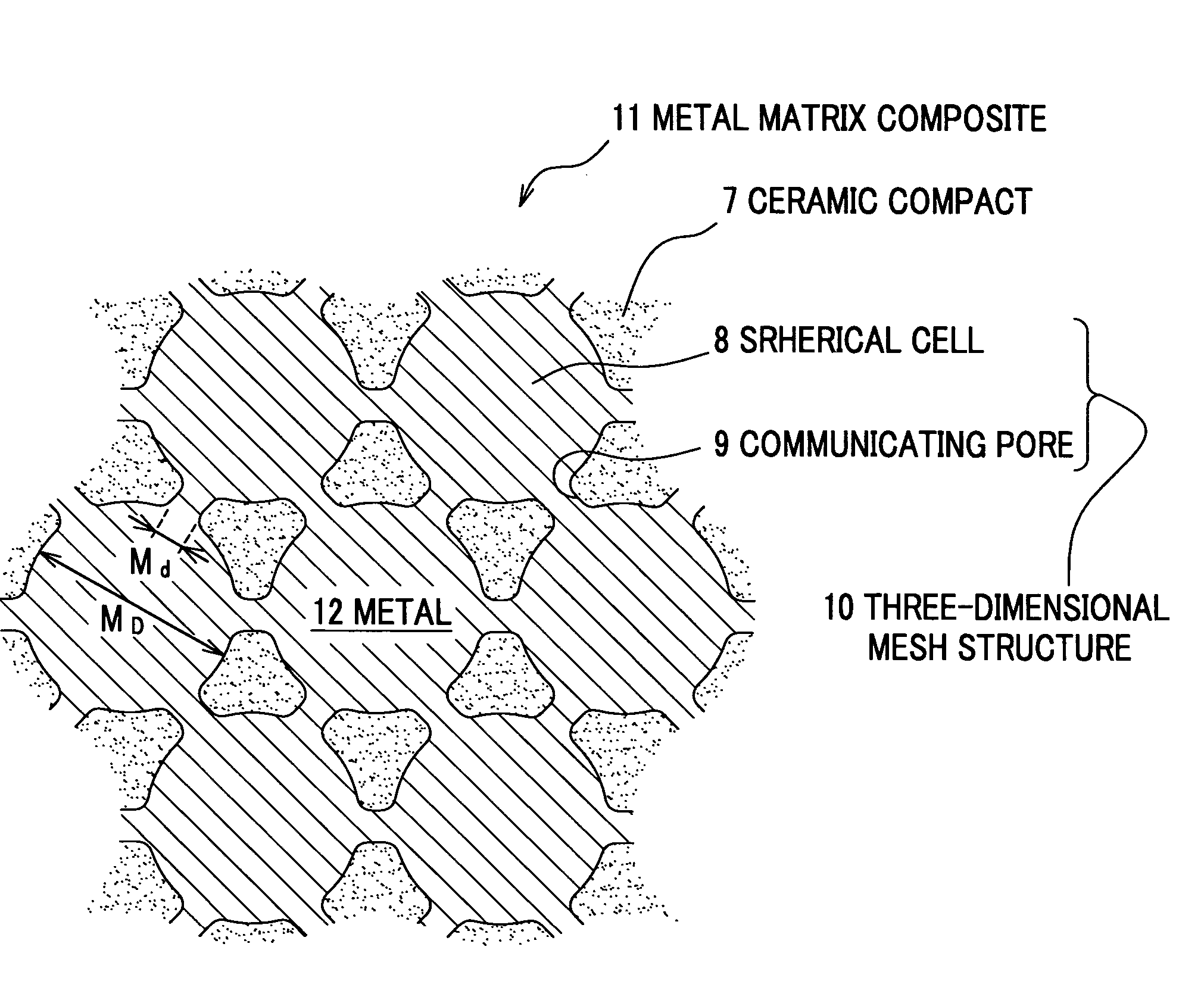
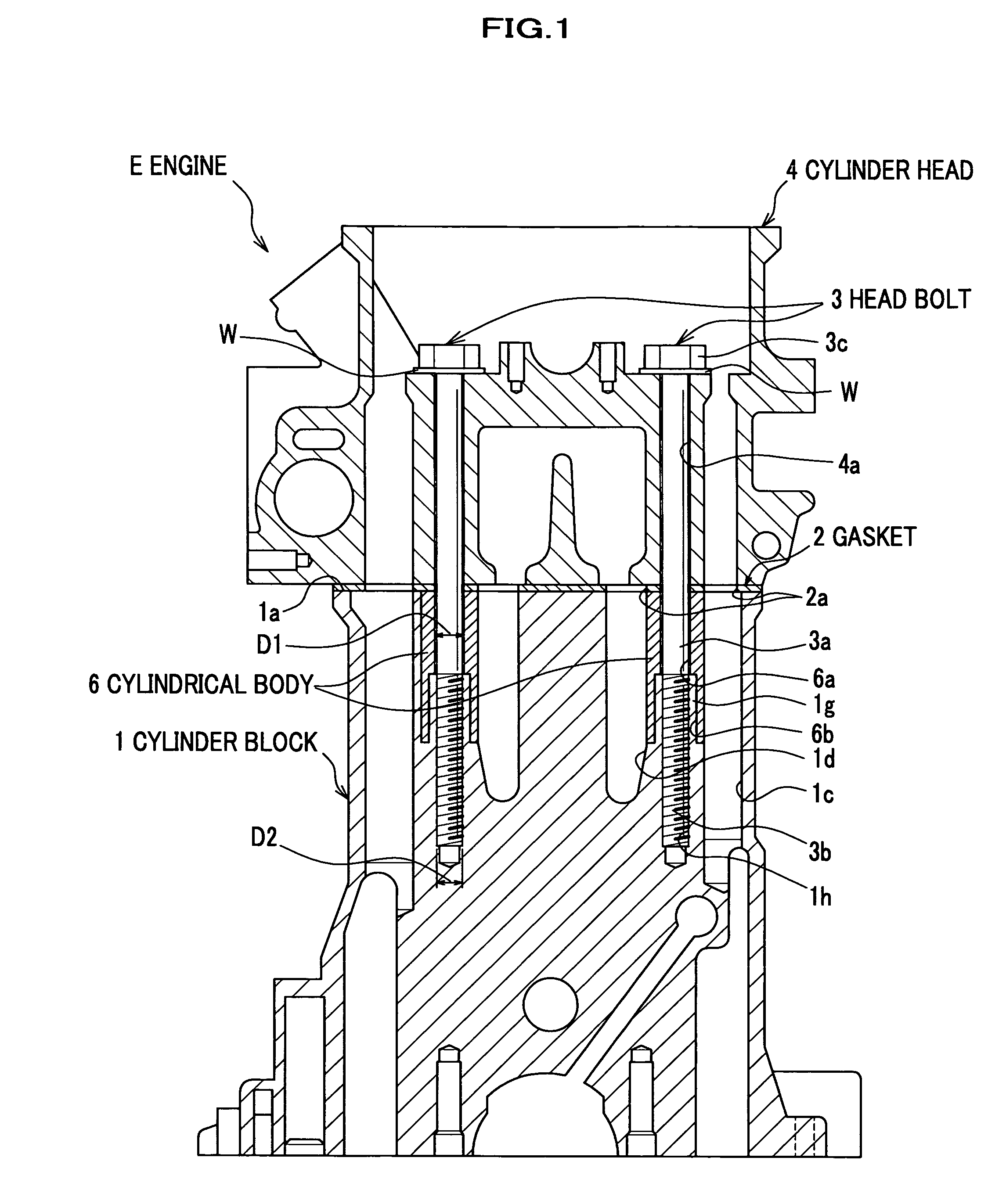
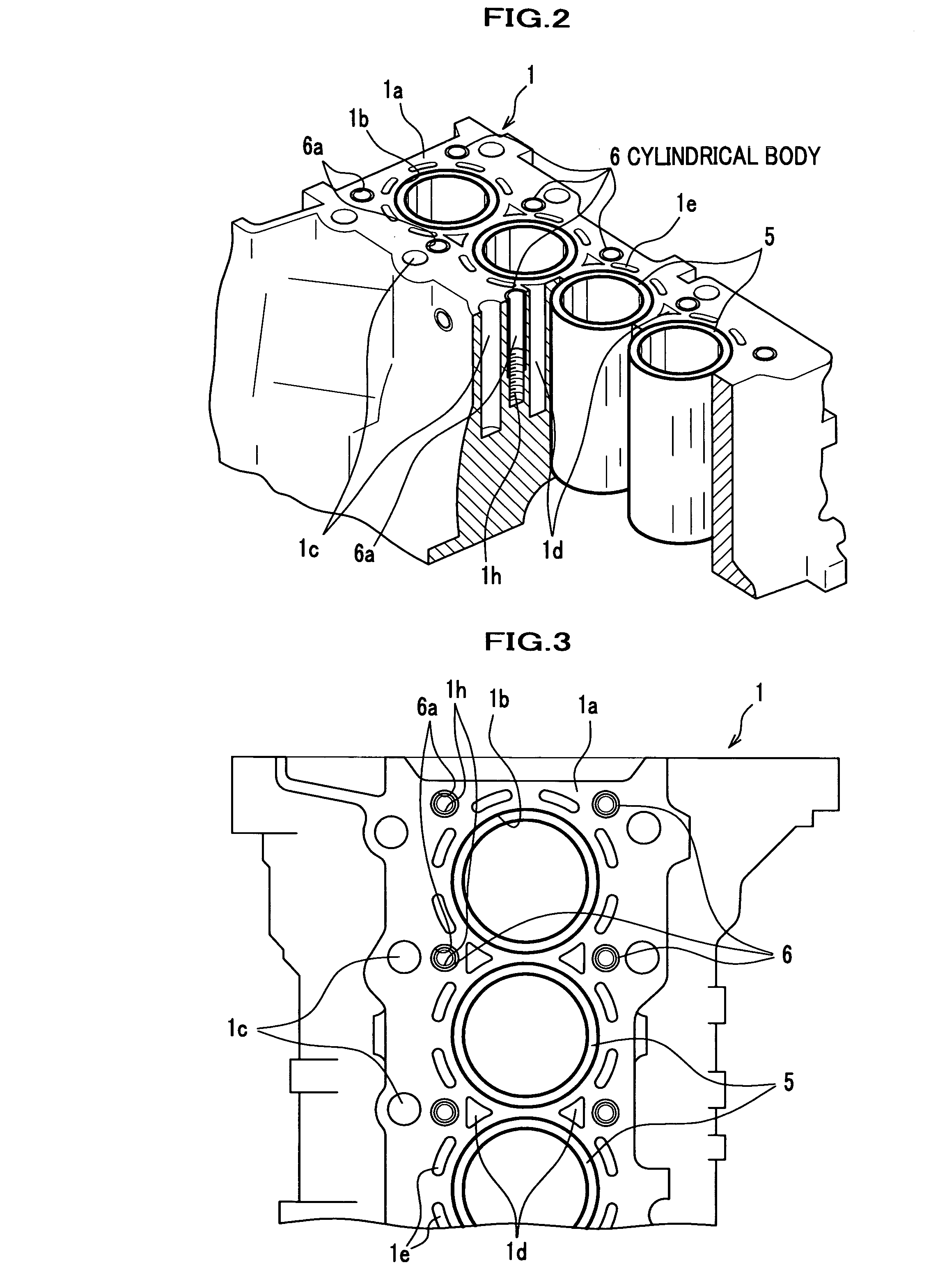
- Incorporating a metal matrix composite with a ceramic compact having a three-dimensional mesh structure and spherical cells filled with metal into the cylinder block and liner, which reduces thermal expansion and enhances rigidity and thermal conductivity, maintaining consistent axial fastening force and improving sealing and heat management.

Material Standards and Testing Protocols for Engine Blocks
The establishment of comprehensive material standards for engine blocks represents a critical foundation for addressing thermal distortion challenges in cylinder block bolt pattern design. Current industry standards primarily focus on cast iron and aluminum alloy specifications, with organizations such as ASTM, SAE, and ISO providing detailed guidelines for chemical composition, mechanical properties, and microstructural requirements. These standards ensure consistent material behavior under thermal cycling conditions, which directly impacts bolt pattern performance and structural integrity.
Material testing protocols have evolved significantly to address the complex relationship between thermal expansion characteristics and bolt pattern effectiveness. Standard test methods include thermal cycling tests per ASTM E606, which evaluate material response under repeated heating and cooling cycles that simulate real-world engine operating conditions. Creep testing protocols, particularly ASTM E139, assess long-term material stability under sustained thermal and mechanical loads, providing crucial data for bolt pattern optimization strategies.
Advanced characterization techniques have become integral to modern engine block material evaluation. Digital image correlation methods enable precise measurement of thermal strain distributions across bolt pattern regions, while neutron diffraction techniques provide detailed residual stress mapping capabilities. These sophisticated testing approaches allow engineers to correlate material properties with specific bolt pattern geometries and their thermal distortion responses.
Quality control protocols for engine block materials now incorporate thermal distortion-specific acceptance criteria. Dimensional stability testing under controlled thermal conditions ensures that material batches meet stringent requirements for bolt pattern applications. Statistical process control methods monitor key material parameters that influence thermal behavior, including grain structure uniformity, porosity levels, and chemical composition variations that could affect thermal expansion coefficients.
Emerging testing methodologies focus on accelerated aging protocols that simulate extended service life conditions. These advanced techniques evaluate material degradation patterns that could compromise bolt pattern integrity over time, incorporating factors such as thermal fatigue, oxidation resistance, and microstructural stability. Such comprehensive testing frameworks provide essential data for selecting optimal materials that maintain bolt pattern effectiveness throughout engine service life.
Environmental Impact of Engine Block Manufacturing Processes
The manufacturing of engine blocks, particularly those requiring precise cylinder block bolt patterns to manage thermal distortions, presents significant environmental challenges across multiple production phases. Traditional casting processes, including sand casting and die casting methods commonly used for aluminum and iron engine blocks, generate substantial carbon emissions through high-temperature melting operations and energy-intensive furnace systems. The production of aluminum engine blocks typically requires temperatures exceeding 700°C, while cast iron blocks demand even higher thermal inputs, resulting in considerable fossil fuel consumption and associated greenhouse gas emissions.
Material extraction and processing represent another critical environmental impact dimension. Aluminum production involves bauxite mining and electrolytic refining processes that consume enormous amounts of electricity, often sourced from non-renewable energy grids. Iron ore extraction and steel production similarly contribute to environmental degradation through mining operations, transportation logistics, and carbon-intensive smelting processes. The selection of bolt pattern configurations directly influences material utilization efficiency, as complex patterns may require additional machining operations and generate more waste material.
Machining operations for creating precise bolt hole patterns and thermal expansion accommodation features produce significant quantities of metallic waste and require extensive use of cutting fluids and coolants. These processes generate contaminated waste streams containing heavy metals and chemical additives that require specialized treatment and disposal methods. The precision requirements for bolt patterns that effectively manage thermal distortions often necessitate multiple machining passes, increasing energy consumption and waste generation proportionally.
Surface treatment processes, including coating applications and heat treatments designed to enhance thermal performance and bolt pattern integrity, introduce additional environmental concerns through chemical emissions and energy consumption. Protective coatings often contain volatile organic compounds and heavy metals that require careful handling and disposal protocols.
Emerging sustainable manufacturing approaches are beginning to address these environmental challenges through advanced casting techniques, recycled material utilization, and energy-efficient production methods. Additive manufacturing technologies show promise for reducing material waste in complex bolt pattern configurations, while renewable energy integration in production facilities offers pathways toward carbon footprint reduction in engine block manufacturing operations.
Unlock deeper insights with Patsnap Eureka Quick Research — get a full tech report to explore trends and direct your research. Try now!
Generate Your Research Report Instantly with AI Agent
Supercharge your innovation with Patsnap Eureka AI Agent Platform!