

Engine Cylinder Fuel Ignition Patterns: Optimizing Combustion Efficiency
JUN 26, 20269 MIN READ
Generate Your Research Report Instantly with AI Agent
Patsnap Eureka helps you evaluate technical feasibility & market potential.
Engine Combustion Technology Background and Efficiency Goals
Engine combustion technology has undergone significant evolution since the inception of internal combustion engines in the late 19th century. The fundamental principle of converting chemical energy from fuel into mechanical work through controlled combustion has remained constant, yet the methods to optimize this process have advanced dramatically. Early engines operated with rudimentary fuel delivery systems and basic ignition timing, achieving thermal efficiencies of merely 15-20%.
The development trajectory of combustion technology has been driven by increasingly stringent environmental regulations and the perpetual demand for improved fuel economy. The introduction of electronic fuel injection systems in the 1980s marked a pivotal transition from mechanical carburetion, enabling precise fuel metering and improved air-fuel ratio control. Subsequently, the integration of electronic ignition systems allowed for dynamic timing adjustments based on operating conditions.
Modern engine combustion technology encompasses sophisticated multi-point and direct injection systems, variable valve timing mechanisms, and advanced engine management systems capable of real-time optimization. These technologies have collectively elevated thermal efficiency to approximately 35-40% in contemporary gasoline engines, with diesel engines achieving even higher efficiency levels of 42-45%.
The current efficiency goals in engine combustion technology are ambitious and multifaceted. Primary objectives include achieving thermal efficiencies exceeding 45% for gasoline engines and 50% for diesel engines under real-world driving conditions. These targets necessitate breakthrough innovations in combustion chamber design, fuel injection strategies, and ignition pattern optimization.
Contemporary research focuses on advanced combustion modes such as Homogeneous Charge Compression Ignition (HCCI), Reactivity Controlled Compression Ignition (RCCI), and Gasoline Compression Ignition (GCI). These technologies aim to combine the efficiency benefits of diesel combustion with the emissions advantages of gasoline engines. Additionally, the integration of artificial intelligence and machine learning algorithms for predictive combustion control represents a frontier technology with substantial potential for efficiency improvements.
The overarching goal extends beyond mere efficiency enhancement to encompass comprehensive optimization of the combustion process, including reduced emissions, improved power density, and enhanced durability while maintaining cost-effectiveness for mass production applications.
Market Demand for Advanced Engine Combustion Systems
The global automotive industry is experiencing unprecedented demand for advanced engine combustion systems driven by increasingly stringent emission regulations and fuel efficiency standards. Major automotive markets including Europe, North America, and Asia-Pacific have implemented progressively tighter emission norms, compelling manufacturers to invest heavily in combustion optimization technologies. The European Union's Euro 7 standards and similar regulations worldwide are pushing the boundaries of what conventional combustion engines can achieve.
Consumer expectations for fuel economy have intensified significantly, particularly in response to volatile fuel prices and growing environmental consciousness. Fleet operators and individual consumers alike are demanding vehicles that deliver superior fuel efficiency without compromising performance. This market pressure has created substantial opportunities for advanced combustion control systems that can optimize ignition patterns and enhance thermal efficiency.
The commercial vehicle segment represents a particularly lucrative market for advanced combustion technologies. Heavy-duty truck manufacturers face dual pressures of meeting emission standards while maintaining the power and reliability requirements of freight operations. Advanced ignition pattern optimization systems offer the potential to achieve both objectives simultaneously, making them highly attractive to this market segment.
Emerging markets are becoming increasingly important drivers of demand for combustion efficiency technologies. Countries with rapidly expanding automotive industries are implementing their own emission standards while seeking to reduce dependence on fuel imports. This creates significant market opportunities for combustion optimization solutions that can be adapted to local fuel qualities and operating conditions.
The aftermarket sector also presents substantial demand potential, as existing vehicle owners seek retrofit solutions to improve fuel economy and extend engine life. Advanced combustion control systems that can be integrated into existing engine management systems are particularly well-positioned to capture this market segment.
Market research indicates that the integration of artificial intelligence and machine learning capabilities into combustion control systems is becoming a key differentiator. Customers are increasingly seeking solutions that can adapt ignition patterns in real-time based on operating conditions, fuel quality variations, and engine wear patterns.
Current Ignition Pattern Challenges and Technical Barriers
Modern internal combustion engines face significant challenges in achieving optimal fuel ignition patterns, primarily due to the complex interplay between fuel injection timing, air-fuel mixture distribution, and combustion chamber geometry. The heterogeneous nature of fuel distribution within cylinders creates localized regions of varying air-fuel ratios, leading to incomplete combustion and reduced thermal efficiency. This spatial non-uniformity is exacerbated by turbulence patterns that, while necessary for mixing, can create unpredictable flame propagation characteristics.
Knock and pre-ignition phenomena represent critical technical barriers that limit engine performance optimization. These uncontrolled combustion events occur when fuel-air mixtures ignite spontaneously before the intended spark timing, causing pressure waves that can damage engine components. The challenge intensifies with higher compression ratios and advanced ignition timing, both desirable for efficiency improvements but constrained by knock limitations.
Temperature gradients across the combustion chamber present another fundamental challenge. Cylinder walls, piston surfaces, and valve areas create thermal boundary layers that affect local combustion rates and flame quenching. These temperature variations lead to incomplete fuel oxidation near cooler surfaces, resulting in increased hydrocarbon emissions and reduced energy extraction efficiency.
The transition from conventional port fuel injection to direct injection systems has introduced new complexities in mixture preparation. While direct injection offers better fuel economy potential, it creates challenges in achieving homogeneous charge distribution, particularly during cold-start conditions and low-load operations. Fuel spray penetration, droplet size distribution, and wall wetting effects significantly impact ignition quality and combustion stability.
Advanced combustion strategies such as homogeneous charge compression ignition and low-temperature combustion face control challenges due to their sensitivity to operating conditions. These techniques require precise coordination of multiple parameters including fuel injection pressure, timing, and exhaust gas recirculation rates, making real-time optimization extremely complex.
Emission regulations impose additional constraints on ignition pattern optimization. The simultaneous reduction of nitrogen oxides, particulate matter, and carbon monoxide requires careful balance of combustion temperature and duration, often conflicting with pure efficiency objectives and creating trade-offs in engine calibration strategies.
Current Fuel Ignition Pattern Optimization Solutions
01 Advanced ignition timing control systems
Implementation of sophisticated ignition timing control mechanisms that optimize the spark timing based on engine operating conditions. These systems utilize electronic control units and sensors to precisely control when ignition occurs in relation to piston position, thereby maximizing combustion efficiency and power output while minimizing emissions and fuel consumption.- Advanced ignition timing control systems: Implementation of sophisticated ignition timing control mechanisms that optimize the spark timing based on engine operating conditions. These systems utilize electronic control units and sensors to precisely control when ignition occurs in relation to piston position, thereby maximizing combustion efficiency and reducing emissions. The technology involves real-time adjustment of ignition parameters to achieve optimal fuel burn characteristics.
- Multi-point and stratified fuel injection patterns: Development of advanced fuel injection strategies that create optimized fuel distribution patterns within the combustion chamber. These methods involve precise control of fuel spray timing, duration, and spatial distribution to enhance air-fuel mixing and promote complete combustion. The technology focuses on creating stratified charge conditions that improve thermal efficiency while reducing fuel consumption.
- Combustion chamber geometry optimization: Design modifications to combustion chamber shape, piston crown configuration, and valve arrangements to promote efficient fuel burning patterns. These geometric optimizations create turbulence and swirl patterns that enhance fuel-air mixing and flame propagation. The approach involves careful engineering of chamber volumes and surface areas to maximize thermal efficiency and minimize heat losses.
- Electronic engine management and control algorithms: Implementation of sophisticated electronic control systems that integrate multiple engine parameters to optimize combustion efficiency. These systems use advanced algorithms to coordinate fuel injection, ignition timing, and valve operations based on real-time engine conditions. The technology enables adaptive control strategies that continuously optimize combustion parameters for maximum efficiency across varying operating conditions.
- Alternative combustion modes and cycle optimization: Development of innovative combustion strategies including homogeneous charge compression ignition, lean burn techniques, and variable compression ratio systems. These approaches modify traditional combustion cycles to achieve higher thermal efficiency and reduced emissions. The technology involves controlling combustion phasing and duration to extract maximum energy from the fuel while minimizing losses.
02 Multi-point and stratified fuel injection patterns
Development of fuel injection systems that create optimized fuel distribution patterns within the combustion chamber. These systems employ multiple injection points or stratified charge techniques to achieve better fuel-air mixing, leading to more complete combustion and improved thermal efficiency across various engine load conditions.Expand Specific Solutions03 Combustion chamber geometry optimization
Design modifications to combustion chamber shape, piston crown configuration, and valve positioning to enhance flame propagation and reduce combustion duration. These geometric optimizations promote uniform fuel-air mixture distribution and minimize heat losses, resulting in improved combustion efficiency and reduced knock tendency.Expand Specific Solutions04 Variable compression ratio and valve timing systems
Implementation of mechanisms that allow dynamic adjustment of compression ratio and valve timing during engine operation. These systems adapt to different operating conditions to optimize combustion characteristics, enabling higher efficiency at part-load conditions while maintaining performance at full load.Expand Specific Solutions05 Alternative ignition and combustion enhancement technologies
Integration of advanced ignition technologies such as plasma ignition, laser ignition, or combustion enhancement additives that improve flame initiation and propagation. These technologies enable more reliable ignition of lean mixtures and extend the combustion limits, leading to improved fuel economy and reduced emissions.Expand Specific Solutions
Major Engine Manufacturers and Combustion Technology Leaders
The engine cylinder fuel ignition patterns optimization market represents a mature automotive technology sector experiencing significant transformation driven by environmental regulations and efficiency demands. The industry is in a transitional phase, balancing traditional internal combustion engine refinement with emerging electrification trends. Market size remains substantial given the global automotive production volume, though growth is moderating due to electric vehicle adoption. Technology maturity varies significantly across players, with established OEMs like Toyota, Ford, and Mercedes-Benz leveraging decades of combustion expertise, while specialized firms like Tula Technology focus on software-driven efficiency solutions. Tier-1 suppliers including Bosch and Continental provide advanced fuel injection and engine management systems. Chinese manufacturers such as Geely and Great Wall Motor are rapidly advancing their combustion technologies, while research institutions like Tianjin University contribute fundamental research. The competitive landscape shows consolidation around proven technologies with incremental improvements in efficiency and emissions control.
Toyota Motor Corp.
Technical Solution: Toyota has pioneered lean-burn combustion technology and hybrid powertrain integration that optimizes fuel ignition patterns through precise air-fuel mixture control. Their Atkinson cycle engines feature delayed intake valve closing to improve thermal efficiency, while their D-4S dual injection system combines port and direct injection to optimize combustion under different operating conditions. Toyota's combustion chamber design incorporates tumble flow generation and stratified charge combustion techniques that enhance flame propagation speed and reduce combustion duration, achieving thermal efficiency exceeding 40% in their latest engines.
Strengths: Proven track record in high-efficiency engine development with strong hybrid integration expertise and excellent reliability. Weaknesses: Conservative approach to new technologies may result in slower adoption of cutting-edge combustion innovations compared to competitors.
Ford Global Technologies LLC
Technical Solution: Ford has developed EcoBoost technology that combines turbocharging with direct injection to optimize combustion efficiency in smaller displacement engines. Their approach includes advanced ignition systems with individual coil-on-plug designs and sophisticated knock detection algorithms that enable aggressive ignition timing while maintaining engine protection. Ford's combustion optimization includes variable cam timing on both intake and exhaust valves, along with optimized combustion chamber shapes that promote efficient flame propagation. The company has also implemented cylinder deactivation technology and Miller cycle operation in select engines to further enhance fuel efficiency during light-load conditions.
Strengths: Successful downsizing strategy with EcoBoost technology demonstrating significant fuel economy improvements while maintaining performance. Weaknesses: Turbocharger complexity and potential reliability concerns in high-mileage applications may impact long-term customer satisfaction.
Core Patents in Advanced Combustion Control Systems
Spark ignition engine control device
PatentInactiveUS20050022755A1
Innovation
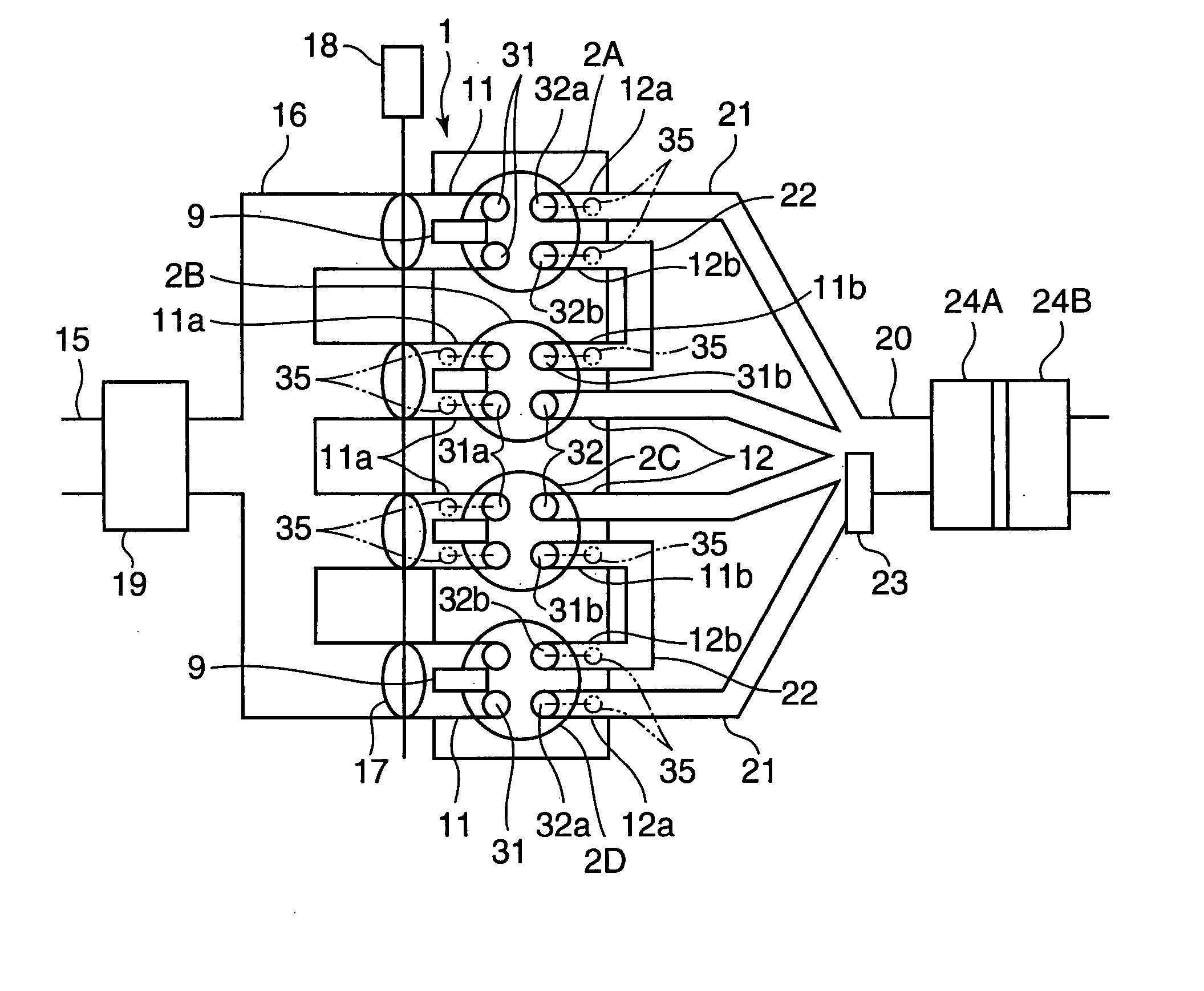
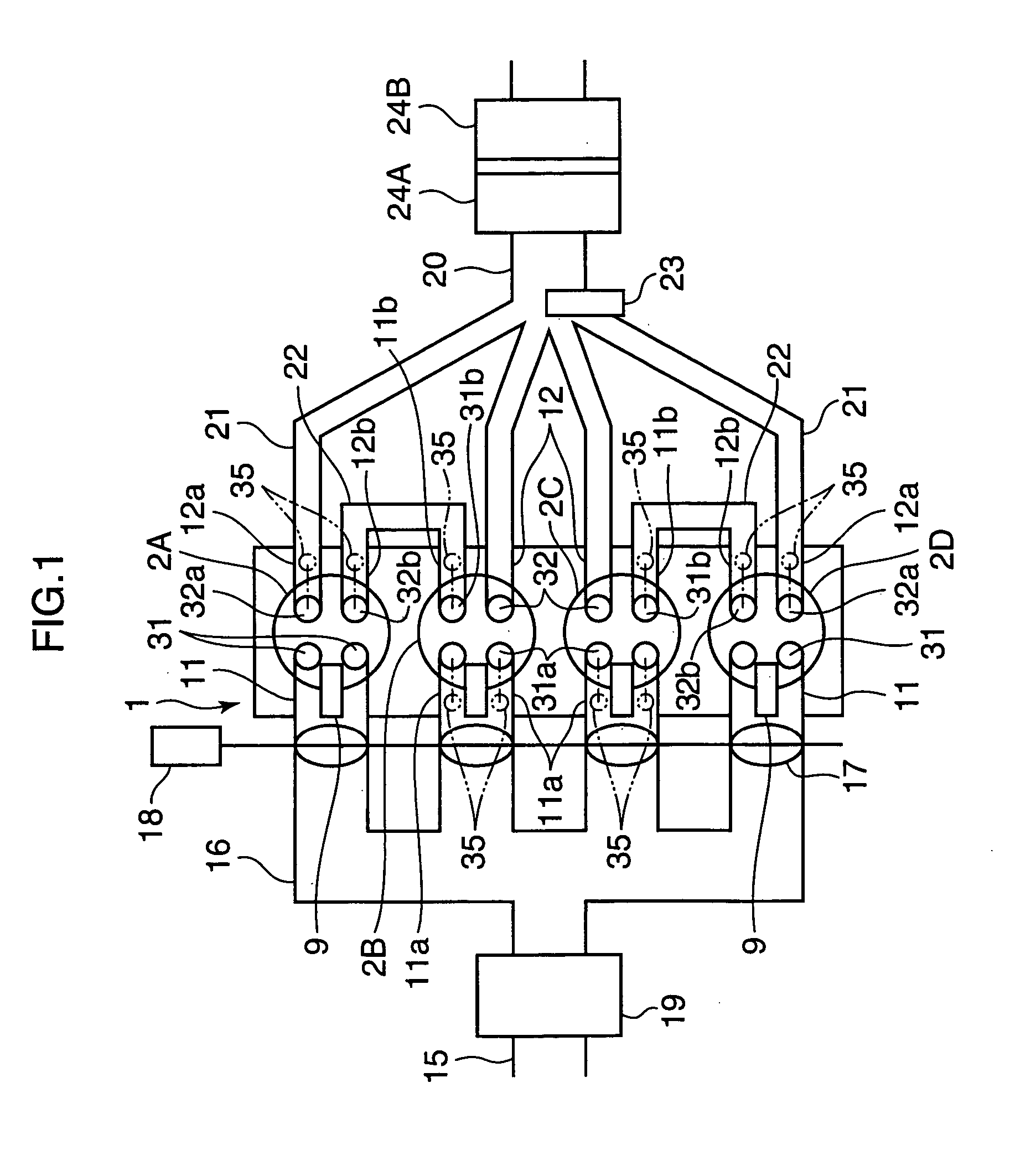
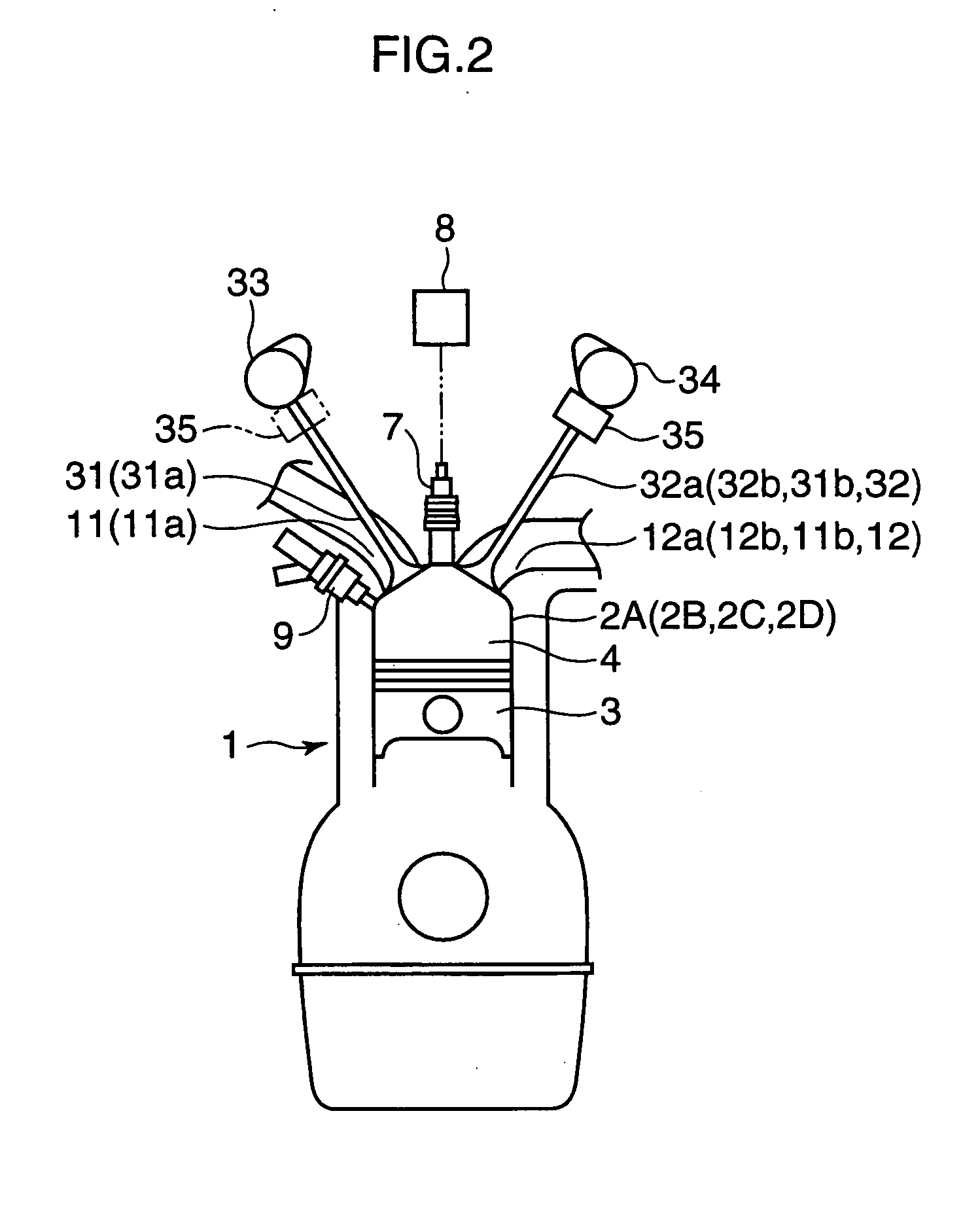
- A control device for a multi-cylinder spark ignition engine that utilizes a two-cylinder connected condition, where burnt gas from one cylinder is introduced into the next to create a lean air/fuel ratio, enabling forced ignition in the first cylinder and compression self-ignition in the second, with a combustion controller managing the air/fuel ratio and fuel injection to optimize combustion efficiency.

Control of auto-ignition timing for combustion in piston engines by prechamber compression ignition
PatentInactiveEP1671018B1
Innovation
- The Homogeneous Combustion Jet Ignition (HCJI) method employs prechamber pistons to compress gases precisely, inducing auto-ignition in prechambers, which produces hot gas jets that control and induce auto-ignition in the cylinder, using an electronic control unit to synchronize the prechamber and cylinder operations based on load demand and operating parameters.


Emission Standards and Environmental Regulations
The regulatory landscape governing engine emissions has undergone significant transformation over the past decades, establishing increasingly stringent standards that directly impact fuel ignition pattern optimization strategies. The European Union's Euro VI standards, implemented in 2014, mandate substantial reductions in nitrogen oxides and particulate matter emissions, requiring advanced combustion control systems that can precisely manage ignition timing and fuel delivery patterns. Similarly, the United States Environmental Protection Agency's Tier 4 Final standards for non-road diesel engines have established comparable requirements, driving innovation in combustion efficiency technologies.
Current emission regulations focus on multiple pollutant categories, including carbon monoxide, hydrocarbons, nitrogen oxides, and particulate matter. These standards necessitate sophisticated fuel ignition pattern control systems that can adapt combustion parameters in real-time to minimize harmful emissions while maintaining optimal efficiency. The California Air Resources Board has pioneered even more aggressive standards, often serving as a precursor to federal regulations and influencing global emission control strategies.
The regulatory framework extends beyond traditional pollutants to encompass greenhouse gas emissions, with carbon dioxide reduction targets becoming increasingly prominent. The International Maritime Organization's IMO 2020 sulfur regulations and the aviation industry's CORSIA framework demonstrate the expanding scope of emission controls across transportation sectors. These regulations directly influence the development of advanced ignition pattern optimization technologies, as manufacturers must balance efficiency gains with emission reduction requirements.
Compliance verification mechanisms have evolved to include real-world driving emissions testing and portable emissions measurement systems, moving beyond laboratory-based certification procedures. This shift requires ignition pattern optimization systems to perform consistently across diverse operating conditions, environmental factors, and duty cycles. The regulatory emphasis on durability and in-service performance has led to more robust combustion control algorithms that maintain emission compliance throughout engine operational life.
Future regulatory trends indicate continued tightening of emission limits, with particular focus on ultra-low emission zones in urban areas and zero-emission mandates for specific applications. The European Union's proposed Euro VII standards and similar initiatives worldwide will likely require even more sophisticated fuel ignition pattern control systems, incorporating artificial intelligence and machine learning capabilities to achieve optimal combustion efficiency while meeting increasingly stringent environmental requirements.
Alternative Fuel Compatibility and Integration Strategies
The integration of alternative fuels into existing engine systems presents both significant opportunities and complex challenges for optimizing combustion efficiency. Modern internal combustion engines must accommodate an increasingly diverse range of fuel types, including biofuels, synthetic fuels, hydrogen blends, and various alcohol-based formulations. Each alternative fuel possesses distinct chemical properties that directly influence ignition characteristics, flame propagation rates, and overall combustion behavior within the cylinder environment.
Ethanol-gasoline blends represent one of the most widely adopted alternative fuel strategies, with E10 and E85 formulations demonstrating varying degrees of compatibility with conventional engine designs. The higher octane rating of ethanol enables advanced ignition timing strategies, potentially improving thermal efficiency. However, ethanol's different stoichiometric air-fuel ratio and lower energy density require sophisticated fuel system modifications and engine control unit recalibration to maintain optimal combustion patterns.
Biodiesel integration strategies focus primarily on compression ignition engines, where the fuel's inherent oxygen content can enhance combustion completeness while reducing particulate emissions. The challenge lies in managing biodiesel's varying cetane numbers and cold-flow properties, which can significantly impact ignition delay and combustion phasing. Advanced injection timing control systems and fuel heating mechanisms have emerged as critical integration technologies.
Hydrogen-enriched fuel blends present unique opportunities for combustion optimization due to hydrogen's rapid flame speed and wide flammability limits. Integration strategies typically involve dual-fuel systems or direct hydrogen injection technologies that can dramatically alter cylinder pressure development and heat release patterns. The implementation requires specialized storage systems, injection hardware, and safety protocols to manage hydrogen's unique handling characteristics.
Synthetic fuels derived from Fischer-Tropsch processes offer excellent compatibility with existing engine architectures while providing consistent combustion properties. These fuels can be engineered with specific molecular structures to optimize ignition characteristics and reduce emissions formation. Integration strategies often focus on leveraging synthetic fuels' consistent quality and tailored properties to achieve more precise combustion control than conventional petroleum-based fuels allow.
The successful integration of alternative fuels demands comprehensive engine management system adaptations, including real-time fuel quality sensing, adaptive combustion control algorithms, and flexible injection strategies. Multi-fuel compatibility requires sophisticated sensor networks and machine learning-based control systems capable of automatically adjusting ignition timing, fuel injection parameters, and air-fuel ratios based on detected fuel properties and real-time combustion feedback.
Unlock deeper insights with Patsnap Eureka Quick Research — get a full tech report to explore trends and direct your research. Try now!
Generate Your Research Report Instantly with AI Agent
Supercharge your innovation with Patsnap Eureka AI Agent Platform!