

Designing Fluid Dynamics-Friendly Pipe Lining Solutions
MAR 8, 20269 MIN READ
Generate Your Research Report Instantly with AI Agent
PatSnap Eureka helps you evaluate technical feasibility & market potential.
Pipe Lining Technology Background and Objectives
Pipe lining technology has evolved significantly since the early 20th century, initially emerging as a response to the deteriorating infrastructure of aging water and sewer systems. The earliest approaches involved simple cement mortar linings, which provided basic protection against corrosion but offered limited consideration for fluid dynamics optimization. As urbanization accelerated and industrial processes became more sophisticated, the demand for more efficient and durable pipe rehabilitation solutions intensified.
The development trajectory of pipe lining technology has been marked by several pivotal innovations. The introduction of cured-in-place pipe (CIPP) technology in the 1970s revolutionized the industry by enabling trenchless rehabilitation. Subsequently, the emergence of spray-applied pipe linings, slip lining techniques, and advanced polymer-based materials expanded the technological landscape. Each advancement addressed specific limitations of previous methods while introducing new possibilities for fluid flow optimization.
Contemporary pipe lining technology faces the dual challenge of structural rehabilitation and hydraulic performance enhancement. Traditional lining methods often prioritized structural integrity and corrosion resistance over fluid dynamics considerations, resulting in solutions that could inadvertently reduce flow capacity or create turbulence. The recognition that lining surface characteristics significantly impact flow efficiency has driven the evolution toward more sophisticated approaches that balance structural requirements with hydraulic optimization.
The primary objective of modern fluid dynamics-friendly pipe lining solutions centers on achieving optimal flow characteristics while maintaining structural integrity and longevity. This involves minimizing friction losses through surface smoothness optimization, reducing turbulence through proper geometric transitions, and ensuring uniform flow distribution. Additionally, these solutions must demonstrate resistance to erosion, chemical degradation, and biological fouling while providing cost-effective installation and maintenance procedures.
Current technological goals emphasize the development of smart lining materials that can adapt to varying flow conditions, self-healing capabilities for minor surface imperfections, and integrated monitoring systems for real-time performance assessment. The integration of computational fluid dynamics modeling with material science innovations represents a convergent approach toward achieving these ambitious objectives, promising unprecedented levels of hydraulic efficiency and operational reliability.
The development trajectory of pipe lining technology has been marked by several pivotal innovations. The introduction of cured-in-place pipe (CIPP) technology in the 1970s revolutionized the industry by enabling trenchless rehabilitation. Subsequently, the emergence of spray-applied pipe linings, slip lining techniques, and advanced polymer-based materials expanded the technological landscape. Each advancement addressed specific limitations of previous methods while introducing new possibilities for fluid flow optimization.
Contemporary pipe lining technology faces the dual challenge of structural rehabilitation and hydraulic performance enhancement. Traditional lining methods often prioritized structural integrity and corrosion resistance over fluid dynamics considerations, resulting in solutions that could inadvertently reduce flow capacity or create turbulence. The recognition that lining surface characteristics significantly impact flow efficiency has driven the evolution toward more sophisticated approaches that balance structural requirements with hydraulic optimization.
The primary objective of modern fluid dynamics-friendly pipe lining solutions centers on achieving optimal flow characteristics while maintaining structural integrity and longevity. This involves minimizing friction losses through surface smoothness optimization, reducing turbulence through proper geometric transitions, and ensuring uniform flow distribution. Additionally, these solutions must demonstrate resistance to erosion, chemical degradation, and biological fouling while providing cost-effective installation and maintenance procedures.
Current technological goals emphasize the development of smart lining materials that can adapt to varying flow conditions, self-healing capabilities for minor surface imperfections, and integrated monitoring systems for real-time performance assessment. The integration of computational fluid dynamics modeling with material science innovations represents a convergent approach toward achieving these ambitious objectives, promising unprecedented levels of hydraulic efficiency and operational reliability.
Market Demand for Advanced Pipe Lining Solutions
The global pipe lining market is experiencing unprecedented growth driven by aging infrastructure across developed nations and rapid industrialization in emerging economies. Water distribution systems, oil and gas pipelines, and industrial process piping networks worldwide face deterioration challenges that demand innovative rehabilitation solutions. Traditional pipe replacement methods prove increasingly costly and disruptive, creating substantial demand for advanced lining technologies that can restore pipeline performance without extensive excavation.
Municipal water authorities represent the largest market segment, as aging cast iron and steel pipes in urban areas require urgent attention to prevent service disruptions and water quality issues. The growing emphasis on water conservation and system efficiency has intensified the need for smooth, hydraulically optimized pipe linings that minimize friction losses and improve flow characteristics.
The oil and gas sector drives significant demand for specialized pipe lining solutions capable of withstanding harsh chemical environments and extreme operating conditions. Refineries, petrochemical plants, and pipeline operators seek advanced materials that can resist corrosion while maintaining optimal fluid dynamics performance. Environmental regulations and safety requirements further amplify the need for reliable, long-lasting lining systems.
Industrial manufacturing facilities across sectors including food processing, pharmaceuticals, and chemicals require pipe lining solutions that meet stringent hygiene standards while optimizing flow efficiency. The trend toward process intensification and energy efficiency optimization has created demand for lining materials with superior surface properties and reduced pressure drop characteristics.
Emerging markets in Asia-Pacific and Latin America present substantial growth opportunities as infrastructure development accelerates. These regions require cost-effective yet high-performance pipe lining solutions that can address both new construction and rehabilitation needs. The increasing adoption of trenchless rehabilitation technologies in these markets reflects growing awareness of advanced pipe lining benefits.
The market increasingly demands multifunctional lining solutions that combine structural reinforcement with enhanced fluid dynamics properties. Customers seek products that not only restore pipe integrity but also improve hydraulic performance, reduce energy consumption, and extend service life beyond traditional rehabilitation methods.
Municipal water authorities represent the largest market segment, as aging cast iron and steel pipes in urban areas require urgent attention to prevent service disruptions and water quality issues. The growing emphasis on water conservation and system efficiency has intensified the need for smooth, hydraulically optimized pipe linings that minimize friction losses and improve flow characteristics.
The oil and gas sector drives significant demand for specialized pipe lining solutions capable of withstanding harsh chemical environments and extreme operating conditions. Refineries, petrochemical plants, and pipeline operators seek advanced materials that can resist corrosion while maintaining optimal fluid dynamics performance. Environmental regulations and safety requirements further amplify the need for reliable, long-lasting lining systems.
Industrial manufacturing facilities across sectors including food processing, pharmaceuticals, and chemicals require pipe lining solutions that meet stringent hygiene standards while optimizing flow efficiency. The trend toward process intensification and energy efficiency optimization has created demand for lining materials with superior surface properties and reduced pressure drop characteristics.
Emerging markets in Asia-Pacific and Latin America present substantial growth opportunities as infrastructure development accelerates. These regions require cost-effective yet high-performance pipe lining solutions that can address both new construction and rehabilitation needs. The increasing adoption of trenchless rehabilitation technologies in these markets reflects growing awareness of advanced pipe lining benefits.
The market increasingly demands multifunctional lining solutions that combine structural reinforcement with enhanced fluid dynamics properties. Customers seek products that not only restore pipe integrity but also improve hydraulic performance, reduce energy consumption, and extend service life beyond traditional rehabilitation methods.
Current Challenges in Fluid Dynamics Pipe Lining
The development of fluid dynamics-friendly pipe lining solutions faces numerous technical and operational challenges that significantly impact system performance and longevity. These challenges stem from the complex interplay between fluid behavior, material properties, and installation constraints, creating multifaceted problems that require innovative engineering approaches.
Surface roughness represents one of the most critical challenges in pipe lining design. Traditional lining materials often exhibit irregular surface textures that increase friction coefficients and create turbulent flow patterns. This roughness not only reduces flow efficiency but also creates localized pressure drops that can lead to energy losses of up to 15-20% in industrial piping systems. The challenge is compounded by the difficulty in achieving consistent surface finishes during installation, particularly in large-diameter pipes or complex geometries.
Material degradation under varying flow conditions poses another significant obstacle. Pipe linings must withstand diverse fluid velocities, temperatures, and chemical compositions while maintaining their structural integrity and surface properties. High-velocity flows can cause erosion and cavitation damage, while low-velocity conditions may lead to sediment accumulation and biological fouling. The challenge lies in developing materials that can adapt to these dynamic conditions without compromising their fluid dynamics performance.
Installation and maintenance constraints create additional technical hurdles. Many existing pipe systems require lining solutions that can be applied without extensive excavation or system shutdown. This necessitates the development of spray-applied or pull-through lining technologies that can conform to existing pipe geometries while achieving optimal fluid dynamics properties. The challenge is ensuring uniform thickness and surface quality throughout the installation process.
Thermal expansion and contraction effects present ongoing challenges for lining durability. Temperature fluctuations cause differential expansion between the host pipe and lining material, potentially leading to delamination, cracking, or surface irregularities that negatively impact fluid flow. This is particularly problematic in systems handling hot fluids or experiencing seasonal temperature variations.
Chemical compatibility issues further complicate lining selection and design. Different fluid compositions require specific material properties to prevent chemical degradation, while simultaneously maintaining smooth surfaces for optimal flow characteristics. The challenge intensifies when systems handle multiple fluid types or when chemical compositions change over time.
Joint and connection areas represent critical weak points in lined pipe systems. Achieving seamless transitions between lined sections while maintaining structural integrity and flow continuity requires specialized design approaches. These areas are prone to flow disruption, creating turbulence and potential failure points that can compromise entire system performance.
Surface roughness represents one of the most critical challenges in pipe lining design. Traditional lining materials often exhibit irregular surface textures that increase friction coefficients and create turbulent flow patterns. This roughness not only reduces flow efficiency but also creates localized pressure drops that can lead to energy losses of up to 15-20% in industrial piping systems. The challenge is compounded by the difficulty in achieving consistent surface finishes during installation, particularly in large-diameter pipes or complex geometries.
Material degradation under varying flow conditions poses another significant obstacle. Pipe linings must withstand diverse fluid velocities, temperatures, and chemical compositions while maintaining their structural integrity and surface properties. High-velocity flows can cause erosion and cavitation damage, while low-velocity conditions may lead to sediment accumulation and biological fouling. The challenge lies in developing materials that can adapt to these dynamic conditions without compromising their fluid dynamics performance.
Installation and maintenance constraints create additional technical hurdles. Many existing pipe systems require lining solutions that can be applied without extensive excavation or system shutdown. This necessitates the development of spray-applied or pull-through lining technologies that can conform to existing pipe geometries while achieving optimal fluid dynamics properties. The challenge is ensuring uniform thickness and surface quality throughout the installation process.
Thermal expansion and contraction effects present ongoing challenges for lining durability. Temperature fluctuations cause differential expansion between the host pipe and lining material, potentially leading to delamination, cracking, or surface irregularities that negatively impact fluid flow. This is particularly problematic in systems handling hot fluids or experiencing seasonal temperature variations.
Chemical compatibility issues further complicate lining selection and design. Different fluid compositions require specific material properties to prevent chemical degradation, while simultaneously maintaining smooth surfaces for optimal flow characteristics. The challenge intensifies when systems handle multiple fluid types or when chemical compositions change over time.
Joint and connection areas represent critical weak points in lined pipe systems. Achieving seamless transitions between lined sections while maintaining structural integrity and flow continuity requires specialized design approaches. These areas are prone to flow disruption, creating turbulence and potential failure points that can compromise entire system performance.
Current Fluid-Friendly Pipe Lining Methods
01 Cured-in-place pipe lining methods and materials
Technologies for rehabilitating pipes using cured-in-place lining techniques involve inserting flexible liner materials impregnated with resin into existing pipes. The liner is then cured in place using heat, steam, or UV light to form a structural pipe within the host pipe. These methods address fluid dynamics by creating smooth interior surfaces that reduce friction and improve flow characteristics while maintaining or enhancing structural integrity.- Cured-in-place pipe lining methods and materials: Technologies for rehabilitating existing pipes using flexible resin-impregnated liners that are inserted into damaged pipes and cured in place to form a tight-fitting structural liner. These methods address fluid dynamics by creating smooth interior surfaces that reduce friction and improve flow characteristics while restoring structural integrity without excavation.
- Flow control and pressure management in pipe lining systems: Solutions focusing on controlling fluid pressure and flow rates during the pipe lining installation process. These technologies ensure proper resin distribution, prevent air pockets, and maintain optimal curing conditions by managing the fluid dynamics within the pipe system during rehabilitation.
- Resin composition and viscosity optimization for pipe lining: Formulations and methods for optimizing the rheological properties of lining materials to ensure proper flow and adhesion during installation. These technologies address fluid dynamics by controlling viscosity, cure rates, and flow behavior to achieve uniform coating thickness and complete pipe coverage.
- Equipment and apparatus for fluid delivery in pipe lining operations: Specialized equipment designed to control the introduction and distribution of lining materials within pipes. These systems manage fluid dynamics through precise pumping mechanisms, pressure regulation devices, and flow distribution systems that ensure uniform application of lining materials throughout the pipe length.
- Monitoring and quality control of fluid flow during pipe rehabilitation: Methods and systems for monitoring fluid dynamics parameters during pipe lining processes to ensure quality installation. These technologies track flow rates, pressure variations, and material distribution to verify proper lining application and detect potential defects or irregularities in real-time.
02 Flow optimization through liner surface properties
Pipe lining solutions that focus on optimizing the surface characteristics of the liner material to improve fluid flow dynamics. This includes developing liner materials with specific surface roughness, hydrophobic or hydrophilic properties, and chemical resistance to minimize turbulence and pressure losses. The smooth interior surface created by these linings reduces drag coefficients and enhances flow efficiency in various pipeline applications.Expand Specific Solutions03 Pressure management and flow control systems
Integrated pipe lining solutions that incorporate pressure monitoring and flow control mechanisms to optimize fluid dynamics within rehabilitated pipelines. These systems may include sensors, valves, and control devices embedded within or attached to the liner to regulate flow rates, detect leaks, and maintain optimal pressure conditions throughout the pipeline network.Expand Specific Solutions04 Multi-layer liner systems for enhanced performance
Advanced pipe lining technologies utilizing multi-layer composite structures to address both structural and fluid dynamic requirements. These systems combine different materials with complementary properties to create liners that provide structural reinforcement while optimizing internal flow characteristics. The layered approach allows for customization of properties such as chemical resistance, thermal stability, and surface smoothness.Expand Specific Solutions05 Installation techniques for maintaining flow dynamics
Specialized installation methods and equipment designed to ensure proper placement and curing of pipe liners while minimizing disruption to fluid flow dynamics. These techniques address challenges such as maintaining uniform liner thickness, preventing wrinkles or folds, and ensuring complete adhesion to the host pipe. The methods also consider factors like pipe geometry, diameter variations, and existing flow conditions during the rehabilitation process.Expand Specific Solutions
Major Players in Pipe Lining Industry
The fluid dynamics-friendly pipe lining solutions market represents a mature yet evolving sector driven by aging infrastructure and sustainability demands. The industry is experiencing steady growth with increasing market size as utilities and industrial operators seek advanced rehabilitation technologies. Key players demonstrate varying levels of technological maturity, with established companies like Sekisui Chemical, 3M Innovative Properties, and Baker Hughes leading through comprehensive material science capabilities and extensive R&D investments. Specialized firms such as Rädlinger Primus Line and Advanced Engineering Solutions focus on innovative trenchless rehabilitation technologies, while infrastructure operators like Thames Water and Tokyo Gas drive market demand. The competitive landscape spans from traditional pipe manufacturers like Fränkische Rohrwerke and Radius Systems to advanced materials companies, indicating a fragmented but technologically sophisticated market where innovation in polymer science, installation methodologies, and fluid optimization continues to differentiate market leaders.
Sekisui Chemical Co., Ltd.
Technical Solution: Sekisui Chemical develops spiral-wound and seamless pipe lining systems using advanced polymer compounds specifically formulated for fluid dynamics optimization. Their SPR (Spiral Ribbed) pipe technology incorporates internal spiral geometries that can enhance mixing while maintaining overall flow efficiency, particularly beneficial for applications requiring controlled turbulence. The company's smooth-bore linings achieve surface roughness values comparable to glass, with specialized compounds that resist biofilm formation and maintain hydraulic properties over extended service life. Manufacturing processes include precision extrusion and co-extrusion techniques that create multi-layer linings with optimized surface properties for specific fluid characteristics including viscosity and chemical composition.
Strengths: Advanced polymer chemistry capabilities and innovative spiral-wound manufacturing technology. Weaknesses: May have limited availability outside Asian markets and requires specialized joining techniques for installation.
Uponor Innovation AB
Technical Solution: Uponor specializes in cross-linked polyethylene (PEX) pipe lining systems designed for optimal hydraulic performance in building services and infrastructure applications. Their Ecoflex and Comfort Pipe systems feature smooth internal surfaces with hydraulic roughness coefficients optimized for different flow regimes, achieving Hazen-Williams C-factors exceeding 150 for potable water applications. The company's pipe-in-pipe technology creates annular spaces that can be utilized for thermal management while maintaining primary flow characteristics. Advanced manufacturing processes ensure consistent wall thickness and surface finish, minimizing pressure losses and energy consumption in pumping systems. Their solutions incorporate flexible installation methods that maintain hydraulic integrity even through complex routing configurations.
Strengths: Specialized expertise in PEX technology and strong presence in European infrastructure markets. Weaknesses: Limited to lower pressure applications compared to metal alternatives and temperature constraints for high-temperature fluids.
Key Innovations in Flow-Optimized Lining Materials
Lining material and pipeline lining method
PatentActiveUS20080251151A1
Innovation
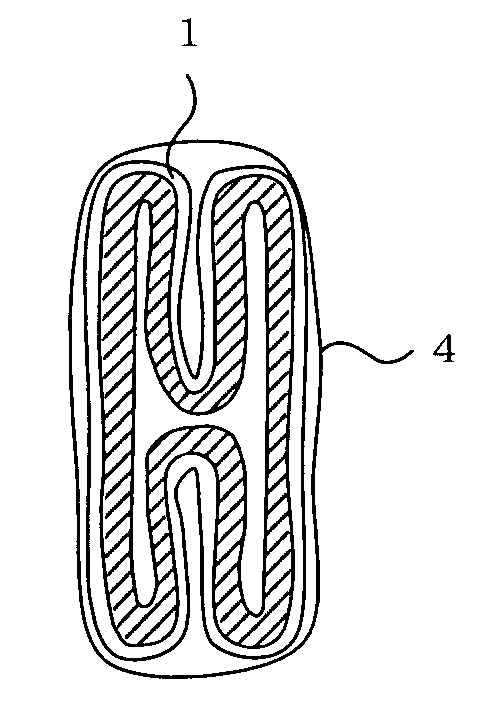
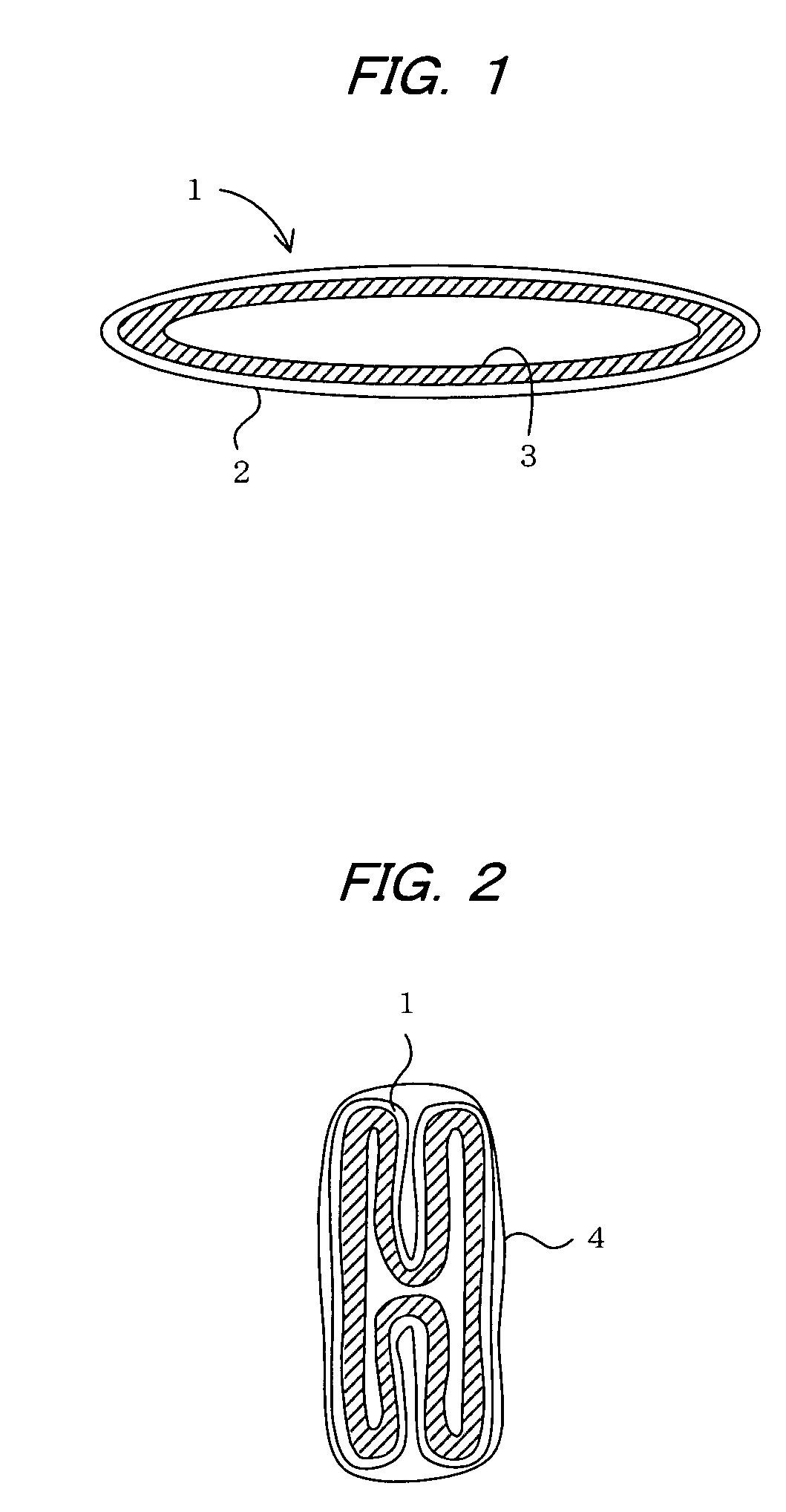
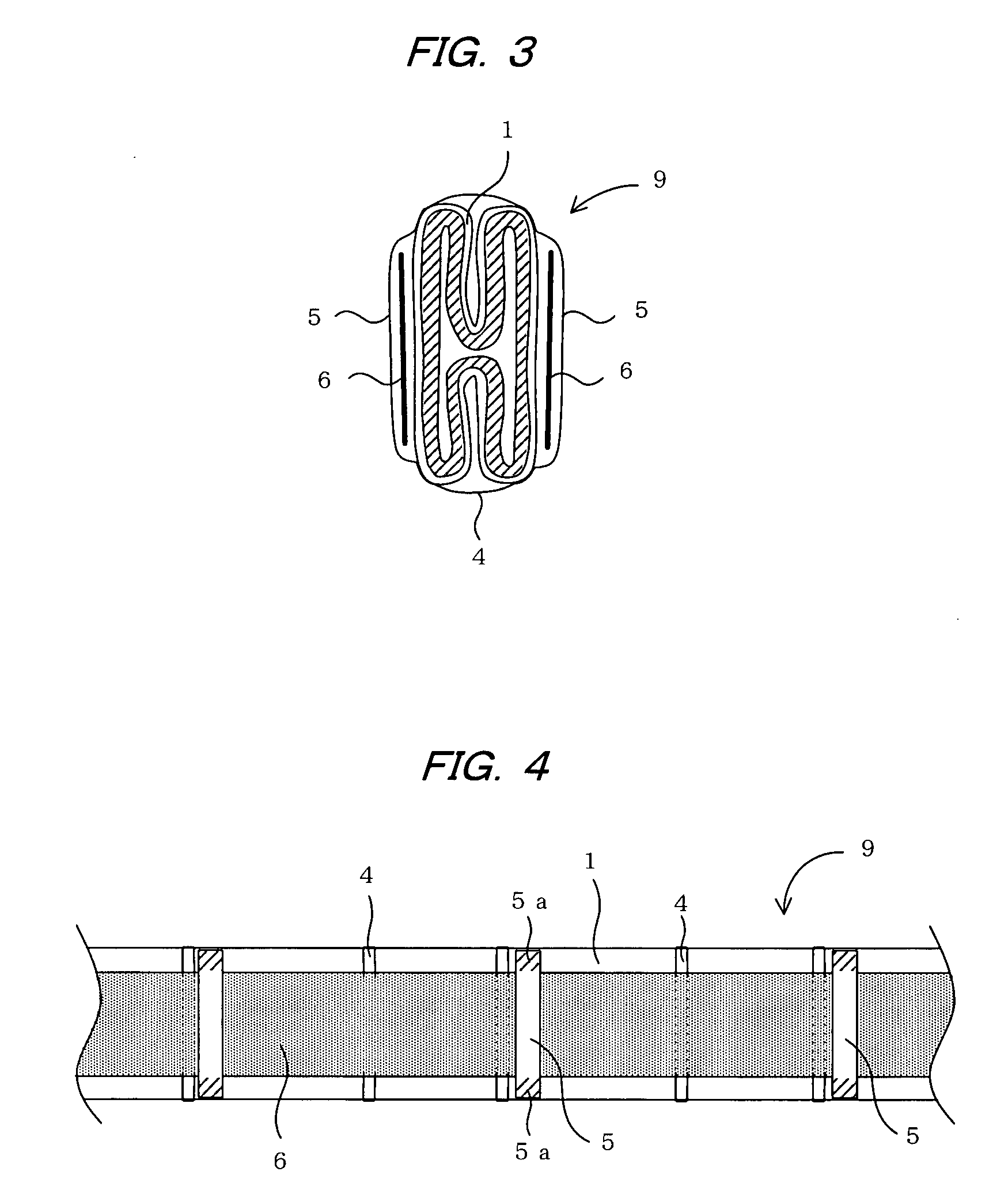
- A flexible tubular lining material impregnated with thermosetting resin, equipped with a removably attached elastic and rigid strip member, such as a steel belt, that allows for easy insertion and protection during bending sections, preventing stretching and damage.

Fitting for connecting pipes, in particular flexible pipes
PatentWO2020170066A1
Innovation
- A fitting design featuring through openings in the tubular elements that create empty spaces for pipe anchoring, allowing for stable mechanical and fluid-tight connections without additional external protrusions or complex machining, using a simple metal pipe and bending operations to minimize pressure drops and turbulence.


Environmental Impact Assessment of Lining Materials
The environmental impact assessment of pipe lining materials represents a critical evaluation framework that examines the ecological footprint throughout the entire lifecycle of fluid dynamics-friendly solutions. This assessment encompasses raw material extraction, manufacturing processes, installation procedures, operational performance, and end-of-life disposal or recycling considerations. The growing emphasis on sustainable infrastructure development has elevated environmental considerations to equal importance with technical performance metrics.
Traditional lining materials such as cement mortar and epoxy coatings present distinct environmental challenges. Cement-based linings require significant energy consumption during production and generate substantial CO2 emissions. The manufacturing process involves limestone calcination, which releases approximately 0.9 tons of CO2 per ton of cement produced. Additionally, the alkaline nature of cement can affect water chemistry, potentially impacting aquatic ecosystems in case of material leaching.
Polymer-based lining solutions, including polyethylene and polyurethane systems, offer improved durability but raise concerns regarding microplastic generation and chemical leaching. These materials demonstrate excellent resistance to corrosion and maintain smooth surfaces that enhance fluid dynamics performance. However, their petroleum-based origins contribute to carbon footprint concerns, and potential degradation products may pose long-term environmental risks.
Emerging bio-based and recycled content lining materials present promising alternatives with reduced environmental impact. These innovative solutions incorporate renewable feedstocks or post-consumer recycled materials, significantly lowering the carbon intensity of production processes. Advanced composite materials utilizing natural fibers or recycled polymers maintain comparable hydraulic performance while offering improved sustainability profiles.
The assessment methodology must consider regional environmental regulations and water quality standards. Different geographical markets impose varying restrictions on material composition, leaching limits, and disposal requirements. European REACH regulations, for instance, mandate comprehensive chemical safety assessments, while North American standards focus on drinking water contact approvals and NSF certification requirements.
Lifecycle assessment tools enable quantitative comparison of environmental impacts across different lining material options. These evaluations consider factors including global warming potential, acidification effects, eutrophication contributions, and resource depletion metrics. The assessment results directly influence material selection decisions and support the development of more sustainable pipe lining technologies that balance fluid dynamics optimization with environmental responsibility.
Traditional lining materials such as cement mortar and epoxy coatings present distinct environmental challenges. Cement-based linings require significant energy consumption during production and generate substantial CO2 emissions. The manufacturing process involves limestone calcination, which releases approximately 0.9 tons of CO2 per ton of cement produced. Additionally, the alkaline nature of cement can affect water chemistry, potentially impacting aquatic ecosystems in case of material leaching.
Polymer-based lining solutions, including polyethylene and polyurethane systems, offer improved durability but raise concerns regarding microplastic generation and chemical leaching. These materials demonstrate excellent resistance to corrosion and maintain smooth surfaces that enhance fluid dynamics performance. However, their petroleum-based origins contribute to carbon footprint concerns, and potential degradation products may pose long-term environmental risks.
Emerging bio-based and recycled content lining materials present promising alternatives with reduced environmental impact. These innovative solutions incorporate renewable feedstocks or post-consumer recycled materials, significantly lowering the carbon intensity of production processes. Advanced composite materials utilizing natural fibers or recycled polymers maintain comparable hydraulic performance while offering improved sustainability profiles.
The assessment methodology must consider regional environmental regulations and water quality standards. Different geographical markets impose varying restrictions on material composition, leaching limits, and disposal requirements. European REACH regulations, for instance, mandate comprehensive chemical safety assessments, while North American standards focus on drinking water contact approvals and NSF certification requirements.
Lifecycle assessment tools enable quantitative comparison of environmental impacts across different lining material options. These evaluations consider factors including global warming potential, acidification effects, eutrophication contributions, and resource depletion metrics. The assessment results directly influence material selection decisions and support the development of more sustainable pipe lining technologies that balance fluid dynamics optimization with environmental responsibility.
Installation Standards for Fluid Dynamics Optimization
The establishment of comprehensive installation standards for fluid dynamics optimization represents a critical framework for ensuring optimal performance of pipe lining solutions. These standards encompass systematic protocols that govern the entire installation process, from pre-installation assessment to post-installation validation, with particular emphasis on maintaining fluid flow characteristics and minimizing hydraulic disruptions.
Surface preparation protocols constitute the foundation of effective installation standards. The substrate must achieve specific roughness parameters, typically maintaining Ra values below 6.25 micrometers to ensure proper adhesion while minimizing flow disturbances. Contamination removal procedures require adherence to SSPC-SP standards, with particular attention to oil, grease, and particulate matter that could compromise both lining integrity and flow dynamics. Temperature and humidity control during preparation phases directly impacts curing characteristics and final surface smoothness.
Application methodology standards define precise parameters for lining material deployment. Spray application techniques must maintain consistent standoff distances between 150-300mm, with overlap patterns ensuring uniform thickness distribution. For centrifugally cast linings, rotational speeds and material feed rates require calibration based on pipe diameter and desired thickness profiles. Brush and roller applications demand specific technique sequences to eliminate air entrapment and achieve smooth internal surfaces.
Thickness uniformity requirements establish tolerance bands typically ranging from ±10% of nominal thickness, with particular attention to transition zones and fitting interfaces. Measurement protocols utilize ultrasonic thickness gauges at predetermined grid patterns, ensuring comprehensive coverage assessment. Critical areas such as bends, reducers, and branch connections require enhanced measurement density due to their impact on flow patterns.
Curing and quality assurance standards incorporate both time and temperature parameters specific to lining chemistry. Ambient curing protocols specify minimum duration requirements, typically 24-72 hours depending on material systems, while elevated temperature curing accelerates the process under controlled conditions. Holiday detection procedures using appropriate voltage levels ensure coating continuity without compromising material integrity.
Post-installation validation encompasses hydraulic testing protocols that verify both structural integrity and flow performance. Pressure testing sequences gradually increase system pressure while monitoring for leakage or deformation. Flow testing procedures measure pressure drop characteristics across lined sections, comparing results against theoretical calculations to confirm optimization objectives. Surface roughness verification using portable profilometers ensures achievement of specified hydraulic smoothness parameters essential for fluid dynamics optimization.
Surface preparation protocols constitute the foundation of effective installation standards. The substrate must achieve specific roughness parameters, typically maintaining Ra values below 6.25 micrometers to ensure proper adhesion while minimizing flow disturbances. Contamination removal procedures require adherence to SSPC-SP standards, with particular attention to oil, grease, and particulate matter that could compromise both lining integrity and flow dynamics. Temperature and humidity control during preparation phases directly impacts curing characteristics and final surface smoothness.
Application methodology standards define precise parameters for lining material deployment. Spray application techniques must maintain consistent standoff distances between 150-300mm, with overlap patterns ensuring uniform thickness distribution. For centrifugally cast linings, rotational speeds and material feed rates require calibration based on pipe diameter and desired thickness profiles. Brush and roller applications demand specific technique sequences to eliminate air entrapment and achieve smooth internal surfaces.
Thickness uniformity requirements establish tolerance bands typically ranging from ±10% of nominal thickness, with particular attention to transition zones and fitting interfaces. Measurement protocols utilize ultrasonic thickness gauges at predetermined grid patterns, ensuring comprehensive coverage assessment. Critical areas such as bends, reducers, and branch connections require enhanced measurement density due to their impact on flow patterns.
Curing and quality assurance standards incorporate both time and temperature parameters specific to lining chemistry. Ambient curing protocols specify minimum duration requirements, typically 24-72 hours depending on material systems, while elevated temperature curing accelerates the process under controlled conditions. Holiday detection procedures using appropriate voltage levels ensure coating continuity without compromising material integrity.
Post-installation validation encompasses hydraulic testing protocols that verify both structural integrity and flow performance. Pressure testing sequences gradually increase system pressure while monitoring for leakage or deformation. Flow testing procedures measure pressure drop characteristics across lined sections, comparing results against theoretical calculations to confirm optimization objectives. Surface roughness verification using portable profilometers ensures achievement of specified hydraulic smoothness parameters essential for fluid dynamics optimization.
Unlock deeper insights with PatSnap Eureka Quick Research — get a full tech report to explore trends and direct your research. Try now!
Generate Your Research Report Instantly with AI Agent
Supercharge your innovation with PatSnap Eureka AI Agent Platform!