How to Ensure Longevity in New Pipe Lining Techniques
MAR 8, 20269 MIN READ
Generate Your Research Report Instantly with AI Agent
PatSnap Eureka helps you evaluate technical feasibility & market potential.
Pipe Lining Technology Background and Longevity Goals
Pipe lining technology has emerged as a critical infrastructure rehabilitation method over the past several decades, fundamentally transforming how aging pipeline systems are maintained and extended. This trenchless rehabilitation approach gained prominence in the 1970s as municipalities and industries faced mounting challenges with deteriorating underground infrastructure, particularly in developed nations where extensive pipeline networks installed in the mid-20th century began reaching the end of their design life.
The evolution of pipe lining techniques has progressed through distinct technological phases, beginning with basic slip-lining methods using rigid pipes, advancing to flexible liner installations, and culminating in today's sophisticated cured-in-place pipe systems and spray-applied structural linings. Each advancement has been driven by the dual imperatives of improving installation efficiency and extending service life, with longevity becoming the paramount concern as infrastructure owners seek maximum return on rehabilitation investments.
Contemporary pipe lining technology encompasses multiple methodologies including CIPP, fold-and-form linings, segmental linings, and spray-applied pipe linings, each designed to address specific pipeline conditions and performance requirements. The fundamental principle underlying all these approaches involves creating a new structural pipe within the existing host pipe, effectively providing a complete pipeline renewal without the disruption and cost associated with traditional excavation and replacement methods.
Longevity goals for modern pipe lining installations have become increasingly ambitious, with industry standards now targeting service lives of 50 to 100 years for structural rehabilitation applications. These extended service life expectations reflect both technological advances in liner materials and installation methods, as well as economic pressures to maximize infrastructure investment returns. The achievement of these longevity targets requires careful consideration of multiple factors including material selection, installation quality, operating environment, and long-term performance monitoring.
The strategic importance of ensuring longevity in pipe lining applications extends beyond immediate cost considerations to encompass broader infrastructure resilience and sustainability objectives. As global infrastructure systems face increasing stress from aging, climate change, and growing demand, the ability to reliably extend pipeline service life through lining technologies becomes essential for maintaining critical water, wastewater, and industrial process systems while minimizing environmental impact and social disruption associated with repeated rehabilitation cycles.
The evolution of pipe lining techniques has progressed through distinct technological phases, beginning with basic slip-lining methods using rigid pipes, advancing to flexible liner installations, and culminating in today's sophisticated cured-in-place pipe systems and spray-applied structural linings. Each advancement has been driven by the dual imperatives of improving installation efficiency and extending service life, with longevity becoming the paramount concern as infrastructure owners seek maximum return on rehabilitation investments.
Contemporary pipe lining technology encompasses multiple methodologies including CIPP, fold-and-form linings, segmental linings, and spray-applied pipe linings, each designed to address specific pipeline conditions and performance requirements. The fundamental principle underlying all these approaches involves creating a new structural pipe within the existing host pipe, effectively providing a complete pipeline renewal without the disruption and cost associated with traditional excavation and replacement methods.
Longevity goals for modern pipe lining installations have become increasingly ambitious, with industry standards now targeting service lives of 50 to 100 years for structural rehabilitation applications. These extended service life expectations reflect both technological advances in liner materials and installation methods, as well as economic pressures to maximize infrastructure investment returns. The achievement of these longevity targets requires careful consideration of multiple factors including material selection, installation quality, operating environment, and long-term performance monitoring.
The strategic importance of ensuring longevity in pipe lining applications extends beyond immediate cost considerations to encompass broader infrastructure resilience and sustainability objectives. As global infrastructure systems face increasing stress from aging, climate change, and growing demand, the ability to reliably extend pipeline service life through lining technologies becomes essential for maintaining critical water, wastewater, and industrial process systems while minimizing environmental impact and social disruption associated with repeated rehabilitation cycles.
Market Demand for Durable Pipeline Rehabilitation Solutions
The global pipeline infrastructure faces unprecedented challenges as aging systems reach critical deterioration points across developed nations. Water distribution networks, many installed decades ago, experience increasing failure rates that threaten public health and economic stability. Municipal authorities worldwide grapple with limited budgets while confronting the urgent need to rehabilitate extensive pipeline networks without complete replacement.
Traditional excavation and replacement methods prove increasingly impractical in densely populated urban environments. The disruption to traffic, businesses, and daily life creates substantial indirect costs that often exceed the direct rehabilitation expenses. This reality drives municipalities and utility companies to seek trenchless rehabilitation solutions that minimize surface disruption while delivering long-term performance.
Industrial sectors including oil and gas, chemical processing, and manufacturing face similar pressures to maintain pipeline integrity without operational shutdowns. Regulatory requirements for environmental protection and safety compliance intensify the demand for rehabilitation solutions that provide extended service life guarantees. The cost of unplanned failures in these sectors can reach catastrophic levels, making preventive rehabilitation economically attractive.
The market demonstrates strong preference for solutions offering service life extensions of multiple decades rather than temporary fixes. Procurement specifications increasingly emphasize longevity requirements, with many projects mandating minimum performance periods. This shift reflects growing recognition that frequent re-rehabilitation cycles ultimately cost more than investing in durable initial solutions.
Emerging markets present substantial growth opportunities as developing nations invest in infrastructure modernization. These regions often prioritize solutions that combine immediate functionality with long-term durability to maximize infrastructure investment returns. The absence of legacy systems in some areas allows for implementation of advanced lining techniques from project inception.
Climate change impacts create additional market drivers as extreme weather events stress pipeline systems beyond original design parameters. Temperature fluctuations, ground movement, and chemical exposure variations demand rehabilitation solutions with enhanced resilience characteristics. Utilities increasingly specify materials and techniques capable of withstanding evolving environmental conditions throughout extended service periods.
The market size continues expanding as deferred maintenance backlogs accumulate across infrastructure networks. Government infrastructure spending programs worldwide allocate substantial portions to pipeline rehabilitation, creating sustained demand for proven longevity solutions. Private sector involvement through public-private partnerships further accelerates market growth by bringing additional capital and performance accountability to rehabilitation projects.
Traditional excavation and replacement methods prove increasingly impractical in densely populated urban environments. The disruption to traffic, businesses, and daily life creates substantial indirect costs that often exceed the direct rehabilitation expenses. This reality drives municipalities and utility companies to seek trenchless rehabilitation solutions that minimize surface disruption while delivering long-term performance.
Industrial sectors including oil and gas, chemical processing, and manufacturing face similar pressures to maintain pipeline integrity without operational shutdowns. Regulatory requirements for environmental protection and safety compliance intensify the demand for rehabilitation solutions that provide extended service life guarantees. The cost of unplanned failures in these sectors can reach catastrophic levels, making preventive rehabilitation economically attractive.
The market demonstrates strong preference for solutions offering service life extensions of multiple decades rather than temporary fixes. Procurement specifications increasingly emphasize longevity requirements, with many projects mandating minimum performance periods. This shift reflects growing recognition that frequent re-rehabilitation cycles ultimately cost more than investing in durable initial solutions.
Emerging markets present substantial growth opportunities as developing nations invest in infrastructure modernization. These regions often prioritize solutions that combine immediate functionality with long-term durability to maximize infrastructure investment returns. The absence of legacy systems in some areas allows for implementation of advanced lining techniques from project inception.
Climate change impacts create additional market drivers as extreme weather events stress pipeline systems beyond original design parameters. Temperature fluctuations, ground movement, and chemical exposure variations demand rehabilitation solutions with enhanced resilience characteristics. Utilities increasingly specify materials and techniques capable of withstanding evolving environmental conditions throughout extended service periods.
The market size continues expanding as deferred maintenance backlogs accumulate across infrastructure networks. Government infrastructure spending programs worldwide allocate substantial portions to pipeline rehabilitation, creating sustained demand for proven longevity solutions. Private sector involvement through public-private partnerships further accelerates market growth by bringing additional capital and performance accountability to rehabilitation projects.
Current State and Durability Challenges in Pipe Lining
The global pipe lining industry has experienced significant technological advancement over the past two decades, driven by aging infrastructure demands and the need for cost-effective rehabilitation solutions. Current pipe lining technologies encompass several established methods including cured-in-place pipe (CIPP), spray-applied pipe lining (SAPL), slip lining, and pipe bursting techniques. These technologies have collectively addressed billions of dollars in infrastructure rehabilitation needs across water, wastewater, and gas distribution systems worldwide.
Despite technological progress, the industry faces persistent durability challenges that directly impact long-term performance expectations. Chemical resistance remains a primary concern, particularly in aggressive environments where hydrogen sulfide, acids, and industrial chemicals can degrade lining materials over time. Temperature fluctuations and thermal cycling create additional stress on liner-host pipe interfaces, potentially leading to delamination or cracking that compromises structural integrity.
Installation quality variability represents another significant challenge affecting durability outcomes. Inconsistent curing temperatures, inadequate surface preparation, and improper resin saturation during CIPP installations can result in premature failure modes. Field conditions often deviate from controlled laboratory environments, introducing variables that impact material performance and longevity predictions.
Material degradation mechanisms continue to pose technical obstacles across different lining technologies. UV degradation in exposed sections, oxidative aging of polymer matrices, and mechanical fatigue from cyclic loading contribute to performance deterioration. The interaction between host pipe materials and lining systems creates complex stress distributions that are difficult to predict accurately over extended service periods.
Quality assurance and long-term monitoring capabilities remain underdeveloped compared to traditional pipe replacement methods. Limited non-destructive testing options for installed linings make it challenging to assess condition changes over time. This monitoring gap creates uncertainty in asset management decisions and complicates efforts to validate manufacturer durability claims.
Regulatory standards and performance specifications vary significantly across jurisdictions, creating inconsistency in durability requirements and testing protocols. The absence of standardized accelerated aging tests that accurately predict real-world performance over 50-100 year design lives represents a critical knowledge gap. Current testing methodologies often fail to replicate the complex combination of chemical, thermal, and mechanical stresses encountered in actual service conditions.
Despite technological progress, the industry faces persistent durability challenges that directly impact long-term performance expectations. Chemical resistance remains a primary concern, particularly in aggressive environments where hydrogen sulfide, acids, and industrial chemicals can degrade lining materials over time. Temperature fluctuations and thermal cycling create additional stress on liner-host pipe interfaces, potentially leading to delamination or cracking that compromises structural integrity.
Installation quality variability represents another significant challenge affecting durability outcomes. Inconsistent curing temperatures, inadequate surface preparation, and improper resin saturation during CIPP installations can result in premature failure modes. Field conditions often deviate from controlled laboratory environments, introducing variables that impact material performance and longevity predictions.
Material degradation mechanisms continue to pose technical obstacles across different lining technologies. UV degradation in exposed sections, oxidative aging of polymer matrices, and mechanical fatigue from cyclic loading contribute to performance deterioration. The interaction between host pipe materials and lining systems creates complex stress distributions that are difficult to predict accurately over extended service periods.
Quality assurance and long-term monitoring capabilities remain underdeveloped compared to traditional pipe replacement methods. Limited non-destructive testing options for installed linings make it challenging to assess condition changes over time. This monitoring gap creates uncertainty in asset management decisions and complicates efforts to validate manufacturer durability claims.
Regulatory standards and performance specifications vary significantly across jurisdictions, creating inconsistency in durability requirements and testing protocols. The absence of standardized accelerated aging tests that accurately predict real-world performance over 50-100 year design lives represents a critical knowledge gap. Current testing methodologies often fail to replicate the complex combination of chemical, thermal, and mechanical stresses encountered in actual service conditions.
Existing Longevity Solutions in Modern Pipe Lining
01 Resin-based pipe lining materials for enhanced durability
Pipe lining techniques utilizing thermosetting resins, epoxy resins, or polyester resins as primary materials can significantly improve the longevity of rehabilitated pipes. These resin-based linings provide excellent chemical resistance, mechanical strength, and adhesion to existing pipe surfaces. The curing process creates a seamless, corrosion-resistant barrier that extends the service life of aging infrastructure. Various resin formulations can be tailored to specific pipe conditions and environmental requirements.- Resin-based pipe lining materials for enhanced durability: Pipe lining techniques utilizing thermosetting resins, epoxy resins, or polyester resins as primary materials can significantly improve the longevity of rehabilitated pipes. These resin-based linings provide excellent chemical resistance, mechanical strength, and adhesion to existing pipe surfaces. The curing process creates a seamless, corrosion-resistant barrier that extends the service life of aging infrastructure. Advanced formulations may include reinforcing fibers or additives to enhance structural integrity and resistance to environmental degradation.
- Cured-in-place pipe (CIPP) lining methods: Cured-in-place pipe technology involves inserting a resin-saturated flexible liner into existing pipes and curing it in situ to form a tight-fitting, jointless pipe within the host pipe. This trenchless rehabilitation method minimizes excavation requirements while providing long-term structural reinforcement. The curing process can be achieved through hot water, steam, or UV light, creating a durable lining that resists corrosion and maintains hydraulic capacity. This technique is particularly effective for extending the service life of sewer and water distribution systems.
- Composite material reinforcement for pipe longevity: The incorporation of fiber-reinforced composite materials in pipe lining systems enhances structural strength and extends operational lifespan. These composites typically combine polymer matrices with glass fibers, carbon fibers, or synthetic fabrics to create high-strength linings capable of withstanding internal pressure and external loads. The layered construction provides superior crack resistance and prevents pipe deterioration. Such reinforcement techniques are especially valuable for rehabilitating pipes subjected to high stress or aggressive environmental conditions.
- Surface preparation and adhesion enhancement techniques: Proper surface preparation and adhesion promotion are critical factors in achieving long-lasting pipe linings. Techniques include mechanical cleaning, chemical treatment, and application of primer coatings to ensure optimal bonding between the lining material and the existing pipe substrate. Enhanced adhesion prevents delamination and maintains the integrity of the protective barrier over extended periods. These preparatory methods are essential for maximizing the effectiveness and durability of various lining systems across different pipe materials and conditions.
- Protective coating systems for corrosion resistance: Advanced protective coating systems applied as pipe linings provide long-term corrosion resistance and extend infrastructure service life. These coatings may include multi-layer systems with barrier properties, cathodic protection compatibility, and resistance to chemical attack from transported fluids or surrounding soil conditions. The formulations are designed to maintain their protective properties under varying temperature and pressure conditions. Such coating technologies are crucial for preventing pipe degradation and reducing maintenance requirements over the operational lifetime of pipeline systems.
02 Fiber-reinforced composite lining systems
The incorporation of reinforcing fibers such as glass fiber, carbon fiber, or synthetic fibers into pipe lining materials enhances structural integrity and longevity. These composite systems provide superior tensile strength and resistance to cracking, allowing the lined pipes to withstand internal pressure and external loads over extended periods. The fiber reinforcement distributes stress more evenly throughout the lining, preventing localized failures and extending overall service life.Expand Specific Solutions03 Cured-in-place pipe (CIPP) installation methods
Trenchless rehabilitation techniques that involve inserting a resin-saturated liner into existing pipes and curing it in place offer improved longevity compared to traditional methods. The curing process, whether through hot water, steam, or UV light, creates a tight-fitting structural pipe within the host pipe. This method minimizes joints and seams, reducing potential failure points and ensuring long-term performance. The seamless nature of the installation contributes to extended service life.Expand Specific Solutions04 Surface preparation and adhesion enhancement techniques
Proper surface treatment of existing pipes prior to lining application is critical for achieving long-lasting bonds and preventing delamination. Techniques include mechanical cleaning, chemical treatment, and primer application to ensure optimal adhesion between the lining material and the host pipe. Enhanced bonding prevents water infiltration and maintains structural integrity over time. These preparatory methods are essential for maximizing the longevity of pipe rehabilitation projects.Expand Specific Solutions05 Multi-layer lining systems for extended service life
Advanced pipe rehabilitation employs multi-layer lining configurations that combine different materials to optimize performance and durability. These systems may include a corrosion-resistant inner layer, a structural reinforcement layer, and a protective outer layer. Each layer serves a specific function, working synergistically to resist chemical attack, mechanical stress, and environmental degradation. The layered approach provides redundancy and significantly extends the operational lifespan of rehabilitated pipes.Expand Specific Solutions
Key Players in Pipeline Rehabilitation Industry
The pipe lining technology sector is experiencing rapid growth driven by aging infrastructure demands and increasing focus on trenchless rehabilitation methods. The market demonstrates significant expansion potential as utilities worldwide seek cost-effective alternatives to traditional pipe replacement. Technology maturity varies considerably across the competitive landscape, with established players like 3M Innovative Properties Co. and Sekisui Chemical Co., Ltd. leading in advanced materials and chemical solutions, while specialized firms such as Picote Solutions Oy Ltd. and ProKASRO Mechatronik GmbH focus on innovative robotic rehabilitation systems. Major energy companies including Tokyo Gas Co., Ltd. and British Gas Ltd. drive market demand through large-scale infrastructure projects. The sector shows strong innovation momentum with companies like Per Aarsleff Holding A/S advancing LED-based technologies and Chinese manufacturers such as Shanghai Qingyuan Pipe Science & Technology Co., Ltd. expanding manufacturing capabilities, indicating a maturing but still rapidly evolving technological landscape.
3M Innovative Properties Co.
Technical Solution: 3M develops advanced polymer-based pipe lining materials with enhanced chemical resistance and structural integrity. Their technology incorporates multi-layer composite systems that provide superior adhesion to existing pipe walls while maintaining flexibility under thermal cycling. The company's proprietary resin formulations are designed to withstand aggressive chemical environments and extend service life beyond 50 years. Their lining systems feature integrated monitoring capabilities that allow for real-time assessment of liner condition and early detection of potential failure points.
Strengths: Proven track record in materials science, extensive R&D capabilities, global distribution network. Weaknesses: Higher initial costs compared to traditional methods, limited availability of specialized installation equipment.
Picote Solutions Oy Ltd.
Technical Solution: Picote Solutions specializes in trenchless pipe rehabilitation technology using spray-applied lining systems and robotic installation equipment. Their approach combines advanced polymer chemistry with precision application methods to create uniform, seamless linings that restore structural integrity to deteriorated pipelines. The company's technology includes real-time monitoring systems that ensure proper curing conditions and optimal material properties. Their solutions are designed for various pipe materials and diameters, with customizable formulations based on specific service requirements and environmental conditions.
Strengths: Innovative robotic application technology, minimal disruption to existing infrastructure, adaptable to various pipe conditions. Weaknesses: Relatively new technology with limited long-term performance data, requires specialized training for installation teams.
Core Innovations in Long-lasting Pipe Lining Materials
Pipe-lining system
PatentWO2009056312A3
Innovation
- Two-stage hardening process combining crystallization stabilization and moisture-induced cross-linking reaction for enhanced structural integrity and operational reliability.
- Use of dimensionally stable polyurethane prepolymer at ambient temperature that melts during installation and self-stabilizes through crystallization.
- Positive pressure application system that ensures proper positioning and adhesion of lining material against pipe interior surface during the stabilization period.
Method and device for lining a pipe conduit or a channel
PatentInactiveUS20060254711A1
Innovation
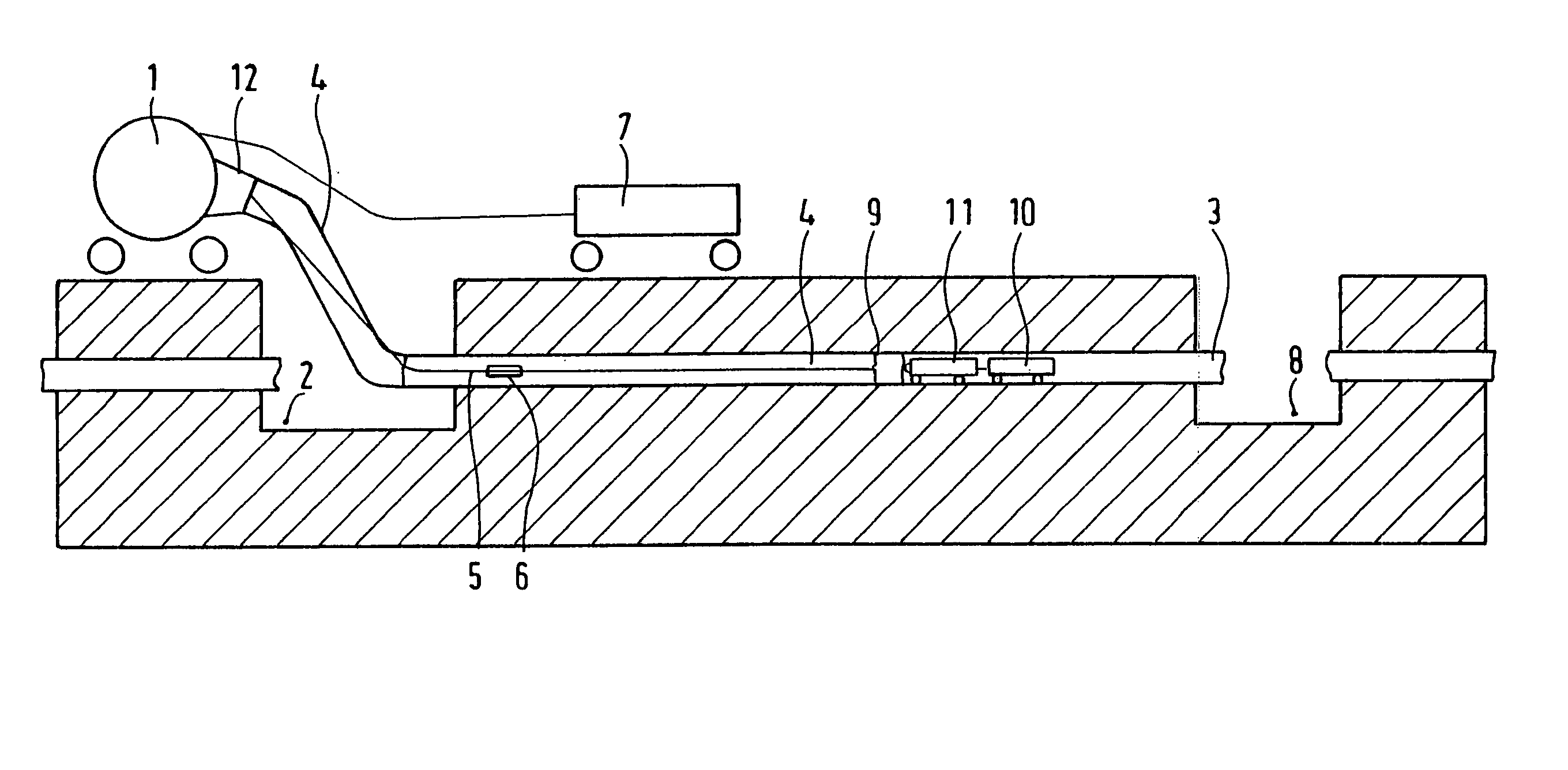
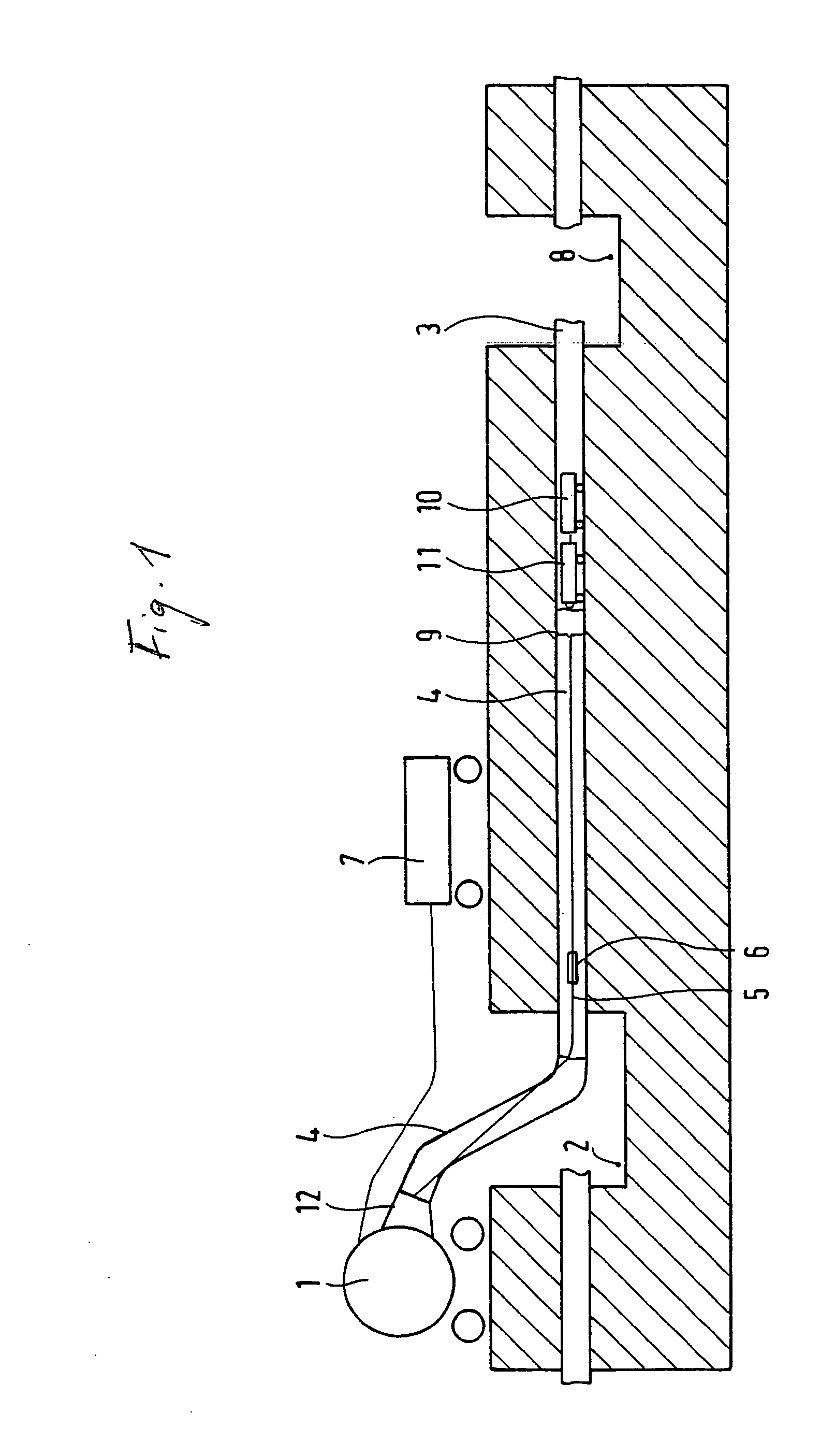
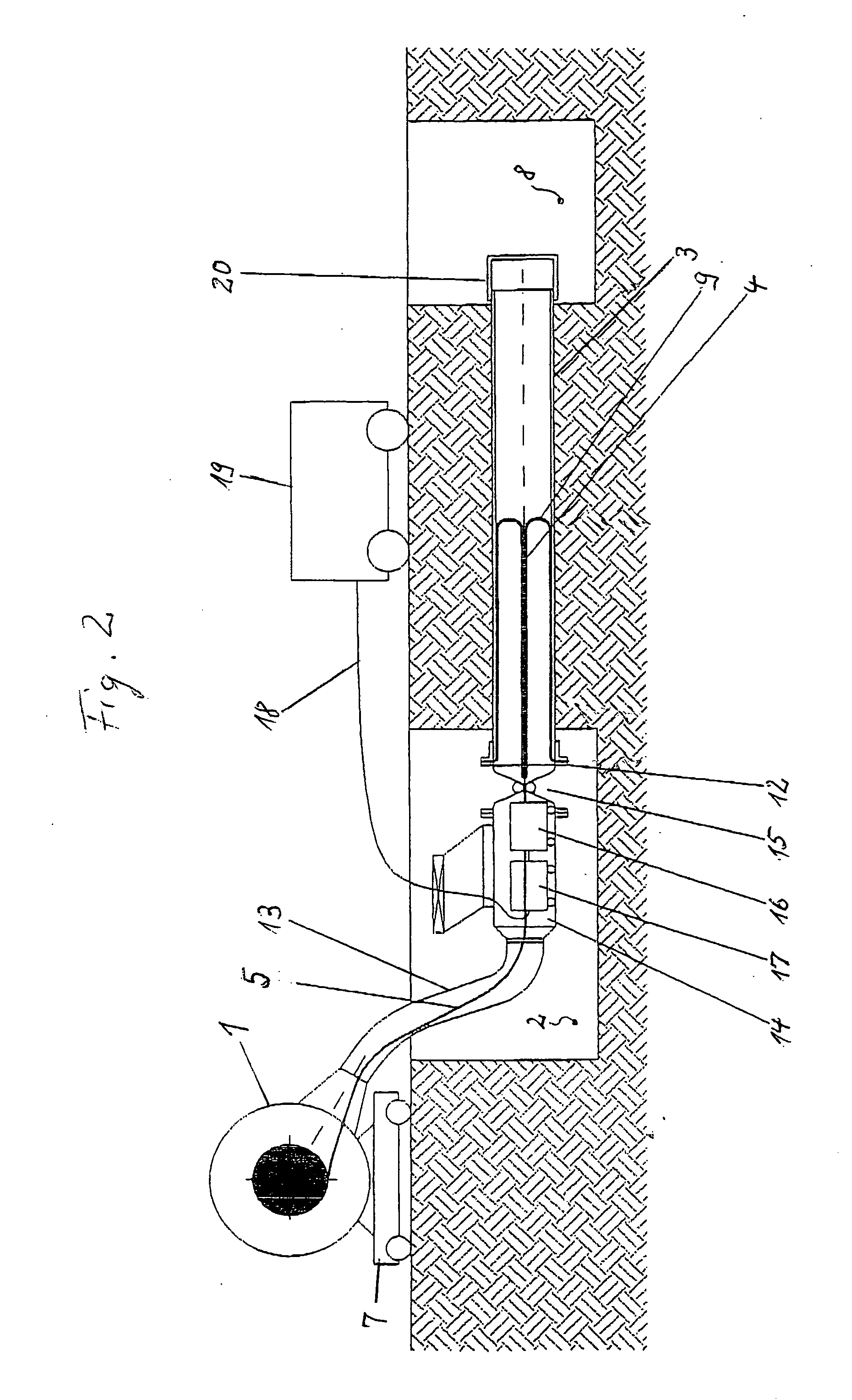
- The method involves using a fast-curing adhesive applied to the inner wall of the pipe conduit simultaneously with the introduction of a tubing, generating internal pressure to ensure adhesion without the need for prolonged pressure application, and utilizing a combination of UV and infrared radiation for accelerated curing, allowing for early reinstatement of pipe operations while the slow-curing adhesive completes its curing process.

Environmental Impact Assessment of Pipe Lining Materials
The environmental impact assessment of pipe lining materials represents a critical evaluation framework that examines the ecological footprint throughout the entire lifecycle of modern trenchless rehabilitation technologies. This assessment encompasses material extraction, manufacturing processes, installation procedures, operational performance, and end-of-life disposal considerations, providing essential insights for sustainable infrastructure development.
Traditional pipe lining materials such as polyethylene and polyvinyl chloride have established environmental profiles, yet emerging composite materials and bio-based alternatives present complex environmental trade-offs. The manufacturing phase typically accounts for the highest carbon footprint, with energy-intensive polymerization processes and chemical additives contributing significantly to greenhouse gas emissions. Advanced materials like glass fiber reinforced plastics require additional energy for fiber production and resin curing, while newer thermoplastic composites offer potential recyclability benefits.
Installation methodologies significantly influence environmental outcomes, with cured-in-place pipe systems requiring thermal curing processes that generate volatile organic compounds and consume substantial energy. Conversely, slip-lining techniques minimize chemical emissions but may require larger material volumes. The choice between steam curing, hot water circulation, or UV light curing directly impacts local air quality and energy consumption patterns.
Long-term environmental performance varies considerably across material types, with durability directly correlating to reduced replacement frequency and associated environmental burdens. High-performance materials demonstrating 75-100 year service lives substantially reduce lifecycle environmental impacts compared to shorter-duration alternatives requiring periodic renewal. Chemical resistance properties prevent groundwater contamination while maintaining structural integrity under varying soil conditions.
Disposal and recycling considerations present emerging challenges as first-generation lined pipes approach end-of-service periods. Thermoset materials pose recycling difficulties, while thermoplastic linings offer mechanical recycling potential. Advanced chemical recycling technologies show promise for composite material recovery, though economic viability remains under development.
Regulatory frameworks increasingly mandate comprehensive environmental impact assessments, with emerging standards requiring quantified lifecycle assessments, carbon footprint calculations, and biodegradability testing for new pipe lining materials. These evolving requirements drive innovation toward environmentally optimized formulations and installation processes.
Traditional pipe lining materials such as polyethylene and polyvinyl chloride have established environmental profiles, yet emerging composite materials and bio-based alternatives present complex environmental trade-offs. The manufacturing phase typically accounts for the highest carbon footprint, with energy-intensive polymerization processes and chemical additives contributing significantly to greenhouse gas emissions. Advanced materials like glass fiber reinforced plastics require additional energy for fiber production and resin curing, while newer thermoplastic composites offer potential recyclability benefits.
Installation methodologies significantly influence environmental outcomes, with cured-in-place pipe systems requiring thermal curing processes that generate volatile organic compounds and consume substantial energy. Conversely, slip-lining techniques minimize chemical emissions but may require larger material volumes. The choice between steam curing, hot water circulation, or UV light curing directly impacts local air quality and energy consumption patterns.
Long-term environmental performance varies considerably across material types, with durability directly correlating to reduced replacement frequency and associated environmental burdens. High-performance materials demonstrating 75-100 year service lives substantially reduce lifecycle environmental impacts compared to shorter-duration alternatives requiring periodic renewal. Chemical resistance properties prevent groundwater contamination while maintaining structural integrity under varying soil conditions.
Disposal and recycling considerations present emerging challenges as first-generation lined pipes approach end-of-service periods. Thermoset materials pose recycling difficulties, while thermoplastic linings offer mechanical recycling potential. Advanced chemical recycling technologies show promise for composite material recovery, though economic viability remains under development.
Regulatory frameworks increasingly mandate comprehensive environmental impact assessments, with emerging standards requiring quantified lifecycle assessments, carbon footprint calculations, and biodegradability testing for new pipe lining materials. These evolving requirements drive innovation toward environmentally optimized formulations and installation processes.
Quality Standards and Testing Protocols for Pipe Longevity
The establishment of comprehensive quality standards for pipe lining longevity requires a multi-tiered approach that addresses material specifications, installation requirements, and performance benchmarks. International standards such as ASTM F1216 for CIPP installations and ISO 11295 for classification and design of plastic piping systems provide foundational frameworks. These standards define minimum wall thickness requirements, material properties including flexural strength and chemical resistance, and acceptable installation tolerances that directly impact long-term performance.
Material certification protocols must encompass both pre-installation and post-installation verification procedures. Raw material testing should include thermal stability assessments, UV resistance evaluation for exposed applications, and chemical compatibility testing with anticipated service environments. Post-curing quality verification requires comprehensive testing of mechanical properties, dimensional accuracy, and bond integrity between the liner and host pipe.
Non-destructive testing methodologies form the cornerstone of longevity assessment protocols. Advanced techniques such as electromagnetic inspection systems can detect wall thickness variations and potential defects without compromising liner integrity. Ultrasonic testing provides accurate measurement of liner thickness and can identify delamination or void formation. Digital imaging technologies, including 360-degree camera systems and laser profiling, enable comprehensive visual documentation and geometric analysis of installed linings.
Accelerated aging protocols simulate decades of service conditions within compressed timeframes to predict long-term performance. These tests typically involve elevated temperature exposure, cyclic loading, and chemical exposure scenarios that replicate field conditions. ASTM D2990 provides guidelines for tensile creep testing, while ASTM D5365 addresses long-term ring-bending strain testing specifically for flexible pipe materials.
Performance monitoring frameworks should incorporate both immediate post-installation verification and long-term surveillance protocols. Initial acceptance testing must verify structural integrity, dimensional conformance, and absence of installation defects. Long-term monitoring programs utilizing embedded sensors or periodic inspection schedules enable early detection of degradation patterns and validation of predicted service life projections.
Quality assurance documentation requirements must establish traceability from raw material sourcing through final installation acceptance. This includes material batch records, installation parameter logs, testing results, and photographic documentation that collectively provide a comprehensive quality record supporting longevity claims and warranty provisions.
Material certification protocols must encompass both pre-installation and post-installation verification procedures. Raw material testing should include thermal stability assessments, UV resistance evaluation for exposed applications, and chemical compatibility testing with anticipated service environments. Post-curing quality verification requires comprehensive testing of mechanical properties, dimensional accuracy, and bond integrity between the liner and host pipe.
Non-destructive testing methodologies form the cornerstone of longevity assessment protocols. Advanced techniques such as electromagnetic inspection systems can detect wall thickness variations and potential defects without compromising liner integrity. Ultrasonic testing provides accurate measurement of liner thickness and can identify delamination or void formation. Digital imaging technologies, including 360-degree camera systems and laser profiling, enable comprehensive visual documentation and geometric analysis of installed linings.
Accelerated aging protocols simulate decades of service conditions within compressed timeframes to predict long-term performance. These tests typically involve elevated temperature exposure, cyclic loading, and chemical exposure scenarios that replicate field conditions. ASTM D2990 provides guidelines for tensile creep testing, while ASTM D5365 addresses long-term ring-bending strain testing specifically for flexible pipe materials.
Performance monitoring frameworks should incorporate both immediate post-installation verification and long-term surveillance protocols. Initial acceptance testing must verify structural integrity, dimensional conformance, and absence of installation defects. Long-term monitoring programs utilizing embedded sensors or periodic inspection schedules enable early detection of degradation patterns and validation of predicted service life projections.
Quality assurance documentation requirements must establish traceability from raw material sourcing through final installation acceptance. This includes material batch records, installation parameter logs, testing results, and photographic documentation that collectively provide a comprehensive quality record supporting longevity claims and warranty provisions.
Unlock deeper insights with PatSnap Eureka Quick Research — get a full tech report to explore trends and direct your research. Try now!
Generate Your Research Report Instantly with AI Agent
Supercharge your innovation with PatSnap Eureka AI Agent Platform!