
Direct Air Capture Technology Comparison: Solid Sorbent vs Liquid Solvent Cost Profiles
MAR 26, 20269 MIN READ
Generate Your Research Report Instantly with AI Agent
Patsnap Eureka helps you evaluate technical feasibility & market potential.
DAC Technology Background and Cost Reduction Goals
Direct Air Capture (DAC) technology represents a critical climate mitigation solution designed to extract carbon dioxide directly from ambient air, addressing the urgent need for negative emissions technologies. The technology has evolved from laboratory concepts in the early 2000s to commercial-scale demonstrations today, driven by increasing recognition that achieving net-zero emissions requires both emission reductions and active CO2 removal from the atmosphere.
The fundamental principle underlying DAC systems involves using chemical processes to selectively capture CO2 from atmospheric air, which contains approximately 400-420 parts per million of carbon dioxide. Two primary technological pathways have emerged as leading approaches: solid sorbent systems and liquid solvent systems. Solid sorbent technologies typically employ structured adsorbent materials such as amine-functionalized polymers or metal-organic frameworks that bind CO2 through physical or chemical adsorption processes.
Liquid solvent systems, conversely, utilize aqueous solutions containing chemical absorbents like potassium hydroxide or sodium hydroxide that react with atmospheric CO2 to form stable carbonate compounds. These systems generally operate through continuous liquid-gas contact processes, requiring subsequent regeneration steps to release captured CO2 and restore the solvent's absorption capacity.
The technology development trajectory has been significantly influenced by cost reduction imperatives, as early DAC systems demonstrated capture costs ranging from $400-1000 per ton of CO2. Current industry leaders have achieved substantial cost reductions, with some solid sorbent systems reporting costs below $200 per ton CO2, while liquid solvent approaches have demonstrated different cost profiles depending on energy integration strategies.
Primary cost reduction goals for DAC technology center on achieving capture costs of $100-150 per ton CO2 by 2030, making the technology economically competitive with other carbon removal methods. Key cost drivers include energy requirements for sorbent regeneration, capital equipment costs, and operational expenses including maintenance and replacement of capture materials.
Energy optimization represents the most critical pathway for cost reduction, as both solid sorbent and liquid solvent systems require significant thermal energy for CO2 desorption and solvent regeneration. Integration with renewable energy sources, waste heat recovery, and process intensification strategies are essential for achieving target cost levels and ensuring environmental effectiveness of DAC deployment.
The fundamental principle underlying DAC systems involves using chemical processes to selectively capture CO2 from atmospheric air, which contains approximately 400-420 parts per million of carbon dioxide. Two primary technological pathways have emerged as leading approaches: solid sorbent systems and liquid solvent systems. Solid sorbent technologies typically employ structured adsorbent materials such as amine-functionalized polymers or metal-organic frameworks that bind CO2 through physical or chemical adsorption processes.
Liquid solvent systems, conversely, utilize aqueous solutions containing chemical absorbents like potassium hydroxide or sodium hydroxide that react with atmospheric CO2 to form stable carbonate compounds. These systems generally operate through continuous liquid-gas contact processes, requiring subsequent regeneration steps to release captured CO2 and restore the solvent's absorption capacity.
The technology development trajectory has been significantly influenced by cost reduction imperatives, as early DAC systems demonstrated capture costs ranging from $400-1000 per ton of CO2. Current industry leaders have achieved substantial cost reductions, with some solid sorbent systems reporting costs below $200 per ton CO2, while liquid solvent approaches have demonstrated different cost profiles depending on energy integration strategies.
Primary cost reduction goals for DAC technology center on achieving capture costs of $100-150 per ton CO2 by 2030, making the technology economically competitive with other carbon removal methods. Key cost drivers include energy requirements for sorbent regeneration, capital equipment costs, and operational expenses including maintenance and replacement of capture materials.
Energy optimization represents the most critical pathway for cost reduction, as both solid sorbent and liquid solvent systems require significant thermal energy for CO2 desorption and solvent regeneration. Integration with renewable energy sources, waste heat recovery, and process intensification strategies are essential for achieving target cost levels and ensuring environmental effectiveness of DAC deployment.
Market Demand for Carbon Removal Solutions
The global carbon removal market is experiencing unprecedented growth driven by escalating climate commitments and regulatory pressures. Governments worldwide are implementing increasingly stringent carbon neutrality targets, with over 70 countries committing to net-zero emissions by 2050. This regulatory landscape creates substantial demand for direct air capture technologies as a critical component of comprehensive decarbonization strategies.
Corporate sustainability initiatives represent another major demand driver. Fortune 500 companies are actively seeking carbon removal solutions to achieve their science-based targets and maintain competitive positioning in environmentally conscious markets. The voluntary carbon market has expanded significantly, with companies purchasing carbon credits from DAC projects to offset residual emissions that cannot be eliminated through operational changes alone.
Industrial sectors with hard-to-abate emissions, including cement, steel, and petrochemicals, constitute a substantial market segment for DAC technologies. These industries face limited alternatives for achieving deep decarbonization and increasingly view carbon removal as an essential complement to emission reduction efforts. The integration of DAC systems with industrial facilities offers potential synergies in energy utilization and infrastructure sharing.
The aviation and shipping industries present particularly compelling market opportunities due to their reliance on carbon-intensive fuels and limited near-term electrification prospects. Airlines are exploring DAC-derived sustainable aviation fuels as a pathway to reduce lifecycle emissions, while shipping companies investigate carbon removal to offset maritime transport emissions.
Emerging carbon-to-products markets are creating additional demand streams for DAC technologies. The conversion of captured CO2 into valuable chemicals, fuels, and materials offers revenue diversification beyond traditional carbon storage applications. This circular carbon economy approach enhances the economic viability of DAC projects while addressing industrial feedstock requirements.
Geographic demand patterns reflect varying policy environments and industrial concentrations. North America and Europe lead in early deployment due to supportive regulatory frameworks and carbon pricing mechanisms. However, emerging markets with rapid industrialization are increasingly recognizing DAC potential for managing emissions growth while maintaining economic development objectives.
The cost differential between solid sorbent and liquid solvent DAC approaches significantly influences market adoption patterns. Lower-cost solutions enable broader market penetration across price-sensitive applications, while premium performance characteristics may justify higher costs in specialized applications requiring enhanced efficiency or operational flexibility.
Corporate sustainability initiatives represent another major demand driver. Fortune 500 companies are actively seeking carbon removal solutions to achieve their science-based targets and maintain competitive positioning in environmentally conscious markets. The voluntary carbon market has expanded significantly, with companies purchasing carbon credits from DAC projects to offset residual emissions that cannot be eliminated through operational changes alone.
Industrial sectors with hard-to-abate emissions, including cement, steel, and petrochemicals, constitute a substantial market segment for DAC technologies. These industries face limited alternatives for achieving deep decarbonization and increasingly view carbon removal as an essential complement to emission reduction efforts. The integration of DAC systems with industrial facilities offers potential synergies in energy utilization and infrastructure sharing.
The aviation and shipping industries present particularly compelling market opportunities due to their reliance on carbon-intensive fuels and limited near-term electrification prospects. Airlines are exploring DAC-derived sustainable aviation fuels as a pathway to reduce lifecycle emissions, while shipping companies investigate carbon removal to offset maritime transport emissions.
Emerging carbon-to-products markets are creating additional demand streams for DAC technologies. The conversion of captured CO2 into valuable chemicals, fuels, and materials offers revenue diversification beyond traditional carbon storage applications. This circular carbon economy approach enhances the economic viability of DAC projects while addressing industrial feedstock requirements.
Geographic demand patterns reflect varying policy environments and industrial concentrations. North America and Europe lead in early deployment due to supportive regulatory frameworks and carbon pricing mechanisms. However, emerging markets with rapid industrialization are increasingly recognizing DAC potential for managing emissions growth while maintaining economic development objectives.
The cost differential between solid sorbent and liquid solvent DAC approaches significantly influences market adoption patterns. Lower-cost solutions enable broader market penetration across price-sensitive applications, while premium performance characteristics may justify higher costs in specialized applications requiring enhanced efficiency or operational flexibility.
Current DAC Technology Status and Cost Challenges
Direct Air Capture technology has emerged as a critical component in global carbon removal strategies, yet the industry faces significant cost barriers that limit widespread deployment. Current DAC systems operate at costs ranging from $150 to $600 per ton of CO2 captured, substantially higher than the $100 per ton threshold considered necessary for commercial viability at scale.
The two dominant technological approaches present distinct cost profiles and operational challenges. Solid sorbent systems, exemplified by companies like Climeworks and Carbon Engineering's modular designs, typically require lower energy inputs for CO2 capture but face higher material costs due to specialized amine-functionalized substrates. These systems demonstrate capture costs between $250-400 per ton, with material replacement representing 20-30% of operational expenses.
Liquid solvent systems, primarily utilizing aqueous hydroxide solutions, exhibit different cost dynamics. While solvent materials are generally less expensive than solid sorbents, these systems demand higher energy consumption for solvent regeneration, particularly in the calcination process where temperatures exceed 900°C. Current liquid solvent implementations show costs ranging from $200-500 per ton, with energy representing 40-50% of total operational costs.
Infrastructure and scaling challenges compound cost issues across both technologies. Existing DAC facilities operate at relatively small scales, with the largest installations capturing less than 10,000 tons CO2 annually. This limited scale prevents realization of manufacturing economies and optimized supply chains that could reduce component costs by an estimated 30-40%.
Energy integration remains a fundamental cost driver, as both technologies require substantial thermal and electrical inputs. Current systems rely heavily on grid electricity and natural gas for heat, creating both cost volatility and carbon intensity concerns. The lack of dedicated renewable energy integration increases operational costs by approximately 15-25% compared to theoretical optimized scenarios.
Capital expenditure requirements present additional barriers, with current DAC installations requiring $3,000-6,000 per annual ton of capacity. High upfront costs, combined with uncertain long-term carbon credit markets, create financing challenges that slow technology deployment and prevent the scale-up necessary for cost reduction.
The two dominant technological approaches present distinct cost profiles and operational challenges. Solid sorbent systems, exemplified by companies like Climeworks and Carbon Engineering's modular designs, typically require lower energy inputs for CO2 capture but face higher material costs due to specialized amine-functionalized substrates. These systems demonstrate capture costs between $250-400 per ton, with material replacement representing 20-30% of operational expenses.
Liquid solvent systems, primarily utilizing aqueous hydroxide solutions, exhibit different cost dynamics. While solvent materials are generally less expensive than solid sorbents, these systems demand higher energy consumption for solvent regeneration, particularly in the calcination process where temperatures exceed 900°C. Current liquid solvent implementations show costs ranging from $200-500 per ton, with energy representing 40-50% of total operational costs.
Infrastructure and scaling challenges compound cost issues across both technologies. Existing DAC facilities operate at relatively small scales, with the largest installations capturing less than 10,000 tons CO2 annually. This limited scale prevents realization of manufacturing economies and optimized supply chains that could reduce component costs by an estimated 30-40%.
Energy integration remains a fundamental cost driver, as both technologies require substantial thermal and electrical inputs. Current systems rely heavily on grid electricity and natural gas for heat, creating both cost volatility and carbon intensity concerns. The lack of dedicated renewable energy integration increases operational costs by approximately 15-25% compared to theoretical optimized scenarios.
Capital expenditure requirements present additional barriers, with current DAC installations requiring $3,000-6,000 per annual ton of capacity. High upfront costs, combined with uncertain long-term carbon credit markets, create financing challenges that slow technology deployment and prevent the scale-up necessary for cost reduction.
Current Solid vs Liquid DAC Cost Solutions
01 Sorbent material optimization for cost reduction
Direct air capture systems utilize various sorbent materials to capture carbon dioxide from ambient air. The development and optimization of sorbent materials, including solid adsorbents and liquid absorbents, plays a crucial role in reducing operational costs. Advanced materials with higher CO2 selectivity, improved regeneration efficiency, and longer lifespan can significantly decrease the overall cost profile of DAC technology. Material composition, surface area, and binding mechanisms are key factors in achieving cost-effective carbon capture.- Sorbent material optimization for cost reduction: Direct air capture systems utilize various sorbent materials to capture carbon dioxide from ambient air. The development and optimization of sorbent materials, including solid adsorbents and liquid absorbents, plays a crucial role in reducing operational costs. Advanced materials with high CO2 selectivity, capacity, and regeneration efficiency can significantly lower the energy requirements and overall cost profile of DAC systems. Material innovations focus on improving durability, reducing degradation, and enhancing capture kinetics to achieve economically viable carbon capture rates.
- Energy-efficient regeneration processes: The regeneration of sorbent materials represents a major cost component in direct air capture operations. Technologies that minimize energy consumption during the desorption and regeneration cycles are critical for improving cost profiles. This includes temperature swing adsorption, pressure swing adsorption, and moisture swing adsorption methods. Innovations in heat integration, waste heat recovery, and renewable energy coupling help reduce the energy penalty associated with sorbent regeneration, thereby lowering the levelized cost of carbon capture per ton.
- Modular and scalable system design: Cost-effective direct air capture deployment requires modular system architectures that enable scalable manufacturing and installation. Standardized modules allow for mass production, reduced capital expenditure, and simplified maintenance procedures. Design approaches that facilitate rapid deployment, minimize land use requirements, and enable distributed capture operations contribute to improved economic viability. Modular designs also allow for incremental capacity expansion and adaptation to various geographical and climatic conditions.
- Process integration and system optimization: Comprehensive system integration strategies that optimize the interaction between air contacting, capture, regeneration, and compression stages are essential for cost reduction. This includes advanced process control, real-time monitoring, and adaptive operation strategies that respond to variable ambient conditions and energy prices. Integration with industrial processes, power generation facilities, or renewable energy sources can provide synergistic benefits. Optimization of air flow dynamics, contact time, and capture efficiency through computational modeling and simulation reduces both capital and operational expenditures.
- Economic modeling and lifecycle cost analysis: Comprehensive techno-economic assessments and lifecycle cost analyses are fundamental to understanding and improving direct air capture cost profiles. These analyses encompass capital costs, operational expenses, maintenance requirements, energy consumption, and end-of-life considerations. Economic models incorporate factors such as carbon credit values, policy incentives, financing structures, and market dynamics. Detailed cost breakdowns identify key cost drivers and opportunities for innovation, guiding research and development priorities toward the most impactful improvements in system economics.
02 Energy-efficient regeneration processes
The regeneration of sorbent materials requires substantial energy input, which constitutes a major portion of DAC operational costs. Innovative regeneration methods including temperature swing adsorption, pressure swing adsorption, and electrochemical regeneration are being developed to minimize energy consumption. Integration with renewable energy sources and waste heat recovery systems can further reduce the energy costs associated with sorbent regeneration cycles. Optimizing regeneration parameters and cycle times is essential for improving the economic viability of direct air capture systems.Expand Specific Solutions03 Modular and scalable system design
Modular design approaches enable cost reduction through standardization, mass production, and flexible deployment of DAC systems. Scalable architectures allow for incremental capacity expansion while minimizing capital expenditure. Containerized units and prefabricated components reduce installation time and labor costs. System modularity also facilitates maintenance, component replacement, and technology upgrades, contributing to lower lifecycle costs and improved economic performance of direct air capture facilities.Expand Specific Solutions04 Process integration and heat management
Effective thermal management and process integration strategies are critical for reducing the cost profile of DAC technology. Heat exchanger networks, thermal energy storage systems, and cascading heat utilization improve overall energy efficiency. Integration with industrial processes or power generation facilities enables utilization of waste heat and shared infrastructure, reducing both capital and operational expenses. Advanced control systems optimize heat distribution and minimize thermal losses throughout the capture and regeneration cycles.Expand Specific Solutions05 Economic modeling and lifecycle cost analysis
Comprehensive economic modeling frameworks and lifecycle cost analysis tools are essential for evaluating and optimizing DAC technology cost profiles. These methodologies account for capital expenditure, operational expenses, maintenance costs, energy consumption, and carbon credit revenues. Techno-economic assessments identify cost drivers and optimization opportunities across different deployment scenarios and scales. Sensitivity analysis and uncertainty quantification help stakeholders understand risk factors and make informed investment decisions regarding direct air capture projects.Expand Specific Solutions
Major DAC Technology Players and Market Position
The Direct Air Capture (DAC) technology sector is experiencing rapid evolution as the industry transitions from early-stage research to commercial deployment. The market demonstrates significant growth potential, driven by increasing carbon removal commitments and regulatory support, with projections indicating substantial expansion over the next decade. Technology maturity varies considerably between approaches: solid sorbent systems, exemplified by Climeworks AG's operational facilities like Orca and Mammoth, have achieved commercial-scale deployment with proven mineralization storage methods. Conversely, liquid solvent technologies remain primarily in development phases, with major energy companies like Shell Oil Company, Siemens Energy AG, and China Petroleum & Chemical Corp. investing heavily in research and pilot projects. Academic institutions including Columbia University, Southeast University, and China Petroleum University Beijing are advancing fundamental research, while established industrial players are integrating DAC into broader decarbonization strategies, indicating a competitive landscape balancing proven solid sorbent solutions against potentially more cost-effective liquid solvent approaches.
Siemens Energy Global GmbH & Co. KG
Technical Solution: Siemens Energy focuses on integrated DAC solutions combining both solid sorbent and liquid solvent technologies depending on application requirements. Their approach emphasizes system integration with power generation and industrial processes, utilizing waste heat for sorbent regeneration. The company develops hybrid systems that can switch between solid amine sorbents for lower-temperature operations and liquid solvent systems for higher-capacity applications. Their cost analysis indicates potential for $400-600 per ton CO2 when integrated with existing industrial infrastructure, leveraging economies of scope in energy management and process optimization.
Strengths: Industrial integration capabilities, flexible technology approach, established energy infrastructure. Weaknesses: Limited standalone DAC experience, higher complexity in hybrid systems, dependency on industrial partnerships.
Climeworks AG
Technical Solution: Climeworks employs solid amine-based sorbent technology in their direct air capture systems, utilizing temperature swing adsorption (TSA) processes. Their modular DAC units operate at ambient temperatures for CO2 adsorption and require heating to 80-100°C for desorption cycles. The company has demonstrated commercial-scale operations with costs ranging from $600-1000 per ton CO2 captured, with ongoing efforts to reduce costs through process optimization and economies of scale. Their solid sorbent approach offers advantages in energy efficiency compared to liquid solvent systems, particularly in integration with renewable energy sources and waste heat recovery systems.
Strengths: Proven commercial deployment, modular scalability, lower energy requirements for regeneration. Weaknesses: High current costs, limited capture capacity per unit, requires significant land area for large-scale deployment.
Core Cost Engineering Patents in DAC Systems
Method for capturing co2
PatentWO2012120173A1
Innovation
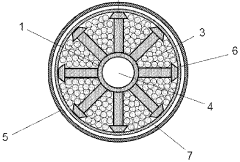
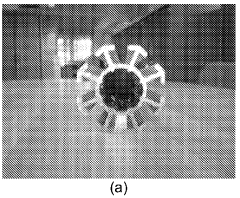
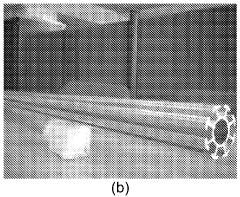
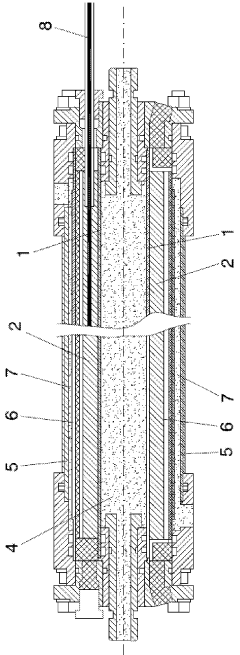
- A CO2 capture process using fixed-bed reactors with alumina sorbents impregnated with aminoalcohols under combined temperature swing adsorption (TSA), pressure swing adsorption (PSA), and steam stripping conditions, optimizing absorption and desorption times for continuous operation with reduced reactor numbers and energy usage.
Tunable, rapid uptake, aminopolymer aerogel sorbent for direct air capture of CO<sub>2 </sub>
PatentActiveUS11944933B2
Innovation
- Development of high amine loading polymer aerogels with primary, secondary, and tertiary amine monomers covalently bound to cross-linking monomers, fabricated using controlled radical polymerization, which enhances CO2 selectivity, stability, and reduces energy requirements through high specific surface area and small pore sizes.


Carbon Policy Framework for DAC Deployment
The deployment of Direct Air Capture (DAC) technology requires a comprehensive carbon policy framework that addresses both solid sorbent and liquid solvent approaches while considering their distinct cost profiles. Current policy mechanisms must evolve to accommodate the unique characteristics of these technologies and their varying economic trajectories.
Carbon pricing mechanisms represent the foundational element of DAC deployment policy. Traditional carbon credit systems need modification to account for the permanent nature of DAC-based carbon removal, distinguishing it from temporary sequestration methods. The policy framework should establish premium pricing tiers that reflect the higher costs associated with DAC technologies, particularly during early deployment phases when solid sorbent systems may require $600-800 per ton CO2 and liquid solvent systems demand $400-600 per ton CO2.
Government incentive structures must differentiate between technology pathways based on their cost evolution patterns. Solid sorbent technologies, characterized by higher initial capital expenditure but potentially lower operational costs, benefit from front-loaded investment tax credits and accelerated depreciation schedules. Conversely, liquid solvent systems, with their emphasis on process optimization and energy efficiency, require sustained operational subsidies and research grants targeting energy integration improvements.
Regulatory frameworks should establish technology-neutral performance standards while acknowledging pathway-specific challenges. Environmental impact assessments must consider the distinct footprints of solid and liquid systems, including land use requirements, water consumption patterns, and energy infrastructure needs. Policy makers should implement tiered compliance schedules that account for the different scalability timelines of each technology approach.
International coordination mechanisms become crucial for DAC deployment success. Policy frameworks must establish cross-border carbon accounting standards that recognize DAC contributions regardless of technology pathway. This includes developing measurement, reporting, and verification protocols specific to solid sorbent and liquid solvent systems, ensuring consistent global standards while accommodating regional technology preferences and resource availability.
The framework should incorporate adaptive policy mechanisms that respond to technological learning curves and cost reduction trajectories. As solid sorbent and liquid solvent technologies mature at different rates, policy support must dynamically adjust to maintain deployment incentives while preventing market distortions. This includes sunset clauses for early-stage subsidies and graduation criteria based on achieved cost thresholds rather than arbitrary timelines.
Carbon pricing mechanisms represent the foundational element of DAC deployment policy. Traditional carbon credit systems need modification to account for the permanent nature of DAC-based carbon removal, distinguishing it from temporary sequestration methods. The policy framework should establish premium pricing tiers that reflect the higher costs associated with DAC technologies, particularly during early deployment phases when solid sorbent systems may require $600-800 per ton CO2 and liquid solvent systems demand $400-600 per ton CO2.
Government incentive structures must differentiate between technology pathways based on their cost evolution patterns. Solid sorbent technologies, characterized by higher initial capital expenditure but potentially lower operational costs, benefit from front-loaded investment tax credits and accelerated depreciation schedules. Conversely, liquid solvent systems, with their emphasis on process optimization and energy efficiency, require sustained operational subsidies and research grants targeting energy integration improvements.
Regulatory frameworks should establish technology-neutral performance standards while acknowledging pathway-specific challenges. Environmental impact assessments must consider the distinct footprints of solid and liquid systems, including land use requirements, water consumption patterns, and energy infrastructure needs. Policy makers should implement tiered compliance schedules that account for the different scalability timelines of each technology approach.
International coordination mechanisms become crucial for DAC deployment success. Policy frameworks must establish cross-border carbon accounting standards that recognize DAC contributions regardless of technology pathway. This includes developing measurement, reporting, and verification protocols specific to solid sorbent and liquid solvent systems, ensuring consistent global standards while accommodating regional technology preferences and resource availability.
The framework should incorporate adaptive policy mechanisms that respond to technological learning curves and cost reduction trajectories. As solid sorbent and liquid solvent technologies mature at different rates, policy support must dynamically adjust to maintain deployment incentives while preventing market distortions. This includes sunset clauses for early-stage subsidies and graduation criteria based on achieved cost thresholds rather than arbitrary timelines.
Energy Integration Strategies for DAC Economics
Energy integration represents a critical pathway for enhancing the economic viability of direct air capture technologies, particularly when comparing solid sorbent and liquid solvent systems. The fundamental approach involves leveraging waste heat recovery, renewable energy coupling, and process optimization to minimize the substantial energy penalties that currently limit DAC deployment at scale.
For solid sorbent DAC systems, energy integration strategies focus primarily on thermal management during the regeneration phase. These systems typically require temperatures between 80-120°C for CO2 desorption, creating opportunities for integration with industrial waste heat sources, geothermal systems, or concentrated solar thermal installations. The intermittent nature of solid sorbent operations allows for strategic scheduling to align with periods of low-cost renewable electricity availability.
Liquid solvent systems present different integration opportunities due to their continuous operation characteristics. The lower regeneration temperatures (60-80°C) required by advanced amine-based solvents enable more efficient heat recovery through multi-stage heat exchangers and heat pump integration. These systems can benefit significantly from industrial symbiosis arrangements where low-grade waste heat from nearby facilities offsets the thermal energy requirements.
Advanced integration concepts include coupling DAC operations with energy storage systems, where excess renewable electricity drives both the capture process and thermal energy storage for later use during regeneration cycles. Power-to-X integration pathways enable DAC systems to operate as flexible grid assets, providing demand response services while maintaining cost-effective CO2 capture rates.
The economic impact of energy integration varies significantly between technology pathways. Solid sorbent systems can achieve 30-40% cost reductions through effective thermal integration, while liquid solvent systems may realize 25-35% savings through optimized heat recovery and process intensification. Hybrid approaches combining both thermal and electrical integration strategies show potential for even greater economic improvements, particularly in regions with abundant renewable energy resources and favorable industrial heat availability.
For solid sorbent DAC systems, energy integration strategies focus primarily on thermal management during the regeneration phase. These systems typically require temperatures between 80-120°C for CO2 desorption, creating opportunities for integration with industrial waste heat sources, geothermal systems, or concentrated solar thermal installations. The intermittent nature of solid sorbent operations allows for strategic scheduling to align with periods of low-cost renewable electricity availability.
Liquid solvent systems present different integration opportunities due to their continuous operation characteristics. The lower regeneration temperatures (60-80°C) required by advanced amine-based solvents enable more efficient heat recovery through multi-stage heat exchangers and heat pump integration. These systems can benefit significantly from industrial symbiosis arrangements where low-grade waste heat from nearby facilities offsets the thermal energy requirements.
Advanced integration concepts include coupling DAC operations with energy storage systems, where excess renewable electricity drives both the capture process and thermal energy storage for later use during regeneration cycles. Power-to-X integration pathways enable DAC systems to operate as flexible grid assets, providing demand response services while maintaining cost-effective CO2 capture rates.
The economic impact of energy integration varies significantly between technology pathways. Solid sorbent systems can achieve 30-40% cost reductions through effective thermal integration, while liquid solvent systems may realize 25-35% savings through optimized heat recovery and process intensification. Hybrid approaches combining both thermal and electrical integration strategies show potential for even greater economic improvements, particularly in regions with abundant renewable energy resources and favorable industrial heat availability.
Unlock deeper insights with Patsnap Eureka Quick Research — get a full tech report to explore trends and direct your research. Try now!
Generate Your Research Report Instantly with AI Agent
Supercharge your innovation with Patsnap Eureka AI Agent Platform!