
Electroactive Polymers for Prosthetics: Improving Functional Accuracy
APR 30, 20269 MIN READ
Generate Your Research Report Instantly with AI Agent
Patsnap Eureka helps you evaluate technical feasibility & market potential.
Electroactive Polymer Prosthetics Background and Objectives
Electroactive polymers (EAPs) represent a revolutionary class of smart materials that have emerged as a transformative technology in the field of prosthetics over the past three decades. These materials, often referred to as "artificial muscles," possess the unique ability to change shape, size, or stiffness when subjected to electrical stimulation, making them ideal candidates for creating more natural and responsive prosthetic devices. The evolution of EAP technology has been driven by the persistent limitations of conventional prosthetics, which typically rely on rigid mechanical systems that fail to replicate the nuanced movements and sensory feedback of biological limbs.
The historical development of electroactive polymers can be traced back to the 1880s with the discovery of piezoelectric effects in certain materials, but significant breakthroughs in polymer-based actuators began in the 1990s. Early research focused on ionic polymer-metal composites (IPMCs) and conducting polymers, which demonstrated promising actuation capabilities but suffered from durability and power efficiency issues. The subsequent development of dielectric elastomers and carbon nanotube-enhanced polymers marked crucial milestones in achieving higher force outputs and improved response times.
Current technological trends indicate a convergence toward hybrid EAP systems that combine multiple polymer types to optimize performance characteristics. The integration of advanced sensing capabilities, machine learning algorithms, and biocompatible materials has accelerated the transition from laboratory prototypes to clinically viable solutions. Recent advances in molecular engineering have enabled the development of self-healing polymers and materials with enhanced fatigue resistance, addressing long-standing durability concerns.
The primary objective of implementing electroactive polymers in prosthetics centers on achieving unprecedented functional accuracy that closely mimics natural human movement patterns. This encompasses developing actuators capable of generating variable force outputs, enabling fine motor control, and providing tactile feedback to users. Key technical goals include achieving response times comparable to biological muscle contractions, typically within 100-200 milliseconds, while maintaining energy efficiency suitable for portable power systems.
Furthermore, the technology aims to establish seamless human-machine interfaces that can interpret neural signals or residual muscle contractions to control prosthetic functions intuitively. The ultimate vision encompasses creating prosthetic limbs that not only restore lost functionality but potentially enhance human capabilities through programmable strength modulation and adaptive grip patterns tailored to specific tasks and user preferences.
The historical development of electroactive polymers can be traced back to the 1880s with the discovery of piezoelectric effects in certain materials, but significant breakthroughs in polymer-based actuators began in the 1990s. Early research focused on ionic polymer-metal composites (IPMCs) and conducting polymers, which demonstrated promising actuation capabilities but suffered from durability and power efficiency issues. The subsequent development of dielectric elastomers and carbon nanotube-enhanced polymers marked crucial milestones in achieving higher force outputs and improved response times.
Current technological trends indicate a convergence toward hybrid EAP systems that combine multiple polymer types to optimize performance characteristics. The integration of advanced sensing capabilities, machine learning algorithms, and biocompatible materials has accelerated the transition from laboratory prototypes to clinically viable solutions. Recent advances in molecular engineering have enabled the development of self-healing polymers and materials with enhanced fatigue resistance, addressing long-standing durability concerns.
The primary objective of implementing electroactive polymers in prosthetics centers on achieving unprecedented functional accuracy that closely mimics natural human movement patterns. This encompasses developing actuators capable of generating variable force outputs, enabling fine motor control, and providing tactile feedback to users. Key technical goals include achieving response times comparable to biological muscle contractions, typically within 100-200 milliseconds, while maintaining energy efficiency suitable for portable power systems.
Furthermore, the technology aims to establish seamless human-machine interfaces that can interpret neural signals or residual muscle contractions to control prosthetic functions intuitively. The ultimate vision encompasses creating prosthetic limbs that not only restore lost functionality but potentially enhance human capabilities through programmable strength modulation and adaptive grip patterns tailored to specific tasks and user preferences.
Market Demand for Advanced Functional Prosthetic Devices
The global prosthetics market is experiencing unprecedented growth driven by demographic shifts, technological advancements, and evolving patient expectations. An aging global population, coupled with increasing rates of diabetes-related amputations and trauma-induced limb loss, has created a substantial and expanding patient base requiring prosthetic solutions. Traditional prosthetic devices, while functional, often fall short of meeting modern user demands for natural movement, sensory feedback, and seamless integration with daily activities.
Current prosthetic users face significant limitations with conventional devices, including restricted range of motion, lack of tactile sensation, and poor adaptability to varying environmental conditions. These shortcomings directly impact quality of life, employment opportunities, and social integration. The demand for more sophisticated prosthetic solutions has intensified as users seek devices that can restore near-natural functionality rather than merely providing basic mechanical support.
Healthcare systems worldwide are recognizing the long-term economic benefits of investing in advanced prosthetic technologies. Superior functional prosthetics reduce rehabilitation time, decrease secondary health complications, and improve patient outcomes, ultimately lowering overall healthcare costs. Insurance providers and government healthcare programs are increasingly willing to cover advanced prosthetic solutions that demonstrate clear functional advantages and improved patient satisfaction metrics.
The market demand extends beyond individual users to encompass military applications, where combat-related injuries have created specific requirements for high-performance prosthetic devices. Military personnel require prosthetics capable of withstanding extreme conditions while maintaining precise functionality, driving innovation in materials and control systems.
Emerging markets in Asia-Pacific and Latin America represent significant growth opportunities as healthcare infrastructure develops and awareness of advanced prosthetic options increases. These regions show growing acceptance of technology-enhanced medical devices, supported by improving economic conditions and expanding healthcare coverage.
The integration of smart technologies, including sensors, artificial intelligence, and advanced materials like electroactive polymers, aligns with broader healthcare digitization trends. Patients increasingly expect prosthetic devices to offer connectivity, data tracking, and personalized adaptation capabilities similar to other modern medical technologies.
Current prosthetic users face significant limitations with conventional devices, including restricted range of motion, lack of tactile sensation, and poor adaptability to varying environmental conditions. These shortcomings directly impact quality of life, employment opportunities, and social integration. The demand for more sophisticated prosthetic solutions has intensified as users seek devices that can restore near-natural functionality rather than merely providing basic mechanical support.
Healthcare systems worldwide are recognizing the long-term economic benefits of investing in advanced prosthetic technologies. Superior functional prosthetics reduce rehabilitation time, decrease secondary health complications, and improve patient outcomes, ultimately lowering overall healthcare costs. Insurance providers and government healthcare programs are increasingly willing to cover advanced prosthetic solutions that demonstrate clear functional advantages and improved patient satisfaction metrics.
The market demand extends beyond individual users to encompass military applications, where combat-related injuries have created specific requirements for high-performance prosthetic devices. Military personnel require prosthetics capable of withstanding extreme conditions while maintaining precise functionality, driving innovation in materials and control systems.
Emerging markets in Asia-Pacific and Latin America represent significant growth opportunities as healthcare infrastructure develops and awareness of advanced prosthetic options increases. These regions show growing acceptance of technology-enhanced medical devices, supported by improving economic conditions and expanding healthcare coverage.
The integration of smart technologies, including sensors, artificial intelligence, and advanced materials like electroactive polymers, aligns with broader healthcare digitization trends. Patients increasingly expect prosthetic devices to offer connectivity, data tracking, and personalized adaptation capabilities similar to other modern medical technologies.
Current EAP Prosthetics State and Accuracy Limitations
Current electroactive polymer (EAP) prosthetics represent a significant advancement over traditional mechanical prostheses, yet they face substantial limitations in achieving the precision required for natural human movement replication. The technology has progressed from laboratory demonstrations to early commercial applications, but functional accuracy remains a critical bottleneck preventing widespread adoption.
Existing EAP prosthetic systems primarily utilize ionic polymer-metal composites (IPMCs) and dielectric elastomer actuators (DEAs) as the core actuation mechanisms. These materials can generate biomimetic movements through electrical stimulation, offering advantages in weight reduction and energy efficiency compared to conventional motor-driven systems. However, current implementations struggle with response time inconsistencies, typically ranging from 100-500 milliseconds, which falls short of natural muscle response times of 50-100 milliseconds.
Position accuracy represents another significant challenge in contemporary EAP prosthetics. Most systems exhibit positioning errors of 5-15 degrees in joint articulation, substantially higher than the 1-3 degree precision required for fine motor tasks. This limitation stems from the inherent viscoelastic properties of EAP materials, which cause drift and hysteresis effects during operation. Temperature sensitivity further compounds accuracy issues, with performance variations of up to 20% observed across normal operating temperature ranges.
Force control precision in current EAP prosthetics remains inadequate for delicate manipulation tasks. While these systems can generate forces ranging from 10-50 Newtons, the force resolution typically exceeds 2-5 Newtons, making precise grip control challenging. This limitation particularly affects activities requiring variable force application, such as handling fragile objects or performing intricate manual tasks.
Sensor integration and feedback mechanisms in existing EAP prosthetics lack the sophistication necessary for accurate proprioceptive feedback. Current systems rely primarily on basic position sensors and force transducers, but the integration of tactile sensing arrays and real-time feedback control remains limited. This results in reduced user confidence and increased cognitive load during prosthetic operation.
The durability and reliability of EAP materials under continuous operation present additional accuracy challenges. Material degradation over time leads to progressive performance deterioration, with accuracy metrics declining by 10-25% after 6-12 months of regular use. This degradation necessitates frequent recalibration and eventual component replacement, impacting long-term functional reliability.
Existing EAP prosthetic systems primarily utilize ionic polymer-metal composites (IPMCs) and dielectric elastomer actuators (DEAs) as the core actuation mechanisms. These materials can generate biomimetic movements through electrical stimulation, offering advantages in weight reduction and energy efficiency compared to conventional motor-driven systems. However, current implementations struggle with response time inconsistencies, typically ranging from 100-500 milliseconds, which falls short of natural muscle response times of 50-100 milliseconds.
Position accuracy represents another significant challenge in contemporary EAP prosthetics. Most systems exhibit positioning errors of 5-15 degrees in joint articulation, substantially higher than the 1-3 degree precision required for fine motor tasks. This limitation stems from the inherent viscoelastic properties of EAP materials, which cause drift and hysteresis effects during operation. Temperature sensitivity further compounds accuracy issues, with performance variations of up to 20% observed across normal operating temperature ranges.
Force control precision in current EAP prosthetics remains inadequate for delicate manipulation tasks. While these systems can generate forces ranging from 10-50 Newtons, the force resolution typically exceeds 2-5 Newtons, making precise grip control challenging. This limitation particularly affects activities requiring variable force application, such as handling fragile objects or performing intricate manual tasks.
Sensor integration and feedback mechanisms in existing EAP prosthetics lack the sophistication necessary for accurate proprioceptive feedback. Current systems rely primarily on basic position sensors and force transducers, but the integration of tactile sensing arrays and real-time feedback control remains limited. This results in reduced user confidence and increased cognitive load during prosthetic operation.
The durability and reliability of EAP materials under continuous operation present additional accuracy challenges. Material degradation over time leads to progressive performance deterioration, with accuracy metrics declining by 10-25% after 6-12 months of regular use. This degradation necessitates frequent recalibration and eventual component replacement, impacting long-term functional reliability.
Existing EAP Solutions for Prosthetic Functional Enhancement
01 Electroactive polymer actuator systems and control mechanisms
Development of electroactive polymer actuators that can be precisely controlled through electrical signals to achieve desired mechanical movements. These systems focus on improving the accuracy of actuation by implementing feedback control mechanisms and optimized electrode configurations. The technology enables precise positioning and force control in various applications requiring high functional accuracy.- Electroactive polymer actuator systems and control mechanisms: Development of electroactive polymer actuators that can be precisely controlled through electrical signals to achieve desired mechanical movements and deformations. These systems focus on improving the accuracy of actuation by implementing feedback control mechanisms and optimized electrode configurations to ensure reliable and repeatable performance in various applications.
- Sensor integration and feedback systems for electroactive polymers: Integration of sensing capabilities within electroactive polymer systems to monitor and enhance functional accuracy through real-time feedback. These approaches involve embedding sensors that can detect position, force, or deformation states, enabling closed-loop control systems that automatically adjust polymer behavior to maintain precise operational parameters.
- Material composition and structural optimization for enhanced precision: Advanced material formulations and structural designs of electroactive polymers aimed at improving their functional accuracy and response characteristics. This includes development of polymer matrices with specific ionic conductivity, mechanical properties, and dimensional stability that contribute to more predictable and accurate electroactive behavior under various operating conditions.
- Manufacturing and fabrication techniques for precision electroactive devices: Specialized manufacturing processes and fabrication methods designed to produce electroactive polymer devices with high functional accuracy. These techniques focus on achieving uniform material distribution, precise electrode placement, and consistent device geometry to minimize performance variations and enhance the reliability of electroactive polymer applications.
- Calibration and characterization methods for electroactive polymer performance: Systematic approaches for calibrating and characterizing electroactive polymer devices to ensure accurate functional performance. These methods involve developing standardized testing protocols, measurement techniques, and performance evaluation criteria that enable precise assessment and optimization of electroactive polymer behavior across different operational parameters and environmental conditions.
02 Sensor integration and feedback systems for electroactive polymers
Integration of sensing capabilities within electroactive polymer systems to monitor and enhance functional accuracy. These approaches incorporate various sensor technologies to provide real-time feedback on polymer performance, enabling closed-loop control systems that can automatically adjust parameters to maintain optimal accuracy and performance characteristics.Expand Specific Solutions03 Material composition and structure optimization
Advanced material formulations and structural designs for electroactive polymers that enhance their functional accuracy and reliability. This includes development of novel polymer compositions, cross-linking strategies, and multilayer structures that provide improved dimensional stability, reduced hysteresis, and enhanced repeatability in electroactive responses.Expand Specific Solutions04 Manufacturing and processing techniques for precision applications
Specialized manufacturing methods and processing techniques designed to produce electroactive polymers with enhanced functional accuracy. These approaches focus on controlling polymer morphology, electrode placement, and device assembly to minimize variability and improve consistency in electroactive performance across multiple cycles and environmental conditions.Expand Specific Solutions05 Characterization and testing methods for functional performance
Development of standardized testing protocols and characterization methods to evaluate and quantify the functional accuracy of electroactive polymers. These methodologies include measurement techniques for assessing response time, positioning accuracy, force output consistency, and long-term stability under various operating conditions to ensure reliable performance in practical applications.Expand Specific Solutions
Key Players in EAP Prosthetics and Smart Materials Industry
The electroactive polymers for prosthetics market represents an emerging technology sector in early development stages, characterized by significant research investment but limited commercial deployment. The market remains relatively small with substantial growth potential as the technology transitions from laboratory research to clinical applications. Technology maturity varies considerably across key players, with established corporations like Koninklijke Philips NV, 3M Innovative Properties Co., and Covestro Deutschland AG leveraging their materials science expertise alongside specialized firms such as Ras Labs, Inc. and Elysium Robotics LLC focusing specifically on electroactive polymer applications. Academic institutions including Boston University, Purdue Research Foundation, and Swiss Federal Institute of Technology drive fundamental research, while research organizations like SRI International and Fraunhofer-Gesellschaft eV bridge the gap between academic discovery and industrial application. The competitive landscape indicates a technology approaching commercial viability but requiring further development in manufacturing scalability, cost reduction, and regulatory approval processes.
SRI International
Technical Solution: SRI International has developed advanced electroactive polymer (EAP) actuators specifically designed for prosthetic applications, focusing on artificial muscle technology that mimics natural muscle movement. Their EAP systems utilize dielectric elastomer actuators (DEAs) that can achieve large strains up to 380% while maintaining precise control for prosthetic limb movements. The technology incorporates smart material systems that respond to electrical stimulation with muscle-like contractions, enabling more natural and intuitive prosthetic control. SRI's approach emphasizes biocompatible materials and energy-efficient operation, making their EAP actuators suitable for long-term prosthetic use with improved functional accuracy and user comfort.
Strengths: Pioneer in EAP technology with proven artificial muscle systems, excellent strain performance and biocompatibility. Weaknesses: High voltage requirements and complex control systems may limit practical implementation.
The Regents of the University of California
Technical Solution: The University of California system has conducted extensive research on electroactive polymers for prosthetic applications, developing novel ionic polymer-metal composites (IPMCs) and conducting polymers for artificial muscle systems. Their research focuses on creating bio-inspired EAP actuators that can provide precise force control and position feedback for prosthetic limbs. UC researchers have developed hybrid EAP systems that combine multiple polymer types to achieve both large displacement and high force output, addressing key limitations in prosthetic functionality. The university's approach includes advanced control algorithms that enable real-time adaptation to user intentions through EMG signal processing. Their EAP technology demonstrates significant improvements in response time and energy efficiency compared to conventional prosthetic actuators, with particular emphasis on creating more intuitive human-machine interfaces.
Strengths: Strong research foundation with innovative hybrid EAP systems and advanced control algorithms for improved user interface. Weaknesses: Academic focus may limit immediate commercial viability and manufacturing scalability.
Core EAP Innovations for Prosthetic Accuracy Improvement
Electroactive polymers and systems using the same
PatentPendingHK1243910A
Innovation
- The use of electroactive polymers (EAPs) that contract and expand to maintain a comfortable fit, integrated into prosthetic liners and sockets, allowing for shape-morphing to adapt to changes in the residual limb, with the ability to automatically adjust fit through feedback loop circuitry and pressure sensing.

Dielectric elastomer fiber transducers
PatentActiveUS20090085444A1
Innovation
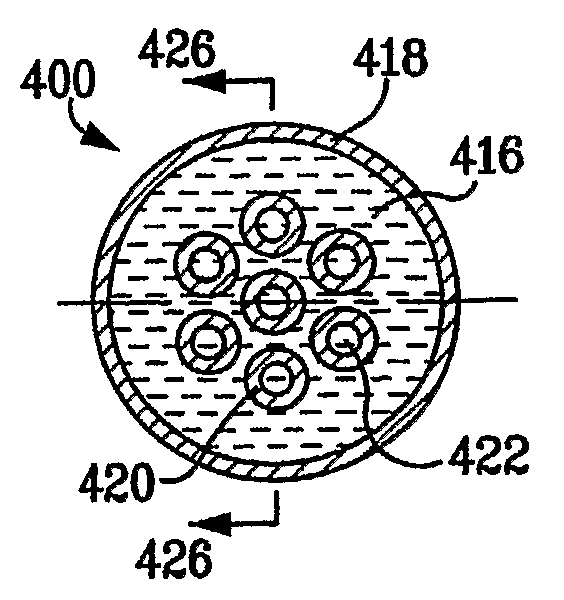
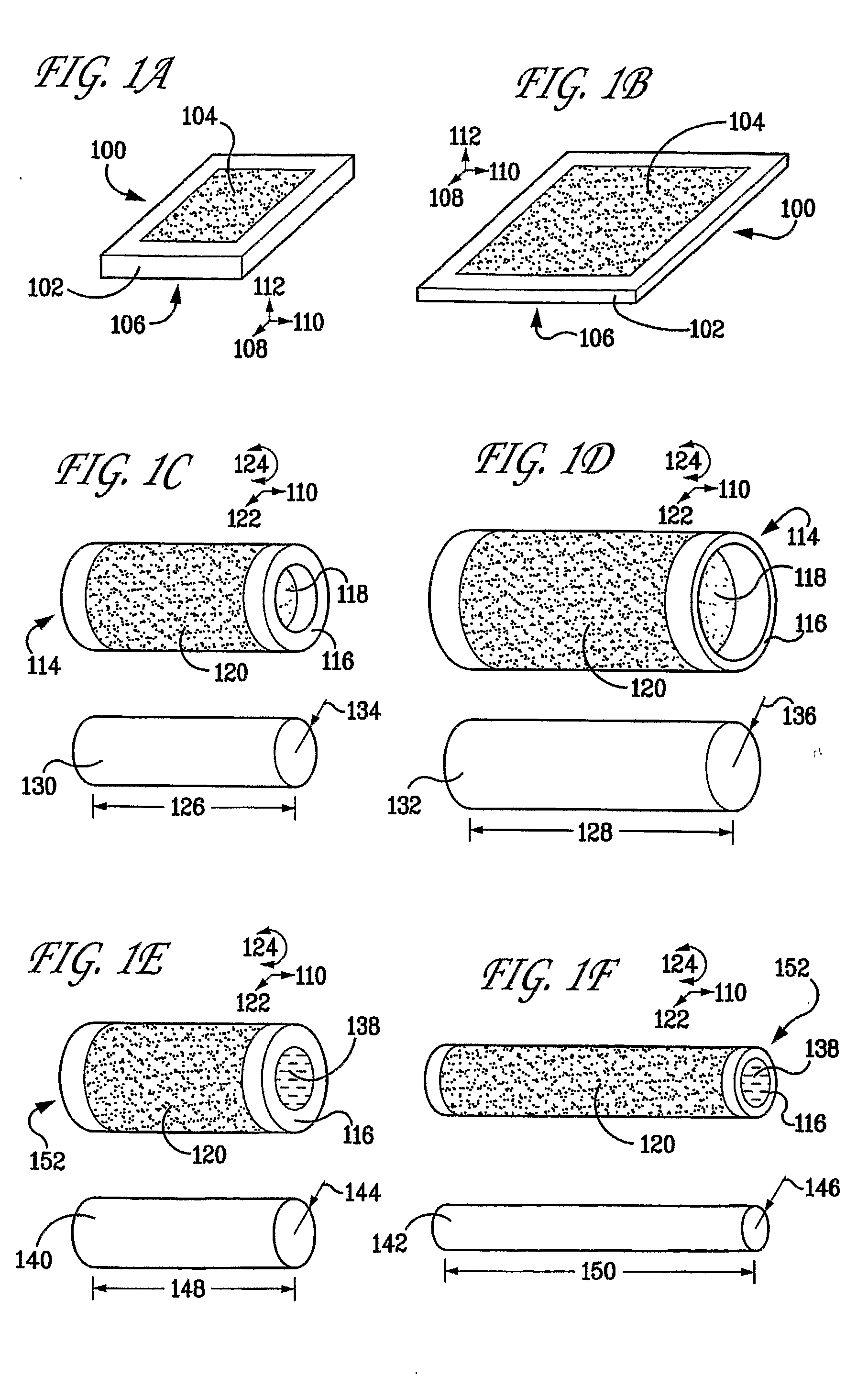
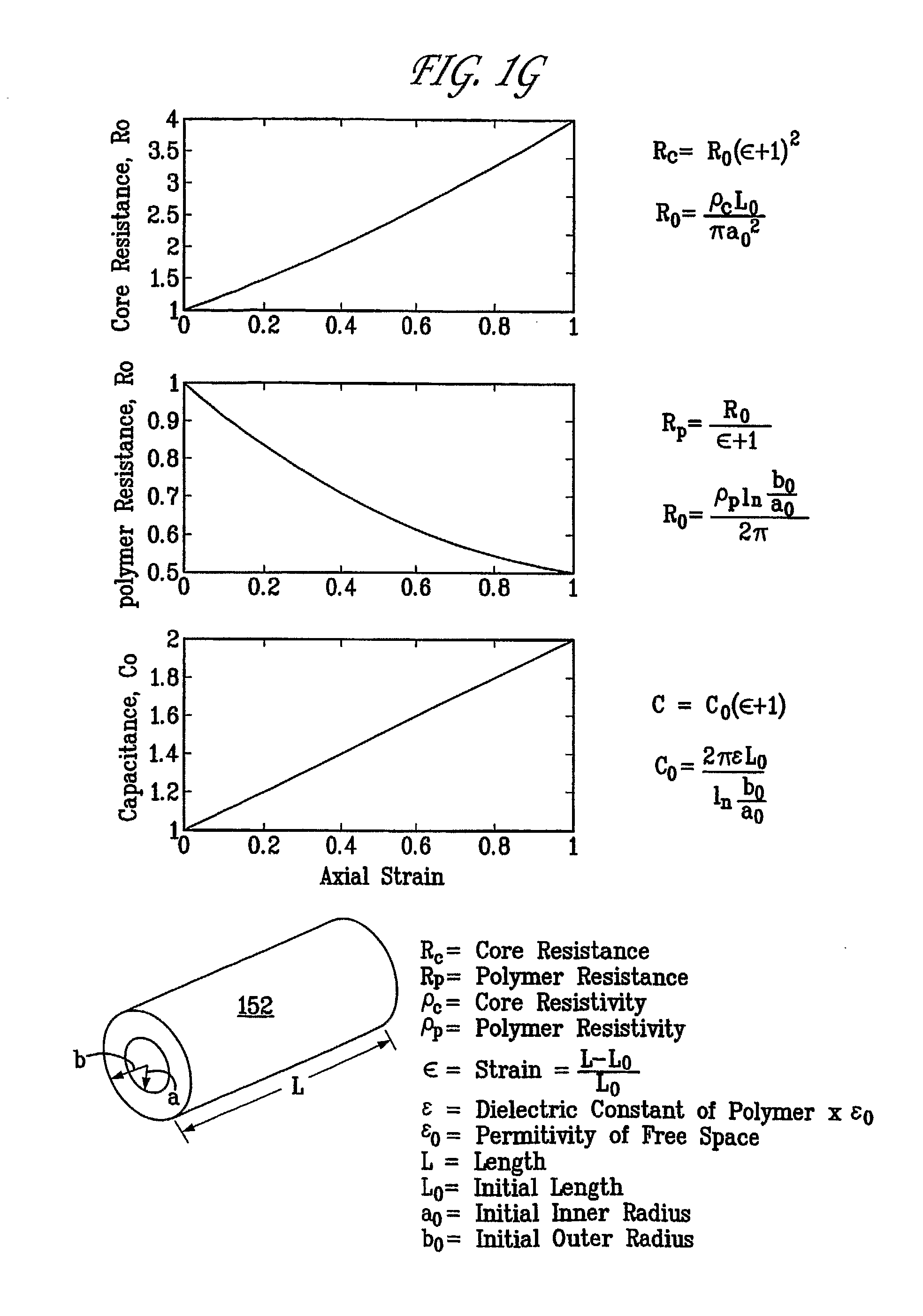
- Development of electroactive polymer fibers with an incompressibly compliant inner electrode and outer compliant electrodes, fluidically sealed within the fiber, allowing for direct mechanical power output and reduced voltage requirements, enabling precise control of axial strain through voltage application.

Medical Device Regulations for EAP Prosthetic Systems
The regulatory landscape for electroactive polymer (EAP) prosthetic systems presents a complex framework that varies significantly across global markets. In the United States, the Food and Drug Administration (FDA) classifies prosthetic devices under Class II medical devices, requiring 510(k) premarket notification for most EAP-based prosthetics. The FDA's guidance documents specifically address active implantable medical devices and external prosthetic systems, establishing biocompatibility requirements under ISO 10993 standards and electrical safety protocols under IEC 60601 series.
European Union regulations under the Medical Device Regulation (MDR 2017/745) impose stringent requirements for EAP prosthetic systems, particularly regarding long-term biocompatibility and electrical stimulation safety. The CE marking process requires comprehensive clinical evaluation data, with particular emphasis on the unique properties of electroactive polymers and their interaction with human tissue. Notified bodies must assess the risk-benefit profile of EAP systems, considering both mechanical performance and potential adverse reactions to electrical stimulation.
Quality management systems for EAP prosthetic manufacturers must comply with ISO 13485 standards, with additional considerations for software validation under IEC 62304 when control algorithms are involved. The manufacturing process requires validated sterilization methods compatible with polymer materials, often necessitating gamma irradiation or ethylene oxide sterilization protocols specifically adapted for EAP components.
Clinical trial requirements for EAP prosthetics involve unique challenges in demonstrating safety and efficacy. Regulatory bodies require extensive preclinical testing including accelerated aging studies, fatigue testing under cyclic loading conditions, and biocompatibility assessments for both the polymer matrix and any conductive additives. Post-market surveillance obligations include monitoring for device-related adverse events, particularly those related to electrical malfunction or polymer degradation.
International harmonization efforts through the Global Harmonization Task Force (GHTF) and International Medical Device Regulators Forum (IMDRF) are establishing common standards for EAP prosthetic systems, though regional variations in electrical safety requirements and clinical evidence expectations remain significant barriers to global market access.
European Union regulations under the Medical Device Regulation (MDR 2017/745) impose stringent requirements for EAP prosthetic systems, particularly regarding long-term biocompatibility and electrical stimulation safety. The CE marking process requires comprehensive clinical evaluation data, with particular emphasis on the unique properties of electroactive polymers and their interaction with human tissue. Notified bodies must assess the risk-benefit profile of EAP systems, considering both mechanical performance and potential adverse reactions to electrical stimulation.
Quality management systems for EAP prosthetic manufacturers must comply with ISO 13485 standards, with additional considerations for software validation under IEC 62304 when control algorithms are involved. The manufacturing process requires validated sterilization methods compatible with polymer materials, often necessitating gamma irradiation or ethylene oxide sterilization protocols specifically adapted for EAP components.
Clinical trial requirements for EAP prosthetics involve unique challenges in demonstrating safety and efficacy. Regulatory bodies require extensive preclinical testing including accelerated aging studies, fatigue testing under cyclic loading conditions, and biocompatibility assessments for both the polymer matrix and any conductive additives. Post-market surveillance obligations include monitoring for device-related adverse events, particularly those related to electrical malfunction or polymer degradation.
International harmonization efforts through the Global Harmonization Task Force (GHTF) and International Medical Device Regulators Forum (IMDRF) are establishing common standards for EAP prosthetic systems, though regional variations in electrical safety requirements and clinical evidence expectations remain significant barriers to global market access.
Biocompatibility and Safety Standards for EAP Materials
The biocompatibility and safety standards for electroactive polymer (EAP) materials in prosthetic applications represent a critical regulatory framework that governs the development and clinical implementation of these advanced biomaterials. Current international standards primarily follow ISO 10993 series guidelines, which establish comprehensive biological evaluation protocols for medical devices in contact with human tissue. For EAP-based prosthetics, these standards encompass cytotoxicity testing, sensitization assessment, irritation evaluation, and systemic toxicity analysis.
The unique electroactive properties of EAP materials introduce additional safety considerations beyond conventional biomaterial requirements. Electrical stimulation parameters must comply with IEC 60601-2-10 standards for nerve and muscle stimulators, ensuring that voltage levels, current densities, and frequency ranges remain within physiologically safe thresholds. The electrochemical stability of EAP materials under continuous electrical activation requires specialized testing protocols to evaluate potential degradation products and their biological impact over extended operational periods.
Material composition standards specifically address the purity requirements for polymer matrices, conductive fillers, and plasticizers used in EAP formulations. Heavy metal content limitations, residual monomer concentrations, and extractable substance profiles must meet stringent pharmaceutical-grade specifications. The FDA's guidance documents for implantable medical devices provide additional regulatory pathways, particularly for EAP materials intended for long-term tissue contact exceeding 30 days.
Sterilization compatibility represents another crucial safety consideration, as EAP materials must maintain their electroactive properties while withstanding standard sterilization methods such as gamma irradiation, ethylene oxide treatment, or steam autoclaving. Validation protocols require demonstration of maintained functionality post-sterilization alongside confirmed sterility assurance levels.
Emerging safety standards specifically address the wireless power transmission systems often integrated with EAP prosthetics, requiring compliance with electromagnetic compatibility regulations and specific absorption rate limitations to prevent tissue heating. Long-term biocompatibility studies extending beyond traditional 90-day protocols are increasingly required to evaluate chronic inflammatory responses and potential carcinogenic effects associated with continuous electrical stimulation in biological environments.
The unique electroactive properties of EAP materials introduce additional safety considerations beyond conventional biomaterial requirements. Electrical stimulation parameters must comply with IEC 60601-2-10 standards for nerve and muscle stimulators, ensuring that voltage levels, current densities, and frequency ranges remain within physiologically safe thresholds. The electrochemical stability of EAP materials under continuous electrical activation requires specialized testing protocols to evaluate potential degradation products and their biological impact over extended operational periods.
Material composition standards specifically address the purity requirements for polymer matrices, conductive fillers, and plasticizers used in EAP formulations. Heavy metal content limitations, residual monomer concentrations, and extractable substance profiles must meet stringent pharmaceutical-grade specifications. The FDA's guidance documents for implantable medical devices provide additional regulatory pathways, particularly for EAP materials intended for long-term tissue contact exceeding 30 days.
Sterilization compatibility represents another crucial safety consideration, as EAP materials must maintain their electroactive properties while withstanding standard sterilization methods such as gamma irradiation, ethylene oxide treatment, or steam autoclaving. Validation protocols require demonstration of maintained functionality post-sterilization alongside confirmed sterility assurance levels.
Emerging safety standards specifically address the wireless power transmission systems often integrated with EAP prosthetics, requiring compliance with electromagnetic compatibility regulations and specific absorption rate limitations to prevent tissue heating. Long-term biocompatibility studies extending beyond traditional 90-day protocols are increasingly required to evaluate chronic inflammatory responses and potential carcinogenic effects associated with continuous electrical stimulation in biological environments.
Unlock deeper insights with Patsnap Eureka Quick Research — get a full tech report to explore trends and direct your research. Try now!
Generate Your Research Report Instantly with AI Agent
Supercharge your innovation with Patsnap Eureka AI Agent Platform!