Electroadhesion vs Physical Fasteners: Noise Evaluation
APR 21, 202610 MIN READ
Generate Your Research Report Instantly with AI Agent
PatSnap Eureka helps you evaluate technical feasibility & market potential.
Electroadhesion Technology Background and Objectives
Electroadhesion technology represents a revolutionary approach to adhesion and fastening mechanisms that harnesses electrostatic forces to create controllable, reversible bonds between surfaces. This technology operates on the fundamental principle of inducing electrostatic charges across dielectric materials, generating attractive forces that can securely hold objects together without mechanical interlocking or chemical bonding. The concept emerged from decades of research in electrostatic phenomena and has evolved into a sophisticated engineering solution with applications spanning robotics, aerospace, automotive, and consumer electronics industries.
The historical development of electroadhesion can be traced back to early electrostatic research in the 20th century, with significant breakthroughs occurring in the 1990s and 2000s as material science and power electronics advanced. Initial applications focused on material handling in manufacturing environments, where the ability to grip and release objects without physical contact offered substantial advantages. The technology gained momentum with the development of more efficient high-voltage power supplies, improved dielectric materials, and better understanding of surface interactions at the microscopic level.
Current technological evolution trends indicate a shift toward miniaturization, energy efficiency optimization, and integration with smart control systems. Modern electroadhesion systems incorporate advanced feedback mechanisms, adaptive voltage control, and multi-zone activation capabilities that enable precise manipulation of adhesion forces across different surface areas. The integration of sensors and artificial intelligence algorithms has further enhanced the technology's responsiveness and reliability in dynamic applications.
The primary technical objectives driving electroadhesion development center on achieving superior performance characteristics compared to traditional physical fasteners, particularly in noise generation, weight reduction, and operational flexibility. Unlike mechanical fasteners that rely on physical contact and often produce audible noise during engagement and disengagement, electroadhesion systems operate silently through electromagnetic field manipulation. This silent operation capability represents a critical advantage in applications where noise pollution is a significant concern, such as medical devices, precision manufacturing equipment, and residential automation systems.
Energy efficiency optimization remains a paramount objective, with researchers focusing on reducing power consumption while maintaining adequate holding forces. Advanced power management systems now enable electroadhesion devices to operate in pulsed modes, significantly reducing continuous power requirements while preserving adhesion strength. The development of novel dielectric materials with enhanced permittivity and breakdown voltage characteristics has further contributed to improved energy efficiency and operational reliability.
Durability and longevity objectives emphasize the elimination of mechanical wear associated with traditional fasteners. Electroadhesion systems experience minimal physical degradation since they operate without mechanical friction or repeated stress cycles that typically affect conventional fastening mechanisms. This characteristic translates to extended operational lifespans and reduced maintenance requirements, making electroadhesion particularly attractive for applications in harsh environments or inaccessible locations where maintenance access is limited.
The historical development of electroadhesion can be traced back to early electrostatic research in the 20th century, with significant breakthroughs occurring in the 1990s and 2000s as material science and power electronics advanced. Initial applications focused on material handling in manufacturing environments, where the ability to grip and release objects without physical contact offered substantial advantages. The technology gained momentum with the development of more efficient high-voltage power supplies, improved dielectric materials, and better understanding of surface interactions at the microscopic level.
Current technological evolution trends indicate a shift toward miniaturization, energy efficiency optimization, and integration with smart control systems. Modern electroadhesion systems incorporate advanced feedback mechanisms, adaptive voltage control, and multi-zone activation capabilities that enable precise manipulation of adhesion forces across different surface areas. The integration of sensors and artificial intelligence algorithms has further enhanced the technology's responsiveness and reliability in dynamic applications.
The primary technical objectives driving electroadhesion development center on achieving superior performance characteristics compared to traditional physical fasteners, particularly in noise generation, weight reduction, and operational flexibility. Unlike mechanical fasteners that rely on physical contact and often produce audible noise during engagement and disengagement, electroadhesion systems operate silently through electromagnetic field manipulation. This silent operation capability represents a critical advantage in applications where noise pollution is a significant concern, such as medical devices, precision manufacturing equipment, and residential automation systems.
Energy efficiency optimization remains a paramount objective, with researchers focusing on reducing power consumption while maintaining adequate holding forces. Advanced power management systems now enable electroadhesion devices to operate in pulsed modes, significantly reducing continuous power requirements while preserving adhesion strength. The development of novel dielectric materials with enhanced permittivity and breakdown voltage characteristics has further contributed to improved energy efficiency and operational reliability.
Durability and longevity objectives emphasize the elimination of mechanical wear associated with traditional fasteners. Electroadhesion systems experience minimal physical degradation since they operate without mechanical friction or repeated stress cycles that typically affect conventional fastening mechanisms. This characteristic translates to extended operational lifespans and reduced maintenance requirements, making electroadhesion particularly attractive for applications in harsh environments or inaccessible locations where maintenance access is limited.
Market Demand for Low-Noise Fastening Solutions
The global fastening solutions market is experiencing a significant shift toward noise-reduction technologies, driven by increasingly stringent acoustic regulations and evolving consumer expectations across multiple industries. Traditional mechanical fasteners, while reliable, generate substantial noise during engagement and disengagement processes, creating operational challenges in noise-sensitive environments such as residential areas, hospitals, and premium automotive applications.
Aerospace and automotive sectors represent the most substantial demand drivers for low-noise fastening solutions. Aircraft manufacturers face mounting pressure to reduce cabin noise levels and comply with international noise certification standards, particularly for commercial aviation where passenger comfort directly impacts airline competitiveness. The automotive industry similarly confronts stricter noise, vibration, and harshness regulations, especially in electric vehicle development where traditional engine noise no longer masks fastener-generated sounds.
Consumer electronics and appliance manufacturers constitute another rapidly expanding market segment. Modern devices require frequent maintenance access while maintaining silent operation, particularly in smart home applications and medical devices. The proliferation of robotic systems in manufacturing and service industries further amplifies demand for silent fastening mechanisms that enable seamless human-robot interaction without acoustic disruption.
Healthcare facilities represent a specialized but high-value market segment where noise reduction directly correlates with patient recovery outcomes. Medical equipment manufacturers increasingly prioritize silent fastening solutions for diagnostic equipment, patient beds, and surgical instruments to maintain therapeutic environments and comply with hospital noise standards.
The construction and architecture sectors show growing interest in low-noise fastening solutions, particularly for modular building systems and temporary structures in urban environments. Noise ordinances in densely populated areas create substantial market opportunities for fastening technologies that enable construction activities during extended hours without community disruption.
Market research indicates that end-users demonstrate willingness to accept premium pricing for fastening solutions that deliver measurable noise reduction benefits, particularly when acoustic performance translates to regulatory compliance, enhanced user experience, or operational efficiency improvements. This pricing tolerance creates favorable conditions for innovative fastening technologies that can demonstrate superior acoustic performance compared to conventional mechanical alternatives.
Aerospace and automotive sectors represent the most substantial demand drivers for low-noise fastening solutions. Aircraft manufacturers face mounting pressure to reduce cabin noise levels and comply with international noise certification standards, particularly for commercial aviation where passenger comfort directly impacts airline competitiveness. The automotive industry similarly confronts stricter noise, vibration, and harshness regulations, especially in electric vehicle development where traditional engine noise no longer masks fastener-generated sounds.
Consumer electronics and appliance manufacturers constitute another rapidly expanding market segment. Modern devices require frequent maintenance access while maintaining silent operation, particularly in smart home applications and medical devices. The proliferation of robotic systems in manufacturing and service industries further amplifies demand for silent fastening mechanisms that enable seamless human-robot interaction without acoustic disruption.
Healthcare facilities represent a specialized but high-value market segment where noise reduction directly correlates with patient recovery outcomes. Medical equipment manufacturers increasingly prioritize silent fastening solutions for diagnostic equipment, patient beds, and surgical instruments to maintain therapeutic environments and comply with hospital noise standards.
The construction and architecture sectors show growing interest in low-noise fastening solutions, particularly for modular building systems and temporary structures in urban environments. Noise ordinances in densely populated areas create substantial market opportunities for fastening technologies that enable construction activities during extended hours without community disruption.
Market research indicates that end-users demonstrate willingness to accept premium pricing for fastening solutions that deliver measurable noise reduction benefits, particularly when acoustic performance translates to regulatory compliance, enhanced user experience, or operational efficiency improvements. This pricing tolerance creates favorable conditions for innovative fastening technologies that can demonstrate superior acoustic performance compared to conventional mechanical alternatives.
Current Noise Challenges in Fastening Technologies
Traditional mechanical fastening systems generate significant noise pollution across multiple industrial applications, creating substantial challenges for manufacturers seeking to meet increasingly stringent acoustic regulations. Conventional bolts, screws, rivets, and snap-fit mechanisms produce noise through various mechanisms including metal-to-metal contact, vibration transmission, and mechanical stress release during assembly and disassembly operations.
The primary noise generation mechanisms in physical fasteners stem from impact forces during installation, where tools such as pneumatic drivers, impact wrenches, and hammers create sudden acoustic bursts ranging from 85 to 120 decibels. These noise levels frequently exceed workplace safety standards and contribute to long-term hearing damage risks for assembly line workers. Additionally, the threading and torquing processes generate continuous friction-based noise that propagates through connected structures.
Vibration-induced noise represents another critical challenge, as mechanical fasteners create rigid coupling points that efficiently transmit operational vibrations throughout assembled structures. This phenomenon is particularly problematic in automotive and aerospace applications, where engine vibrations and aerodynamic forces are amplified through traditional fastening systems, resulting in unwanted cabin noise and structural resonance.
Manufacturing environments face compounding noise issues when multiple fastening operations occur simultaneously. Assembly lines utilizing hundreds of pneumatic tools and automated fastening equipment create cumulative noise levels that require extensive acoustic mitigation measures, including sound barriers, personal protective equipment, and facility design modifications that significantly increase operational costs.
Electroadhesion technology emerges as a potential solution to these acoustic challenges by eliminating mechanical contact forces and tool-based installation processes. The silent activation of electroadhesive systems through electrical field generation produces minimal acoustic signatures, typically below 40 decibels, representing a dramatic reduction compared to conventional fastening methods.
Current noise mitigation strategies for traditional fasteners include tool modifications, dampening materials, and process timing adjustments, but these approaches often compromise fastening performance or increase system complexity. The acoustic advantages of electroadhesion systems position this technology as a transformative approach to addressing persistent noise challenges in modern manufacturing and assembly operations.
The primary noise generation mechanisms in physical fasteners stem from impact forces during installation, where tools such as pneumatic drivers, impact wrenches, and hammers create sudden acoustic bursts ranging from 85 to 120 decibels. These noise levels frequently exceed workplace safety standards and contribute to long-term hearing damage risks for assembly line workers. Additionally, the threading and torquing processes generate continuous friction-based noise that propagates through connected structures.
Vibration-induced noise represents another critical challenge, as mechanical fasteners create rigid coupling points that efficiently transmit operational vibrations throughout assembled structures. This phenomenon is particularly problematic in automotive and aerospace applications, where engine vibrations and aerodynamic forces are amplified through traditional fastening systems, resulting in unwanted cabin noise and structural resonance.
Manufacturing environments face compounding noise issues when multiple fastening operations occur simultaneously. Assembly lines utilizing hundreds of pneumatic tools and automated fastening equipment create cumulative noise levels that require extensive acoustic mitigation measures, including sound barriers, personal protective equipment, and facility design modifications that significantly increase operational costs.
Electroadhesion technology emerges as a potential solution to these acoustic challenges by eliminating mechanical contact forces and tool-based installation processes. The silent activation of electroadhesive systems through electrical field generation produces minimal acoustic signatures, typically below 40 decibels, representing a dramatic reduction compared to conventional fastening methods.
Current noise mitigation strategies for traditional fasteners include tool modifications, dampening materials, and process timing adjustments, but these approaches often compromise fastening performance or increase system complexity. The acoustic advantages of electroadhesion systems position this technology as a transformative approach to addressing persistent noise challenges in modern manufacturing and assembly operations.
Existing Noise Reduction Solutions in Fastening
01 Electroadhesion control systems and voltage regulation
Technologies for controlling electroadhesion through voltage regulation and power management systems. These systems enable precise control of electrostatic adhesion forces by modulating applied voltages and managing power distribution to electroadhesive surfaces. The control mechanisms allow for dynamic adjustment of adhesion strength and can include feedback systems for optimizing performance.- Electroadhesion device structure and control systems: Electroadhesion devices utilize controlled electrical fields to generate adhesive forces between surfaces. These systems incorporate electrode configurations, voltage control circuits, and power management components to regulate the adhesion strength. The technology enables reversible attachment and detachment through electrical signal modulation, providing programmable fastening solutions for various applications.
- Noise reduction in electroadhesive systems: Methods for reducing acoustic emissions and vibration noise generated during electroadhesion activation and deactivation. Techniques include damping materials integration, frequency modulation of electrical signals, and structural design modifications to minimize resonance. These approaches address unwanted sound generation during switching operations and maintain quiet operation in consumer and industrial applications.
- Physical fastener mechanisms with reduced operational noise: Mechanical fastening systems designed to minimize noise during engagement and disengagement cycles. Innovations include cushioning elements, gradual engagement profiles, and material selection for sound dampening. These fasteners incorporate features such as soft-close mechanisms, vibration-absorbing components, and optimized geometries to reduce clicking, snapping, or rattling sounds during use.
- Hybrid electroadhesion and mechanical fastener systems: Combined fastening solutions that integrate both electroadhesive and traditional mechanical fastening elements. These hybrid systems leverage the benefits of electrical adhesion for primary holding force while incorporating physical fasteners for redundancy or enhanced security. The integration addresses noise concerns by optimizing the interaction between electrical and mechanical components, reducing acoustic signatures during operation.
- Acoustic testing and noise measurement for fastening systems: Methods and apparatus for evaluating and quantifying noise levels produced by fastening mechanisms. These include standardized testing protocols, acoustic sensors, and analysis techniques to characterize sound emissions during attachment and detachment operations. The measurement systems enable comparison of different fastener designs and validation of noise reduction strategies in both electroadhesive and physical fastening technologies.
02 Noise reduction in mechanical fastening systems
Methods and structures designed to minimize noise generated during engagement and disengagement of physical fasteners. These approaches include damping materials, vibration isolation techniques, and modified fastener geometries that reduce acoustic emissions during operation. The solutions address both impact noise and friction-generated sounds in fastening mechanisms.Expand Specific Solutions03 Hybrid electroadhesion and mechanical fastener systems
Combined attachment systems that integrate both electroadhesive and traditional mechanical fastening elements. These hybrid approaches leverage the benefits of both technologies, using electroadhesion for initial contact and positioning while mechanical fasteners provide structural support. The integration allows for improved reliability and versatility in various attachment applications.Expand Specific Solutions04 Electroadhesive surface materials and electrode configurations
Specialized materials and electrode arrangements for electroadhesive devices that optimize adhesion performance while minimizing operational noise. These innovations include multi-layer electrode structures, conductive polymers, and surface texturing patterns that enhance electrostatic grip without generating excessive acoustic emissions during activation or release.Expand Specific Solutions05 Acoustic dampening in fastener engagement mechanisms
Techniques for reducing sound generation in fastener systems through the use of sound-absorbing materials, modified engagement profiles, and controlled release mechanisms. These solutions address noise issues in hook-and-loop fasteners, snap fasteners, and other physical attachment systems by incorporating dampening elements and optimizing the mechanical interaction during fastening and unfastening operations.Expand Specific Solutions
Key Players in Electroadhesion and Fastener Industry
The electroadhesion versus physical fasteners market represents an emerging technological battleground in the early development stage, with significant growth potential driven by automotive, aerospace, and consumer electronics applications. The market remains relatively niche compared to traditional fastening solutions, but shows promising expansion as electroadhesion technology matures. Traditional physical fastener companies like YKK Corp. and Kuraray Fastening dominate the established market with proven hook-and-loop and mechanical fastening solutions. Meanwhile, automotive giants including BMW, Toyota, Volkswagen, and Continental Automotive are exploring electroadhesion integration for noise reduction applications in vehicle assemblies. Technology companies such as Microsoft Technology Licensing and Samsung Electronics are advancing electroadhesion patents and implementations. The competitive landscape shows a clear technology maturity divide, where physical fasteners represent mature, cost-effective solutions with established supply chains, while electroadhesion remains in prototype and early commercialization phases, requiring significant R&D investment but offering superior noise performance and reversible adhesion capabilities for next-generation applications.
YKK Corp.
Technical Solution: YKK has developed advanced zipper and fastening systems that incorporate noise reduction technologies through precision engineering and material selection. Their fastening solutions utilize specialized tooth geometries and polymer coatings to minimize operational noise during engagement and disengagement cycles. The company has invested in acoustic testing facilities to measure and optimize the sound characteristics of their mechanical fasteners, achieving noise levels below 45dB in standard operating conditions. Their research focuses on comparing traditional mechanical fastening noise profiles against emerging electroadhesion alternatives, particularly in automotive and aerospace applications where noise control is critical.
Strengths: Extensive experience in mechanical fastener design, established acoustic testing capabilities, strong market presence in noise-sensitive applications. Weaknesses: Limited direct experience with electroadhesion technology, primarily focused on traditional mechanical solutions.
Robert Bosch GmbH
Technical Solution: Bosch has developed comprehensive noise evaluation methodologies for both electroadhesion and physical fastener systems in automotive applications. Their research includes advanced acoustic measurement techniques using multi-channel sound analysis systems to compare noise signatures between electroadhesive gripping mechanisms and traditional mechanical fasteners. The company has established standardized testing protocols that measure noise levels across frequency ranges from 20Hz to 20kHz, with particular focus on human-audible frequencies. Their electroadhesion systems demonstrate noise levels typically 15-20dB lower than equivalent mechanical fasteners, while their physical fastener optimization techniques achieve noise reduction through damping materials and precision manufacturing tolerances.
Strengths: Advanced acoustic measurement capabilities, extensive automotive application experience, integrated approach to both technologies. Weaknesses: Higher development costs for electroadhesion systems, complexity in standardizing noise evaluation across different applications.
Core Innovations in Silent Electroadhesion Systems
Silent hook-and-loop fastener
PatentWO2005027675A1
Innovation
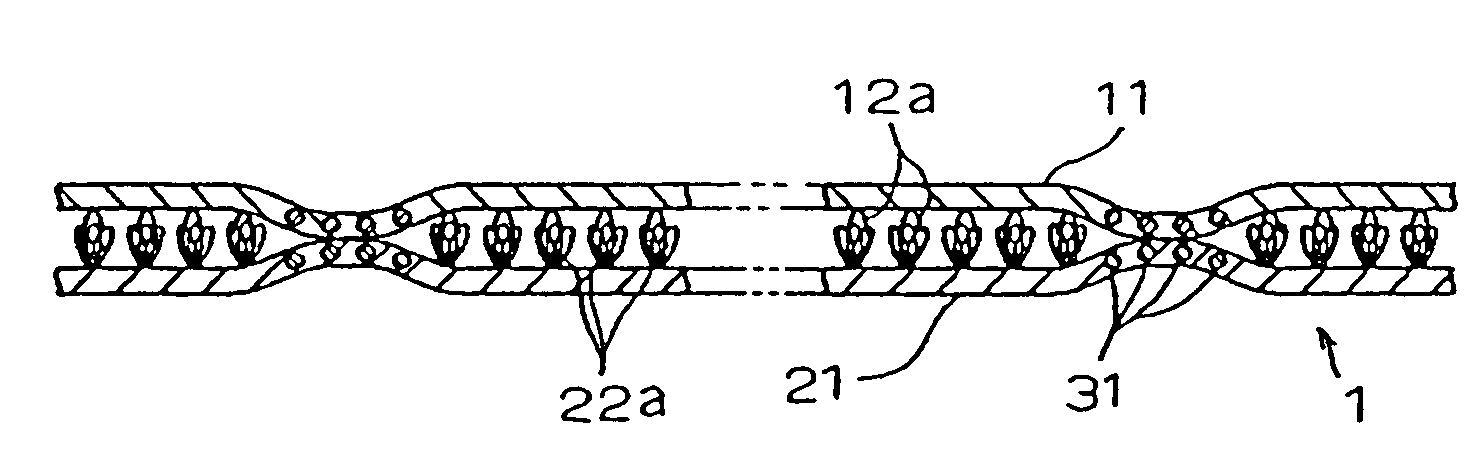
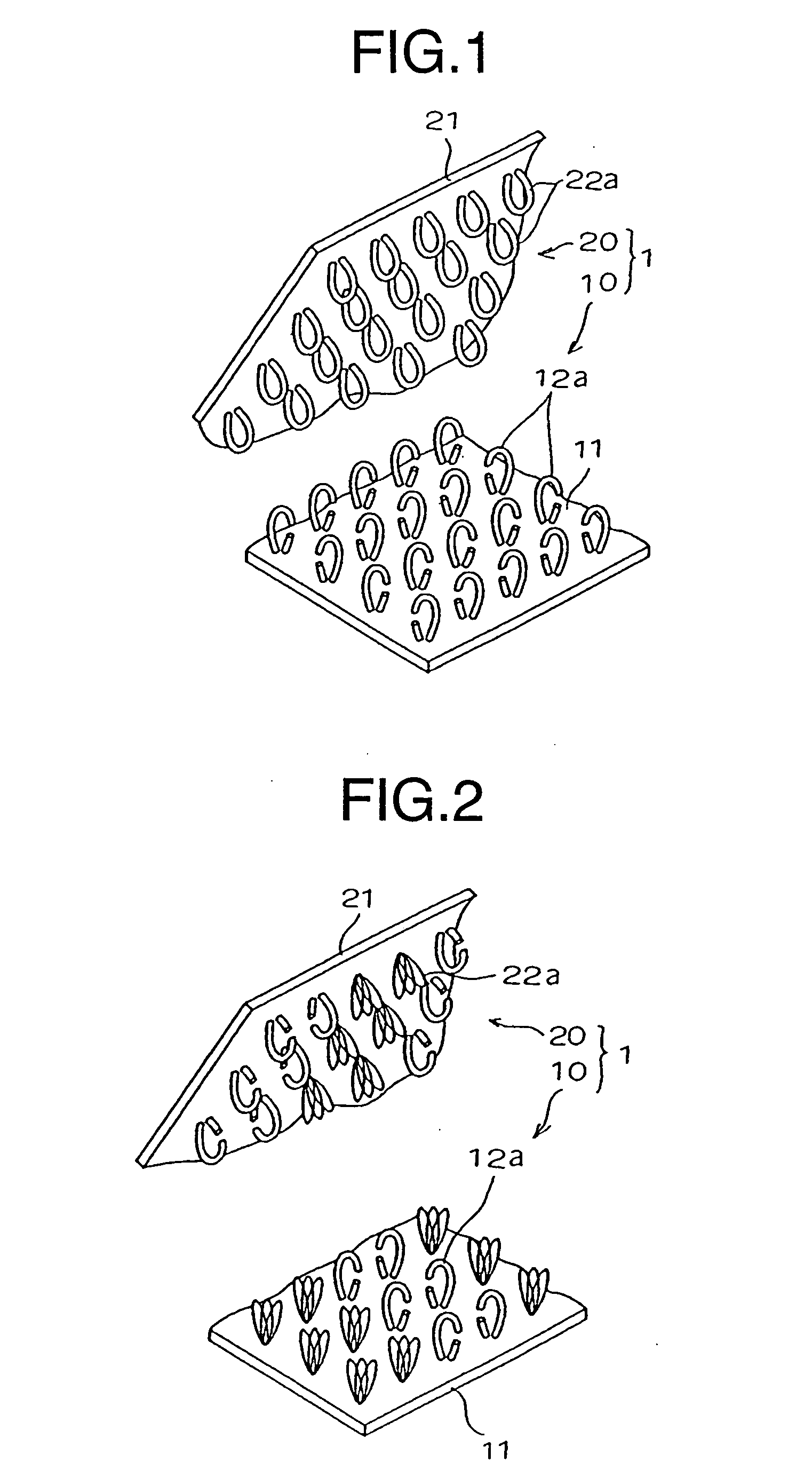
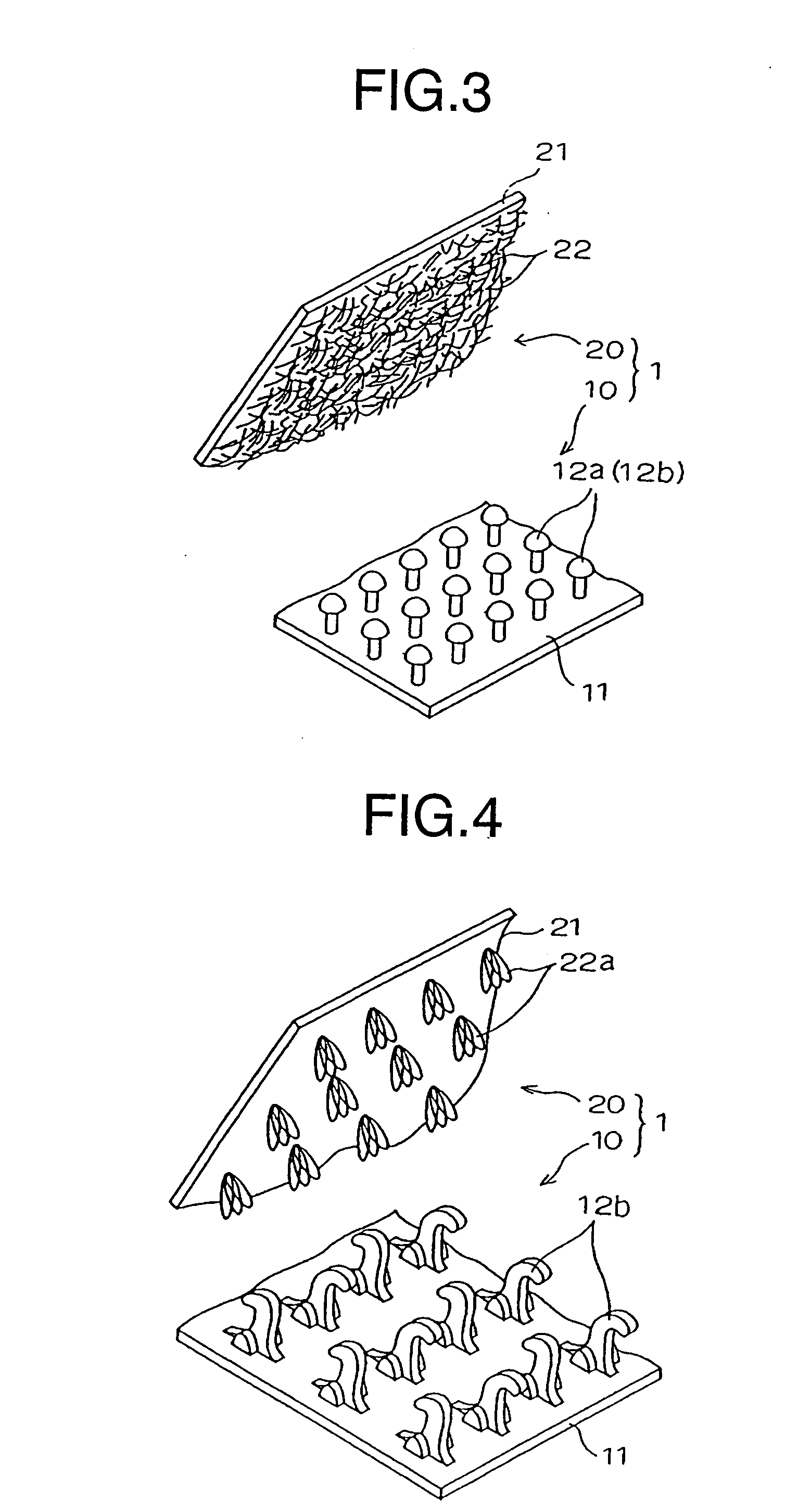
- A surface fastener design with reduced engaging element density and increased flexibility, combined with an auxiliary engaging/disengaging mechanism, such as magnetic or adhesive forces, to minimize noise while maintaining sufficient peeling force.


Silent Surface Fastener
PatentInactiveUS20090013506A1
Innovation
- A silent surface fastener design with reduced engaging element density and enhanced plasticity, combined with auxiliary engaging and disengaging means like magnetism, adhesive forces, or shape-memory materials, to minimize noise while maintaining sufficient peeling strength.

Acoustic Standards for Industrial Fastening Systems
The acoustic performance evaluation of industrial fastening systems requires adherence to established international standards that provide comprehensive frameworks for noise measurement and assessment. ISO 3744 serves as the primary standard for determining sound power levels using sound pressure measurements on a measurement surface enveloping a noise source. This standard is particularly relevant for evaluating electroadhesion systems during activation and deactivation cycles, as well as physical fasteners during engagement and disengagement operations.
IEC 61672 standards define the specifications for sound level meters used in industrial noise measurements, ensuring measurement accuracy and repeatability across different testing environments. These instruments must meet Class 1 precision requirements when conducting comparative noise assessments between electroadhesion and traditional mechanical fastening systems. The frequency weighting characteristics specified in this standard are crucial for capturing the full spectrum of noise generated by both fastening technologies.
ANSI S12.19 provides specific guidelines for measuring noise emissions from machinery and equipment in industrial settings, establishing protocols for background noise correction and measurement uncertainty calculations. This standard addresses the challenges of conducting acoustic measurements in real-world manufacturing environments where ambient noise levels may influence test results. The standard's requirements for measurement distance, microphone positioning, and environmental conditions are essential for obtaining reliable comparative data.
ISO 11201 complements these standards by defining engineering methods for noise emission measurements in situ, which is particularly valuable when evaluating fastening systems integrated into existing production lines. This standard addresses the practical challenges of measuring noise from fastening operations that cannot be isolated from their operational environment, providing correction factors for reflective surfaces and background noise interference.
The application of these acoustic standards enables systematic comparison of noise characteristics between electroadhesion and physical fastening systems across different frequency ranges, operational modes, and environmental conditions. Compliance with these standards ensures that noise evaluation results are scientifically valid, reproducible, and suitable for regulatory compliance assessments in industrial applications.
IEC 61672 standards define the specifications for sound level meters used in industrial noise measurements, ensuring measurement accuracy and repeatability across different testing environments. These instruments must meet Class 1 precision requirements when conducting comparative noise assessments between electroadhesion and traditional mechanical fastening systems. The frequency weighting characteristics specified in this standard are crucial for capturing the full spectrum of noise generated by both fastening technologies.
ANSI S12.19 provides specific guidelines for measuring noise emissions from machinery and equipment in industrial settings, establishing protocols for background noise correction and measurement uncertainty calculations. This standard addresses the challenges of conducting acoustic measurements in real-world manufacturing environments where ambient noise levels may influence test results. The standard's requirements for measurement distance, microphone positioning, and environmental conditions are essential for obtaining reliable comparative data.
ISO 11201 complements these standards by defining engineering methods for noise emission measurements in situ, which is particularly valuable when evaluating fastening systems integrated into existing production lines. This standard addresses the practical challenges of measuring noise from fastening operations that cannot be isolated from their operational environment, providing correction factors for reflective surfaces and background noise interference.
The application of these acoustic standards enables systematic comparison of noise characteristics between electroadhesion and physical fastening systems across different frequency ranges, operational modes, and environmental conditions. Compliance with these standards ensures that noise evaluation results are scientifically valid, reproducible, and suitable for regulatory compliance assessments in industrial applications.
Environmental Impact of Silent Fastening Technologies
The environmental implications of silent fastening technologies represent a critical consideration in the broader adoption of electroadhesion systems versus traditional physical fasteners. Silent fastening solutions, particularly electroadhesion-based systems, demonstrate significant environmental advantages through their operational characteristics and lifecycle impact profiles.
Electroadhesion systems contribute to environmental sustainability primarily through their energy-efficient operation and reduced material consumption. Unlike mechanical fasteners that require continuous manufacturing of replacement components due to wear and fatigue, electroadhesion systems maintain their functionality without physical degradation of fastening surfaces. This characteristic substantially reduces the demand for raw materials and manufacturing processes associated with fastener replacement cycles.
The elimination of noise pollution represents a substantial environmental benefit of silent fastening technologies. Traditional mechanical fastening operations generate acoustic emissions ranging from 60-85 decibels, contributing to industrial noise pollution that affects both workplace environments and surrounding communities. Electroadhesion systems operate virtually silently, reducing acoustic environmental impact and supporting compliance with increasingly stringent noise regulations in industrial and urban settings.
Manufacturing footprint analysis reveals that electroadhesion systems require fewer material resources over their operational lifetime compared to physical fasteners. While initial production of electroadhesive components involves specialized materials and manufacturing processes, the absence of replacement requirements significantly reduces cumulative environmental impact. Physical fasteners typically require periodic replacement due to mechanical wear, corrosion, or fatigue failure, generating ongoing material consumption and waste streams.
Energy consumption patterns differ significantly between these technologies. Electroadhesion systems consume electrical energy during operation but eliminate the mechanical energy requirements associated with fastener installation and removal processes. This trade-off often results in net energy savings, particularly in applications requiring frequent fastening and unfastening cycles.
Waste reduction represents another critical environmental advantage of silent fastening technologies. Electroadhesion systems generate minimal waste during their operational lifetime, as they do not produce worn components or require consumable materials. In contrast, physical fastener systems generate continuous waste streams through replacement components, packaging materials, and failed fasteners that require disposal or recycling.
The recyclability profile of electroadhesion systems presents mixed environmental implications. While electronic components require specialized recycling processes, the absence of mixed material assemblies typical in mechanical fasteners can simplify end-of-life processing. Additionally, the extended operational lifetime of electroadhesion systems delays waste generation compared to traditional fastening solutions.
Electroadhesion systems contribute to environmental sustainability primarily through their energy-efficient operation and reduced material consumption. Unlike mechanical fasteners that require continuous manufacturing of replacement components due to wear and fatigue, electroadhesion systems maintain their functionality without physical degradation of fastening surfaces. This characteristic substantially reduces the demand for raw materials and manufacturing processes associated with fastener replacement cycles.
The elimination of noise pollution represents a substantial environmental benefit of silent fastening technologies. Traditional mechanical fastening operations generate acoustic emissions ranging from 60-85 decibels, contributing to industrial noise pollution that affects both workplace environments and surrounding communities. Electroadhesion systems operate virtually silently, reducing acoustic environmental impact and supporting compliance with increasingly stringent noise regulations in industrial and urban settings.
Manufacturing footprint analysis reveals that electroadhesion systems require fewer material resources over their operational lifetime compared to physical fasteners. While initial production of electroadhesive components involves specialized materials and manufacturing processes, the absence of replacement requirements significantly reduces cumulative environmental impact. Physical fasteners typically require periodic replacement due to mechanical wear, corrosion, or fatigue failure, generating ongoing material consumption and waste streams.
Energy consumption patterns differ significantly between these technologies. Electroadhesion systems consume electrical energy during operation but eliminate the mechanical energy requirements associated with fastener installation and removal processes. This trade-off often results in net energy savings, particularly in applications requiring frequent fastening and unfastening cycles.
Waste reduction represents another critical environmental advantage of silent fastening technologies. Electroadhesion systems generate minimal waste during their operational lifetime, as they do not produce worn components or require consumable materials. In contrast, physical fastener systems generate continuous waste streams through replacement components, packaging materials, and failed fasteners that require disposal or recycling.
The recyclability profile of electroadhesion systems presents mixed environmental implications. While electronic components require specialized recycling processes, the absence of mixed material assemblies typical in mechanical fasteners can simplify end-of-life processing. Additionally, the extended operational lifetime of electroadhesion systems delays waste generation compared to traditional fastening solutions.
Unlock deeper insights with PatSnap Eureka Quick Research — get a full tech report to explore trends and direct your research. Try now!
Generate Your Research Report Instantly with AI Agent
Supercharge your innovation with PatSnap Eureka AI Agent Platform!