How to Guide Electroadhesion Deployment in Sensitive Areas
APR 21, 20269 MIN READ
Generate Your Research Report Instantly with AI Agent
PatSnap Eureka helps you evaluate technical feasibility & market potential.
Electroadhesion Technology Background and Deployment Goals
Electroadhesion technology represents a revolutionary approach to creating controllable adhesive forces through the application of electrostatic fields. This phenomenon occurs when an electric potential is applied across a dielectric material, generating attractive forces between the electroadhesive surface and target objects. Unlike traditional mechanical fastening systems, electroadhesion offers rapid engagement and disengagement capabilities, making it particularly valuable for applications requiring precise control and minimal surface damage.
The fundamental principle relies on induced polarization within dielectric materials, creating electrostatic attraction without requiring permanent magnets or complex mechanical mechanisms. This technology has evolved significantly since its initial conceptualization in the 1960s, transitioning from laboratory curiosities to practical engineering solutions across multiple industries.
Contemporary electroadhesion systems demonstrate remarkable versatility in handling diverse materials, including non-conductive surfaces, irregular geometries, and delicate components. The technology's ability to generate substantial holding forces while maintaining gentle contact pressure makes it exceptionally suitable for sensitive applications where traditional gripping methods might cause damage or contamination.
Current deployment goals focus on expanding electroadhesion applications into critical sectors where precision and safety are paramount. Primary objectives include developing systems capable of operating reliably in sterile environments, such as medical device manufacturing and pharmaceutical processing facilities. These applications demand not only technical performance but also compliance with stringent regulatory standards and contamination control protocols.
Advanced deployment strategies emphasize miniaturization and integration capabilities, enabling electroadhesive systems to function within confined spaces and complex assemblies. The technology aims to achieve sub-millimeter positioning accuracy while maintaining consistent adhesive performance across varying environmental conditions, including temperature fluctuations and humidity variations.
Future deployment goals encompass the development of intelligent electroadhesion systems incorporating real-time feedback mechanisms and adaptive control algorithms. These systems will automatically adjust electrical parameters based on surface characteristics, environmental conditions, and operational requirements, ensuring optimal performance while minimizing energy consumption and extending operational lifespan in sensitive deployment scenarios.
The fundamental principle relies on induced polarization within dielectric materials, creating electrostatic attraction without requiring permanent magnets or complex mechanical mechanisms. This technology has evolved significantly since its initial conceptualization in the 1960s, transitioning from laboratory curiosities to practical engineering solutions across multiple industries.
Contemporary electroadhesion systems demonstrate remarkable versatility in handling diverse materials, including non-conductive surfaces, irregular geometries, and delicate components. The technology's ability to generate substantial holding forces while maintaining gentle contact pressure makes it exceptionally suitable for sensitive applications where traditional gripping methods might cause damage or contamination.
Current deployment goals focus on expanding electroadhesion applications into critical sectors where precision and safety are paramount. Primary objectives include developing systems capable of operating reliably in sterile environments, such as medical device manufacturing and pharmaceutical processing facilities. These applications demand not only technical performance but also compliance with stringent regulatory standards and contamination control protocols.
Advanced deployment strategies emphasize miniaturization and integration capabilities, enabling electroadhesive systems to function within confined spaces and complex assemblies. The technology aims to achieve sub-millimeter positioning accuracy while maintaining consistent adhesive performance across varying environmental conditions, including temperature fluctuations and humidity variations.
Future deployment goals encompass the development of intelligent electroadhesion systems incorporating real-time feedback mechanisms and adaptive control algorithms. These systems will automatically adjust electrical parameters based on surface characteristics, environmental conditions, and operational requirements, ensuring optimal performance while minimizing energy consumption and extending operational lifespan in sensitive deployment scenarios.
Market Demand for Sensitive Area Electroadhesion Applications
The market demand for electroadhesion applications in sensitive areas is experiencing significant growth driven by the increasing need for precise, non-invasive manipulation technologies across multiple industries. Healthcare represents the largest segment, where electroadhesion technology enables delicate handling of biological tissues, organs, and medical devices during surgical procedures without causing mechanical damage or contamination. The demand is particularly strong in minimally invasive surgery, where traditional gripping mechanisms may be too bulky or aggressive for sensitive anatomical structures.
Aerospace and defense sectors constitute another major market segment, requiring electroadhesion solutions for handling sensitive electronic components, optical systems, and composite materials that cannot tolerate conventional mechanical fastening methods. The technology's ability to provide controlled adhesion without permanent modification makes it invaluable for satellite assembly, spacecraft maintenance, and precision instrument handling in zero-gravity environments.
The semiconductor and electronics manufacturing industry represents a rapidly expanding market segment, where electroadhesion technology addresses the critical need for contamination-free handling of wafers, microchips, and delicate electronic assemblies. As device miniaturization continues and manufacturing tolerances become increasingly stringent, traditional vacuum-based or mechanical gripping systems often prove inadequate for sensitive component manipulation.
Research and laboratory applications drive substantial demand, particularly in materials science, biotechnology, and nanotechnology fields where researchers require precise positioning and manipulation of fragile samples without introducing external contaminants or mechanical stress. The growing emphasis on automation in laboratory environments further amplifies this demand.
Cultural heritage preservation and restoration activities represent an emerging market segment, where electroadhesion technology enables safe handling of fragile artifacts, ancient documents, and delicate artworks during conservation processes. Museums and restoration facilities increasingly recognize the value of non-contact adhesion methods that minimize physical stress on irreplaceable items.
The market growth is further accelerated by increasing regulatory requirements for contamination control, safety standards in sensitive environments, and the push toward automation in industries handling delicate materials. Environmental considerations also drive demand, as electroadhesion offers a sustainable alternative to disposable adhesives or mechanical fasteners that may leave residues or cause permanent alterations to sensitive surfaces.
Aerospace and defense sectors constitute another major market segment, requiring electroadhesion solutions for handling sensitive electronic components, optical systems, and composite materials that cannot tolerate conventional mechanical fastening methods. The technology's ability to provide controlled adhesion without permanent modification makes it invaluable for satellite assembly, spacecraft maintenance, and precision instrument handling in zero-gravity environments.
The semiconductor and electronics manufacturing industry represents a rapidly expanding market segment, where electroadhesion technology addresses the critical need for contamination-free handling of wafers, microchips, and delicate electronic assemblies. As device miniaturization continues and manufacturing tolerances become increasingly stringent, traditional vacuum-based or mechanical gripping systems often prove inadequate for sensitive component manipulation.
Research and laboratory applications drive substantial demand, particularly in materials science, biotechnology, and nanotechnology fields where researchers require precise positioning and manipulation of fragile samples without introducing external contaminants or mechanical stress. The growing emphasis on automation in laboratory environments further amplifies this demand.
Cultural heritage preservation and restoration activities represent an emerging market segment, where electroadhesion technology enables safe handling of fragile artifacts, ancient documents, and delicate artworks during conservation processes. Museums and restoration facilities increasingly recognize the value of non-contact adhesion methods that minimize physical stress on irreplaceable items.
The market growth is further accelerated by increasing regulatory requirements for contamination control, safety standards in sensitive environments, and the push toward automation in industries handling delicate materials. Environmental considerations also drive demand, as electroadhesion offers a sustainable alternative to disposable adhesives or mechanical fasteners that may leave residues or cause permanent alterations to sensitive surfaces.
Current State and Challenges of Electroadhesion in Sensitive Zones
Electroadhesion technology has demonstrated significant potential across various applications, from robotic gripping systems to wearable devices. However, its deployment in sensitive areas presents unique challenges that require careful consideration of both technical and safety parameters. Current implementations show promising results in controlled environments, yet real-world applications in sensitive zones remain limited due to several critical constraints.
The primary technical challenge lies in voltage regulation and current control. Most electroadhesion systems operate at voltages ranging from 1-10 kV, which poses inherent risks in sensitive environments where human contact or proximity to delicate equipment is inevitable. Current state-of-the-art systems lack sophisticated feedback mechanisms to dynamically adjust electrical parameters based on environmental conditions and proximity sensors.
Material compatibility represents another significant hurdle. Traditional electroadhesion electrodes often utilize materials that may not be biocompatible or environmentally safe for sensitive applications. The dielectric materials commonly employed, such as polyimide or ceramic coatings, may degrade under specific environmental conditions, potentially releasing harmful particles or losing their insulating properties.
Power management systems in existing electroadhesion devices are typically designed for optimal performance rather than safety-first operation. This approach creates challenges when deploying in areas where power failures or electrical malfunctions could have severe consequences. Current systems often lack redundant safety mechanisms and fail-safe protocols that would be essential for sensitive area deployment.
Environmental interference poses substantial challenges for reliable operation. Humidity, temperature fluctuations, and electromagnetic interference can significantly impact electroadhesion performance. Existing systems show inconsistent behavior under varying environmental conditions, making them unreliable for critical applications in sensitive zones.
The geographical distribution of electroadhesion research and development is heavily concentrated in developed nations, with limited focus on applications specific to sensitive environments. Most current research emphasizes performance optimization rather than safety-centric design approaches, creating a gap between technological capability and practical deployment requirements in sensitive areas.
Regulatory compliance represents a major constraint, as current electroadhesion systems often fail to meet stringent safety standards required for sensitive zone applications. The lack of standardized testing protocols and certification processes further complicates deployment efforts, leaving potential users without clear guidelines for safe implementation.
The primary technical challenge lies in voltage regulation and current control. Most electroadhesion systems operate at voltages ranging from 1-10 kV, which poses inherent risks in sensitive environments where human contact or proximity to delicate equipment is inevitable. Current state-of-the-art systems lack sophisticated feedback mechanisms to dynamically adjust electrical parameters based on environmental conditions and proximity sensors.
Material compatibility represents another significant hurdle. Traditional electroadhesion electrodes often utilize materials that may not be biocompatible or environmentally safe for sensitive applications. The dielectric materials commonly employed, such as polyimide or ceramic coatings, may degrade under specific environmental conditions, potentially releasing harmful particles or losing their insulating properties.
Power management systems in existing electroadhesion devices are typically designed for optimal performance rather than safety-first operation. This approach creates challenges when deploying in areas where power failures or electrical malfunctions could have severe consequences. Current systems often lack redundant safety mechanisms and fail-safe protocols that would be essential for sensitive area deployment.
Environmental interference poses substantial challenges for reliable operation. Humidity, temperature fluctuations, and electromagnetic interference can significantly impact electroadhesion performance. Existing systems show inconsistent behavior under varying environmental conditions, making them unreliable for critical applications in sensitive zones.
The geographical distribution of electroadhesion research and development is heavily concentrated in developed nations, with limited focus on applications specific to sensitive environments. Most current research emphasizes performance optimization rather than safety-centric design approaches, creating a gap between technological capability and practical deployment requirements in sensitive areas.
Regulatory compliance represents a major constraint, as current electroadhesion systems often fail to meet stringent safety standards required for sensitive zone applications. The lack of standardized testing protocols and certification processes further complicates deployment efforts, leaving potential users without clear guidelines for safe implementation.
Existing Solutions for Guided Electroadhesion Deployment
01 Electroadhesive gripping devices and systems
Electroadhesive technology can be implemented in gripping devices and robotic systems to enable controlled adhesion and release of objects. These systems utilize electroadhesive forces generated by applying voltage to electrode patterns, allowing for precise manipulation of various materials without mechanical clamping. The technology is particularly useful in automation, manufacturing, and material handling applications where gentle yet secure gripping is required.- Electroadhesive gripping devices and systems: Electroadhesive technology can be implemented in gripping devices and robotic systems to enable controlled adhesion and release of objects. These systems utilize electroadhesive forces generated by applying voltage to electrode patterns, allowing for precise manipulation of various materials without mechanical clamping. The technology is particularly useful in automated handling, pick-and-place operations, and robotic applications where gentle yet secure gripping is required.
- Electrode configurations and materials for electroadhesion: The design and material selection of electrodes are critical for effective electroadhesion. Various electrode configurations including interdigitated patterns, layered structures, and specialized geometries can be employed to optimize the electrostatic adhesion force. The choice of conductive materials, dielectric layers, and substrate materials significantly impacts the performance, durability, and adhesion strength of electroadhesive devices across different surface types and environmental conditions.
- Control systems and voltage modulation for electroadhesion: Advanced control systems are essential for managing electroadhesive forces through precise voltage modulation and timing. These systems enable dynamic adjustment of adhesion strength, rapid switching between adhesion and release states, and adaptive responses to different materials and surface conditions. Control algorithms can optimize power consumption while maintaining desired adhesion levels and can incorporate feedback mechanisms for improved performance.
- Applications in display and touch interface technologies: Electroadhesion technology finds applications in display systems and touch interfaces where controlled surface properties are beneficial. This includes haptic feedback systems that provide tactile sensations through electroadhesive effects, surface texture modification for enhanced user experience, and attachment mechanisms for display components. The technology enables novel interaction methods and improved functionality in consumer electronics and interactive devices.
- Electroadhesive materials and surface treatments: Specialized materials and surface treatments enhance electroadhesive performance across diverse applications. This includes development of composite materials with optimized dielectric properties, surface coatings that improve adhesion to specific substrates, and treatments that enhance durability and environmental resistance. Material innovations focus on achieving stronger adhesion forces, broader compatibility with different surfaces, and improved longevity under repeated use cycles.
02 Electrode configurations and patterns for electroadhesion
Various electrode configurations and patterns can be designed to optimize electroadhesive performance. These include interdigitated electrode designs, multi-layer electrode structures, and specialized geometric patterns that enhance the electric field distribution. The electrode arrangements can be tailored to specific applications, surface types, and material properties to maximize adhesion force while minimizing power consumption.Expand Specific Solutions03 Control systems and voltage modulation for electroadhesion
Advanced control systems regulate the voltage and current applied to electroadhesive devices to achieve desired adhesion levels. These systems may incorporate feedback mechanisms, adaptive algorithms, and real-time monitoring to adjust electroadhesive forces based on object properties, environmental conditions, and operational requirements. Voltage modulation techniques enable dynamic control of adhesion strength and rapid switching between adhesive and non-adhesive states.Expand Specific Solutions04 Materials and substrates for electroadhesive applications
Specialized materials and substrate compositions enhance electroadhesive performance across different surface types. These include dielectric materials with optimized permittivity, conductive materials for electrode formation, and composite structures that balance mechanical flexibility with electrical properties. Material selection considers factors such as durability, environmental resistance, and compatibility with various target surfaces including insulators, semiconductors, and conductors.Expand Specific Solutions05 Applications in displays, haptics, and user interfaces
Electroadhesive technology finds applications in touch-sensitive displays, haptic feedback systems, and interactive user interfaces. The technology enables creation of variable friction surfaces, tactile sensations, and enhanced user interaction experiences. Implementation in display technologies allows for improved touch sensitivity, pressure detection, and dynamic surface properties that can be electrically controlled to provide feedback to users.Expand Specific Solutions
Key Players in Electroadhesion and Precision Deployment Industry
The electroadhesion deployment in sensitive areas represents an emerging technology sector currently in its early-to-mid development stage, with significant growth potential driven by medical device applications. The market demonstrates moderate scale with concentrated activity in medical technology and specialized materials sectors. Technology maturity varies considerably across key players, with established medical device companies like Medtronic, Boston Scientific Neuromodulation, and Siemens Healthineers leading clinical applications through their extensive regulatory experience and market presence. Advanced materials specialists including Dexerials Corp. and Nitto Denko Corp. contribute sophisticated adhesive technologies, while innovative startups such as EBR Systems and Flow Neuroscience drive next-generation wireless stimulation solutions. Research institutions like Virginia Tech, University of Michigan, and Peking University provide foundational technology development, indicating strong academic-industry collaboration that accelerates innovation cycles and enhances competitive positioning across this specialized technological landscape.
Medtronic, Inc.
Technical Solution: Medtronic has developed advanced electroadhesion technologies for medical device applications in sensitive anatomical areas. Their approach focuses on biocompatible electrode materials and controlled voltage delivery systems that minimize tissue damage while maintaining effective adhesion. The company utilizes proprietary algorithms to modulate electrical fields based on tissue impedance feedback, ensuring safe deployment in cardiac, neural, and other critical physiological environments. Their systems incorporate real-time monitoring capabilities to detect potential adverse reactions and automatically adjust parameters. The technology includes specialized coating materials that enhance biocompatibility and reduce inflammatory responses during extended contact with sensitive tissues.
Strengths: Extensive clinical validation and regulatory approval experience, strong biocompatibility focus. Weaknesses: High development costs and lengthy regulatory approval processes for new applications.
Boston Scientific Neuromodulation Corp.
Technical Solution: Boston Scientific has pioneered electroadhesion solutions specifically designed for neural tissue applications and spinal cord stimulation devices. Their technology employs micro-patterned electrodes with controlled surface topography to enhance adhesion while minimizing neural tissue disruption. The system utilizes adaptive voltage control algorithms that respond to tissue conductivity variations, ensuring consistent performance across different anatomical locations. Their approach includes specialized insulation materials and current limiting circuits to prevent unwanted stimulation of surrounding neural pathways. The company has developed protocols for gradual voltage ramping during deployment to minimize patient discomfort and tissue stress responses.
Strengths: Specialized expertise in neural applications, proven safety record in sensitive neural environments. Weaknesses: Limited applicability outside neurological applications, requires specialized training for deployment.
Core Innovations in Electroadhesion Guidance Systems
Electroadhesion device with voltage control module
PatentActiveUS20240195331A1
Innovation
- An electroadhesion device with a voltage control module that uses sensors to detect surface characteristics and adjust voltage output, ensuring safe attachment to conductive, insulating, or porous surfaces, and includes a digital switch to autonomously control the voltage converter for secure and hazard-free operation.


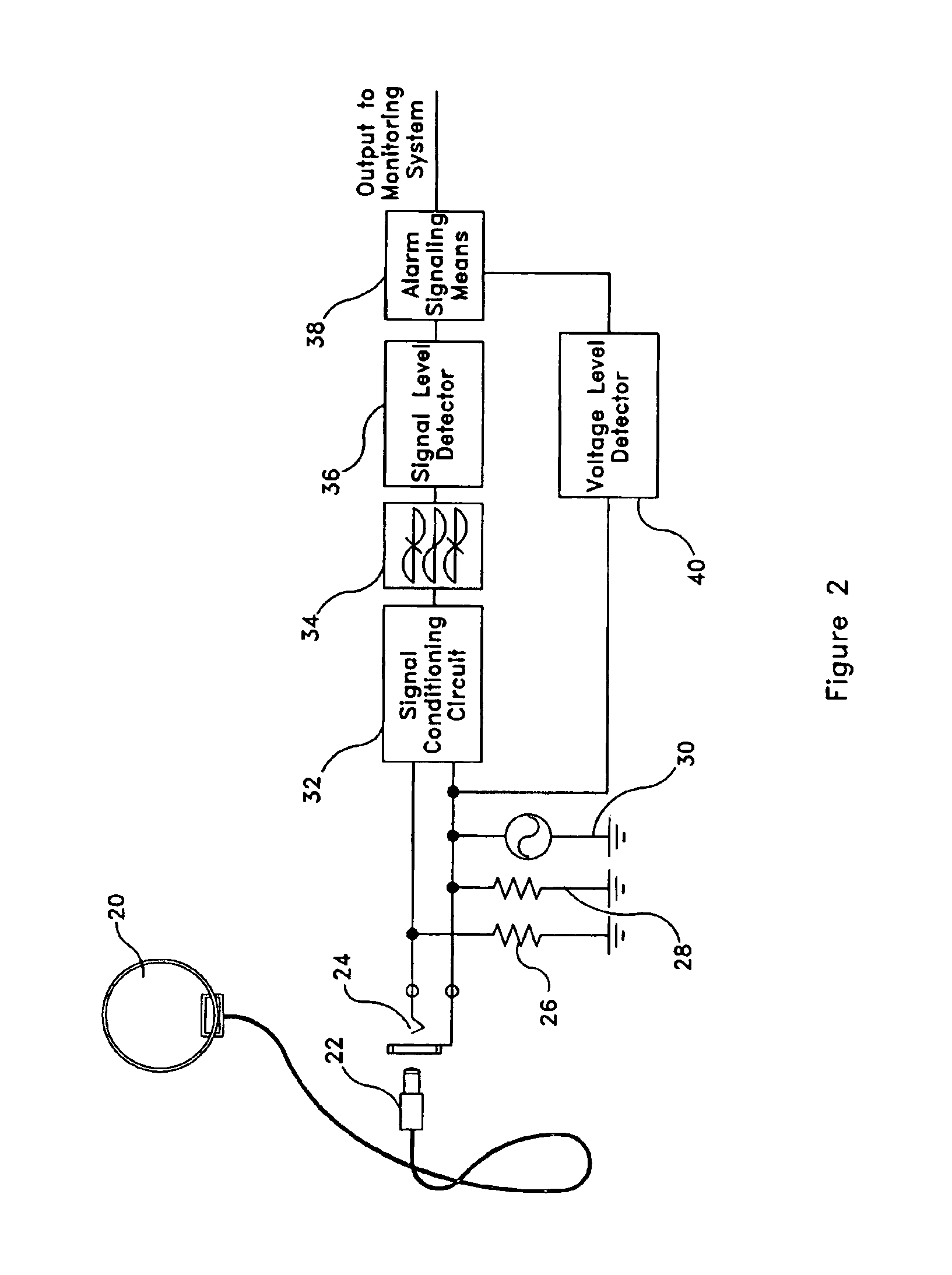
Device and method of monitoring grounding of personnel and equipment in ESD-sensitive areas
PatentInactiveUS6930612B1
Innovation
- A workstation monitor system using a low-level AC signal with a frequency different from the AC mains frequency to detect human body contact and monitor ground connections, ensuring safe voltage levels and reliable detection while minimizing exposure to sensitive components, and incorporating AC impedance testing to address high-frequency grounding concerns.



Safety Standards and Regulations for Electroadhesion Systems
The deployment of electroadhesion systems in sensitive areas necessitates adherence to comprehensive safety standards and regulatory frameworks that address both human safety and environmental protection. Current international standards primarily draw from IEC 60950 series for electrical safety and ISO 13849 for safety-related control systems, though specific electroadhesion standards are still emerging through collaborative efforts between IEEE and IEC working groups.
Regulatory compliance varies significantly across jurisdictions, with the European Union leading through CE marking requirements under the Machinery Directive 2006/42/EC and Electromagnetic Compatibility Directive 2014/30/EU. The FDA in the United States applies medical device regulations when electroadhesion systems contact human subjects, requiring 510(k) clearance for most applications. In sensitive environments such as hospitals, clean rooms, and explosive atmospheres, additional certifications including ATEX for Europe and UL listings for North America become mandatory.
Voltage limitations represent a critical regulatory consideration, with most jurisdictions restricting direct human contact systems to below 50V AC or 120V DC under normal conditions. However, electroadhesion systems often require higher voltages, necessitating sophisticated insulation designs and fail-safe mechanisms that comply with IEC 61140 protection standards. Emergency shutdown protocols must meet SIL 2 or higher safety integrity levels as defined in IEC 61508.
Environmental regulations particularly impact deployment in ecologically sensitive areas, where electromagnetic emissions must comply with CISPR standards to prevent interference with wildlife navigation systems. Chemical safety regulations govern the materials used in electroadhesion surfaces, especially regarding biocompatibility under ISO 10993 series when biological contact is possible.
Emerging regulatory trends indicate movement toward risk-based assessment frameworks rather than prescriptive standards, allowing for innovative safety solutions while maintaining protection levels. The International Electrotechnical Commission is developing IEC 63203 specifically for electroadhesion systems, expected to provide comprehensive guidance by 2025. This standard will likely establish performance-based criteria for different sensitivity classifications, enabling more flexible deployment strategies while ensuring consistent safety outcomes across various applications and environments.
Regulatory compliance varies significantly across jurisdictions, with the European Union leading through CE marking requirements under the Machinery Directive 2006/42/EC and Electromagnetic Compatibility Directive 2014/30/EU. The FDA in the United States applies medical device regulations when electroadhesion systems contact human subjects, requiring 510(k) clearance for most applications. In sensitive environments such as hospitals, clean rooms, and explosive atmospheres, additional certifications including ATEX for Europe and UL listings for North America become mandatory.
Voltage limitations represent a critical regulatory consideration, with most jurisdictions restricting direct human contact systems to below 50V AC or 120V DC under normal conditions. However, electroadhesion systems often require higher voltages, necessitating sophisticated insulation designs and fail-safe mechanisms that comply with IEC 61140 protection standards. Emergency shutdown protocols must meet SIL 2 or higher safety integrity levels as defined in IEC 61508.
Environmental regulations particularly impact deployment in ecologically sensitive areas, where electromagnetic emissions must comply with CISPR standards to prevent interference with wildlife navigation systems. Chemical safety regulations govern the materials used in electroadhesion surfaces, especially regarding biocompatibility under ISO 10993 series when biological contact is possible.
Emerging regulatory trends indicate movement toward risk-based assessment frameworks rather than prescriptive standards, allowing for innovative safety solutions while maintaining protection levels. The International Electrotechnical Commission is developing IEC 63203 specifically for electroadhesion systems, expected to provide comprehensive guidance by 2025. This standard will likely establish performance-based criteria for different sensitivity classifications, enabling more flexible deployment strategies while ensuring consistent safety outcomes across various applications and environments.
Risk Assessment Framework for Sensitive Area Applications
The deployment of electroadhesion technology in sensitive areas necessitates a comprehensive risk assessment framework that addresses both technical vulnerabilities and operational safety concerns. This framework must systematically evaluate potential failure modes, environmental impacts, and human safety considerations specific to critical infrastructure, medical facilities, aerospace applications, and other high-stakes environments where electroadhesion systems may be implemented.
A multi-tiered risk categorization approach forms the foundation of this assessment framework. Primary risks encompass electrical safety hazards, including potential for electrical shock, electromagnetic interference with sensitive equipment, and power system failures that could compromise adhesion integrity. Secondary risks involve mechanical failure scenarios, such as unexpected detachment under load, material degradation in harsh environments, and structural fatigue over extended operational periods.
Environmental risk factors require specialized evaluation protocols tailored to sensitive area characteristics. Temperature fluctuations, humidity variations, chemical exposure, and radiation levels can significantly impact electroadhesion performance and longevity. The framework must establish threshold parameters for each environmental variable and define monitoring protocols to ensure continuous system reliability within acceptable operational boundaries.
Human factor considerations represent a critical component of the risk assessment matrix. Training requirements for personnel operating electroadhesion systems in sensitive areas must be clearly defined, including emergency response procedures and system shutdown protocols. The framework should address potential user errors, maintenance-related risks, and the need for specialized certification programs for technicians working in high-security or safety-critical environments.
Quantitative risk modeling techniques enable probabilistic assessment of failure scenarios and their potential consequences. Monte Carlo simulations, fault tree analysis, and failure mode and effects analysis provide structured methodologies for evaluating system reliability under various operational conditions. These analytical tools support the development of risk mitigation strategies and help establish appropriate safety margins for sensitive area applications.
Regulatory compliance considerations must be integrated throughout the risk assessment process. Different sensitive areas may be subject to varying regulatory frameworks, from medical device standards to aerospace certification requirements. The assessment framework should incorporate relevant industry standards, government regulations, and international safety protocols to ensure comprehensive compliance coverage and facilitate regulatory approval processes for electroadhesion deployment in critical applications.
A multi-tiered risk categorization approach forms the foundation of this assessment framework. Primary risks encompass electrical safety hazards, including potential for electrical shock, electromagnetic interference with sensitive equipment, and power system failures that could compromise adhesion integrity. Secondary risks involve mechanical failure scenarios, such as unexpected detachment under load, material degradation in harsh environments, and structural fatigue over extended operational periods.
Environmental risk factors require specialized evaluation protocols tailored to sensitive area characteristics. Temperature fluctuations, humidity variations, chemical exposure, and radiation levels can significantly impact electroadhesion performance and longevity. The framework must establish threshold parameters for each environmental variable and define monitoring protocols to ensure continuous system reliability within acceptable operational boundaries.
Human factor considerations represent a critical component of the risk assessment matrix. Training requirements for personnel operating electroadhesion systems in sensitive areas must be clearly defined, including emergency response procedures and system shutdown protocols. The framework should address potential user errors, maintenance-related risks, and the need for specialized certification programs for technicians working in high-security or safety-critical environments.
Quantitative risk modeling techniques enable probabilistic assessment of failure scenarios and their potential consequences. Monte Carlo simulations, fault tree analysis, and failure mode and effects analysis provide structured methodologies for evaluating system reliability under various operational conditions. These analytical tools support the development of risk mitigation strategies and help establish appropriate safety margins for sensitive area applications.
Regulatory compliance considerations must be integrated throughout the risk assessment process. Different sensitive areas may be subject to varying regulatory frameworks, from medical device standards to aerospace certification requirements. The assessment framework should incorporate relevant industry standards, government regulations, and international safety protocols to ensure comprehensive compliance coverage and facilitate regulatory approval processes for electroadhesion deployment in critical applications.
Unlock deeper insights with PatSnap Eureka Quick Research — get a full tech report to explore trends and direct your research. Try now!
Generate Your Research Report Instantly with AI Agent
Supercharge your innovation with PatSnap Eureka AI Agent Platform!