
Electrowetting Displays Vs Dye-Sensitized: Flexibility Limits
MAY 19, 20269 MIN READ
Generate Your Research Report Instantly with AI Agent
Patsnap Eureka helps you evaluate technical feasibility & market potential.
Electrowetting and Dye-Sensitized Display Technology Background
Electrowetting displays represent a revolutionary approach to electronic paper technology, utilizing the principle of electrowetting-on-dielectric (EWOD) to manipulate colored oil droplets through electrical voltage control. This technology emerged in the early 2000s as researchers sought alternatives to traditional LCD and e-ink displays, with the fundamental mechanism involving the modification of surface wettability through applied electric fields. The colored oil layer moves in response to voltage changes, creating visible pixels that can switch between transparent and opaque states.
The development trajectory of electrowetting displays has been marked by significant milestones, beginning with basic laboratory demonstrations in 2003 and progressing toward commercial prototypes by major technology companies including Philips, Samsung, and Amazon's subsidiary Liquavista. The technology promised superior video performance compared to traditional e-paper solutions, with response times measured in milliseconds rather than seconds, making it suitable for dynamic content display applications.
Dye-sensitized display technology, while less commercially prominent, represents an innovative approach inspired by dye-sensitized solar cell principles. This technology leverages photochemical processes and electrochromic materials to create color-changing displays. The fundamental mechanism involves dye molecules that undergo reversible color changes when subjected to electrical stimulation, offering potential advantages in power consumption and manufacturing simplicity.
The evolution of both technologies has been driven by the growing demand for flexible, low-power display solutions in emerging applications such as wearable electronics, foldable smartphones, and electronic signage. Market pressures for thinner, more durable displays have intensified research efforts focused on substrate flexibility and mechanical robustness.
Current technological objectives center on overcoming flexibility limitations that constrain both display types. For electrowetting displays, the primary challenge involves maintaining oil containment and electrode integrity under mechanical stress. The multi-layer structure, including the hydrophobic coating, dielectric layer, and electrode array, must withstand repeated bending without performance degradation or fluid leakage.
Dye-sensitized displays face different but equally significant flexibility challenges, particularly regarding the stability of the electrochromic materials and the maintenance of electrical connectivity across flexible substrates. The technology aims to achieve bendability while preserving color uniformity and switching reliability across the display surface.
The development trajectory of electrowetting displays has been marked by significant milestones, beginning with basic laboratory demonstrations in 2003 and progressing toward commercial prototypes by major technology companies including Philips, Samsung, and Amazon's subsidiary Liquavista. The technology promised superior video performance compared to traditional e-paper solutions, with response times measured in milliseconds rather than seconds, making it suitable for dynamic content display applications.
Dye-sensitized display technology, while less commercially prominent, represents an innovative approach inspired by dye-sensitized solar cell principles. This technology leverages photochemical processes and electrochromic materials to create color-changing displays. The fundamental mechanism involves dye molecules that undergo reversible color changes when subjected to electrical stimulation, offering potential advantages in power consumption and manufacturing simplicity.
The evolution of both technologies has been driven by the growing demand for flexible, low-power display solutions in emerging applications such as wearable electronics, foldable smartphones, and electronic signage. Market pressures for thinner, more durable displays have intensified research efforts focused on substrate flexibility and mechanical robustness.
Current technological objectives center on overcoming flexibility limitations that constrain both display types. For electrowetting displays, the primary challenge involves maintaining oil containment and electrode integrity under mechanical stress. The multi-layer structure, including the hydrophobic coating, dielectric layer, and electrode array, must withstand repeated bending without performance degradation or fluid leakage.
Dye-sensitized displays face different but equally significant flexibility challenges, particularly regarding the stability of the electrochromic materials and the maintenance of electrical connectivity across flexible substrates. The technology aims to achieve bendability while preserving color uniformity and switching reliability across the display surface.
Market Demand for Flexible Display Solutions
The global display market is experiencing unprecedented demand for flexible display solutions, driven by evolving consumer expectations and emerging application scenarios. Traditional rigid displays are increasingly viewed as limitations rather than standards, as manufacturers across multiple industries seek bendable, foldable, and conformable display technologies to enable next-generation product designs.
Consumer electronics represents the largest market segment driving flexible display adoption. Smartphone manufacturers are integrating foldable screens to create devices that transform between phone and tablet form factors, while wearable device producers require displays that conform to curved surfaces and withstand repeated flexing. The automotive industry demonstrates growing interest in flexible displays for dashboard integration, curved instrument panels, and interior design elements that follow vehicle contours.
Healthcare applications present substantial market opportunities for flexible display technologies. Medical device manufacturers require displays that can be integrated into wearable monitoring systems, flexible diagnostic equipment, and conformable patient interface devices. The ability to create displays that bend around medical instruments or conform to body surfaces opens new possibilities for patient care and monitoring solutions.
Smart packaging and retail applications are emerging as significant market drivers. Brand owners seek interactive packaging solutions that incorporate flexible displays for product information, authentication, and consumer engagement. Retail environments benefit from curved and bendable signage that can be integrated into architectural elements and unconventional display surfaces.
Industrial and military applications demand rugged flexible displays capable of withstanding harsh environmental conditions while maintaining optical performance. These sectors require displays that can be integrated into curved control surfaces, portable equipment housings, and field-deployable systems where traditional rigid displays would be impractical.
The market demand extends beyond basic flexibility to include specific performance requirements such as outdoor readability, low power consumption, and manufacturing cost effectiveness. Applications requiring sunlight readability particularly value technologies that maintain visibility without high power consumption, making electrowetting and dye-sensitized approaches attractive alternatives to conventional backlit displays.
Manufacturing scalability represents a critical market requirement, as potential applications span from high-volume consumer products to specialized industrial equipment. The ability to produce flexible displays through cost-effective manufacturing processes directly impacts market adoption rates and commercial viability across different application segments.
Consumer electronics represents the largest market segment driving flexible display adoption. Smartphone manufacturers are integrating foldable screens to create devices that transform between phone and tablet form factors, while wearable device producers require displays that conform to curved surfaces and withstand repeated flexing. The automotive industry demonstrates growing interest in flexible displays for dashboard integration, curved instrument panels, and interior design elements that follow vehicle contours.
Healthcare applications present substantial market opportunities for flexible display technologies. Medical device manufacturers require displays that can be integrated into wearable monitoring systems, flexible diagnostic equipment, and conformable patient interface devices. The ability to create displays that bend around medical instruments or conform to body surfaces opens new possibilities for patient care and monitoring solutions.
Smart packaging and retail applications are emerging as significant market drivers. Brand owners seek interactive packaging solutions that incorporate flexible displays for product information, authentication, and consumer engagement. Retail environments benefit from curved and bendable signage that can be integrated into architectural elements and unconventional display surfaces.
Industrial and military applications demand rugged flexible displays capable of withstanding harsh environmental conditions while maintaining optical performance. These sectors require displays that can be integrated into curved control surfaces, portable equipment housings, and field-deployable systems where traditional rigid displays would be impractical.
The market demand extends beyond basic flexibility to include specific performance requirements such as outdoor readability, low power consumption, and manufacturing cost effectiveness. Applications requiring sunlight readability particularly value technologies that maintain visibility without high power consumption, making electrowetting and dye-sensitized approaches attractive alternatives to conventional backlit displays.
Manufacturing scalability represents a critical market requirement, as potential applications span from high-volume consumer products to specialized industrial equipment. The ability to produce flexible displays through cost-effective manufacturing processes directly impacts market adoption rates and commercial viability across different application segments.
Current Flexibility Constraints in EWD and DSSC Technologies
Electrowetting displays face significant mechanical flexibility constraints primarily due to their multi-layered architecture and the presence of rigid components. The technology relies on precise electrode patterns typically fabricated on glass or rigid plastic substrates, which inherently limit bending capabilities. The hydrophobic coating layer, essential for electrowetting functionality, often exhibits poor adhesion under mechanical stress, leading to delamination and performance degradation when subjected to repeated flexing cycles.
The liquid-solid interface in EWD systems presents another critical constraint. The oil and aqueous phases require stable containment within pixel structures, but flexible substrates can cause micro-leakage and cross-contamination between adjacent pixels during bending operations. Current encapsulation methods struggle to maintain hermetic sealing while accommodating substrate deformation, resulting in reduced display lifetime and optical performance degradation.
Dye-sensitized solar cell technology encounters distinct flexibility challenges centered around the photoanode and electrolyte systems. The titanium dioxide nanoparticle layer, crucial for light absorption and electron transport, tends to crack under mechanical stress due to its brittle ceramic nature. This cracking creates discontinuities in the electron transport pathway, significantly reducing photovoltaic efficiency and creating permanent performance losses.
The liquid electrolyte component in DSSC presents sealing challenges similar to EWD systems but with additional complexity due to the corrosive nature of iodine-based electrolytes. Flexible substrates must maintain chemical compatibility while preventing electrolyte leakage, which becomes increasingly difficult as substrate curvature increases. The counter electrode, typically featuring platinum catalyst on conductive substrates, also exhibits limited flexibility due to the brittle nature of the catalyst layer.
Both technologies share common constraints related to transparent conductive oxide layers, particularly indium tin oxide, which demonstrates poor mechanical properties under flexural stress. Alternative flexible conductors like silver nanowires or graphene show promise but introduce new challenges including higher sheet resistance and environmental stability concerns.
Temperature cycling combined with mechanical stress creates additional degradation mechanisms in both systems. Thermal expansion mismatches between different material layers exacerbate flexibility limitations, particularly at interfaces between organic and inorganic components. Current encapsulation technologies struggle to accommodate these multi-physics stress conditions while maintaining long-term reliability.
Manufacturing scalability represents another significant constraint, as current flexible substrate processing techniques often compromise either optical quality or mechanical durability. Roll-to-roll processing methods, while cost-effective, introduce additional stress factors that current material systems cannot adequately withstand without performance penalties.
The liquid-solid interface in EWD systems presents another critical constraint. The oil and aqueous phases require stable containment within pixel structures, but flexible substrates can cause micro-leakage and cross-contamination between adjacent pixels during bending operations. Current encapsulation methods struggle to maintain hermetic sealing while accommodating substrate deformation, resulting in reduced display lifetime and optical performance degradation.
Dye-sensitized solar cell technology encounters distinct flexibility challenges centered around the photoanode and electrolyte systems. The titanium dioxide nanoparticle layer, crucial for light absorption and electron transport, tends to crack under mechanical stress due to its brittle ceramic nature. This cracking creates discontinuities in the electron transport pathway, significantly reducing photovoltaic efficiency and creating permanent performance losses.
The liquid electrolyte component in DSSC presents sealing challenges similar to EWD systems but with additional complexity due to the corrosive nature of iodine-based electrolytes. Flexible substrates must maintain chemical compatibility while preventing electrolyte leakage, which becomes increasingly difficult as substrate curvature increases. The counter electrode, typically featuring platinum catalyst on conductive substrates, also exhibits limited flexibility due to the brittle nature of the catalyst layer.
Both technologies share common constraints related to transparent conductive oxide layers, particularly indium tin oxide, which demonstrates poor mechanical properties under flexural stress. Alternative flexible conductors like silver nanowires or graphene show promise but introduce new challenges including higher sheet resistance and environmental stability concerns.
Temperature cycling combined with mechanical stress creates additional degradation mechanisms in both systems. Thermal expansion mismatches between different material layers exacerbate flexibility limitations, particularly at interfaces between organic and inorganic components. Current encapsulation technologies struggle to accommodate these multi-physics stress conditions while maintaining long-term reliability.
Manufacturing scalability represents another significant constraint, as current flexible substrate processing techniques often compromise either optical quality or mechanical durability. Roll-to-roll processing methods, while cost-effective, introduce additional stress factors that current material systems cannot adequately withstand without performance penalties.
Current Approaches to Enhance Display Flexibility
01 Flexible substrate materials for electrowetting displays
Development of flexible substrate materials that can withstand the mechanical stress and electrical requirements of electrowetting displays. These substrates enable bendable and foldable display applications while maintaining proper electrowetting functionality and optical performance.- Flexible substrate materials for electrowetting displays: Development of flexible substrate materials that can withstand bending and folding while maintaining the electrowetting functionality. These substrates enable the creation of bendable displays by using specialized polymeric materials and thin-film technologies that preserve the electrical properties required for electrowetting operations under mechanical stress.
- Flexible electrode configurations for dye-sensitized displays: Implementation of flexible electrode structures in dye-sensitized display systems that maintain conductivity and optical properties during flexing. These configurations utilize conductive polymers, metal meshes, or nanowire networks that can accommodate mechanical deformation while preserving the electrical pathways necessary for display operation.
- Encapsulation techniques for flexible display protection: Advanced encapsulation methods designed to protect flexible display components from environmental factors while maintaining flexibility. These techniques involve barrier layers, protective coatings, and sealing technologies that prevent moisture ingress and contamination without compromising the mechanical flexibility of the display system.
- Mechanical stress management in flexible displays: Engineering solutions for managing mechanical stress and strain in flexible display systems during bending operations. These approaches include stress-relief structures, optimized layer thickness, and strategic placement of components to minimize mechanical failure and maintain display performance under repeated flexing cycles.
- Integration of flexible driving circuits and control systems: Development of flexible driving electronics and control systems that can operate reliably in bendable display applications. These systems incorporate flexible printed circuits, organic transistors, and adaptive control algorithms that maintain proper display operation across various bending states and mechanical configurations.
02 Electrode design and fabrication for flexible displays
Advanced electrode structures and manufacturing processes specifically designed for flexible electrowetting and dye-sensitized displays. These designs ensure electrical conductivity and stability during bending while optimizing the electrowetting effect and charge transport in flexible configurations.Expand Specific Solutions03 Encapsulation and sealing technologies for flexible displays
Specialized encapsulation methods and sealing techniques that protect the active materials and electrolytes in flexible display devices. These technologies prevent contamination and maintain device performance under mechanical deformation while ensuring long-term reliability.Expand Specific Solutions04 Flexible electrolyte and fluid management systems
Development of electrolyte formulations and fluid management systems optimized for flexible display applications. These systems maintain proper fluid behavior and ionic conductivity during bending and flexing operations while preventing leakage and ensuring uniform distribution.Expand Specific Solutions05 Manufacturing processes for flexible display integration
Specialized manufacturing techniques and integration processes for producing flexible electrowetting and dye-sensitized displays. These processes address the challenges of assembling multiple layers, maintaining alignment during flexing, and ensuring consistent performance across the flexible display area.Expand Specific Solutions
Key Players in Electrowetting and Dye-Sensitized Display Markets
The electrowetting displays versus dye-sensitized flexibility comparison represents a competitive landscape in the advanced display technology sector, currently in the growth-to-maturity transition phase. The global flexible display market, valued at approximately $8 billion, is experiencing rapid expansion driven by consumer electronics and emerging applications. Technology maturity varies significantly across players: E Ink Corp. leads in electrophoretic displays with proven commercial success, while major manufacturers like Samsung Display, LG Display, and BOE Technology Group leverage extensive R&D capabilities and manufacturing scale. Asian companies including Sharp Corp., Innolux Corp., and HKC Corp. demonstrate strong technical competencies in flexible display solutions. Research institutions like Industrial Technology Research Institute and universities contribute fundamental innovations, while materials specialists such as Merck Patent GmbH provide critical component technologies, creating a diverse ecosystem spanning from basic research to mass production capabilities.
E Ink Corp.
Technical Solution: E Ink has developed advanced electrowetting display technology that offers superior flexibility compared to traditional dye-sensitized displays. Their electrowetting displays utilize voltage-controlled wetting properties to manipulate colored oils, enabling bendable and foldable form factors with minimal mechanical stress on the display structure. The company's proprietary electrowetting technology achieves flexibility through innovative electrode design and fluid management systems that maintain display performance even under repeated bending cycles. Their displays can achieve bending radii as small as 5mm while maintaining color accuracy and response times under 50ms. The technology eliminates the rigid substrate limitations found in dye-sensitized displays, making it suitable for wearable devices, curved automotive displays, and flexible e-readers.
Strengths: Market leader in flexible display technology with proven electrowetting solutions and extensive patent portfolio. Weaknesses: Higher manufacturing costs and limited color gamut compared to some competing technologies.
Samsung Electronics Co., Ltd.
Technical Solution: Samsung has invested heavily in both electrowetting and dye-sensitized display technologies, focusing on overcoming flexibility limitations through advanced substrate engineering and novel material compositions. Their electrowetting displays incorporate flexible plastic substrates with specialized barrier coatings that prevent fluid leakage during bending operations. The company has developed hybrid approaches that combine electrowetting principles with quantum dot technology to enhance color reproduction while maintaining flexibility. Samsung's research indicates that their electrowetting displays can withstand over 100,000 bend cycles with less than 5% performance degradation. For dye-sensitized displays, they have created flexible photoanodes using titanium dioxide nanoparticles on plastic substrates, though these face greater flexibility constraints due to the electrochemical nature of the technology.
Strengths: Extensive R&D resources, vertical integration capabilities, and strong manufacturing infrastructure for mass production. Weaknesses: Technology still in development phase with limited commercial availability of flexible variants.
Core Patents in Flexible Electrowetting Display Innovation
Display and fabricating method thereof
PatentActiveUS7813030B2
Innovation
- The use of protruding spacers between hydrophilic separators and substrates stabilizes the gap between substrates in each pixel, preventing polar liquid overflow and simplifying the process by aligning the spacers with the hydrophilic separators, thus ensuring stable operation and cost-effective manufacturing.
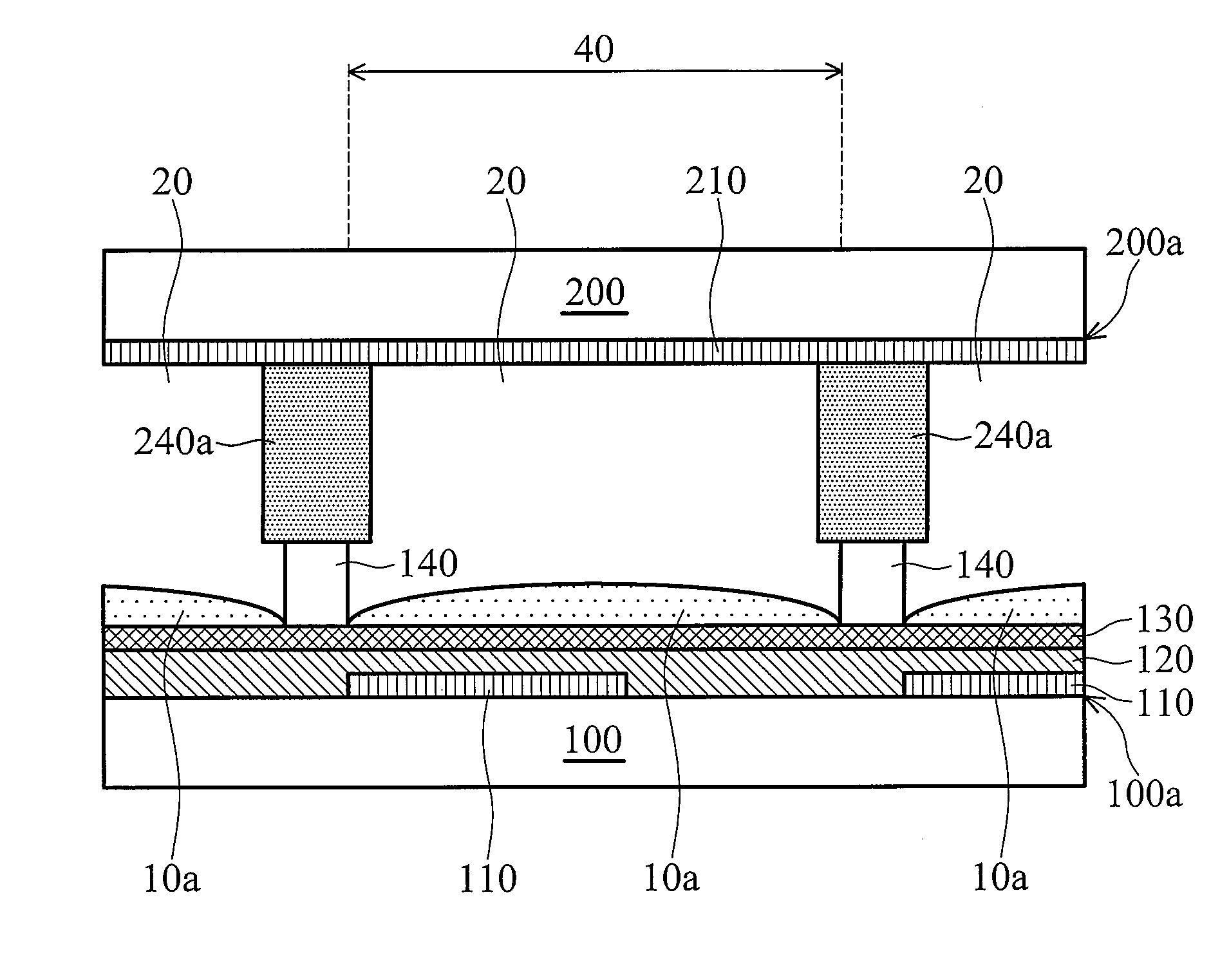
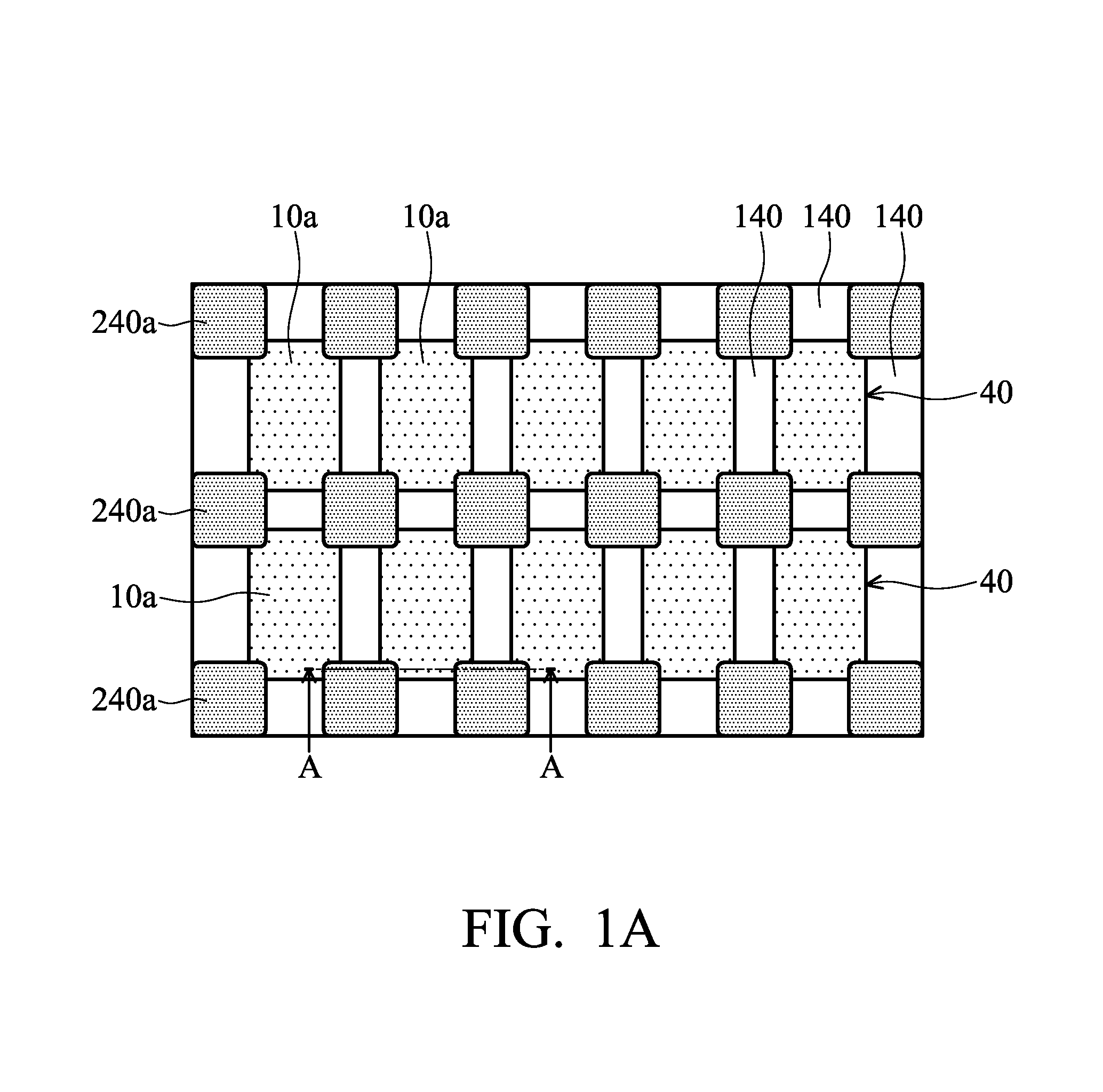
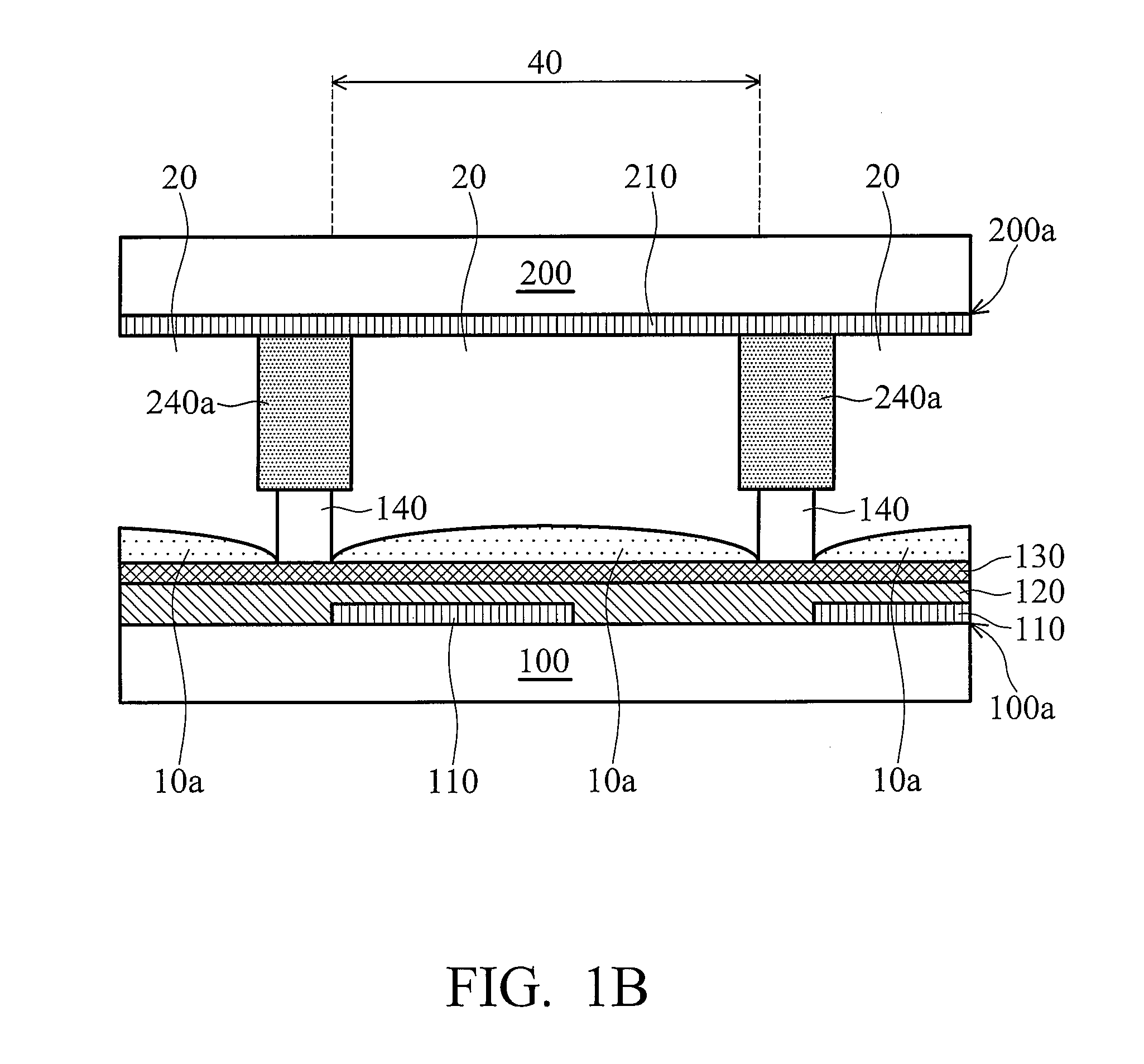

Electrofluidic chromatophore (EFC) display apparatus
PatentInactiveEP2625684A1
Innovation
- The Electrofluidic Chromatophore (EFC) display apparatus uses a passive matrix configuration with electrofluidic chromatophore pixel cells, featuring a fluid holder with a reservoir and channel for polar and non-polar fluids, where the surface wetting properties respond to supply voltage, allowing for controlled movement of fluids, and a driver provides column and row voltages to manage pixel states efficiently.
Manufacturing Standards for Flexible Electronic Displays
The manufacturing of flexible electronic displays requires adherence to stringent standards that address the unique challenges posed by bendable substrates and deformable components. Current industry standards primarily focus on substrate selection, with polyimide and PET films being the most widely adopted materials due to their thermal stability and mechanical properties. These standards specify minimum bend radius requirements, typically ranging from 2-10mm depending on the display technology, and establish protocols for cyclic bend testing to ensure long-term reliability.
Temperature control during manufacturing represents a critical standardization area, particularly for electrowetting and dye-sensitized display technologies. Manufacturing standards mandate maximum processing temperatures below 150°C to prevent substrate degradation, which significantly impacts the choice of materials and processing techniques. This constraint necessitates low-temperature deposition methods and alternative curing processes that maintain material integrity while achieving desired performance characteristics.
Encapsulation standards for flexible displays have evolved to address moisture and oxygen ingress, which can severely compromise display performance. Industry specifications require water vapor transmission rates below 10^-6 g/m²/day and oxygen transmission rates under 10^-5 cc/m²/day. These stringent requirements have driven the development of multi-layer barrier films and atomic layer deposition techniques specifically adapted for flexible substrates.
Quality control standards encompass mechanical stress testing protocols that simulate real-world usage conditions. These include standardized bend testing procedures with specified bend radii, twist testing methodologies, and fatigue testing requirements that mandate minimum cycle counts before failure. Additionally, optical performance standards define acceptable variations in brightness uniformity and color consistency across different bend states.
Manufacturing cleanliness standards for flexible displays often exceed those of traditional rigid displays due to the increased sensitivity of flexible substrates to particulate contamination. Class 10 cleanroom environments are typically required, with specialized handling procedures to prevent substrate damage during processing. These standards also address electrostatic discharge protection, which becomes more critical due to the increased surface area and handling requirements of flexible substrates.
Temperature control during manufacturing represents a critical standardization area, particularly for electrowetting and dye-sensitized display technologies. Manufacturing standards mandate maximum processing temperatures below 150°C to prevent substrate degradation, which significantly impacts the choice of materials and processing techniques. This constraint necessitates low-temperature deposition methods and alternative curing processes that maintain material integrity while achieving desired performance characteristics.
Encapsulation standards for flexible displays have evolved to address moisture and oxygen ingress, which can severely compromise display performance. Industry specifications require water vapor transmission rates below 10^-6 g/m²/day and oxygen transmission rates under 10^-5 cc/m²/day. These stringent requirements have driven the development of multi-layer barrier films and atomic layer deposition techniques specifically adapted for flexible substrates.
Quality control standards encompass mechanical stress testing protocols that simulate real-world usage conditions. These include standardized bend testing procedures with specified bend radii, twist testing methodologies, and fatigue testing requirements that mandate minimum cycle counts before failure. Additionally, optical performance standards define acceptable variations in brightness uniformity and color consistency across different bend states.
Manufacturing cleanliness standards for flexible displays often exceed those of traditional rigid displays due to the increased sensitivity of flexible substrates to particulate contamination. Class 10 cleanroom environments are typically required, with specialized handling procedures to prevent substrate damage during processing. These standards also address electrostatic discharge protection, which becomes more critical due to the increased surface area and handling requirements of flexible substrates.
Environmental Impact of Flexible Display Materials
The environmental implications of flexible display materials represent a critical consideration in the comparative analysis between electrowetting displays and dye-sensitized systems. Both technologies introduce distinct environmental challenges throughout their lifecycle, from raw material extraction to end-of-life disposal, with flexibility requirements significantly amplifying these concerns.
Electrowetting displays typically incorporate fluoropolymer coatings and ionic liquids as core functional materials. The production of fluoropolymers generates persistent organic pollutants, including perfluorooctanoic acid (PFOA) and related compounds that exhibit exceptional environmental persistence and bioaccumulation potential. These substances resist natural degradation processes and can persist in ecosystems for decades. The ionic liquids used in electrowetting systems, while often marketed as green solvents, present varying degrees of toxicity and biodegradability depending on their specific chemical composition.
Dye-sensitized flexible displays present a different environmental profile, primarily centered around the titanium dioxide nanoparticles and organic dye compounds. The synthesis of TiO2 nanoparticles requires energy-intensive processes and generates significant carbon emissions. More concerning is the potential release of engineered nanoparticles during manufacturing and disposal phases, which may pose unknown risks to aquatic ecosystems and human health through inhalation or ingestion pathways.
The flexibility enhancement materials common to both technologies introduce additional environmental burdens. Plastic substrates, typically polyethylene terephthalate (PET) or polyimide films, contribute to microplastic pollution when degraded. Barrier coatings containing aluminum oxide or silicon nitride require specialized disposal methods to prevent soil and water contamination.
Manufacturing processes for flexible displays consume substantial quantities of organic solvents, many of which are volatile organic compounds (VOCs) that contribute to air quality degradation and climate change. The energy intensity of clean room environments and precision coating processes further amplifies the carbon footprint of both display technologies.
End-of-life management presents significant challenges due to the complex material compositions and potential hazardous substance content. Current recycling infrastructure lacks the capability to effectively separate and process the specialized materials used in flexible displays, leading to increased landfill burden and potential environmental contamination. The development of sustainable disposal and recycling protocols remains a critical gap requiring immediate attention from both technology developers and regulatory bodies.
Electrowetting displays typically incorporate fluoropolymer coatings and ionic liquids as core functional materials. The production of fluoropolymers generates persistent organic pollutants, including perfluorooctanoic acid (PFOA) and related compounds that exhibit exceptional environmental persistence and bioaccumulation potential. These substances resist natural degradation processes and can persist in ecosystems for decades. The ionic liquids used in electrowetting systems, while often marketed as green solvents, present varying degrees of toxicity and biodegradability depending on their specific chemical composition.
Dye-sensitized flexible displays present a different environmental profile, primarily centered around the titanium dioxide nanoparticles and organic dye compounds. The synthesis of TiO2 nanoparticles requires energy-intensive processes and generates significant carbon emissions. More concerning is the potential release of engineered nanoparticles during manufacturing and disposal phases, which may pose unknown risks to aquatic ecosystems and human health through inhalation or ingestion pathways.
The flexibility enhancement materials common to both technologies introduce additional environmental burdens. Plastic substrates, typically polyethylene terephthalate (PET) or polyimide films, contribute to microplastic pollution when degraded. Barrier coatings containing aluminum oxide or silicon nitride require specialized disposal methods to prevent soil and water contamination.
Manufacturing processes for flexible displays consume substantial quantities of organic solvents, many of which are volatile organic compounds (VOCs) that contribute to air quality degradation and climate change. The energy intensity of clean room environments and precision coating processes further amplifies the carbon footprint of both display technologies.
End-of-life management presents significant challenges due to the complex material compositions and potential hazardous substance content. Current recycling infrastructure lacks the capability to effectively separate and process the specialized materials used in flexible displays, leading to increased landfill burden and potential environmental contamination. The development of sustainable disposal and recycling protocols remains a critical gap requiring immediate attention from both technology developers and regulatory bodies.
Unlock deeper insights with Patsnap Eureka Quick Research — get a full tech report to explore trends and direct your research. Try now!
Generate Your Research Report Instantly with AI Agent
Supercharge your innovation with Patsnap Eureka AI Agent Platform!