
Optimizing Biphasic Transition Speeds in Electrowetting Technology
MAY 19, 20269 MIN READ
Generate Your Research Report Instantly with AI Agent
Patsnap Eureka helps you evaluate technical feasibility & market potential.
Electrowetting Biphasic Transition Background and Objectives
Electrowetting technology represents a fundamental advancement in microfluidics and display applications, leveraging the principle of electrically controlled wettability to manipulate liquid behavior on solid surfaces. This phenomenon, first discovered by Lippmann in 1875, involves the modification of contact angles between immiscible liquids and solid substrates through applied electrical fields. The technology has evolved from a laboratory curiosity into a commercially viable solution for various applications including electronic paper displays, adaptive optics, and lab-on-chip devices.
The biphasic transition in electrowetting systems refers to the dynamic process where two immiscible phases, typically oil and water, undergo rapid reconfiguration when electrical voltage is applied or removed. This transition involves complex interfacial dynamics governed by electrostatic forces, surface tension, and fluid viscosity. The speed of these transitions directly impacts the performance characteristics of electrowetting-based devices, particularly in applications requiring rapid response times such as variable focus lenses and high-refresh-rate displays.
Historical development of electrowetting technology has progressed through several distinct phases. Early research focused on understanding the fundamental physics of electrocapillary phenomena. The 1990s marked a significant breakthrough with the development of electrowetting-on-dielectric (EWOD) technology, which enabled practical applications by using thin dielectric layers to prevent electrolysis. Subsequent decades have witnessed intensive research into optimizing various aspects of the technology, with transition speed emerging as a critical performance parameter.
Current market demands for electrowetting applications emphasize the need for faster response times, improved reliability, and enhanced energy efficiency. Display technologies require millisecond-level switching speeds to compete with established LCD and OLED technologies. Optical applications demand precise control over transition dynamics to achieve desired focal adjustments. Microfluidic systems benefit from rapid droplet manipulation capabilities for high-throughput biological assays and chemical synthesis processes.
The primary objective of optimizing biphasic transition speeds centers on achieving faster, more controllable, and more predictable liquid reconfiguration while maintaining system stability and longevity. This involves addressing fundamental challenges related to contact line dynamics, voltage-dependent response characteristics, and the minimization of hysteresis effects. Success in this optimization effort would unlock new application possibilities and enhance the competitiveness of electrowetting technology across multiple market segments.
The biphasic transition in electrowetting systems refers to the dynamic process where two immiscible phases, typically oil and water, undergo rapid reconfiguration when electrical voltage is applied or removed. This transition involves complex interfacial dynamics governed by electrostatic forces, surface tension, and fluid viscosity. The speed of these transitions directly impacts the performance characteristics of electrowetting-based devices, particularly in applications requiring rapid response times such as variable focus lenses and high-refresh-rate displays.
Historical development of electrowetting technology has progressed through several distinct phases. Early research focused on understanding the fundamental physics of electrocapillary phenomena. The 1990s marked a significant breakthrough with the development of electrowetting-on-dielectric (EWOD) technology, which enabled practical applications by using thin dielectric layers to prevent electrolysis. Subsequent decades have witnessed intensive research into optimizing various aspects of the technology, with transition speed emerging as a critical performance parameter.
Current market demands for electrowetting applications emphasize the need for faster response times, improved reliability, and enhanced energy efficiency. Display technologies require millisecond-level switching speeds to compete with established LCD and OLED technologies. Optical applications demand precise control over transition dynamics to achieve desired focal adjustments. Microfluidic systems benefit from rapid droplet manipulation capabilities for high-throughput biological assays and chemical synthesis processes.
The primary objective of optimizing biphasic transition speeds centers on achieving faster, more controllable, and more predictable liquid reconfiguration while maintaining system stability and longevity. This involves addressing fundamental challenges related to contact line dynamics, voltage-dependent response characteristics, and the minimization of hysteresis effects. Success in this optimization effort would unlock new application possibilities and enhance the competitiveness of electrowetting technology across multiple market segments.
Market Demand for High-Speed Electrowetting Applications
The market demand for high-speed electrowetting applications is experiencing significant growth across multiple industries, driven by the increasing need for rapid, precise fluid manipulation in advanced technological systems. Display technologies represent the largest market segment, where electrowetting-based devices are revolutionizing adaptive optics, variable focus lenses, and electronic paper displays. The demand for faster response times in these applications stems from consumer expectations for seamless user experiences and real-time visual adjustments.
Microfluidics applications constitute another rapidly expanding market segment, particularly in biomedical diagnostics and pharmaceutical research. Laboratory-on-chip devices require rapid droplet manipulation for high-throughput screening, automated sample preparation, and real-time biological assays. The pharmaceutical industry's push toward personalized medicine and point-of-care diagnostics is creating substantial demand for electrowetting systems capable of processing multiple samples simultaneously with millisecond-level precision.
The telecommunications sector presents emerging opportunities for high-speed electrowetting technology, particularly in optical switching applications. As data transmission rates continue to increase, traditional mechanical switches are becoming bottlenecks in fiber optic networks. Electrowetting-based optical switches offer the potential for microsecond switching speeds, addressing the growing demand for ultra-low latency communication systems in 5G networks and data centers.
Automotive applications are driving demand for robust, high-speed electrowetting systems in adaptive headlight technologies and smart mirror systems. The autonomous vehicle market requires rapid environmental adaptation capabilities, where electrowetting-controlled optical elements can adjust beam patterns and visibility enhancement systems in real-time response to changing road conditions.
The consumer electronics market shows increasing interest in electrowetting technology for camera autofocus systems and augmented reality devices. Smartphone manufacturers are seeking alternatives to traditional mechanical focus mechanisms that can provide faster, more reliable performance while reducing device thickness and power consumption.
Market growth is further accelerated by the miniaturization trend across industries, where traditional fluid control methods become impractical. The Internet of Things ecosystem demands compact, energy-efficient fluid manipulation systems that can operate reliably in diverse environmental conditions, positioning high-speed electrowetting technology as a critical enabling component for next-generation smart devices and sensors.
Microfluidics applications constitute another rapidly expanding market segment, particularly in biomedical diagnostics and pharmaceutical research. Laboratory-on-chip devices require rapid droplet manipulation for high-throughput screening, automated sample preparation, and real-time biological assays. The pharmaceutical industry's push toward personalized medicine and point-of-care diagnostics is creating substantial demand for electrowetting systems capable of processing multiple samples simultaneously with millisecond-level precision.
The telecommunications sector presents emerging opportunities for high-speed electrowetting technology, particularly in optical switching applications. As data transmission rates continue to increase, traditional mechanical switches are becoming bottlenecks in fiber optic networks. Electrowetting-based optical switches offer the potential for microsecond switching speeds, addressing the growing demand for ultra-low latency communication systems in 5G networks and data centers.
Automotive applications are driving demand for robust, high-speed electrowetting systems in adaptive headlight technologies and smart mirror systems. The autonomous vehicle market requires rapid environmental adaptation capabilities, where electrowetting-controlled optical elements can adjust beam patterns and visibility enhancement systems in real-time response to changing road conditions.
The consumer electronics market shows increasing interest in electrowetting technology for camera autofocus systems and augmented reality devices. Smartphone manufacturers are seeking alternatives to traditional mechanical focus mechanisms that can provide faster, more reliable performance while reducing device thickness and power consumption.
Market growth is further accelerated by the miniaturization trend across industries, where traditional fluid control methods become impractical. The Internet of Things ecosystem demands compact, energy-efficient fluid manipulation systems that can operate reliably in diverse environmental conditions, positioning high-speed electrowetting technology as a critical enabling component for next-generation smart devices and sensors.
Current Limitations in Biphasic Transition Speed Control
Electrowetting technology faces significant constraints in achieving optimal biphasic transition speeds, primarily stemming from fundamental physical and material limitations. The most prominent challenge lies in contact angle hysteresis, where the advancing and receding contact angles differ substantially, creating resistance to droplet movement and limiting the speed of phase transitions. This phenomenon is particularly pronounced when attempting rapid switching between hydrophilic and hydrophobic states.
Voltage response limitations represent another critical bottleneck in biphasic transition speed control. Current electrowetting systems require substantial voltage differences to initiate meaningful contact angle changes, typically ranging from 15-80 volts. The relationship between applied voltage and contact angle follows the Young-Lippmann equation, but practical implementations suffer from voltage saturation effects that plateau the achievable contact angle range, thereby constraining transition speeds.
Dielectric layer properties significantly impact transition dynamics. The thickness and permittivity of dielectric coatings directly influence the electric field strength at the droplet-surface interface. Thinner dielectric layers enable faster response times but compromise electrical breakdown resistance, while thicker layers provide stability at the expense of reduced switching speeds. Current materials struggle to optimize both parameters simultaneously.
Surface energy gradients and wetting dynamics create additional speed limitations. The transition between biphasic states requires overcoming energy barriers associated with surface tension forces and viscous dissipation. Droplet viscosity, surface roughness, and ambient conditions all contribute to energy losses that slow transition processes. These factors become increasingly problematic as device dimensions scale down to microfluidic applications.
Temperature dependencies further complicate speed control mechanisms. Electrowetting performance varies significantly with temperature changes, affecting both the dielectric properties and fluid characteristics. This temperature sensitivity introduces variability in transition speeds that current control systems struggle to compensate for effectively.
Parasitic capacitance and electrical switching delays in drive electronics impose additional temporal constraints. The RC time constants associated with charging and discharging electrode arrays limit the maximum achievable switching frequencies, particularly in large-scale electrowetting displays or complex microfluidic networks where multiple electrodes must be controlled simultaneously.
Voltage response limitations represent another critical bottleneck in biphasic transition speed control. Current electrowetting systems require substantial voltage differences to initiate meaningful contact angle changes, typically ranging from 15-80 volts. The relationship between applied voltage and contact angle follows the Young-Lippmann equation, but practical implementations suffer from voltage saturation effects that plateau the achievable contact angle range, thereby constraining transition speeds.
Dielectric layer properties significantly impact transition dynamics. The thickness and permittivity of dielectric coatings directly influence the electric field strength at the droplet-surface interface. Thinner dielectric layers enable faster response times but compromise electrical breakdown resistance, while thicker layers provide stability at the expense of reduced switching speeds. Current materials struggle to optimize both parameters simultaneously.
Surface energy gradients and wetting dynamics create additional speed limitations. The transition between biphasic states requires overcoming energy barriers associated with surface tension forces and viscous dissipation. Droplet viscosity, surface roughness, and ambient conditions all contribute to energy losses that slow transition processes. These factors become increasingly problematic as device dimensions scale down to microfluidic applications.
Temperature dependencies further complicate speed control mechanisms. Electrowetting performance varies significantly with temperature changes, affecting both the dielectric properties and fluid characteristics. This temperature sensitivity introduces variability in transition speeds that current control systems struggle to compensate for effectively.
Parasitic capacitance and electrical switching delays in drive electronics impose additional temporal constraints. The RC time constants associated with charging and discharging electrode arrays limit the maximum achievable switching frequencies, particularly in large-scale electrowetting displays or complex microfluidic networks where multiple electrodes must be controlled simultaneously.
Current Methods for Biphasic Transition Speed Optimization
01 Electrowetting device structure and electrode configuration
The fundamental structure of electrowetting devices includes specific electrode configurations and dielectric layers that enable controlled liquid manipulation. These structures are designed to optimize the electric field distribution and enhance the efficiency of electrowetting effects. The electrode geometry and spacing play crucial roles in determining the transition characteristics and response times of the biphasic systems.- Electrowetting device structure and electrode configuration: The fundamental structure of electrowetting devices includes specific electrode configurations and dielectric layers that enable controlled manipulation of liquid droplets. The design of electrodes, including their geometry, spacing, and material properties, directly affects the speed and efficiency of biphasic transitions. Proper electrode configuration ensures optimal electric field distribution for rapid droplet movement and phase transitions.
- Dielectric materials and surface properties optimization: The selection and optimization of dielectric materials play a crucial role in enhancing biphasic transition speeds in electrowetting systems. Surface properties such as hydrophobicity, dielectric constant, and thickness of the dielectric layer significantly influence the contact angle modulation and droplet dynamics. Advanced dielectric materials enable faster switching times and improved reliability of phase transitions.
- Voltage control and switching mechanisms: Precise voltage control and switching mechanisms are essential for achieving rapid biphasic transitions in electrowetting devices. The application of appropriate voltage levels, switching frequencies, and pulse patterns determines the speed and accuracy of droplet manipulation. Advanced control systems enable real-time adjustment of electrical parameters to optimize transition speeds for different applications.
- Fluid properties and interface dynamics: The physical and chemical properties of fluids used in electrowetting systems significantly impact biphasic transition speeds. Factors such as viscosity, surface tension, conductivity, and fluid composition affect droplet mobility and phase change kinetics. Understanding and optimizing fluid-interface interactions enables enhanced control over transition speeds and system performance.
- Temperature effects and thermal management: Temperature variations and thermal management strategies play a critical role in controlling biphasic transition speeds in electrowetting systems. Temperature affects fluid viscosity, surface tension, and electrical properties, which in turn influence droplet dynamics and phase transition rates. Effective thermal control systems enable consistent performance and optimized transition speeds across different operating conditions.
02 Voltage control mechanisms for phase transition optimization
Advanced voltage control systems are employed to regulate the electrowetting process and optimize biphasic transition speeds. These mechanisms involve precise timing sequences and amplitude modulation to achieve rapid and stable phase transitions. The control algorithms are designed to minimize hysteresis effects and improve the repeatability of the electrowetting response.Expand Specific Solutions03 Liquid formulation and surface treatment for enhanced mobility
Specialized liquid compositions and surface modifications are developed to improve the mobility and transition speeds in electrowetting systems. These formulations include additives that reduce surface tension and enhance wetting properties. Surface treatments involve hydrophobic coatings and micro-texturing techniques that facilitate faster liquid movement and more efficient phase transitions.Expand Specific Solutions04 Microfluidic integration and channel design
Microfluidic channel architectures are specifically designed to accommodate electrowetting-based phase transitions with optimized flow characteristics. These designs incorporate features such as channel geometry, surface roughness, and flow restriction elements that influence the transition dynamics. The integration of multiple channels allows for parallel processing and enhanced throughput in biphasic systems.Expand Specific Solutions05 Real-time monitoring and feedback control systems
Advanced sensing and feedback mechanisms are implemented to monitor biphasic transition processes in real-time and adjust system parameters accordingly. These systems utilize optical, electrical, or mechanical sensors to detect phase changes and transition speeds. The feedback control enables dynamic optimization of operating conditions to maintain consistent performance and minimize transition times.Expand Specific Solutions
Key Players in Electrowetting and Microfluidics Industry
The electrowetting technology sector for optimizing biphasic transition speeds represents an emerging market in its early development stage, characterized by moderate market size but significant growth potential across display, microfluidics, and optical applications. The competitive landscape demonstrates moderate technology maturity, with established semiconductor giants like Samsung Electronics, Texas Instruments, Infineon Technologies, and STMicroelectronics leading core component development, while specialized players such as Philips and Applied Materials contribute advanced materials engineering solutions. Research institutions including Southeast University and Harbin Institute of Technology drive fundamental innovation, particularly in transition speed optimization algorithms. The fragmented ecosystem spans from consumer electronics manufacturers like Haier Smart Home implementing practical applications, to precision equipment providers like Sodick developing manufacturing tools, indicating technology readiness approaching commercial viability with accelerating patent activity and increasing industrial adoption across multiple sectors.
Koninklijke Philips NV
Technical Solution: Philips has developed advanced electrowetting-based optical systems for medical imaging and display applications. Their technology focuses on optimizing biphasic transition speeds through precise voltage control algorithms and surface treatment methodologies. The company utilizes micro-structured electrodes with hydrophobic coatings to achieve faster droplet manipulation and improved response times. Their electrowetting systems incorporate real-time feedback mechanisms that monitor contact angle changes and adjust electrical parameters dynamically to minimize transition delays. Philips has also implemented temperature compensation techniques to maintain consistent performance across varying environmental conditions, ensuring reliable biphasic transitions in their medical diagnostic equipment.
Strengths: Strong integration with medical imaging systems, proven reliability in clinical environments. Weaknesses: Limited to specific medical applications, higher cost compared to consumer-grade solutions.
Robert Bosch GmbH
Technical Solution: Bosch has developed electrowetting technology for automotive display applications, focusing on optimizing biphasic transition speeds for enhanced driver interface systems. Their approach involves using specialized dielectric materials and optimized electrode geometries to reduce switching times between hydrophilic and hydrophobic states. The company employs advanced surface engineering techniques including plasma treatment and molecular layer deposition to create uniform surface properties that enable faster and more predictable droplet behavior. Bosch's electrowetting systems integrate with their automotive sensor networks, allowing for adaptive performance based on environmental conditions such as temperature and humidity variations in vehicle cabins.
Strengths: Robust automotive-grade reliability, integration with existing vehicle systems. Weaknesses: Focus primarily on automotive applications limits broader market applicability.
Core Patents in Fast Electrowetting Switching Technologies
Electrowetting device and method for improving response speed of electrowetting device
PatentWO2012176980A3
Innovation
- Implementation of a two-stage voltage control strategy where a higher first voltage is applied initially to accelerate droplet movement, followed by a lower second voltage to maintain the target contact angle.
- Dynamic voltage switching mechanism that automatically transitions from acceleration voltage to maintenance voltage when the specific contact angle is achieved, eliminating overshoot and improving precision.
- Power control unit design that optimizes biphasic transition speeds by decoupling the acceleration phase from the stabilization phase in electrowetting operations.
Electrowetting pixel structure
PatentInactiveUS8213090B2
Innovation
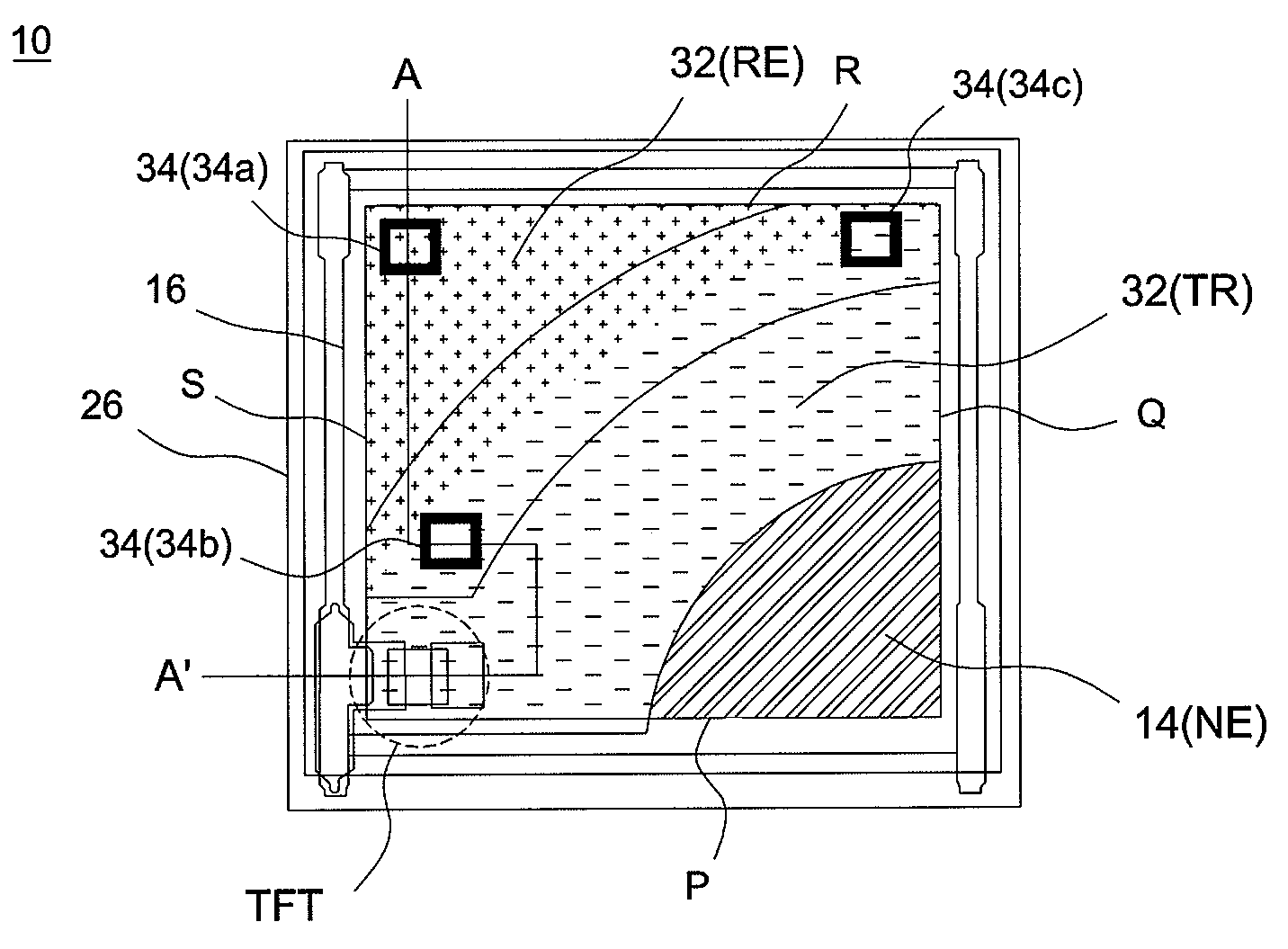
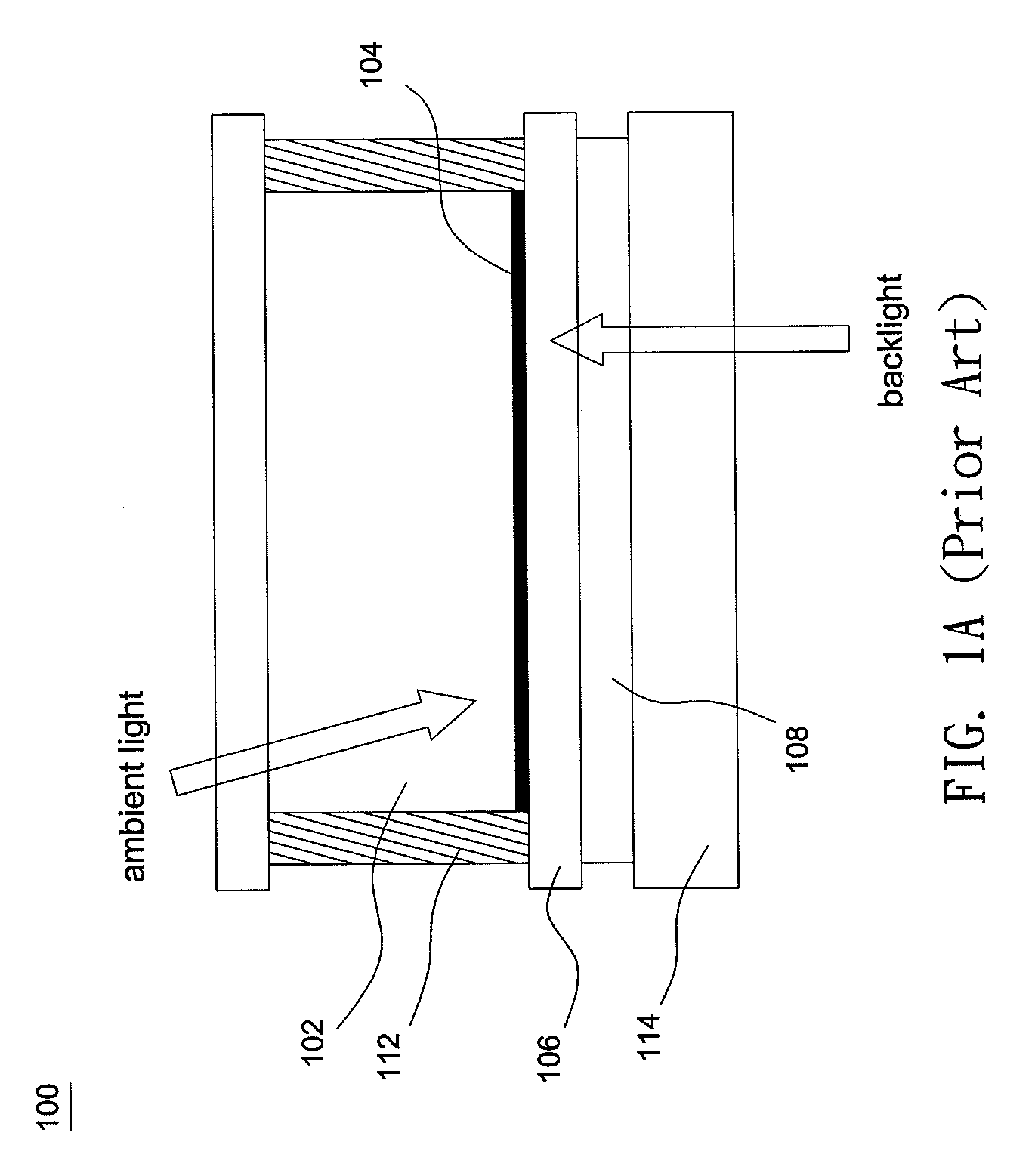
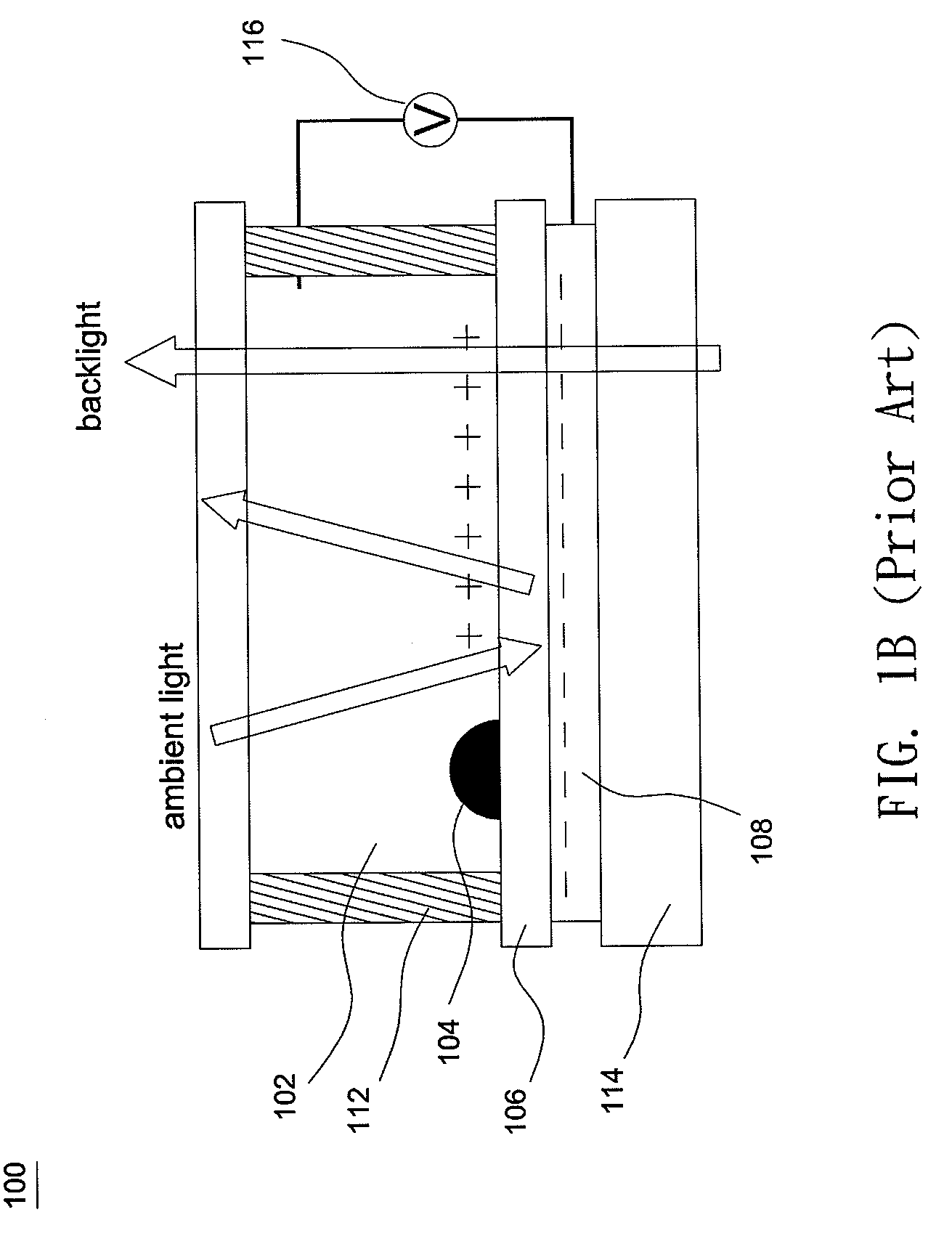
- An electrowetting pixel structure featuring a hydrophobic dielectric layer, non-polar and polar liquids, and strategically positioned contact holes that sense the electric field first, allowing the non-polar liquid to contract and be confined to a specific area, thereby avoiding edge residue and enhancing contraction speed.

Material Science Advances for Enhanced Electrowetting
The optimization of biphasic transition speeds in electrowetting technology fundamentally relies on breakthrough advances in material science, particularly in the development of novel dielectric materials and surface coatings. Recent innovations in high-k dielectric materials have demonstrated significant improvements in electrowetting performance, with materials such as hafnium oxide and tantalum pentoxide showing enhanced dielectric constants while maintaining low leakage currents. These materials enable faster voltage response times and more precise droplet manipulation compared to traditional silicon dioxide-based systems.
Hydrophobic surface engineering represents another critical advancement area, where fluoropolymer coatings have evolved beyond conventional Teflon-based solutions. Advanced perfluorinated compounds and hybrid organic-inorganic materials now offer superior contact angle modulation ranges, achieving transitions from superhydrophobic to hydrophilic states within milliseconds. The incorporation of nanostructured surfaces, including controlled roughness patterns and hierarchical textures, has further enhanced the speed and reliability of wetting transitions.
Conductive layer optimization has emerged as a pivotal factor in achieving rapid biphasic transitions. The development of transparent conductive oxides with improved electrical properties, such as indium tin oxide alternatives and graphene-based electrodes, has reduced resistance-capacitance delays that previously limited switching speeds. These materials maintain optical transparency while providing the necessary electrical conductivity for efficient electrowetting operation.
Interface engineering at the molecular level has introduced smart responsive materials that can dynamically adjust their properties under electrical stimulation. Shape-memory polymers and electroactive materials integrated into electrowetting systems enable programmable surface behaviors, allowing for optimized transition characteristics tailored to specific applications. These materials respond to electrical fields by altering their molecular configuration, directly influencing contact angle dynamics and transition kinetics.
The integration of nanomaterials, including carbon nanotubes and metal nanoparticles, into dielectric layers has created composite materials with enhanced electromechanical coupling. These composites exhibit improved charge storage capabilities and faster charge redistribution, directly correlating to accelerated biphasic transition speeds while maintaining long-term stability and reliability in electrowetting devices.
Hydrophobic surface engineering represents another critical advancement area, where fluoropolymer coatings have evolved beyond conventional Teflon-based solutions. Advanced perfluorinated compounds and hybrid organic-inorganic materials now offer superior contact angle modulation ranges, achieving transitions from superhydrophobic to hydrophilic states within milliseconds. The incorporation of nanostructured surfaces, including controlled roughness patterns and hierarchical textures, has further enhanced the speed and reliability of wetting transitions.
Conductive layer optimization has emerged as a pivotal factor in achieving rapid biphasic transitions. The development of transparent conductive oxides with improved electrical properties, such as indium tin oxide alternatives and graphene-based electrodes, has reduced resistance-capacitance delays that previously limited switching speeds. These materials maintain optical transparency while providing the necessary electrical conductivity for efficient electrowetting operation.
Interface engineering at the molecular level has introduced smart responsive materials that can dynamically adjust their properties under electrical stimulation. Shape-memory polymers and electroactive materials integrated into electrowetting systems enable programmable surface behaviors, allowing for optimized transition characteristics tailored to specific applications. These materials respond to electrical fields by altering their molecular configuration, directly influencing contact angle dynamics and transition kinetics.
The integration of nanomaterials, including carbon nanotubes and metal nanoparticles, into dielectric layers has created composite materials with enhanced electromechanical coupling. These composites exhibit improved charge storage capabilities and faster charge redistribution, directly correlating to accelerated biphasic transition speeds while maintaining long-term stability and reliability in electrowetting devices.
Energy Efficiency Considerations in High-Speed Systems
Energy efficiency represents a critical design parameter in high-speed electrowetting systems, where rapid biphasic transitions demand substantial power consumption while maintaining operational stability. The fundamental challenge lies in balancing the energy requirements for achieving fast switching speeds with the need for sustainable, long-term operation in commercial applications.
Power consumption in electrowetting devices scales significantly with switching frequency and voltage amplitude. High-speed biphasic transitions typically require elevated driving voltages to overcome contact angle hysteresis and fluid inertia within microsecond timeframes. This creates a quadratic relationship between applied voltage and energy consumption, making efficiency optimization paramount for practical implementations.
Capacitive charging and discharging cycles constitute the primary energy loss mechanism in electrowetting systems. Each transition involves charging the electrical double layer at the electrode-electrolyte interface, with energy dissipated through resistive losses in the dielectric stack and contact resistance. Advanced driving schemes employing voltage ramping and pulse-width modulation can reduce peak power demands while maintaining transition speeds.
Thermal management becomes increasingly critical as switching frequencies exceed 1 kHz. Heat generation from resistive losses and dielectric heating can degrade device performance and reduce operational lifetime. Efficient heat dissipation strategies, including optimized substrate materials and thermal interface designs, are essential for maintaining consistent performance in high-throughput applications.
Recovery and regeneration circuits offer promising approaches for energy efficiency improvement. By capturing and reusing energy stored in the device capacitance during switching cycles, these systems can achieve up to 40% reduction in overall power consumption. Implementation requires sophisticated control electronics but provides significant advantages for battery-powered or portable applications.
System-level optimization strategies focus on minimizing unnecessary switching events and implementing intelligent power management protocols. Predictive algorithms can anticipate required transitions and pre-position droplets to reduce energy-intensive emergency corrections. Additionally, variable voltage schemes can adapt driving parameters based on real-time performance feedback, ensuring optimal energy utilization across different operating conditions.
Power consumption in electrowetting devices scales significantly with switching frequency and voltage amplitude. High-speed biphasic transitions typically require elevated driving voltages to overcome contact angle hysteresis and fluid inertia within microsecond timeframes. This creates a quadratic relationship between applied voltage and energy consumption, making efficiency optimization paramount for practical implementations.
Capacitive charging and discharging cycles constitute the primary energy loss mechanism in electrowetting systems. Each transition involves charging the electrical double layer at the electrode-electrolyte interface, with energy dissipated through resistive losses in the dielectric stack and contact resistance. Advanced driving schemes employing voltage ramping and pulse-width modulation can reduce peak power demands while maintaining transition speeds.
Thermal management becomes increasingly critical as switching frequencies exceed 1 kHz. Heat generation from resistive losses and dielectric heating can degrade device performance and reduce operational lifetime. Efficient heat dissipation strategies, including optimized substrate materials and thermal interface designs, are essential for maintaining consistent performance in high-throughput applications.
Recovery and regeneration circuits offer promising approaches for energy efficiency improvement. By capturing and reusing energy stored in the device capacitance during switching cycles, these systems can achieve up to 40% reduction in overall power consumption. Implementation requires sophisticated control electronics but provides significant advantages for battery-powered or portable applications.
System-level optimization strategies focus on minimizing unnecessary switching events and implementing intelligent power management protocols. Predictive algorithms can anticipate required transitions and pre-position droplets to reduce energy-intensive emergency corrections. Additionally, variable voltage schemes can adapt driving parameters based on real-time performance feedback, ensuring optimal energy utilization across different operating conditions.
Unlock deeper insights with Patsnap Eureka Quick Research — get a full tech report to explore trends and direct your research. Try now!
Generate Your Research Report Instantly with AI Agent
Supercharge your innovation with Patsnap Eureka AI Agent Platform!