

Improving Resolution Pixel Alignment for Electrowetting Gaming Screens
MAY 19, 20269 MIN READ
Generate Your Research Report Instantly with AI Agent
PatSnap Eureka helps you evaluate technical feasibility & market potential.
Electrowetting Display Technology Background and Objectives
Electrowetting display technology represents a revolutionary approach to creating dynamic visual interfaces that leverage the manipulation of liquid droplets through electrical fields. This technology operates on the fundamental principle of electrowetting-on-dielectric (EWOD), where voltage application alters the wetting properties of conductive liquids on hydrophobic surfaces. The controlled movement and positioning of these droplets enable the creation of pixels that can switch between different optical states, forming the basis for high-performance display systems.
The evolution of electrowetting displays has been driven by the pursuit of superior visual performance characteristics that traditional display technologies struggle to achieve simultaneously. Unlike conventional LCD or OLED displays, electrowetting technology offers exceptional contrast ratios, wide viewing angles, and remarkable power efficiency. The technology's ability to maintain image quality without continuous power consumption makes it particularly attractive for applications requiring extended operation periods.
Gaming applications present unique and demanding requirements for display technology, necessitating rapid response times, precise color reproduction, and exceptional motion clarity. The gaming industry's continuous push toward higher refresh rates, reduced input lag, and enhanced visual fidelity has created a market demand for display technologies that can deliver superior performance across multiple parameters. Electrowetting displays possess inherent advantages in meeting these requirements due to their fast switching capabilities and excellent optical properties.
The primary technical objective in developing electrowetting gaming screens centers on achieving optimal pixel alignment to maximize display resolution and image quality. Precise pixel alignment is crucial for eliminating visual artifacts, ensuring uniform brightness distribution, and maintaining consistent color accuracy across the entire display surface. The challenge lies in controlling the exact positioning and shape of liquid droplets at the microscale level while maintaining stability during rapid switching operations required for gaming applications.
Current development efforts focus on advancing electrode design, optimizing dielectric layer properties, and refining droplet manipulation algorithms to achieve sub-pixel level precision. The integration of advanced control systems and real-time feedback mechanisms represents a critical pathway toward realizing the full potential of electrowetting technology in high-performance gaming displays. These technological improvements aim to establish electrowetting displays as the next-generation solution for demanding visual applications.
The evolution of electrowetting displays has been driven by the pursuit of superior visual performance characteristics that traditional display technologies struggle to achieve simultaneously. Unlike conventional LCD or OLED displays, electrowetting technology offers exceptional contrast ratios, wide viewing angles, and remarkable power efficiency. The technology's ability to maintain image quality without continuous power consumption makes it particularly attractive for applications requiring extended operation periods.
Gaming applications present unique and demanding requirements for display technology, necessitating rapid response times, precise color reproduction, and exceptional motion clarity. The gaming industry's continuous push toward higher refresh rates, reduced input lag, and enhanced visual fidelity has created a market demand for display technologies that can deliver superior performance across multiple parameters. Electrowetting displays possess inherent advantages in meeting these requirements due to their fast switching capabilities and excellent optical properties.
The primary technical objective in developing electrowetting gaming screens centers on achieving optimal pixel alignment to maximize display resolution and image quality. Precise pixel alignment is crucial for eliminating visual artifacts, ensuring uniform brightness distribution, and maintaining consistent color accuracy across the entire display surface. The challenge lies in controlling the exact positioning and shape of liquid droplets at the microscale level while maintaining stability during rapid switching operations required for gaming applications.
Current development efforts focus on advancing electrode design, optimizing dielectric layer properties, and refining droplet manipulation algorithms to achieve sub-pixel level precision. The integration of advanced control systems and real-time feedback mechanisms represents a critical pathway toward realizing the full potential of electrowetting technology in high-performance gaming displays. These technological improvements aim to establish electrowetting displays as the next-generation solution for demanding visual applications.
Gaming Display Market Demand Analysis
The gaming display market has experienced unprecedented growth driven by the explosive expansion of the global gaming industry. Professional esports tournaments, streaming platforms, and competitive gaming have elevated display quality requirements beyond traditional consumer expectations. Gamers now demand ultra-high refresh rates, minimal input lag, and exceptional visual clarity to maintain competitive advantages.
Current market trends indicate a strong preference for displays offering refresh rates exceeding 144Hz, with premium segments pushing toward 240Hz and beyond. The proliferation of high-resolution gaming content, including 4K and emerging 8K formats, has created substantial demand for displays capable of delivering crisp, artifact-free imagery at these resolutions. Gaming enthusiasts increasingly prioritize pixel-perfect accuracy, particularly in competitive first-person shooters and real-time strategy games where visual precision directly impacts performance.
Electrowetting display technology presents unique opportunities within this demanding market landscape. Unlike traditional LCD or OLED panels, electrowetting displays offer superior response times and energy efficiency, addressing two critical pain points for gaming applications. The technology's inherent fast switching capabilities align perfectly with gaming requirements for rapid frame transitions and reduced motion blur.
Market segmentation analysis reveals distinct demand patterns across gaming categories. Professional esports players represent the premium segment, willing to invest significantly in display technology that provides measurable competitive advantages. Casual gaming enthusiasts form the volume market, seeking balanced performance and value propositions. Mobile gaming continues expanding rapidly, creating demand for portable displays with gaming-grade specifications.
The pixel alignment challenge in electrowetting gaming screens directly addresses market demands for visual fidelity. Misaligned pixels create visual artifacts that degrade gaming experiences, particularly in fast-paced scenarios requiring precise targeting or detailed environmental observation. Improved pixel alignment technology would enable electrowetting displays to compete more effectively against established gaming display technologies.
Regional market dynamics show strong growth in Asia-Pacific gaming markets, driven by mobile gaming adoption and esports infrastructure development. North American and European markets emphasize high-performance desktop gaming displays, while emerging markets prioritize cost-effective solutions with gaming capabilities.
The convergence of virtual reality, augmented reality, and traditional gaming creates additional market opportunities for advanced display technologies. These applications demand exceptional pixel density and alignment precision, positioning improved electrowetting displays as potential solutions for next-generation gaming experiences.
Current market trends indicate a strong preference for displays offering refresh rates exceeding 144Hz, with premium segments pushing toward 240Hz and beyond. The proliferation of high-resolution gaming content, including 4K and emerging 8K formats, has created substantial demand for displays capable of delivering crisp, artifact-free imagery at these resolutions. Gaming enthusiasts increasingly prioritize pixel-perfect accuracy, particularly in competitive first-person shooters and real-time strategy games where visual precision directly impacts performance.
Electrowetting display technology presents unique opportunities within this demanding market landscape. Unlike traditional LCD or OLED panels, electrowetting displays offer superior response times and energy efficiency, addressing two critical pain points for gaming applications. The technology's inherent fast switching capabilities align perfectly with gaming requirements for rapid frame transitions and reduced motion blur.
Market segmentation analysis reveals distinct demand patterns across gaming categories. Professional esports players represent the premium segment, willing to invest significantly in display technology that provides measurable competitive advantages. Casual gaming enthusiasts form the volume market, seeking balanced performance and value propositions. Mobile gaming continues expanding rapidly, creating demand for portable displays with gaming-grade specifications.
The pixel alignment challenge in electrowetting gaming screens directly addresses market demands for visual fidelity. Misaligned pixels create visual artifacts that degrade gaming experiences, particularly in fast-paced scenarios requiring precise targeting or detailed environmental observation. Improved pixel alignment technology would enable electrowetting displays to compete more effectively against established gaming display technologies.
Regional market dynamics show strong growth in Asia-Pacific gaming markets, driven by mobile gaming adoption and esports infrastructure development. North American and European markets emphasize high-performance desktop gaming displays, while emerging markets prioritize cost-effective solutions with gaming capabilities.
The convergence of virtual reality, augmented reality, and traditional gaming creates additional market opportunities for advanced display technologies. These applications demand exceptional pixel density and alignment precision, positioning improved electrowetting displays as potential solutions for next-generation gaming experiences.
Current Pixel Alignment Challenges in Electrowetting Displays
Electrowetting displays face significant pixel alignment challenges that directly impact their viability for high-performance gaming applications. The fundamental issue stems from the electrowetting phenomenon itself, where voltage-controlled wetting of colored oils creates pixel states. Unlike traditional LCD or OLED technologies with fixed subpixel structures, electrowetting displays rely on dynamic fluid positioning, making precise pixel alignment inherently more complex.
The primary challenge lies in oil meniscus positioning accuracy. When voltage is applied to control oil movement within each pixel cell, the oil-water interface forms a meniscus that determines the visible pixel area. Variations in meniscus curvature and positioning across the display panel result in inconsistent pixel boundaries, leading to visible alignment irregularities that are particularly problematic for gaming content requiring sharp graphics and text rendering.
Manufacturing tolerances compound these alignment issues significantly. Microscopic variations in electrode geometry, cell wall dimensions, and surface treatments across the display substrate create non-uniform electric field distributions. These variations cause identical voltage inputs to produce different oil positioning responses across pixels, resulting in systematic alignment errors that manifest as visible pixel grid distortions.
Temperature-dependent fluid properties introduce dynamic alignment challenges. Gaming applications generate substantial heat, causing oil viscosity changes that affect response times and steady-state positioning. As temperature fluctuates during gaming sessions, pixel alignment consistency degrades, with some pixels responding faster or settling at slightly different positions compared to their neighbors.
Voltage switching artifacts present another critical alignment challenge. During rapid pixel state transitions common in gaming scenarios, transient voltage spikes and electromagnetic interference can cause temporary oil displacement beyond intended boundaries. These overshoots create momentary pixel misalignment that, while brief, can cause visible artifacts in fast-moving gaming content.
Cross-talk between adjacent pixels further complicates alignment precision. The shared electrode architecture in many electrowetting designs allows electric field coupling between neighboring pixels. When displaying high-contrast gaming content with sharp edges, this cross-talk can cause unintended oil movement in adjacent pixels, creating alignment drift that blurs intended pixel boundaries and reduces overall display sharpness critical for competitive gaming applications.
The primary challenge lies in oil meniscus positioning accuracy. When voltage is applied to control oil movement within each pixel cell, the oil-water interface forms a meniscus that determines the visible pixel area. Variations in meniscus curvature and positioning across the display panel result in inconsistent pixel boundaries, leading to visible alignment irregularities that are particularly problematic for gaming content requiring sharp graphics and text rendering.
Manufacturing tolerances compound these alignment issues significantly. Microscopic variations in electrode geometry, cell wall dimensions, and surface treatments across the display substrate create non-uniform electric field distributions. These variations cause identical voltage inputs to produce different oil positioning responses across pixels, resulting in systematic alignment errors that manifest as visible pixel grid distortions.
Temperature-dependent fluid properties introduce dynamic alignment challenges. Gaming applications generate substantial heat, causing oil viscosity changes that affect response times and steady-state positioning. As temperature fluctuates during gaming sessions, pixel alignment consistency degrades, with some pixels responding faster or settling at slightly different positions compared to their neighbors.
Voltage switching artifacts present another critical alignment challenge. During rapid pixel state transitions common in gaming scenarios, transient voltage spikes and electromagnetic interference can cause temporary oil displacement beyond intended boundaries. These overshoots create momentary pixel misalignment that, while brief, can cause visible artifacts in fast-moving gaming content.
Cross-talk between adjacent pixels further complicates alignment precision. The shared electrode architecture in many electrowetting designs allows electric field coupling between neighboring pixels. When displaying high-contrast gaming content with sharp edges, this cross-talk can cause unintended oil movement in adjacent pixels, creating alignment drift that blurs intended pixel boundaries and reduces overall display sharpness critical for competitive gaming applications.
Current Pixel Alignment Solutions for Gaming Screens
01 Electrowetting display pixel structure and electrode configuration
Technologies for optimizing the physical structure of electrowetting display pixels, including electrode arrangements, pixel cell designs, and electrical configurations that enable precise control of liquid movement within individual pixels. These innovations focus on improving the fundamental architecture of electrowetting displays to achieve better pixel performance and alignment accuracy.- Electrowetting display pixel structure and electrode configuration: Electrowetting displays utilize specific pixel structures with electrode configurations to control liquid movement for display purposes. The pixel structure includes substrate arrangements, electrode patterns, and insulation layers that enable precise control of electrowetting effects. These configurations are essential for achieving proper pixel functionality and display performance in gaming applications where fast response times are critical.
- High resolution display matrix and addressing schemes: Advanced addressing schemes and matrix configurations enable high-resolution displays suitable for gaming applications. These systems incorporate sophisticated driving circuits and addressing methods to control individual pixels with high precision. The matrix design allows for scalable resolution while maintaining optimal performance characteristics required for gaming displays.
- Pixel alignment and registration techniques: Precise pixel alignment methods ensure accurate positioning and registration of display elements in electrowetting screens. These techniques involve mechanical alignment systems, optical registration methods, and manufacturing processes that maintain pixel accuracy across the display surface. Proper alignment is crucial for gaming applications where visual clarity and precision are paramount.
- Gaming-specific display optimization and response enhancement: Specialized optimization techniques enhance display performance for gaming applications, focusing on response time reduction and visual quality improvement. These methods include signal processing algorithms, refresh rate optimization, and color management systems designed specifically for interactive gaming environments. The optimization ensures smooth gameplay and reduced latency.
- Manufacturing and fabrication processes for electrowetting displays: Advanced manufacturing techniques enable the production of high-quality electrowetting displays with precise pixel characteristics. These processes include substrate preparation, layer deposition methods, and quality control systems that ensure consistent pixel performance across the display. The fabrication methods are optimized for gaming display requirements including durability and performance consistency.
02 Pixel alignment and positioning control methods
Techniques for achieving precise pixel alignment in electrowetting displays through advanced positioning control systems and calibration methods. These approaches address the challenge of maintaining accurate pixel boundaries and preventing cross-talk between adjacent pixels, which is crucial for high-resolution gaming applications requiring sharp image quality.Expand Specific Solutions03 Resolution enhancement and pixel density optimization
Methods for increasing the resolution and pixel density of electrowetting displays specifically designed for gaming applications. These technologies focus on maximizing the number of controllable pixels within a given display area while maintaining reliable electrowetting performance and fast response times essential for gaming scenarios.Expand Specific Solutions04 Gaming-specific display performance optimization
Specialized techniques for optimizing electrowetting displays for gaming applications, including fast refresh rates, reduced latency, and improved color switching speeds. These innovations address the unique requirements of gaming displays such as rapid image updates, smooth motion rendering, and consistent visual performance during intensive gaming sessions.Expand Specific Solutions05 Screen manufacturing and quality control processes
Manufacturing processes and quality control methods specifically developed for producing high-resolution electrowetting gaming screens with precise pixel alignment. These techniques ensure consistent production quality, minimize defects, and maintain tight tolerances required for professional gaming displays with superior visual performance.Expand Specific Solutions
Major Players in Electrowetting Gaming Display Industry
The electrowetting gaming screen technology market is in its nascent stage, representing an emerging niche within the broader display industry. While the overall gaming display market continues expanding rapidly, electrowetting technology remains largely experimental with limited commercial deployment. The competitive landscape features a diverse mix of established display giants like Samsung Display, BOE Technology, LG Display, and E Ink Corp., alongside specialized players such as Miortech Holding BV focusing specifically on electrowetting applications. Technology maturity varies significantly across participants, with traditional LCD/OLED manufacturers possessing advanced manufacturing capabilities but limited electrowetting expertise, while research institutions like Fuzhou University and University of Bonn contribute foundational research. Gaming hardware companies including Universal Entertainment Corp. and AGS LLC represent potential end-user markets driving demand for improved pixel alignment solutions.
E Ink Corp.
Technical Solution: E Ink has developed advanced electrowetting display technology focusing on precise pixel alignment through microfluidic control systems. Their approach utilizes voltage-controlled oil movement with enhanced electrode design to achieve sub-pixel accuracy. The company implements sophisticated algorithms for real-time pixel position correction, incorporating feedback mechanisms that monitor droplet positioning and automatically adjust electrical fields to maintain optimal alignment. Their electrowetting displays feature improved response times and reduced power consumption while maintaining high contrast ratios suitable for gaming applications.
Strengths: Industry leader in electrophoretic display technology with strong R&D capabilities and established manufacturing processes. Weaknesses: Limited experience in high-refresh-rate gaming displays compared to traditional LCD/OLED manufacturers.
Samsung Display Co., Ltd.
Technical Solution: Samsung Display has developed quantum dot electrowetting technology that combines their existing display expertise with advanced pixel alignment systems. Their solution incorporates machine learning algorithms to predict and compensate for pixel drift in electrowetting displays, utilizing high-precision voltage control circuits that can adjust individual pixel positions in real-time. The technology features enhanced electrode structures with improved hydrophobic coatings to ensure consistent droplet behavior and minimize alignment errors during rapid gaming scenarios.
Strengths: Extensive display manufacturing experience, strong financial resources, and advanced semiconductor fabrication capabilities. Weaknesses: Electrowetting technology is not their primary focus area, potentially limiting specialized innovation in this specific field.
Core Patents in Electrowetting Pixel Alignment Technology
Electrowetting pixel structure
PatentInactiveUS8213090B2
Innovation
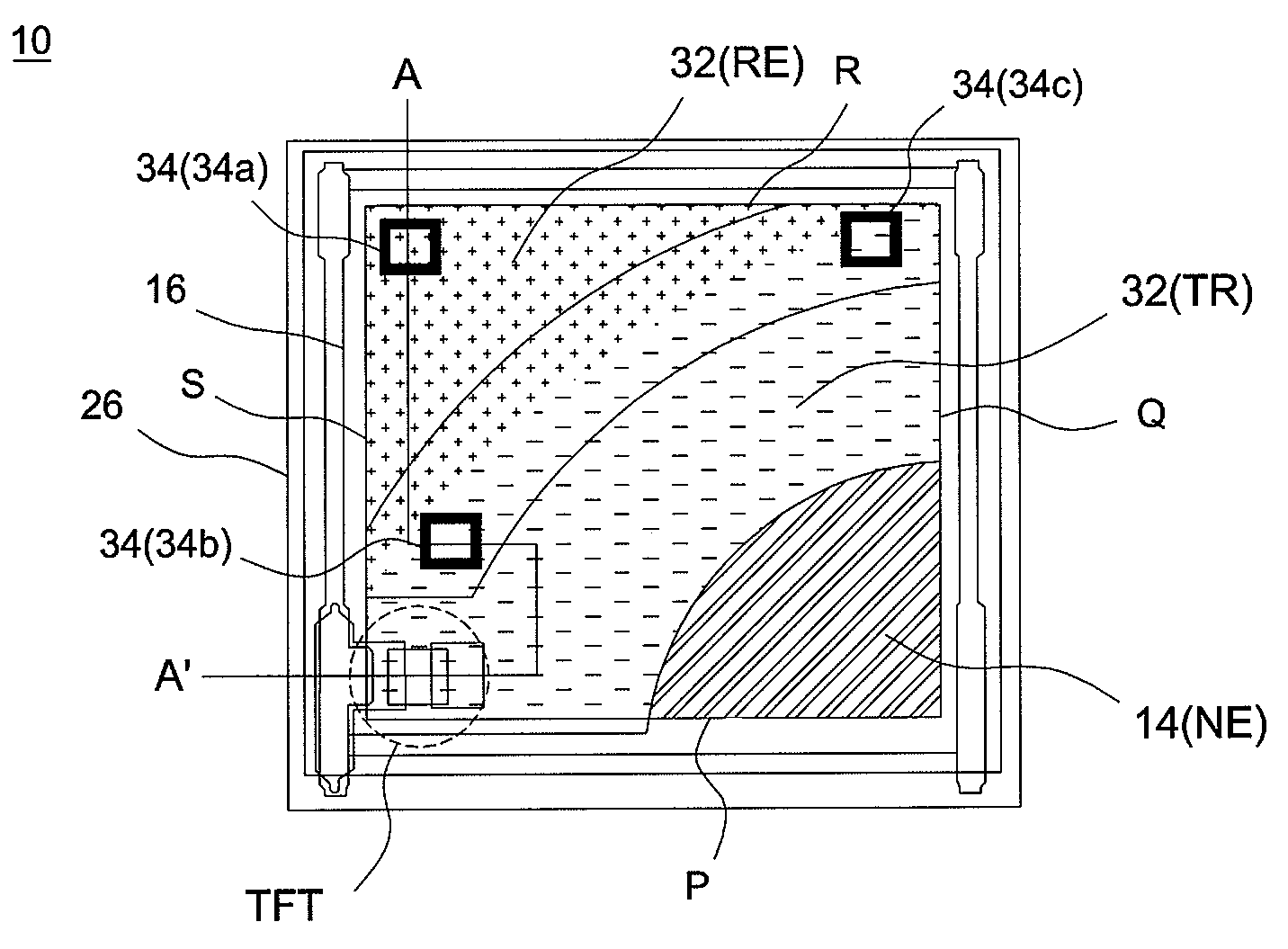
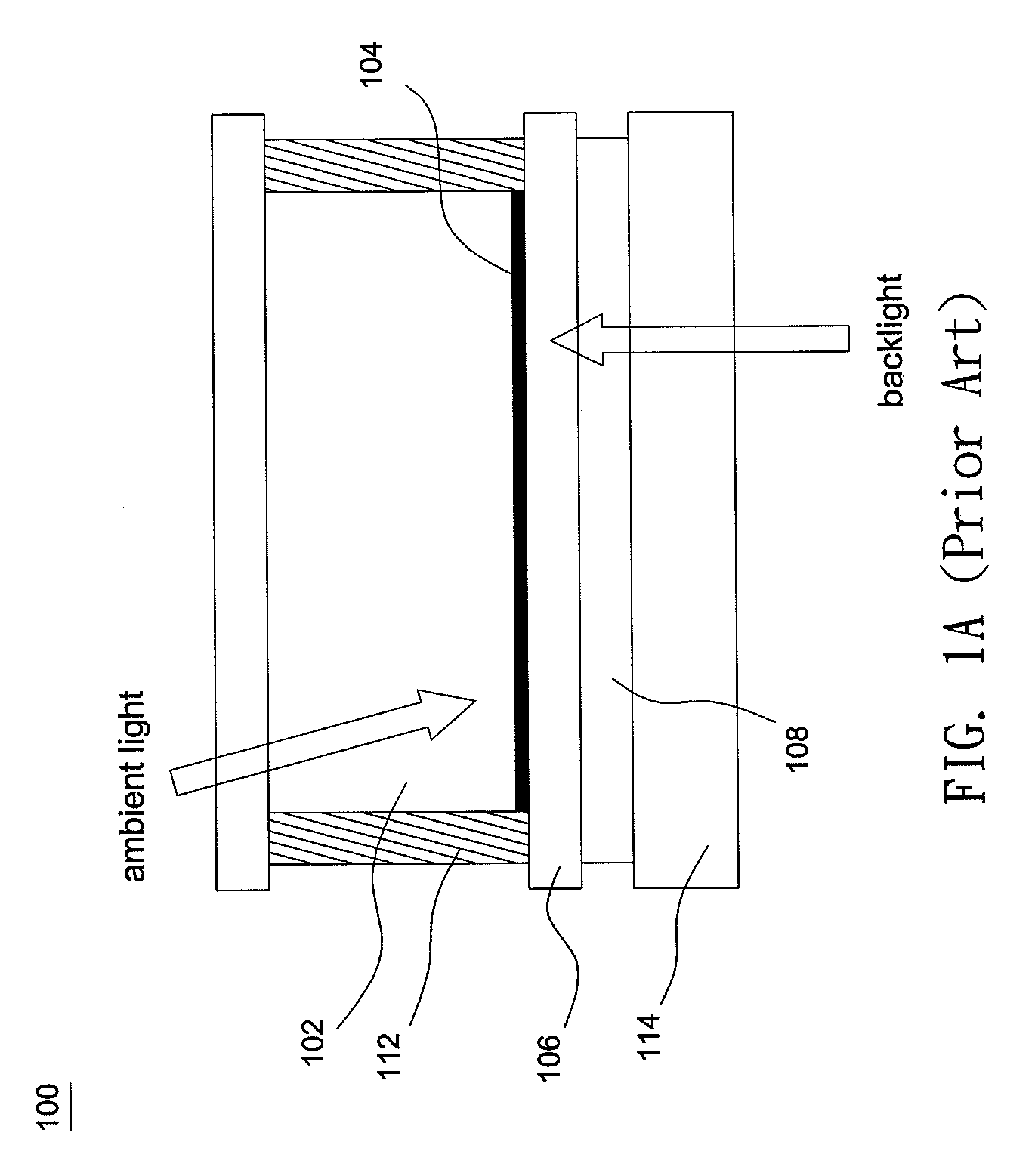
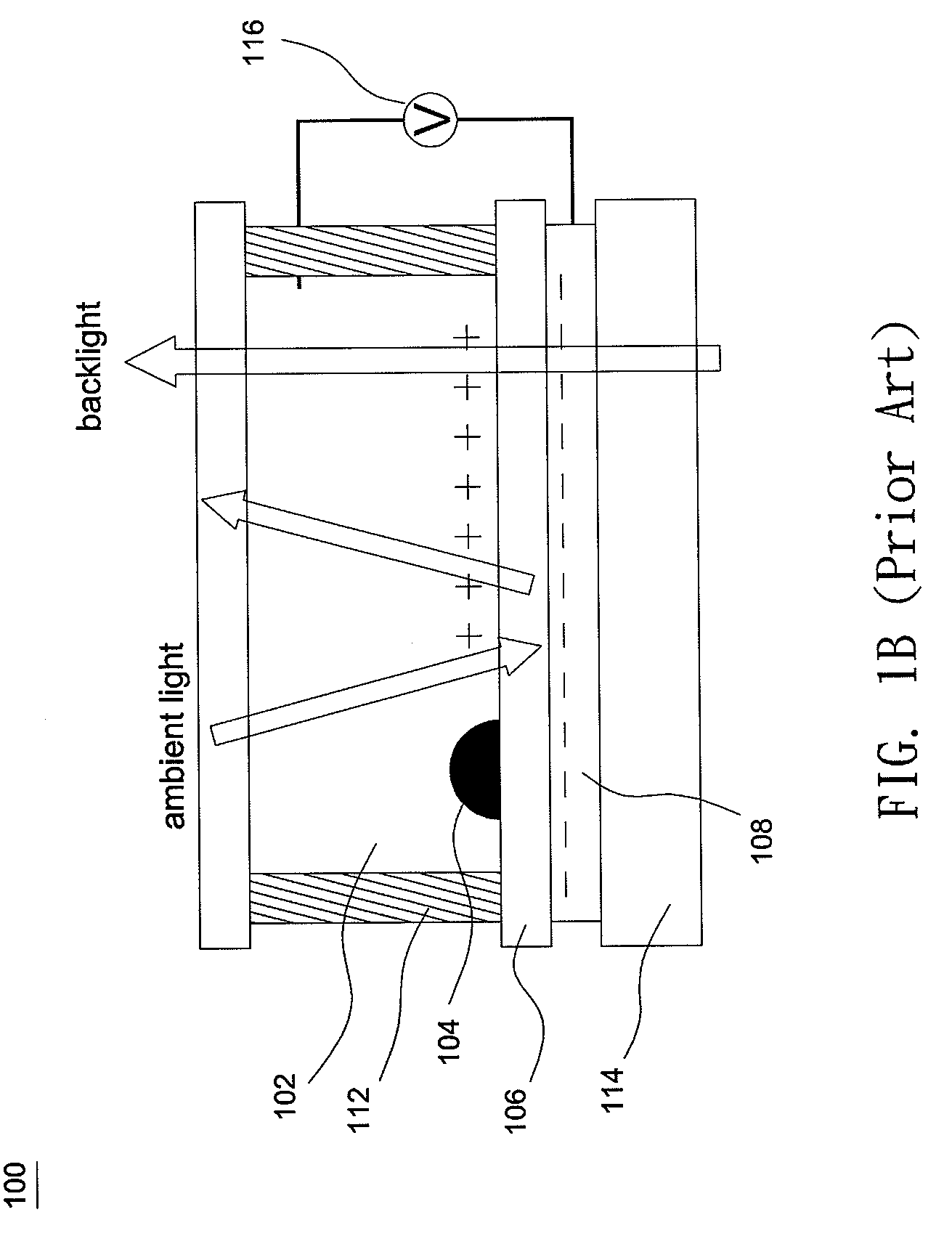
- An electrowetting pixel structure featuring a hydrophobic dielectric layer, non-polar and polar liquids, and strategically positioned contact holes that sense the electric field first, allowing the non-polar liquid to contract and be confined to a specific area, thereby avoiding edge residue and enhancing contraction speed.

System and method for sub-pixel electronic alignment
PatentInactiveUS6967758B2
Innovation
- A delay circuit is employed to delay pixel information by a fraction of a pixel dimension, allowing for sub-pixel electronic alignment by adjusting the timing of light modulation on a display screen, thereby correcting alignment errors less than a pixel dimension.


Manufacturing Standards for Gaming Display Quality
Manufacturing standards for electrowetting gaming displays require stringent quality control measures to ensure optimal pixel alignment and resolution performance. The establishment of comprehensive manufacturing protocols addresses the unique challenges posed by electrowetting technology, where precise control of liquid droplet positioning directly impacts display quality. Current industry standards emphasize dimensional tolerances within micrometers for electrode positioning and surface uniformity across the display substrate.
Quality assurance frameworks for electrowetting gaming screens incorporate multi-stage inspection processes throughout production. Initial substrate preparation standards mandate surface roughness specifications below 10 nanometers to prevent pixel misalignment during electrowetting operations. Electrode patterning accuracy requirements typically specify positional tolerances of ±0.5 micrometers to maintain consistent pixel boundaries and prevent cross-talk between adjacent display elements.
Temperature and humidity control during manufacturing represents a critical standard component, as environmental variations significantly affect electrowetting fluid behavior and pixel stability. Manufacturing facilities must maintain temperature variations within ±2°C and relative humidity below 45% during critical assembly processes. These environmental controls ensure consistent droplet formation and positioning accuracy across large display panels.
Calibration standards for electrowetting gaming displays encompass both electrical and optical parameters. Voltage uniformity across electrode arrays must remain within ±5% to prevent pixel brightness variations and alignment drift. Optical calibration protocols require pixel-level luminance measurements with tolerances of ±3% to ensure gaming display uniformity. Response time specifications mandate sub-millisecond switching capabilities for competitive gaming applications.
Final quality validation standards incorporate automated optical inspection systems capable of detecting pixel misalignment at sub-pixel levels. These systems evaluate geometric accuracy, color uniformity, and dynamic response characteristics under various gaming scenarios. Acceptance criteria typically require 99.9% pixel functionality with zero dead pixels in the central viewing area, ensuring premium gaming display performance that meets professional esports requirements.
Quality assurance frameworks for electrowetting gaming screens incorporate multi-stage inspection processes throughout production. Initial substrate preparation standards mandate surface roughness specifications below 10 nanometers to prevent pixel misalignment during electrowetting operations. Electrode patterning accuracy requirements typically specify positional tolerances of ±0.5 micrometers to maintain consistent pixel boundaries and prevent cross-talk between adjacent display elements.
Temperature and humidity control during manufacturing represents a critical standard component, as environmental variations significantly affect electrowetting fluid behavior and pixel stability. Manufacturing facilities must maintain temperature variations within ±2°C and relative humidity below 45% during critical assembly processes. These environmental controls ensure consistent droplet formation and positioning accuracy across large display panels.
Calibration standards for electrowetting gaming displays encompass both electrical and optical parameters. Voltage uniformity across electrode arrays must remain within ±5% to prevent pixel brightness variations and alignment drift. Optical calibration protocols require pixel-level luminance measurements with tolerances of ±3% to ensure gaming display uniformity. Response time specifications mandate sub-millisecond switching capabilities for competitive gaming applications.
Final quality validation standards incorporate automated optical inspection systems capable of detecting pixel misalignment at sub-pixel levels. These systems evaluate geometric accuracy, color uniformity, and dynamic response characteristics under various gaming scenarios. Acceptance criteria typically require 99.9% pixel functionality with zero dead pixels in the central viewing area, ensuring premium gaming display performance that meets professional esports requirements.
Power Efficiency Considerations in Electrowetting Gaming Displays
Power efficiency represents a critical design consideration for electrowetting gaming displays, particularly as these systems must balance high-performance visual output with sustainable energy consumption. The fundamental power consumption in electrowetting displays stems from the electrical energy required to manipulate liquid droplets through applied voltage fields, creating the necessary pixel state changes for image rendering.
The primary power draw in electrowetting gaming screens occurs during pixel switching operations, where voltage application causes droplet movement between hydrophobic and hydrophilic states. Unlike traditional LCD or OLED displays that require continuous backlighting or organic material excitation, electrowetting displays consume power primarily during state transitions, offering inherent advantages for static or slowly changing content.
Gaming applications present unique power efficiency challenges due to rapid frame rate requirements and frequent pixel state changes. High-refresh-rate gaming scenarios, typically operating at 120Hz or higher, demand continuous pixel switching operations that can significantly impact overall power consumption. The relationship between refresh rate and power draw becomes particularly pronounced in fast-paced gaming content where large portions of the display undergo simultaneous pixel transitions.
Voltage optimization strategies play a crucial role in power efficiency enhancement. Research indicates that reducing switching voltages through improved electrode design and dielectric material selection can achieve substantial power savings without compromising switching speed or reliability. Advanced driving schemes that implement variable voltage levels based on required switching speed offer additional optimization opportunities.
Thermal management considerations directly impact power efficiency in electrowetting gaming displays. Excessive heat generation from rapid switching operations can increase electrical resistance and require higher driving voltages, creating a negative feedback loop that degrades overall efficiency. Effective thermal dissipation systems become essential for maintaining optimal power performance during extended gaming sessions.
Standby power consumption represents another critical efficiency factor, particularly for gaming displays that may remain active for extended periods with minimal content changes. Electrowetting technology's bistable characteristics enable near-zero power consumption for static pixels, providing significant advantages over conventional display technologies in scenarios involving static gaming interfaces or pause screens.
Future power efficiency improvements focus on advanced materials engineering, including low-voltage switching fluids and enhanced electrode architectures that minimize parasitic capacitance and resistance losses during pixel operations.
The primary power draw in electrowetting gaming screens occurs during pixel switching operations, where voltage application causes droplet movement between hydrophobic and hydrophilic states. Unlike traditional LCD or OLED displays that require continuous backlighting or organic material excitation, electrowetting displays consume power primarily during state transitions, offering inherent advantages for static or slowly changing content.
Gaming applications present unique power efficiency challenges due to rapid frame rate requirements and frequent pixel state changes. High-refresh-rate gaming scenarios, typically operating at 120Hz or higher, demand continuous pixel switching operations that can significantly impact overall power consumption. The relationship between refresh rate and power draw becomes particularly pronounced in fast-paced gaming content where large portions of the display undergo simultaneous pixel transitions.
Voltage optimization strategies play a crucial role in power efficiency enhancement. Research indicates that reducing switching voltages through improved electrode design and dielectric material selection can achieve substantial power savings without compromising switching speed or reliability. Advanced driving schemes that implement variable voltage levels based on required switching speed offer additional optimization opportunities.
Thermal management considerations directly impact power efficiency in electrowetting gaming displays. Excessive heat generation from rapid switching operations can increase electrical resistance and require higher driving voltages, creating a negative feedback loop that degrades overall efficiency. Effective thermal dissipation systems become essential for maintaining optimal power performance during extended gaming sessions.
Standby power consumption represents another critical efficiency factor, particularly for gaming displays that may remain active for extended periods with minimal content changes. Electrowetting technology's bistable characteristics enable near-zero power consumption for static pixels, providing significant advantages over conventional display technologies in scenarios involving static gaming interfaces or pause screens.
Future power efficiency improvements focus on advanced materials engineering, including low-voltage switching fluids and enhanced electrode architectures that minimize parasitic capacitance and resistance losses during pixel operations.
Unlock deeper insights with PatSnap Eureka Quick Research — get a full tech report to explore trends and direct your research. Try now!
Generate Your Research Report Instantly with AI Agent
Supercharge your innovation with PatSnap Eureka AI Agent Platform!