

Electrowetting Vs Advanced Plastic Displays: Rigidity Limits
MAY 19, 20269 MIN READ
Generate Your Research Report Instantly with AI Agent
PatSnap Eureka helps you evaluate technical feasibility & market potential.
Electrowetting Display Technology Background and Flexibility Goals
Electrowetting display technology emerged in the early 2000s as a revolutionary approach to creating low-power, reflective displays that could compete with traditional LCD and e-paper technologies. The fundamental principle relies on the electrowetting phenomenon, where an applied electric field modifies the wetting properties of a liquid on a surface, enabling precise control of colored oil movement within pixel structures. This electrofluidic mechanism allows for rapid switching between different optical states, creating vibrant, paper-like displays with exceptional readability under ambient lighting conditions.
The technology's development trajectory has been driven by the increasing demand for flexible, lightweight display solutions across multiple application domains. Unlike conventional rigid displays that rely on glass substrates and brittle semiconductor materials, electrowetting displays utilize fluid-based switching mechanisms that inherently possess greater mechanical tolerance to bending and deformation. This characteristic positions the technology as a promising candidate for next-generation flexible electronics, wearable devices, and curved display applications.
Current flexibility objectives for electrowetting displays center on achieving bend radii comparable to or exceeding those of advanced plastic displays while maintaining optical performance and operational reliability. The primary goal involves developing substrate materials and encapsulation techniques that can withstand repeated flexing cycles without compromising the delicate fluid dynamics within individual pixels. Research efforts focus on transitioning from traditional glass substrates to flexible plastic alternatives, including polyethylene terephthalate and polyimide films, which offer significantly improved mechanical flexibility.
The technology aims to overcome the fundamental rigidity limitations that plague conventional display technologies, particularly those arising from brittle thin-film transistor arrays and inflexible barrier layers. By leveraging the inherent fluidity of the electrowetting mechanism, researchers seek to create displays that can conform to curved surfaces, fold along predetermined axes, and integrate seamlessly into flexible form factors without sacrificing image quality or response time.
Strategic development goals include achieving operational bend radii below 5 millimeters while maintaining color gamut performance exceeding 70% of the sRGB color space. Additionally, the technology targets durability specifications of over 100,000 flex cycles, positioning electrowetting displays as viable alternatives to rigid display technologies in applications requiring mechanical flexibility and environmental adaptability.
The technology's development trajectory has been driven by the increasing demand for flexible, lightweight display solutions across multiple application domains. Unlike conventional rigid displays that rely on glass substrates and brittle semiconductor materials, electrowetting displays utilize fluid-based switching mechanisms that inherently possess greater mechanical tolerance to bending and deformation. This characteristic positions the technology as a promising candidate for next-generation flexible electronics, wearable devices, and curved display applications.
Current flexibility objectives for electrowetting displays center on achieving bend radii comparable to or exceeding those of advanced plastic displays while maintaining optical performance and operational reliability. The primary goal involves developing substrate materials and encapsulation techniques that can withstand repeated flexing cycles without compromising the delicate fluid dynamics within individual pixels. Research efforts focus on transitioning from traditional glass substrates to flexible plastic alternatives, including polyethylene terephthalate and polyimide films, which offer significantly improved mechanical flexibility.
The technology aims to overcome the fundamental rigidity limitations that plague conventional display technologies, particularly those arising from brittle thin-film transistor arrays and inflexible barrier layers. By leveraging the inherent fluidity of the electrowetting mechanism, researchers seek to create displays that can conform to curved surfaces, fold along predetermined axes, and integrate seamlessly into flexible form factors without sacrificing image quality or response time.
Strategic development goals include achieving operational bend radii below 5 millimeters while maintaining color gamut performance exceeding 70% of the sRGB color space. Additionally, the technology targets durability specifications of over 100,000 flex cycles, positioning electrowetting displays as viable alternatives to rigid display technologies in applications requiring mechanical flexibility and environmental adaptability.
Market Demand for Flexible Display Solutions
The global display market is experiencing unprecedented demand for flexible and bendable screen solutions, driven by evolving consumer preferences and emerging application scenarios. Traditional rigid displays are increasingly viewed as limitations in next-generation device design, particularly in wearable technology, foldable smartphones, and curved automotive interfaces. This shift represents a fundamental transformation in how consumers interact with digital content across multiple form factors.
Consumer electronics manufacturers are actively seeking display technologies that can accommodate innovative product designs while maintaining visual quality and durability. The smartphone segment demonstrates particularly strong demand for foldable displays, with major manufacturers launching devices featuring screens that can bend without compromising functionality. Wearable devices, including smartwatches and fitness trackers, require displays that conform to curved surfaces and withstand repeated flexing during daily use.
Automotive applications present another significant market opportunity for flexible display solutions. Dashboard interfaces, center consoles, and heads-up displays increasingly require curved or contoured screens that integrate seamlessly with vehicle interior design. The automotive industry's emphasis on user experience and aesthetic appeal drives demand for displays that can adapt to complex three-dimensional surfaces while maintaining readability and touch responsiveness.
Healthcare and medical device sectors are emerging as substantial markets for flexible display technology. Portable diagnostic equipment, patient monitoring devices, and surgical instruments benefit from displays that can conform to ergonomic requirements while providing clear visual feedback. The ability to create lightweight, flexible screens opens possibilities for new medical applications previously constrained by rigid display limitations.
Industrial and commercial applications demonstrate growing interest in flexible display solutions for signage, interactive kiosks, and specialized equipment interfaces. Retail environments seek displays that can wrap around columns or fit irregular spaces, while industrial control systems require screens that withstand harsh conditions while maintaining flexibility for operator convenience.
The market demand extends beyond simple flexibility to encompass durability, power efficiency, and cost-effectiveness. End users require displays that maintain performance characteristics through thousands of bend cycles while consuming minimal power. Manufacturing scalability and production costs remain critical factors influencing market adoption rates across different application segments.
Consumer electronics manufacturers are actively seeking display technologies that can accommodate innovative product designs while maintaining visual quality and durability. The smartphone segment demonstrates particularly strong demand for foldable displays, with major manufacturers launching devices featuring screens that can bend without compromising functionality. Wearable devices, including smartwatches and fitness trackers, require displays that conform to curved surfaces and withstand repeated flexing during daily use.
Automotive applications present another significant market opportunity for flexible display solutions. Dashboard interfaces, center consoles, and heads-up displays increasingly require curved or contoured screens that integrate seamlessly with vehicle interior design. The automotive industry's emphasis on user experience and aesthetic appeal drives demand for displays that can adapt to complex three-dimensional surfaces while maintaining readability and touch responsiveness.
Healthcare and medical device sectors are emerging as substantial markets for flexible display technology. Portable diagnostic equipment, patient monitoring devices, and surgical instruments benefit from displays that can conform to ergonomic requirements while providing clear visual feedback. The ability to create lightweight, flexible screens opens possibilities for new medical applications previously constrained by rigid display limitations.
Industrial and commercial applications demonstrate growing interest in flexible display solutions for signage, interactive kiosks, and specialized equipment interfaces. Retail environments seek displays that can wrap around columns or fit irregular spaces, while industrial control systems require screens that withstand harsh conditions while maintaining flexibility for operator convenience.
The market demand extends beyond simple flexibility to encompass durability, power efficiency, and cost-effectiveness. End users require displays that maintain performance characteristics through thousands of bend cycles while consuming minimal power. Manufacturing scalability and production costs remain critical factors influencing market adoption rates across different application segments.
Current Rigidity Limitations in Electrowetting vs Plastic Displays
Electrowetting displays face significant mechanical rigidity constraints that fundamentally limit their flexibility compared to advanced plastic display technologies. The core limitation stems from the requirement for precise fluid manipulation within microstructured cells, necessitating rigid substrates to maintain dimensional stability. Traditional electrowetting implementations rely on glass or rigid polymer substrates with thickness ranging from 0.5mm to 2mm, creating inherent inflexibility that contradicts the flexible display market demands.
The hydrophobic coating integrity presents another critical rigidity limitation in electrowetting systems. These coatings, typically fluoropolymer-based materials like Teflon AF or Cytop, require uniform thickness and surface properties across the entire display area. Any substrate deformation exceeding 0.1% strain can cause microscopic cracks or delamination in these coatings, leading to permanent pixel failure and oil contamination between adjacent cells.
Advanced plastic displays, particularly those utilizing organic light-emitting diodes or electronic paper technologies, demonstrate superior flexibility characteristics with bending radii as small as 1mm. However, they encounter different rigidity challenges related to barrier layer performance and electrode stability. The multilayer barrier films required for moisture and oxygen protection become increasingly prone to failure under repeated flexing, with permeation rates increasing exponentially beyond critical bend thresholds.
Electrode materials represent a shared limitation between both technologies, though manifesting differently. Electrowetting displays require transparent conductive layers that maintain electrical continuity during minimal flexing, while plastic displays need electrodes capable of withstanding extreme deformation. Indium tin oxide, commonly used in both applications, exhibits brittle failure at strain levels above 1-2%, necessitating alternative materials like silver nanowires or conductive polymers for flexible implementations.
The encapsulation requirements further constrain both display types, with electrowetting systems requiring hermetic sealing to prevent oil leakage and plastic displays needing protection from environmental degradation. These packaging constraints often dictate the minimum achievable thickness and maximum flexibility, creating fundamental trade-offs between display performance and mechanical properties that current materials science approaches struggle to overcome effectively.
The hydrophobic coating integrity presents another critical rigidity limitation in electrowetting systems. These coatings, typically fluoropolymer-based materials like Teflon AF or Cytop, require uniform thickness and surface properties across the entire display area. Any substrate deformation exceeding 0.1% strain can cause microscopic cracks or delamination in these coatings, leading to permanent pixel failure and oil contamination between adjacent cells.
Advanced plastic displays, particularly those utilizing organic light-emitting diodes or electronic paper technologies, demonstrate superior flexibility characteristics with bending radii as small as 1mm. However, they encounter different rigidity challenges related to barrier layer performance and electrode stability. The multilayer barrier films required for moisture and oxygen protection become increasingly prone to failure under repeated flexing, with permeation rates increasing exponentially beyond critical bend thresholds.
Electrode materials represent a shared limitation between both technologies, though manifesting differently. Electrowetting displays require transparent conductive layers that maintain electrical continuity during minimal flexing, while plastic displays need electrodes capable of withstanding extreme deformation. Indium tin oxide, commonly used in both applications, exhibits brittle failure at strain levels above 1-2%, necessitating alternative materials like silver nanowires or conductive polymers for flexible implementations.
The encapsulation requirements further constrain both display types, with electrowetting systems requiring hermetic sealing to prevent oil leakage and plastic displays needing protection from environmental degradation. These packaging constraints often dictate the minimum achievable thickness and maximum flexibility, creating fundamental trade-offs between display performance and mechanical properties that current materials science approaches struggle to overcome effectively.
Existing Solutions for Overcoming Display Rigidity Constraints
01 Electrowetting display device structures and configurations
Various structural designs and configurations for electrowetting display devices that optimize the arrangement of electrodes, substrates, and fluid chambers. These configurations focus on improving the overall performance and functionality of electrowetting displays through enhanced electrode patterns, optimized chamber geometries, and improved fluid containment systems.- Electrowetting display device structures and configurations: Various structural designs and configurations for electrowetting display devices that optimize the arrangement of electrodes, substrates, and fluid chambers. These configurations focus on improving the electrowetting effect through proper geometric arrangements and material selections to enhance display performance and reliability.
- Flexible substrate materials and manufacturing processes: Development of flexible plastic substrates and associated manufacturing techniques for creating bendable display devices. These approaches involve specialized plastic materials and processing methods that maintain electrical functionality while providing mechanical flexibility for curved or foldable display applications.
- Structural reinforcement and rigidity enhancement mechanisms: Methods and structures for improving the mechanical rigidity and structural integrity of plastic display devices. These solutions address issues related to mechanical stability, dimensional accuracy, and resistance to deformation while maintaining the desired flexibility characteristics of the display system.
- Advanced electrode designs and control systems: Sophisticated electrode configurations and electronic control mechanisms for managing electrowetting phenomena in display applications. These designs focus on precise voltage control, electrode patterning, and switching mechanisms that enable accurate pixel control and improved display quality.
- Integration of support structures and housing components: Comprehensive approaches for integrating mechanical support elements, protective housings, and structural components in electrowetting display systems. These solutions balance the need for mechanical protection and structural support while preserving the functional requirements of the electrowetting display technology.
02 Flexible and rigid substrate materials for plastic displays
Development of substrate materials and structural components that provide appropriate rigidity and flexibility for plastic display applications. These materials are designed to maintain display integrity while allowing for bendable or foldable functionality, incorporating various polymer compositions and reinforcement structures to achieve desired mechanical properties.Expand Specific Solutions03 Display panel manufacturing and assembly processes
Manufacturing techniques and assembly methods for producing electrowetting and plastic display panels with enhanced structural integrity. These processes include methods for bonding layers, sealing display components, and ensuring proper alignment of display elements while maintaining the required rigidity specifications.Expand Specific Solutions04 Mechanical support structures and reinforcement systems
Design and implementation of mechanical support structures that provide rigidity to flexible plastic displays without compromising their functionality. These systems include frame structures, backing plates, and reinforcement elements that maintain display flatness and prevent deformation during operation.Expand Specific Solutions05 Advanced control systems and driving mechanisms
Electronic control systems and driving mechanisms specifically designed for electrowetting displays with rigid plastic substrates. These systems manage the electrical signals required for electrowetting operation while accommodating the mechanical constraints imposed by rigid display structures, including specialized driver circuits and control algorithms.Expand Specific Solutions
Key Players in Electrowetting and Advanced Plastic Display Industry
The electrowetting versus advanced plastic displays competition centers on addressing rigidity limitations in flexible display technologies, representing an emerging market segment within the broader $150+ billion display industry. The sector remains in early development stages, with electrowetting technology offering superior flexibility but facing manufacturing scalability challenges, while advanced plastic displays provide better production readiness but limited bendability. Key players demonstrate varying technological maturity levels: E Ink Corp. leads in electrophoretic display innovation, Samsung Electronics and LG Display drive advanced plastic substrate development, while Chinese manufacturers like BOE Technology Group and Innolux Corp. focus on cost-effective production scaling. Research institutions including Industrial Technology Research Institute and various universities contribute fundamental breakthroughs, though commercial viability remains constrained by material durability and manufacturing complexity challenges.
Samsung Electronics Co., Ltd.
Technical Solution: Samsung has developed advanced plastic OLED displays that push the boundaries of rigidity limits through their flexible AMOLED technology. Their approach utilizes ultra-thin plastic substrates with polyimide materials that can withstand bending radii as small as 1.4mm[2]. The company's foldable display technology incorporates specialized barrier layers and encapsulation techniques to maintain display performance under mechanical stress. Samsung's plastic displays achieve over 200,000 fold cycles while maintaining 95% of original brightness[4]. Their technology addresses rigidity through multi-layer plastic substrate engineering and advanced thin-film transistor arrays optimized for flexible applications[6].
Strengths: Market leader in foldable displays, high resolution and color accuracy, proven durability in consumer devices. Weaknesses: Higher power consumption than electrowetting displays, susceptible to permanent creasing under extreme bending conditions.
E Ink Corp.
Technical Solution: E Ink Corporation has developed advanced electrophoretic display technology that addresses rigidity limitations through flexible substrate integration. Their electrowetting-based displays utilize microcapsule technology with improved mechanical flexibility, allowing for bendable e-readers and signage applications. The company's latest generation displays can achieve bend radii of up to 5mm while maintaining display integrity[1]. Their electrowetting approach uses voltage-controlled wetting properties to manipulate colored oils, providing faster refresh rates compared to traditional e-paper while maintaining the flexibility advantages over rigid LCD panels[3].
Strengths: Industry leader in flexible display technology with proven commercial applications, low power consumption, excellent outdoor readability. Weaknesses: Limited color gamut compared to advanced plastic displays, slower refresh rates than LCD/OLED technologies.
Core Innovations in Flexible Electrowetting Display Design
Display devices
PatentInactiveEP1963904A1
Innovation
- A flexible electrowetting display device is developed, featuring a thin solid film with a conductive dielectric layer and a hydrophobic layer, allowing for pinhole-free coatings and electrical connection between the layers, enabling the use of immiscible fluids for light modulation.
Display and fabricating method thereof
PatentActiveUS7813030B2
Innovation
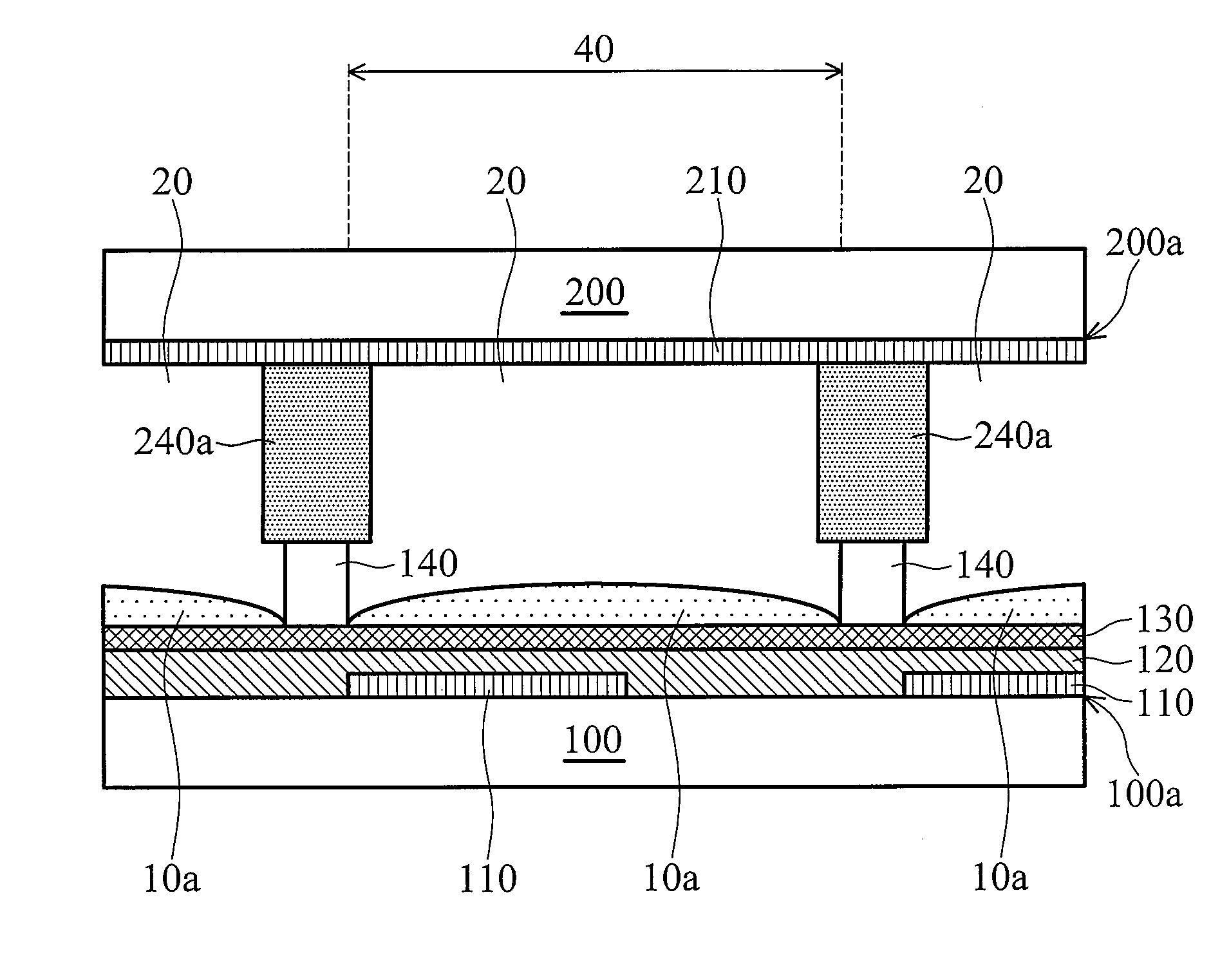
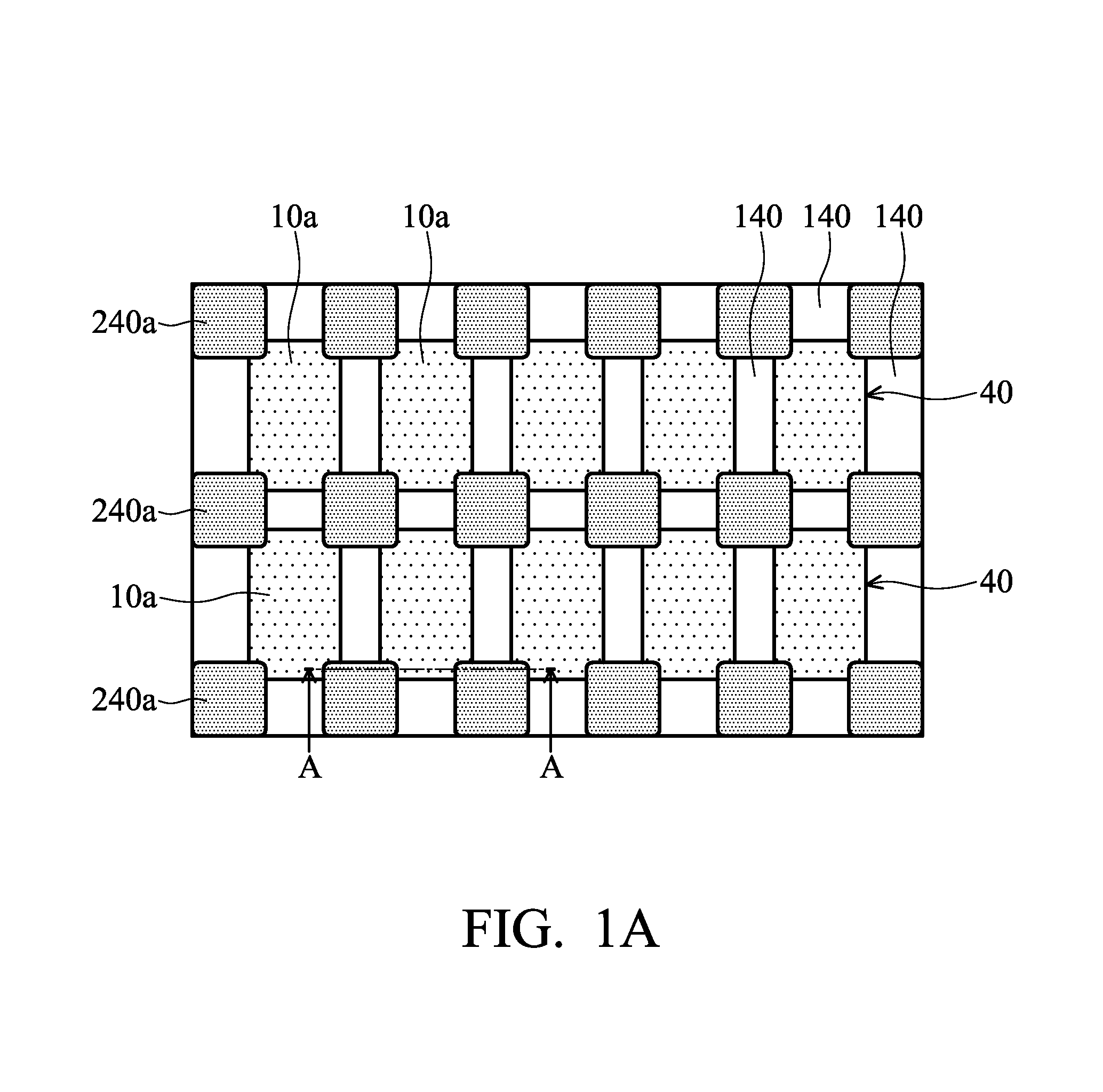
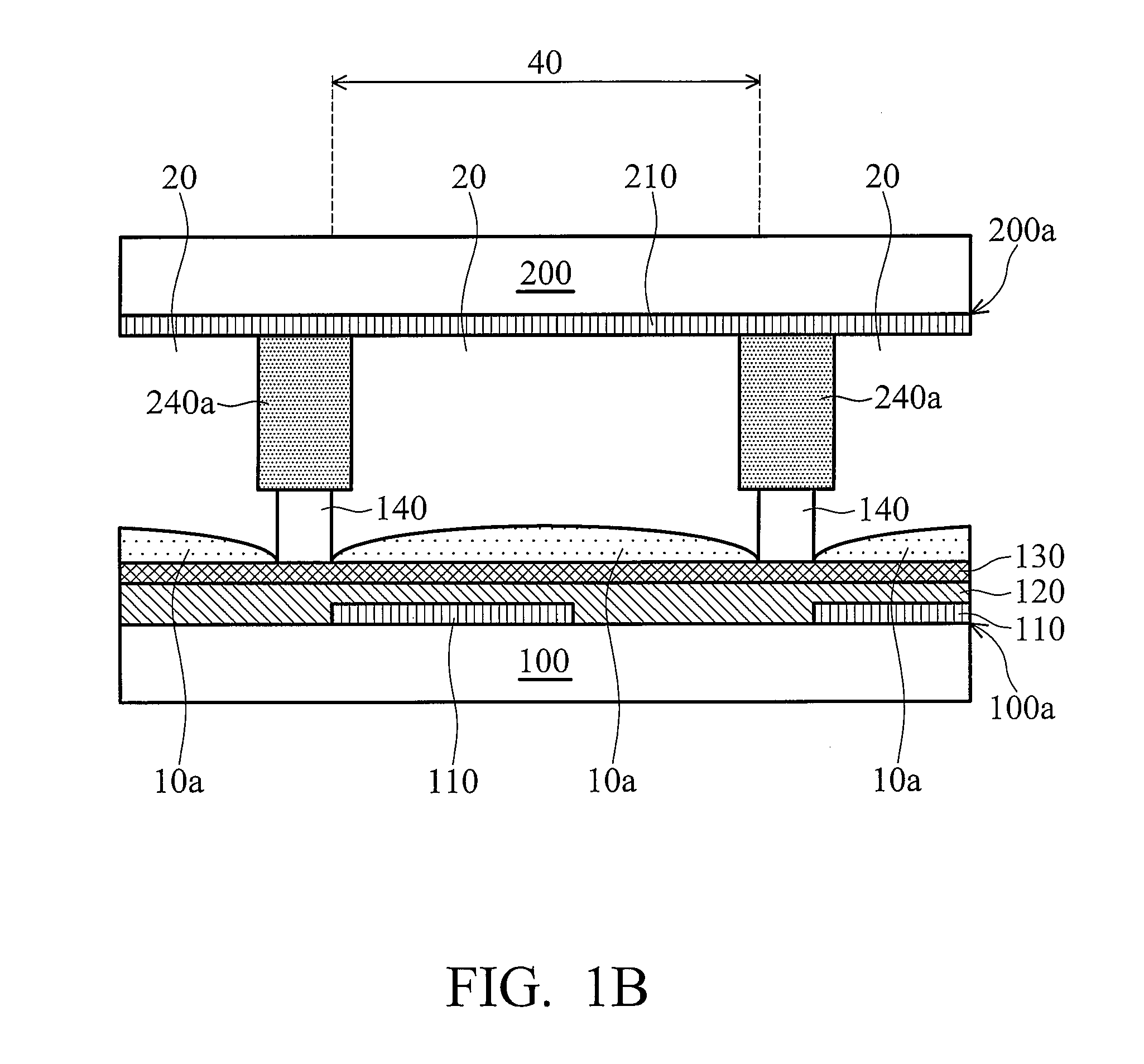
- The use of protruding spacers between hydrophilic separators and substrates stabilizes the gap between substrates in each pixel, preventing polar liquid overflow and simplifying the process by aligning the spacers with the hydrophilic separators, thus ensuring stable operation and cost-effective manufacturing.

Manufacturing Standards for Flexible Electronic Displays
The manufacturing of flexible electronic displays requires comprehensive standardization frameworks that address the unique challenges posed by both electrowetting and advanced plastic display technologies. Current manufacturing standards must accommodate the fundamental differences in substrate flexibility, processing temperatures, and mechanical stress tolerances between these competing technologies.
Electrowetting displays demand specialized manufacturing protocols due to their liquid-based switching mechanisms and hydrophobic surface requirements. The fabrication process necessitates precise control over surface energy characteristics, requiring standardized procedures for coating uniformity and contamination prevention. Manufacturing tolerances for electrowetting systems typically allow for greater substrate flexibility, with bend radii as small as 5mm achievable without performance degradation.
Advanced plastic displays, particularly those utilizing organic semiconductors, require different manufacturing considerations. The thermal processing limitations of plastic substrates, typically constrained to temperatures below 150°C, necessitate low-temperature deposition techniques and specialized annealing processes. Manufacturing standards must address the coefficient of thermal expansion mismatches between different material layers to prevent delamination during processing.
Quality control standards for flexible displays encompass mechanical testing protocols including cyclic bending tests, torsion resistance measurements, and long-term flexibility retention assessments. These standards define acceptable performance parameters across thousands of bend cycles, with specific criteria for pixel integrity maintenance and electrical continuity preservation.
Environmental manufacturing standards address moisture sensitivity, particularly critical for plastic substrates that exhibit higher water vapor transmission rates compared to glass. Controlled atmosphere processing requirements, including nitrogen environments and humidity control below 1ppm, are essential for maintaining product reliability.
Packaging and encapsulation standards for flexible displays require novel approaches to maintain hermeticity while preserving mechanical flexibility. Multi-layer barrier films with specified water vapor transmission rates below 10^-6 g/m²/day represent current industry benchmarks, though these standards continue evolving as new materials emerge.
Electrowetting displays demand specialized manufacturing protocols due to their liquid-based switching mechanisms and hydrophobic surface requirements. The fabrication process necessitates precise control over surface energy characteristics, requiring standardized procedures for coating uniformity and contamination prevention. Manufacturing tolerances for electrowetting systems typically allow for greater substrate flexibility, with bend radii as small as 5mm achievable without performance degradation.
Advanced plastic displays, particularly those utilizing organic semiconductors, require different manufacturing considerations. The thermal processing limitations of plastic substrates, typically constrained to temperatures below 150°C, necessitate low-temperature deposition techniques and specialized annealing processes. Manufacturing standards must address the coefficient of thermal expansion mismatches between different material layers to prevent delamination during processing.
Quality control standards for flexible displays encompass mechanical testing protocols including cyclic bending tests, torsion resistance measurements, and long-term flexibility retention assessments. These standards define acceptable performance parameters across thousands of bend cycles, with specific criteria for pixel integrity maintenance and electrical continuity preservation.
Environmental manufacturing standards address moisture sensitivity, particularly critical for plastic substrates that exhibit higher water vapor transmission rates compared to glass. Controlled atmosphere processing requirements, including nitrogen environments and humidity control below 1ppm, are essential for maintaining product reliability.
Packaging and encapsulation standards for flexible displays require novel approaches to maintain hermeticity while preserving mechanical flexibility. Multi-layer barrier films with specified water vapor transmission rates below 10^-6 g/m²/day represent current industry benchmarks, though these standards continue evolving as new materials emerge.
Environmental Impact of Flexible Display Materials
The environmental implications of flexible display materials represent a critical consideration in the ongoing comparison between electrowetting and advanced plastic display technologies. Both technologies rely on distinct material compositions that present unique environmental challenges throughout their lifecycle, from raw material extraction to end-of-life disposal.
Electrowetting displays primarily utilize indium tin oxide (ITO) electrodes, hydrophobic coatings, and various electrolyte solutions. The extraction and processing of indium, a rare earth element, poses significant environmental concerns due to mining-related habitat disruption and energy-intensive refinement processes. Additionally, the fluoropolymer coatings commonly employed in electrowetting systems are persistent organic pollutants that resist natural degradation, potentially accumulating in ecosystems over extended periods.
Advanced plastic displays, particularly those based on organic light-emitting diode (OLED) and electronic paper technologies, incorporate complex polymer substrates and organic semiconductor materials. These displays often utilize polyethylene terephthalate (PET) or polyimide substrates, which require petroleum-based feedstocks and generate substantial carbon emissions during production. The organic compounds used in active layers frequently contain heavy metals and rare earth elements that pose contamination risks if not properly managed.
Manufacturing processes for both technologies contribute significantly to their environmental footprint. Electrowetting displays require precision coating techniques and cleanroom environments that consume considerable energy and generate chemical waste streams. The fabrication of plastic displays involves high-temperature processing and solvent-based deposition methods that release volatile organic compounds and require extensive waste treatment systems.
Recycling challenges differ substantially between the two approaches. Electrowetting displays present difficulties in separating and recovering rare earth elements from complex multilayer structures. The chemical stability that makes fluoropolymer coatings effective also renders them problematic for conventional recycling processes. Conversely, plastic displays face challenges related to the separation of organic and inorganic components, with many organic semiconductors degrading during recycling attempts.
Emerging sustainable alternatives are being developed for both technologies. Bio-based polymers and recyclable electrode materials show promise for reducing the environmental impact of plastic displays, while electrowetting research focuses on eliminating rare earth elements and developing biodegradable coating alternatives.
Electrowetting displays primarily utilize indium tin oxide (ITO) electrodes, hydrophobic coatings, and various electrolyte solutions. The extraction and processing of indium, a rare earth element, poses significant environmental concerns due to mining-related habitat disruption and energy-intensive refinement processes. Additionally, the fluoropolymer coatings commonly employed in electrowetting systems are persistent organic pollutants that resist natural degradation, potentially accumulating in ecosystems over extended periods.
Advanced plastic displays, particularly those based on organic light-emitting diode (OLED) and electronic paper technologies, incorporate complex polymer substrates and organic semiconductor materials. These displays often utilize polyethylene terephthalate (PET) or polyimide substrates, which require petroleum-based feedstocks and generate substantial carbon emissions during production. The organic compounds used in active layers frequently contain heavy metals and rare earth elements that pose contamination risks if not properly managed.
Manufacturing processes for both technologies contribute significantly to their environmental footprint. Electrowetting displays require precision coating techniques and cleanroom environments that consume considerable energy and generate chemical waste streams. The fabrication of plastic displays involves high-temperature processing and solvent-based deposition methods that release volatile organic compounds and require extensive waste treatment systems.
Recycling challenges differ substantially between the two approaches. Electrowetting displays present difficulties in separating and recovering rare earth elements from complex multilayer structures. The chemical stability that makes fluoropolymer coatings effective also renders them problematic for conventional recycling processes. Conversely, plastic displays face challenges related to the separation of organic and inorganic components, with many organic semiconductors degrading during recycling attempts.
Emerging sustainable alternatives are being developed for both technologies. Bio-based polymers and recyclable electrode materials show promise for reducing the environmental impact of plastic displays, while electrowetting research focuses on eliminating rare earth elements and developing biodegradable coating alternatives.
Unlock deeper insights with PatSnap Eureka Quick Research — get a full tech report to explore trends and direct your research. Try now!
Generate Your Research Report Instantly with AI Agent
Supercharge your innovation with PatSnap Eureka AI Agent Platform!