

Electrowetting Vs Advanced Microlight Technologies: Pixel Morph Stability
MAY 19, 20269 MIN READ
Generate Your Research Report Instantly with AI Agent
PatSnap Eureka helps you evaluate technical feasibility & market potential.
Electrowetting and Microlight Display Technology Background
Electrowetting display technology emerged in the early 2000s as a revolutionary approach to creating reflective displays with video-rate capabilities. This technology leverages the electrowetting phenomenon, where the contact angle of a liquid droplet on a surface can be controlled through applied voltage. In display applications, colored oil and water are manipulated within pixel cells to create visible color changes, offering advantages in power consumption and outdoor readability compared to traditional LCD displays.
The fundamental principle behind electrowetting displays involves the reversible wetting of hydrophobic surfaces. When voltage is applied across electrodes, the surface energy changes, causing colored oil to either spread across or contract within the pixel area. This mechanism enables rapid switching between different optical states, theoretically achieving response times suitable for video applications while maintaining the paper-like appearance of e-paper technologies.
Advanced microlight technologies represent a parallel evolution in display innovation, encompassing micro-LED, mini-LED, and quantum dot enhancement layers. These technologies focus on precise light emission control at microscopic scales, enabling superior brightness, contrast ratios, and color gamut performance. Micro-LED arrays, in particular, offer self-emissive properties with individual pixel control, promising exceptional display quality and energy efficiency.
The convergence of these technologies addresses a critical challenge in modern display applications: pixel morphological stability. Traditional display technologies often suffer from image retention, color drift, or mechanical degradation over extended operation periods. Electrowetting displays face specific challenges related to oil spreading uniformity and electrode degradation, while microlight technologies encounter issues with LED aging and thermal management.
Recent technological developments have focused on hybrid approaches that combine the benefits of both paradigms. Advanced electrowetting systems now incorporate improved electrode materials and optimized fluid formulations to enhance long-term stability. Simultaneously, microlight technologies have evolved to include adaptive brightness control and predictive aging compensation algorithms.
The strategic importance of pixel morph stability extends beyond display quality to encompass device longevity, manufacturing costs, and user experience consistency. As display applications expand into automotive, aerospace, and industrial environments, the demand for robust, stable pixel technologies becomes increasingly critical for market success and technological advancement.
The fundamental principle behind electrowetting displays involves the reversible wetting of hydrophobic surfaces. When voltage is applied across electrodes, the surface energy changes, causing colored oil to either spread across or contract within the pixel area. This mechanism enables rapid switching between different optical states, theoretically achieving response times suitable for video applications while maintaining the paper-like appearance of e-paper technologies.
Advanced microlight technologies represent a parallel evolution in display innovation, encompassing micro-LED, mini-LED, and quantum dot enhancement layers. These technologies focus on precise light emission control at microscopic scales, enabling superior brightness, contrast ratios, and color gamut performance. Micro-LED arrays, in particular, offer self-emissive properties with individual pixel control, promising exceptional display quality and energy efficiency.
The convergence of these technologies addresses a critical challenge in modern display applications: pixel morphological stability. Traditional display technologies often suffer from image retention, color drift, or mechanical degradation over extended operation periods. Electrowetting displays face specific challenges related to oil spreading uniformity and electrode degradation, while microlight technologies encounter issues with LED aging and thermal management.
Recent technological developments have focused on hybrid approaches that combine the benefits of both paradigms. Advanced electrowetting systems now incorporate improved electrode materials and optimized fluid formulations to enhance long-term stability. Simultaneously, microlight technologies have evolved to include adaptive brightness control and predictive aging compensation algorithms.
The strategic importance of pixel morph stability extends beyond display quality to encompass device longevity, manufacturing costs, and user experience consistency. As display applications expand into automotive, aerospace, and industrial environments, the demand for robust, stable pixel technologies becomes increasingly critical for market success and technological advancement.
Market Demand for Pixel Morphing Display Solutions
The global display technology market is experiencing unprecedented demand for adaptive and morphing display solutions, driven by evolving consumer expectations and emerging application requirements across multiple industries. Traditional static displays are increasingly inadequate for next-generation devices that require dynamic visual interfaces capable of real-time adaptation to user needs and environmental conditions.
Consumer electronics manufacturers are actively seeking pixel morphing technologies to enable revolutionary product designs. Smartphones and tablets represent the largest market segment, where manufacturers demand displays capable of dynamically adjusting pixel configurations for enhanced readability, power efficiency, and user experience optimization. The automotive industry presents another significant growth opportunity, particularly for dashboard displays and heads-up display systems that must adapt to varying lighting conditions and driver preferences.
Enterprise and industrial applications are driving substantial demand for morphing display solutions in control systems, medical devices, and professional equipment. These sectors require displays that can reconfigure pixel arrangements to present different types of information simultaneously or adapt to specific operational modes. The healthcare industry specifically demands displays capable of morphing between high-resolution diagnostic imaging and simplified patient interface modes.
Gaming and entertainment markets are pushing the boundaries of pixel morphing technology requirements. Virtual reality and augmented reality applications necessitate displays that can dynamically adjust pixel density and configuration to match content requirements and reduce motion sickness. The growing esports and professional gaming segments demand displays with adaptive refresh rates and pixel response characteristics.
The architectural and digital signage markets represent emerging demand drivers for large-scale pixel morphing solutions. Smart building technologies require displays that can transform from informational panels to ambient lighting systems, while retail environments seek displays capable of adapting content presentation based on viewer proximity and demographics.
Market research indicates strong demand for energy-efficient morphing display technologies, particularly in battery-powered devices where power consumption directly impacts user experience. Environmental sustainability concerns are also driving demand for displays with extended operational lifespans and reduced material waste through adaptive functionality rather than hardware replacement.
Regional demand patterns show concentrated interest in Asia-Pacific markets, where consumer electronics manufacturing and adoption rates drive technology requirements. North American and European markets demonstrate strong demand for specialized applications in automotive, healthcare, and industrial sectors, emphasizing reliability and performance over cost optimization.
Consumer electronics manufacturers are actively seeking pixel morphing technologies to enable revolutionary product designs. Smartphones and tablets represent the largest market segment, where manufacturers demand displays capable of dynamically adjusting pixel configurations for enhanced readability, power efficiency, and user experience optimization. The automotive industry presents another significant growth opportunity, particularly for dashboard displays and heads-up display systems that must adapt to varying lighting conditions and driver preferences.
Enterprise and industrial applications are driving substantial demand for morphing display solutions in control systems, medical devices, and professional equipment. These sectors require displays that can reconfigure pixel arrangements to present different types of information simultaneously or adapt to specific operational modes. The healthcare industry specifically demands displays capable of morphing between high-resolution diagnostic imaging and simplified patient interface modes.
Gaming and entertainment markets are pushing the boundaries of pixel morphing technology requirements. Virtual reality and augmented reality applications necessitate displays that can dynamically adjust pixel density and configuration to match content requirements and reduce motion sickness. The growing esports and professional gaming segments demand displays with adaptive refresh rates and pixel response characteristics.
The architectural and digital signage markets represent emerging demand drivers for large-scale pixel morphing solutions. Smart building technologies require displays that can transform from informational panels to ambient lighting systems, while retail environments seek displays capable of adapting content presentation based on viewer proximity and demographics.
Market research indicates strong demand for energy-efficient morphing display technologies, particularly in battery-powered devices where power consumption directly impacts user experience. Environmental sustainability concerns are also driving demand for displays with extended operational lifespans and reduced material waste through adaptive functionality rather than hardware replacement.
Regional demand patterns show concentrated interest in Asia-Pacific markets, where consumer electronics manufacturing and adoption rates drive technology requirements. North American and European markets demonstrate strong demand for specialized applications in automotive, healthcare, and industrial sectors, emphasizing reliability and performance over cost optimization.
Current Pixel Stability Challenges in EW and Microlight Tech
Electrowetting (EW) displays face significant pixel stability challenges primarily related to oil film degradation and contact angle hysteresis. The continuous voltage cycling required for pixel switching causes gradual breakdown of the hydrophobic coating, leading to irreversible oil spreading and reduced contrast ratios. This degradation manifests as oil dewetting, where the colored oil fails to return to its original position, creating permanent visual artifacts. Additionally, charge trapping at the dielectric interface results in voltage drift, requiring increasingly higher driving voltages over time to maintain the same optical response.
Advanced microlight technologies, particularly micro-LED and quantum dot displays, encounter distinct stability issues centered around luminescence degradation and thermal management. Micro-LEDs suffer from efficiency droop at high current densities, where the internal quantum efficiency decreases significantly, leading to non-uniform brightness across pixel arrays. The miniaturization of LED structures also introduces edge effects and surface recombination, causing accelerated aging in smaller pixels. Quantum dot displays face photochemical degradation under continuous blue light excitation, resulting in spectral shifts and reduced color gamut over operational lifetime.
Both technologies struggle with manufacturing-induced variability that compounds stability problems. EW displays exhibit non-uniform dielectric thickness and surface roughness variations that create inconsistent switching behaviors across pixel arrays. The oil formulation sensitivity to environmental conditions further exacerbates stability issues, with temperature fluctuations causing viscosity changes that affect response times and switching reliability.
Microlight technologies face similar uniformity challenges, where process variations in semiconductor growth and quantum dot synthesis lead to wavelength and efficiency distributions across displays. The integration of millions of microscopic light sources amplifies these variations, creating visible mura effects and color non-uniformity that worsen with aging.
Thermal cycling represents another critical stability factor for both technologies. EW displays experience oil migration and dielectric stress under temperature variations, while microlight displays suffer from thermal quenching effects and accelerated degradation kinetics at elevated temperatures. The challenge lies in maintaining consistent optical performance across varying environmental conditions while ensuring long-term operational reliability.
Advanced microlight technologies, particularly micro-LED and quantum dot displays, encounter distinct stability issues centered around luminescence degradation and thermal management. Micro-LEDs suffer from efficiency droop at high current densities, where the internal quantum efficiency decreases significantly, leading to non-uniform brightness across pixel arrays. The miniaturization of LED structures also introduces edge effects and surface recombination, causing accelerated aging in smaller pixels. Quantum dot displays face photochemical degradation under continuous blue light excitation, resulting in spectral shifts and reduced color gamut over operational lifetime.
Both technologies struggle with manufacturing-induced variability that compounds stability problems. EW displays exhibit non-uniform dielectric thickness and surface roughness variations that create inconsistent switching behaviors across pixel arrays. The oil formulation sensitivity to environmental conditions further exacerbates stability issues, with temperature fluctuations causing viscosity changes that affect response times and switching reliability.
Microlight technologies face similar uniformity challenges, where process variations in semiconductor growth and quantum dot synthesis lead to wavelength and efficiency distributions across displays. The integration of millions of microscopic light sources amplifies these variations, creating visible mura effects and color non-uniformity that worsen with aging.
Thermal cycling represents another critical stability factor for both technologies. EW displays experience oil migration and dielectric stress under temperature variations, while microlight displays suffer from thermal quenching effects and accelerated degradation kinetics at elevated temperatures. The challenge lies in maintaining consistent optical performance across varying environmental conditions while ensuring long-term operational reliability.
Current Pixel Morph Stability Enhancement Solutions
01 Electrowetting display device structures and configurations
Various structural designs and configurations for electrowetting display devices that enhance pixel stability through optimized electrode arrangements, substrate materials, and cell geometries. These configurations focus on maintaining consistent electrowetting behavior across multiple switching cycles and preventing degradation of the electrowetting interface.- Electrowetting display device structures and configurations: Various structural designs and configurations for electrowetting display devices that enhance pixel stability through optimized electrode arrangements, dielectric layers, and fluid containment systems. These configurations focus on maintaining consistent pixel morphology and preventing unwanted fluid movement that could affect display quality.
- Pixel switching and control mechanisms for microlight technologies: Advanced control systems and switching mechanisms designed to manage pixel transitions and maintain morphological stability in microlight display technologies. These systems incorporate sophisticated timing controls and voltage regulation to ensure precise pixel state changes without degradation.
- Fluid dynamics optimization in electrowetting systems: Methods and techniques for optimizing fluid behavior within electrowetting systems to enhance pixel morph stability. This includes surface treatment technologies, fluid composition optimization, and containment strategies that prevent pixel degradation over extended operation periods.
- Advanced microlight pixel array architectures: Innovative pixel array designs and architectures specifically developed for advanced microlight technologies that improve overall system stability and performance. These architectures incorporate enhanced addressing schemes and improved pixel isolation techniques to maintain consistent display characteristics.
- Stability enhancement through material and coating technologies: Specialized materials and coating technologies applied to electrowetting and microlight systems to improve long-term pixel stability and prevent morphological changes. These technologies focus on surface properties, material compatibility, and protective layers that maintain system performance over time.
02 Pixel switching and control mechanisms for electrowetting displays
Advanced control systems and switching mechanisms designed to improve pixel response time and morphological stability in electrowetting displays. These mechanisms include optimized voltage control schemes, timing sequences, and feedback systems that ensure reliable pixel state transitions and maintain display uniformity.Expand Specific Solutions03 Fluid management and containment systems
Technologies focused on managing and containing fluids within electrowetting pixels to prevent cross-contamination, fluid migration, and morphological instabilities. These systems include barrier structures, surface treatments, and encapsulation methods that maintain fluid integrity over extended operational periods.Expand Specific Solutions04 Surface treatment and interface optimization
Methods for treating and optimizing surfaces in electrowetting devices to enhance wetting behavior stability and prevent surface degradation. These treatments include hydrophobic coatings, surface texturing, and chemical modifications that maintain consistent contact angles and electrowetting performance throughout device lifetime.Expand Specific Solutions05 Manufacturing processes and quality control for electrowetting devices
Specialized manufacturing techniques and quality control measures designed to ensure consistent pixel morphology and long-term stability in electrowetting displays. These processes include precision assembly methods, contamination control, and testing procedures that verify pixel performance and reliability standards.Expand Specific Solutions
Key Players in Electrowetting and Microlight Display Industry
The electrowetting versus advanced microlight technologies competition for pixel morph stability represents an emerging market in the early development stage, with significant growth potential driven by applications in automotive displays, e-readers, and smart glass solutions. The market remains relatively niche but shows promising expansion as companies like E Ink Corp. lead electrophoretic display innovation, while established players including Sony, Samsung Display, and BOE Technology Group advance microlight technologies. Technology maturity varies significantly across participants, with E Ink demonstrating commercial-ready electrowetting solutions and Miortech specializing in automotive applications, while traditional display manufacturers like LG Display, Sharp, and Canon leverage existing capabilities to develop competing microlight approaches. The competitive landscape features a mix of specialized innovators and diversified electronics giants, indicating both the technology's potential and the challenges in achieving stable, commercially viable pixel morphing solutions.
E Ink Corp.
Technical Solution: E Ink has developed advanced electrophoretic display technology that addresses pixel morph stability through encapsulated electrophoretic particles suspended in a clear fluid. Their technology utilizes microcapsules containing positively charged white particles and negatively charged black particles that move in response to electric fields. The company has implemented advanced driving schemes and waveform optimization to minimize image retention and ghosting effects. Their latest generation displays feature improved particle formulations and enhanced electrode designs that provide better long-term stability and reduced pixel degradation over millions of switching cycles.
Strengths: Market leader in e-paper technology with proven stability solutions and low power consumption. Weaknesses: Limited to monochrome or limited color applications with slower refresh rates compared to LCD/OLED technologies.
Sony Group Corp.
Technical Solution: Sony has developed proprietary Crystal LED technology and advanced liquid crystal alignment techniques that enhance pixel stability through improved material interfaces. Their approach focuses on reducing ionic contamination and optimizing liquid crystal pretilt angles to minimize image sticking and improve response uniformity. The company has implemented advanced backplane technologies with low-temperature polysilicon (LTPS) transistors that provide better electrical stability and reduced leakage currents. Sony's displays incorporate sophisticated calibration systems and real-time adjustment mechanisms that compensate for aging effects and maintain color accuracy throughout the display's operational lifetime.
Strengths: High-end display technology with excellent color reproduction and professional-grade stability features. Weaknesses: Premium pricing and complex manufacturing processes that limit mass market adoption and scalability.
Core Patents in Electrowetting vs Microlight Stability Tech
Electrowetting element
PatentInactiveUS20170003497A1
Innovation
- The use of a compound comprising multiple colorant moieties with net dipoles that are linked and disposed around a linker, allowing the dipoles to at least partially cancel each other, reducing the net dipole of the compound and minimizing backflow when dissolved in the first fluid of the electrowetting apparatus.


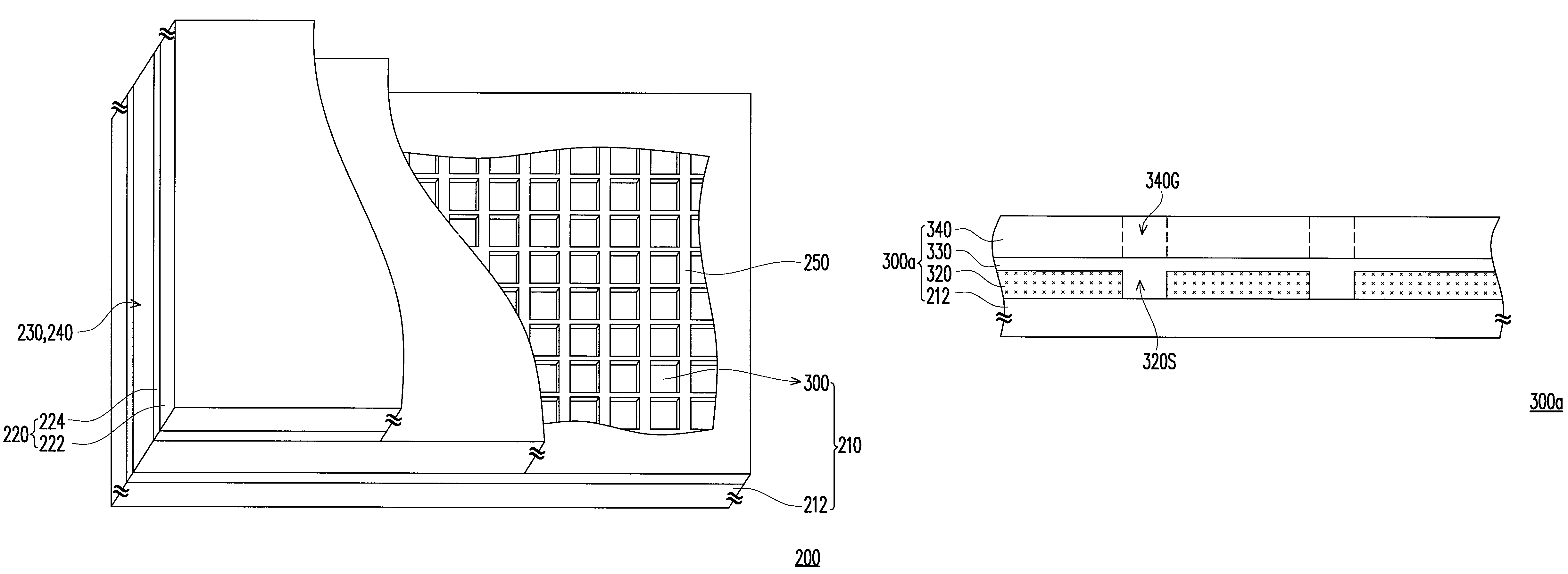
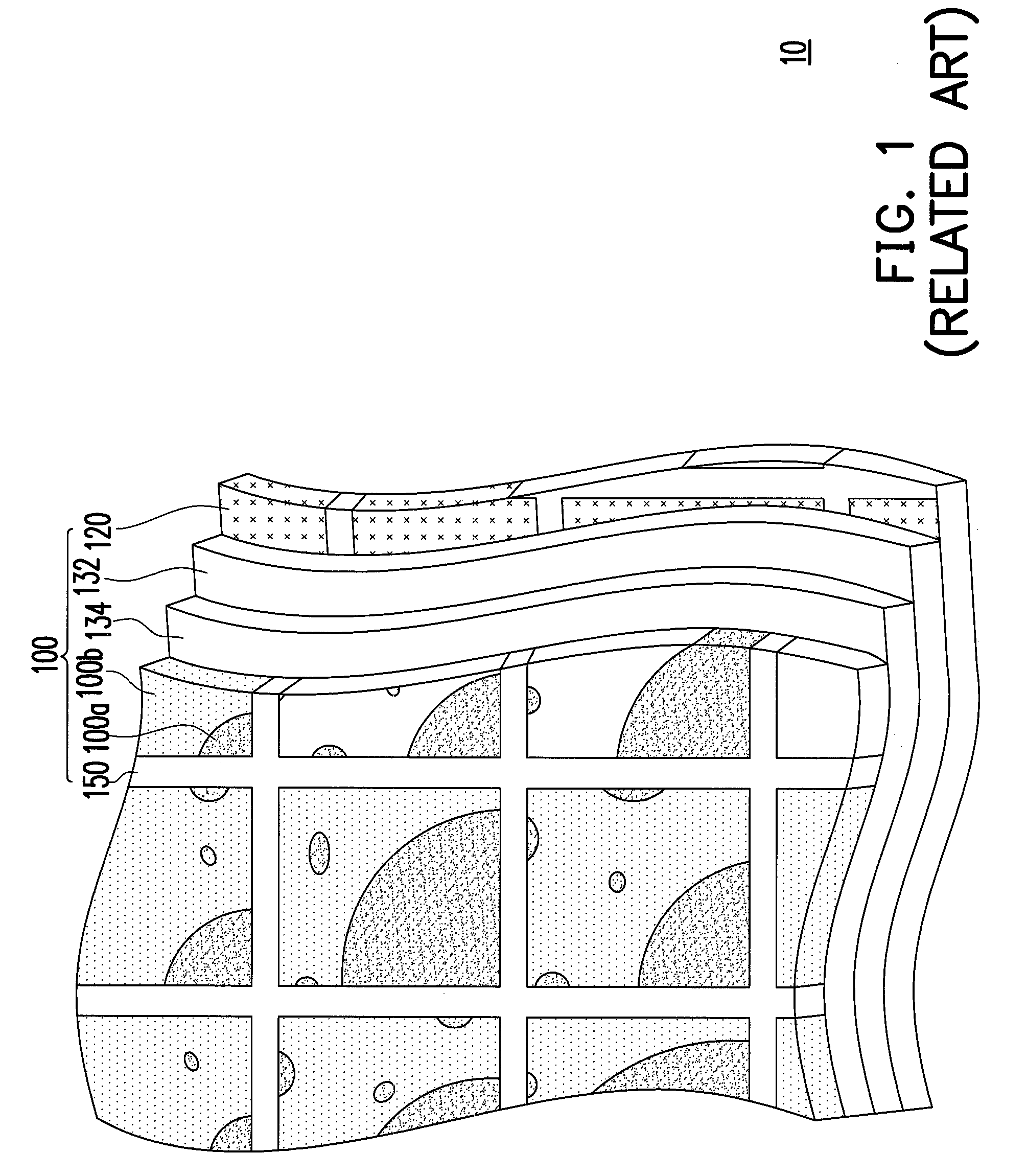
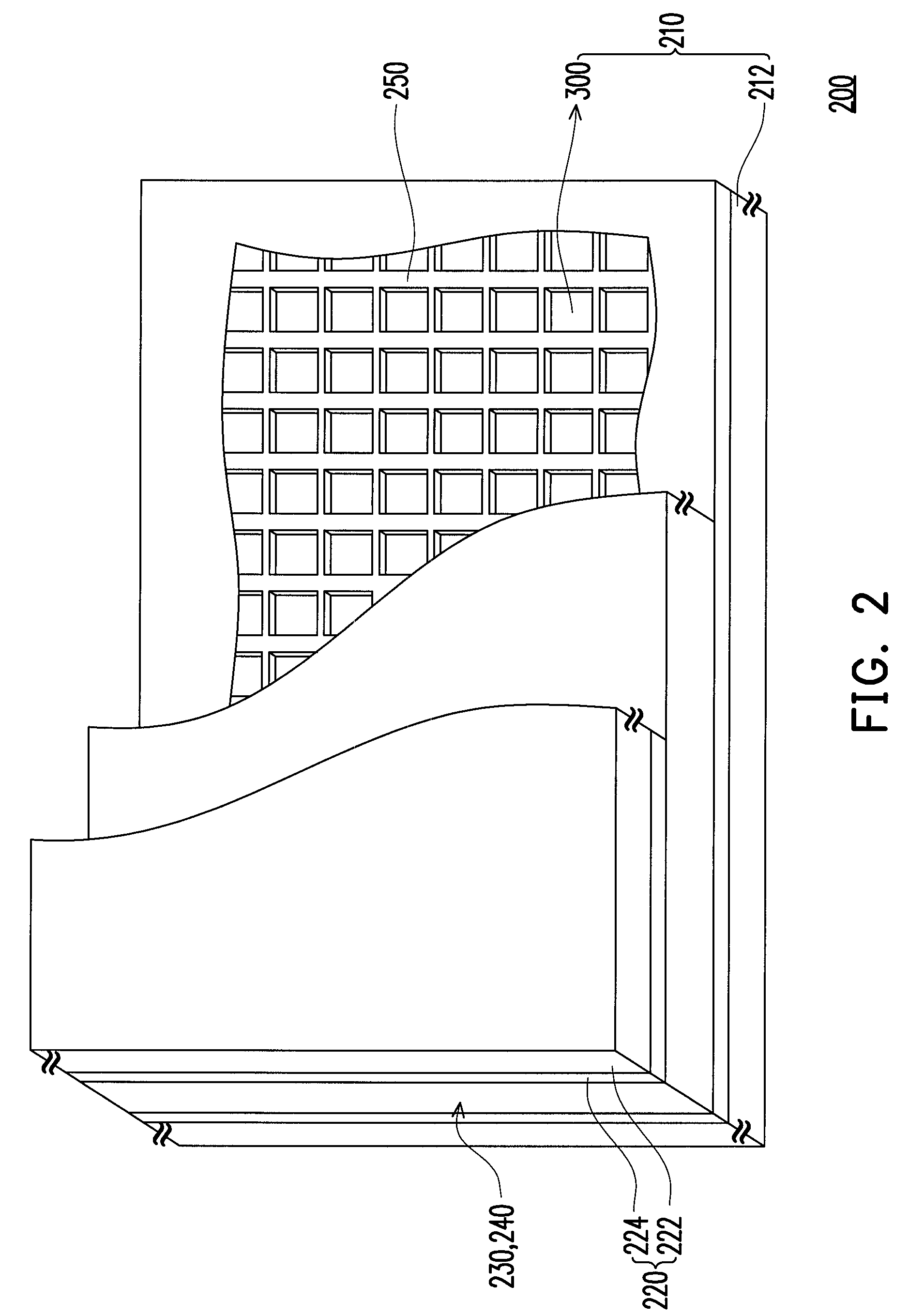
Electrowetting display and pixel array substrate thereof and electrowetting display pixel structure thereof
PatentInactiveUS8456728B2
Innovation
- Incorporation of flow guiding areas in the pixel array substrate and electrowetting display pixel structure, which determine the flowing path of the fluid medium, enhancing compression rates and reducing delay effects by optimizing fluid flow paths through the use of slit-shaped or recessed hydrophobic layers.

Manufacturing Standards for Advanced Display Technologies
The manufacturing standards for advanced display technologies incorporating electrowetting and microlight systems require stringent precision controls to ensure pixel morph stability. Current industry standards mandate sub-micron alignment tolerances for electrode positioning in electrowetting displays, with surface roughness specifications not exceeding 5 nanometers RMS to maintain consistent droplet behavior. These requirements directly impact the reliability of pixel morphing mechanisms under various environmental conditions.
Quality control protocols for electrowetting-based displays emphasize contamination prevention during fabrication, as even trace amounts of organic residues can compromise hydrophobic surface properties. Manufacturing environments must maintain Class 10 cleanroom conditions with specialized atmospheric controls to prevent moisture absorption by hygroscopic materials. Temperature stability during production processes is critical, with variations limited to ±0.5°C to ensure consistent material properties across large substrate areas.
Advanced microlight technologies demand equally rigorous manufacturing standards, particularly for LED array positioning and optical coupling efficiency. Placement accuracy requirements typically specify ±2 micrometers for individual microLED elements, with luminance uniformity standards requiring less than 3% variation across the display surface. Color consistency standards mandate chromaticity coordinates within 0.003 CIE units to ensure visual uniformity.
Substrate preparation protocols for both technologies require specialized surface treatments to optimize adhesion and electrical properties. Chemical vapor deposition processes must maintain precise gas flow ratios and chamber pressures to achieve uniform thin-film characteristics. Post-processing inspection standards include automated optical inspection systems capable of detecting defects smaller than 1 micrometer, ensuring pixel integrity before final assembly.
Packaging standards address environmental protection requirements, with moisture barrier specifications demanding water vapor transmission rates below 10^-6 g/m²/day. Thermal cycling tests validate manufacturing quality through 1000 cycles between -40°C and 85°C, ensuring long-term pixel stability under operational stress conditions.
Quality control protocols for electrowetting-based displays emphasize contamination prevention during fabrication, as even trace amounts of organic residues can compromise hydrophobic surface properties. Manufacturing environments must maintain Class 10 cleanroom conditions with specialized atmospheric controls to prevent moisture absorption by hygroscopic materials. Temperature stability during production processes is critical, with variations limited to ±0.5°C to ensure consistent material properties across large substrate areas.
Advanced microlight technologies demand equally rigorous manufacturing standards, particularly for LED array positioning and optical coupling efficiency. Placement accuracy requirements typically specify ±2 micrometers for individual microLED elements, with luminance uniformity standards requiring less than 3% variation across the display surface. Color consistency standards mandate chromaticity coordinates within 0.003 CIE units to ensure visual uniformity.
Substrate preparation protocols for both technologies require specialized surface treatments to optimize adhesion and electrical properties. Chemical vapor deposition processes must maintain precise gas flow ratios and chamber pressures to achieve uniform thin-film characteristics. Post-processing inspection standards include automated optical inspection systems capable of detecting defects smaller than 1 micrometer, ensuring pixel integrity before final assembly.
Packaging standards address environmental protection requirements, with moisture barrier specifications demanding water vapor transmission rates below 10^-6 g/m²/day. Thermal cycling tests validate manufacturing quality through 1000 cycles between -40°C and 85°C, ensuring long-term pixel stability under operational stress conditions.
Energy Efficiency Considerations in Pixel Morphing Systems
Energy efficiency represents a critical performance metric in pixel morphing systems, particularly when comparing electrowetting and advanced microlight technologies. The fundamental energy consumption patterns differ significantly between these approaches, with electrowetting systems requiring continuous voltage application to maintain pixel states, while microlight technologies often exhibit lower standby power consumption through optimized semiconductor architectures.
Electrowetting displays demonstrate variable energy profiles depending on pixel switching frequency and morphing complexity. Static image display typically consumes minimal power as voltage maintenance requires relatively low current, but dynamic morphing operations can result in substantial energy spikes during transition phases. The capacitive nature of electrowetting cells means energy consumption scales with both pixel count and refresh rates, creating challenges for large-scale implementations requiring frequent morphing operations.
Advanced microlight technologies, including micro-LED and quantum dot systems, present distinct energy characteristics. These systems benefit from direct light emission without requiring backlight infrastructure, potentially reducing overall system power consumption by 30-40% compared to traditional approaches. However, peak brightness requirements during morphing transitions can temporarily increase power draw, particularly when achieving high contrast ratios or rapid color transitions.
Thermal management considerations significantly impact energy efficiency in both technologies. Electrowetting systems generate heat primarily through resistive losses in driving circuits, while microlight technologies face thermal challenges from LED junction heating. Effective thermal design becomes crucial for maintaining energy efficiency, as elevated temperatures can increase leakage currents and reduce overall system efficiency by up to 15% in poorly managed implementations.
Power management strategies play essential roles in optimizing energy consumption. Adaptive voltage scaling in electrowetting systems can reduce power consumption during low-activity periods, while microlight technologies benefit from dynamic brightness control and selective pixel activation. Advanced power management algorithms can achieve 20-25% energy savings through intelligent prediction of morphing patterns and preemptive power state adjustments.
The energy efficiency comparison ultimately depends on specific application requirements, with electrowetting systems showing advantages in low-frequency morphing scenarios, while microlight technologies excel in high-brightness, high-frequency applications where their superior luminous efficiency compensates for higher peak power requirements.
Electrowetting displays demonstrate variable energy profiles depending on pixel switching frequency and morphing complexity. Static image display typically consumes minimal power as voltage maintenance requires relatively low current, but dynamic morphing operations can result in substantial energy spikes during transition phases. The capacitive nature of electrowetting cells means energy consumption scales with both pixel count and refresh rates, creating challenges for large-scale implementations requiring frequent morphing operations.
Advanced microlight technologies, including micro-LED and quantum dot systems, present distinct energy characteristics. These systems benefit from direct light emission without requiring backlight infrastructure, potentially reducing overall system power consumption by 30-40% compared to traditional approaches. However, peak brightness requirements during morphing transitions can temporarily increase power draw, particularly when achieving high contrast ratios or rapid color transitions.
Thermal management considerations significantly impact energy efficiency in both technologies. Electrowetting systems generate heat primarily through resistive losses in driving circuits, while microlight technologies face thermal challenges from LED junction heating. Effective thermal design becomes crucial for maintaining energy efficiency, as elevated temperatures can increase leakage currents and reduce overall system efficiency by up to 15% in poorly managed implementations.
Power management strategies play essential roles in optimizing energy consumption. Adaptive voltage scaling in electrowetting systems can reduce power consumption during low-activity periods, while microlight technologies benefit from dynamic brightness control and selective pixel activation. Advanced power management algorithms can achieve 20-25% energy savings through intelligent prediction of morphing patterns and preemptive power state adjustments.
The energy efficiency comparison ultimately depends on specific application requirements, with electrowetting systems showing advantages in low-frequency morphing scenarios, while microlight technologies excel in high-brightness, high-frequency applications where their superior luminous efficiency compensates for higher peak power requirements.
Unlock deeper insights with PatSnap Eureka Quick Research — get a full tech report to explore trends and direct your research. Try now!
Generate Your Research Report Instantly with AI Agent
Supercharge your innovation with PatSnap Eureka AI Agent Platform!