

Enable Polydimethylsiloxane Adhesive Properties for Surface Adaptations
MAR 10, 20269 MIN READ
Generate Your Research Report Instantly with AI Agent
PatSnap Eureka helps you evaluate technical feasibility & market potential.
PDMS Adhesive Technology Background and Objectives
Polydimethylsiloxane (PDMS) has emerged as a critical material in advanced manufacturing and biomedical applications due to its unique combination of flexibility, biocompatibility, and chemical inertness. However, the inherent low surface energy of PDMS presents significant challenges for achieving reliable adhesion to various substrates, limiting its potential in applications requiring strong interfacial bonding. This fundamental limitation has driven extensive research efforts to develop innovative approaches for enhancing PDMS adhesive properties while maintaining its desirable bulk characteristics.
The evolution of PDMS adhesive technology can be traced back to the early developments in silicone chemistry during the mid-20th century. Initial applications focused primarily on sealants and gaskets where moderate adhesion was sufficient. As industries began recognizing PDMS's potential for more sophisticated applications, particularly in microfluidics, flexible electronics, and medical devices, the demand for enhanced adhesive properties became increasingly apparent.
Current market drivers for improved PDMS adhesion span multiple high-growth sectors. The microfluidics industry requires reliable bonding between PDMS components and glass or plastic substrates to prevent leakage and ensure device functionality. Flexible electronics applications demand strong adhesion to enable conformal contact with curved surfaces while maintaining electrical performance. Medical device manufacturing seeks enhanced biocompatible adhesion for implantable devices and diagnostic equipment.
The primary technical objective centers on developing surface modification strategies that can significantly improve PDMS adhesive strength without compromising its bulk properties. This involves creating functionalized surface layers that promote chemical bonding with target substrates while preserving the material's flexibility and biocompatibility. Key performance targets include achieving adhesion strengths comparable to structural adhesives while maintaining reversibility when required.
Secondary objectives encompass developing scalable manufacturing processes for surface-modified PDMS components and establishing standardized testing protocols for adhesive performance evaluation. The technology must demonstrate compatibility with existing manufacturing workflows and provide consistent, reproducible results across different substrate materials and environmental conditions.
Long-term strategic goals involve creating adaptive adhesive systems that can dynamically adjust their bonding strength based on environmental stimuli or application requirements. This represents a paradigm shift toward intelligent materials that can optimize their interfacial properties in real-time, opening new possibilities for advanced applications in robotics, aerospace, and next-generation medical devices.
The evolution of PDMS adhesive technology can be traced back to the early developments in silicone chemistry during the mid-20th century. Initial applications focused primarily on sealants and gaskets where moderate adhesion was sufficient. As industries began recognizing PDMS's potential for more sophisticated applications, particularly in microfluidics, flexible electronics, and medical devices, the demand for enhanced adhesive properties became increasingly apparent.
Current market drivers for improved PDMS adhesion span multiple high-growth sectors. The microfluidics industry requires reliable bonding between PDMS components and glass or plastic substrates to prevent leakage and ensure device functionality. Flexible electronics applications demand strong adhesion to enable conformal contact with curved surfaces while maintaining electrical performance. Medical device manufacturing seeks enhanced biocompatible adhesion for implantable devices and diagnostic equipment.
The primary technical objective centers on developing surface modification strategies that can significantly improve PDMS adhesive strength without compromising its bulk properties. This involves creating functionalized surface layers that promote chemical bonding with target substrates while preserving the material's flexibility and biocompatibility. Key performance targets include achieving adhesion strengths comparable to structural adhesives while maintaining reversibility when required.
Secondary objectives encompass developing scalable manufacturing processes for surface-modified PDMS components and establishing standardized testing protocols for adhesive performance evaluation. The technology must demonstrate compatibility with existing manufacturing workflows and provide consistent, reproducible results across different substrate materials and environmental conditions.
Long-term strategic goals involve creating adaptive adhesive systems that can dynamically adjust their bonding strength based on environmental stimuli or application requirements. This represents a paradigm shift toward intelligent materials that can optimize their interfacial properties in real-time, opening new possibilities for advanced applications in robotics, aerospace, and next-generation medical devices.
Market Demand for Advanced PDMS Surface Adhesion
The global market for advanced PDMS surface adhesion technologies is experiencing unprecedented growth driven by diverse industrial applications requiring enhanced surface adaptability. Healthcare sectors represent the largest demand segment, particularly in medical device manufacturing where biocompatible adhesive properties are essential for implantable devices, wound care products, and diagnostic equipment. The aging global population and increasing prevalence of chronic diseases are amplifying the need for reliable, skin-compatible adhesive solutions that can maintain performance across varying physiological conditions.
Electronics and semiconductor industries constitute another major demand driver, where PDMS adhesives enable flexible electronics, wearable devices, and advanced packaging solutions. The proliferation of Internet of Things devices and flexible display technologies requires adhesive materials that can withstand repeated mechanical stress while maintaining electrical insulation properties. Consumer electronics manufacturers increasingly seek PDMS formulations that provide reversible adhesion for modular device designs and repair applications.
Automotive and aerospace sectors are emerging as significant growth areas, particularly for applications requiring temperature-resistant and environmentally stable adhesive properties. Advanced driver assistance systems, electric vehicle components, and lightweight composite structures demand adhesive solutions that can perform reliably across extreme temperature ranges while providing long-term durability. The shift toward electric vehicles is creating new requirements for thermal management applications where PDMS adhesives play critical roles.
The construction and architectural industries are recognizing the potential of advanced PDMS adhesives for weatherproofing, structural glazing, and energy-efficient building envelope systems. Green building initiatives and stringent energy efficiency regulations are driving demand for adhesive materials that can adapt to thermal expansion cycles while maintaining structural integrity over extended periods.
Market growth is further accelerated by increasing research activities in surface modification techniques and the development of smart adhesive systems. Industries are seeking solutions that can provide controlled adhesion strength, self-healing properties, and responsive behavior to environmental stimuli. The convergence of nanotechnology with PDMS chemistry is opening new application possibilities in microfluidics, optical devices, and advanced manufacturing processes.
Regional demand patterns show strong growth in Asia-Pacific markets, driven by expanding manufacturing capabilities and increasing adoption of advanced materials in emerging economies. North American and European markets continue to lead in high-value applications requiring specialized performance characteristics and regulatory compliance.
Electronics and semiconductor industries constitute another major demand driver, where PDMS adhesives enable flexible electronics, wearable devices, and advanced packaging solutions. The proliferation of Internet of Things devices and flexible display technologies requires adhesive materials that can withstand repeated mechanical stress while maintaining electrical insulation properties. Consumer electronics manufacturers increasingly seek PDMS formulations that provide reversible adhesion for modular device designs and repair applications.
Automotive and aerospace sectors are emerging as significant growth areas, particularly for applications requiring temperature-resistant and environmentally stable adhesive properties. Advanced driver assistance systems, electric vehicle components, and lightweight composite structures demand adhesive solutions that can perform reliably across extreme temperature ranges while providing long-term durability. The shift toward electric vehicles is creating new requirements for thermal management applications where PDMS adhesives play critical roles.
The construction and architectural industries are recognizing the potential of advanced PDMS adhesives for weatherproofing, structural glazing, and energy-efficient building envelope systems. Green building initiatives and stringent energy efficiency regulations are driving demand for adhesive materials that can adapt to thermal expansion cycles while maintaining structural integrity over extended periods.
Market growth is further accelerated by increasing research activities in surface modification techniques and the development of smart adhesive systems. Industries are seeking solutions that can provide controlled adhesion strength, self-healing properties, and responsive behavior to environmental stimuli. The convergence of nanotechnology with PDMS chemistry is opening new application possibilities in microfluidics, optical devices, and advanced manufacturing processes.
Regional demand patterns show strong growth in Asia-Pacific markets, driven by expanding manufacturing capabilities and increasing adoption of advanced materials in emerging economies. North American and European markets continue to lead in high-value applications requiring specialized performance characteristics and regulatory compliance.
Current PDMS Adhesion Challenges and Limitations
PDMS adhesion faces fundamental challenges rooted in its inherent chemical and physical properties. The polymer's low surface energy, typically ranging from 20-24 mN/m, creates poor wettability with most substrates, resulting in weak interfacial interactions. This characteristic stems from the highly flexible siloxane backbone and methyl side groups that minimize intermolecular forces with target surfaces.
The hydrophobic nature of PDMS presents significant limitations in aqueous environments and biological applications. Water contact angles exceeding 100° indicate strong hydrophobicity, which impedes adhesion to hydrophilic surfaces commonly encountered in medical devices, microfluidics, and biotechnology applications. This incompatibility restricts PDMS utility in wet conditions where reliable bonding is essential.
Mechanical property mismatches constitute another critical challenge. PDMS exhibits low modulus values (0.5-3 MPa) compared to many engineering materials, creating stress concentrations at interfaces during thermal cycling or mechanical loading. The resulting differential expansion and contraction often leads to delamination and adhesive failure, particularly problematic in electronic packaging and automotive applications.
Surface contamination and aging effects significantly impact PDMS adhesion performance. The material readily attracts airborne contaminants due to its tacky surface, while UV exposure and oxidation create a brittle silica-like layer that reduces flexibility and adhesive strength. These degradation mechanisms limit long-term reliability in outdoor and high-temperature applications.
Processing-related limitations further constrain adhesion capabilities. Standard PDMS curing processes often result in incomplete crosslinking at surfaces, leaving unreacted oligomers that act as release agents. Additionally, the material's tendency to creep under sustained loads compromises joint integrity over time, particularly in structural applications requiring permanent bonds.
Temperature sensitivity represents another significant constraint. PDMS adhesion strength typically decreases at elevated temperatures due to increased molecular mobility and reduced intermolecular forces. Conversely, low temperatures can make the material brittle, leading to cohesive failure within the adhesive layer rather than at the interface.
Chemical compatibility issues arise when PDMS contacts certain solvents, oils, and reactive chemicals that can cause swelling, softening, or chemical degradation. These interactions not only weaken adhesive bonds but can also lead to contamination of sensitive applications, particularly in analytical and pharmaceutical contexts where chemical purity is paramount.
The hydrophobic nature of PDMS presents significant limitations in aqueous environments and biological applications. Water contact angles exceeding 100° indicate strong hydrophobicity, which impedes adhesion to hydrophilic surfaces commonly encountered in medical devices, microfluidics, and biotechnology applications. This incompatibility restricts PDMS utility in wet conditions where reliable bonding is essential.
Mechanical property mismatches constitute another critical challenge. PDMS exhibits low modulus values (0.5-3 MPa) compared to many engineering materials, creating stress concentrations at interfaces during thermal cycling or mechanical loading. The resulting differential expansion and contraction often leads to delamination and adhesive failure, particularly problematic in electronic packaging and automotive applications.
Surface contamination and aging effects significantly impact PDMS adhesion performance. The material readily attracts airborne contaminants due to its tacky surface, while UV exposure and oxidation create a brittle silica-like layer that reduces flexibility and adhesive strength. These degradation mechanisms limit long-term reliability in outdoor and high-temperature applications.
Processing-related limitations further constrain adhesion capabilities. Standard PDMS curing processes often result in incomplete crosslinking at surfaces, leaving unreacted oligomers that act as release agents. Additionally, the material's tendency to creep under sustained loads compromises joint integrity over time, particularly in structural applications requiring permanent bonds.
Temperature sensitivity represents another significant constraint. PDMS adhesion strength typically decreases at elevated temperatures due to increased molecular mobility and reduced intermolecular forces. Conversely, low temperatures can make the material brittle, leading to cohesive failure within the adhesive layer rather than at the interface.
Chemical compatibility issues arise when PDMS contacts certain solvents, oils, and reactive chemicals that can cause swelling, softening, or chemical degradation. These interactions not only weaken adhesive bonds but can also lead to contamination of sensitive applications, particularly in analytical and pharmaceutical contexts where chemical purity is paramount.
Existing PDMS Surface Modification Solutions
01 Modification of polydimethylsiloxane with functional groups to enhance adhesion
Polydimethylsiloxane can be chemically modified by introducing functional groups such as hydroxyl, amino, or epoxy groups to improve its adhesive properties. These modifications increase the reactivity and compatibility of the polymer with various substrates, enabling better bonding performance. The functionalization can be achieved through various chemical reactions including hydrosilylation, condensation, or grafting processes.- Modification of polydimethylsiloxane with functional groups to enhance adhesion: Polydimethylsiloxane can be chemically modified by introducing functional groups such as hydroxyl, amino, or epoxy groups to improve its adhesive properties. These modifications increase the reactivity and compatibility of the polymer with various substrates, enabling better bonding performance. The functionalization can be achieved through various chemical reactions including hydrosilylation, condensation, or grafting processes.
- Incorporation of adhesion promoters and coupling agents: The adhesive properties of polydimethylsiloxane can be significantly improved by incorporating adhesion promoters or coupling agents into the formulation. These additives create chemical bridges between the silicone polymer and the substrate surface, enhancing interfacial bonding. Common additives include silane coupling agents, titanates, and other organometallic compounds that improve wetting and chemical bonding to various materials.
- Blending polydimethylsiloxane with other polymers for improved adhesion: Polydimethylsiloxane can be blended with other polymers to create hybrid materials with enhanced adhesive characteristics. These polymer blends combine the beneficial properties of silicones with the adhesive capabilities of other materials such as acrylics, polyurethanes, or epoxies. The resulting compositions exhibit improved adhesion while maintaining desirable properties like flexibility, thermal stability, and chemical resistance.
- Surface treatment and plasma modification techniques: The adhesive properties of polydimethylsiloxane can be enhanced through surface treatment methods including plasma treatment, corona discharge, or UV irradiation. These techniques modify the surface chemistry and increase surface energy, creating reactive sites that improve bonding to substrates. Surface treatments can introduce polar groups or create micro-roughness that enhances mechanical interlocking without altering the bulk properties of the material.
- Crosslinking and curing systems for adhesive applications: The development of specific crosslinking and curing systems can optimize the adhesive performance of polydimethylsiloxane. Various curing mechanisms including condensation cure, addition cure, and peroxide cure systems can be employed to control the final properties of the adhesive. The selection of appropriate catalysts, crosslinkers, and curing conditions influences the adhesion strength, cure speed, and overall performance of the silicone adhesive formulation.
02 Incorporation of adhesion promoters and coupling agents
The adhesive properties of polydimethylsiloxane can be significantly improved by incorporating adhesion promoters or coupling agents into the formulation. These additives create chemical bridges between the silicone polymer and the substrate surface, enhancing interfacial bonding. Common additives include silane coupling agents, titanates, and other organometallic compounds that improve wetting and chemical bonding to various materials.Expand Specific Solutions03 Blending polydimethylsiloxane with other polymers for improved adhesion
Creating polymer blends or copolymers by combining polydimethylsiloxane with other polymeric materials can enhance adhesive characteristics. The incorporation of compatible polymers such as polyurethanes, acrylics, or other silicone variants can modify the surface energy, mechanical properties, and bonding strength. These hybrid systems leverage the advantages of multiple polymer types to achieve superior adhesion performance.Expand Specific Solutions04 Surface treatment and plasma modification techniques
Surface modification techniques including plasma treatment, corona discharge, or chemical etching can be applied to polydimethylsiloxane to improve its adhesive properties. These methods alter the surface chemistry and increase surface energy, creating more reactive sites for bonding. The treatments can introduce polar functional groups or increase surface roughness, both of which contribute to enhanced adhesion to various substrates.Expand Specific Solutions05 Formulation optimization with fillers and reinforcing agents
The adhesive performance of polydimethylsiloxane can be enhanced through the addition of fillers and reinforcing agents. These materials include silica, carbon black, metal oxides, or other particulate additives that improve mechanical strength, cohesive properties, and interfacial bonding. The proper selection and dispersion of these additives can significantly influence the final adhesive characteristics including peel strength, shear resistance, and durability.Expand Specific Solutions
Key Players in PDMS and Silicone Adhesive Industry
The polydimethylsiloxane (PDMS) adhesive enhancement technology represents a mature yet evolving field within the broader silicone materials industry. The market demonstrates significant scale, driven by applications across electronics, automotive, medical devices, and industrial sectors. Leading chemical companies like Dow Silicones Corp., the world's largest silicone producer, alongside 3M Innovative Properties Co., DuPont de Nemours, and specialty chemical manufacturers such as BYK-Chemie GmbH and Momentive Performance Materials GmbH, dominate the commercial landscape. The technology maturity varies across applications, with established solutions for basic adhesion while advanced surface adaptation mechanisms remain under active development. Academic institutions including Peking University, Sichuan University, and Tufts University contribute fundamental research, particularly in bio-inspired adhesion and smart material interfaces. The competitive environment shows consolidation among major players while specialized firms like tesa SE focus on application-specific solutions, indicating a market transitioning from commodity products toward high-performance, customized adhesive systems.
3M Innovative Properties Co.
Technical Solution: 3M has developed proprietary PDMS-based adhesive systems that utilize structured surfaces and chemical primers to enhance adhesion properties. Their technology combines micro-structured PDMS surfaces with functional silane coupling agents to improve bonding strength across diverse substrates. The company's approach includes developing pressure-sensitive adhesive tapes and films that maintain conformability while providing reliable adhesion for medical, automotive, and industrial applications requiring surface adaptation capabilities.
Strengths: Strong R&D capabilities, diverse application expertise, established market presence in adhesive technologies. Weaknesses: Complex manufacturing processes, potential compatibility issues with certain substrate materials.
Dow Silicones Corp.
Technical Solution: Dow Silicones has developed advanced PDMS formulations with enhanced adhesive properties through surface modification techniques including plasma treatment, chemical functionalization, and hybrid polymer systems. Their technology focuses on creating reactive silicone adhesives that can form strong bonds to various substrates while maintaining the inherent flexibility and thermal stability of PDMS. The company's approach includes incorporating adhesion promoters and crosslinking agents that enable better surface wetting and mechanical interlocking with target surfaces.
Strengths: Industry-leading expertise in silicone chemistry, extensive patent portfolio, proven commercial scalability. Weaknesses: Higher cost compared to conventional adhesives, limited adhesion to low-energy surfaces without pretreatment.
Core Innovations in PDMS Adhesion Enhancement
Adhesive
PatentInactiveUS20080071044A1
Innovation
- Incorporating modified polydialkylsiloxanes as additives in acrylate-based adhesives, which provide stable anchorage and high bond strength without compromising adhesive properties, particularly using polar or apolar side chains to enhance compatibility with various surfaces.
Microtrench and tumour proliferation assay
PatentInactiveUS20110171663A1
Innovation
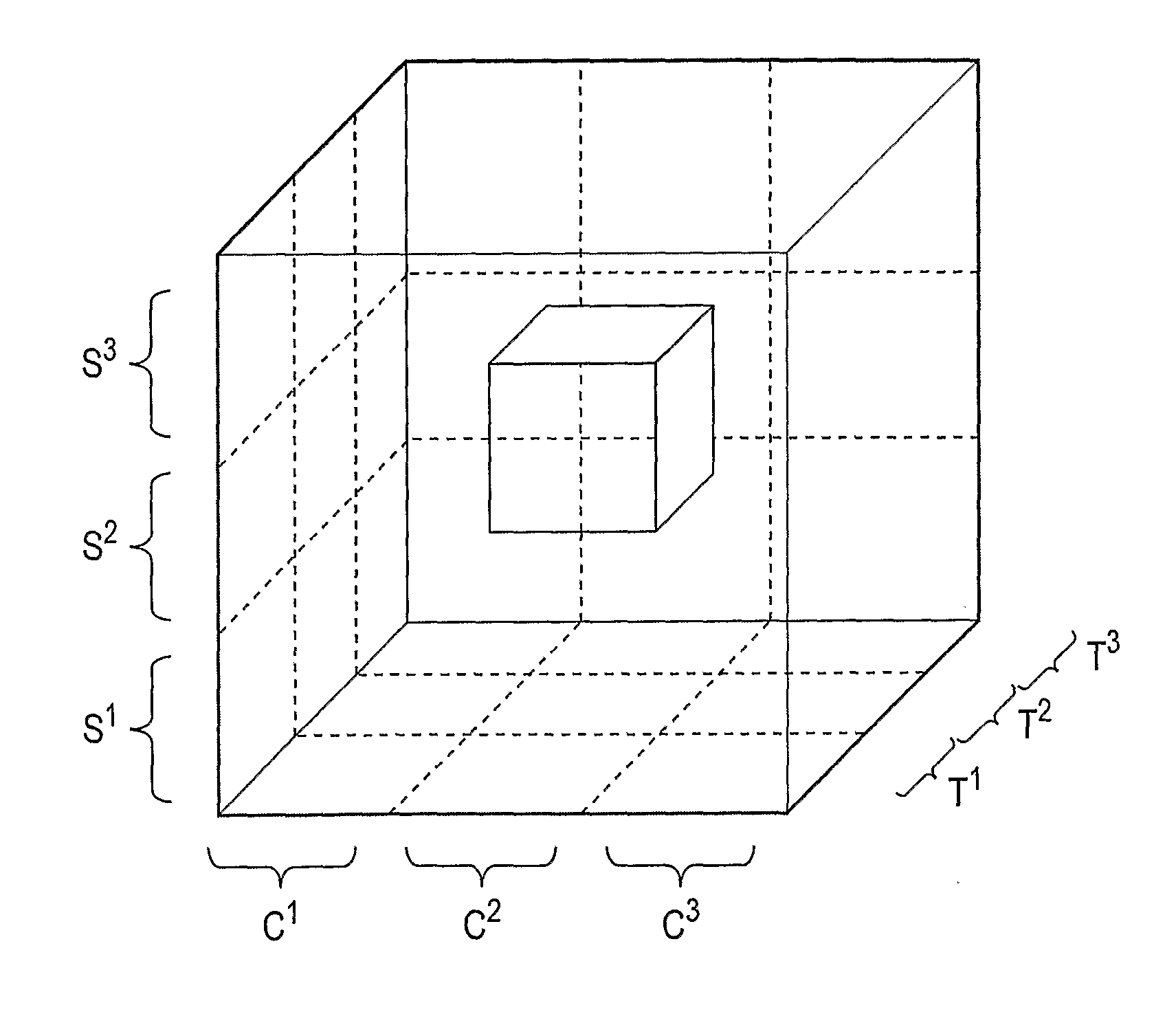
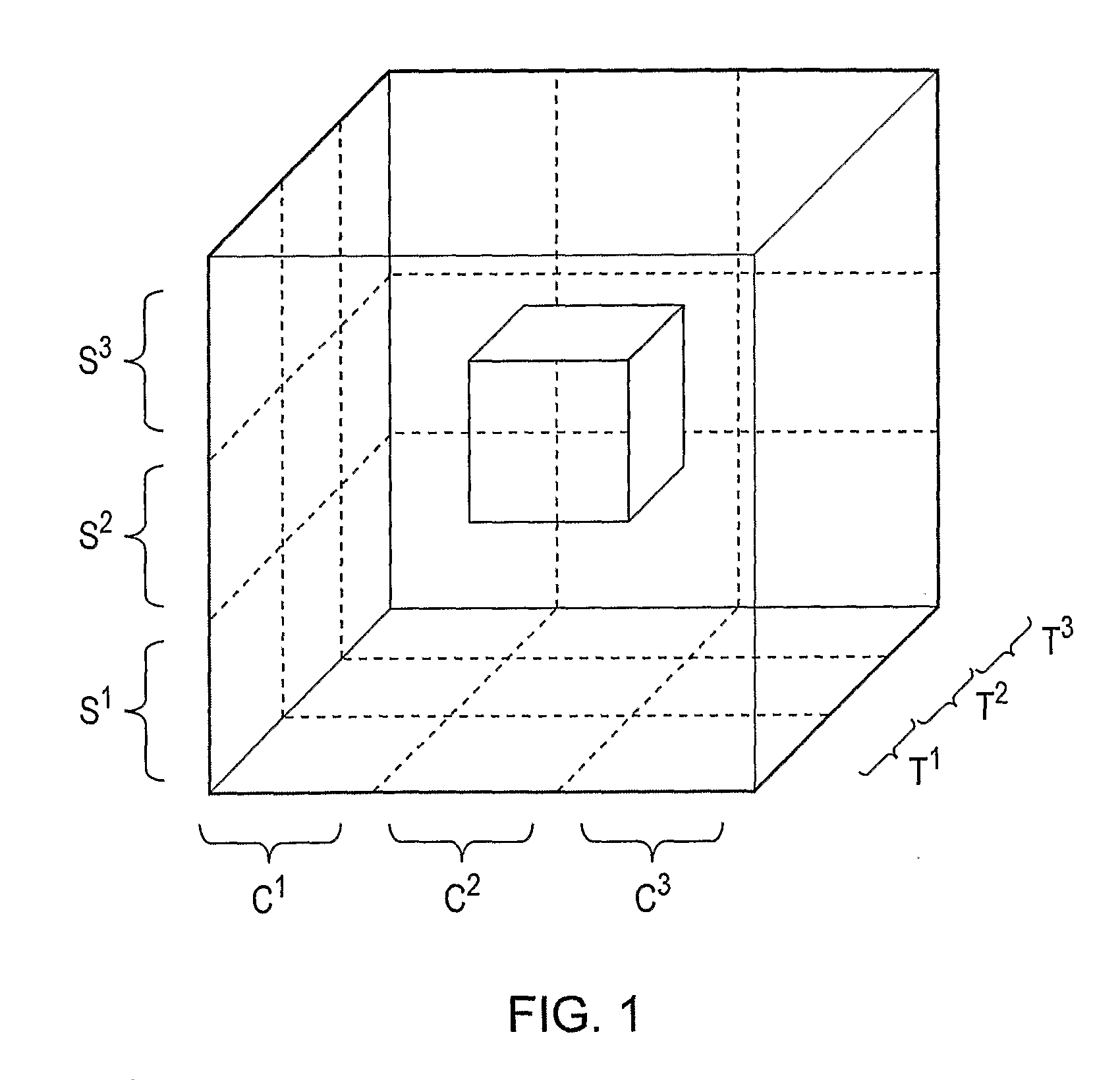
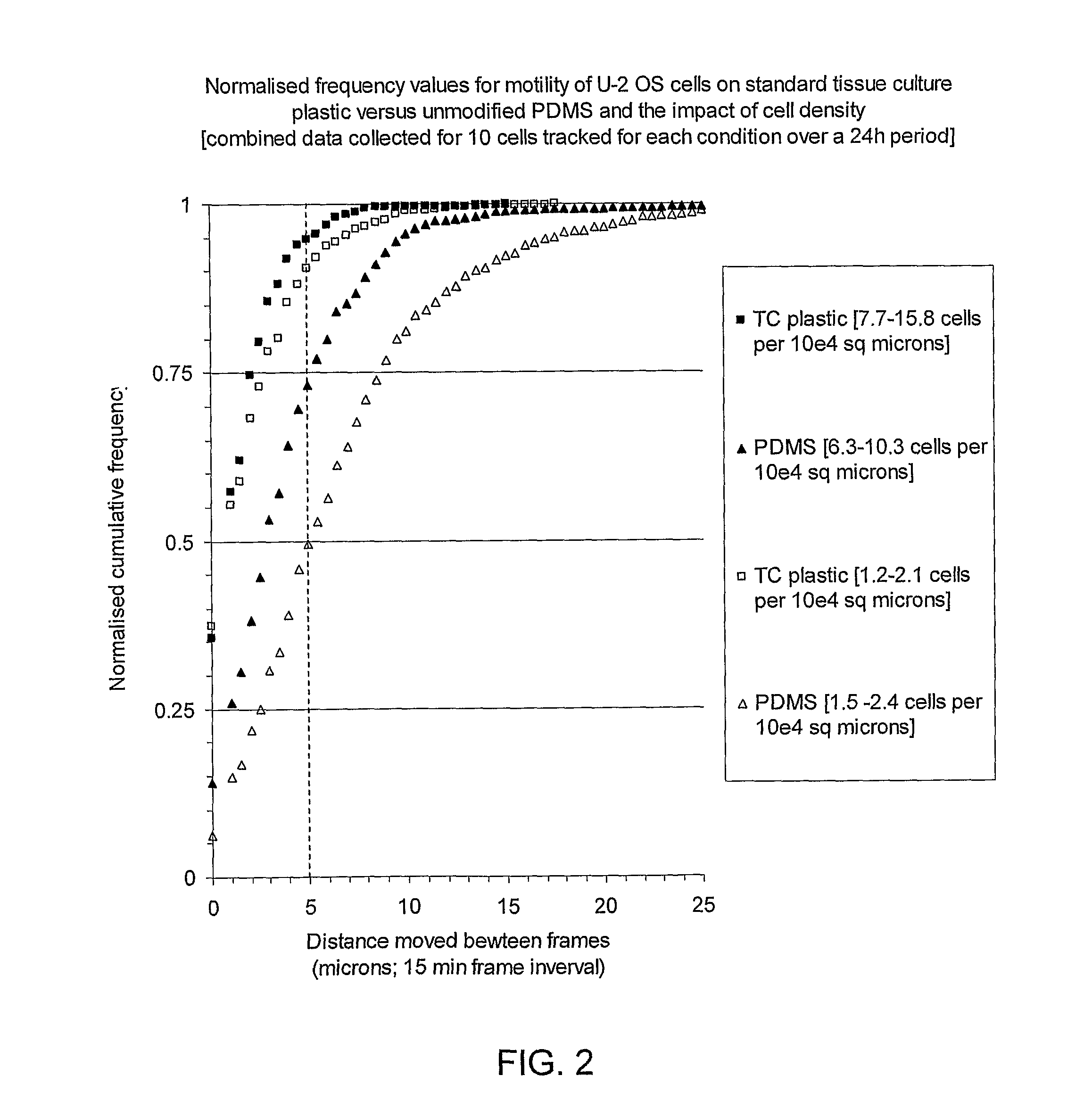
- The use of microtrenches with specific dimensions that restrict cell movement and adherence, allowing cells to proliferate in a linear fashion, enabling the observation and analysis of cell division and behavior within a controlled environment.

Environmental Impact of PDMS Adhesive Applications
The environmental implications of PDMS adhesive applications present a complex landscape of both benefits and challenges that require careful consideration across the entire product lifecycle. As PDMS-based adhesives gain widespread adoption for surface adaptation applications, their environmental footprint becomes increasingly significant in industrial decision-making processes.
PDMS adhesives demonstrate notable environmental advantages compared to traditional solvent-based alternatives. These silicone-based formulations typically contain minimal volatile organic compounds (VOCs), significantly reducing atmospheric emissions during application and curing processes. The absence of hazardous air pollutants in most PDMS formulations contributes to improved indoor air quality and reduced occupational health risks in manufacturing environments.
The durability characteristics of PDMS adhesives contribute positively to environmental sustainability through extended product lifecycles. Enhanced weather resistance, UV stability, and thermal performance reduce the frequency of maintenance and replacement cycles, thereby minimizing material consumption and waste generation over time. This longevity factor becomes particularly relevant in construction and automotive applications where adhesive failure necessitates resource-intensive remediation processes.
However, the environmental profile of PDMS adhesives faces significant challenges in end-of-life management. The chemical stability that makes these materials advantageous during service life creates substantial difficulties in biodegradation and recycling processes. Current waste management infrastructure lacks effective methods for processing silicone-based adhesives, leading to accumulation in landfills where they persist for extended periods without meaningful decomposition.
Manufacturing processes for PDMS adhesives involve energy-intensive synthesis procedures and specialized raw materials derived from silicon processing. The carbon footprint associated with production includes both direct energy consumption and indirect emissions from precursor material manufacturing. Additionally, some catalyst systems used in PDMS formulations contain platinum group metals, raising concerns about resource scarcity and mining-related environmental impacts.
Emerging research focuses on developing bio-based silicone precursors and implementing circular economy principles in PDMS adhesive applications. Advanced recycling technologies, including chemical depolymerization and thermal processing methods, show promise for recovering valuable materials from end-of-life products. Regulatory frameworks increasingly emphasize lifecycle assessment requirements, driving innovation toward more sustainable formulations and application methods that maintain performance while reducing environmental burden.
PDMS adhesives demonstrate notable environmental advantages compared to traditional solvent-based alternatives. These silicone-based formulations typically contain minimal volatile organic compounds (VOCs), significantly reducing atmospheric emissions during application and curing processes. The absence of hazardous air pollutants in most PDMS formulations contributes to improved indoor air quality and reduced occupational health risks in manufacturing environments.
The durability characteristics of PDMS adhesives contribute positively to environmental sustainability through extended product lifecycles. Enhanced weather resistance, UV stability, and thermal performance reduce the frequency of maintenance and replacement cycles, thereby minimizing material consumption and waste generation over time. This longevity factor becomes particularly relevant in construction and automotive applications where adhesive failure necessitates resource-intensive remediation processes.
However, the environmental profile of PDMS adhesives faces significant challenges in end-of-life management. The chemical stability that makes these materials advantageous during service life creates substantial difficulties in biodegradation and recycling processes. Current waste management infrastructure lacks effective methods for processing silicone-based adhesives, leading to accumulation in landfills where they persist for extended periods without meaningful decomposition.
Manufacturing processes for PDMS adhesives involve energy-intensive synthesis procedures and specialized raw materials derived from silicon processing. The carbon footprint associated with production includes both direct energy consumption and indirect emissions from precursor material manufacturing. Additionally, some catalyst systems used in PDMS formulations contain platinum group metals, raising concerns about resource scarcity and mining-related environmental impacts.
Emerging research focuses on developing bio-based silicone precursors and implementing circular economy principles in PDMS adhesive applications. Advanced recycling technologies, including chemical depolymerization and thermal processing methods, show promise for recovering valuable materials from end-of-life products. Regulatory frameworks increasingly emphasize lifecycle assessment requirements, driving innovation toward more sustainable formulations and application methods that maintain performance while reducing environmental burden.
Manufacturing Scalability for PDMS Adhesive Systems
Manufacturing scalability represents a critical bottleneck in transitioning PDMS adhesive systems from laboratory prototypes to commercial applications. The inherent properties of polydimethylsiloxane that make it attractive for surface adaptation applications also present unique challenges in large-scale production environments. Traditional manufacturing approaches often struggle with the material's sensitivity to processing conditions, curing parameters, and contamination control requirements.
The primary scalability challenge lies in maintaining consistent adhesive performance across different batch sizes and production volumes. PDMS adhesive formulations require precise control of crosslinking density, catalyst distribution, and curing kinetics to achieve optimal surface adaptation properties. Small variations in mixing ratios, temperature profiles, or processing time can significantly impact the final product's adhesive strength and conformability characteristics.
Current manufacturing approaches for PDMS adhesives predominantly rely on batch processing methods, which limit production throughput and introduce batch-to-batch variability. The transition to continuous manufacturing processes presents opportunities for improved scalability but requires sophisticated process control systems to monitor real-time polymerization kinetics and ensure consistent product quality. Advanced mixing technologies, including static mixers and microfluidic systems, show promise for achieving better homogeneity in large-scale production.
Quality control and standardization present additional scalability considerations. As production volumes increase, implementing robust testing protocols becomes essential to verify adhesive performance parameters such as peel strength, shear resistance, and surface conformability. Automated testing systems and in-line monitoring technologies are becoming increasingly important for maintaining product consistency across scaled manufacturing operations.
Economic factors significantly influence manufacturing scalability decisions for PDMS adhesive systems. Raw material costs, energy consumption during curing processes, and equipment utilization rates all impact the overall cost-effectiveness of scaled production. Optimizing these parameters while maintaining product quality requires careful balance between processing efficiency and performance requirements.
The development of modular manufacturing platforms offers promising solutions for scalable PDMS adhesive production. These systems allow for flexible capacity adjustment based on market demand while maintaining consistent processing conditions. Integration of digital manufacturing technologies, including process monitoring sensors and data analytics platforms, enables real-time optimization of production parameters and predictive maintenance scheduling.
The primary scalability challenge lies in maintaining consistent adhesive performance across different batch sizes and production volumes. PDMS adhesive formulations require precise control of crosslinking density, catalyst distribution, and curing kinetics to achieve optimal surface adaptation properties. Small variations in mixing ratios, temperature profiles, or processing time can significantly impact the final product's adhesive strength and conformability characteristics.
Current manufacturing approaches for PDMS adhesives predominantly rely on batch processing methods, which limit production throughput and introduce batch-to-batch variability. The transition to continuous manufacturing processes presents opportunities for improved scalability but requires sophisticated process control systems to monitor real-time polymerization kinetics and ensure consistent product quality. Advanced mixing technologies, including static mixers and microfluidic systems, show promise for achieving better homogeneity in large-scale production.
Quality control and standardization present additional scalability considerations. As production volumes increase, implementing robust testing protocols becomes essential to verify adhesive performance parameters such as peel strength, shear resistance, and surface conformability. Automated testing systems and in-line monitoring technologies are becoming increasingly important for maintaining product consistency across scaled manufacturing operations.
Economic factors significantly influence manufacturing scalability decisions for PDMS adhesive systems. Raw material costs, energy consumption during curing processes, and equipment utilization rates all impact the overall cost-effectiveness of scaled production. Optimizing these parameters while maintaining product quality requires careful balance between processing efficiency and performance requirements.
The development of modular manufacturing platforms offers promising solutions for scalable PDMS adhesive production. These systems allow for flexible capacity adjustment based on market demand while maintaining consistent processing conditions. Integration of digital manufacturing technologies, including process monitoring sensors and data analytics platforms, enables real-time optimization of production parameters and predictive maintenance scheduling.
Unlock deeper insights with PatSnap Eureka Quick Research — get a full tech report to explore trends and direct your research. Try now!
Generate Your Research Report Instantly with AI Agent
Supercharge your innovation with PatSnap Eureka AI Agent Platform!