

Precision Fermentation vs Hydrolytic Processes: Energy Comparison
MAY 18, 20269 MIN READ
Generate Your Research Report Instantly with AI Agent
PatSnap Eureka helps you evaluate technical feasibility & market potential.
Precision Fermentation vs Hydrolysis Energy Background
The biotechnology industry has witnessed significant evolution in manufacturing processes for producing complex molecules, proteins, and biochemicals. Two prominent approaches have emerged as leading methodologies: precision fermentation and hydrolytic processes. Both technologies represent sophisticated biological manufacturing platforms that have gained substantial attention due to their potential to revolutionize production across pharmaceuticals, food ingredients, and industrial chemicals.
Precision fermentation represents a modern biotechnological approach that utilizes genetically engineered microorganisms to produce specific target molecules. This technology has evolved from traditional fermentation methods, incorporating advanced genetic engineering, synthetic biology, and process optimization techniques. The method enables the production of complex proteins, enzymes, and other biomolecules that would be difficult or impossible to obtain through conventional means.
Hydrolytic processes, conversely, involve the breakdown of complex substrates into simpler, valuable compounds through enzymatic or chemical hydrolysis. These processes have been fundamental in various industries, particularly in food processing, biofuel production, and pharmaceutical manufacturing. The technology leverages specific enzymes or chemical catalysts to cleave molecular bonds, releasing desired products from naturally occurring or synthetic substrates.
The energy consumption comparison between these two approaches has become increasingly critical as industries seek sustainable and cost-effective manufacturing solutions. Energy efficiency directly impacts production costs, environmental footprint, and overall process viability. Understanding the energy dynamics of both technologies is essential for making informed decisions about process selection and optimization.
Recent technological advances have significantly improved the energy profiles of both precision fermentation and hydrolytic processes. Innovations in bioreactor design, process control systems, and downstream processing have contributed to enhanced energy efficiency. Additionally, the integration of renewable energy sources and waste heat recovery systems has further optimized the overall energy consumption patterns.
The growing emphasis on sustainable manufacturing and carbon footprint reduction has intensified the focus on energy-efficient biotechnological processes. Regulatory frameworks and market demands increasingly favor technologies that demonstrate superior energy performance while maintaining product quality and economic viability. This trend has accelerated research and development efforts aimed at optimizing energy utilization in both precision fermentation and hydrolytic manufacturing platforms.
Precision fermentation represents a modern biotechnological approach that utilizes genetically engineered microorganisms to produce specific target molecules. This technology has evolved from traditional fermentation methods, incorporating advanced genetic engineering, synthetic biology, and process optimization techniques. The method enables the production of complex proteins, enzymes, and other biomolecules that would be difficult or impossible to obtain through conventional means.
Hydrolytic processes, conversely, involve the breakdown of complex substrates into simpler, valuable compounds through enzymatic or chemical hydrolysis. These processes have been fundamental in various industries, particularly in food processing, biofuel production, and pharmaceutical manufacturing. The technology leverages specific enzymes or chemical catalysts to cleave molecular bonds, releasing desired products from naturally occurring or synthetic substrates.
The energy consumption comparison between these two approaches has become increasingly critical as industries seek sustainable and cost-effective manufacturing solutions. Energy efficiency directly impacts production costs, environmental footprint, and overall process viability. Understanding the energy dynamics of both technologies is essential for making informed decisions about process selection and optimization.
Recent technological advances have significantly improved the energy profiles of both precision fermentation and hydrolytic processes. Innovations in bioreactor design, process control systems, and downstream processing have contributed to enhanced energy efficiency. Additionally, the integration of renewable energy sources and waste heat recovery systems has further optimized the overall energy consumption patterns.
The growing emphasis on sustainable manufacturing and carbon footprint reduction has intensified the focus on energy-efficient biotechnological processes. Regulatory frameworks and market demands increasingly favor technologies that demonstrate superior energy performance while maintaining product quality and economic viability. This trend has accelerated research and development efforts aimed at optimizing energy utilization in both precision fermentation and hydrolytic manufacturing platforms.
Market Demand for Energy-Efficient Bioprocessing
The global bioprocessing industry is experiencing unprecedented demand for energy-efficient manufacturing solutions, driven by mounting environmental regulations and escalating energy costs. Traditional chemical synthesis methods face increasing scrutiny due to their substantial carbon footprints and resource-intensive operations. This shift has created significant market opportunities for biotechnological alternatives that can deliver comparable or superior products while minimizing energy consumption.
Precision fermentation technologies are gaining substantial traction across multiple sectors, particularly in food ingredients, pharmaceuticals, and specialty chemicals production. The market demand stems from the technology's ability to produce complex molecules with high specificity while potentially reducing overall energy requirements compared to conventional manufacturing processes. Major food and beverage companies are actively seeking precision fermentation solutions to produce proteins, flavors, and functional ingredients that meet consumer demands for sustainable products.
Hydrolytic processes represent another critical segment experiencing robust market growth, especially in biofuel production, waste treatment, and biomass conversion applications. Industries are increasingly adopting enzymatic hydrolysis for breaking down complex substrates into valuable products, driven by the process's potential for lower energy consumption compared to thermal or chemical alternatives. The circular economy movement has further amplified demand for hydrolytic technologies that can convert waste streams into valuable commodities.
The pharmaceutical and biotechnology sectors demonstrate particularly strong demand for energy-efficient bioprocessing solutions. Regulatory pressures for sustainable manufacturing practices, combined with cost reduction imperatives, are pushing companies to evaluate and adopt processes that optimize energy utilization. Contract manufacturing organizations are increasingly marketing their energy-efficient capabilities as competitive differentiators.
Market drivers include stringent environmental regulations, corporate sustainability commitments, and economic incentives for energy reduction. The convergence of these factors has created a favorable environment for bioprocessing technologies that can demonstrate clear energy advantages over conventional methods, positioning energy efficiency as a critical selection criterion for industrial biotechnology investments.
Precision fermentation technologies are gaining substantial traction across multiple sectors, particularly in food ingredients, pharmaceuticals, and specialty chemicals production. The market demand stems from the technology's ability to produce complex molecules with high specificity while potentially reducing overall energy requirements compared to conventional manufacturing processes. Major food and beverage companies are actively seeking precision fermentation solutions to produce proteins, flavors, and functional ingredients that meet consumer demands for sustainable products.
Hydrolytic processes represent another critical segment experiencing robust market growth, especially in biofuel production, waste treatment, and biomass conversion applications. Industries are increasingly adopting enzymatic hydrolysis for breaking down complex substrates into valuable products, driven by the process's potential for lower energy consumption compared to thermal or chemical alternatives. The circular economy movement has further amplified demand for hydrolytic technologies that can convert waste streams into valuable commodities.
The pharmaceutical and biotechnology sectors demonstrate particularly strong demand for energy-efficient bioprocessing solutions. Regulatory pressures for sustainable manufacturing practices, combined with cost reduction imperatives, are pushing companies to evaluate and adopt processes that optimize energy utilization. Contract manufacturing organizations are increasingly marketing their energy-efficient capabilities as competitive differentiators.
Market drivers include stringent environmental regulations, corporate sustainability commitments, and economic incentives for energy reduction. The convergence of these factors has created a favorable environment for bioprocessing technologies that can demonstrate clear energy advantages over conventional methods, positioning energy efficiency as a critical selection criterion for industrial biotechnology investments.
Current Energy Challenges in Fermentation and Hydrolysis
The energy landscape of precision fermentation and hydrolytic processes presents distinct challenges that significantly impact their commercial viability and environmental sustainability. Both biotechnological approaches face substantial energy barriers that must be overcome to achieve cost-effective production at industrial scales.
Precision fermentation encounters primary energy challenges in maintaining sterile conditions throughout the production cycle. The continuous sterilization of bioreactors, media preparation, and downstream processing equipment requires substantial thermal energy inputs. Temperature control systems must operate continuously to maintain optimal growth conditions for engineered microorganisms, typically consuming 20-30% of total process energy. Additionally, aeration and agitation systems demand significant electrical power to ensure adequate oxygen transfer and mixing, particularly in large-scale fermentation vessels.
Hydrolytic processes face different but equally demanding energy requirements. Enzymatic hydrolysis often requires elevated temperatures ranging from 45-65°C to achieve optimal reaction rates, necessitating continuous heating systems. The energy intensity becomes particularly pronounced when processing complex substrates that require extended reaction times. Pre-treatment steps, such as steam explosion or chemical treatment of biomass feedstocks, can consume up to 40% of the total process energy budget.
Downstream processing represents a shared energy bottleneck for both technologies. Product separation and purification through centrifugation, filtration, and chromatography systems require substantial mechanical energy. Concentration steps involving evaporation or freeze-drying are particularly energy-intensive, often accounting for 25-35% of total processing costs.
Scale-up challenges amplify energy consumption issues in both processes. Heat transfer limitations in larger vessels require more intensive mixing and temperature control systems. Mass transfer constraints necessitate higher agitation rates and extended processing times, directly correlating with increased energy demands.
Current energy recovery systems remain underdeveloped in both technologies. Heat integration opportunities are often underutilized, and waste heat recovery systems are not standardized across industrial implementations. The intermittent nature of batch processes further complicates energy optimization strategies, as equipment must frequently cycle between operational and standby states.
These energy challenges directly impact the economic competitiveness of both precision fermentation and hydrolytic processes compared to traditional chemical synthesis routes, creating urgent needs for innovative energy management solutions.
Precision fermentation encounters primary energy challenges in maintaining sterile conditions throughout the production cycle. The continuous sterilization of bioreactors, media preparation, and downstream processing equipment requires substantial thermal energy inputs. Temperature control systems must operate continuously to maintain optimal growth conditions for engineered microorganisms, typically consuming 20-30% of total process energy. Additionally, aeration and agitation systems demand significant electrical power to ensure adequate oxygen transfer and mixing, particularly in large-scale fermentation vessels.
Hydrolytic processes face different but equally demanding energy requirements. Enzymatic hydrolysis often requires elevated temperatures ranging from 45-65°C to achieve optimal reaction rates, necessitating continuous heating systems. The energy intensity becomes particularly pronounced when processing complex substrates that require extended reaction times. Pre-treatment steps, such as steam explosion or chemical treatment of biomass feedstocks, can consume up to 40% of the total process energy budget.
Downstream processing represents a shared energy bottleneck for both technologies. Product separation and purification through centrifugation, filtration, and chromatography systems require substantial mechanical energy. Concentration steps involving evaporation or freeze-drying are particularly energy-intensive, often accounting for 25-35% of total processing costs.
Scale-up challenges amplify energy consumption issues in both processes. Heat transfer limitations in larger vessels require more intensive mixing and temperature control systems. Mass transfer constraints necessitate higher agitation rates and extended processing times, directly correlating with increased energy demands.
Current energy recovery systems remain underdeveloped in both technologies. Heat integration opportunities are often underutilized, and waste heat recovery systems are not standardized across industrial implementations. The intermittent nature of batch processes further complicates energy optimization strategies, as equipment must frequently cycle between operational and standby states.
These energy challenges directly impact the economic competitiveness of both precision fermentation and hydrolytic processes compared to traditional chemical synthesis routes, creating urgent needs for innovative energy management solutions.
Existing Energy Optimization Solutions
01 Energy optimization in precision fermentation systems
Advanced fermentation technologies focus on optimizing energy consumption through controlled environmental conditions, automated monitoring systems, and efficient bioreactor designs. These systems utilize sophisticated control mechanisms to maintain optimal temperature, pH, and oxygen levels while minimizing energy input requirements. The integration of smart sensors and feedback loops enables real-time adjustments to reduce overall energy consumption during the fermentation process.- Precision fermentation systems for energy-efficient production: Advanced fermentation technologies that utilize controlled microbial processes to produce target compounds with optimized energy consumption. These systems employ precise monitoring and control of fermentation parameters to maximize yield while minimizing energy input requirements.
- Hydrolytic enzyme processes for biomass conversion: Enzymatic hydrolysis methods that break down complex substrates into simpler compounds using specific enzymes. These processes offer controlled reaction conditions and can be optimized for energy efficiency in industrial applications.
- Energy recovery and optimization in fermentation systems: Technologies focused on capturing and utilizing waste energy from fermentation processes, including heat recovery systems and energy-efficient reactor designs that reduce overall energy consumption in biotechnological production.
- Comparative process efficiency and energy analysis: Methods and systems for evaluating and comparing the energy requirements of different biotechnological processes, including analytical frameworks for assessing the energy efficiency of fermentation versus hydrolytic approaches.
- Integrated bioprocessing systems with energy management: Combined processing platforms that integrate multiple biotechnological approaches with sophisticated energy management systems, allowing for optimized selection between fermentation and hydrolytic processes based on energy efficiency criteria.
02 Hydrolytic process energy efficiency and reactor design
Hydrolytic processes employ specialized reactor configurations and heating systems to achieve optimal energy utilization during substrate breakdown. These systems incorporate heat recovery mechanisms, insulation technologies, and process intensification techniques to reduce energy losses. The design focuses on maximizing heat transfer efficiency and minimizing thermal energy requirements through innovative reactor geometries and flow patterns.Expand Specific Solutions03 Comparative energy analysis and process selection criteria
Energy assessment methodologies compare the total energy requirements of precision fermentation versus hydrolytic approaches, considering factors such as heating demands, mixing energy, and downstream processing requirements. These analyses evaluate lifecycle energy consumption, including utilities, equipment operation, and process maintenance. The comparison frameworks help determine the most energy-efficient approach based on specific production requirements and scale.Expand Specific Solutions04 Energy recovery and waste heat utilization systems
Both fermentation and hydrolytic processes incorporate energy recovery technologies to capture and reuse waste heat generated during operations. These systems include heat exchangers, thermal integration networks, and cogeneration units that convert process waste into usable energy. The implementation of energy recovery reduces overall energy consumption and improves process economics through efficient thermal management.Expand Specific Solutions05 Process intensification and energy-efficient equipment design
Modern equipment designs for both precision fermentation and hydrolytic processes focus on process intensification to reduce energy requirements per unit of product. These innovations include microreactor technologies, enhanced mixing systems, and integrated processing units that combine multiple operations. The equipment optimization reduces energy consumption through improved mass and heat transfer, shorter processing times, and reduced equipment footprint.Expand Specific Solutions
Key Players in Precision Fermentation and Hydrolysis
The energy comparison between precision fermentation and hydrolytic processes represents a rapidly evolving biotechnology sector in its growth phase, with significant market expansion driven by sustainability demands and regulatory support for bio-based alternatives. The market demonstrates substantial scale potential, particularly in biochemicals, biofuels, and food ingredients sectors. Technology maturity varies considerably across players: established companies like Novozymes A/S and DSM IP Assets BV lead in enzyme optimization and fermentation expertise, while Evonik Operations GmbH and China Petroleum & Chemical Corp. bring industrial-scale processing capabilities. Research institutions including Jiangnan University and Fraunhofer-Gesellschaft eV advance fundamental process innovations. Specialized biofuel companies such as Verbio SE, Poet Research Inc., and American Process International LLC demonstrate commercial viability of both approaches, with emerging players like Angel Yeast Co. and CTC focusing on specific applications, creating a competitive landscape where energy efficiency increasingly determines commercial success.
DSM IP Assets BV
Technical Solution: DSM has developed innovative biotechnology solutions that compare energy efficiency between precision fermentation and hydrolytic processes for nutritional and pharmaceutical applications. Their research indicates that precision fermentation can achieve 20-40% energy savings through optimized microbial platforms and reduced purification requirements. The company's approach utilizes engineered microorganisms with enhanced metabolic efficiency and implements advanced bioprocess control systems that minimize energy consumption. Their integrated production platforms combine fermentation optimization with energy recovery technologies, including waste heat utilization and efficient downstream processing methods that significantly reduce overall energy footprint compared to traditional hydrolytic approaches.
Strengths: Broad biotechnology expertise, proven energy optimization results, strong R&D capabilities. Weaknesses: Focus primarily on high-value products, complex technology transfer requirements.
Evonik Operations GmbH
Technical Solution: Evonik has developed comprehensive energy analysis frameworks comparing precision fermentation and hydrolytic processes for specialty chemical production. Their research demonstrates that precision fermentation can reduce overall energy consumption by 25-35% through optimized metabolic pathways and reduced downstream processing requirements. The company's approach integrates advanced bioprocess engineering with energy recovery systems, utilizing waste heat and implementing continuous processing to minimize energy losses. Their proprietary fermentation platforms are designed with energy-efficient bioreactor configurations and automated control systems that optimize energy usage throughout the production cycle.
Strengths: Strong chemical engineering expertise, integrated energy recovery systems, proven industrial scale implementation. Weaknesses: Limited to specific product categories, requires significant infrastructure investment.
Core Energy Efficiency Innovations
Hydrolysis process by metal nanoparticle assisted induction heating
PatentActiveIN202241045079A
Innovation
- The use of FeO nanoparticles for induction heating in hydrolysis processes, which absorb and distribute energy uniformly, increasing the rate of hydrolysis and reducing inhibitor formation by promoting targeted energy transfer and efficient sugar release.


Method and device for producing fuel alcohol by fermentation liquor distillation-free whole molecular sieve adsorptive separation
PatentInactiveCN101225017A
Innovation
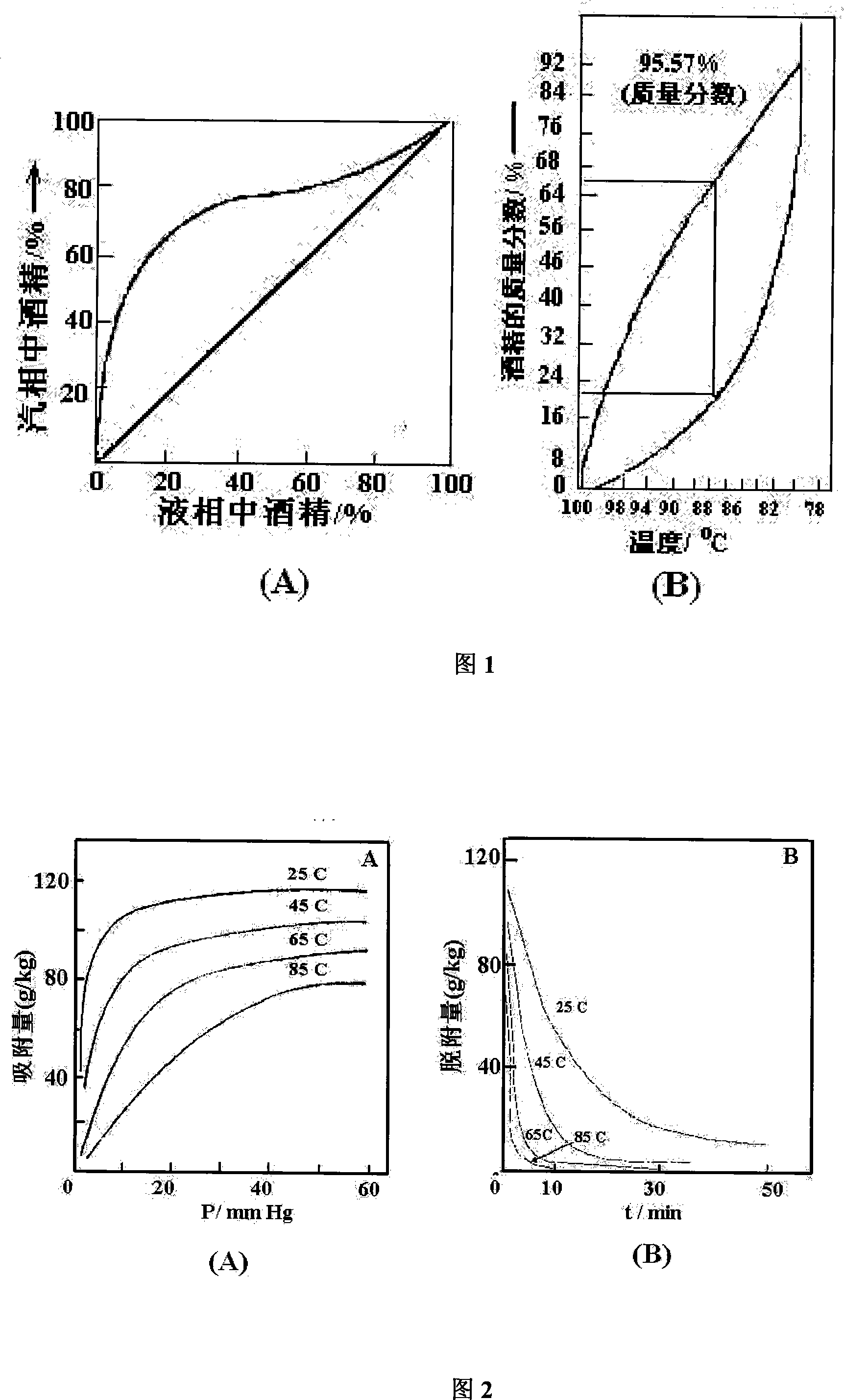
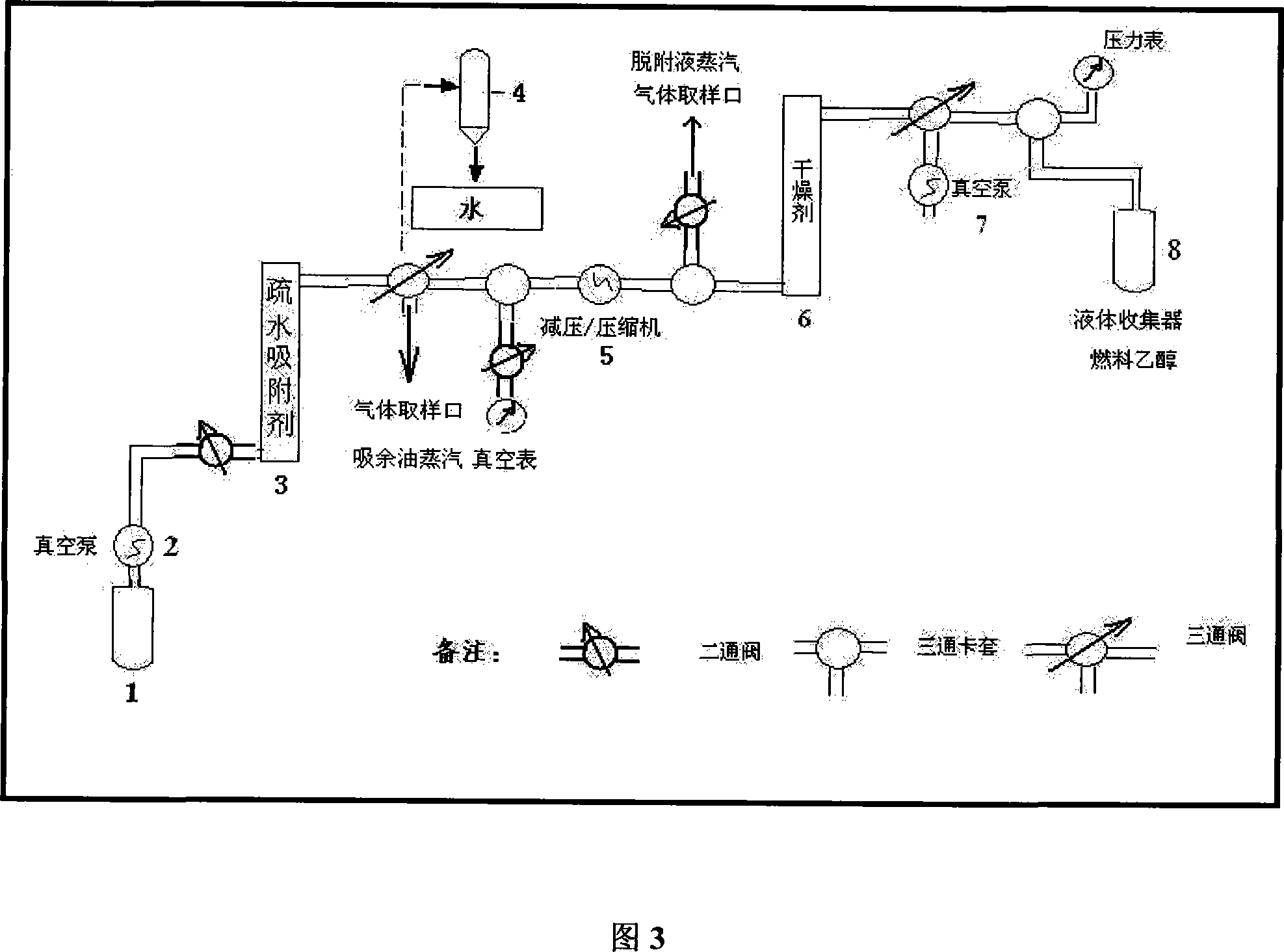
- Hydrophobic silica zeolite adsorbent is used for adsorption and separation, and ethanol vapor at 20-40°C is obtained through air stripping and pressure reduction treatment, and dynamic adsorption and desorption is performed to increase the alcohol concentration to more than 99.2%, reducing distillation steps and reducing energy consumption.
Environmental Impact Assessment of Bioprocesses
The environmental impact assessment of bioprocesses reveals significant differences between precision fermentation and hydrolytic processes across multiple sustainability metrics. Carbon footprint analysis demonstrates that precision fermentation typically exhibits lower greenhouse gas emissions per unit of product output, primarily due to reduced energy requirements for biomass processing and elimination of extensive agricultural land use. The controlled fermentation environment enables optimized metabolic pathways that minimize carbon dioxide production while maximizing product yield.
Water consumption patterns differ substantially between these approaches. Hydrolytic processes often require extensive water usage for biomass pretreatment, washing, and enzyme recovery operations. Conversely, precision fermentation operates in closed-loop systems with significantly reduced freshwater demands and enhanced water recycling capabilities. The aqueous waste streams from precision fermentation contain fewer complex organic compounds, facilitating more efficient wastewater treatment processes.
Waste generation profiles present contrasting environmental implications. Hydrolytic processes produce substantial solid waste in the form of lignin-rich residues and spent biomass, which may require specialized disposal methods or secondary processing. Precision fermentation generates primarily microbial biomass waste that can often be repurposed as protein-rich feed supplements or organic fertilizers, creating circular economy opportunities.
Life cycle assessment studies indicate that precision fermentation demonstrates superior performance in acidification and eutrophication potential categories. The controlled nutrient delivery systems minimize nitrogen and phosphorus discharge, while hydrolytic processes may contribute to nutrient runoff from biomass cultivation and processing operations. Additionally, precision fermentation eliminates the need for pesticides and fertilizers associated with feedstock production.
Resource depletion analysis reveals that precision fermentation requires fewer raw materials per functional unit, utilizing simple carbon sources and synthetic media components. This approach reduces pressure on natural ecosystems and agricultural land, potentially mitigating biodiversity impacts associated with large-scale biomass cultivation for hydrolytic processes.
Water consumption patterns differ substantially between these approaches. Hydrolytic processes often require extensive water usage for biomass pretreatment, washing, and enzyme recovery operations. Conversely, precision fermentation operates in closed-loop systems with significantly reduced freshwater demands and enhanced water recycling capabilities. The aqueous waste streams from precision fermentation contain fewer complex organic compounds, facilitating more efficient wastewater treatment processes.
Waste generation profiles present contrasting environmental implications. Hydrolytic processes produce substantial solid waste in the form of lignin-rich residues and spent biomass, which may require specialized disposal methods or secondary processing. Precision fermentation generates primarily microbial biomass waste that can often be repurposed as protein-rich feed supplements or organic fertilizers, creating circular economy opportunities.
Life cycle assessment studies indicate that precision fermentation demonstrates superior performance in acidification and eutrophication potential categories. The controlled nutrient delivery systems minimize nitrogen and phosphorus discharge, while hydrolytic processes may contribute to nutrient runoff from biomass cultivation and processing operations. Additionally, precision fermentation eliminates the need for pesticides and fertilizers associated with feedstock production.
Resource depletion analysis reveals that precision fermentation requires fewer raw materials per functional unit, utilizing simple carbon sources and synthetic media components. This approach reduces pressure on natural ecosystems and agricultural land, potentially mitigating biodiversity impacts associated with large-scale biomass cultivation for hydrolytic processes.
Process Economics and Energy Cost Analysis
The economic viability of precision fermentation versus hydrolytic processes hinges significantly on their respective energy consumption profiles and associated operational costs. Energy represents one of the largest variable cost components in both manufacturing approaches, typically accounting for 15-25% of total production costs in precision fermentation facilities and 20-30% in hydrolytic processing plants.
Precision fermentation demonstrates distinct energy consumption patterns characterized by continuous power requirements for bioreactor operations, including agitation, aeration, temperature control, and downstream processing. The energy intensity ranges from 45-65 kWh per kilogram of product, with significant variations depending on the target molecule complexity and fermentation duration. Cooling systems represent the largest energy consumer, accounting for approximately 40% of total energy usage, followed by compressed air systems at 25% and mechanical agitation at 20%.
Hydrolytic processes exhibit different energy profiles, with steam generation and heating systems dominating consumption patterns. Energy requirements typically range from 35-55 kWh per kilogram of processed material, with thermal energy representing 60-70% of total consumption. The batch nature of many hydrolytic processes creates opportunities for heat recovery and integration, potentially reducing net energy requirements by 15-20% through process optimization.
Capital energy infrastructure costs differ substantially between the two approaches. Precision fermentation facilities require sophisticated HVAC systems, continuous cooling capacity, and redundant power supplies, resulting in energy infrastructure investments of $800-1,200 per annual kilogram of capacity. Hydrolytic plants focus on steam generation and heat exchange systems, with infrastructure costs ranging from $600-900 per annual kilogram of capacity.
Regional energy pricing significantly impacts the economic comparison. In markets with low electricity costs below $0.06/kWh, precision fermentation maintains competitive advantages through operational flexibility and product quality consistency. Conversely, regions with abundant low-cost thermal energy sources favor hydrolytic processes, particularly when natural gas prices remain below $4/MMBtu.
Process scalability affects energy economics differently for each approach. Precision fermentation benefits from economies of scale in energy efficiency, with large-scale facilities achieving 20-25% lower specific energy consumption compared to pilot-scale operations. Hydrolytic processes demonstrate more linear scaling characteristics, with energy efficiency improvements of 10-15% when transitioning from laboratory to commercial scale.
Energy cost volatility presents distinct risk profiles for each technology. Precision fermentation's reliance on electrical power exposes operations to grid price fluctuations and renewable energy intermittency. Hydrolytic processes face thermal energy price volatility but benefit from fuel switching capabilities between natural gas, biomass, and waste heat sources, providing greater energy supply flexibility and cost management options.
Precision fermentation demonstrates distinct energy consumption patterns characterized by continuous power requirements for bioreactor operations, including agitation, aeration, temperature control, and downstream processing. The energy intensity ranges from 45-65 kWh per kilogram of product, with significant variations depending on the target molecule complexity and fermentation duration. Cooling systems represent the largest energy consumer, accounting for approximately 40% of total energy usage, followed by compressed air systems at 25% and mechanical agitation at 20%.
Hydrolytic processes exhibit different energy profiles, with steam generation and heating systems dominating consumption patterns. Energy requirements typically range from 35-55 kWh per kilogram of processed material, with thermal energy representing 60-70% of total consumption. The batch nature of many hydrolytic processes creates opportunities for heat recovery and integration, potentially reducing net energy requirements by 15-20% through process optimization.
Capital energy infrastructure costs differ substantially between the two approaches. Precision fermentation facilities require sophisticated HVAC systems, continuous cooling capacity, and redundant power supplies, resulting in energy infrastructure investments of $800-1,200 per annual kilogram of capacity. Hydrolytic plants focus on steam generation and heat exchange systems, with infrastructure costs ranging from $600-900 per annual kilogram of capacity.
Regional energy pricing significantly impacts the economic comparison. In markets with low electricity costs below $0.06/kWh, precision fermentation maintains competitive advantages through operational flexibility and product quality consistency. Conversely, regions with abundant low-cost thermal energy sources favor hydrolytic processes, particularly when natural gas prices remain below $4/MMBtu.
Process scalability affects energy economics differently for each approach. Precision fermentation benefits from economies of scale in energy efficiency, with large-scale facilities achieving 20-25% lower specific energy consumption compared to pilot-scale operations. Hydrolytic processes demonstrate more linear scaling characteristics, with energy efficiency improvements of 10-15% when transitioning from laboratory to commercial scale.
Energy cost volatility presents distinct risk profiles for each technology. Precision fermentation's reliance on electrical power exposes operations to grid price fluctuations and renewable energy intermittency. Hydrolytic processes face thermal energy price volatility but benefit from fuel switching capabilities between natural gas, biomass, and waste heat sources, providing greater energy supply flexibility and cost management options.
Unlock deeper insights with PatSnap Eureka Quick Research — get a full tech report to explore trends and direct your research. Try now!
Generate Your Research Report Instantly with AI Agent
Supercharge your innovation with PatSnap Eureka AI Agent Platform!