Enhance Polyethylene Naphthalate Usage in Electrical Insulation
MAR 9, 20269 MIN READ
Generate Your Research Report Instantly with AI Agent
PatSnap Eureka helps you evaluate technical feasibility & market potential.
PEN Electrical Insulation Background and Objectives
Polyethylene Naphthalate (PEN) represents a high-performance thermoplastic polyester that has emerged as a critical material in advanced electrical insulation applications. This aromatic polyester, characterized by its naphthalene dicarboxylic acid backbone, exhibits superior thermal stability, mechanical strength, and dielectric properties compared to conventional polyethylene terephthalate (PET). The material's unique molecular structure provides enhanced resistance to thermal degradation and maintains excellent electrical properties across extended temperature ranges.
The evolution of electrical insulation materials has been driven by the increasing demands of modern electrical systems, including higher operating temperatures, improved reliability, and extended service life. Traditional insulation materials often fail to meet the stringent requirements of contemporary applications such as electric vehicle components, renewable energy systems, and high-frequency electronic devices. PEN's exceptional combination of thermal resistance up to 200°C, low moisture absorption, and superior dimensional stability positions it as a promising solution for next-generation electrical insulation challenges.
Current market trends indicate a growing demand for materials capable of withstanding harsh operating conditions while maintaining consistent electrical performance. The proliferation of electric vehicles, smart grid technologies, and miniaturized electronic components has created unprecedented requirements for insulation materials that can operate reliably under extreme thermal cycling, high voltage stress, and aggressive environmental conditions.
The primary objective of enhancing PEN usage in electrical insulation focuses on optimizing its inherent properties through advanced processing techniques, surface modifications, and composite formulations. Key technical goals include improving breakdown voltage characteristics, reducing dielectric losses at high frequencies, and enhancing long-term thermal aging performance. Additionally, developing cost-effective manufacturing processes and establishing reliable supply chains represent crucial objectives for widespread commercial adoption.
Research efforts aim to address specific challenges including PEN's relatively high processing temperature requirements, potential crystallization effects on dielectric properties, and optimization of film thickness uniformity for critical applications. The ultimate goal involves establishing PEN as a preferred material for high-performance electrical insulation applications where conventional materials prove inadequate.
The evolution of electrical insulation materials has been driven by the increasing demands of modern electrical systems, including higher operating temperatures, improved reliability, and extended service life. Traditional insulation materials often fail to meet the stringent requirements of contemporary applications such as electric vehicle components, renewable energy systems, and high-frequency electronic devices. PEN's exceptional combination of thermal resistance up to 200°C, low moisture absorption, and superior dimensional stability positions it as a promising solution for next-generation electrical insulation challenges.
Current market trends indicate a growing demand for materials capable of withstanding harsh operating conditions while maintaining consistent electrical performance. The proliferation of electric vehicles, smart grid technologies, and miniaturized electronic components has created unprecedented requirements for insulation materials that can operate reliably under extreme thermal cycling, high voltage stress, and aggressive environmental conditions.
The primary objective of enhancing PEN usage in electrical insulation focuses on optimizing its inherent properties through advanced processing techniques, surface modifications, and composite formulations. Key technical goals include improving breakdown voltage characteristics, reducing dielectric losses at high frequencies, and enhancing long-term thermal aging performance. Additionally, developing cost-effective manufacturing processes and establishing reliable supply chains represent crucial objectives for widespread commercial adoption.
Research efforts aim to address specific challenges including PEN's relatively high processing temperature requirements, potential crystallization effects on dielectric properties, and optimization of film thickness uniformity for critical applications. The ultimate goal involves establishing PEN as a preferred material for high-performance electrical insulation applications where conventional materials prove inadequate.
Market Demand for Advanced PEN Insulation Materials
The global electrical insulation materials market is experiencing unprecedented growth driven by rapid electrification across multiple sectors. Power generation infrastructure expansion, particularly in renewable energy systems, creates substantial demand for high-performance insulation materials capable of withstanding extreme operating conditions. Wind turbines, solar inverters, and energy storage systems require insulation materials that maintain reliability under temperature fluctuations and environmental stress.
Electric vehicle adoption represents a transformative market driver for advanced insulation materials. Battery management systems, electric motors, and charging infrastructure demand materials with superior thermal stability and electrical properties. The automotive industry's shift toward electrification necessitates insulation solutions that combine lightweight characteristics with enhanced performance, positioning PEN as an attractive alternative to traditional materials.
Industrial automation and smart manufacturing initiatives fuel demand for sophisticated electrical components requiring premium insulation materials. High-frequency power electronics, servo motors, and precision control systems operate under increasingly demanding conditions, creating opportunities for materials that offer superior dielectric properties and thermal endurance.
The telecommunications sector's evolution toward higher data transmission rates and network densification drives requirements for advanced insulation materials in cable applications and electronic components. Data centers and telecommunications infrastructure require materials that maintain signal integrity while providing reliable electrical isolation under continuous operation.
Aerospace and defense applications represent high-value market segments where performance requirements justify premium material costs. Aircraft electrical systems, satellite components, and military electronics demand insulation materials with exceptional reliability and performance consistency across extreme temperature ranges.
Consumer electronics miniaturization trends create demand for thin, high-performance insulation materials that enable compact device designs without compromising electrical safety or performance. Flexible electronics and wearable devices particularly benefit from PEN's combination of mechanical flexibility and electrical properties.
The market demonstrates strong regional variations, with Asia-Pacific leading consumption growth due to manufacturing concentration and infrastructure development. North American and European markets emphasize high-performance applications and regulatory compliance, creating opportunities for premium insulation materials that meet stringent safety and environmental standards.
Electric vehicle adoption represents a transformative market driver for advanced insulation materials. Battery management systems, electric motors, and charging infrastructure demand materials with superior thermal stability and electrical properties. The automotive industry's shift toward electrification necessitates insulation solutions that combine lightweight characteristics with enhanced performance, positioning PEN as an attractive alternative to traditional materials.
Industrial automation and smart manufacturing initiatives fuel demand for sophisticated electrical components requiring premium insulation materials. High-frequency power electronics, servo motors, and precision control systems operate under increasingly demanding conditions, creating opportunities for materials that offer superior dielectric properties and thermal endurance.
The telecommunications sector's evolution toward higher data transmission rates and network densification drives requirements for advanced insulation materials in cable applications and electronic components. Data centers and telecommunications infrastructure require materials that maintain signal integrity while providing reliable electrical isolation under continuous operation.
Aerospace and defense applications represent high-value market segments where performance requirements justify premium material costs. Aircraft electrical systems, satellite components, and military electronics demand insulation materials with exceptional reliability and performance consistency across extreme temperature ranges.
Consumer electronics miniaturization trends create demand for thin, high-performance insulation materials that enable compact device designs without compromising electrical safety or performance. Flexible electronics and wearable devices particularly benefit from PEN's combination of mechanical flexibility and electrical properties.
The market demonstrates strong regional variations, with Asia-Pacific leading consumption growth due to manufacturing concentration and infrastructure development. North American and European markets emphasize high-performance applications and regulatory compliance, creating opportunities for premium insulation materials that meet stringent safety and environmental standards.
Current PEN Insulation Performance and Technical Barriers
Polyethylene Naphthalate (PEN) demonstrates exceptional electrical insulation properties that position it as a superior alternative to conventional polyethylene terephthalate (PET) in high-performance applications. PEN exhibits a dielectric strength of approximately 200-300 kV/mm, significantly higher than PET's 150-200 kV/mm range. The material maintains excellent dielectric properties across a broad temperature spectrum, with a glass transition temperature of 120°C compared to PET's 80°C, enabling stable performance in elevated temperature environments.
The volume resistivity of PEN reaches 10^16-10^17 ohm-cm at room temperature, demonstrating superior insulation characteristics. Its low dielectric constant of 2.9-3.2 and dissipation factor below 0.01 at 1 kHz make it particularly suitable for high-frequency applications. Additionally, PEN exhibits remarkable dimensional stability and low moisture absorption rates of less than 0.4%, contributing to consistent electrical performance under varying environmental conditions.
Despite these advantages, several technical barriers limit PEN's widespread adoption in electrical insulation applications. The primary challenge lies in processing difficulties due to PEN's higher melting point of 269°C compared to PET's 255°C, requiring specialized equipment and modified processing parameters. This elevated processing temperature increases energy consumption and limits compatibility with existing manufacturing infrastructure.
Adhesion properties present another significant barrier, as PEN's smooth surface and chemical inertness create challenges in multilayer constructions and metallization processes. The material's tendency toward stress cracking under certain conditions, particularly in the presence of organic solvents or at elevated temperatures, poses reliability concerns for long-term electrical applications.
Cost considerations represent a substantial commercial barrier, with PEN typically priced 2-3 times higher than PET due to complex synthesis processes and limited production scale. The naphthalene dicarboxylic acid precursor requires specialized manufacturing capabilities, contributing to supply chain constraints and price volatility.
Thermal processing sensitivity creates additional challenges, as PEN requires precise temperature control to prevent degradation while achieving optimal molecular orientation. Inadequate processing can result in reduced mechanical properties and compromised electrical performance, necessitating sophisticated quality control measures throughout manufacturing processes.
The volume resistivity of PEN reaches 10^16-10^17 ohm-cm at room temperature, demonstrating superior insulation characteristics. Its low dielectric constant of 2.9-3.2 and dissipation factor below 0.01 at 1 kHz make it particularly suitable for high-frequency applications. Additionally, PEN exhibits remarkable dimensional stability and low moisture absorption rates of less than 0.4%, contributing to consistent electrical performance under varying environmental conditions.
Despite these advantages, several technical barriers limit PEN's widespread adoption in electrical insulation applications. The primary challenge lies in processing difficulties due to PEN's higher melting point of 269°C compared to PET's 255°C, requiring specialized equipment and modified processing parameters. This elevated processing temperature increases energy consumption and limits compatibility with existing manufacturing infrastructure.
Adhesion properties present another significant barrier, as PEN's smooth surface and chemical inertness create challenges in multilayer constructions and metallization processes. The material's tendency toward stress cracking under certain conditions, particularly in the presence of organic solvents or at elevated temperatures, poses reliability concerns for long-term electrical applications.
Cost considerations represent a substantial commercial barrier, with PEN typically priced 2-3 times higher than PET due to complex synthesis processes and limited production scale. The naphthalene dicarboxylic acid precursor requires specialized manufacturing capabilities, contributing to supply chain constraints and price volatility.
Thermal processing sensitivity creates additional challenges, as PEN requires precise temperature control to prevent degradation while achieving optimal molecular orientation. Inadequate processing can result in reduced mechanical properties and compromised electrical performance, necessitating sophisticated quality control measures throughout manufacturing processes.
Current PEN Enhancement Solutions for Electrical Applications
01 Polyethylene naphthalate films for packaging applications
Polyethylene naphthalate (PEN) is utilized in the production of films for packaging applications due to its excellent barrier properties, mechanical strength, and thermal stability. These films provide superior protection against moisture, oxygen, and other environmental factors, making them ideal for food packaging, pharmaceutical packaging, and other protective applications. The material's high glass transition temperature and dimensional stability contribute to enhanced shelf life and product preservation.- Polyethylene naphthalate films for packaging applications: Polyethylene naphthalate (PEN) is utilized in the production of films for packaging applications due to its excellent barrier properties, mechanical strength, and thermal stability. These films provide superior protection against moisture, oxygen, and other environmental factors, making them suitable for food packaging, pharmaceutical packaging, and other protective applications. The material's high glass transition temperature and dimensional stability contribute to its effectiveness in maintaining product integrity.
- Polyethylene naphthalate in optical and display applications: PEN is employed in optical films and display technologies due to its excellent optical clarity, low birefringence, and high refractive index. The material is particularly suitable for use in liquid crystal displays, touch panels, and other electronic display components. Its superior dimensional stability and resistance to heat make it an ideal substrate for various optical coatings and functional layers in advanced display systems.
- Polyethylene naphthalate fibers and textile applications: PEN is processed into fibers for textile and industrial fabric applications, offering enhanced mechanical properties, chemical resistance, and thermal stability compared to conventional polyester fibers. These fibers exhibit excellent tensile strength, low shrinkage, and superior dimensional stability, making them suitable for technical textiles, industrial belts, tire cords, and other high-performance applications requiring durability under demanding conditions.
- Polyethylene naphthalate in electronic and electrical applications: PEN is utilized as an insulating material and substrate in electronic and electrical applications due to its excellent dielectric properties, thermal resistance, and mechanical strength. The material is commonly used in flexible printed circuits, capacitor films, and insulation layers for various electronic components. Its ability to withstand high temperatures and maintain electrical properties under harsh conditions makes it valuable for advanced electronic devices and systems.
- Polyethylene naphthalate blends and composite materials: PEN is combined with other polymers and materials to create blends and composites with enhanced or tailored properties. These formulations can improve processability, reduce costs, or achieve specific performance characteristics such as increased toughness, modified barrier properties, or enhanced thermal stability. The blending and composite approaches allow for optimization of material properties for specific applications while maintaining the beneficial characteristics of PEN.
02 Polyethylene naphthalate in optical and display applications
PEN is employed in optical films and display technologies due to its excellent optical clarity, low birefringence, and high refractive index. The material is particularly suitable for manufacturing substrates for liquid crystal displays, optical compensation films, and other display components. Its superior dimensional stability at elevated temperatures and resistance to yellowing make it an ideal choice for advanced display applications requiring long-term optical performance.Expand Specific Solutions03 Polyethylene naphthalate fibers and textile applications
PEN is processed into fibers for textile and industrial fabric applications, offering enhanced mechanical properties, chemical resistance, and thermal stability compared to conventional polyester fibers. These fibers exhibit excellent tensile strength, low shrinkage, and superior dimensional stability, making them suitable for technical textiles, industrial belts, tire cords, and other high-performance applications. The material's resistance to hydrolysis and UV degradation extends the service life of textile products.Expand Specific Solutions04 Polyethylene naphthalate in electronic and electrical applications
PEN serves as an insulating material and substrate in electronic and electrical applications due to its excellent dielectric properties, thermal resistance, and mechanical strength. The material is used in flexible printed circuits, capacitor films, insulation tapes, and other electronic components. Its low moisture absorption, high breakdown voltage, and stability across a wide temperature range make it particularly valuable for demanding electronic applications requiring reliable long-term performance.Expand Specific Solutions05 Polyethylene naphthalate blends and composite materials
PEN is combined with other polymers or reinforcing materials to create blends and composites with tailored properties for specific applications. These formulations can enhance processability, reduce costs, or achieve specific performance characteristics such as improved impact resistance, modified barrier properties, or enhanced thermal stability. The compatibility of PEN with various additives and reinforcing agents allows for the development of customized materials for diverse industrial applications.Expand Specific Solutions
Major Players in PEN and Electrical Insulation Industry
The polyethylene naphthalate (PEN) electrical insulation market represents an emerging growth sector within the broader specialty polymers industry, currently in its expansion phase with increasing adoption across high-performance electrical applications. The market demonstrates moderate size but significant growth potential, driven by demand for superior thermal and electrical properties in advanced electronics and automotive sectors. Technology maturity varies considerably among key players, with established materials companies like Asahi Kasei Corp., Teijin Frontier, and Polyplastics leading in polymer synthesis and processing capabilities, while industrial giants such as ABB Ltd., Panasonic Holdings, and Prysmian SpA focus on application-specific integration and system-level solutions. Research institutions including Rensselaer Polytechnic Institute and Harbin University of Science & Technology contribute fundamental research, while chemical corporations like Dow Global Technologies and China Petroleum & Chemical Corp. provide raw material innovations, creating a diverse ecosystem spanning from basic research to commercial deployment.
Dow Global Technologies LLC
Technical Solution: Dow has developed proprietary PEN polymer grades specifically engineered for electrical insulation applications. Their technology platform includes catalyst systems that enhance PEN's molecular weight and crystallinity, resulting in improved mechanical strength and thermal resistance. Dow's approach incorporates flame retardant additives and UV stabilizers directly into the PEN matrix, creating self-extinguishing materials suitable for wire and cable applications. The company has also developed co-extrusion techniques that allow PEN to be processed with other thermoplastics, enabling cost-effective manufacturing of complex insulation profiles while maintaining the superior electrical properties of PEN in critical areas.
Strengths: Advanced polymer chemistry expertise, scalable manufacturing processes, comprehensive additive systems. Weaknesses: Limited market penetration in specialized electrical applications, competition from established insulation materials.
Prysmian SpA
Technical Solution: Prysmian has integrated PEN technology into their cable insulation systems, particularly for medium and high-voltage applications. Their innovation focuses on PEN-based tape insulation that provides enhanced thermal cycling performance and reduced thickness requirements compared to traditional materials. The company has developed specialized PEN formulations with improved processability for cable manufacturing, including enhanced melt flow properties and reduced processing temperatures. Prysmian's PEN insulation systems demonstrate superior performance in harsh environmental conditions, with improved resistance to moisture absorption and chemical degradation. Their technology also includes hybrid insulation systems combining PEN with other high-performance polymers.
Strengths: Extensive cable manufacturing expertise, proven field performance, strong market presence in power transmission. Weaknesses: Higher material costs compared to conventional insulation, limited supplier base for specialized PEN grades.
Key Innovations in PEN Modification and Processing Patents
Electrical insulation system
PatentInactiveEP2209841B1
Innovation
- A fiber-reinforced composite system utilizing polyethylene naphthalate (PEN) fibers or copolyesters of p-hydroxybenzoic acid and 6-hydroxy-2-naphthoic acid in a cured epoxy resin matrix, with optional additives and mineral fillers, is developed for improved mechanical properties and reduced moisture absorption, suitable for use in gas-insulated metal enclosed switchgear applications.


Insulated conductor and method for manufacturing same
PatentInactiveUS20090004472A1
Innovation
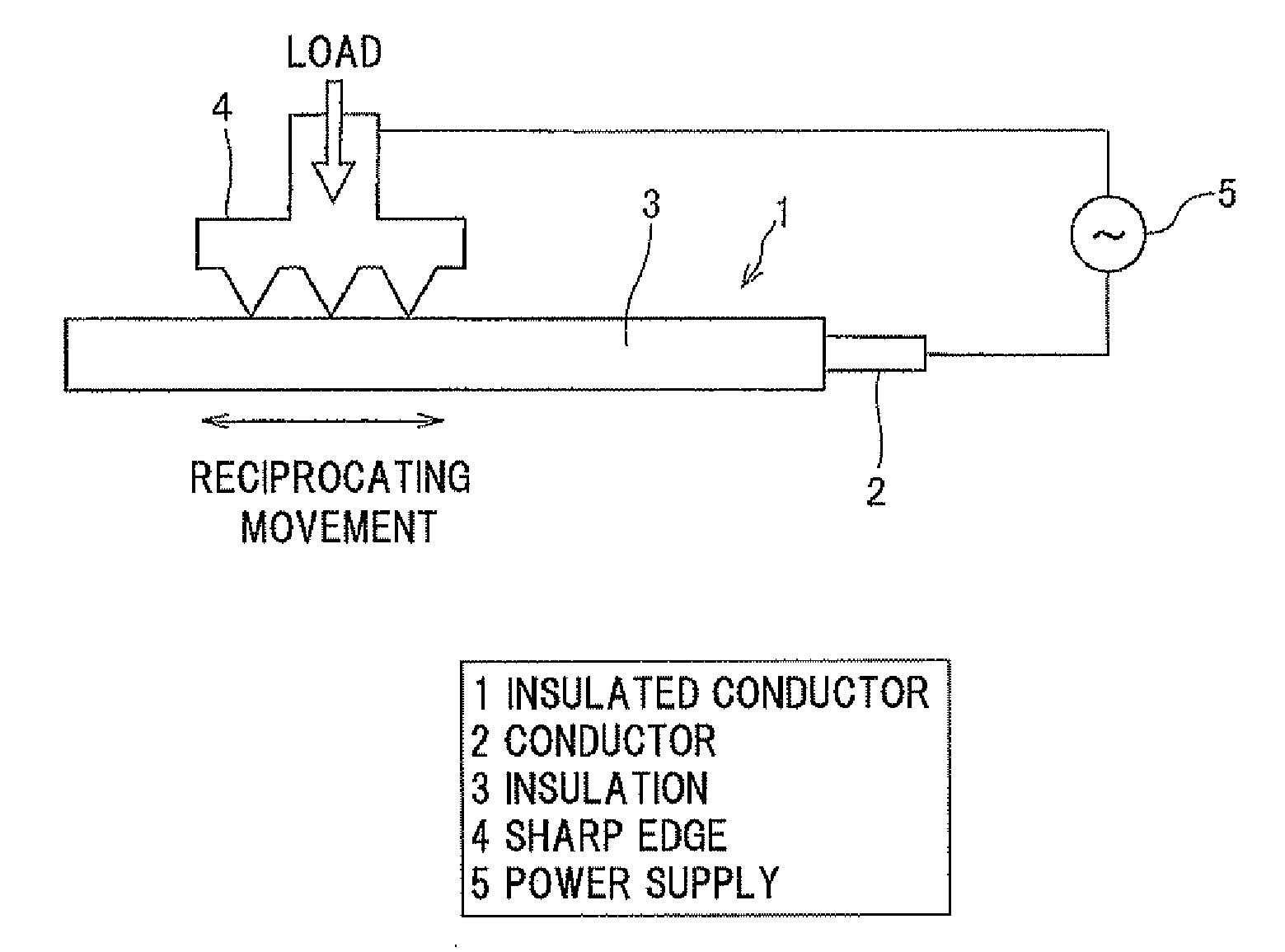
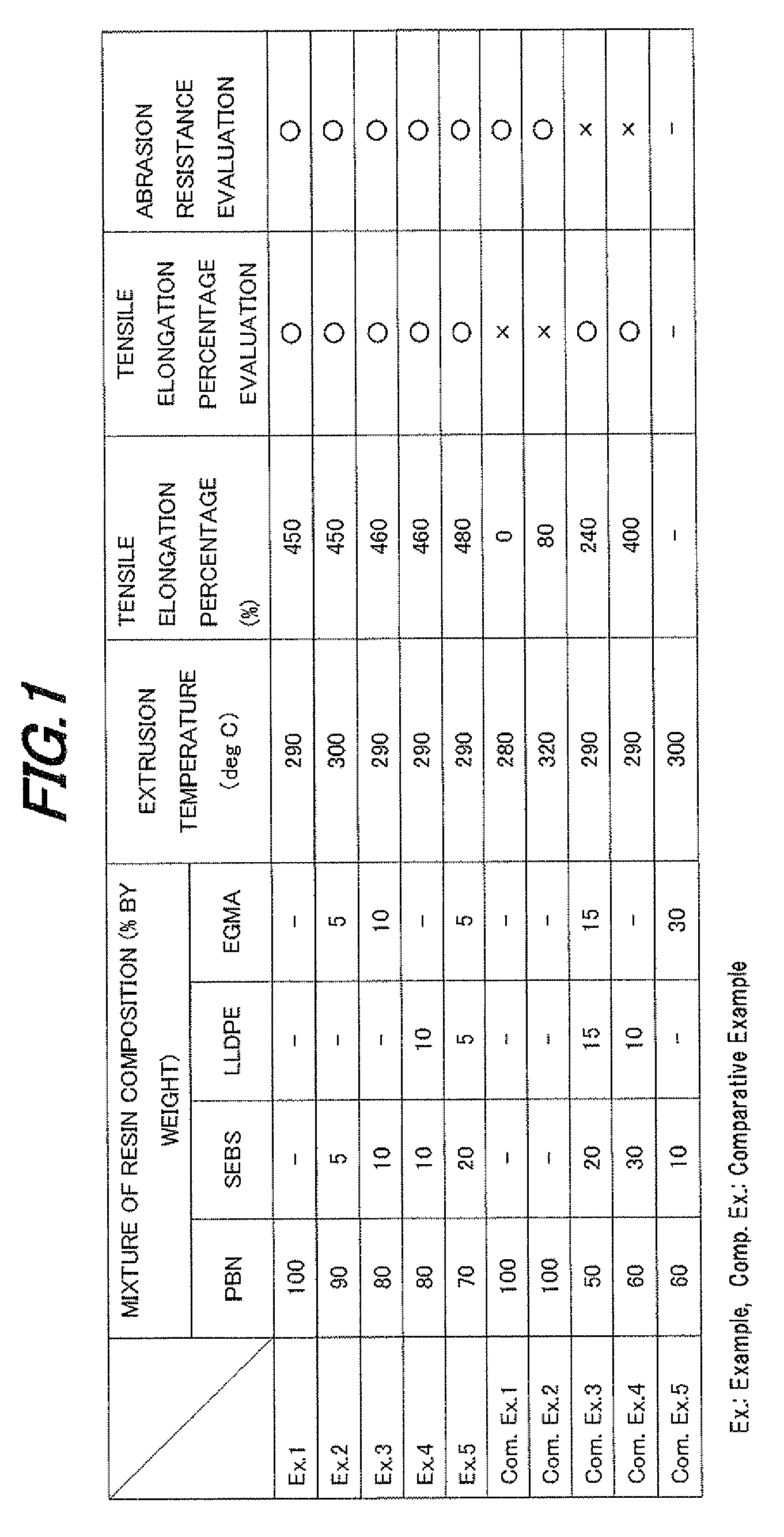
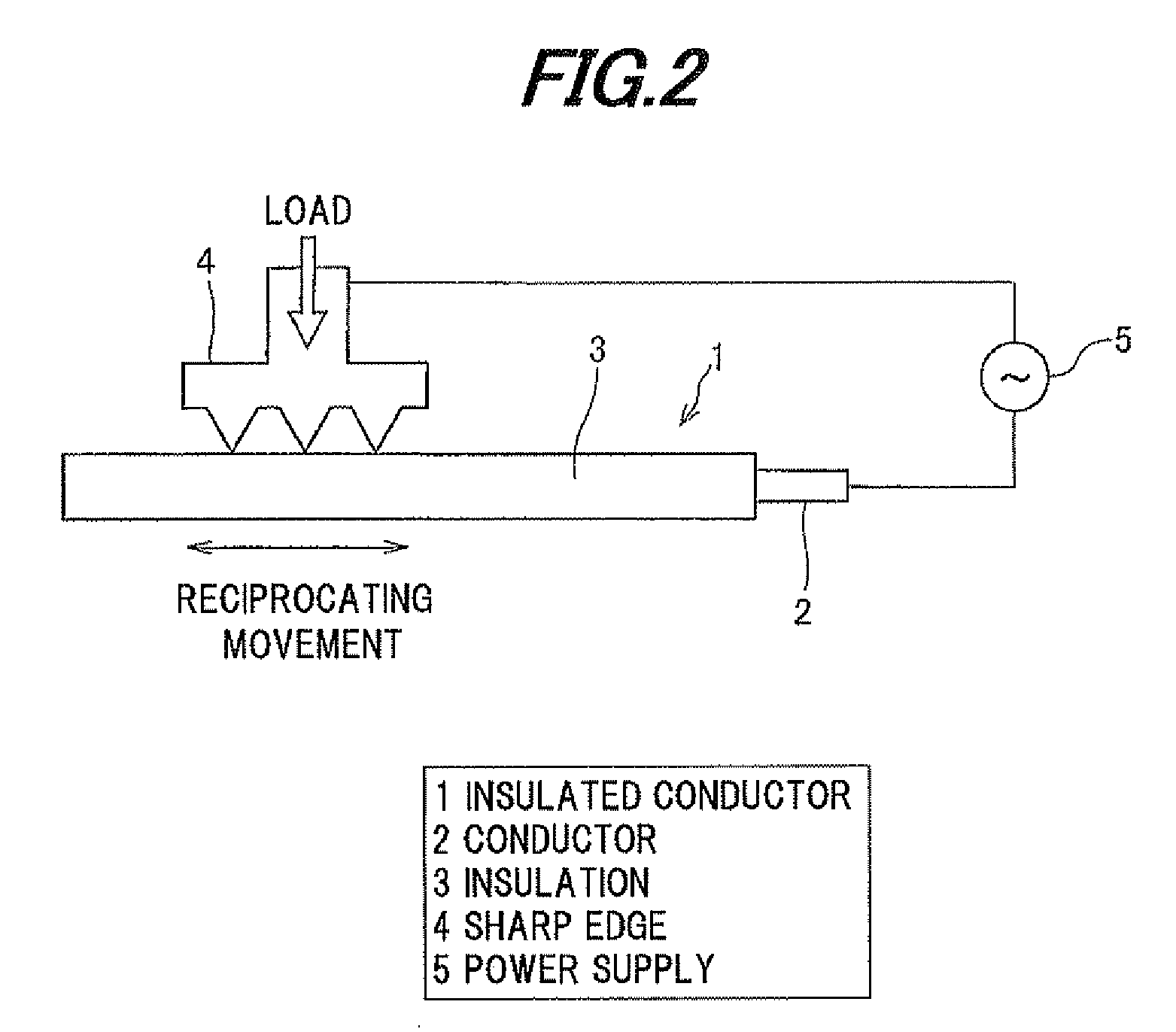
- A resin composition comprising more than 60% polybutylene naphthalate resin, combined with a hydrogenated block copolymer, polyolefin, and a glycidyl compound, is used to create an insulated conductor with enhanced abrasion resistance and tensile elongation characteristics, manufactured through extrusion at 290° C to 310° C, incorporating a nitrogen-containing compound for improved flame resistance.
Environmental Impact and Sustainability of PEN Materials
The environmental impact of Polyethylene Naphthalate (PEN) materials in electrical insulation applications presents both challenges and opportunities for sustainable development. As industries increasingly prioritize environmental responsibility, understanding the lifecycle environmental footprint of PEN becomes crucial for its expanded adoption in electrical systems.
PEN manufacturing processes generate significantly lower carbon emissions compared to traditional insulation materials like polyvinyl chloride (PVC) or cross-linked polyethylene (XLPE). The production energy requirements for PEN are approximately 15-20% lower than conventional alternatives, primarily due to more efficient polymerization processes and reduced processing temperatures. Additionally, PEN synthesis produces fewer volatile organic compounds (VOCs), contributing to improved air quality standards in manufacturing facilities.
The material's exceptional durability directly translates to environmental benefits through extended service life. PEN-based electrical insulation systems demonstrate operational lifespans exceeding 40 years under normal conditions, substantially reducing replacement frequency and associated material consumption. This longevity factor significantly diminishes the cumulative environmental impact over the product lifecycle compared to materials requiring more frequent replacement cycles.
Recycling capabilities represent a critical sustainability advantage for PEN materials. Unlike thermoset insulation materials that cannot be reprocessed, PEN maintains its thermoplastic properties, enabling mechanical and chemical recycling processes. Current recycling technologies can recover up to 85% of PEN content from end-of-life electrical components, with recycled material retaining approximately 90% of original performance characteristics.
However, certain environmental challenges persist in PEN applications. The material's resistance to biodegradation, while advantageous for electrical performance, raises concerns regarding end-of-life disposal in non-recycling scenarios. Additionally, the specialized recycling infrastructure required for PEN processing remains limited in many regions, potentially leading to suboptimal waste management practices.
Emerging sustainability initiatives focus on bio-based PEN precursors and closed-loop recycling systems. Research into renewable feedstock sources for naphthalene dicarboxylic acid production shows promising results, potentially reducing fossil fuel dependency by 30-40% in PEN manufacturing. These developments position PEN as an increasingly sustainable choice for next-generation electrical insulation applications.
PEN manufacturing processes generate significantly lower carbon emissions compared to traditional insulation materials like polyvinyl chloride (PVC) or cross-linked polyethylene (XLPE). The production energy requirements for PEN are approximately 15-20% lower than conventional alternatives, primarily due to more efficient polymerization processes and reduced processing temperatures. Additionally, PEN synthesis produces fewer volatile organic compounds (VOCs), contributing to improved air quality standards in manufacturing facilities.
The material's exceptional durability directly translates to environmental benefits through extended service life. PEN-based electrical insulation systems demonstrate operational lifespans exceeding 40 years under normal conditions, substantially reducing replacement frequency and associated material consumption. This longevity factor significantly diminishes the cumulative environmental impact over the product lifecycle compared to materials requiring more frequent replacement cycles.
Recycling capabilities represent a critical sustainability advantage for PEN materials. Unlike thermoset insulation materials that cannot be reprocessed, PEN maintains its thermoplastic properties, enabling mechanical and chemical recycling processes. Current recycling technologies can recover up to 85% of PEN content from end-of-life electrical components, with recycled material retaining approximately 90% of original performance characteristics.
However, certain environmental challenges persist in PEN applications. The material's resistance to biodegradation, while advantageous for electrical performance, raises concerns regarding end-of-life disposal in non-recycling scenarios. Additionally, the specialized recycling infrastructure required for PEN processing remains limited in many regions, potentially leading to suboptimal waste management practices.
Emerging sustainability initiatives focus on bio-based PEN precursors and closed-loop recycling systems. Research into renewable feedstock sources for naphthalene dicarboxylic acid production shows promising results, potentially reducing fossil fuel dependency by 30-40% in PEN manufacturing. These developments position PEN as an increasingly sustainable choice for next-generation electrical insulation applications.
Safety Standards and Certification for PEN Insulation Systems
The safety standards and certification framework for Polyethylene Naphthalate (PEN) insulation systems represents a critical foundation for widespread adoption in electrical applications. Current regulatory landscape encompasses multiple international standards including IEC 60216 for thermal endurance properties, IEC 60243 for electric strength testing, and UL 746 series for polymeric materials evaluation. These standards establish baseline requirements for dielectric strength, thermal stability, and long-term performance characteristics essential for electrical insulation applications.
Certification processes for PEN insulation systems typically involve comprehensive testing protocols that evaluate material properties under various environmental conditions. Key testing parameters include dielectric breakdown voltage, volume resistivity, surface resistivity, and tracking resistance. Temperature cycling tests assess material stability across operational temperature ranges, while humidity exposure evaluations determine moisture absorption effects on electrical properties. Accelerated aging tests provide crucial data for predicting long-term performance and establishing appropriate safety margins.
International certification bodies such as UL, VDE, CSA, and ENEC maintain specific requirements for PEN-based insulation systems. These organizations conduct rigorous evaluation processes including material characterization, component-level testing, and system-level validation. Certification typically requires demonstration of consistent performance across multiple production batches and compliance with flame retardancy requirements according to UL 94 or IEC 60695 standards.
Regional variations in safety standards present challenges for global PEN insulation system deployment. European EN standards emphasize environmental considerations and RoHS compliance, while North American standards focus on fire safety and electrical performance criteria. Asian markets increasingly adopt harmonized international standards while maintaining specific local requirements for high-voltage applications.
Emerging certification requirements address advanced PEN formulations and hybrid insulation systems. New testing methodologies evaluate partial discharge resistance, corona inception voltage, and long-term electrical aging characteristics. These evolving standards reflect increasing demands for higher performance insulation systems in renewable energy applications, electric vehicle components, and high-frequency power electronics where traditional certification approaches may prove insufficient for comprehensive safety validation.
Certification processes for PEN insulation systems typically involve comprehensive testing protocols that evaluate material properties under various environmental conditions. Key testing parameters include dielectric breakdown voltage, volume resistivity, surface resistivity, and tracking resistance. Temperature cycling tests assess material stability across operational temperature ranges, while humidity exposure evaluations determine moisture absorption effects on electrical properties. Accelerated aging tests provide crucial data for predicting long-term performance and establishing appropriate safety margins.
International certification bodies such as UL, VDE, CSA, and ENEC maintain specific requirements for PEN-based insulation systems. These organizations conduct rigorous evaluation processes including material characterization, component-level testing, and system-level validation. Certification typically requires demonstration of consistent performance across multiple production batches and compliance with flame retardancy requirements according to UL 94 or IEC 60695 standards.
Regional variations in safety standards present challenges for global PEN insulation system deployment. European EN standards emphasize environmental considerations and RoHS compliance, while North American standards focus on fire safety and electrical performance criteria. Asian markets increasingly adopt harmonized international standards while maintaining specific local requirements for high-voltage applications.
Emerging certification requirements address advanced PEN formulations and hybrid insulation systems. New testing methodologies evaluate partial discharge resistance, corona inception voltage, and long-term electrical aging characteristics. These evolving standards reflect increasing demands for higher performance insulation systems in renewable energy applications, electric vehicle components, and high-frequency power electronics where traditional certification approaches may prove insufficient for comprehensive safety validation.
Unlock deeper insights with PatSnap Eureka Quick Research — get a full tech report to explore trends and direct your research. Try now!
Generate Your Research Report Instantly with AI Agent
Supercharge your innovation with PatSnap Eureka AI Agent Platform!