
Evaluate Polyethylene Naphthalate for Sensor Compatibility
MAR 9, 20269 MIN READ
Generate Your Research Report Instantly with AI Agent
Patsnap Eureka helps you evaluate technical feasibility & market potential.
PEN Material Background and Sensor Integration Goals
Polyethylene Naphthalate (PEN) represents a high-performance thermoplastic polyester that has emerged as a critical material in advanced sensor applications. This aromatic polyester, characterized by its naphthalene dicarboxylic acid backbone, exhibits superior thermal stability, chemical resistance, and dimensional stability compared to conventional polyethylene terephthalate (PET). The material's unique molecular structure provides enhanced barrier properties and mechanical strength, making it particularly suitable for demanding sensor environments.
The development of PEN technology traces back to the 1960s when researchers first synthesized this polymer, though commercial applications remained limited until the 1990s due to manufacturing complexities. The material gained prominence in the electronics industry during the early 2000s as miniaturization demands increased and operating temperatures in electronic devices rose significantly. PEN's glass transition temperature of approximately 120°C and melting point around 270°C positioned it as an ideal substrate for flexible electronics and sensor applications.
Current technological evolution in sensor integration focuses on achieving seamless compatibility between substrate materials and sensing elements while maintaining signal integrity and long-term reliability. The integration challenge encompasses multiple dimensions including thermal expansion matching, chemical inertness, and electromagnetic interference mitigation. Modern sensor systems require substrates that can withstand processing temperatures exceeding 200°C while maintaining dimensional stability within micrometers.
The primary technical objectives for PEN sensor compatibility evaluation center on validating the material's performance across critical parameters. Thermal cycling stability represents a fundamental requirement, as sensors must maintain calibration accuracy through repeated temperature variations. Chemical compatibility assessment ensures that PEN substrates do not interact with sensing materials or protective coatings, potentially altering sensor response characteristics.
Mechanical stability evaluation focuses on PEN's ability to maintain structural integrity under mechanical stress while preserving sensor functionality. This includes assessment of flexural properties, creep resistance, and fatigue performance under cyclic loading conditions. Additionally, electrical characterization aims to quantify PEN's dielectric properties, surface resistivity, and potential for static charge accumulation that could interfere with sensitive measurements.
The ultimate goal involves establishing comprehensive compatibility guidelines that enable reliable sensor integration while leveraging PEN's superior material properties for next-generation sensing applications in automotive, aerospace, and industrial monitoring systems.
The development of PEN technology traces back to the 1960s when researchers first synthesized this polymer, though commercial applications remained limited until the 1990s due to manufacturing complexities. The material gained prominence in the electronics industry during the early 2000s as miniaturization demands increased and operating temperatures in electronic devices rose significantly. PEN's glass transition temperature of approximately 120°C and melting point around 270°C positioned it as an ideal substrate for flexible electronics and sensor applications.
Current technological evolution in sensor integration focuses on achieving seamless compatibility between substrate materials and sensing elements while maintaining signal integrity and long-term reliability. The integration challenge encompasses multiple dimensions including thermal expansion matching, chemical inertness, and electromagnetic interference mitigation. Modern sensor systems require substrates that can withstand processing temperatures exceeding 200°C while maintaining dimensional stability within micrometers.
The primary technical objectives for PEN sensor compatibility evaluation center on validating the material's performance across critical parameters. Thermal cycling stability represents a fundamental requirement, as sensors must maintain calibration accuracy through repeated temperature variations. Chemical compatibility assessment ensures that PEN substrates do not interact with sensing materials or protective coatings, potentially altering sensor response characteristics.
Mechanical stability evaluation focuses on PEN's ability to maintain structural integrity under mechanical stress while preserving sensor functionality. This includes assessment of flexural properties, creep resistance, and fatigue performance under cyclic loading conditions. Additionally, electrical characterization aims to quantify PEN's dielectric properties, surface resistivity, and potential for static charge accumulation that could interfere with sensitive measurements.
The ultimate goal involves establishing comprehensive compatibility guidelines that enable reliable sensor integration while leveraging PEN's superior material properties for next-generation sensing applications in automotive, aerospace, and industrial monitoring systems.
Market Demand for PEN-Based Sensor Applications
The global sensor market continues to experience robust growth driven by increasing automation across industries, Internet of Things expansion, and rising demand for smart devices. Traditional sensor substrates face limitations in harsh environments, creating opportunities for advanced materials like polyethylene naphthalate to address performance gaps in temperature resistance, chemical stability, and mechanical durability.
Flexible electronics represent a rapidly expanding segment where PEN-based sensors show significant promise. The material's superior dimensional stability and low moisture absorption make it particularly attractive for wearable health monitoring devices, where consistent performance under varying environmental conditions is critical. Healthcare applications demand sensors that maintain accuracy during extended wear periods while withstanding body heat and humidity.
Automotive sensor applications present substantial market potential for PEN-based solutions. Modern vehicles require sensors capable of operating reliably across extreme temperature ranges while maintaining precision for safety-critical functions. PEN's thermal stability and chemical resistance position it favorably for engine compartment sensors, exhaust monitoring systems, and advanced driver assistance technologies where traditional materials may degrade.
Industrial process monitoring creates additional demand for PEN-compatible sensors. Manufacturing environments often involve exposure to aggressive chemicals, elevated temperatures, and mechanical stress that challenge conventional sensor materials. PEN's resistance to hydrolysis and chemical attack enables sensor deployment in previously inaccessible applications such as chemical processing, food production, and pharmaceutical manufacturing.
The aerospace and defense sectors increasingly require sensors that function reliably in extreme environments. PEN's radiation resistance and thermal cycling performance make it suitable for satellite applications, aircraft systems, and military equipment where failure is not acceptable. These applications typically justify premium pricing for materials that deliver enhanced reliability.
Consumer electronics manufacturers seek thinner, more flexible sensor solutions to enable innovative product designs. PEN's optical clarity and processing compatibility with existing manufacturing equipment facilitate integration into displays, touch interfaces, and environmental sensing applications. The material's barrier properties also protect sensitive electronic components from moisture and oxygen degradation.
Environmental monitoring applications benefit from PEN's long-term stability characteristics. Outdoor sensor deployments require materials that resist UV degradation, temperature cycling, and chemical exposure from pollutants. PEN-based sensors can potentially operate for extended periods without calibration drift or material degradation that affects measurement accuracy.
Flexible electronics represent a rapidly expanding segment where PEN-based sensors show significant promise. The material's superior dimensional stability and low moisture absorption make it particularly attractive for wearable health monitoring devices, where consistent performance under varying environmental conditions is critical. Healthcare applications demand sensors that maintain accuracy during extended wear periods while withstanding body heat and humidity.
Automotive sensor applications present substantial market potential for PEN-based solutions. Modern vehicles require sensors capable of operating reliably across extreme temperature ranges while maintaining precision for safety-critical functions. PEN's thermal stability and chemical resistance position it favorably for engine compartment sensors, exhaust monitoring systems, and advanced driver assistance technologies where traditional materials may degrade.
Industrial process monitoring creates additional demand for PEN-compatible sensors. Manufacturing environments often involve exposure to aggressive chemicals, elevated temperatures, and mechanical stress that challenge conventional sensor materials. PEN's resistance to hydrolysis and chemical attack enables sensor deployment in previously inaccessible applications such as chemical processing, food production, and pharmaceutical manufacturing.
The aerospace and defense sectors increasingly require sensors that function reliably in extreme environments. PEN's radiation resistance and thermal cycling performance make it suitable for satellite applications, aircraft systems, and military equipment where failure is not acceptable. These applications typically justify premium pricing for materials that deliver enhanced reliability.
Consumer electronics manufacturers seek thinner, more flexible sensor solutions to enable innovative product designs. PEN's optical clarity and processing compatibility with existing manufacturing equipment facilitate integration into displays, touch interfaces, and environmental sensing applications. The material's barrier properties also protect sensitive electronic components from moisture and oxygen degradation.
Environmental monitoring applications benefit from PEN's long-term stability characteristics. Outdoor sensor deployments require materials that resist UV degradation, temperature cycling, and chemical exposure from pollutants. PEN-based sensors can potentially operate for extended periods without calibration drift or material degradation that affects measurement accuracy.
Current PEN Properties and Sensor Compatibility Challenges
Polyethylene Naphthalate (PEN) exhibits exceptional thermal stability with a glass transition temperature of approximately 120°C and melting point around 270°C, significantly higher than conventional polyethylene terephthalate (PET). This superior thermal performance makes PEN particularly attractive for sensor applications requiring elevated operating temperatures. The material demonstrates excellent dimensional stability across wide temperature ranges, with low coefficient of thermal expansion values typically ranging from 15-20 ppm/°C.
The chemical resistance properties of PEN present both advantages and challenges for sensor integration. While PEN shows excellent resistance to hydrocarbons, alcohols, and many organic solvents, it exhibits limited compatibility with strong alkaline solutions and certain polar solvents. This selective chemical resistance can impact sensor functionality when exposed to specific analytes or cleaning agents commonly used in sensor maintenance protocols.
Mechanical properties of PEN include high tensile strength (approximately 180-220 MPa) and excellent fatigue resistance, making it suitable for flexible sensor substrates. However, the material's inherent stiffness compared to other polymer substrates can create challenges in applications requiring extreme flexibility or conformability to curved surfaces.
Electrical characteristics of PEN reveal both promising attributes and limitations for sensor applications. The material exhibits low dielectric constant (approximately 3.0-3.2) and excellent electrical insulation properties, beneficial for capacitive and impedance-based sensors. However, PEN's relatively high moisture absorption (0.4-0.6% at 50% RH) can lead to dimensional changes and altered electrical properties, potentially affecting sensor calibration stability over time.
Optical transparency of PEN in the visible spectrum (>85% transmission) enables its use in optical sensor applications, though UV absorption characteristics may limit performance in certain spectroscopic applications. The material's birefringence properties can introduce optical artifacts in polarization-sensitive sensor designs.
Processing challenges emerge from PEN's high melting temperature, requiring specialized equipment and elevated processing temperatures that may damage sensitive sensor components during manufacturing. Additionally, PEN's tendency toward crystallization during cooling can create surface roughness issues affecting sensor adhesion and performance consistency.
Adhesion compatibility represents a critical challenge, as PEN's low surface energy requires surface treatments or specialized adhesives for reliable sensor attachment. Long-term adhesion stability under thermal cycling conditions remains a concern for permanent sensor installations.
The chemical resistance properties of PEN present both advantages and challenges for sensor integration. While PEN shows excellent resistance to hydrocarbons, alcohols, and many organic solvents, it exhibits limited compatibility with strong alkaline solutions and certain polar solvents. This selective chemical resistance can impact sensor functionality when exposed to specific analytes or cleaning agents commonly used in sensor maintenance protocols.
Mechanical properties of PEN include high tensile strength (approximately 180-220 MPa) and excellent fatigue resistance, making it suitable for flexible sensor substrates. However, the material's inherent stiffness compared to other polymer substrates can create challenges in applications requiring extreme flexibility or conformability to curved surfaces.
Electrical characteristics of PEN reveal both promising attributes and limitations for sensor applications. The material exhibits low dielectric constant (approximately 3.0-3.2) and excellent electrical insulation properties, beneficial for capacitive and impedance-based sensors. However, PEN's relatively high moisture absorption (0.4-0.6% at 50% RH) can lead to dimensional changes and altered electrical properties, potentially affecting sensor calibration stability over time.
Optical transparency of PEN in the visible spectrum (>85% transmission) enables its use in optical sensor applications, though UV absorption characteristics may limit performance in certain spectroscopic applications. The material's birefringence properties can introduce optical artifacts in polarization-sensitive sensor designs.
Processing challenges emerge from PEN's high melting temperature, requiring specialized equipment and elevated processing temperatures that may damage sensitive sensor components during manufacturing. Additionally, PEN's tendency toward crystallization during cooling can create surface roughness issues affecting sensor adhesion and performance consistency.
Adhesion compatibility represents a critical challenge, as PEN's low surface energy requires surface treatments or specialized adhesives for reliable sensor attachment. Long-term adhesion stability under thermal cycling conditions remains a concern for permanent sensor installations.
Existing PEN-Sensor Integration Solutions
01 Polyethylene naphthalate blends with other polyesters
Polyethylene naphthalate can be blended with other polyester materials to improve compatibility and enhance physical properties. These blends can optimize characteristics such as mechanical strength, thermal stability, and processability. The compatibility between polyethylene naphthalate and other polyesters can be achieved through proper composition ratios and processing conditions.- Polyethylene naphthalate blends with other polyesters: Polyethylene naphthalate can be blended with other polyester materials to improve compatibility and enhance physical properties. These blends can optimize characteristics such as mechanical strength, thermal stability, and processability. The compatibility between polyethylene naphthalate and other polyesters can be achieved through proper composition ratios and processing conditions.
- Compatibilizers for polyethylene naphthalate compositions: Compatibilizing agents can be incorporated into polyethylene naphthalate formulations to improve the compatibility between different polymer phases. These agents help to reduce interfacial tension and enhance the dispersion of components, resulting in improved mechanical properties and processing characteristics. Various types of compatibilizers can be selected based on the specific polymer system.
- Polyethylene naphthalate copolymers and modifications: Copolymerization and chemical modification of polyethylene naphthalate can enhance its compatibility with other materials. By introducing different monomers or functional groups, the polymer properties can be tailored to achieve better compatibility in various applications. These modifications can improve adhesion, blending characteristics, and overall performance in composite systems.
- Polyethylene naphthalate in multilayer structures: Polyethylene naphthalate can be used in multilayer structures where compatibility with adjacent layers is critical. The material exhibits good adhesion properties and can be combined with various polymers to create barrier films and packaging materials. Proper layer design and processing conditions are essential to ensure adequate interlayer compatibility and prevent delamination.
- Additives for improving polyethylene naphthalate compatibility: Various additives including plasticizers, stabilizers, and processing aids can be incorporated to enhance the compatibility of polyethylene naphthalate with other materials. These additives can improve melt flow properties, reduce processing temperatures, and enhance the miscibility with other polymers. The selection of appropriate additives depends on the intended application and the materials to be combined.
02 Compatibilizers for polyethylene naphthalate compositions
Compatibilizing agents can be incorporated into polyethylene naphthalate formulations to improve the compatibility between different polymer phases. These agents help to reduce interfacial tension and enhance the dispersion of components, resulting in improved mechanical properties and processing characteristics. Various types of compatibilizers can be selected based on the specific polymer system.Expand Specific Solutions03 Polyethylene naphthalate copolymers and modifications
Copolymerization and chemical modification techniques can be employed to enhance the compatibility of polyethylene naphthalate with other materials. By introducing specific monomers or functional groups, the polymer structure can be tailored to achieve better compatibility with various additives, fillers, or other polymers. These modifications can improve processing performance and final product properties.Expand Specific Solutions04 Polyethylene naphthalate composite materials
Polyethylene naphthalate can be formulated into composite materials by incorporating fillers, reinforcing agents, or other additives. The compatibility between the polymer matrix and these additives is crucial for achieving desired composite properties. Proper surface treatment of fillers and selection of appropriate coupling agents can significantly improve the interfacial adhesion and overall compatibility.Expand Specific Solutions05 Processing conditions affecting polyethylene naphthalate compatibility
The compatibility of polyethylene naphthalate in various formulations can be influenced by processing parameters such as temperature, pressure, mixing time, and cooling rate. Optimizing these processing conditions can enhance the miscibility and interaction between different components, leading to improved material properties. Proper control of crystallization behavior and molecular orientation during processing is essential for achieving optimal compatibility.Expand Specific Solutions
Key Players in PEN Manufacturing and Sensor Industries
The polyethylene naphthalate (PEN) sensor compatibility market represents an emerging technological frontier currently in its early development stage, characterized by significant research activity but limited commercial deployment. The market size remains relatively small as applications are primarily concentrated in specialized sensor technologies requiring high-performance polymer substrates. Technology maturity varies considerably across the competitive landscape, with established materials companies like Teijin Ltd., Ester Industries, and Braskem SA leading in polymer production capabilities, while research institutions including Zhejiang University, Jilin University, and University of Florida drive fundamental compatibility research. Healthcare-focused companies such as Roche Diagnostics and Shenzhen Kefu Biotechnology are exploring biomedical sensor applications, and display technology firms like TCL China Star are investigating electronic sensor integration. The fragmented nature of participants, spanning from academic institutions to multinational corporations, indicates the technology's nascent stage with substantial growth potential as sensor miniaturization and performance requirements continue advancing across multiple industrial sectors.
Teijin Ltd.
Technical Solution: Teijin has developed advanced PEN (Polyethylene Naphthalate) films with enhanced barrier properties and thermal stability for sensor applications. Their PEN substrates demonstrate excellent dimensional stability at temperatures up to 200°C, making them suitable for flexible electronic sensors. The company's proprietary manufacturing process ensures uniform thickness control within ±2% variation, critical for sensor accuracy. Teijin's PEN films exhibit low moisture absorption (<0.4%) and high chemical resistance, providing reliable performance in harsh sensing environments. Their surface treatment technologies enable strong adhesion with various sensor materials including conductive inks and metal layers.
Strengths: Superior thermal stability, excellent barrier properties, proven manufacturing scalability. Weaknesses: Higher cost compared to conventional polymer substrates, limited availability in ultra-thin configurations.
Ningbo Solartron Technology Co., Ltd.
Technical Solution: Ningbo Solartron has developed PEN-based flexible sensor solutions for industrial monitoring applications. Their PEN substrates are engineered with enhanced adhesion properties for strain gauges and pressure sensors, achieving bond strengths exceeding 15 N/mm². The company's manufacturing process produces PEN films with controlled surface roughness (Ra < 50nm) optimized for sensor fabrication. Their PEN sensors demonstrate stable performance in industrial environments with temperature cycling from -40°C to 150°C. Solartron's quality control ensures consistent material properties with coefficient of thermal expansion matching sensor requirements, minimizing thermal stress-induced errors.
Strengths: Industrial-grade reliability, cost-effective manufacturing, proven field performance. Weaknesses: Limited research capabilities compared to major corporations, narrower application focus primarily on industrial sensors.
Core Innovations in PEN Surface Modification for Sensors
Pressure-sensitive sensor
PatentInactiveUS7112755B2
Innovation
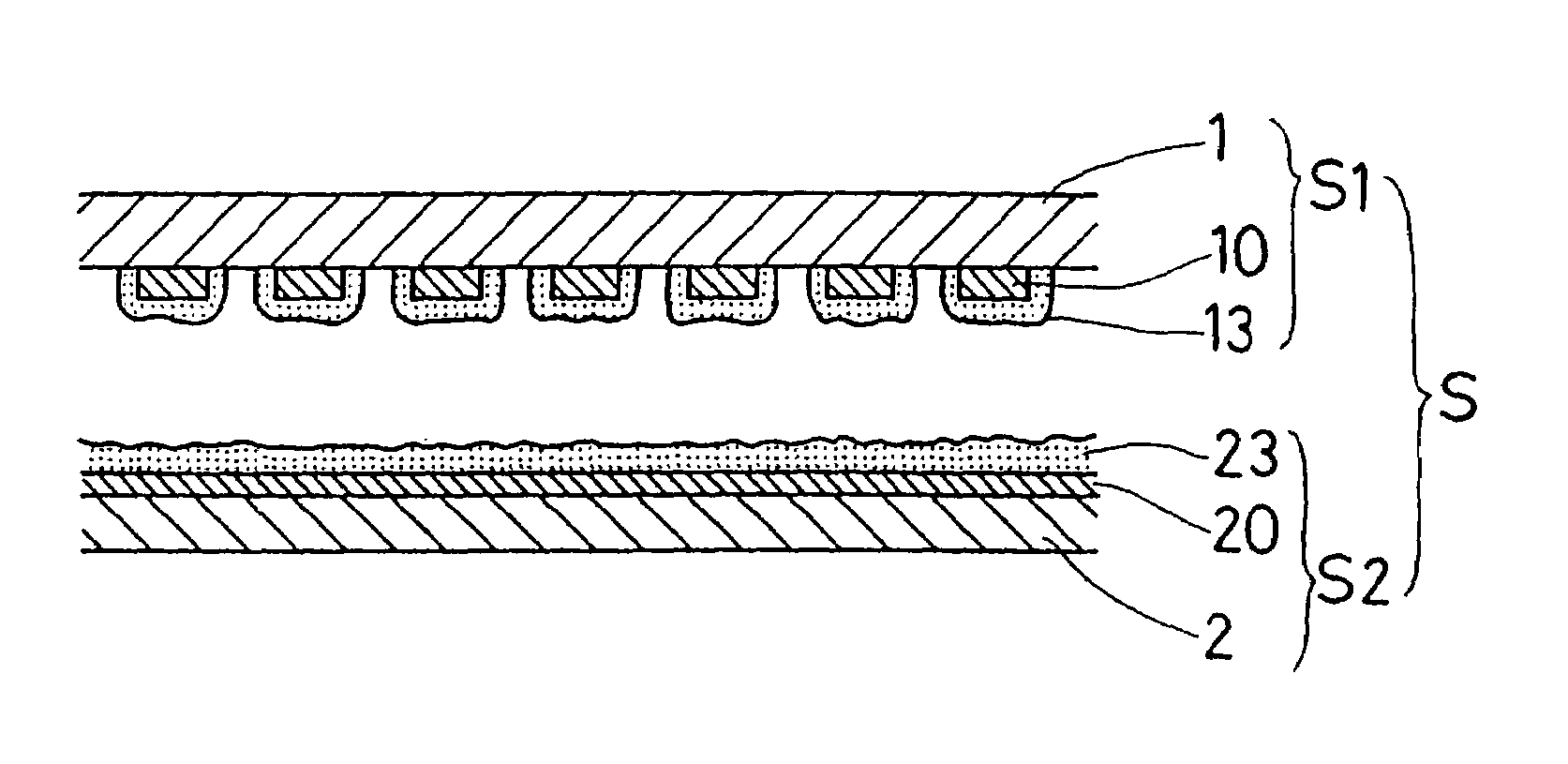
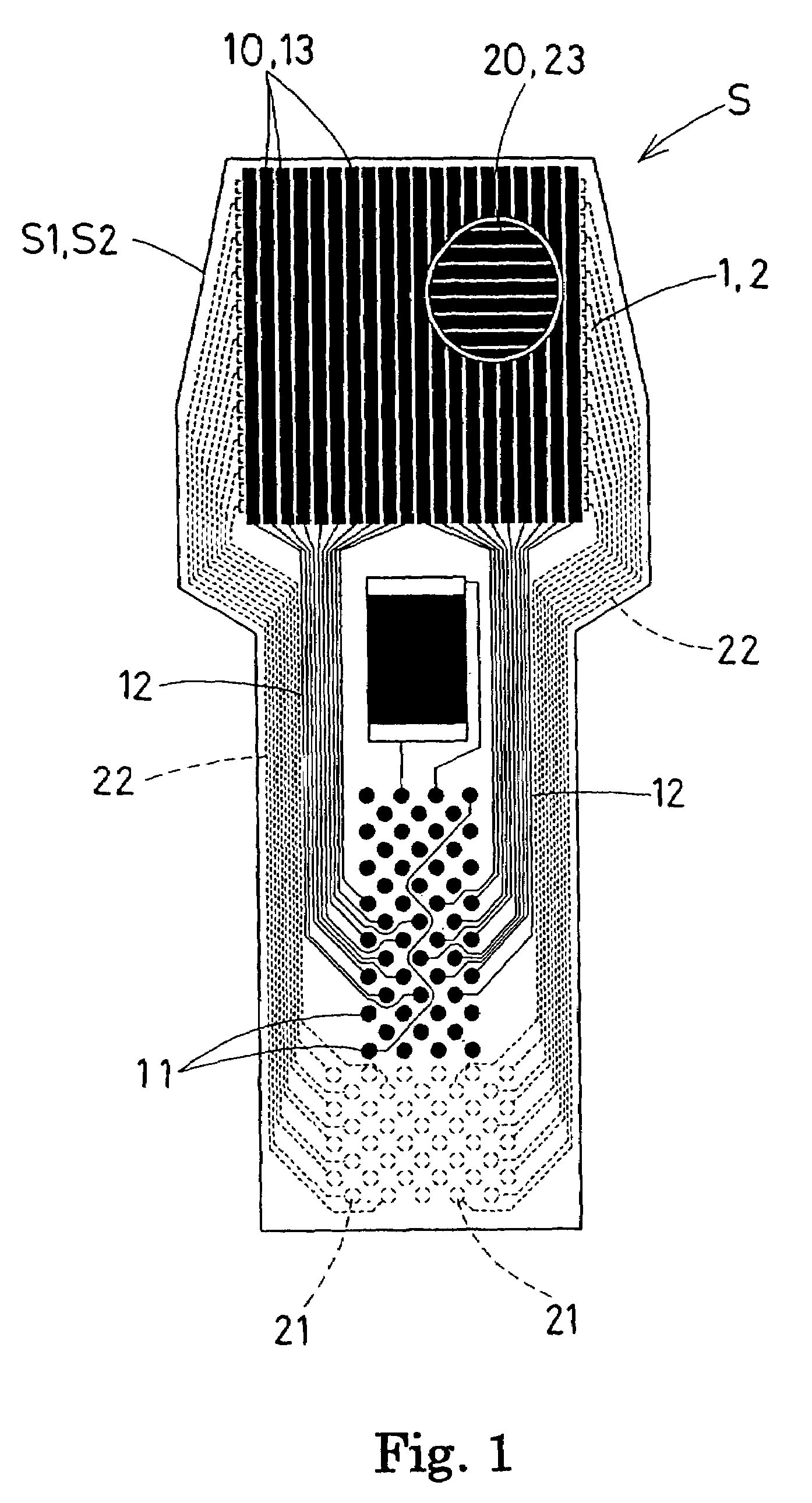
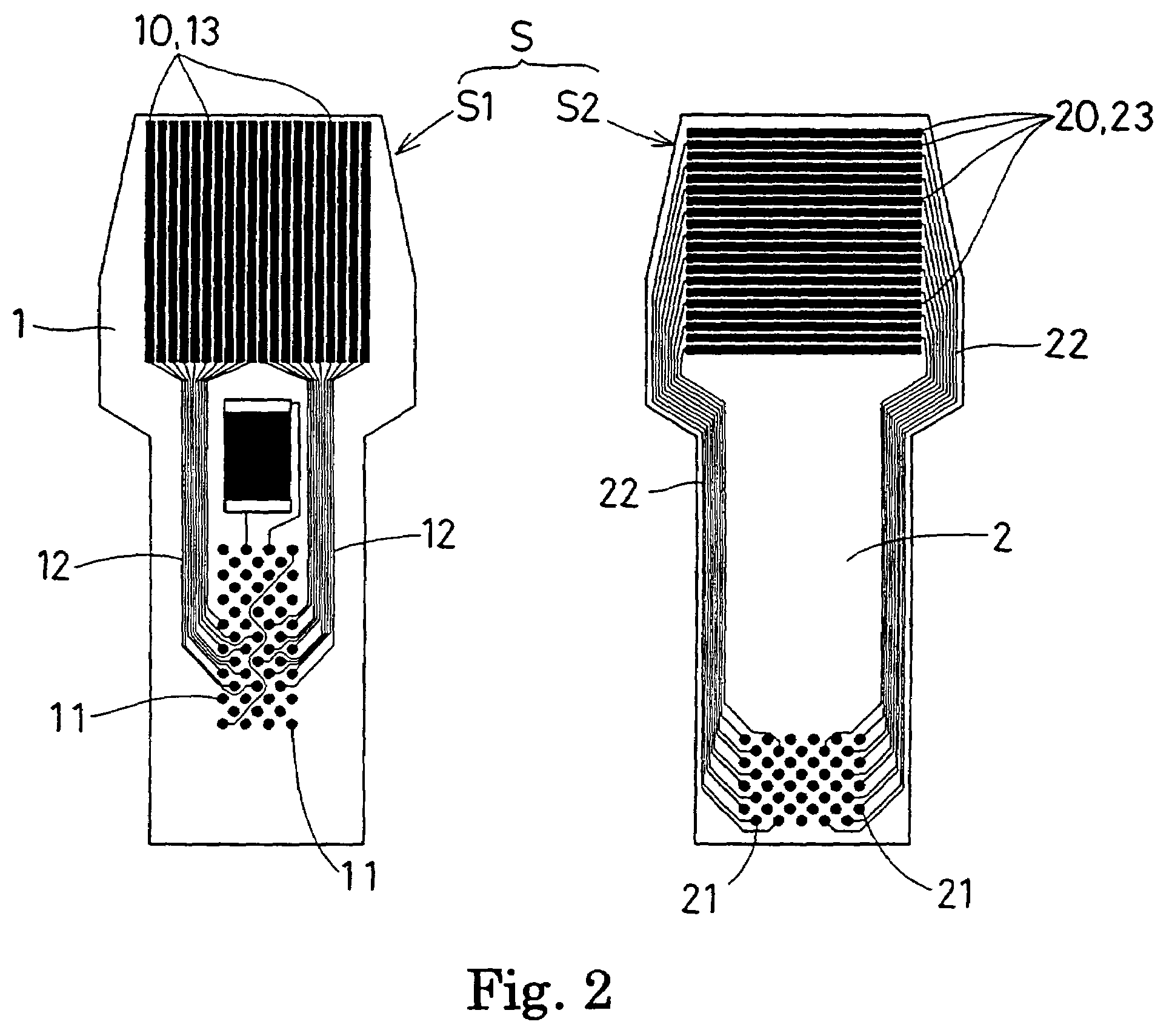
- Incorporating 30 to 70 parts by weight of silicon dioxide into the silicone elastomer component as a binder in pressure-sensitive conductive ink, along with conductive carbon black, enhances the strength and dispersion of the ink, resulting in improved output stability and linearity across the temperature range.

Ag@polypyrrole/polyethylene glycol-polyimide composite material and preparation method, pressure sensor
PatentActiveCN117343547B
Innovation
- Ag@polypyrrole/polyethylene glycol-polyimide composite material is used, and Ag@PPy nanocomposite particles are blended with PI-mPEGn to prepare a composite material with excellent mechanical properties, heat resistance and electrical conductivity. for the preparation of pressure sensors.


Environmental Impact Assessment of PEN Sensor Systems
The environmental impact assessment of Polyethylene Naphthalate (PEN) sensor systems encompasses multiple lifecycle stages, from raw material extraction through manufacturing, deployment, operation, and end-of-life management. PEN's environmental footprint begins with its petroleum-based feedstock requirements, primarily naphthalene dicarboxylic acid and ethylene glycol, which contribute to carbon emissions during production processes.
Manufacturing PEN involves high-temperature polymerization reactions typically requiring temperatures between 250-280°C, resulting in significant energy consumption and associated greenhouse gas emissions. The production process generates approximately 3.2 kg CO2 equivalent per kilogram of PEN material, positioning it within the mid-range of engineering plastics regarding carbon intensity.
During operational phases, PEN sensor systems demonstrate favorable environmental characteristics due to their exceptional chemical resistance and thermal stability. These properties extend operational lifespans significantly compared to conventional polymer alternatives, reducing replacement frequency and associated material consumption. PEN's resistance to UV degradation and hydrolysis minimizes performance degradation in harsh environmental conditions, maintaining sensor accuracy over extended periods.
The material's compatibility with various sensor technologies enables miniaturization opportunities, reducing overall material requirements per sensing unit. PEN's low moisture absorption characteristics eliminate the need for additional protective coatings or encapsulation materials, simplifying system architecture and reducing material complexity.
End-of-life considerations present both challenges and opportunities for PEN sensor systems. While PEN exhibits limited biodegradability, its chemical stability enables effective mechanical recycling processes. The material can be reprocessed into lower-grade applications, though sensor-grade PEN recovery requires careful contamination management due to embedded electronic components.
Comparative lifecycle assessments indicate PEN sensor systems generate approximately 15-20% lower environmental impact than glass-based alternatives when considering transportation emissions, breakage rates, and replacement cycles. However, PEN systems show higher impact than bio-based polymer sensors in carbon footprint metrics, though superior performance characteristics often justify this differential in critical sensing applications requiring long-term reliability and environmental resilience.
Manufacturing PEN involves high-temperature polymerization reactions typically requiring temperatures between 250-280°C, resulting in significant energy consumption and associated greenhouse gas emissions. The production process generates approximately 3.2 kg CO2 equivalent per kilogram of PEN material, positioning it within the mid-range of engineering plastics regarding carbon intensity.
During operational phases, PEN sensor systems demonstrate favorable environmental characteristics due to their exceptional chemical resistance and thermal stability. These properties extend operational lifespans significantly compared to conventional polymer alternatives, reducing replacement frequency and associated material consumption. PEN's resistance to UV degradation and hydrolysis minimizes performance degradation in harsh environmental conditions, maintaining sensor accuracy over extended periods.
The material's compatibility with various sensor technologies enables miniaturization opportunities, reducing overall material requirements per sensing unit. PEN's low moisture absorption characteristics eliminate the need for additional protective coatings or encapsulation materials, simplifying system architecture and reducing material complexity.
End-of-life considerations present both challenges and opportunities for PEN sensor systems. While PEN exhibits limited biodegradability, its chemical stability enables effective mechanical recycling processes. The material can be reprocessed into lower-grade applications, though sensor-grade PEN recovery requires careful contamination management due to embedded electronic components.
Comparative lifecycle assessments indicate PEN sensor systems generate approximately 15-20% lower environmental impact than glass-based alternatives when considering transportation emissions, breakage rates, and replacement cycles. However, PEN systems show higher impact than bio-based polymer sensors in carbon footprint metrics, though superior performance characteristics often justify this differential in critical sensing applications requiring long-term reliability and environmental resilience.
Thermal Stability Requirements for PEN Sensor Applications
Polyethylene Naphthalate (PEN) demonstrates exceptional thermal stability characteristics that make it particularly suitable for demanding sensor applications. The polymer exhibits a glass transition temperature (Tg) of approximately 120°C and a melting point around 269°C, providing a significantly wider operational temperature range compared to conventional polyethylene terephthalate (PET). This enhanced thermal performance stems from the naphthalene ring structure, which imparts greater molecular rigidity and thermal resistance to the polymer backbone.
The thermal degradation profile of PEN shows remarkable stability up to 400°C in inert atmospheres, with minimal weight loss occurring below 350°C. This thermal robustness is critical for sensor applications where exposure to elevated temperatures during manufacturing processes, sterilization procedures, or operational conditions is inevitable. The polymer maintains its mechanical properties and dimensional stability across temperature cycles, ensuring consistent sensor performance and reliability.
For electronic sensor applications, PEN's low coefficient of thermal expansion (CTE) of approximately 20 ppm/°C provides excellent dimensional stability during temperature fluctuations. This characteristic is particularly valuable in precision sensing applications where thermal-induced dimensional changes could affect calibration accuracy or introduce measurement errors. The material's ability to withstand repeated thermal cycling without significant property degradation makes it suitable for sensors operating in environments with frequent temperature variations.
The crystallization behavior of PEN under thermal stress presents both opportunities and considerations for sensor design. While the polymer can maintain an amorphous state at moderate processing temperatures, controlled crystallization can enhance certain properties such as barrier performance and chemical resistance. However, excessive crystallization may affect optical transparency in applications requiring clear substrates for optical sensors.
Processing temperature requirements for PEN typically range from 280°C to 320°C, which necessitates specialized equipment but enables the formation of highly stable sensor substrates. The material's thermal processing window allows for various fabrication techniques including injection molding, extrusion, and film casting, providing flexibility in sensor component manufacturing while maintaining thermal integrity throughout the production process.
The thermal degradation profile of PEN shows remarkable stability up to 400°C in inert atmospheres, with minimal weight loss occurring below 350°C. This thermal robustness is critical for sensor applications where exposure to elevated temperatures during manufacturing processes, sterilization procedures, or operational conditions is inevitable. The polymer maintains its mechanical properties and dimensional stability across temperature cycles, ensuring consistent sensor performance and reliability.
For electronic sensor applications, PEN's low coefficient of thermal expansion (CTE) of approximately 20 ppm/°C provides excellent dimensional stability during temperature fluctuations. This characteristic is particularly valuable in precision sensing applications where thermal-induced dimensional changes could affect calibration accuracy or introduce measurement errors. The material's ability to withstand repeated thermal cycling without significant property degradation makes it suitable for sensors operating in environments with frequent temperature variations.
The crystallization behavior of PEN under thermal stress presents both opportunities and considerations for sensor design. While the polymer can maintain an amorphous state at moderate processing temperatures, controlled crystallization can enhance certain properties such as barrier performance and chemical resistance. However, excessive crystallization may affect optical transparency in applications requiring clear substrates for optical sensors.
Processing temperature requirements for PEN typically range from 280°C to 320°C, which necessitates specialized equipment but enables the formation of highly stable sensor substrates. The material's thermal processing window allows for various fabrication techniques including injection molding, extrusion, and film casting, providing flexibility in sensor component manufacturing while maintaining thermal integrity throughout the production process.
Unlock deeper insights with Patsnap Eureka Quick Research — get a full tech report to explore trends and direct your research. Try now!
Generate Your Research Report Instantly with AI Agent
Supercharge your innovation with Patsnap Eureka AI Agent Platform!