
Enhancing Linear Polarization Resistance with Advanced Signal Processing
MAR 7, 20269 MIN READ
Generate Your Research Report Instantly with AI Agent
Patsnap Eureka helps you evaluate technical feasibility & market potential.
Linear Polarization Resistance Technology Background and Objectives
Linear Polarization Resistance (LPR) technology emerged in the 1950s as a revolutionary electrochemical technique for real-time corrosion monitoring. Initially developed by Stern and Geary, this method fundamentally relies on the principle that the polarization resistance of a corroding electrode is inversely proportional to its corrosion rate. The technique applies a small potential perturbation to the system and measures the resulting current response, enabling non-destructive assessment of corrosion processes in various industrial environments.
The evolution of LPR technology has been marked by significant milestones in both theoretical understanding and practical implementation. Early applications were limited by analog instrumentation and manual data interpretation, restricting measurements to laboratory settings. The advent of digital electronics in the 1980s enabled automated data acquisition, while the integration of microprocessors in the 1990s facilitated real-time analysis and remote monitoring capabilities.
Contemporary LPR systems face substantial challenges in signal quality and measurement accuracy. Environmental noise, electrode polarization effects, and solution resistance significantly impact measurement precision. Traditional signal processing approaches often struggle with distinguishing genuine corrosion signals from background interference, particularly in harsh industrial environments where electromagnetic interference and temperature fluctuations are prevalent.
The integration of advanced signal processing techniques represents a paradigm shift in LPR technology development. Modern approaches leverage digital filtering, machine learning algorithms, and sophisticated noise reduction methods to enhance measurement reliability. These advancements address fundamental limitations of conventional LPR systems, including drift compensation, artifact removal, and improved signal-to-noise ratios.
The primary objective of enhancing LPR with advanced signal processing is to achieve unprecedented measurement accuracy and reliability across diverse operational conditions. This involves developing robust algorithms capable of real-time noise suppression, automatic baseline correction, and intelligent pattern recognition for corrosion signature identification. The ultimate goal encompasses creating self-calibrating systems that can adapt to changing environmental conditions while maintaining consistent measurement precision.
Future technological targets include achieving sub-microampere current resolution, extending measurement range capabilities, and enabling predictive corrosion analytics through advanced data processing methodologies. These objectives aim to transform LPR from a reactive monitoring tool into a proactive asset management solution for critical infrastructure applications.
The evolution of LPR technology has been marked by significant milestones in both theoretical understanding and practical implementation. Early applications were limited by analog instrumentation and manual data interpretation, restricting measurements to laboratory settings. The advent of digital electronics in the 1980s enabled automated data acquisition, while the integration of microprocessors in the 1990s facilitated real-time analysis and remote monitoring capabilities.
Contemporary LPR systems face substantial challenges in signal quality and measurement accuracy. Environmental noise, electrode polarization effects, and solution resistance significantly impact measurement precision. Traditional signal processing approaches often struggle with distinguishing genuine corrosion signals from background interference, particularly in harsh industrial environments where electromagnetic interference and temperature fluctuations are prevalent.
The integration of advanced signal processing techniques represents a paradigm shift in LPR technology development. Modern approaches leverage digital filtering, machine learning algorithms, and sophisticated noise reduction methods to enhance measurement reliability. These advancements address fundamental limitations of conventional LPR systems, including drift compensation, artifact removal, and improved signal-to-noise ratios.
The primary objective of enhancing LPR with advanced signal processing is to achieve unprecedented measurement accuracy and reliability across diverse operational conditions. This involves developing robust algorithms capable of real-time noise suppression, automatic baseline correction, and intelligent pattern recognition for corrosion signature identification. The ultimate goal encompasses creating self-calibrating systems that can adapt to changing environmental conditions while maintaining consistent measurement precision.
Future technological targets include achieving sub-microampere current resolution, extending measurement range capabilities, and enabling predictive corrosion analytics through advanced data processing methodologies. These objectives aim to transform LPR from a reactive monitoring tool into a proactive asset management solution for critical infrastructure applications.
Market Demand for Advanced Corrosion Monitoring Solutions
The global corrosion monitoring market is experiencing unprecedented growth driven by increasing infrastructure aging and stringent regulatory requirements across multiple industries. Traditional corrosion assessment methods, while established, face significant limitations in providing real-time, accurate measurements necessary for modern industrial operations. This gap has created substantial demand for advanced monitoring solutions that can deliver enhanced precision and reliability.
Industrial sectors including oil and gas, marine, aerospace, and power generation are actively seeking sophisticated corrosion monitoring technologies to minimize operational risks and reduce maintenance costs. The oil and gas industry represents the largest market segment, where pipeline integrity and offshore platform monitoring require continuous, precise corrosion assessment capabilities. Marine applications demand robust monitoring systems capable of operating in harsh saltwater environments while maintaining measurement accuracy.
Power generation facilities, particularly nuclear plants and renewable energy installations, require advanced corrosion monitoring to ensure long-term operational safety and efficiency. The aerospace sector increasingly relies on sophisticated monitoring systems for aircraft structural integrity assessment, where traditional methods prove insufficient for detecting early-stage corrosion in critical components.
Regulatory frameworks worldwide are becoming more stringent, mandating enhanced corrosion monitoring protocols across various industries. Environmental protection agencies require detailed corrosion assessment data for infrastructure projects, while safety regulations demand continuous monitoring capabilities that exceed traditional measurement techniques. These regulatory pressures are accelerating adoption of advanced signal processing technologies in corrosion monitoring applications.
The market demand extends beyond basic monitoring to encompass predictive maintenance capabilities, where advanced signal processing enables early detection of corrosion initiation and progression. Industries are increasingly recognizing the economic benefits of proactive corrosion management, driving investment in sophisticated monitoring technologies that can provide actionable insights for maintenance planning and asset lifecycle management.
Emerging applications in smart infrastructure and Internet of Things implementations are creating new market opportunities for advanced corrosion monitoring solutions. These applications require integrated systems capable of continuous data collection, real-time analysis, and remote monitoring capabilities, further expanding the market potential for enhanced linear polarization resistance technologies with advanced signal processing capabilities.
Industrial sectors including oil and gas, marine, aerospace, and power generation are actively seeking sophisticated corrosion monitoring technologies to minimize operational risks and reduce maintenance costs. The oil and gas industry represents the largest market segment, where pipeline integrity and offshore platform monitoring require continuous, precise corrosion assessment capabilities. Marine applications demand robust monitoring systems capable of operating in harsh saltwater environments while maintaining measurement accuracy.
Power generation facilities, particularly nuclear plants and renewable energy installations, require advanced corrosion monitoring to ensure long-term operational safety and efficiency. The aerospace sector increasingly relies on sophisticated monitoring systems for aircraft structural integrity assessment, where traditional methods prove insufficient for detecting early-stage corrosion in critical components.
Regulatory frameworks worldwide are becoming more stringent, mandating enhanced corrosion monitoring protocols across various industries. Environmental protection agencies require detailed corrosion assessment data for infrastructure projects, while safety regulations demand continuous monitoring capabilities that exceed traditional measurement techniques. These regulatory pressures are accelerating adoption of advanced signal processing technologies in corrosion monitoring applications.
The market demand extends beyond basic monitoring to encompass predictive maintenance capabilities, where advanced signal processing enables early detection of corrosion initiation and progression. Industries are increasingly recognizing the economic benefits of proactive corrosion management, driving investment in sophisticated monitoring technologies that can provide actionable insights for maintenance planning and asset lifecycle management.
Emerging applications in smart infrastructure and Internet of Things implementations are creating new market opportunities for advanced corrosion monitoring solutions. These applications require integrated systems capable of continuous data collection, real-time analysis, and remote monitoring capabilities, further expanding the market potential for enhanced linear polarization resistance technologies with advanced signal processing capabilities.
Current State and Signal Processing Challenges in LPR
Linear Polarization Resistance (LPR) technology has established itself as a cornerstone technique for real-time corrosion monitoring across diverse industrial applications. The fundamental principle relies on applying small amplitude AC or DC perturbations to measure the polarization resistance of metal surfaces, providing direct correlation to instantaneous corrosion rates. Current implementations predominantly utilize traditional electrochemical impedance spectroscopy (EIS) and potentiostatic methods, which have proven effective in controlled laboratory environments.
However, industrial deployment of LPR systems faces significant signal processing challenges that limit measurement accuracy and reliability. The primary obstacle stems from electrical noise interference, which can originate from power systems, electromagnetic fields, and ground loops in industrial facilities. This noise often exhibits amplitudes comparable to or exceeding the desired LPR signals, making accurate measurements extremely difficult without sophisticated filtering techniques.
Temperature fluctuations present another critical challenge, as they directly affect the electrochemical kinetics and solution conductivity. Current systems typically employ simple temperature compensation algorithms that fail to account for dynamic thermal gradients and transient effects. This limitation becomes particularly problematic in applications involving heat exchangers, pipelines, and outdoor installations where temperature variations are substantial and unpredictable.
Solution resistance compensation remains a persistent technical hurdle in LPR measurements. The ohmic drop between reference and working electrodes can significantly distort polarization resistance readings, especially in low-conductivity environments. Existing compensation methods often rely on high-frequency impedance measurements, but these approaches struggle with frequency-dependent solution properties and electrode interface effects.
Data acquisition and processing capabilities of current LPR systems are constrained by limited sampling rates and basic signal conditioning circuits. Most commercial instruments operate with relatively slow measurement cycles, preventing capture of rapid corrosion events or transient phenomena. The analog front-end designs typically lack adaptive gain control and dynamic range optimization, resulting in reduced sensitivity and measurement precision.
Modern LPR implementations also face challenges in multi-electrode array processing, where simultaneous measurements from multiple sensors require sophisticated multiplexing and cross-talk elimination strategies. Current systems often process channels sequentially, introducing temporal inconsistencies that can affect correlation analysis and spatial corrosion mapping accuracy.
The integration of wireless communication and remote monitoring capabilities has introduced additional signal processing complexities, including data compression requirements, transmission error handling, and synchronization issues across distributed sensor networks. These challenges become more pronounced in harsh industrial environments where communication reliability is critical for continuous monitoring operations.
However, industrial deployment of LPR systems faces significant signal processing challenges that limit measurement accuracy and reliability. The primary obstacle stems from electrical noise interference, which can originate from power systems, electromagnetic fields, and ground loops in industrial facilities. This noise often exhibits amplitudes comparable to or exceeding the desired LPR signals, making accurate measurements extremely difficult without sophisticated filtering techniques.
Temperature fluctuations present another critical challenge, as they directly affect the electrochemical kinetics and solution conductivity. Current systems typically employ simple temperature compensation algorithms that fail to account for dynamic thermal gradients and transient effects. This limitation becomes particularly problematic in applications involving heat exchangers, pipelines, and outdoor installations where temperature variations are substantial and unpredictable.
Solution resistance compensation remains a persistent technical hurdle in LPR measurements. The ohmic drop between reference and working electrodes can significantly distort polarization resistance readings, especially in low-conductivity environments. Existing compensation methods often rely on high-frequency impedance measurements, but these approaches struggle with frequency-dependent solution properties and electrode interface effects.
Data acquisition and processing capabilities of current LPR systems are constrained by limited sampling rates and basic signal conditioning circuits. Most commercial instruments operate with relatively slow measurement cycles, preventing capture of rapid corrosion events or transient phenomena. The analog front-end designs typically lack adaptive gain control and dynamic range optimization, resulting in reduced sensitivity and measurement precision.
Modern LPR implementations also face challenges in multi-electrode array processing, where simultaneous measurements from multiple sensors require sophisticated multiplexing and cross-talk elimination strategies. Current systems often process channels sequentially, introducing temporal inconsistencies that can affect correlation analysis and spatial corrosion mapping accuracy.
The integration of wireless communication and remote monitoring capabilities has introduced additional signal processing complexities, including data compression requirements, transmission error handling, and synchronization issues across distributed sensor networks. These challenges become more pronounced in harsh industrial environments where communication reliability is critical for continuous monitoring operations.
Existing Signal Processing Solutions for LPR Enhancement
01 Electrochemical measurement methods for linear polarization resistance
Linear polarization resistance (LPR) is measured using electrochemical techniques to assess corrosion rates. The method involves applying a small potential perturbation to the electrode and measuring the resulting current response. This technique provides real-time monitoring of corrosion behavior by determining the polarization resistance, which is inversely proportional to the corrosion rate. The measurement can be performed using potentiostatic or galvanostatic methods with specialized electrochemical cells and reference electrodes.- Linear polarization resistance measurement methods and apparatus: Various methods and apparatus have been developed for measuring linear polarization resistance (LPR) to assess corrosion rates. These techniques involve applying a small potential perturbation to an electrode and measuring the resulting current response. The linear polarization resistance is calculated from the slope of the potential-current relationship near the corrosion potential. Advanced measurement systems incorporate automated data acquisition, signal processing, and real-time monitoring capabilities to provide accurate corrosion rate assessments in different environments.
- Electrochemical sensors and probes for corrosion monitoring: Specialized electrochemical sensors and probes have been designed for in-situ corrosion monitoring using linear polarization resistance techniques. These devices feature optimized electrode configurations, reference electrodes, and protective housings suitable for deployment in various industrial environments including pipelines, storage tanks, and marine structures. The sensors enable continuous monitoring of corrosion rates and can be integrated with data logging and telemetry systems for remote monitoring applications.
- Signal processing and data analysis techniques for LPR measurements: Advanced signal processing algorithms and data analysis methods have been developed to improve the accuracy and reliability of linear polarization resistance measurements. These techniques include noise filtering, compensation for solution resistance, correction for non-linear effects, and statistical analysis of measurement data. Digital signal processing methods enable real-time calculation of corrosion rates and can distinguish between different corrosion mechanisms. Machine learning approaches have also been applied to interpret complex electrochemical responses.
- Multi-electrode and array-based LPR systems: Multi-electrode systems and sensor arrays have been developed to provide spatially resolved corrosion monitoring using linear polarization resistance techniques. These systems employ multiple working electrodes that can be independently controlled and measured, allowing for mapping of corrosion distribution across surfaces or monitoring of multiple locations simultaneously. Array-based approaches enable detection of localized corrosion phenomena and provide comprehensive assessment of corrosion behavior in complex structures.
- Portable and field-deployable LPR instruments: Portable instruments for linear polarization resistance measurements have been designed for field applications and on-site corrosion assessment. These devices feature compact designs, battery operation, ruggedized construction, and user-friendly interfaces suitable for use by field technicians. Portable systems incorporate wireless connectivity for data transfer and can perform automated measurements with minimal user intervention. Such instruments are widely used for maintenance inspections, corrosion surveys, and quality control in various industries.
02 Instrumentation and apparatus for LPR measurement
Specialized instruments and apparatus are designed for conducting linear polarization resistance measurements in various environments. These devices typically include working electrodes, counter electrodes, and reference electrodes configured in specific geometries. The equipment may feature automated data acquisition systems, temperature control mechanisms, and multi-channel capabilities for simultaneous measurements. Advanced designs incorporate portable configurations for field testing and in-situ monitoring applications.Expand Specific Solutions03 Data processing and analysis algorithms for LPR
Computational methods and algorithms are employed to process and analyze linear polarization resistance data. These techniques involve curve fitting, noise reduction, and mathematical modeling to extract accurate corrosion parameters from measured signals. The analysis may include compensation for solution resistance, determination of Tafel slopes, and calculation of corrosion current density. Advanced processing methods utilize digital signal processing and machine learning approaches to improve measurement accuracy and reliability.Expand Specific Solutions04 Application of LPR in corrosion monitoring systems
Linear polarization resistance techniques are integrated into comprehensive corrosion monitoring systems for industrial applications. These systems provide continuous assessment of material degradation in pipelines, storage tanks, and structural components. The monitoring approach enables predictive maintenance strategies by tracking corrosion trends over time. Implementation includes wireless data transmission, cloud-based analytics, and automated alert mechanisms for critical corrosion events.Expand Specific Solutions05 Enhanced LPR measurement techniques and calibration methods
Advanced methodologies improve the accuracy and reliability of linear polarization resistance measurements through enhanced calibration procedures and measurement protocols. These techniques address challenges such as electrode surface preparation, electrolyte composition effects, and environmental variable control. Innovations include multi-frequency excitation methods, harmonic analysis approaches, and standardized calibration procedures using reference materials. The methods ensure consistent and reproducible results across different testing conditions and material systems.Expand Specific Solutions
Key Players in Corrosion Monitoring and Signal Processing Industry
The competitive landscape for enhancing linear polarization resistance with advanced signal processing reflects a mature technology sector experiencing significant growth driven by telecommunications and semiconductor advancement. The market demonstrates substantial scale with established players like Huawei, Qualcomm, Samsung Electronics, and Intel leading innovation in signal processing applications. Technology maturity varies across segments, with companies like Apple, Sony, and Mitsubishi Electric showcasing advanced implementation capabilities, while research institutions including Beijing University of Posts & Telecommunications and Colorado School of Mines contribute foundational developments. The industry exhibits strong consolidation trends, evidenced by major players such as Raytheon, Fujitsu, and Toshiba integrating comprehensive solutions. Emerging specialized firms like Seurat Technologies and Irresistible Materials represent next-generation approaches, while traditional semiconductor manufacturers including NXP and Samsung Electro-Mechanics maintain competitive positioning through established manufacturing expertise and supply chain integration.
Huawei Technologies Co., Ltd.
Technical Solution: Huawei has developed advanced signal processing algorithms for enhancing linear polarization resistance in optical communication systems. Their approach utilizes adaptive digital signal processing (DSP) techniques combined with machine learning algorithms to compensate for polarization-dependent loss and polarization mode dispersion. The company implements coherent detection systems with real-time polarization tracking and compensation, achieving significant improvements in signal quality and transmission distance. Their solution incorporates advanced equalization algorithms and polarization demultiplexing techniques that can handle dynamic polarization changes in fiber optic networks, resulting in enhanced system performance and reduced bit error rates.
Strengths: Strong R&D capabilities in optical communications, comprehensive DSP expertise, proven track record in telecom infrastructure. Weaknesses: Limited presence in some international markets due to regulatory restrictions, high development costs for cutting-edge solutions.
QUALCOMM, Inc.
Technical Solution: QUALCOMM has developed sophisticated signal processing techniques for polarization enhancement in wireless communication systems, particularly focusing on MIMO and beamforming applications. Their approach leverages advanced antenna array processing and adaptive algorithms to optimize polarization diversity and reduce interference. The company's solution includes real-time polarization state monitoring and dynamic adjustment capabilities, utilizing machine learning-based prediction models to anticipate polarization changes. Their technology incorporates advanced filtering techniques and signal conditioning algorithms that enhance linear polarization resistance while maintaining high data throughput and spectral efficiency in mobile communication networks.
Strengths: Leading expertise in wireless communications, strong patent portfolio, extensive experience in mobile signal processing. Weaknesses: Primary focus on wireless rather than optical systems, dependency on licensing revenue model.
Core Innovations in Advanced Signal Processing for LPR
Linear polarization resistance flex sensors and methods that involve structure as working electrode(s)
PatentActiveUS10031066B1
Innovation
- A micro linear polarization resistance sensor device with three electrodes, including interdigitated electrodes on a flexible substrate, measures corrosion by calculating polarization resistance and accounting for time of wetness and salinity, allowing for direct, real-time monitoring without introducing galvanic corrosion and enabling measurement of corrosion beyond electrode thickness.


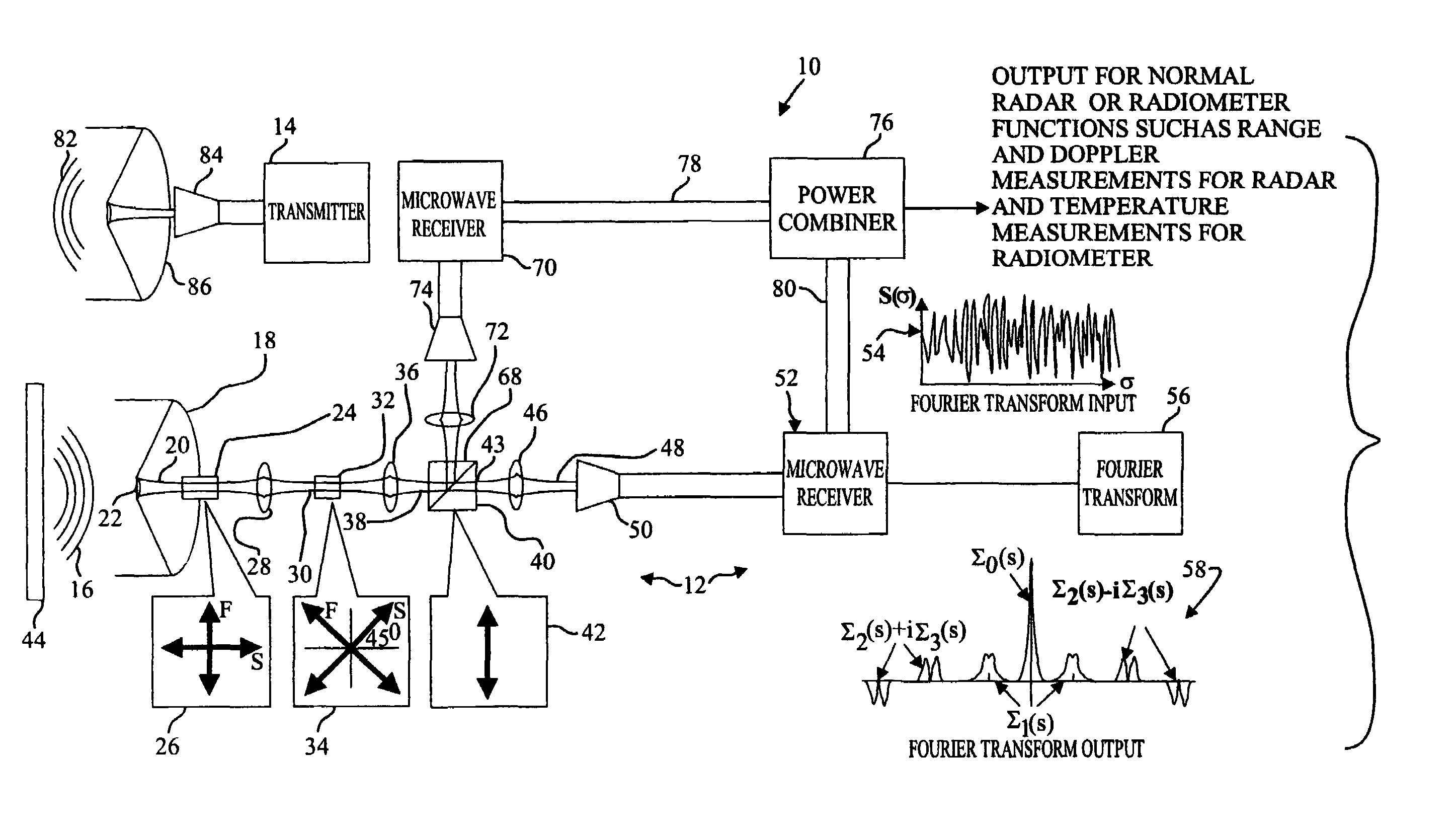
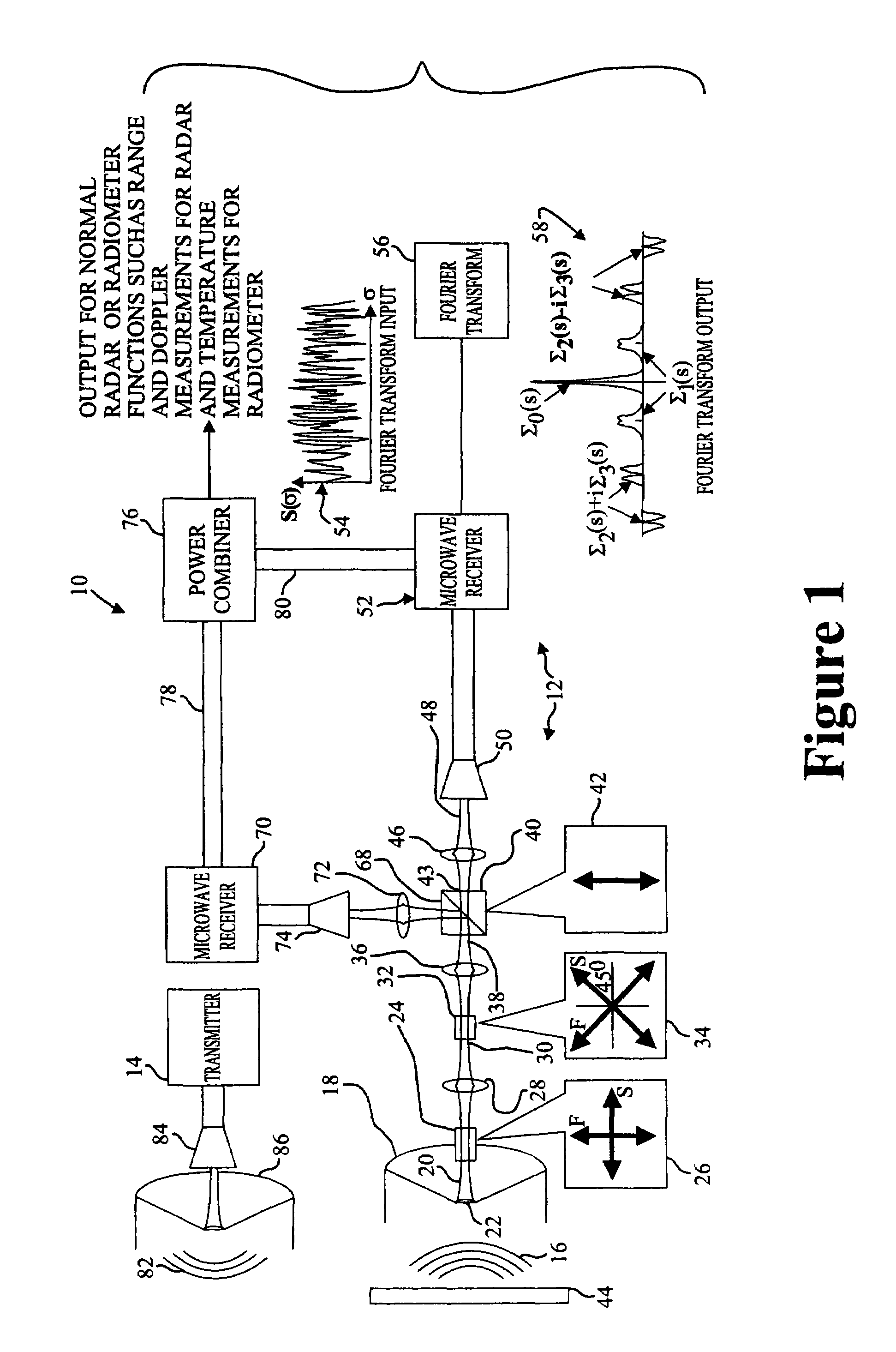
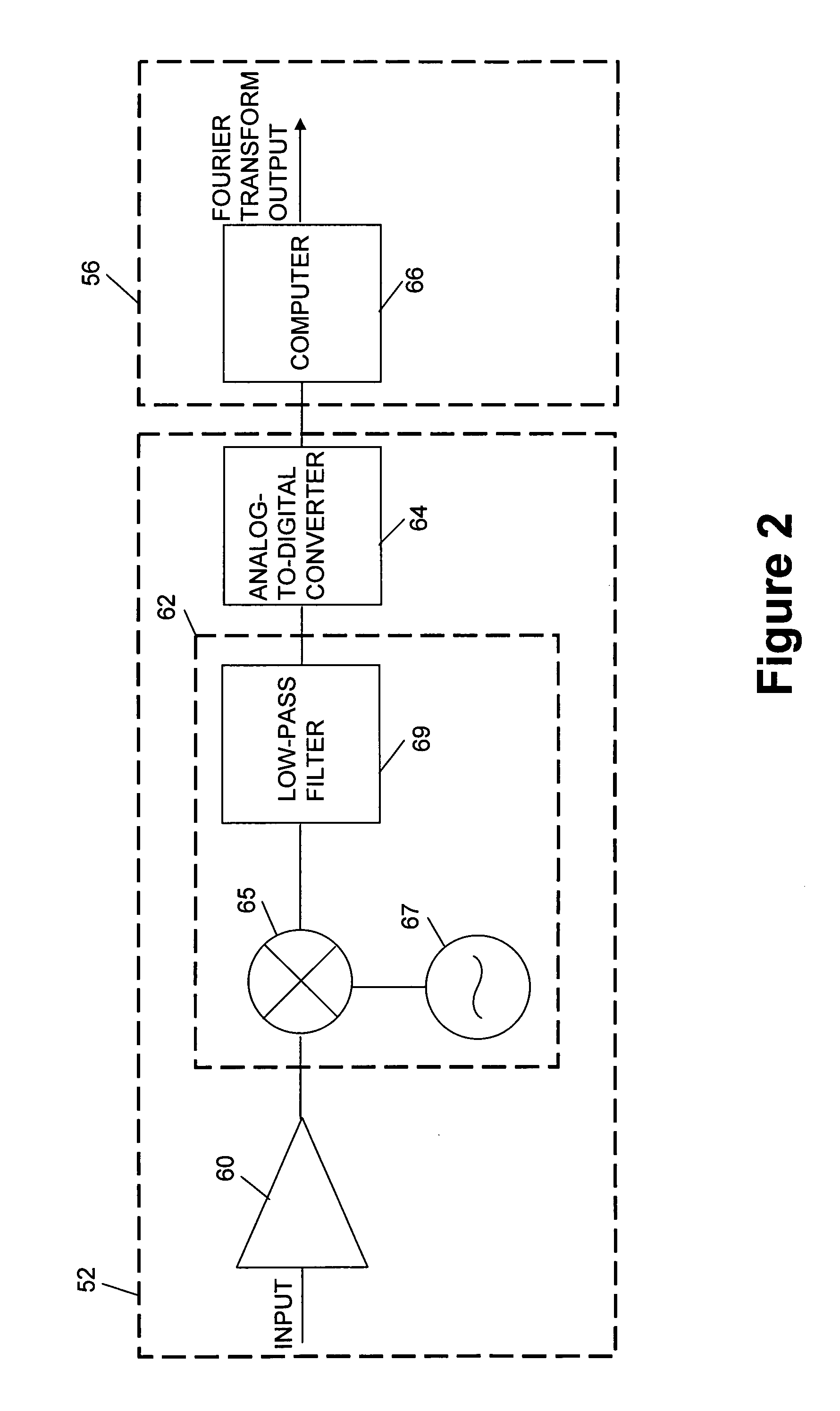
Polarization correlation signal processing for radiometers, ladars, and radars
PatentInactiveUS6967617B1
Innovation
- A correlating polarimeter that modulates a received wideband electromagnetic signal using cascaded birefringent elements, rotates the polarization vector based on the original state and frequency, and uses a linear polarizer to generate a spectrum for comparison with known targets, allowing for target identification within a single radar coherent processing interval without moving parts.

Industrial Standards and Compliance for Corrosion Monitoring
The implementation of advanced signal processing techniques for enhancing linear polarization resistance measurements in corrosion monitoring systems must adhere to a comprehensive framework of industrial standards and regulatory requirements. These standards ensure measurement accuracy, data reliability, and operational safety across diverse industrial environments.
ASTM G59 serves as the foundational standard for conducting linear polarization resistance measurements, establishing fundamental protocols for electrode preparation, measurement procedures, and data interpretation. This standard provides the baseline requirements that advanced signal processing systems must maintain while incorporating enhanced analytical capabilities. Compliance with ASTM G59 ensures that processed LPR data remains scientifically valid and legally defensible.
ISO 8044 defines the terminology and classification systems for corrosion processes, establishing a standardized vocabulary that advanced signal processing algorithms must incorporate. This standard ensures consistent interpretation of processed corrosion data across international boundaries and facilitates seamless integration with existing monitoring infrastructure.
NACE SP0775 specifically addresses the requirements for online corrosion monitoring systems, including data acquisition rates, signal conditioning specifications, and alarm threshold management. Advanced signal processing implementations must demonstrate compliance with these performance criteria, particularly regarding real-time processing capabilities and system response times during critical corrosion events.
Industry-specific regulations further constrain system design and implementation. In the oil and gas sector, API RP 571 mandates specific corrosion monitoring protocols that advanced signal processing systems must support. Similarly, nuclear industry applications require compliance with IEEE standards for safety-critical monitoring systems, demanding rigorous validation of signal processing algorithms and fail-safe operational modes.
Calibration and validation procedures represent critical compliance elements for enhanced LPR systems. Advanced signal processing algorithms must maintain traceability to recognized reference standards while providing enhanced measurement capabilities. This requires development of specialized calibration protocols that verify both traditional LPR measurement accuracy and the performance of advanced processing features.
Data integrity and cybersecurity compliance have become increasingly important as corrosion monitoring systems integrate with industrial IoT networks. Standards such as IEC 62443 establish cybersecurity requirements for industrial automation systems, mandating secure data transmission, authentication protocols, and protection against unauthorized access to corrosion monitoring data.
ASTM G59 serves as the foundational standard for conducting linear polarization resistance measurements, establishing fundamental protocols for electrode preparation, measurement procedures, and data interpretation. This standard provides the baseline requirements that advanced signal processing systems must maintain while incorporating enhanced analytical capabilities. Compliance with ASTM G59 ensures that processed LPR data remains scientifically valid and legally defensible.
ISO 8044 defines the terminology and classification systems for corrosion processes, establishing a standardized vocabulary that advanced signal processing algorithms must incorporate. This standard ensures consistent interpretation of processed corrosion data across international boundaries and facilitates seamless integration with existing monitoring infrastructure.
NACE SP0775 specifically addresses the requirements for online corrosion monitoring systems, including data acquisition rates, signal conditioning specifications, and alarm threshold management. Advanced signal processing implementations must demonstrate compliance with these performance criteria, particularly regarding real-time processing capabilities and system response times during critical corrosion events.
Industry-specific regulations further constrain system design and implementation. In the oil and gas sector, API RP 571 mandates specific corrosion monitoring protocols that advanced signal processing systems must support. Similarly, nuclear industry applications require compliance with IEEE standards for safety-critical monitoring systems, demanding rigorous validation of signal processing algorithms and fail-safe operational modes.
Calibration and validation procedures represent critical compliance elements for enhanced LPR systems. Advanced signal processing algorithms must maintain traceability to recognized reference standards while providing enhanced measurement capabilities. This requires development of specialized calibration protocols that verify both traditional LPR measurement accuracy and the performance of advanced processing features.
Data integrity and cybersecurity compliance have become increasingly important as corrosion monitoring systems integrate with industrial IoT networks. Standards such as IEC 62443 establish cybersecurity requirements for industrial automation systems, mandating secure data transmission, authentication protocols, and protection against unauthorized access to corrosion monitoring data.
Environmental Impact Assessment of Enhanced LPR Systems
The implementation of enhanced Linear Polarization Resistance (LPR) systems with advanced signal processing capabilities presents both opportunities and challenges from an environmental perspective. These systems, while offering improved corrosion monitoring accuracy, introduce new considerations regarding their ecological footprint and sustainability throughout their operational lifecycle.
Enhanced LPR systems typically consume more electrical power than conventional monitoring equipment due to their sophisticated signal processing units and real-time data transmission capabilities. The increased energy demand translates to higher carbon emissions, particularly in regions where electricity generation relies heavily on fossil fuels. However, this energy consumption must be evaluated against the environmental benefits of preventing catastrophic infrastructure failures that could result in significant environmental contamination.
The manufacturing phase of advanced LPR systems involves the production of specialized electronic components, including high-precision analog-to-digital converters, microprocessors, and wireless communication modules. These components require rare earth elements and precious metals, whose extraction and processing carry substantial environmental costs. The semiconductor fabrication processes also generate hazardous waste streams that require careful management to minimize environmental impact.
Deployment of enhanced LPR systems can significantly reduce the environmental risks associated with infrastructure degradation. By providing early detection of corrosion processes, these systems enable proactive maintenance strategies that prevent pipeline leaks, structural failures, and subsequent soil or water contamination. The prevention of a single major pipeline rupture can offset the environmental costs of deploying hundreds of monitoring systems across a network.
The wireless communication capabilities of modern LPR systems reduce the need for extensive cabling infrastructure, thereby minimizing habitat disruption during installation. Remote monitoring capabilities also decrease the frequency of site visits required for data collection, reducing transportation-related emissions and minimizing human disturbance to sensitive ecosystems.
End-of-life considerations for enhanced LPR systems require careful planning to ensure proper recycling of electronic components and recovery of valuable materials. The longer operational lifespan enabled by advanced signal processing algorithms helps improve the overall environmental cost-benefit ratio by extending the useful service period before replacement becomes necessary.
Enhanced LPR systems typically consume more electrical power than conventional monitoring equipment due to their sophisticated signal processing units and real-time data transmission capabilities. The increased energy demand translates to higher carbon emissions, particularly in regions where electricity generation relies heavily on fossil fuels. However, this energy consumption must be evaluated against the environmental benefits of preventing catastrophic infrastructure failures that could result in significant environmental contamination.
The manufacturing phase of advanced LPR systems involves the production of specialized electronic components, including high-precision analog-to-digital converters, microprocessors, and wireless communication modules. These components require rare earth elements and precious metals, whose extraction and processing carry substantial environmental costs. The semiconductor fabrication processes also generate hazardous waste streams that require careful management to minimize environmental impact.
Deployment of enhanced LPR systems can significantly reduce the environmental risks associated with infrastructure degradation. By providing early detection of corrosion processes, these systems enable proactive maintenance strategies that prevent pipeline leaks, structural failures, and subsequent soil or water contamination. The prevention of a single major pipeline rupture can offset the environmental costs of deploying hundreds of monitoring systems across a network.
The wireless communication capabilities of modern LPR systems reduce the need for extensive cabling infrastructure, thereby minimizing habitat disruption during installation. Remote monitoring capabilities also decrease the frequency of site visits required for data collection, reducing transportation-related emissions and minimizing human disturbance to sensitive ecosystems.
End-of-life considerations for enhanced LPR systems require careful planning to ensure proper recycling of electronic components and recovery of valuable materials. The longer operational lifespan enabled by advanced signal processing algorithms helps improve the overall environmental cost-benefit ratio by extending the useful service period before replacement becomes necessary.
Unlock deeper insights with Patsnap Eureka Quick Research — get a full tech report to explore trends and direct your research. Try now!
Generate Your Research Report Instantly with AI Agent
Supercharge your innovation with Patsnap Eureka AI Agent Platform!