
Optimize Linear Polarization Resistance Settings for Stability
MAR 7, 20269 MIN READ
Generate Your Research Report Instantly with AI Agent
Patsnap Eureka helps you evaluate technical feasibility & market potential.
LPR Technology Background and Optimization Goals
Linear Polarization Resistance (LPR) technology emerged in the 1950s as a groundbreaking electrochemical technique for real-time corrosion monitoring. Initially developed by Stern and Geary, this method revolutionized corrosion assessment by enabling non-destructive measurement of instantaneous corrosion rates through the application of small polarization potentials to metallic structures.
The fundamental principle of LPR relies on the linear relationship between applied potential and resulting current density near the corrosion potential. This relationship, quantified by the polarization resistance value, directly correlates with the corrosion rate through the Stern-Geary equation. The technique's non-intrusive nature and ability to provide continuous monitoring capabilities have made it indispensable across multiple industries.
Over the past seven decades, LPR technology has evolved from laboratory-based measurements to sophisticated field-deployable systems. Modern implementations incorporate advanced signal processing, temperature compensation algorithms, and wireless communication capabilities. The integration of digital electronics and microprocessor-based control systems has significantly enhanced measurement precision and data reliability.
Contemporary LPR systems face increasing demands for enhanced stability and accuracy in challenging operational environments. Industrial applications require measurements in high-temperature conditions, aggressive chemical environments, and systems with varying fluid dynamics. These conditions often introduce measurement artifacts, signal drift, and electrode polarization effects that compromise data quality.
The primary optimization goals for LPR stability center on minimizing measurement uncertainty while maintaining system responsiveness. Key objectives include reducing electrode polarization effects through optimized excitation waveforms, implementing advanced noise filtering algorithms, and developing adaptive calibration procedures that account for environmental variations.
Temperature compensation represents a critical optimization target, as corrosion kinetics and electrode behavior exhibit strong temperature dependencies. Advanced systems now incorporate multi-parameter correction algorithms that simultaneously account for temperature, solution conductivity, and flow rate variations to maintain measurement accuracy across operational ranges.
Signal-to-noise ratio enhancement constitutes another fundamental goal, particularly for applications involving low corrosion rates or high-resistance environments. Modern optimization strategies employ sophisticated digital filtering techniques, frequency domain analysis, and statistical processing methods to extract meaningful corrosion information from noisy electrochemical signals.
The evolution toward Industry 4.0 paradigms has introduced new optimization objectives focused on predictive maintenance capabilities and integration with broader asset management systems. Contemporary LPR optimization efforts emphasize developing machine learning algorithms for pattern recognition, anomaly detection, and predictive corrosion modeling to enable proactive maintenance strategies and extend asset lifecycles.
The fundamental principle of LPR relies on the linear relationship between applied potential and resulting current density near the corrosion potential. This relationship, quantified by the polarization resistance value, directly correlates with the corrosion rate through the Stern-Geary equation. The technique's non-intrusive nature and ability to provide continuous monitoring capabilities have made it indispensable across multiple industries.
Over the past seven decades, LPR technology has evolved from laboratory-based measurements to sophisticated field-deployable systems. Modern implementations incorporate advanced signal processing, temperature compensation algorithms, and wireless communication capabilities. The integration of digital electronics and microprocessor-based control systems has significantly enhanced measurement precision and data reliability.
Contemporary LPR systems face increasing demands for enhanced stability and accuracy in challenging operational environments. Industrial applications require measurements in high-temperature conditions, aggressive chemical environments, and systems with varying fluid dynamics. These conditions often introduce measurement artifacts, signal drift, and electrode polarization effects that compromise data quality.
The primary optimization goals for LPR stability center on minimizing measurement uncertainty while maintaining system responsiveness. Key objectives include reducing electrode polarization effects through optimized excitation waveforms, implementing advanced noise filtering algorithms, and developing adaptive calibration procedures that account for environmental variations.
Temperature compensation represents a critical optimization target, as corrosion kinetics and electrode behavior exhibit strong temperature dependencies. Advanced systems now incorporate multi-parameter correction algorithms that simultaneously account for temperature, solution conductivity, and flow rate variations to maintain measurement accuracy across operational ranges.
Signal-to-noise ratio enhancement constitutes another fundamental goal, particularly for applications involving low corrosion rates or high-resistance environments. Modern optimization strategies employ sophisticated digital filtering techniques, frequency domain analysis, and statistical processing methods to extract meaningful corrosion information from noisy electrochemical signals.
The evolution toward Industry 4.0 paradigms has introduced new optimization objectives focused on predictive maintenance capabilities and integration with broader asset management systems. Contemporary LPR optimization efforts emphasize developing machine learning algorithms for pattern recognition, anomaly detection, and predictive corrosion modeling to enable proactive maintenance strategies and extend asset lifecycles.
Market Demand for Enhanced Corrosion Monitoring Solutions
The global corrosion monitoring market is experiencing unprecedented growth driven by increasing infrastructure aging, stringent regulatory requirements, and rising awareness of asset integrity management. Industries worldwide are recognizing that traditional periodic inspection methods are insufficient for maintaining critical infrastructure safety and operational efficiency. This shift has created substantial demand for continuous, real-time corrosion monitoring solutions that can provide accurate, reliable data for predictive maintenance strategies.
Oil and gas sector represents the largest market segment for enhanced corrosion monitoring solutions, where pipeline integrity and offshore platform safety are paramount concerns. The industry faces mounting pressure to prevent catastrophic failures that could result in environmental disasters, regulatory penalties, and significant financial losses. Chemical processing plants, power generation facilities, and marine infrastructure also constitute major market segments requiring sophisticated corrosion monitoring capabilities.
The demand for optimized linear polarization resistance measurement systems stems from the need for improved measurement stability and reduced noise interference in harsh industrial environments. Current market solutions often struggle with signal drift, temperature compensation, and electromagnetic interference, creating opportunities for advanced LPR optimization technologies. End users are actively seeking monitoring systems that can maintain consistent performance across varying operational conditions while minimizing false alarms and maintenance requirements.
Regulatory frameworks across different regions are becoming increasingly stringent, mandating continuous monitoring for critical infrastructure components. Pipeline safety regulations, environmental protection standards, and occupational safety requirements are driving mandatory adoption of advanced corrosion monitoring technologies. This regulatory push is particularly strong in North America and Europe, where aging infrastructure poses significant safety and environmental risks.
The market is also witnessing growing demand for integrated monitoring solutions that combine multiple measurement techniques with advanced data analytics capabilities. Industrial operators are seeking comprehensive platforms that can correlate corrosion data with operational parameters, environmental conditions, and maintenance schedules. This trend toward digitalization and predictive analytics is creating new opportunities for enhanced corrosion monitoring solutions that can deliver actionable insights rather than raw measurement data.
Emerging markets in Asia-Pacific and Latin America are experiencing rapid industrial development, creating substantial demand for modern corrosion monitoring infrastructure. These regions are increasingly adopting international safety standards and best practices, driving market expansion for advanced monitoring technologies. The growing emphasis on sustainable operations and environmental protection is further accelerating market demand for reliable, continuous corrosion monitoring solutions across all industrial sectors.
Oil and gas sector represents the largest market segment for enhanced corrosion monitoring solutions, where pipeline integrity and offshore platform safety are paramount concerns. The industry faces mounting pressure to prevent catastrophic failures that could result in environmental disasters, regulatory penalties, and significant financial losses. Chemical processing plants, power generation facilities, and marine infrastructure also constitute major market segments requiring sophisticated corrosion monitoring capabilities.
The demand for optimized linear polarization resistance measurement systems stems from the need for improved measurement stability and reduced noise interference in harsh industrial environments. Current market solutions often struggle with signal drift, temperature compensation, and electromagnetic interference, creating opportunities for advanced LPR optimization technologies. End users are actively seeking monitoring systems that can maintain consistent performance across varying operational conditions while minimizing false alarms and maintenance requirements.
Regulatory frameworks across different regions are becoming increasingly stringent, mandating continuous monitoring for critical infrastructure components. Pipeline safety regulations, environmental protection standards, and occupational safety requirements are driving mandatory adoption of advanced corrosion monitoring technologies. This regulatory push is particularly strong in North America and Europe, where aging infrastructure poses significant safety and environmental risks.
The market is also witnessing growing demand for integrated monitoring solutions that combine multiple measurement techniques with advanced data analytics capabilities. Industrial operators are seeking comprehensive platforms that can correlate corrosion data with operational parameters, environmental conditions, and maintenance schedules. This trend toward digitalization and predictive analytics is creating new opportunities for enhanced corrosion monitoring solutions that can deliver actionable insights rather than raw measurement data.
Emerging markets in Asia-Pacific and Latin America are experiencing rapid industrial development, creating substantial demand for modern corrosion monitoring infrastructure. These regions are increasingly adopting international safety standards and best practices, driving market expansion for advanced monitoring technologies. The growing emphasis on sustainable operations and environmental protection is further accelerating market demand for reliable, continuous corrosion monitoring solutions across all industrial sectors.
Current LPR Measurement Challenges and Limitations
Linear Polarization Resistance (LPR) measurements face significant technical challenges that limit their effectiveness in corrosion monitoring applications. The primary limitation stems from the assumption that the Butler-Volmer equation applies under all measurement conditions, which often fails in real-world scenarios where mixed potentials, concentration polarization, and non-uniform current distribution occur.
Signal-to-noise ratio represents a critical challenge in LPR measurements, particularly in low-conductivity environments or when monitoring highly corrosion-resistant materials. The small polarization currents generated during measurements can be easily overwhelmed by electrical noise from external sources, leading to unreliable data and measurement artifacts that compromise the accuracy of corrosion rate calculations.
Temperature fluctuations significantly impact LPR measurement stability, as both the electrochemical kinetics and solution conductivity are temperature-dependent. Variations in ambient temperature can cause drift in baseline measurements and introduce systematic errors that are difficult to compensate for in real-time monitoring systems.
The presence of biofilms and surface deposits creates additional complications by altering the effective electrode area and introducing mass transport limitations. These biological and chemical interferences can mask the true corrosion behavior of the underlying metal substrate, leading to misinterpretation of corrosion rates and inappropriate maintenance decisions.
Electrode polarization effects pose another significant limitation, particularly when using inappropriate scan rates or potential ranges. Excessive polarization can alter the surface chemistry of the working electrode, creating artificial corrosion conditions that do not reflect the natural corrosion behavior under service conditions.
Multi-phase flow conditions in industrial applications introduce mechanical disturbances that affect mass transport and create unstable measurement conditions. The presence of gas bubbles, suspended solids, or varying flow velocities can cause fluctuations in the measured polarization resistance values, making it difficult to establish reliable baseline measurements.
Reference electrode stability issues further compound measurement challenges, as potential drift or contamination of the reference electrode directly affects the accuracy of polarization measurements. Long-term deployment in harsh industrial environments often leads to reference electrode degradation, requiring frequent calibration and maintenance procedures that increase operational costs and system complexity.
Signal-to-noise ratio represents a critical challenge in LPR measurements, particularly in low-conductivity environments or when monitoring highly corrosion-resistant materials. The small polarization currents generated during measurements can be easily overwhelmed by electrical noise from external sources, leading to unreliable data and measurement artifacts that compromise the accuracy of corrosion rate calculations.
Temperature fluctuations significantly impact LPR measurement stability, as both the electrochemical kinetics and solution conductivity are temperature-dependent. Variations in ambient temperature can cause drift in baseline measurements and introduce systematic errors that are difficult to compensate for in real-time monitoring systems.
The presence of biofilms and surface deposits creates additional complications by altering the effective electrode area and introducing mass transport limitations. These biological and chemical interferences can mask the true corrosion behavior of the underlying metal substrate, leading to misinterpretation of corrosion rates and inappropriate maintenance decisions.
Electrode polarization effects pose another significant limitation, particularly when using inappropriate scan rates or potential ranges. Excessive polarization can alter the surface chemistry of the working electrode, creating artificial corrosion conditions that do not reflect the natural corrosion behavior under service conditions.
Multi-phase flow conditions in industrial applications introduce mechanical disturbances that affect mass transport and create unstable measurement conditions. The presence of gas bubbles, suspended solids, or varying flow velocities can cause fluctuations in the measured polarization resistance values, making it difficult to establish reliable baseline measurements.
Reference electrode stability issues further compound measurement challenges, as potential drift or contamination of the reference electrode directly affects the accuracy of polarization measurements. Long-term deployment in harsh industrial environments often leads to reference electrode degradation, requiring frequent calibration and maintenance procedures that increase operational costs and system complexity.
Existing LPR Parameter Optimization Methods
01 Electrochemical measurement methods for corrosion monitoring
Linear polarization resistance (LPR) techniques are widely used for real-time corrosion monitoring and assessment. These methods involve applying small potential perturbations to measure the polarization resistance, which is inversely proportional to the corrosion rate. Advanced electrochemical measurement systems incorporate signal processing and data analysis algorithms to improve measurement accuracy and stability. The stability of LPR measurements can be enhanced through proper electrode design, reference electrode selection, and environmental control.- Electrochemical measurement methods for corrosion monitoring: Linear polarization resistance (LPR) techniques are widely used for real-time corrosion monitoring and assessment. These methods involve applying small potential perturbations to measure the polarization resistance, which is inversely proportional to the corrosion rate. Advanced measurement systems incorporate signal processing algorithms and compensation circuits to improve measurement accuracy and stability under various environmental conditions. The stability of LPR measurements can be enhanced through proper electrode design, reference electrode selection, and signal filtering techniques.
- Corrosion-resistant coating compositions and materials: Specialized coating formulations are developed to provide long-term corrosion protection and maintain stable polarization resistance characteristics. These coatings may include conductive polymers, metallic layers, or composite materials that form protective barriers on metal surfaces. The stability of linear polarization resistance in coated systems depends on the coating's adhesion, thickness uniformity, and electrochemical properties. Advanced formulations incorporate additives and inhibitors that enhance the coating's ability to maintain consistent electrochemical behavior over extended periods.
- Reference electrode systems and stability enhancement: Stable reference electrodes are critical for accurate and consistent linear polarization resistance measurements. Various reference electrode designs and materials are employed to minimize drift and maintain stable potential over time. These systems may incorporate gel electrolytes, ion-selective membranes, or specialized electrode materials that resist contamination and degradation. Proper sealing, temperature compensation, and periodic calibration procedures further enhance the long-term stability of reference electrodes in LPR measurements.
- Environmental control and test chamber design: Controlled environmental conditions are essential for maintaining stable linear polarization resistance measurements. Specialized test chambers and apparatus are designed to regulate temperature, humidity, electrolyte composition, and other factors that influence electrochemical behavior. These systems may include automated solution circulation, gas purging capabilities, and thermal management to minimize environmental variations. Proper environmental control ensures reproducible measurements and reduces noise in polarization resistance data over extended testing periods.
- Signal processing and data analysis techniques: Advanced signal processing methods are employed to improve the stability and reliability of linear polarization resistance measurements. These techniques include noise filtering, drift compensation, impedance spectrum analysis, and statistical data processing algorithms. Digital signal processing systems can identify and correct for measurement artifacts, environmental interference, and electrode polarization effects. Automated data analysis routines help distinguish between genuine corrosion processes and measurement instabilities, enabling more accurate long-term monitoring of material degradation.
02 Electrode configuration and design optimization
The stability of linear polarization resistance measurements depends significantly on electrode configuration and design. Multi-electrode arrays and optimized electrode geometries can improve measurement reliability and reduce noise. Proper electrode materials selection, surface treatment, and positioning relative to the test specimen are critical factors. Advanced designs incorporate guard electrodes and shielding techniques to minimize interference from external electrical fields and enhance signal stability.Expand Specific Solutions03 Temperature compensation and environmental control
Environmental factors, particularly temperature variations, significantly affect the stability of linear polarization resistance measurements. Temperature compensation algorithms and control systems are implemented to maintain measurement accuracy across different operating conditions. These systems may include temperature sensors, feedback control loops, and mathematical correction models. Proper environmental isolation and control of humidity, pressure, and electrolyte composition also contribute to measurement stability.Expand Specific Solutions04 Signal processing and noise reduction techniques
Advanced signal processing methods are employed to enhance the stability and accuracy of linear polarization resistance measurements. These include digital filtering, averaging algorithms, and frequency domain analysis to separate the desired signal from noise and interference. Adaptive filtering techniques can automatically adjust to changing measurement conditions. Data validation and outlier detection algorithms help identify and reject unreliable measurements, improving overall system stability.Expand Specific Solutions05 Calibration and reference systems
Maintaining stable and accurate reference systems is essential for reliable linear polarization resistance measurements. This includes the use of stable reference electrodes, calibration standards, and periodic verification procedures. Automated calibration systems can compensate for drift and aging effects in measurement equipment. Reference materials with known electrochemical properties are used to validate measurement accuracy and ensure long-term stability of the measurement system.Expand Specific Solutions
Key Players in Corrosion Monitoring Industry
The linear polarization resistance optimization technology is in a mature development stage, driven by critical infrastructure monitoring needs across power systems and industrial applications. The market demonstrates significant scale potential, particularly in power grid stability and corrosion monitoring sectors, with substantial investment from major utilities like China Southern Power Grid and Huawei's telecommunications infrastructure. Technology maturity varies considerably among key players: established electronics manufacturers including Sony Group Corp., Toshiba Corp., Sharp Corp., and Murata Manufacturing possess advanced sensor and measurement capabilities, while specialized power companies such as Nanjing Zhongde Protection Control and Datang Hydropower Research Institute focus on application-specific implementations. Research institutions like Centre National de la Recherche Scientifique and Zhejiang University contribute fundamental advances, creating a competitive landscape where traditional electronics giants compete with specialized power system companies and emerging automotive technology firms like Suzhou Yuzhi Automotive Technology, indicating broad cross-industry adoption potential.
Toshiba Corp.
Technical Solution: Implements semiconductor-based sensor arrays for linear polarization resistance optimization in industrial environments. Their approach utilizes CMOS-integrated potentiostat circuits with embedded machine learning algorithms to automatically calibrate LPR settings based on material properties and environmental factors. The technology features real-time data processing capabilities that continuously adjust measurement parameters including scan rates, potential ranges, and sampling frequencies to maintain measurement stability and accuracy in dynamic industrial conditions.
Strengths: Advanced semiconductor integration with robust industrial-grade reliability and automated optimization capabilities. Weaknesses: Higher initial investment costs and complexity in system integration.
China Southern Power Grid Research Institute Co., Ltd.
Technical Solution: Develops advanced electrochemical impedance spectroscopy (EIS) systems for real-time linear polarization resistance monitoring in power grid applications. Their technology integrates multi-frequency AC perturbation methods with intelligent signal processing algorithms to optimize LPR measurements for corrosion monitoring of transmission infrastructure. The system employs adaptive frequency selection protocols that automatically adjust measurement parameters based on environmental conditions and material characteristics, ensuring stable and accurate polarization resistance readings across varying operational scenarios.
Strengths: Specialized expertise in power grid corrosion monitoring with proven field deployment experience. Weaknesses: Limited application scope beyond power infrastructure systems.
Core Innovations in LPR Signal Processing
Linear polarization resistance flex sensors and methods that involve structure as working electrode(s)
PatentActiveUS10031066B1
Innovation
- A micro linear polarization resistance sensor device with three electrodes, including interdigitated electrodes on a flexible substrate, measures corrosion by calculating polarization resistance and accounting for time of wetness and salinity, allowing for direct, real-time monitoring without introducing galvanic corrosion and enabling measurement of corrosion beyond electrode thickness.


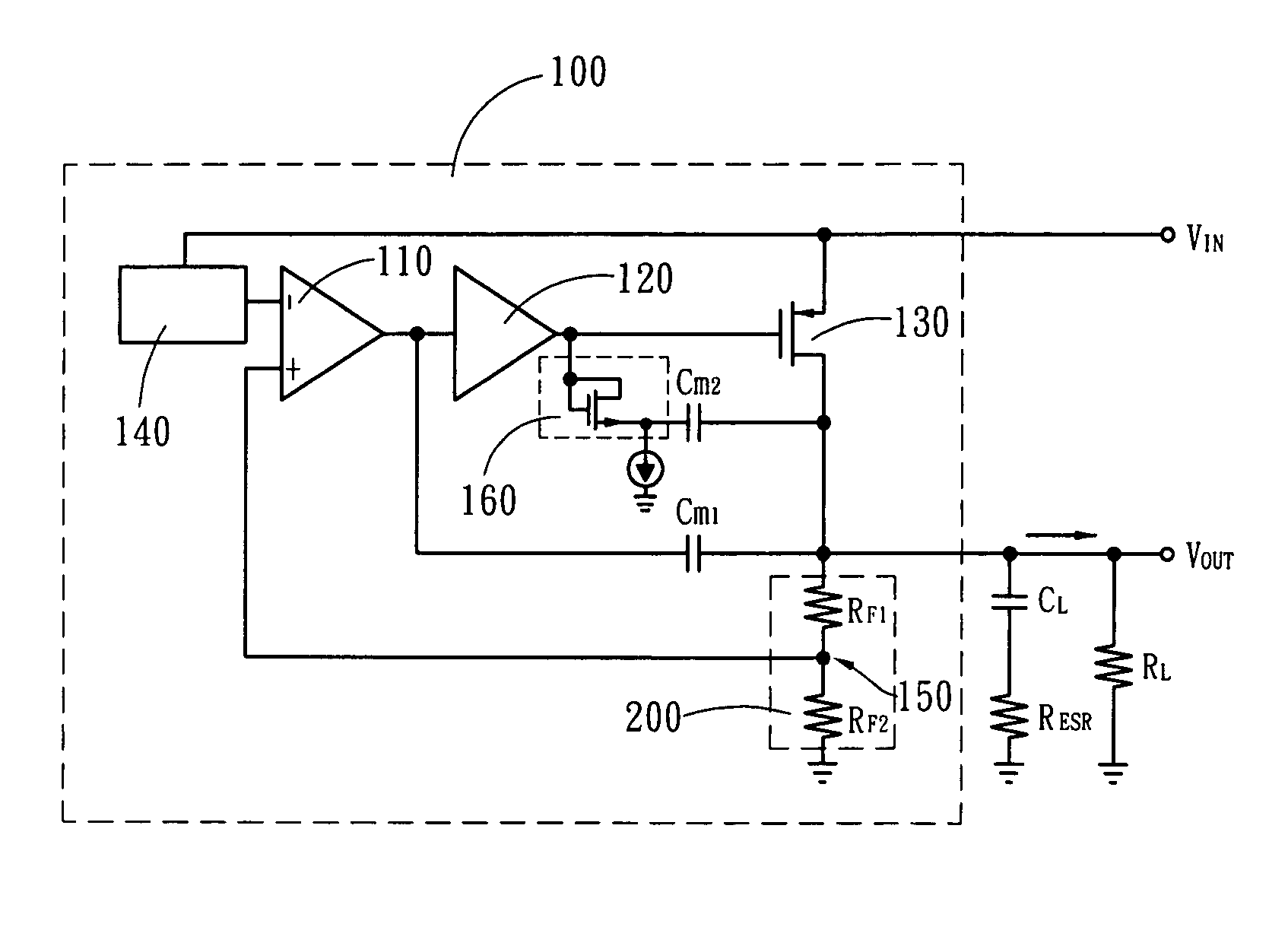
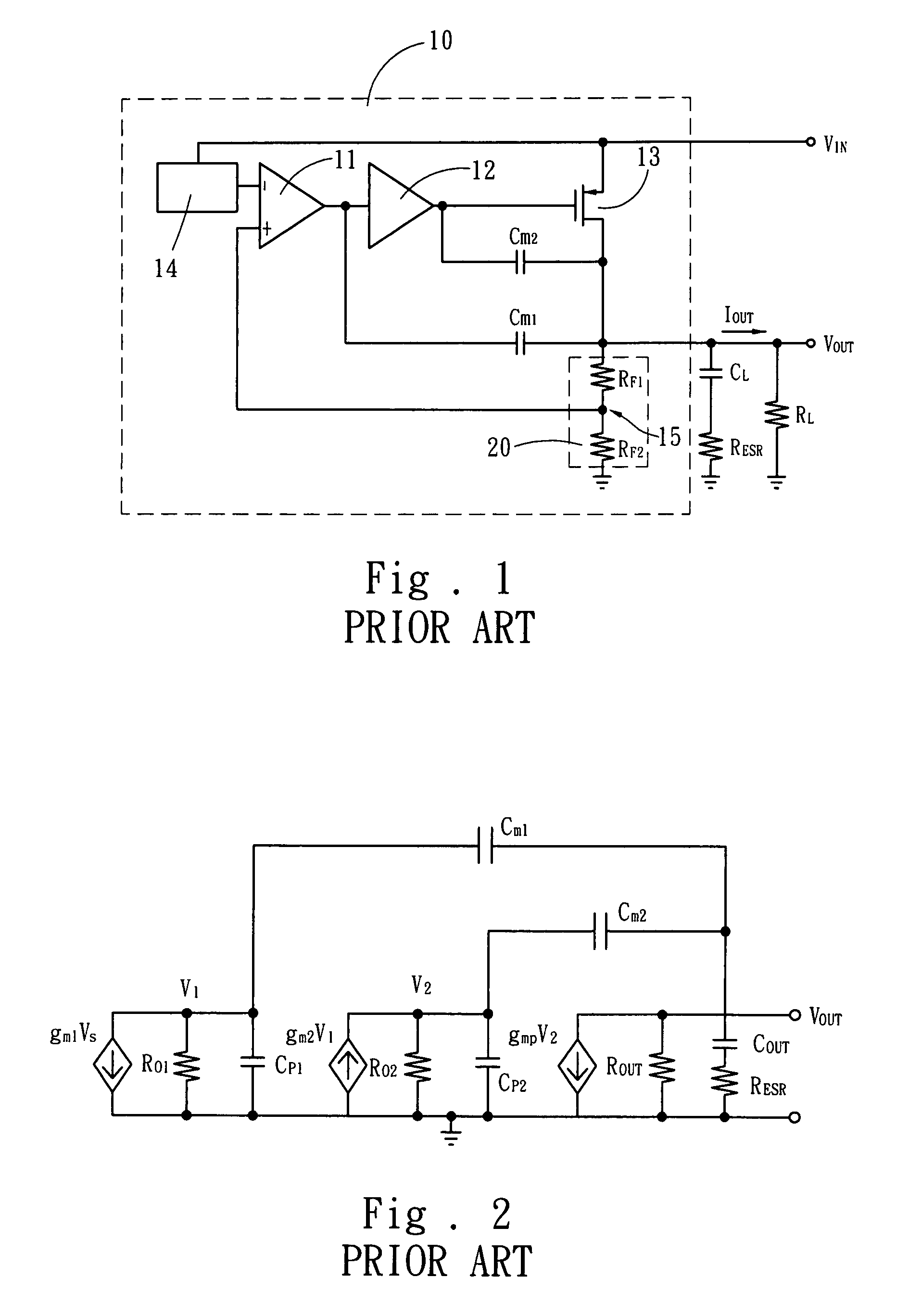
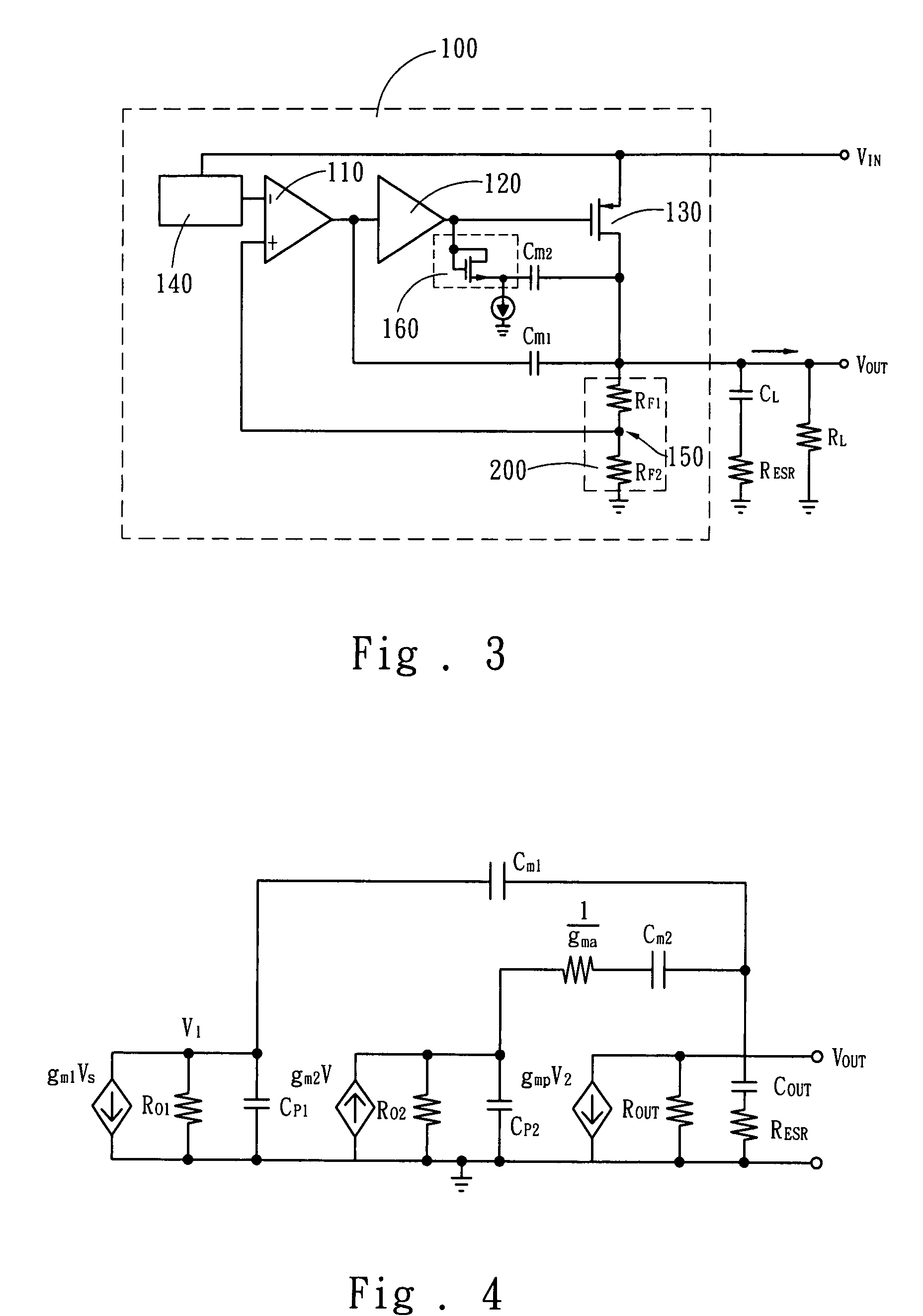
Low dropout linear voltage regulator with an active resistance for frequency compensation to improve stability
PatentInactiveUS7710091B2
Innovation
- The use of nested Miller compensation with pole-splitting and the addition of an active resistor in the feedback path, along with a capacitor-sharing technique to reduce Miller capacitance, allows for superior stability without large output capacitors and enhances damping factor control, extending bandwidth and accelerating voltage stabilization.

Industrial Standards for Corrosion Assessment
The standardization of corrosion assessment methodologies has become increasingly critical as industries seek reliable and reproducible methods for evaluating material degradation. Linear Polarization Resistance (LPR) measurements, as a cornerstone technique in electrochemical corrosion monitoring, are governed by several key industrial standards that ensure consistency and accuracy across different applications and environments.
ASTM G59 serves as the primary standard for conducting linear polarization resistance measurements, establishing fundamental protocols for electrode preparation, measurement procedures, and data interpretation. This standard defines critical parameters including scan rates, potential ranges, and environmental conditions that directly impact the stability and reliability of LPR measurements. The standard emphasizes the importance of maintaining steady-state conditions and proper electrode surface preparation to achieve reproducible results.
ISO 17475 complements ASTM G59 by providing comprehensive guidelines for corrosion monitoring in industrial environments, particularly focusing on real-time monitoring systems where LPR techniques are frequently employed. This standard addresses practical considerations such as sensor placement, calibration procedures, and long-term stability requirements that are essential for continuous monitoring applications.
NACE SP0775 specifically addresses corrosion monitoring in oil and gas industries, where LPR measurements face unique challenges including high-pressure environments, complex fluid compositions, and temperature variations. This standard provides detailed guidance on optimizing measurement parameters to maintain stability under harsh operating conditions, including recommendations for probe design and measurement frequency.
The European standard EN 12696 focuses on cathodic protection monitoring, where LPR measurements play a crucial role in assessing protection effectiveness. This standard establishes protocols for measurement stability in the presence of applied currents and varying environmental conditions, providing specific guidance on minimizing interference and maintaining measurement accuracy.
Recent developments in standardization efforts have emphasized the integration of digital technologies and automated systems, leading to updated guidelines that address modern instrumentation capabilities while maintaining fundamental measurement principles. These evolving standards continue to refine best practices for achieving optimal stability in LPR measurements across diverse industrial applications.
ASTM G59 serves as the primary standard for conducting linear polarization resistance measurements, establishing fundamental protocols for electrode preparation, measurement procedures, and data interpretation. This standard defines critical parameters including scan rates, potential ranges, and environmental conditions that directly impact the stability and reliability of LPR measurements. The standard emphasizes the importance of maintaining steady-state conditions and proper electrode surface preparation to achieve reproducible results.
ISO 17475 complements ASTM G59 by providing comprehensive guidelines for corrosion monitoring in industrial environments, particularly focusing on real-time monitoring systems where LPR techniques are frequently employed. This standard addresses practical considerations such as sensor placement, calibration procedures, and long-term stability requirements that are essential for continuous monitoring applications.
NACE SP0775 specifically addresses corrosion monitoring in oil and gas industries, where LPR measurements face unique challenges including high-pressure environments, complex fluid compositions, and temperature variations. This standard provides detailed guidance on optimizing measurement parameters to maintain stability under harsh operating conditions, including recommendations for probe design and measurement frequency.
The European standard EN 12696 focuses on cathodic protection monitoring, where LPR measurements play a crucial role in assessing protection effectiveness. This standard establishes protocols for measurement stability in the presence of applied currents and varying environmental conditions, providing specific guidance on minimizing interference and maintaining measurement accuracy.
Recent developments in standardization efforts have emphasized the integration of digital technologies and automated systems, leading to updated guidelines that address modern instrumentation capabilities while maintaining fundamental measurement principles. These evolving standards continue to refine best practices for achieving optimal stability in LPR measurements across diverse industrial applications.
Environmental Impact of Corrosion Prevention
Corrosion prevention through optimized linear polarization resistance (LPR) settings presents significant environmental implications that extend beyond immediate industrial applications. The environmental impact encompasses both positive contributions to sustainability and potential ecological considerations that require careful management throughout implementation and operation phases.
The primary environmental benefit of optimized LPR-based corrosion prevention lies in its contribution to resource conservation and waste reduction. By accurately monitoring and controlling corrosion processes, these systems substantially extend the operational lifespan of metallic infrastructure, including pipelines, storage tanks, and industrial equipment. This extended service life directly translates to reduced material consumption, lower frequency of equipment replacement, and decreased industrial waste generation. The prevention of premature equipment failure through precise LPR optimization can reduce steel consumption by up to 30% in critical infrastructure applications.
Environmental protection is further enhanced through the prevention of containment failures and subsequent contamination incidents. Optimized LPR monitoring systems provide early detection of corrosion-induced structural weaknesses, preventing catastrophic failures that could result in soil contamination, groundwater pollution, or atmospheric emissions. This proactive approach is particularly crucial in chemical processing facilities, petroleum storage installations, and water treatment infrastructure where containment integrity directly impacts environmental safety.
The implementation of advanced LPR systems also supports the transition toward more environmentally sustainable corrosion prevention methodologies. Traditional corrosion control often relies on chemical inhibitors or protective coatings that may contain environmentally persistent compounds. Optimized LPR monitoring enables more precise application of these materials, reducing overall chemical usage while maintaining protective effectiveness. This precision approach minimizes the environmental footprint associated with corrosion prevention chemicals.
However, the environmental impact assessment must also consider the energy consumption and electronic waste generation associated with sophisticated LPR monitoring systems. These systems require continuous power supply for sensors, data processing units, and communication networks. The environmental benefit-to-cost ratio remains strongly positive due to the substantial resource savings achieved through prevented corrosion damage, but sustainable system design should incorporate energy-efficient components and renewable power sources where feasible.
The lifecycle environmental impact of optimized LPR systems demonstrates net positive environmental outcomes through reduced material consumption, prevented contamination incidents, and enhanced operational efficiency of critical infrastructure systems.
The primary environmental benefit of optimized LPR-based corrosion prevention lies in its contribution to resource conservation and waste reduction. By accurately monitoring and controlling corrosion processes, these systems substantially extend the operational lifespan of metallic infrastructure, including pipelines, storage tanks, and industrial equipment. This extended service life directly translates to reduced material consumption, lower frequency of equipment replacement, and decreased industrial waste generation. The prevention of premature equipment failure through precise LPR optimization can reduce steel consumption by up to 30% in critical infrastructure applications.
Environmental protection is further enhanced through the prevention of containment failures and subsequent contamination incidents. Optimized LPR monitoring systems provide early detection of corrosion-induced structural weaknesses, preventing catastrophic failures that could result in soil contamination, groundwater pollution, or atmospheric emissions. This proactive approach is particularly crucial in chemical processing facilities, petroleum storage installations, and water treatment infrastructure where containment integrity directly impacts environmental safety.
The implementation of advanced LPR systems also supports the transition toward more environmentally sustainable corrosion prevention methodologies. Traditional corrosion control often relies on chemical inhibitors or protective coatings that may contain environmentally persistent compounds. Optimized LPR monitoring enables more precise application of these materials, reducing overall chemical usage while maintaining protective effectiveness. This precision approach minimizes the environmental footprint associated with corrosion prevention chemicals.
However, the environmental impact assessment must also consider the energy consumption and electronic waste generation associated with sophisticated LPR monitoring systems. These systems require continuous power supply for sensors, data processing units, and communication networks. The environmental benefit-to-cost ratio remains strongly positive due to the substantial resource savings achieved through prevented corrosion damage, but sustainable system design should incorporate energy-efficient components and renewable power sources where feasible.
The lifecycle environmental impact of optimized LPR systems demonstrates net positive environmental outcomes through reduced material consumption, prevented contamination incidents, and enhanced operational efficiency of critical infrastructure systems.
Unlock deeper insights with Patsnap Eureka Quick Research — get a full tech report to explore trends and direct your research. Try now!
Generate Your Research Report Instantly with AI Agent
Supercharge your innovation with Patsnap Eureka AI Agent Platform!