Enhancing Reversing Valve Performance through Digital Integration
MAR 25, 20269 MIN READ
Generate Your Research Report Instantly with AI Agent
PatSnap Eureka helps you evaluate technical feasibility & market potential.
Digital Reversing Valve Technology Background and Objectives
Reversing valves have served as critical components in HVAC systems for over six decades, fundamentally enabling heat pump operations by controlling refrigerant flow direction. Traditional mechanical reversing valves, while reliable, operate as binary devices with limited feedback capabilities and minimal integration with modern building management systems. The evolution from purely mechanical systems to electronically controlled variants marked the first significant advancement, introducing solenoid-operated pilot valves and improved response times.
The emergence of digital technologies has created unprecedented opportunities to transform reversing valve functionality beyond simple flow direction control. Digital integration encompasses the incorporation of sensors, microprocessors, communication protocols, and advanced control algorithms directly into valve assemblies. This technological convergence enables real-time monitoring, predictive maintenance capabilities, and seamless integration with Internet of Things ecosystems.
Current market demands for enhanced energy efficiency, reduced environmental impact, and improved system reliability have accelerated the need for intelligent valve solutions. Building automation systems increasingly require granular control and comprehensive data feedback from individual components, driving the necessity for digitally enhanced reversing valves that can communicate operational status, performance metrics, and diagnostic information.
The primary objective of digital reversing valve technology centers on achieving superior performance through enhanced controllability, monitoring capabilities, and system integration. Key technical goals include implementing precise flow modulation rather than simple on-off operation, enabling continuous performance optimization through real-time feedback loops, and establishing robust communication interfaces for seamless integration with building management systems.
Performance enhancement objectives encompass reducing switching times, minimizing pressure losses during operation, and extending operational lifespan through predictive maintenance algorithms. Digital integration aims to provide comprehensive diagnostic capabilities, including leak detection, wear monitoring, and performance degradation analysis, enabling proactive maintenance scheduling and reducing system downtime.
Advanced control objectives focus on implementing adaptive algorithms that optimize valve operation based on system conditions, ambient parameters, and historical performance data. The integration of machine learning capabilities represents a forward-looking objective, enabling valves to continuously improve performance through operational experience and pattern recognition.
System-level objectives include achieving seamless interoperability with existing HVAC control systems, supporting multiple communication protocols, and providing standardized interfaces for third-party integration. Energy efficiency enhancement remains paramount, with digital integration enabling precise control strategies that minimize energy consumption while maintaining optimal system performance across varying operational conditions.
The emergence of digital technologies has created unprecedented opportunities to transform reversing valve functionality beyond simple flow direction control. Digital integration encompasses the incorporation of sensors, microprocessors, communication protocols, and advanced control algorithms directly into valve assemblies. This technological convergence enables real-time monitoring, predictive maintenance capabilities, and seamless integration with Internet of Things ecosystems.
Current market demands for enhanced energy efficiency, reduced environmental impact, and improved system reliability have accelerated the need for intelligent valve solutions. Building automation systems increasingly require granular control and comprehensive data feedback from individual components, driving the necessity for digitally enhanced reversing valves that can communicate operational status, performance metrics, and diagnostic information.
The primary objective of digital reversing valve technology centers on achieving superior performance through enhanced controllability, monitoring capabilities, and system integration. Key technical goals include implementing precise flow modulation rather than simple on-off operation, enabling continuous performance optimization through real-time feedback loops, and establishing robust communication interfaces for seamless integration with building management systems.
Performance enhancement objectives encompass reducing switching times, minimizing pressure losses during operation, and extending operational lifespan through predictive maintenance algorithms. Digital integration aims to provide comprehensive diagnostic capabilities, including leak detection, wear monitoring, and performance degradation analysis, enabling proactive maintenance scheduling and reducing system downtime.
Advanced control objectives focus on implementing adaptive algorithms that optimize valve operation based on system conditions, ambient parameters, and historical performance data. The integration of machine learning capabilities represents a forward-looking objective, enabling valves to continuously improve performance through operational experience and pattern recognition.
System-level objectives include achieving seamless interoperability with existing HVAC control systems, supporting multiple communication protocols, and providing standardized interfaces for third-party integration. Energy efficiency enhancement remains paramount, with digital integration enabling precise control strategies that minimize energy consumption while maintaining optimal system performance across varying operational conditions.
Market Demand for Smart HVAC Control Systems
The global HVAC market is experiencing unprecedented transformation driven by increasing demand for energy-efficient and intelligent climate control solutions. Smart HVAC systems have emerged as a critical component in modern building infrastructure, with market adoption accelerating across residential, commercial, and industrial sectors. This surge in demand stems from growing environmental consciousness, stringent energy regulations, and the need for enhanced operational efficiency.
Digital integration in HVAC systems represents a paradigm shift from traditional mechanical controls to sophisticated, data-driven solutions. Building owners and facility managers increasingly seek systems that provide real-time monitoring, predictive maintenance capabilities, and automated optimization features. The integration of IoT sensors, cloud computing, and artificial intelligence enables HVAC systems to adapt dynamically to occupancy patterns, weather conditions, and energy pricing fluctuations.
Energy efficiency mandates across major markets are driving substantial demand for smart HVAC technologies. Government initiatives promoting green building standards and carbon reduction targets create compelling business cases for advanced climate control systems. Organizations recognize that intelligent HVAC solutions can significantly reduce operational costs while meeting sustainability objectives and regulatory compliance requirements.
The commercial building sector demonstrates particularly strong appetite for digitally integrated HVAC systems. Property managers require granular control over multiple zones, comprehensive energy reporting, and seamless integration with building management systems. Smart reversing valves equipped with digital monitoring and control capabilities address these needs by providing precise temperature regulation and system performance optimization.
Residential market demand continues expanding as homeowners embrace smart home technologies. Consumer expectations for connected devices, mobile app control, and energy savings drive adoption of intelligent HVAC components. The growing prevalence of smart thermostats and home automation platforms creates natural integration opportunities for advanced reversing valve technologies.
Industrial applications present significant growth opportunities, particularly in manufacturing facilities requiring precise environmental control. Process optimization, equipment longevity, and operational reliability become critical factors driving investment in digitally enhanced HVAC components. Smart reversing valves offer improved system diagnostics, reduced maintenance requirements, and enhanced performance monitoring capabilities essential for industrial operations.
Digital integration in HVAC systems represents a paradigm shift from traditional mechanical controls to sophisticated, data-driven solutions. Building owners and facility managers increasingly seek systems that provide real-time monitoring, predictive maintenance capabilities, and automated optimization features. The integration of IoT sensors, cloud computing, and artificial intelligence enables HVAC systems to adapt dynamically to occupancy patterns, weather conditions, and energy pricing fluctuations.
Energy efficiency mandates across major markets are driving substantial demand for smart HVAC technologies. Government initiatives promoting green building standards and carbon reduction targets create compelling business cases for advanced climate control systems. Organizations recognize that intelligent HVAC solutions can significantly reduce operational costs while meeting sustainability objectives and regulatory compliance requirements.
The commercial building sector demonstrates particularly strong appetite for digitally integrated HVAC systems. Property managers require granular control over multiple zones, comprehensive energy reporting, and seamless integration with building management systems. Smart reversing valves equipped with digital monitoring and control capabilities address these needs by providing precise temperature regulation and system performance optimization.
Residential market demand continues expanding as homeowners embrace smart home technologies. Consumer expectations for connected devices, mobile app control, and energy savings drive adoption of intelligent HVAC components. The growing prevalence of smart thermostats and home automation platforms creates natural integration opportunities for advanced reversing valve technologies.
Industrial applications present significant growth opportunities, particularly in manufacturing facilities requiring precise environmental control. Process optimization, equipment longevity, and operational reliability become critical factors driving investment in digitally enhanced HVAC components. Smart reversing valves offer improved system diagnostics, reduced maintenance requirements, and enhanced performance monitoring capabilities essential for industrial operations.
Current Reversing Valve Limitations and Digital Challenges
Traditional reversing valves in HVAC systems face significant operational limitations that hinder their efficiency and reliability. Mechanical wear represents a primary concern, as repeated switching between heating and cooling modes causes gradual degradation of internal components, particularly seals and sliding mechanisms. This wear pattern leads to increased refrigerant leakage, reduced system efficiency, and premature component failure.
Response time delays constitute another critical limitation, with conventional reversing valves requiring several seconds to complete mode transitions. During these switching periods, system performance becomes unstable, causing temporary temperature fluctuations and energy waste. The mechanical nature of traditional actuation systems also contributes to inconsistent switching behavior, particularly under varying pressure and temperature conditions.
Precise control capabilities remain severely constrained in existing reversing valve designs. Most current systems operate on simple binary switching logic, lacking the sophistication to optimize switching timing based on real-time system conditions. This limitation prevents adaptive operation that could enhance overall system efficiency and reduce mechanical stress during transitions.
Digital integration challenges emerge from the fundamental incompatibility between legacy valve designs and modern smart HVAC systems. Current reversing valves lack embedded sensors for real-time monitoring of internal conditions such as pressure differentials, temperature gradients, and flow rates. This absence of feedback mechanisms prevents system controllers from making informed decisions about optimal switching timing and valve health assessment.
Communication protocol limitations further complicate digital integration efforts. Existing reversing valves typically rely on simple electrical signals for actuation, lacking standardized digital communication interfaces required for seamless integration with building automation systems and IoT platforms. This communication gap prevents remote monitoring, predictive maintenance scheduling, and advanced system optimization strategies.
Data collection and processing capabilities represent another significant digital challenge. Without integrated sensing and processing capabilities, reversing valves cannot contribute valuable operational data to system-wide performance analytics. This limitation restricts the development of machine learning algorithms that could optimize switching patterns and predict maintenance requirements based on historical performance data.
Power management issues also constrain digital enhancement possibilities, as traditional valve designs lack the electrical infrastructure necessary to support advanced electronic components while maintaining energy efficiency standards required in modern HVAC applications.
Response time delays constitute another critical limitation, with conventional reversing valves requiring several seconds to complete mode transitions. During these switching periods, system performance becomes unstable, causing temporary temperature fluctuations and energy waste. The mechanical nature of traditional actuation systems also contributes to inconsistent switching behavior, particularly under varying pressure and temperature conditions.
Precise control capabilities remain severely constrained in existing reversing valve designs. Most current systems operate on simple binary switching logic, lacking the sophistication to optimize switching timing based on real-time system conditions. This limitation prevents adaptive operation that could enhance overall system efficiency and reduce mechanical stress during transitions.
Digital integration challenges emerge from the fundamental incompatibility between legacy valve designs and modern smart HVAC systems. Current reversing valves lack embedded sensors for real-time monitoring of internal conditions such as pressure differentials, temperature gradients, and flow rates. This absence of feedback mechanisms prevents system controllers from making informed decisions about optimal switching timing and valve health assessment.
Communication protocol limitations further complicate digital integration efforts. Existing reversing valves typically rely on simple electrical signals for actuation, lacking standardized digital communication interfaces required for seamless integration with building automation systems and IoT platforms. This communication gap prevents remote monitoring, predictive maintenance scheduling, and advanced system optimization strategies.
Data collection and processing capabilities represent another significant digital challenge. Without integrated sensing and processing capabilities, reversing valves cannot contribute valuable operational data to system-wide performance analytics. This limitation restricts the development of machine learning algorithms that could optimize switching patterns and predict maintenance requirements based on historical performance data.
Power management issues also constrain digital enhancement possibilities, as traditional valve designs lack the electrical infrastructure necessary to support advanced electronic components while maintaining energy efficiency standards required in modern HVAC applications.
Current Digital Enhancement Solutions for Reversing Valves
01 Reversing valve structure optimization for improved flow characteristics
Optimizing the internal structure and flow passages of reversing valves can significantly enhance performance by reducing pressure drops and improving refrigerant flow distribution. This includes modifications to valve body geometry, port configurations, and internal flow channels to minimize turbulence and flow resistance. Structural improvements may involve redesigning the valve chamber, optimizing the positioning of inlet and outlet ports, and incorporating flow-guiding elements to ensure smooth refrigerant transition during mode switching.- Reversing valve structure optimization for improved flow characteristics: Optimizing the internal structure and flow passages of reversing valves can significantly enhance performance by reducing pressure drops and improving refrigerant flow distribution. This includes modifications to valve body geometry, port configurations, and internal flow channels to minimize turbulence and flow resistance. Structural improvements may involve redesigning the valve chamber, optimizing the positioning of inlet and outlet ports, and incorporating flow-guiding elements to ensure smooth refrigerant transition during mode switching.
- Sliding mechanism and sealing improvements: Enhanced sliding mechanisms and sealing technologies are critical for reversing valve performance, focusing on reducing friction, preventing leakage, and ensuring reliable operation over extended periods. Improvements include the use of advanced sealing materials, optimized sliding surface designs, and innovative sealing structures that maintain tight seals during valve switching while minimizing wear. These enhancements contribute to improved efficiency, reduced energy loss, and extended valve lifespan.
- Noise and vibration reduction technologies: Reducing noise and vibration generated during reversing valve operation improves overall system performance and user comfort. Technologies include damping structures, optimized valve switching speeds, and modified flow path designs that minimize pressure fluctuations and mechanical impacts. These solutions address acoustic issues arising from rapid pressure changes and mechanical movements during the refrigerant flow direction reversal process.
- Temperature and pressure resistance enhancements: Improving the ability of reversing valves to withstand extreme temperature and pressure conditions ensures reliable performance across various operating environments. This involves selecting appropriate materials with enhanced thermal and mechanical properties, implementing reinforced structural designs, and incorporating thermal management features. These enhancements enable reversing valves to maintain consistent performance under high-temperature refrigerants, extreme ambient conditions, and high-pressure applications.
- Control and actuation system improvements: Advanced control and actuation systems enhance reversing valve performance by enabling precise, rapid, and reliable switching between heating and cooling modes. Improvements include electromagnetic actuation mechanisms, pilot valve control systems, and electronic control integration that optimize switching timing and reduce transition delays. These technologies ensure smooth mode transitions, minimize refrigerant loss during switching, and improve overall system responsiveness.
02 Sliding mechanism and sealing improvements
Enhancing the sliding components and sealing mechanisms in reversing valves improves operational reliability and reduces leakage. Advanced sealing materials and designs ensure tight seals during both heating and cooling modes while maintaining smooth valve operation. Improvements include the use of specialized seal materials with better temperature resistance, optimized seal geometries, and reduced friction sliding surfaces that extend valve lifespan and maintain consistent performance over time.Expand Specific Solutions03 Pilot valve and control mechanism enhancements
Improving pilot valve designs and control mechanisms enables faster and more reliable switching between heating and cooling modes. Enhanced pilot systems provide better response times and more precise control over the main valve operation. This includes optimizing pilot pressure differentials, improving electromagnetic actuation systems, and incorporating feedback mechanisms that ensure complete and reliable valve transitions under various operating conditions.Expand Specific Solutions04 Noise and vibration reduction technologies
Implementing noise and vibration reduction features in reversing valve design improves overall system comfort and component longevity. These technologies address the acoustic and mechanical disturbances generated during valve switching operations. Solutions include damping materials, optimized flow paths that reduce turbulence-induced noise, modified valve actuation speeds, and structural reinforcements that minimize vibration transmission to connected piping and system components.Expand Specific Solutions05 Multi-port and specialized reversing valve configurations
Developing multi-port and specialized reversing valve configurations enables enhanced functionality for complex HVAC systems and specialized applications. These advanced designs accommodate multiple refrigerant circuits, provide additional operational modes, or integrate supplementary functions within the valve assembly. Specialized configurations may include valves with more than four ports, integrated bypass functions, or designs optimized for specific refrigerants or operating pressure ranges.Expand Specific Solutions
Key Players in Smart HVAC and Digital Valve Industry
The reversing valve performance enhancement through digital integration represents an emerging technological frontier currently in its early-to-mid development stage. The market demonstrates significant growth potential, driven by increasing demand for smart HVAC systems and industrial automation. Technology maturity varies considerably across market participants, with established industrial giants like Siemens AG, Robert Bosch GmbH, and Continental Automotive GmbH leading digital integration capabilities through their extensive IoT and automation portfolios. Traditional valve manufacturers such as Fujikin Inc. and Saginomiya Seisakusho Inc. are transitioning toward smart solutions, while academic institutions including Zhejiang University, Harbin Institute of Technology, and Nanjing University of Science & Technology contribute fundamental research in control algorithms and sensor integration. The competitive landscape shows a convergence between traditional mechanical engineering expertise and advanced digital technologies, with companies like ZF Friedrichshafen AG and Schaeffler Technologies AG leveraging their automotive experience to develop sophisticated valve control systems for broader industrial applications.
Robert Bosch GmbH
Technical Solution: Bosch leverages their automotive and industrial expertise to enhance reversing valve performance through integrated sensor networks and embedded control systems. Their solution incorporates smart actuators with built-in position feedback, temperature monitoring, and pressure sensing capabilities. The digital integration platform uses edge computing to process valve performance data locally, reducing latency and improving response times. Advanced algorithms optimize valve switching sequences based on real-time system conditions, while predictive maintenance features monitor wear patterns and component degradation. The system integrates with existing building management systems and HVAC controllers through standardized communication protocols.
Strengths: Strong sensor technology, automotive-grade reliability, excellent system integration capabilities. Weaknesses: Limited cloud-based analytics, primarily focused on automotive applications.
Continental Automotive GmbH
Technical Solution: Continental applies their automotive electronics expertise to develop digitally-enhanced reversing valve systems with focus on precision control and reliability. Their solution integrates advanced microcontroller units with sophisticated valve position sensing and feedback mechanisms. The digital platform employs real-time data analytics to optimize valve performance parameters including switching speed, pressure drop characteristics, and energy consumption. Machine learning algorithms analyze operational patterns to predict optimal valve timing sequences, while integrated diagnostics provide continuous health monitoring and fault detection capabilities. The system supports wireless connectivity for remote monitoring and configuration updates.
Strengths: Automotive-grade precision and reliability, advanced microcontroller technology, robust diagnostic capabilities. Weaknesses: Limited HVAC industry experience, higher costs compared to traditional solutions.
Core Digital Technologies for Valve Performance Optimization
Directional valve device
PatentInactiveEP0141874A1
Innovation
- A compact directional control valve device utilizing an electrically driven, digitally controllable stepping motor directly coupled to a rotary piston valve body, allowing precise and reproducible differential adjustments for both time and path-dependent fluid control, enabling a large number of fluid connection options with fine control notches and multiple fluid channels for enhanced control characteristics.


Local digital valve controller unit
PatentActiveUS20090138128A1
Innovation
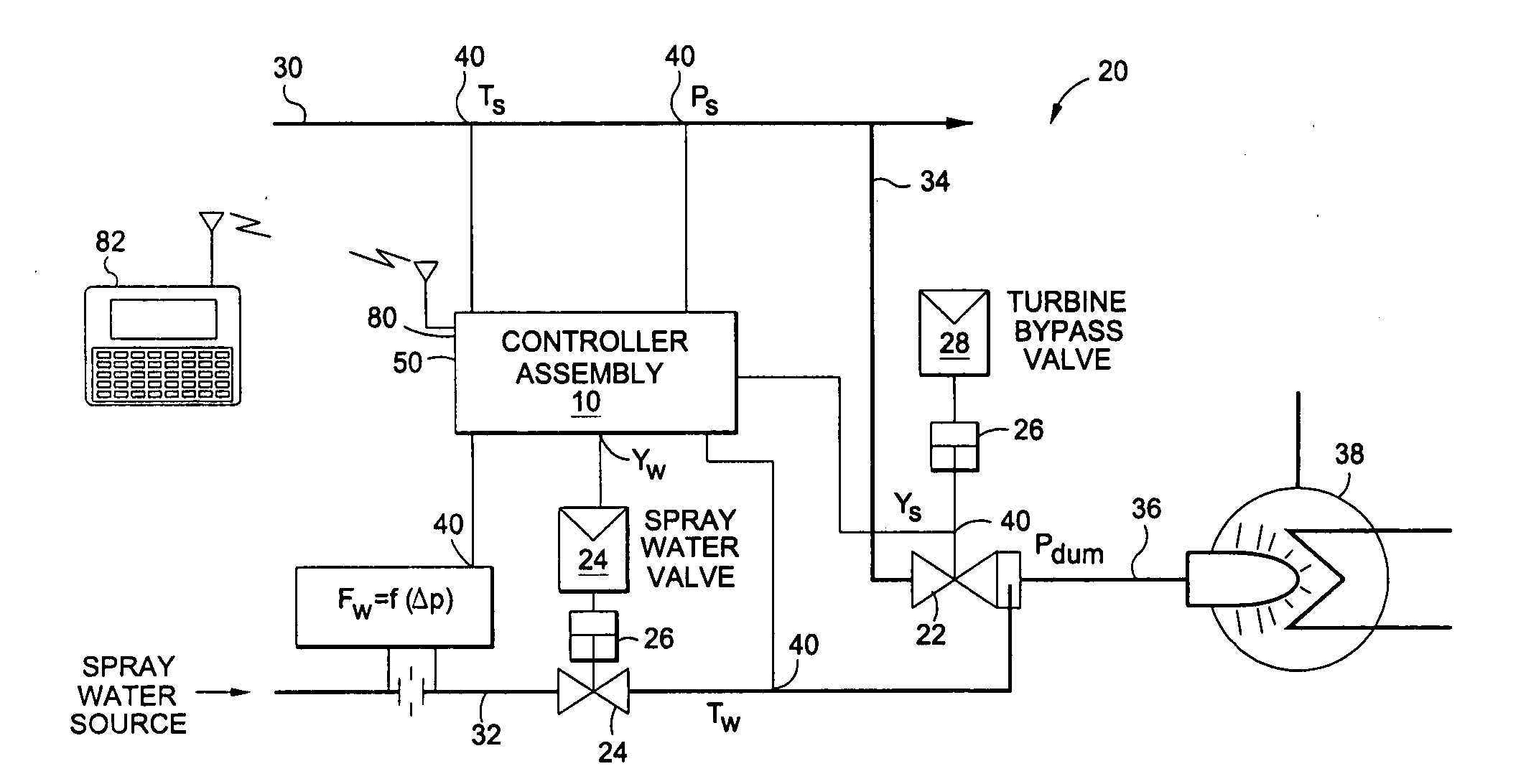
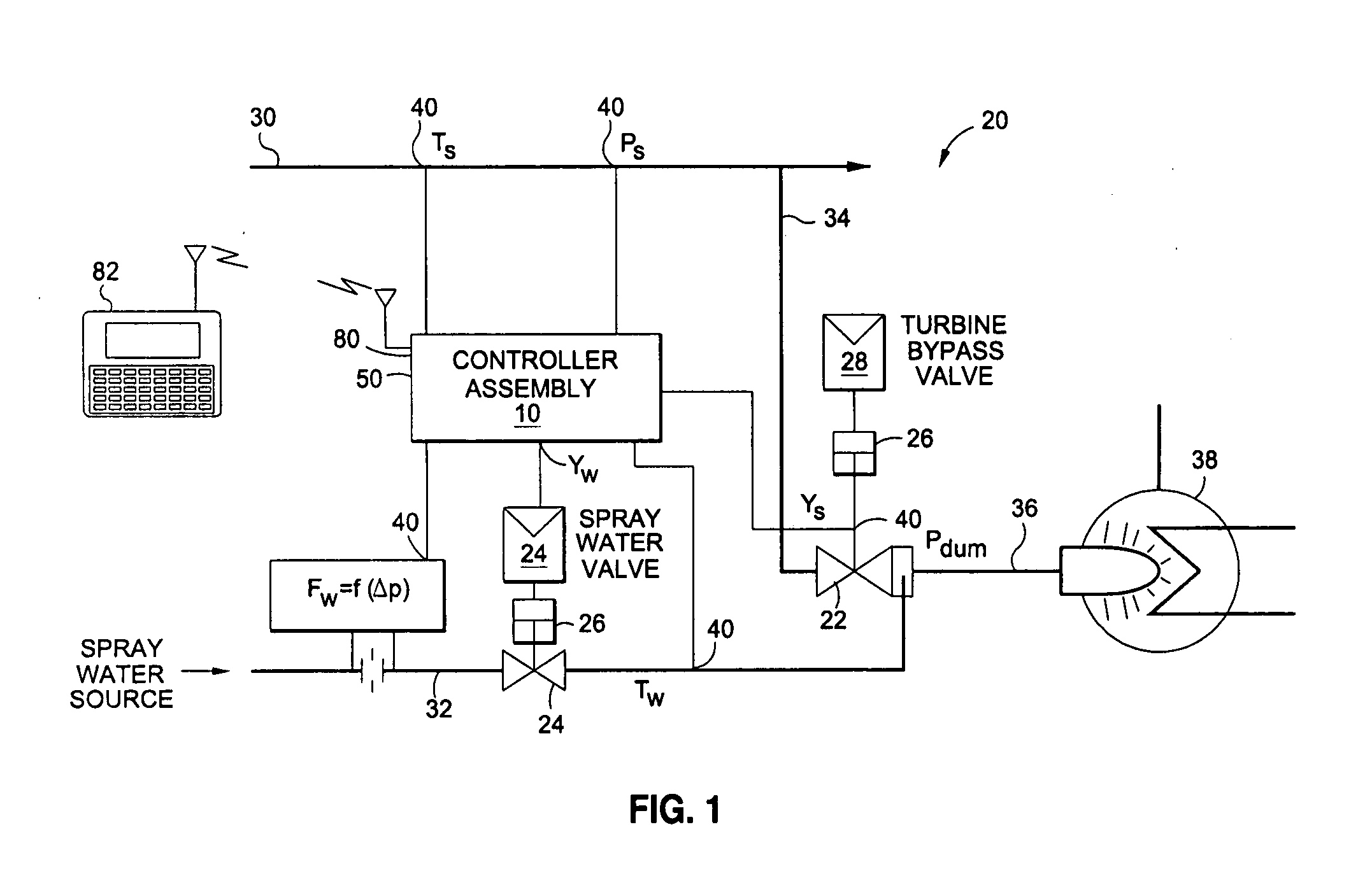
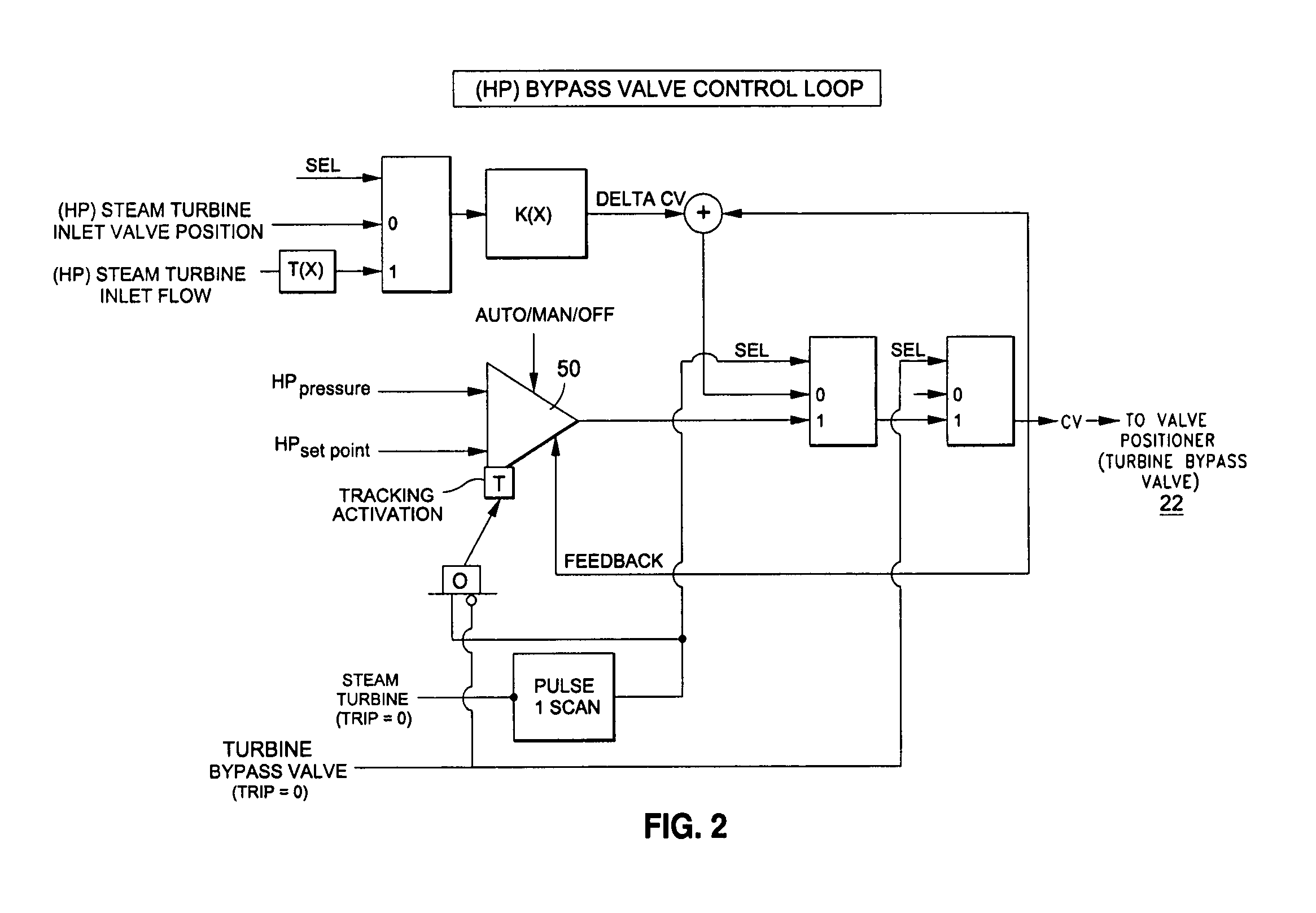
- A deterministic digital controller assembly with a programmable logic controller (PLC) and FPGA technology, capable of processing multiple input signals quickly, operating in extreme temperatures, and housed in a compact, explosion-proof container for direct mounting near valves, with remote operation and diagnostic capabilities.

Energy Efficiency Standards and HVAC Regulations
The integration of digital technologies in reversing valve systems operates within a complex regulatory landscape that continues to evolve rapidly. Current energy efficiency standards, particularly those established by the Department of Energy (DOE) and international bodies like the International Energy Agency (IEA), are increasingly demanding higher performance metrics from HVAC components. These standards now require reversing valves to demonstrate measurable improvements in switching efficiency, reduced refrigerant leakage rates, and enhanced operational reliability across varying temperature conditions.
Recent regulatory updates have introduced stricter requirements for real-time monitoring capabilities in commercial HVAC systems. The ASHRAE 90.1 standard now emphasizes the importance of continuous performance tracking, which directly supports the case for digital integration in reversing valve systems. These regulations mandate that HVAC components must provide verifiable data on energy consumption patterns and operational efficiency, creating a regulatory foundation that favors digitally-enhanced solutions.
Environmental regulations, particularly those related to refrigerant management and greenhouse gas emissions, are driving additional compliance requirements. The EPA's SNAP program and similar international frameworks now require enhanced leak detection and prevention systems, which digital integration can effectively address through continuous monitoring and predictive maintenance capabilities.
The regulatory trend toward building automation and smart grid integration is creating new compliance pathways for digitally-enhanced reversing valves. Recent updates to building codes in major markets now incentivize or require HVAC systems that can communicate with building management systems and respond to demand response signals. This regulatory shift creates a favorable environment for digital integration technologies.
Emerging standards for cybersecurity in building systems are also shaping the regulatory landscape. The NIST Cybersecurity Framework and similar guidelines now apply to connected HVAC components, requiring robust security protocols for any digitally-integrated system. These requirements, while adding complexity, also establish clear compliance pathways that can accelerate market adoption of properly designed digital solutions.
Future regulatory developments are expected to further emphasize performance transparency and grid responsiveness, positioning digitally-integrated reversing valves as increasingly essential for regulatory compliance in modern HVAC applications.
Recent regulatory updates have introduced stricter requirements for real-time monitoring capabilities in commercial HVAC systems. The ASHRAE 90.1 standard now emphasizes the importance of continuous performance tracking, which directly supports the case for digital integration in reversing valve systems. These regulations mandate that HVAC components must provide verifiable data on energy consumption patterns and operational efficiency, creating a regulatory foundation that favors digitally-enhanced solutions.
Environmental regulations, particularly those related to refrigerant management and greenhouse gas emissions, are driving additional compliance requirements. The EPA's SNAP program and similar international frameworks now require enhanced leak detection and prevention systems, which digital integration can effectively address through continuous monitoring and predictive maintenance capabilities.
The regulatory trend toward building automation and smart grid integration is creating new compliance pathways for digitally-enhanced reversing valves. Recent updates to building codes in major markets now incentivize or require HVAC systems that can communicate with building management systems and respond to demand response signals. This regulatory shift creates a favorable environment for digital integration technologies.
Emerging standards for cybersecurity in building systems are also shaping the regulatory landscape. The NIST Cybersecurity Framework and similar guidelines now apply to connected HVAC components, requiring robust security protocols for any digitally-integrated system. These requirements, while adding complexity, also establish clear compliance pathways that can accelerate market adoption of properly designed digital solutions.
Future regulatory developments are expected to further emphasize performance transparency and grid responsiveness, positioning digitally-integrated reversing valves as increasingly essential for regulatory compliance in modern HVAC applications.
IoT Integration Strategies for Connected HVAC Systems
The integration of Internet of Things (IoT) technologies into HVAC systems represents a fundamental shift toward intelligent building management, with reversing valve performance enhancement serving as a critical component of this transformation. IoT integration strategies for connected HVAC systems focus on creating seamless communication networks that enable real-time monitoring, predictive maintenance, and autonomous system optimization.
Edge computing architectures form the backbone of effective IoT integration in HVAC applications. By deploying edge devices at the equipment level, reversing valves can process sensor data locally, reducing latency and enabling immediate response to performance anomalies. This distributed computing approach ensures that critical valve switching operations maintain reliability even when cloud connectivity is intermittent.
Sensor fusion strategies represent another crucial aspect of IoT integration for reversing valve systems. Multiple sensor types, including temperature, pressure, vibration, and acoustic sensors, generate comprehensive datasets that provide holistic insights into valve performance. Advanced data aggregation protocols ensure that sensor information is synchronized and processed coherently across the entire HVAC network.
Communication protocol selection significantly impacts the effectiveness of IoT integration in HVAC environments. Low-power wide-area networks (LPWAN) such as LoRaWAN and NB-IoT offer excellent coverage for large commercial buildings, while mesh networking protocols like Zigbee and Thread provide robust local connectivity for dense sensor deployments around reversing valve assemblies.
Cloud platform integration enables sophisticated analytics and machine learning capabilities that transform raw sensor data into actionable insights. Modern IoT platforms support real-time data streaming, historical trend analysis, and predictive modeling specifically designed for HVAC equipment optimization. These platforms facilitate the development of digital twins for reversing valve systems, enabling virtual testing and performance optimization.
Security frameworks for IoT-enabled HVAC systems require multi-layered approaches that protect both device-level communications and cloud-based data processing. End-to-end encryption, device authentication protocols, and secure firmware update mechanisms ensure that connected reversing valve systems maintain operational integrity while preventing unauthorized access to building management networks.
Edge computing architectures form the backbone of effective IoT integration in HVAC applications. By deploying edge devices at the equipment level, reversing valves can process sensor data locally, reducing latency and enabling immediate response to performance anomalies. This distributed computing approach ensures that critical valve switching operations maintain reliability even when cloud connectivity is intermittent.
Sensor fusion strategies represent another crucial aspect of IoT integration for reversing valve systems. Multiple sensor types, including temperature, pressure, vibration, and acoustic sensors, generate comprehensive datasets that provide holistic insights into valve performance. Advanced data aggregation protocols ensure that sensor information is synchronized and processed coherently across the entire HVAC network.
Communication protocol selection significantly impacts the effectiveness of IoT integration in HVAC environments. Low-power wide-area networks (LPWAN) such as LoRaWAN and NB-IoT offer excellent coverage for large commercial buildings, while mesh networking protocols like Zigbee and Thread provide robust local connectivity for dense sensor deployments around reversing valve assemblies.
Cloud platform integration enables sophisticated analytics and machine learning capabilities that transform raw sensor data into actionable insights. Modern IoT platforms support real-time data streaming, historical trend analysis, and predictive modeling specifically designed for HVAC equipment optimization. These platforms facilitate the development of digital twins for reversing valve systems, enabling virtual testing and performance optimization.
Security frameworks for IoT-enabled HVAC systems require multi-layered approaches that protect both device-level communications and cloud-based data processing. End-to-end encryption, device authentication protocols, and secure firmware update mechanisms ensure that connected reversing valve systems maintain operational integrity while preventing unauthorized access to building management networks.
Unlock deeper insights with PatSnap Eureka Quick Research — get a full tech report to explore trends and direct your research. Try now!
Generate Your Research Report Instantly with AI Agent
Supercharge your innovation with PatSnap Eureka AI Agent Platform!