
Error Corrections During Planetary Gearbox Load Peaks
MAY 25, 20269 MIN READ
Generate Your Research Report Instantly with AI Agent
Patsnap Eureka helps you evaluate technical feasibility & market potential.
Planetary Gearbox Error Correction Background and Objectives
Planetary gearboxes represent a critical mechanical transmission technology that has evolved significantly since their initial development in the early 20th century. These systems, characterized by their central sun gear, surrounding planet gears, and outer ring gear configuration, have become indispensable in applications requiring high torque density and compact design. The technology has progressed from simple mechanical assemblies to sophisticated systems integrated with advanced monitoring and control capabilities.
The evolution of planetary gearbox technology has been driven by increasing demands for higher power density, improved efficiency, and enhanced reliability across various industrial sectors. Modern applications span from wind turbines and automotive transmissions to aerospace systems and heavy industrial machinery. Each application presents unique challenges related to load management, operational environments, and performance requirements.
Error correction during load peaks has emerged as a paramount concern due to the inherent characteristics of planetary gearbox operation. Load peaks, which can exceed nominal operating conditions by 200-300%, create complex stress distributions across gear teeth, bearing surfaces, and structural components. These transient conditions often trigger cascading failure mechanisms that can compromise system integrity and operational safety.
The primary technical objectives center on developing robust error detection and correction methodologies that can operate effectively during extreme loading conditions. This involves creating real-time monitoring systems capable of identifying incipient failures, implementing predictive algorithms that can anticipate load peak occurrences, and establishing corrective actions that maintain system functionality without compromising safety margins.
Current research focuses on integrating advanced sensor technologies, machine learning algorithms, and adaptive control systems to create comprehensive error correction frameworks. The goal is to achieve seamless operation during load transients while extending component life and reducing maintenance requirements. These objectives align with broader industry trends toward intelligent mechanical systems and predictive maintenance strategies.
The ultimate technical target involves developing autonomous error correction capabilities that can adapt to varying operational conditions, learn from historical performance data, and optimize correction strategies in real-time. This represents a significant advancement from traditional reactive maintenance approaches toward proactive system management that anticipates and mitigates potential failures before they impact operational performance.
The evolution of planetary gearbox technology has been driven by increasing demands for higher power density, improved efficiency, and enhanced reliability across various industrial sectors. Modern applications span from wind turbines and automotive transmissions to aerospace systems and heavy industrial machinery. Each application presents unique challenges related to load management, operational environments, and performance requirements.
Error correction during load peaks has emerged as a paramount concern due to the inherent characteristics of planetary gearbox operation. Load peaks, which can exceed nominal operating conditions by 200-300%, create complex stress distributions across gear teeth, bearing surfaces, and structural components. These transient conditions often trigger cascading failure mechanisms that can compromise system integrity and operational safety.
The primary technical objectives center on developing robust error detection and correction methodologies that can operate effectively during extreme loading conditions. This involves creating real-time monitoring systems capable of identifying incipient failures, implementing predictive algorithms that can anticipate load peak occurrences, and establishing corrective actions that maintain system functionality without compromising safety margins.
Current research focuses on integrating advanced sensor technologies, machine learning algorithms, and adaptive control systems to create comprehensive error correction frameworks. The goal is to achieve seamless operation during load transients while extending component life and reducing maintenance requirements. These objectives align with broader industry trends toward intelligent mechanical systems and predictive maintenance strategies.
The ultimate technical target involves developing autonomous error correction capabilities that can adapt to varying operational conditions, learn from historical performance data, and optimize correction strategies in real-time. This represents a significant advancement from traditional reactive maintenance approaches toward proactive system management that anticipates and mitigates potential failures before they impact operational performance.
Market Demand for Reliable Planetary Gearbox Systems
The global market for reliable planetary gearbox systems has experienced substantial growth driven by increasing demands across multiple industrial sectors. Wind energy applications represent the largest market segment, where planetary gearboxes serve as critical components in wind turbine drivetrains. The renewable energy sector's expansion has created unprecedented demand for gearbox systems capable of withstanding extreme operational conditions while maintaining consistent performance over extended service periods.
Industrial automation and robotics sectors constitute another significant market driver, requiring precision planetary gearboxes that deliver accurate positioning and smooth power transmission. Manufacturing industries increasingly rely on automated systems where gearbox reliability directly impacts production efficiency and operational costs. The automotive industry, particularly electric vehicle manufacturers, has emerged as a rapidly growing market segment demanding compact, efficient planetary gearbox solutions for electric drivetrains.
Market demand patterns reveal a clear preference for gearbox systems incorporating advanced error correction capabilities during load peak scenarios. End users across industries report that traditional gearbox failures during high-load conditions result in substantial downtime costs and maintenance expenses. This has shifted procurement priorities toward systems offering predictive maintenance capabilities and real-time error correction mechanisms.
The marine and offshore industries present unique market requirements, where planetary gearboxes must operate reliably in harsh environmental conditions with limited maintenance access. These applications demand robust error correction systems capable of compensating for load variations caused by wave action and weather conditions. Similarly, mining and heavy construction equipment markets require gearbox systems that can handle sudden load spikes while maintaining operational integrity.
Regional market analysis indicates strong demand growth in Asia-Pacific regions, driven by industrial expansion and renewable energy investments. European markets emphasize compliance with stringent reliability standards and environmental regulations, creating demand for advanced gearbox technologies with sophisticated monitoring and correction capabilities.
The market trend toward digitalization has increased demand for smart planetary gearbox systems equipped with sensors and control algorithms capable of real-time load monitoring and error correction. Customers increasingly value systems that can automatically adjust operational parameters during load peaks, reducing wear and extending service life while maintaining performance specifications.
Industrial automation and robotics sectors constitute another significant market driver, requiring precision planetary gearboxes that deliver accurate positioning and smooth power transmission. Manufacturing industries increasingly rely on automated systems where gearbox reliability directly impacts production efficiency and operational costs. The automotive industry, particularly electric vehicle manufacturers, has emerged as a rapidly growing market segment demanding compact, efficient planetary gearbox solutions for electric drivetrains.
Market demand patterns reveal a clear preference for gearbox systems incorporating advanced error correction capabilities during load peak scenarios. End users across industries report that traditional gearbox failures during high-load conditions result in substantial downtime costs and maintenance expenses. This has shifted procurement priorities toward systems offering predictive maintenance capabilities and real-time error correction mechanisms.
The marine and offshore industries present unique market requirements, where planetary gearboxes must operate reliably in harsh environmental conditions with limited maintenance access. These applications demand robust error correction systems capable of compensating for load variations caused by wave action and weather conditions. Similarly, mining and heavy construction equipment markets require gearbox systems that can handle sudden load spikes while maintaining operational integrity.
Regional market analysis indicates strong demand growth in Asia-Pacific regions, driven by industrial expansion and renewable energy investments. European markets emphasize compliance with stringent reliability standards and environmental regulations, creating demand for advanced gearbox technologies with sophisticated monitoring and correction capabilities.
The market trend toward digitalization has increased demand for smart planetary gearbox systems equipped with sensors and control algorithms capable of real-time load monitoring and error correction. Customers increasingly value systems that can automatically adjust operational parameters during load peaks, reducing wear and extending service life while maintaining performance specifications.
Current Challenges in Load Peak Error Management
Planetary gearboxes operating under high-load conditions face significant challenges in maintaining operational accuracy and reliability during load peak events. The primary difficulty stems from the complex interaction between multiple gear meshes and the inherent flexibility of gear teeth under extreme loading conditions. When load peaks occur, the system experiences rapid changes in contact patterns, leading to instantaneous deviations from ideal kinematic relationships.
Dynamic load distribution represents one of the most critical challenges in load peak error management. During peak loading events, the load sharing among multiple planet gears becomes highly uneven due to manufacturing tolerances, assembly variations, and elastic deformations. This uneven distribution creates localized stress concentrations that can exceed design limits, resulting in accelerated wear patterns and potential gear tooth modifications that compound positioning errors over time.
Thermal effects during load peaks introduce additional complexity to error correction strategies. High-intensity loading generates substantial heat within the gear mesh zones, causing differential thermal expansion across the gearbox components. The resulting thermal gradients create temporary geometric distortions that affect gear mesh geometry and backlash characteristics, making real-time error prediction and compensation extremely challenging.
Control system limitations present another significant obstacle in managing load peak errors. Traditional feedback control systems often lack the bandwidth and resolution necessary to detect and correct rapid error fluctuations that occur during transient load events. The delay inherent in sensor feedback loops means that corrective actions are frequently applied after the peak loading event has already caused measurable positioning errors.
Sensor integration challenges further complicate error management during load peaks. Conventional position sensors may experience signal degradation or temporary loss of accuracy due to vibrations and electromagnetic interference generated during high-load operations. The harsh operating environment during load peaks can affect sensor mounting stability and signal transmission quality, compromising the reliability of error detection systems.
Material behavior under cyclic load peaks introduces long-term degradation patterns that are difficult to predict and compensate. Gear teeth subjected to repeated high-load cycles experience micro-plastic deformation and surface fatigue that gradually alter their geometric profiles. These progressive changes create evolving error patterns that require adaptive correction algorithms capable of learning and adjusting to changing system characteristics over extended operational periods.
Dynamic load distribution represents one of the most critical challenges in load peak error management. During peak loading events, the load sharing among multiple planet gears becomes highly uneven due to manufacturing tolerances, assembly variations, and elastic deformations. This uneven distribution creates localized stress concentrations that can exceed design limits, resulting in accelerated wear patterns and potential gear tooth modifications that compound positioning errors over time.
Thermal effects during load peaks introduce additional complexity to error correction strategies. High-intensity loading generates substantial heat within the gear mesh zones, causing differential thermal expansion across the gearbox components. The resulting thermal gradients create temporary geometric distortions that affect gear mesh geometry and backlash characteristics, making real-time error prediction and compensation extremely challenging.
Control system limitations present another significant obstacle in managing load peak errors. Traditional feedback control systems often lack the bandwidth and resolution necessary to detect and correct rapid error fluctuations that occur during transient load events. The delay inherent in sensor feedback loops means that corrective actions are frequently applied after the peak loading event has already caused measurable positioning errors.
Sensor integration challenges further complicate error management during load peaks. Conventional position sensors may experience signal degradation or temporary loss of accuracy due to vibrations and electromagnetic interference generated during high-load operations. The harsh operating environment during load peaks can affect sensor mounting stability and signal transmission quality, compromising the reliability of error detection systems.
Material behavior under cyclic load peaks introduces long-term degradation patterns that are difficult to predict and compensate. Gear teeth subjected to repeated high-load cycles experience micro-plastic deformation and surface fatigue that gradually alter their geometric profiles. These progressive changes create evolving error patterns that require adaptive correction algorithms capable of learning and adjusting to changing system characteristics over extended operational periods.
Existing Error Correction Solutions for Load Peak Scenarios
01 Error detection and monitoring systems for planetary gearboxes
Advanced monitoring systems are employed to detect and identify errors in planetary gearbox operations. These systems utilize various sensors and diagnostic algorithms to continuously monitor gearbox performance, identify anomalies, and predict potential failures. The monitoring approach includes vibration analysis, temperature sensing, and acoustic emission detection to provide early warning of gear tooth damage, bearing wear, or misalignment issues.- Error detection and monitoring systems for planetary gearboxes: Advanced monitoring systems are employed to detect errors and anomalies in planetary gearbox operation. These systems utilize various sensors and diagnostic techniques to continuously monitor parameters such as vibration, temperature, torque, and rotational speed. The monitoring systems can identify potential failures before they occur, enabling predictive maintenance and preventing catastrophic breakdowns. Signal processing algorithms and machine learning techniques are often integrated to enhance detection accuracy and reduce false alarms.
- Compensation mechanisms for gear positioning errors: Compensation systems are designed to correct positioning and alignment errors in planetary gearbox assemblies. These mechanisms can automatically adjust for manufacturing tolerances, wear-induced deviations, and thermal expansion effects. The compensation methods include active control systems that dynamically adjust gear positions, passive mechanical solutions that accommodate variations, and software-based corrections that modify control signals to account for known errors.
- Backlash reduction and control techniques: Various methods are implemented to minimize and control backlash in planetary gearbox systems. These techniques include mechanical preloading mechanisms, split-gear designs, and active backlash compensation systems. The solutions aim to eliminate or reduce the dead zone between gear teeth engagement, improving positioning accuracy and reducing vibration. Advanced control algorithms can also predict and compensate for backlash effects in real-time operation.
- Lubrication system optimization for error prevention: Proper lubrication systems are crucial for preventing errors and extending the lifespan of planetary gearboxes. These systems ensure adequate oil distribution to all gear meshes and bearings, maintaining optimal operating temperatures and reducing wear. Advanced lubrication solutions include active oil circulation systems, temperature-controlled lubricant delivery, and contamination monitoring. The optimization of lubricant properties and delivery methods helps prevent gear tooth damage and reduces operational errors.
- Control system algorithms for error correction: Sophisticated control algorithms are developed to correct various types of errors in planetary gearbox operation. These algorithms can compensate for gear ratio variations, timing errors, and load distribution imbalances. The control systems utilize feedback mechanisms and predictive models to maintain optimal performance despite component variations and wear. Advanced algorithms incorporate machine learning and adaptive control techniques to continuously improve correction accuracy over the operational lifetime of the gearbox.
02 Compensation mechanisms for gear positioning errors
Mechanical and electronic compensation systems are implemented to correct positioning errors in planetary gearbox assemblies. These mechanisms address backlash, gear tooth spacing irregularities, and manufacturing tolerances that can lead to transmission errors. The compensation approaches include adaptive control algorithms, feedback systems, and precision adjustment mechanisms that maintain accurate gear positioning throughout operation.Expand Specific Solutions03 Lubrication system optimization for error reduction
Enhanced lubrication systems are designed to minimize friction-related errors and wear in planetary gearboxes. These systems ensure proper oil distribution, maintain optimal viscosity, and provide adequate cooling to prevent thermal expansion errors. The lubrication optimization includes intelligent oil circulation, filtration systems, and temperature control mechanisms that extend gearbox life and maintain precision.Expand Specific Solutions04 Control algorithms for dynamic error correction
Sophisticated control algorithms are developed to provide real-time correction of dynamic errors in planetary gearbox systems. These algorithms process feedback data from multiple sensors to adjust operational parameters and compensate for load variations, speed fluctuations, and environmental changes. The control systems implement predictive modeling and machine learning techniques to optimize gearbox performance and minimize transmission errors.Expand Specific Solutions05 Manufacturing precision improvements and assembly techniques
Advanced manufacturing processes and assembly techniques are employed to reduce inherent errors in planetary gearbox construction. These methods focus on improving gear tooth profile accuracy, bearing installation precision, and housing alignment to minimize initial errors. The manufacturing improvements include precision machining, quality control measures, and assembly procedures that ensure optimal gear mesh characteristics and reduce operational errors from the outset.Expand Specific Solutions
Key Players in Planetary Gearbox and Control Systems
The planetary gearbox error correction technology market is in a mature development stage, driven by increasing demands for precision and reliability in heavy machinery applications. The market demonstrates significant scale potential across automotive, aerospace, construction, and industrial sectors, with substantial growth opportunities in emerging markets. Technology maturity varies considerably among key players, with established industrial giants like ZF Friedrichshafen AG, General Electric Company, and Robert Bosch GmbH leading advanced error correction systems development. Automotive manufacturers including Ford Motor Co., Mercedes-Benz Group AG, Honda Motor Co., and Hyundai Motor Co. are integrating sophisticated correction algorithms into their drivetrain systems. Academic institutions such as Tsinghua University, Chongqing University, and California Institute of Technology contribute fundamental research in predictive maintenance and real-time error detection methodologies. The competitive landscape shows a clear division between technology developers focusing on sensor integration and AI-driven diagnostics, and end-users implementing these solutions in production environments, indicating a healthy ecosystem for continued innovation and market expansion.
ZF Friedrichshafen AG
Technical Solution: ZF Friedrichshafen develops advanced planetary gearbox systems with integrated load monitoring and predictive error correction capabilities. Their technology employs real-time torque sensing combined with machine learning algorithms to detect anomalies during peak load conditions. The system utilizes adaptive control strategies that automatically adjust gear engagement parameters and oil pressure distribution when excessive loads are detected. ZF's solution incorporates multi-sensor fusion technology, including vibration sensors, temperature monitoring, and acoustic emission detection to provide comprehensive health monitoring. During load peaks, the system can dynamically modify shift patterns and engage protective modes to prevent gear tooth damage and bearing failures.
Strengths: Market-leading expertise in transmission systems, extensive automotive industry partnerships, proven reliability in heavy-duty applications. Weaknesses: High implementation costs, complex integration requirements, dependency on proprietary control systems.
General Electric Company
Technical Solution: General Electric has developed industrial-grade planetary gearbox monitoring and correction systems primarily for wind turbine and heavy machinery applications. Their technology utilizes advanced condition monitoring systems that combine vibration analysis, oil analysis, and thermal imaging to detect potential failures during high-load operations. GE's approach incorporates digital twin technology to simulate gearbox behavior under various load conditions and predict optimal correction strategies. The system features automated lubrication management and dynamic load balancing capabilities that activate during peak stress periods. Their solution includes remote monitoring capabilities through GE's Predix industrial IoT platform, enabling real-time diagnostics and predictive maintenance scheduling. The technology can automatically adjust operational parameters to minimize stress concentrations and extend component life during critical load events.
Strengths: Extensive industrial automation experience, proven reliability in harsh operating environments, comprehensive digital platform integration. Weaknesses: Limited automotive market presence, higher costs compared to automotive-specific solutions, complex installation requirements.
Core Innovations in Real-time Gearbox Error Detection
Method for reducing rotation angle error for planetary gear device
PatentInactiveJP1997311725A
Innovation
- The method involves fixing the internal gear and using a rotation angle correction system that stores and applies pre-determined correction amounts based on the input shaft's angle to correct the rotation command of the servomotor, specifically utilizing a storage means like ROM to store rotation angle correction data and a rotary encoder to detect the input shaft's angle for precise correction.


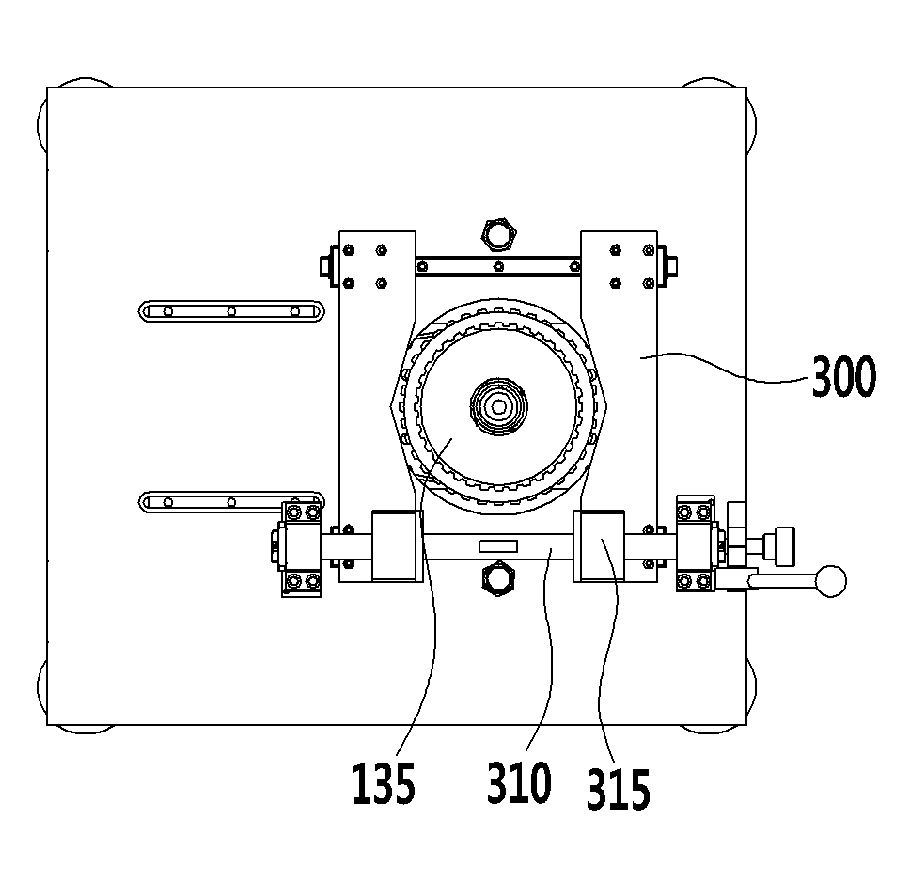
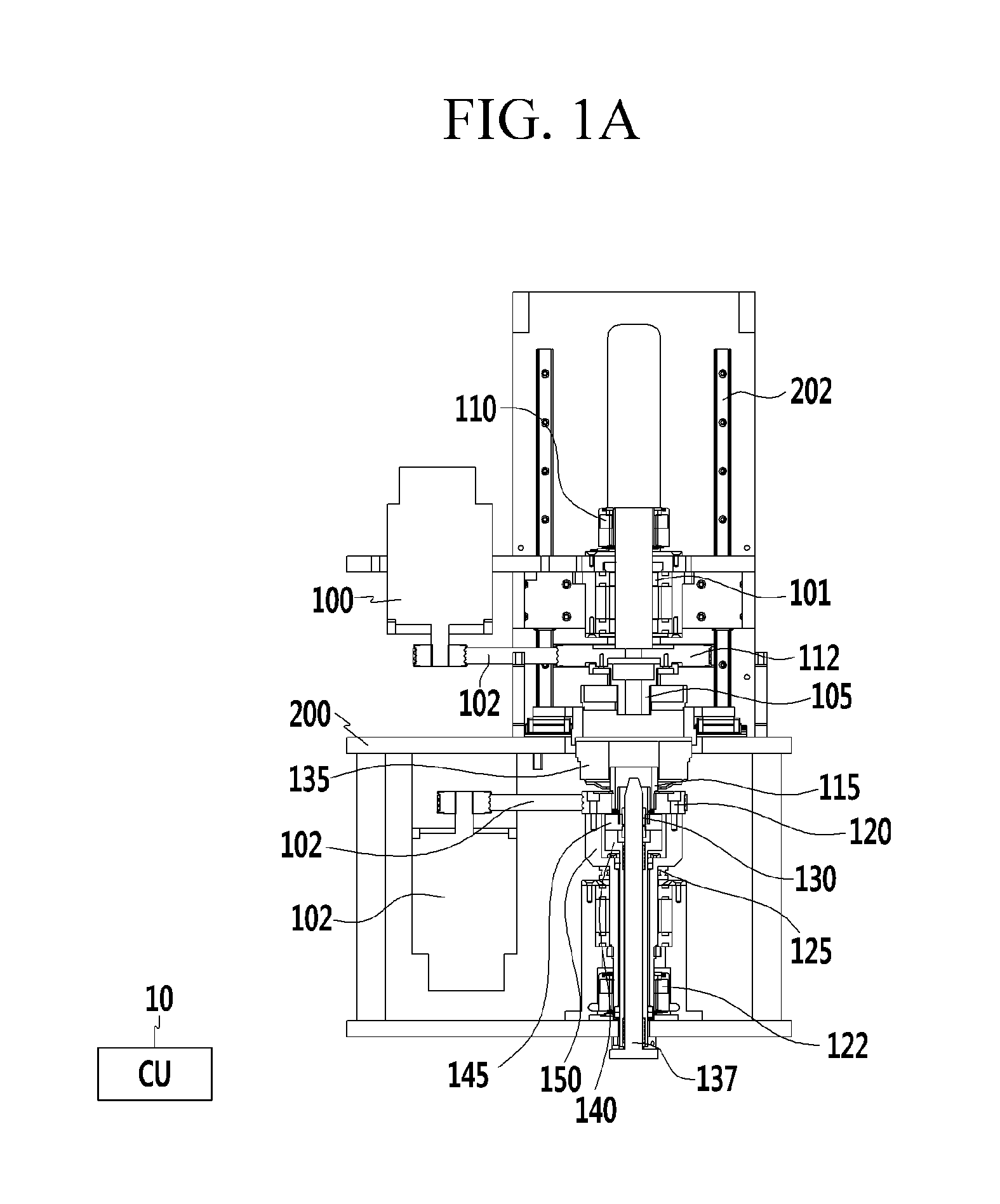
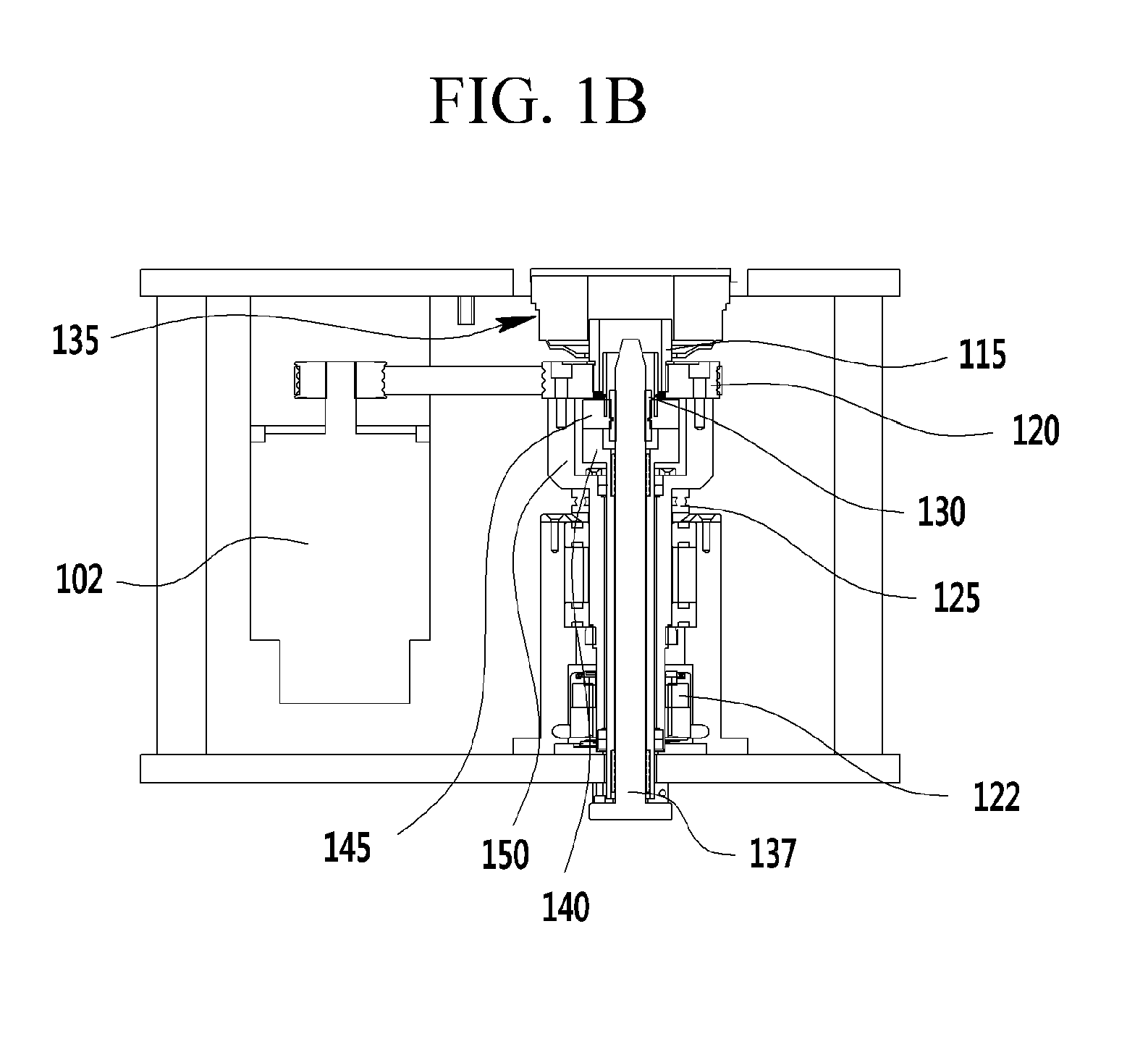
Planetary gear carrier pack transmission error inspection device
PatentActiveUS20150192496A1
Innovation
- A planetary gear carrier pack transmission error inspection device is designed with a vertically arranged rotation shaft to prevent sagging, featuring an input unit for torque input, a load unit for applying a load to the output side, and encoders for measuring rotation speeds, along with a controller to manage the input and load units, allowing for precise error measurement and simplified assembly.

Safety Standards for Industrial Gearbox Systems
Industrial gearbox systems operating under high-load conditions require comprehensive safety standards to mitigate risks associated with mechanical failures and operational hazards. The development of safety protocols for planetary gearboxes has evolved significantly, driven by increasing demands for reliability in critical applications such as wind turbines, mining equipment, and heavy industrial machinery.
Current safety standards for industrial gearbox systems are primarily governed by international frameworks including ISO 14179 series for gear units, AGMA standards for gear design and manufacturing, and IEC 61400-4 specifically addressing wind turbine gearbox safety requirements. These standards establish fundamental principles for design margins, material specifications, lubrication requirements, and operational monitoring protocols.
The safety framework encompasses multiple protection layers, beginning with design-phase risk assessment and extending through operational monitoring systems. Primary safety measures include torque limiting devices, temperature monitoring systems, vibration analysis protocols, and emergency shutdown mechanisms. These systems are particularly critical during load peak scenarios where mechanical stresses can exceed normal operating parameters by significant margins.
Condition monitoring represents a cornerstone of modern gearbox safety standards, incorporating real-time data acquisition systems that track key performance indicators including oil temperature, vibration signatures, acoustic emissions, and load distribution patterns. Advanced monitoring systems utilize predictive analytics to identify potential failure modes before they manifest as catastrophic events, enabling proactive maintenance interventions.
Lubrication safety standards have become increasingly sophisticated, addressing not only oil quality and viscosity requirements but also contamination control, filtration protocols, and thermal management systems. These standards recognize that lubrication failures often precipitate cascading mechanical failures, particularly during high-load operating conditions when thermal stresses are elevated.
Emergency response protocols constitute another critical component of safety standards, defining procedures for rapid system shutdown, personnel evacuation, and damage containment. These protocols are specifically designed to address scenarios where error correction systems may be insufficient to prevent mechanical failure, requiring immediate intervention to protect both equipment and personnel.
Certification and compliance verification processes ensure that gearbox systems meet established safety criteria through rigorous testing protocols, including accelerated life testing, thermal cycling, and simulated load peak scenarios. These verification processes have become increasingly important as gearbox applications expand into more demanding operational environments.
Current safety standards for industrial gearbox systems are primarily governed by international frameworks including ISO 14179 series for gear units, AGMA standards for gear design and manufacturing, and IEC 61400-4 specifically addressing wind turbine gearbox safety requirements. These standards establish fundamental principles for design margins, material specifications, lubrication requirements, and operational monitoring protocols.
The safety framework encompasses multiple protection layers, beginning with design-phase risk assessment and extending through operational monitoring systems. Primary safety measures include torque limiting devices, temperature monitoring systems, vibration analysis protocols, and emergency shutdown mechanisms. These systems are particularly critical during load peak scenarios where mechanical stresses can exceed normal operating parameters by significant margins.
Condition monitoring represents a cornerstone of modern gearbox safety standards, incorporating real-time data acquisition systems that track key performance indicators including oil temperature, vibration signatures, acoustic emissions, and load distribution patterns. Advanced monitoring systems utilize predictive analytics to identify potential failure modes before they manifest as catastrophic events, enabling proactive maintenance interventions.
Lubrication safety standards have become increasingly sophisticated, addressing not only oil quality and viscosity requirements but also contamination control, filtration protocols, and thermal management systems. These standards recognize that lubrication failures often precipitate cascading mechanical failures, particularly during high-load operating conditions when thermal stresses are elevated.
Emergency response protocols constitute another critical component of safety standards, defining procedures for rapid system shutdown, personnel evacuation, and damage containment. These protocols are specifically designed to address scenarios where error correction systems may be insufficient to prevent mechanical failure, requiring immediate intervention to protect both equipment and personnel.
Certification and compliance verification processes ensure that gearbox systems meet established safety criteria through rigorous testing protocols, including accelerated life testing, thermal cycling, and simulated load peak scenarios. These verification processes have become increasingly important as gearbox applications expand into more demanding operational environments.
Predictive Maintenance Integration for Gearbox Reliability
The integration of predictive maintenance systems with planetary gearbox operations represents a paradigm shift from reactive to proactive reliability management. Modern predictive maintenance frameworks leverage advanced sensor technologies, including vibration analyzers, acoustic emission detectors, and thermal imaging systems, to continuously monitor gearbox health parameters. These systems establish baseline operational signatures and detect deviations that indicate potential failure modes before catastrophic events occur.
Machine learning algorithms form the backbone of contemporary predictive maintenance platforms, processing vast datasets from multiple sensor inputs to identify patterns correlating with gearbox degradation. Deep learning neural networks excel at recognizing subtle anomalies in vibration signatures, oil analysis results, and temperature profiles that human operators might overlook. These algorithms continuously refine their predictive accuracy through feedback loops, incorporating historical failure data and operational conditions to enhance forecasting precision.
Digital twin technology represents a significant advancement in gearbox reliability prediction, creating virtual replicas of physical gearbox systems that simulate real-time operational conditions. These digital models integrate physics-based simulations with data-driven analytics, enabling engineers to predict component wear patterns, optimize maintenance schedules, and evaluate the impact of varying load conditions on gearbox longevity. The digital twin approach facilitates scenario modeling, allowing operators to assess how different operational strategies affect overall system reliability.
Cloud-based predictive maintenance platforms enable centralized monitoring of distributed gearbox installations, providing fleet-wide visibility and comparative analysis capabilities. These systems aggregate data from multiple installations, identifying common failure patterns and optimizing maintenance strategies across entire fleets. Edge computing integration ensures real-time processing of critical safety parameters while maintaining connectivity for comprehensive analysis and reporting.
The economic benefits of predictive maintenance integration extend beyond simple cost reduction, encompassing improved operational efficiency, extended equipment lifespan, and enhanced safety performance. Organizations implementing comprehensive predictive maintenance programs typically achieve 20-30% reductions in maintenance costs while simultaneously improving equipment availability and reducing unplanned downtime incidents.
Machine learning algorithms form the backbone of contemporary predictive maintenance platforms, processing vast datasets from multiple sensor inputs to identify patterns correlating with gearbox degradation. Deep learning neural networks excel at recognizing subtle anomalies in vibration signatures, oil analysis results, and temperature profiles that human operators might overlook. These algorithms continuously refine their predictive accuracy through feedback loops, incorporating historical failure data and operational conditions to enhance forecasting precision.
Digital twin technology represents a significant advancement in gearbox reliability prediction, creating virtual replicas of physical gearbox systems that simulate real-time operational conditions. These digital models integrate physics-based simulations with data-driven analytics, enabling engineers to predict component wear patterns, optimize maintenance schedules, and evaluate the impact of varying load conditions on gearbox longevity. The digital twin approach facilitates scenario modeling, allowing operators to assess how different operational strategies affect overall system reliability.
Cloud-based predictive maintenance platforms enable centralized monitoring of distributed gearbox installations, providing fleet-wide visibility and comparative analysis capabilities. These systems aggregate data from multiple installations, identifying common failure patterns and optimizing maintenance strategies across entire fleets. Edge computing integration ensures real-time processing of critical safety parameters while maintaining connectivity for comprehensive analysis and reporting.
The economic benefits of predictive maintenance integration extend beyond simple cost reduction, encompassing improved operational efficiency, extended equipment lifespan, and enhanced safety performance. Organizations implementing comprehensive predictive maintenance programs typically achieve 20-30% reductions in maintenance costs while simultaneously improving equipment availability and reducing unplanned downtime incidents.
Unlock deeper insights with Patsnap Eureka Quick Research — get a full tech report to explore trends and direct your research. Try now!
Generate Your Research Report Instantly with AI Agent
Supercharge your innovation with Patsnap Eureka AI Agent Platform!