

Establishing Predictive Procedures in Shielded Arc Welding
FEB 25, 20269 MIN READ
Generate Your Research Report Instantly with AI Agent
Patsnap Eureka helps you evaluate technical feasibility & market potential.
Shielded Arc Welding Predictive Technology Background and Goals
Shielded arc welding has undergone significant evolution since its inception in the early 20th century, transforming from a purely manual craft to a sophisticated manufacturing process. The development of covered electrodes in the 1920s marked the beginning of modern shielded metal arc welding (SMAW), providing improved weld quality and operator safety through flux-based protection systems. This foundational technology established the framework for controlled atmospheric welding environments that remain central to contemporary welding practices.
The progression from empirical welding practices to data-driven methodologies represents a paradigm shift in manufacturing excellence. Traditional welding operations relied heavily on operator expertise and post-weld inspection to ensure quality, resulting in inconsistent outcomes and significant material waste. The integration of sensor technologies, real-time monitoring systems, and advanced analytics has created opportunities for predictive modeling that can anticipate weld quality before completion.
Current technological trends emphasize the convergence of artificial intelligence, machine learning algorithms, and Internet of Things (IoT) sensors to create intelligent welding systems. These developments enable continuous monitoring of critical parameters including arc voltage, current fluctuations, travel speed, and thermal profiles. The accumulation of this data provides the foundation for establishing predictive procedures that can forecast weld integrity and performance characteristics.
The primary objective of establishing predictive procedures in shielded arc welding centers on achieving consistent, high-quality welds while minimizing defects and reducing production costs. This involves developing algorithms capable of correlating real-time welding parameters with final weld properties, enabling proactive adjustments during the welding process rather than reactive corrections after completion.
Advanced predictive systems aim to integrate multiple data streams including pre-weld material analysis, environmental conditions, equipment performance metrics, and operator variables. The synthesis of these inputs through sophisticated modeling techniques enables the prediction of potential defects such as porosity, incomplete penetration, or mechanical property variations before they manifest in the final product.
The ultimate goal encompasses creating autonomous welding systems capable of self-optimization, where predictive algorithms continuously refine welding parameters based on real-time feedback and historical performance data. This technological advancement promises to revolutionize manufacturing efficiency while maintaining superior quality standards across diverse industrial applications.
The progression from empirical welding practices to data-driven methodologies represents a paradigm shift in manufacturing excellence. Traditional welding operations relied heavily on operator expertise and post-weld inspection to ensure quality, resulting in inconsistent outcomes and significant material waste. The integration of sensor technologies, real-time monitoring systems, and advanced analytics has created opportunities for predictive modeling that can anticipate weld quality before completion.
Current technological trends emphasize the convergence of artificial intelligence, machine learning algorithms, and Internet of Things (IoT) sensors to create intelligent welding systems. These developments enable continuous monitoring of critical parameters including arc voltage, current fluctuations, travel speed, and thermal profiles. The accumulation of this data provides the foundation for establishing predictive procedures that can forecast weld integrity and performance characteristics.
The primary objective of establishing predictive procedures in shielded arc welding centers on achieving consistent, high-quality welds while minimizing defects and reducing production costs. This involves developing algorithms capable of correlating real-time welding parameters with final weld properties, enabling proactive adjustments during the welding process rather than reactive corrections after completion.
Advanced predictive systems aim to integrate multiple data streams including pre-weld material analysis, environmental conditions, equipment performance metrics, and operator variables. The synthesis of these inputs through sophisticated modeling techniques enables the prediction of potential defects such as porosity, incomplete penetration, or mechanical property variations before they manifest in the final product.
The ultimate goal encompasses creating autonomous welding systems capable of self-optimization, where predictive algorithms continuously refine welding parameters based on real-time feedback and historical performance data. This technological advancement promises to revolutionize manufacturing efficiency while maintaining superior quality standards across diverse industrial applications.
Market Demand for Predictive Welding Quality Control
The global welding industry is experiencing unprecedented demand for predictive quality control systems, driven by stringent quality requirements across critical manufacturing sectors. Aerospace, automotive, shipbuilding, and energy infrastructure industries are increasingly mandating zero-defect welding standards, creating substantial market pressure for advanced predictive technologies in shielded arc welding processes.
Manufacturing companies face escalating costs associated with post-weld inspection, rework, and potential field failures. Traditional reactive quality control approaches result in significant material waste, extended production cycles, and increased labor costs. The aerospace sector alone reports substantial annual losses due to welding-related defects discovered during final inspection phases, highlighting the urgent need for real-time predictive capabilities.
Regulatory frameworks worldwide are tightening quality standards for welded structures, particularly in safety-critical applications. Nuclear power plant construction, offshore oil platforms, and pressure vessel manufacturing now require comprehensive weld quality documentation and traceability. These regulatory pressures are accelerating adoption of predictive welding systems that can provide continuous monitoring and quality assurance throughout the welding process.
The emergence of Industry 4.0 and smart manufacturing initiatives has created additional market drivers for predictive welding technologies. Manufacturing facilities are seeking integrated solutions that combine real-time process monitoring, data analytics, and predictive algorithms to optimize production efficiency while maintaining quality standards. This digital transformation trend is expanding the addressable market beyond traditional quality control applications.
Small and medium-sized fabrication shops represent an underserved market segment with growing demand for accessible predictive welding solutions. These operations require cost-effective systems that can improve their competitive positioning without requiring extensive technical expertise or infrastructure investments. The democratization of predictive welding technology presents significant market expansion opportunities.
Emerging applications in additive manufacturing and automated welding systems are creating new market categories for predictive quality control. As welding processes become increasingly automated and complex, the need for sophisticated predictive algorithms and real-time process adjustment capabilities continues to grow, establishing a robust foundation for sustained market demand.
Manufacturing companies face escalating costs associated with post-weld inspection, rework, and potential field failures. Traditional reactive quality control approaches result in significant material waste, extended production cycles, and increased labor costs. The aerospace sector alone reports substantial annual losses due to welding-related defects discovered during final inspection phases, highlighting the urgent need for real-time predictive capabilities.
Regulatory frameworks worldwide are tightening quality standards for welded structures, particularly in safety-critical applications. Nuclear power plant construction, offshore oil platforms, and pressure vessel manufacturing now require comprehensive weld quality documentation and traceability. These regulatory pressures are accelerating adoption of predictive welding systems that can provide continuous monitoring and quality assurance throughout the welding process.
The emergence of Industry 4.0 and smart manufacturing initiatives has created additional market drivers for predictive welding technologies. Manufacturing facilities are seeking integrated solutions that combine real-time process monitoring, data analytics, and predictive algorithms to optimize production efficiency while maintaining quality standards. This digital transformation trend is expanding the addressable market beyond traditional quality control applications.
Small and medium-sized fabrication shops represent an underserved market segment with growing demand for accessible predictive welding solutions. These operations require cost-effective systems that can improve their competitive positioning without requiring extensive technical expertise or infrastructure investments. The democratization of predictive welding technology presents significant market expansion opportunities.
Emerging applications in additive manufacturing and automated welding systems are creating new market categories for predictive quality control. As welding processes become increasingly automated and complex, the need for sophisticated predictive algorithms and real-time process adjustment capabilities continues to grow, establishing a robust foundation for sustained market demand.
Current State and Challenges in Welding Process Prediction
The current landscape of welding process prediction in shielded arc welding presents a complex interplay of technological advancement and persistent challenges. Traditional welding practices have long relied on empirical knowledge and operator expertise, but the increasing demand for precision, quality assurance, and automation has driven significant research into predictive methodologies. Contemporary approaches encompass physics-based models, statistical analysis, and machine learning algorithms, each offering distinct advantages while facing inherent limitations.
Physics-based modeling represents the most established approach, utilizing fundamental heat transfer equations, fluid dynamics principles, and metallurgical transformations to predict weld pool behavior and final joint properties. These models excel in providing theoretical understanding but often struggle with computational complexity and the need for extensive material property databases. The integration of finite element analysis has enhanced predictive accuracy, yet real-time implementation remains challenging due to computational demands.
Statistical and empirical modeling approaches have gained traction through their ability to correlate process parameters with weld outcomes using historical data. Regression analysis, response surface methodology, and design of experiments have proven effective for specific applications. However, these methods typically lack generalizability across different materials, joint configurations, or welding conditions, limiting their broader industrial adoption.
Machine learning and artificial intelligence technologies represent the most rapidly evolving segment of welding prediction. Neural networks, support vector machines, and ensemble methods have demonstrated promising results in predicting weld quality, defect occurrence, and optimal parameter selection. Deep learning approaches show particular promise for processing complex sensor data streams, including thermal imaging, acoustic emissions, and electrical signatures.
Despite these technological advances, several critical challenges persist in establishing robust predictive procedures. Data quality and availability remain fundamental obstacles, as welding processes generate vast amounts of heterogeneous data that require sophisticated preprocessing and feature extraction techniques. The inherent variability in welding conditions, including material properties, environmental factors, and equipment characteristics, complicates model development and validation.
Real-time implementation poses another significant challenge, as predictive models must operate within the temporal constraints of welding processes while maintaining accuracy. The integration of multiple sensor modalities and the need for adaptive algorithms that can respond to changing conditions further complicate system design. Additionally, the lack of standardized evaluation metrics and validation protocols hinders the comparison and adoption of different predictive approaches across the industry.
Physics-based modeling represents the most established approach, utilizing fundamental heat transfer equations, fluid dynamics principles, and metallurgical transformations to predict weld pool behavior and final joint properties. These models excel in providing theoretical understanding but often struggle with computational complexity and the need for extensive material property databases. The integration of finite element analysis has enhanced predictive accuracy, yet real-time implementation remains challenging due to computational demands.
Statistical and empirical modeling approaches have gained traction through their ability to correlate process parameters with weld outcomes using historical data. Regression analysis, response surface methodology, and design of experiments have proven effective for specific applications. However, these methods typically lack generalizability across different materials, joint configurations, or welding conditions, limiting their broader industrial adoption.
Machine learning and artificial intelligence technologies represent the most rapidly evolving segment of welding prediction. Neural networks, support vector machines, and ensemble methods have demonstrated promising results in predicting weld quality, defect occurrence, and optimal parameter selection. Deep learning approaches show particular promise for processing complex sensor data streams, including thermal imaging, acoustic emissions, and electrical signatures.
Despite these technological advances, several critical challenges persist in establishing robust predictive procedures. Data quality and availability remain fundamental obstacles, as welding processes generate vast amounts of heterogeneous data that require sophisticated preprocessing and feature extraction techniques. The inherent variability in welding conditions, including material properties, environmental factors, and equipment characteristics, complicates model development and validation.
Real-time implementation poses another significant challenge, as predictive models must operate within the temporal constraints of welding processes while maintaining accuracy. The integration of multiple sensor modalities and the need for adaptive algorithms that can respond to changing conditions further complicate system design. Additionally, the lack of standardized evaluation metrics and validation protocols hinders the comparison and adoption of different predictive approaches across the industry.
Current Predictive Solutions for Arc Welding Processes
01 Shielding gas composition and delivery systems
Shielded arc welding utilizes specific gas compositions to protect the weld pool from atmospheric contamination. The shielding gas delivery systems are designed to ensure consistent gas flow and coverage during the welding process. Various gas mixtures and delivery mechanisms have been developed to optimize weld quality and prevent oxidation or porosity in the weld metal.- Shielding gas composition and delivery systems: Shielded arc welding utilizes specific gas compositions to protect the weld pool from atmospheric contamination. The shielding gas delivery systems are designed to ensure consistent gas flow and coverage during the welding process. Various gas mixtures and delivery mechanisms have been developed to optimize weld quality and prevent oxidation or porosity in the weld metal.
- Welding electrode and wire feed mechanisms: The electrode feeding system is critical in shielded arc welding processes. Innovations include automatic wire feed controls, electrode positioning devices, and mechanisms that maintain consistent feed rates. These systems ensure stable arc characteristics and uniform weld deposition throughout the welding operation.
- Arc shielding equipment and torch design: Specialized torch designs and shielding equipment have been developed to enhance the protection of the welding arc and molten metal. These designs incorporate features such as gas nozzles, contact tips, and cooling systems that improve shielding effectiveness and operator control during welding operations.
- Flux-cored and composite electrode materials: Advanced electrode materials including flux-cored wires and composite electrodes provide both shielding and alloying elements during welding. These materials are designed to generate protective slag and gas shields while delivering specific metallurgical properties to the weld. The composition and manufacturing methods of these electrodes significantly impact weld quality and performance.
- Welding process control and monitoring systems: Modern shielded arc welding incorporates automated control systems that monitor and adjust welding parameters in real-time. These systems regulate current, voltage, travel speed, and shielding gas flow to maintain optimal welding conditions. Sensors and feedback mechanisms ensure consistent weld quality and help prevent defects throughout the welding process.
02 Welding electrode and wire feed mechanisms
The electrode feeding system is critical in shielded arc welding processes. Innovations include automatic wire feed controls, electrode positioning devices, and mechanisms that maintain consistent feed rates. These systems ensure stable arc characteristics and uniform weld deposition throughout the welding operation.Expand Specific Solutions03 Arc shielding equipment and torch design
Specialized torch designs and shielding equipment have been developed to enhance the protection of the welding arc and molten metal. These designs incorporate features such as gas nozzles, contact tips, and cooling systems that improve shielding effectiveness and operator control during welding operations.Expand Specific Solutions04 Flux and coating materials for arc shielding
Flux-cored electrodes and coating materials provide additional shielding through the generation of protective slag and gas during welding. These materials are formulated to produce specific metallurgical properties, control arc stability, and enhance the mechanical properties of the weld. The composition and application methods of these materials significantly impact weld quality.Expand Specific Solutions05 Automated control systems for shielded arc welding
Modern shielded arc welding incorporates automated control systems that monitor and adjust welding parameters in real-time. These systems include sensors for arc voltage and current, feedback mechanisms for maintaining optimal conditions, and programmable controllers that ensure consistent weld quality across multiple applications.Expand Specific Solutions
Key Players in Welding Automation and Prediction Systems
The shielded arc welding predictive procedures market represents a mature industrial sector experiencing steady growth driven by automation and Industry 4.0 integration. The competitive landscape spans established equipment manufacturers like Illinois Tool Works, Lincoln Global, and ESAB AB, alongside major steel producers such as NIPPON STEEL CORP., JFE Steel Corp., and POSCO Holdings who drive demand through large-scale applications. Technology maturity varies significantly across players, with companies like FANUC Corp. and Daihen Corp. leading in advanced robotics and automation integration, while traditional welding specialists like Fronius International and Kobe Steel focus on consumables and specialized equipment. Academic institutions including Harbin Institute of Technology and Shandong University contribute fundamental research, while industrial gas suppliers like Air Liquide SA provide essential supporting technologies, creating a comprehensive ecosystem supporting predictive welding advancement.
Illinois Tool Works Inc.
Technical Solution: ITW develops advanced predictive welding systems through their Miller Electric division, incorporating real-time monitoring sensors and machine learning algorithms to predict weld quality parameters. Their technology utilizes arc voltage and current feedback systems combined with thermal imaging to establish predictive models for penetration depth, bead geometry, and defect formation in shielded metal arc welding processes. The system employs statistical process control methods and neural networks to analyze welding parameters continuously, enabling operators to adjust settings proactively before defects occur.
Strengths: Market-leading position in welding equipment with extensive R&D capabilities and proven industrial implementation. Weaknesses: High system costs and complexity may limit adoption in smaller operations.
Lincoln Global, Inc.
Technical Solution: Lincoln Electric has developed comprehensive predictive welding solutions integrating IoT sensors, cloud-based analytics, and artificial intelligence to monitor and predict welding outcomes in real-time. Their WeldConnect platform collects data from welding operations including arc characteristics, travel speed, and environmental conditions to build predictive models for weld quality assessment. The system uses machine learning algorithms to identify patterns in welding parameters that correlate with successful welds, enabling predictive maintenance scheduling and quality control optimization for shielded arc welding applications across various industries.
Strengths: Global market presence with extensive welding expertise and comprehensive data analytics platform. Weaknesses: Requires significant infrastructure investment and technical training for full implementation.
Core Technologies in Welding Process Modeling
Method and apparatus for predicting bead geometry of gas metal arc welding
PatentInactiveKR1020190136770A
Innovation
- A method and apparatus for predicting bead shape in GMA welding using predictive models based on input and output variables, optimized through a predetermined function, and verified by on-site capability analysis and 3D scanning.


Arc welding method
PatentInactiveUS20050199602A1
Innovation
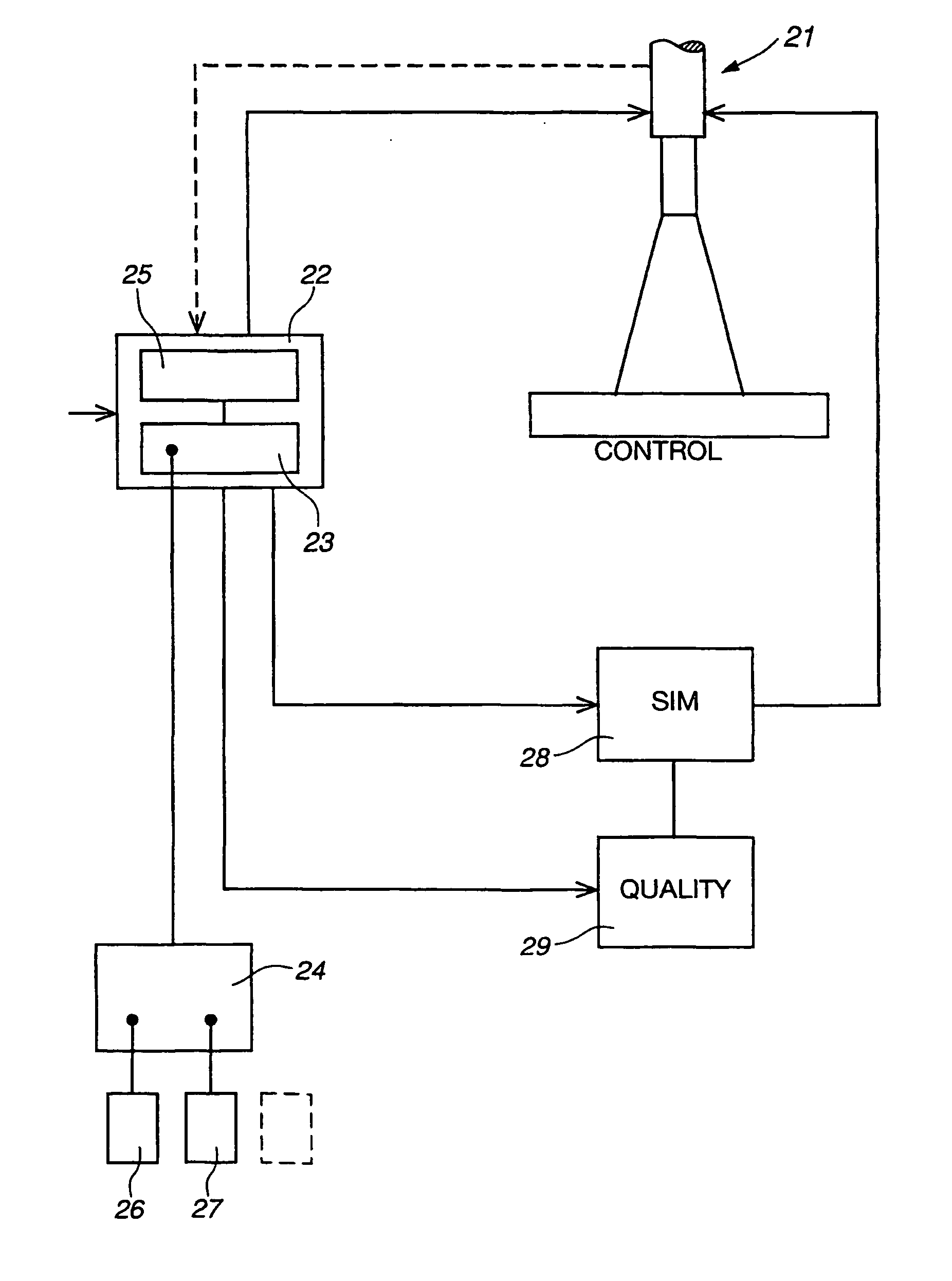
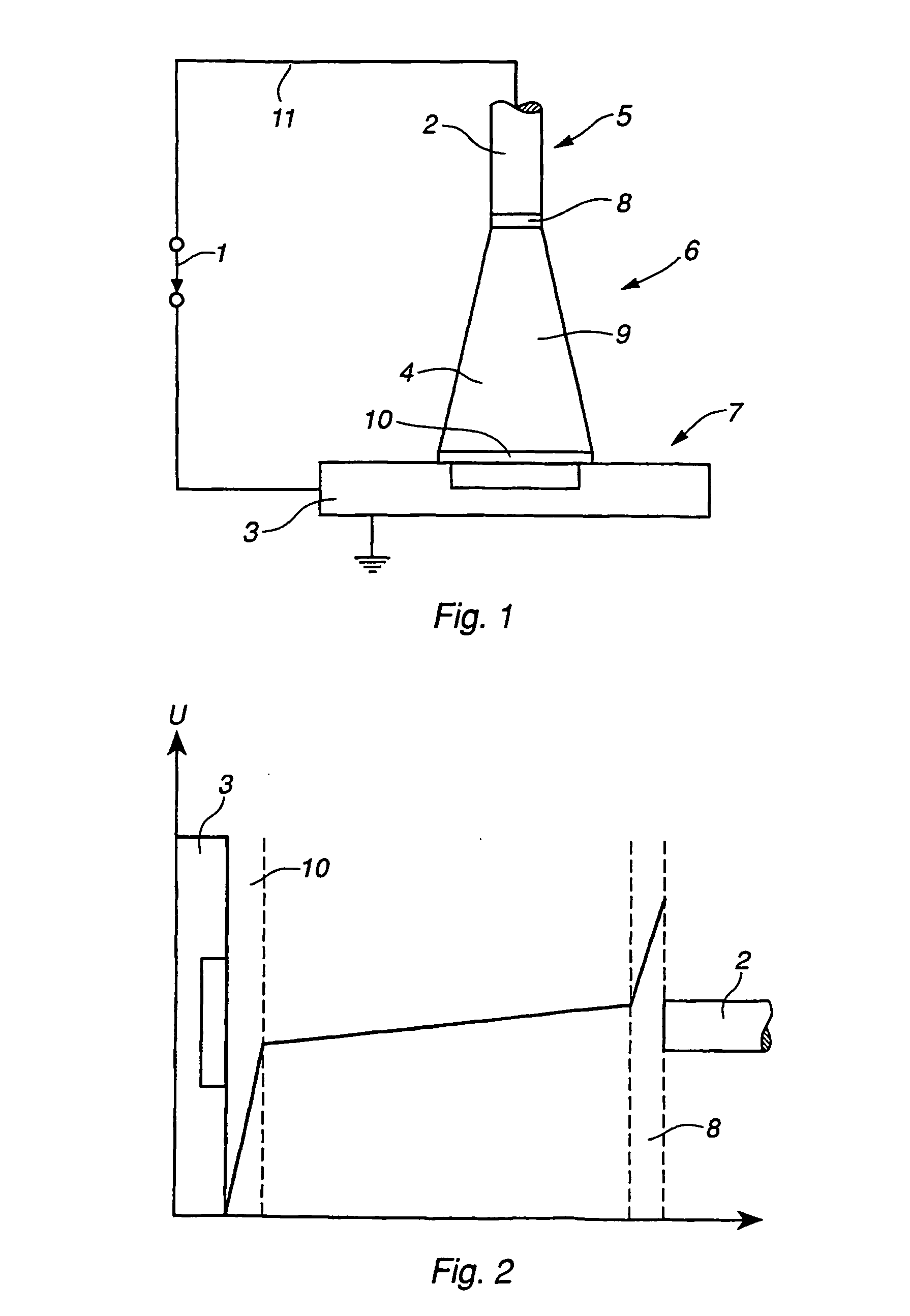
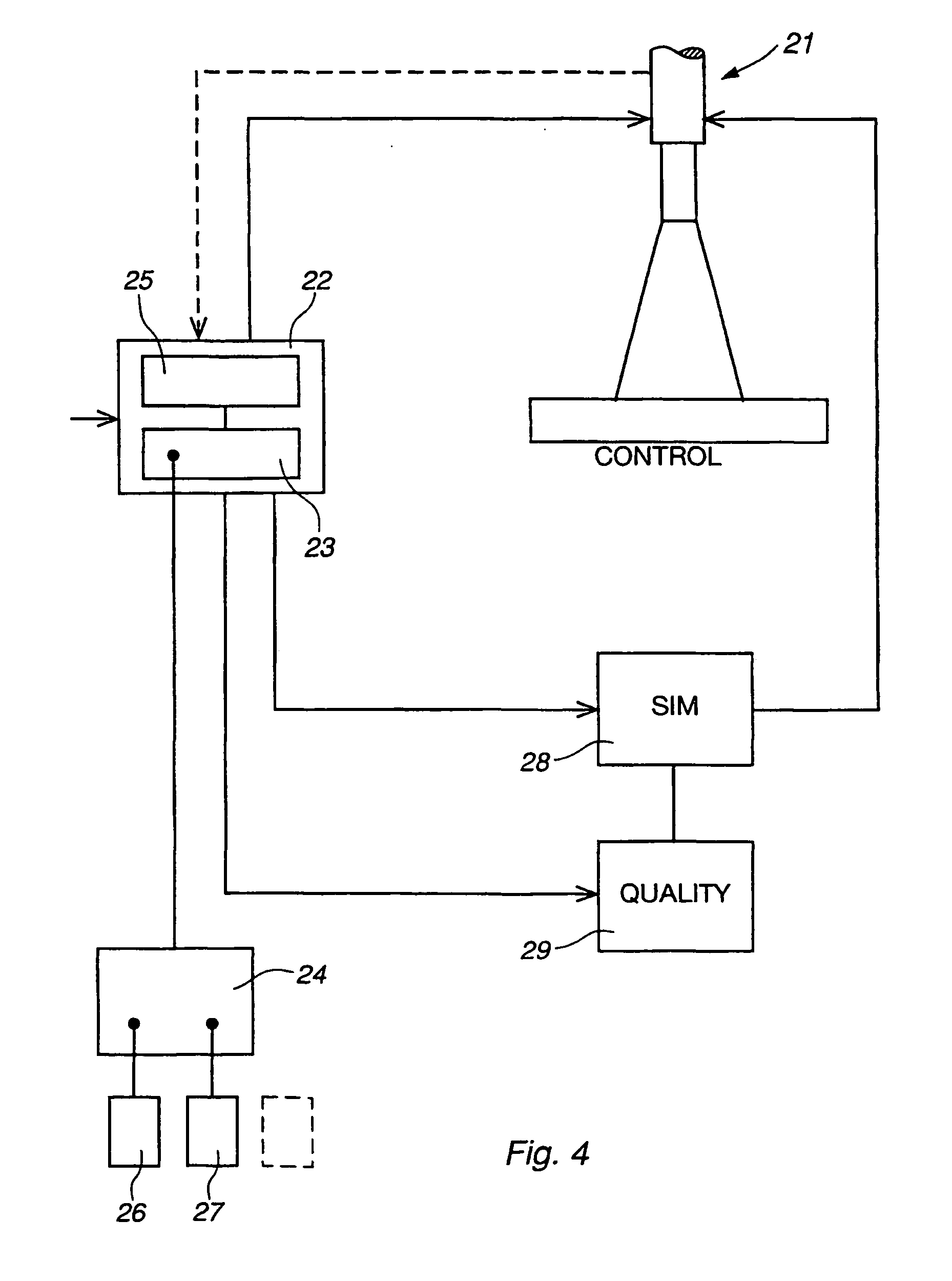
- A method that divides the welding process into separate parts, representing each part with model components in an electric circuit model, allowing for the calculation of key welding parameters without the need for direct measurements or repeated experiments, enabling controlled and simulated welding processes.

Safety Standards for Automated Welding Systems
The implementation of predictive procedures in shielded arc welding necessitates comprehensive safety standards for automated welding systems to ensure operational integrity and personnel protection. These standards establish fundamental requirements for system design, installation, and operation while addressing the unique challenges posed by predictive welding technologies.
Automated welding systems incorporating predictive capabilities must comply with established international safety frameworks, including ISO 10882 series for health and safety in welding and allied processes, and IEC 60974 standards for arc welding equipment safety requirements. These foundational standards provide the regulatory backbone for implementing advanced predictive welding systems while maintaining operational safety.
Personnel safety protocols constitute a critical component of automated welding safety standards. Systems must incorporate comprehensive shielding mechanisms to protect operators from arc radiation, toxic fumes, and electromagnetic interference generated during predictive welding operations. Emergency shutdown procedures and fail-safe mechanisms are mandatory to prevent accidents during system malfunctions or unexpected parameter deviations.
Equipment safety requirements focus on electrical safety, mechanical integrity, and thermal management. Automated systems must feature proper grounding, insulation testing protocols, and arc fault protection circuits. Mechanical safety includes collision detection systems, workspace monitoring, and protective barriers to prevent unauthorized access during welding operations.
Environmental safety considerations address ventilation requirements, fume extraction systems, and workspace contamination control. Predictive welding systems often operate at higher duty cycles than manual processes, necessitating enhanced environmental monitoring and control measures to maintain safe working conditions.
Data security and system integrity standards are increasingly important as predictive welding systems rely on networked sensors and cloud-based analytics. Cybersecurity protocols must protect against unauthorized system access while ensuring data integrity for predictive algorithms. System validation procedures verify that predictive models maintain accuracy and reliability over extended operational periods.
Maintenance and inspection standards define regular safety audits, calibration procedures, and component replacement schedules. These protocols ensure that predictive systems continue operating within safe parameters while maintaining their forecasting accuracy and reliability throughout their operational lifecycle.
Automated welding systems incorporating predictive capabilities must comply with established international safety frameworks, including ISO 10882 series for health and safety in welding and allied processes, and IEC 60974 standards for arc welding equipment safety requirements. These foundational standards provide the regulatory backbone for implementing advanced predictive welding systems while maintaining operational safety.
Personnel safety protocols constitute a critical component of automated welding safety standards. Systems must incorporate comprehensive shielding mechanisms to protect operators from arc radiation, toxic fumes, and electromagnetic interference generated during predictive welding operations. Emergency shutdown procedures and fail-safe mechanisms are mandatory to prevent accidents during system malfunctions or unexpected parameter deviations.
Equipment safety requirements focus on electrical safety, mechanical integrity, and thermal management. Automated systems must feature proper grounding, insulation testing protocols, and arc fault protection circuits. Mechanical safety includes collision detection systems, workspace monitoring, and protective barriers to prevent unauthorized access during welding operations.
Environmental safety considerations address ventilation requirements, fume extraction systems, and workspace contamination control. Predictive welding systems often operate at higher duty cycles than manual processes, necessitating enhanced environmental monitoring and control measures to maintain safe working conditions.
Data security and system integrity standards are increasingly important as predictive welding systems rely on networked sensors and cloud-based analytics. Cybersecurity protocols must protect against unauthorized system access while ensuring data integrity for predictive algorithms. System validation procedures verify that predictive models maintain accuracy and reliability over extended operational periods.
Maintenance and inspection standards define regular safety audits, calibration procedures, and component replacement schedules. These protocols ensure that predictive systems continue operating within safe parameters while maintaining their forecasting accuracy and reliability throughout their operational lifecycle.
Environmental Impact of Predictive Welding Technologies
The implementation of predictive procedures in shielded arc welding presents significant opportunities for reducing environmental impact across multiple dimensions of manufacturing operations. Traditional welding processes often result in substantial material waste, energy inefficiency, and harmful emissions that contribute to environmental degradation. Predictive welding technologies offer a pathway toward more sustainable manufacturing practices through enhanced process optimization and resource utilization.
Energy consumption represents one of the most critical environmental considerations in welding operations. Predictive algorithms can optimize welding parameters in real-time, reducing unnecessary energy expenditure by up to 25% compared to conventional approaches. By accurately predicting optimal heat input, travel speed, and arc characteristics, these systems minimize energy waste while maintaining weld quality standards. This reduction in energy consumption directly translates to decreased carbon footprint and lower greenhouse gas emissions from power generation.
Material waste reduction constitutes another significant environmental benefit of predictive welding technologies. Advanced prediction models can forecast potential defects before they occur, dramatically reducing the need for rework and repair operations. Studies indicate that predictive systems can decrease material waste by 15-30% through improved first-pass success rates and reduced consumable usage. This efficiency gain not only conserves raw materials but also eliminates the environmental costs associated with producing replacement components.
Emission control and air quality improvement represent crucial environmental advantages of predictive welding systems. By optimizing welding parameters, these technologies can reduce the generation of harmful fumes and particulates by approximately 20-40%. Predictive models enable precise control of shielding gas flow rates and composition, minimizing both protective gas waste and atmospheric emissions. Additionally, reduced spatter generation leads to cleaner work environments and decreased airborne contaminants.
The lifecycle environmental impact of predictive welding technologies extends beyond immediate operational benefits. Enhanced weld quality and durability resulting from predictive procedures increase component lifespan, reducing the frequency of replacement cycles and associated manufacturing environmental costs. Furthermore, the integration of machine learning algorithms enables continuous improvement in environmental performance through adaptive optimization of welding processes based on real-time environmental feedback and sustainability metrics.
Energy consumption represents one of the most critical environmental considerations in welding operations. Predictive algorithms can optimize welding parameters in real-time, reducing unnecessary energy expenditure by up to 25% compared to conventional approaches. By accurately predicting optimal heat input, travel speed, and arc characteristics, these systems minimize energy waste while maintaining weld quality standards. This reduction in energy consumption directly translates to decreased carbon footprint and lower greenhouse gas emissions from power generation.
Material waste reduction constitutes another significant environmental benefit of predictive welding technologies. Advanced prediction models can forecast potential defects before they occur, dramatically reducing the need for rework and repair operations. Studies indicate that predictive systems can decrease material waste by 15-30% through improved first-pass success rates and reduced consumable usage. This efficiency gain not only conserves raw materials but also eliminates the environmental costs associated with producing replacement components.
Emission control and air quality improvement represent crucial environmental advantages of predictive welding systems. By optimizing welding parameters, these technologies can reduce the generation of harmful fumes and particulates by approximately 20-40%. Predictive models enable precise control of shielding gas flow rates and composition, minimizing both protective gas waste and atmospheric emissions. Additionally, reduced spatter generation leads to cleaner work environments and decreased airborne contaminants.
The lifecycle environmental impact of predictive welding technologies extends beyond immediate operational benefits. Enhanced weld quality and durability resulting from predictive procedures increase component lifespan, reducing the frequency of replacement cycles and associated manufacturing environmental costs. Furthermore, the integration of machine learning algorithms enables continuous improvement in environmental performance through adaptive optimization of welding processes based on real-time environmental feedback and sustainability metrics.
Unlock deeper insights with Patsnap Eureka Quick Research — get a full tech report to explore trends and direct your research. Try now!
Generate Your Research Report Instantly with AI Agent
Supercharge your innovation with Patsnap Eureka AI Agent Platform!