

Evaluating Automotive Design for Fuel Cell Implementation
MAR 27, 20269 MIN READ
Generate Your Research Report Instantly with AI Agent
PatSnap Eureka helps you evaluate technical feasibility & market potential.
Fuel Cell Automotive Technology Background and Objectives
Fuel cell technology represents a paradigm shift in automotive propulsion systems, emerging from decades of research into electrochemical energy conversion. The fundamental principle involves the direct conversion of hydrogen and oxygen into electricity through an electrochemical process, producing only water vapor as a byproduct. This technology traces its origins to the 1839 discovery by Sir William Grove, but practical automotive applications began gaining momentum in the late 20th century as environmental concerns and energy security issues intensified.
The automotive industry's interest in fuel cells accelerated during the 1990s when major manufacturers recognized the potential for zero-emission vehicles that could overcome the range limitations of battery electric vehicles. Unlike conventional internal combustion engines that operate at approximately 25-30% efficiency, fuel cell systems can achieve efficiencies of 40-60%, making them particularly attractive for heavy-duty and long-range transportation applications.
Contemporary fuel cell automotive development focuses primarily on Proton Exchange Membrane (PEM) fuel cells due to their relatively low operating temperatures, quick startup times, and high power density characteristics. These systems operate at temperatures between 60-80°C, making them suitable for automotive applications where rapid response and frequent start-stop cycles are essential.
The primary objective of current fuel cell automotive technology centers on achieving cost parity with conventional powertrains while maintaining superior environmental performance. Industry targets include reducing fuel cell system costs from current levels of approximately $100-200 per kilowatt to below $50 per kilowatt by 2030. Additionally, durability objectives aim for fuel cell stacks to operate effectively for 150,000-200,000 miles, matching conventional engine lifespans.
Performance objectives encompass achieving refueling times comparable to gasoline vehicles, typically under five minutes, while providing driving ranges exceeding 300 miles. These targets address consumer acceptance barriers that have historically limited alternative fuel vehicle adoption.
Environmental objectives drive the technology's development trajectory, with goals of achieving true zero local emissions and significant lifecycle carbon footprint reductions when powered by renewable hydrogen sources. The technology aims to contribute substantially to transportation sector decarbonization efforts while maintaining the convenience and performance characteristics that consumers expect from modern vehicles.
The automotive industry's interest in fuel cells accelerated during the 1990s when major manufacturers recognized the potential for zero-emission vehicles that could overcome the range limitations of battery electric vehicles. Unlike conventional internal combustion engines that operate at approximately 25-30% efficiency, fuel cell systems can achieve efficiencies of 40-60%, making them particularly attractive for heavy-duty and long-range transportation applications.
Contemporary fuel cell automotive development focuses primarily on Proton Exchange Membrane (PEM) fuel cells due to their relatively low operating temperatures, quick startup times, and high power density characteristics. These systems operate at temperatures between 60-80°C, making them suitable for automotive applications where rapid response and frequent start-stop cycles are essential.
The primary objective of current fuel cell automotive technology centers on achieving cost parity with conventional powertrains while maintaining superior environmental performance. Industry targets include reducing fuel cell system costs from current levels of approximately $100-200 per kilowatt to below $50 per kilowatt by 2030. Additionally, durability objectives aim for fuel cell stacks to operate effectively for 150,000-200,000 miles, matching conventional engine lifespans.
Performance objectives encompass achieving refueling times comparable to gasoline vehicles, typically under five minutes, while providing driving ranges exceeding 300 miles. These targets address consumer acceptance barriers that have historically limited alternative fuel vehicle adoption.
Environmental objectives drive the technology's development trajectory, with goals of achieving true zero local emissions and significant lifecycle carbon footprint reductions when powered by renewable hydrogen sources. The technology aims to contribute substantially to transportation sector decarbonization efforts while maintaining the convenience and performance characteristics that consumers expect from modern vehicles.
Market Demand Analysis for Fuel Cell Vehicles
The global automotive industry is experiencing a fundamental shift toward sustainable transportation solutions, with fuel cell vehicles emerging as a critical component of the zero-emission mobility ecosystem. This transformation is driven by increasingly stringent environmental regulations, government mandates for carbon neutrality, and growing consumer awareness of climate change impacts. Major automotive markets including Europe, Japan, South Korea, and California have established clear timelines for phasing out internal combustion engines, creating substantial regulatory pressure for alternative powertrain adoption.
Market demand for fuel cell vehicles is characterized by distinct regional variations and application-specific requirements. Commercial vehicle segments, particularly heavy-duty trucks, buses, and delivery fleets, represent the most immediate and substantial demand drivers due to their operational characteristics favoring hydrogen fuel cells over battery electric alternatives. These applications benefit from fuel cells' superior energy density, rapid refueling capabilities, and consistent performance across varying load conditions and weather environments.
The passenger vehicle market presents a more complex demand landscape, with fuel cell adoption concentrated in specific geographic regions with established hydrogen infrastructure. Japan leads global fuel cell passenger vehicle adoption, supported by comprehensive government incentives and strategic hydrogen infrastructure investments. European markets, particularly Germany and the Nordic countries, demonstrate growing acceptance driven by environmental consciousness and supportive policy frameworks.
Infrastructure development represents both a market enabler and constraint for fuel cell vehicle demand. Current hydrogen refueling station networks remain limited compared to conventional fuel infrastructure, creating geographic pockets of viable fuel cell vehicle operation. However, substantial public and private investments in hydrogen infrastructure are accelerating network expansion, particularly along major transportation corridors and in urban centers with strong environmental commitments.
Cost considerations significantly influence market demand patterns, with fuel cell vehicles currently commanding premium pricing compared to conventional alternatives. Total cost of ownership calculations vary substantially based on operational profiles, with high-utilization commercial applications often demonstrating favorable economics despite higher initial capital requirements. Fleet operators increasingly recognize fuel cells' operational advantages in specific duty cycles, driving targeted adoption in logistics, public transportation, and industrial applications.
Technological maturity and reliability concerns continue to influence market acceptance, though recent advances in fuel cell durability and performance have substantially improved commercial viability. The automotive industry's growing confidence in fuel cell technology is evidenced by increasing manufacturer commitments and expanding model offerings across multiple vehicle categories.
Market demand for fuel cell vehicles is characterized by distinct regional variations and application-specific requirements. Commercial vehicle segments, particularly heavy-duty trucks, buses, and delivery fleets, represent the most immediate and substantial demand drivers due to their operational characteristics favoring hydrogen fuel cells over battery electric alternatives. These applications benefit from fuel cells' superior energy density, rapid refueling capabilities, and consistent performance across varying load conditions and weather environments.
The passenger vehicle market presents a more complex demand landscape, with fuel cell adoption concentrated in specific geographic regions with established hydrogen infrastructure. Japan leads global fuel cell passenger vehicle adoption, supported by comprehensive government incentives and strategic hydrogen infrastructure investments. European markets, particularly Germany and the Nordic countries, demonstrate growing acceptance driven by environmental consciousness and supportive policy frameworks.
Infrastructure development represents both a market enabler and constraint for fuel cell vehicle demand. Current hydrogen refueling station networks remain limited compared to conventional fuel infrastructure, creating geographic pockets of viable fuel cell vehicle operation. However, substantial public and private investments in hydrogen infrastructure are accelerating network expansion, particularly along major transportation corridors and in urban centers with strong environmental commitments.
Cost considerations significantly influence market demand patterns, with fuel cell vehicles currently commanding premium pricing compared to conventional alternatives. Total cost of ownership calculations vary substantially based on operational profiles, with high-utilization commercial applications often demonstrating favorable economics despite higher initial capital requirements. Fleet operators increasingly recognize fuel cells' operational advantages in specific duty cycles, driving targeted adoption in logistics, public transportation, and industrial applications.
Technological maturity and reliability concerns continue to influence market acceptance, though recent advances in fuel cell durability and performance have substantially improved commercial viability. The automotive industry's growing confidence in fuel cell technology is evidenced by increasing manufacturer commitments and expanding model offerings across multiple vehicle categories.
Current Status and Challenges in Automotive Fuel Cell Design
The global automotive fuel cell market has experienced significant momentum in recent years, with major automakers investing billions in hydrogen fuel cell technology development. Leading manufacturers including Toyota, Hyundai, Honda, and Mercedes-Benz have successfully commercialized fuel cell electric vehicles (FCEVs), demonstrating the technology's viability for passenger car applications. Toyota's Mirai and Hyundai's NEXO represent the current state-of-the-art in consumer fuel cell vehicles, achieving driving ranges exceeding 400 miles and refueling times comparable to conventional vehicles.
Current fuel cell systems in automotive applications primarily utilize proton exchange membrane (PEM) technology, operating at relatively low temperatures between 60-80°C. These systems have achieved power densities of approximately 3-4 kW/L and specific power ratings of 2-3 kW/kg, representing substantial improvements over earlier generations. However, these performance metrics still fall short of the automotive industry's targets for widespread adoption.
The primary technical challenges facing automotive fuel cell implementation center around durability, cost, and performance optimization. Fuel cell stack degradation remains a critical concern, with current systems experiencing performance decline over extended operation periods. Membrane degradation, catalyst poisoning, and freeze-thaw cycling in cold climates contribute to reduced system lifespan, typically falling below the automotive industry's 150,000-mile durability requirement.
Cost reduction represents perhaps the most significant barrier to mass market adoption. Current fuel cell system costs range from $200-300 per kilowatt, substantially higher than the Department of Energy's target of $40/kW for commercial viability. Platinum catalyst loading, bipolar plate manufacturing, and membrane costs are the primary cost drivers requiring technological breakthroughs.
Infrastructure limitations pose additional challenges, with hydrogen refueling stations numbering fewer than 500 globally. The chicken-and-egg problem of infrastructure development versus vehicle deployment continues to constrain market growth, particularly in regions outside California, Japan, and select European markets.
Cold-start performance and water management present ongoing technical hurdles. Fuel cells must operate effectively in sub-freezing conditions while managing water production and humidity levels across varying operating conditions. System integration challenges include optimizing the balance between fuel cell stack, battery buffer, and power electronics to achieve optimal efficiency and performance across diverse driving scenarios.
Current fuel cell systems in automotive applications primarily utilize proton exchange membrane (PEM) technology, operating at relatively low temperatures between 60-80°C. These systems have achieved power densities of approximately 3-4 kW/L and specific power ratings of 2-3 kW/kg, representing substantial improvements over earlier generations. However, these performance metrics still fall short of the automotive industry's targets for widespread adoption.
The primary technical challenges facing automotive fuel cell implementation center around durability, cost, and performance optimization. Fuel cell stack degradation remains a critical concern, with current systems experiencing performance decline over extended operation periods. Membrane degradation, catalyst poisoning, and freeze-thaw cycling in cold climates contribute to reduced system lifespan, typically falling below the automotive industry's 150,000-mile durability requirement.
Cost reduction represents perhaps the most significant barrier to mass market adoption. Current fuel cell system costs range from $200-300 per kilowatt, substantially higher than the Department of Energy's target of $40/kW for commercial viability. Platinum catalyst loading, bipolar plate manufacturing, and membrane costs are the primary cost drivers requiring technological breakthroughs.
Infrastructure limitations pose additional challenges, with hydrogen refueling stations numbering fewer than 500 globally. The chicken-and-egg problem of infrastructure development versus vehicle deployment continues to constrain market growth, particularly in regions outside California, Japan, and select European markets.
Cold-start performance and water management present ongoing technical hurdles. Fuel cells must operate effectively in sub-freezing conditions while managing water production and humidity levels across varying operating conditions. System integration challenges include optimizing the balance between fuel cell stack, battery buffer, and power electronics to achieve optimal efficiency and performance across diverse driving scenarios.
Current Automotive Fuel Cell Integration Solutions
01 Fuel cell stack structure and assembly
This category focuses on the structural design and assembly methods of fuel cell stacks, including the arrangement of membrane electrode assemblies, bipolar plates, and sealing components. The innovations address stack configuration, compression mechanisms, and modular designs to improve mechanical stability, reduce manufacturing complexity, and enhance overall stack performance. Various sealing techniques and fastening methods are employed to ensure proper gas distribution and prevent leakage between cells.- Fuel cell stack structure and assembly: This category focuses on the structural design and assembly methods of fuel cell stacks, including the arrangement of membrane electrode assemblies, bipolar plates, and sealing components. The innovations address stack configuration, compression mechanisms, and modular designs to improve manufacturing efficiency and operational reliability. Key aspects include optimized flow field designs, integrated cooling systems, and methods for reducing contact resistance between components.
- Membrane electrode assembly and catalyst layer optimization: This category covers improvements to membrane electrode assemblies, focusing on catalyst layer composition, distribution, and support structures. Innovations include novel catalyst materials, methods for reducing catalyst loading while maintaining performance, and techniques for enhancing the three-phase boundary. The developments aim to improve electrochemical reaction efficiency, durability, and cost-effectiveness of the fuel cell core components.
- Fuel cell system integration and control: This category addresses the integration of fuel cells into complete power systems, including balance-of-plant components and control strategies. Innovations cover fuel supply systems, air management, thermal management, and water management subsystems. The developments include control algorithms for optimizing system efficiency, startup and shutdown procedures, and methods for integrating fuel cells with other power sources in hybrid configurations.
- Bipolar plate design and manufacturing: This category focuses on bipolar plate innovations, including materials, flow field patterns, and manufacturing processes. Developments include metallic and composite bipolar plates with optimized channel designs for reactant distribution and water removal. The innovations address corrosion resistance, electrical conductivity, mechanical strength, and cost reduction through advanced manufacturing techniques such as stamping, molding, and coating processes.
- Fuel processing and hydrogen supply systems: This category encompasses technologies for fuel processing, storage, and delivery to fuel cells. Innovations include reforming systems for converting hydrocarbon fuels to hydrogen-rich gas, purification methods for removing contaminants, and hydrogen storage solutions. The developments also cover fuel recirculation systems, humidification methods, and techniques for managing fuel composition variations to ensure stable fuel cell operation.
02 Bipolar plate design and manufacturing
Innovations in bipolar plate technology include novel materials, surface treatments, and flow field designs. These developments aim to optimize reactant gas distribution, improve electrical conductivity, reduce weight, and enhance corrosion resistance. Manufacturing methods focus on cost-effective production techniques such as stamping, molding, and coating processes. The designs also address water management and heat dissipation within the fuel cell stack.Expand Specific Solutions03 Membrane electrode assembly and catalyst layer optimization
This category covers improvements to the membrane electrode assembly, including catalyst layer composition, membrane materials, and interface optimization. Innovations focus on enhancing electrochemical reaction efficiency, reducing catalyst loading, improving proton conductivity, and extending operational lifetime. Various catalyst support structures and deposition methods are explored to maximize active surface area and minimize degradation.Expand Specific Solutions04 Fuel cell system integration and control
This area addresses the integration of fuel cells into complete power systems, including balance-of-plant components, control strategies, and system management. Innovations cover thermal management systems, humidification control, power conditioning, and diagnostic methods. The developments aim to optimize system efficiency, ensure stable operation under varying loads, and improve overall system reliability and durability.Expand Specific Solutions05 Fuel processing and hydrogen supply systems
This category encompasses technologies related to fuel processing, hydrogen generation, storage, and delivery to fuel cells. Innovations include reforming processes, purification methods, hydrogen storage materials, and fuel delivery systems. The developments focus on improving fuel conversion efficiency, reducing system complexity, enabling use of various fuel sources, and ensuring safe and reliable hydrogen supply to the fuel cell stack.Expand Specific Solutions
Major Players in Fuel Cell Automotive Industry
The automotive fuel cell implementation market represents an emerging sector transitioning from early development to commercialization phase, with significant growth potential driven by decarbonization mandates and hydrogen infrastructure expansion. The market remains relatively nascent but shows accelerating momentum, particularly in commercial vehicle applications where companies like Toyota Motor Corp., Mercedes-Benz Group AG, and Honda Motor Co. lead passenger vehicle development, while Daimler Truck AG and Volvo Lastvagnar AB focus on heavy-duty applications. Technology maturity varies significantly across players, with established automotive manufacturers like BMW AG and Ford Motor Co. leveraging existing capabilities, while specialized firms such as Sunrise Power Co. and cellcentric GmbH concentrate on fuel cell system development. Component suppliers including Robert Bosch GmbH, Siemens AG, and Samsung SDI Co. provide critical enabling technologies, while Chinese manufacturers like Yutong Bus Co. and Dongfeng Motor Group drive market adoption in specific segments, supported by research institutions like Tongji University advancing fundamental technologies.
Toyota Motor Corp.
Technical Solution: Toyota has developed the Mirai fuel cell vehicle with a comprehensive automotive design approach for fuel cell implementation. Their system integrates a polymer electrolyte membrane fuel cell stack with optimized vehicle architecture, featuring lightweight carbon fiber hydrogen tanks positioned for optimal weight distribution and crash safety. The fuel cell stack is positioned low in the vehicle for better center of gravity, while the electric motor and power control unit are strategically placed for efficient power delivery. Toyota's design emphasizes durability with cold-start capability down to -30°C and a driving range of over 400 miles. The company has also developed proprietary fuel cell stack technology with improved power density and reduced platinum usage, making the system more cost-effective for mass production.
Strengths: Pioneer in fuel cell vehicle commercialization with proven reliability and extensive real-world testing data. Weaknesses: Higher manufacturing costs compared to battery electric vehicles and limited hydrogen refueling infrastructure dependency.
Mercedes-Benz Group AG
Technical Solution: Mercedes-Benz has developed the GLC F-CELL with a unique plug-in hybrid fuel cell system that combines hydrogen fuel cell technology with battery electric capability. Their automotive design approach focuses on integrating fuel cell stacks in the engine compartment while maintaining traditional vehicle proportions and luxury features. The system uses advanced thermal management with separate cooling circuits for the fuel cell stack and battery system. Mercedes employs sophisticated control algorithms to optimize power distribution between the fuel cell and battery based on driving conditions. The hydrogen storage system uses 700-bar tanks integrated into the vehicle floor structure, maintaining passenger space and safety standards. Their design philosophy emphasizes seamless integration of fuel cell technology without compromising vehicle dynamics or comfort.
Strengths: Luxury vehicle integration expertise with advanced thermal management and dual power source optimization. Weaknesses: Complex system architecture increases maintenance requirements and higher production costs limit market accessibility.
Key Technologies in Fuel Cell Vehicle Design
Fuel cell assembly for a motor vehicle, drive unit and motor vehicle
PatentPendingDE102022127048A1
Innovation
- A fuel cell arrangement where busbars are positioned below the fuel cell stack, allowing other components such as an electric drive machine to intervene, and integrating the intake noise damper with the housing to optimize space usage, with the intake noise damper engaging between ribs or forming a unified component with the housing.


Fuel cell system for an automotive vehicle
PatentInactiveUS7416806B2
Innovation
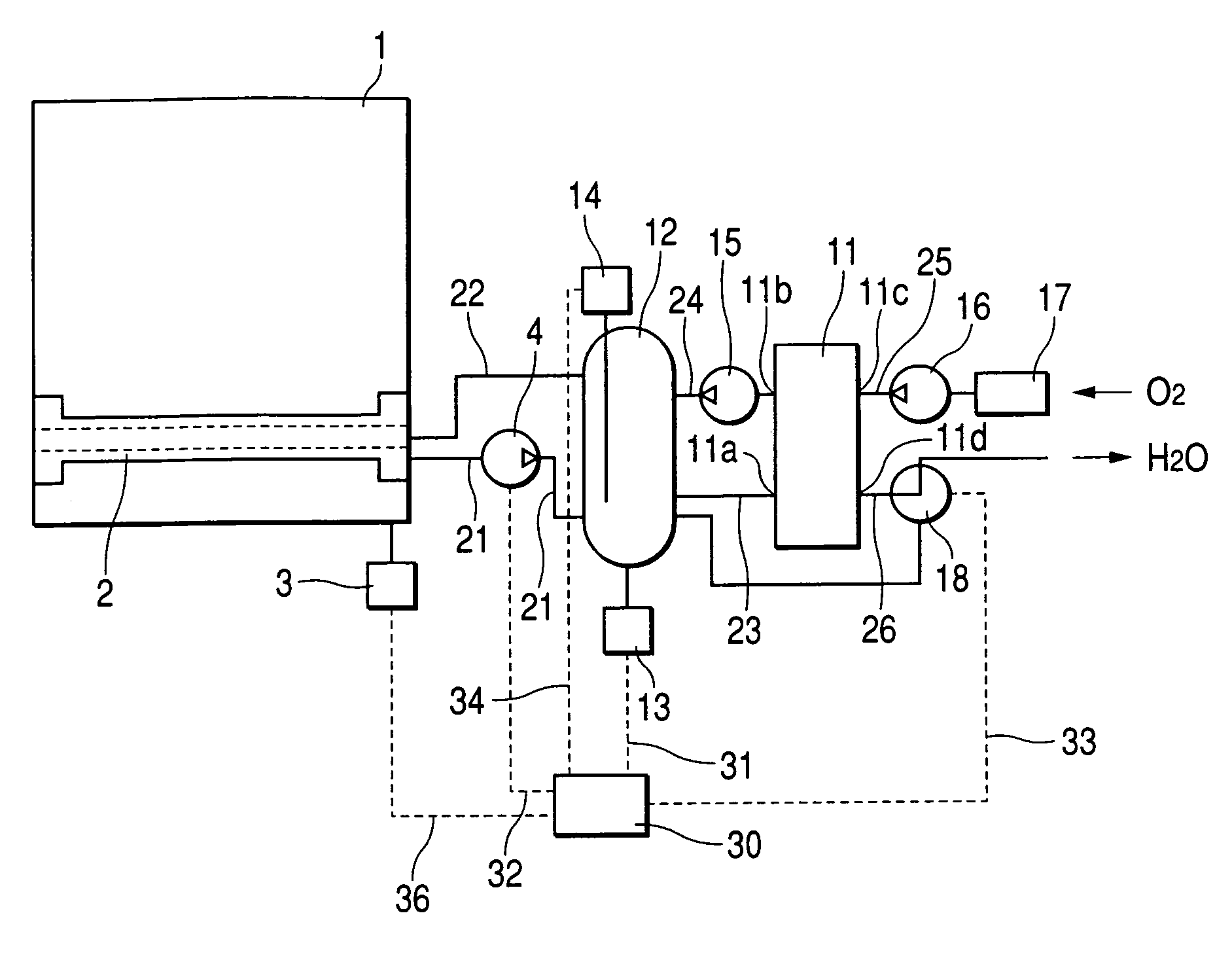
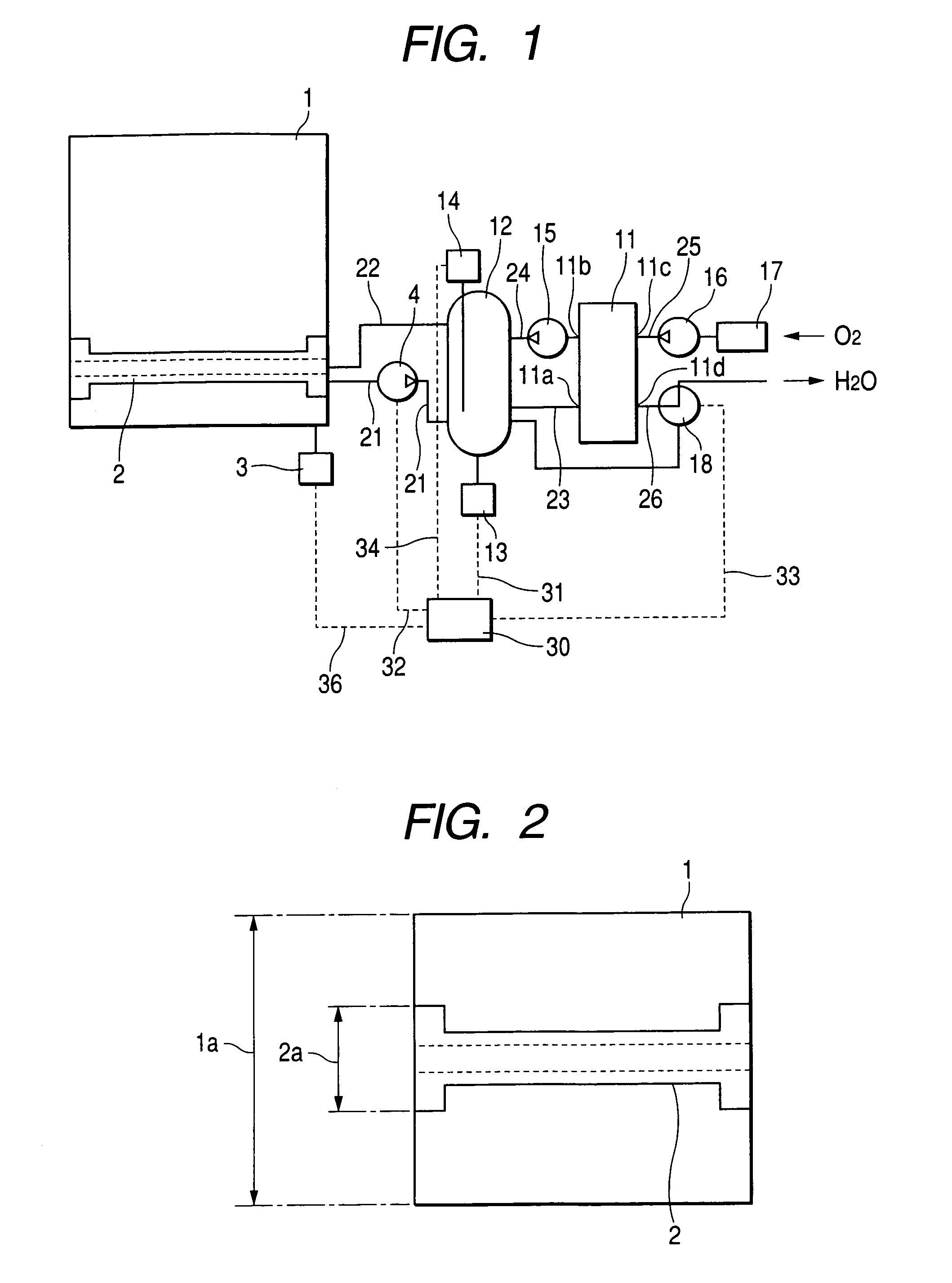
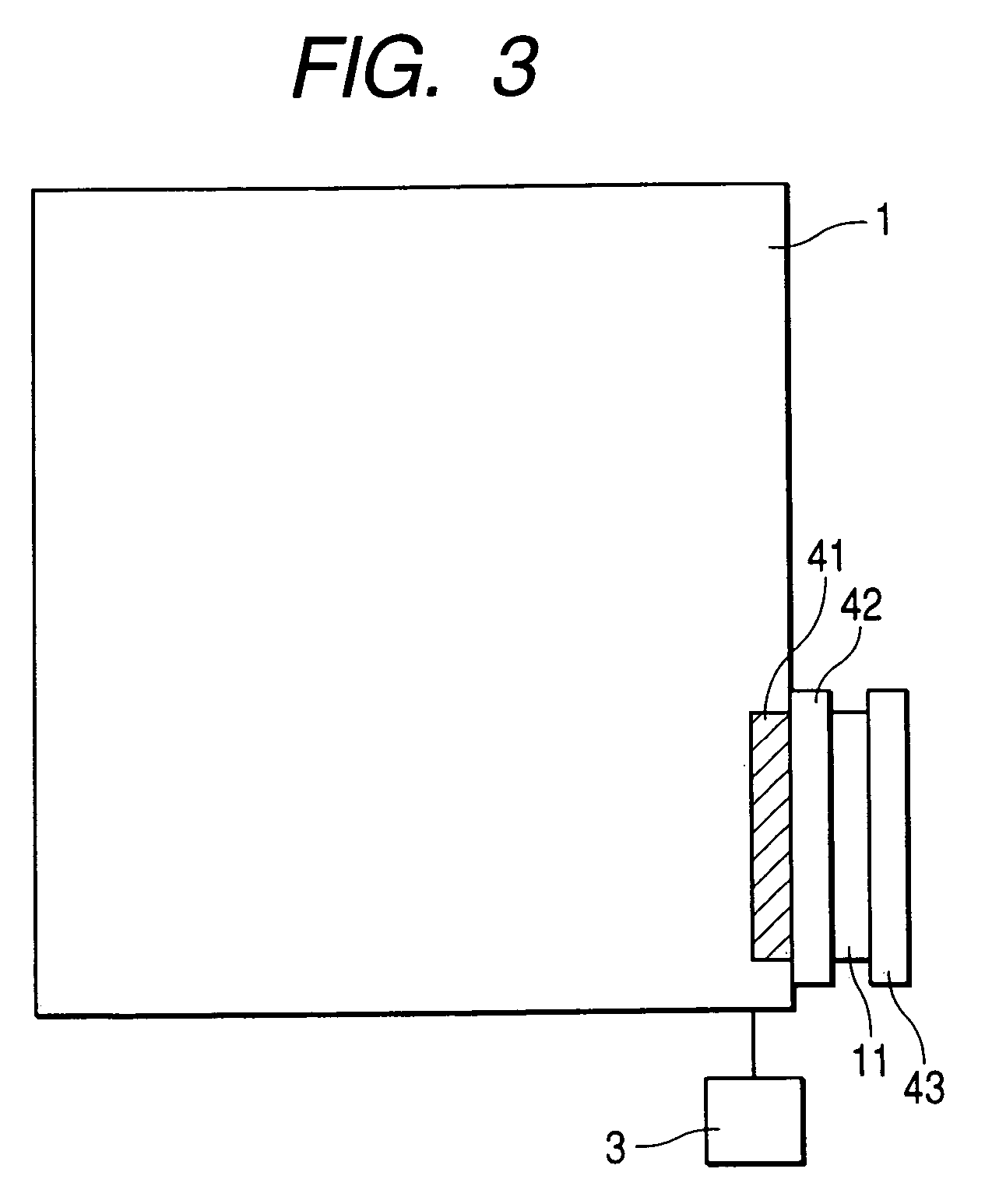
- A fuel cell system that utilizes windshield washer fluid as a source of methanol, with a permeable membrane extracting methanol from the fluid for direct use in a fuel cell, eliminating the need for a separate fuel container and reformer, and incorporating a controller to maintain optimal methanol concentration.

Hydrogen Infrastructure and Policy Framework
The successful deployment of fuel cell vehicles requires a comprehensive hydrogen infrastructure ecosystem supported by robust policy frameworks. Current hydrogen refueling infrastructure remains limited globally, with approximately 800 operational stations worldwide as of 2024, primarily concentrated in Japan, California, Germany, and South Korea. This sparse network creates significant barriers to widespread fuel cell vehicle adoption, as consumers require convenient access to refueling facilities comparable to conventional gasoline stations.
Infrastructure development faces substantial capital investment challenges, with individual hydrogen refueling stations costing between $1-3 million to construct. The high upfront costs stem from specialized equipment requirements, including high-pressure storage systems, compression units, and safety systems designed to handle hydrogen's unique properties. Additionally, hydrogen production, transportation, and storage infrastructure must be established to support these refueling networks, requiring coordinated investment across multiple industry sectors.
Policy frameworks play a crucial role in accelerating hydrogen infrastructure development through various mechanisms. Government subsidies and tax incentives have proven effective in early-stage deployment, with countries like Japan providing substantial support for both infrastructure development and vehicle purchases. Regulatory standards for hydrogen safety, quality, and dispensing protocols ensure consistent performance across different regions while building consumer confidence in the technology.
International coordination efforts are emerging to standardize hydrogen infrastructure components and protocols. The International Organization for Standardization has developed standards for hydrogen fuel quality and refueling interfaces, facilitating global supply chain development and reducing costs through economies of scale. These standardization efforts are essential for automotive manufacturers designing vehicles for multiple markets.
Future policy directions increasingly focus on green hydrogen production incentives, linking fuel cell vehicle deployment with renewable energy development. Carbon pricing mechanisms and low-emission zone regulations create additional market drivers for hydrogen infrastructure investment, while public-private partnerships help distribute financial risks associated with early-stage infrastructure development.
Infrastructure development faces substantial capital investment challenges, with individual hydrogen refueling stations costing between $1-3 million to construct. The high upfront costs stem from specialized equipment requirements, including high-pressure storage systems, compression units, and safety systems designed to handle hydrogen's unique properties. Additionally, hydrogen production, transportation, and storage infrastructure must be established to support these refueling networks, requiring coordinated investment across multiple industry sectors.
Policy frameworks play a crucial role in accelerating hydrogen infrastructure development through various mechanisms. Government subsidies and tax incentives have proven effective in early-stage deployment, with countries like Japan providing substantial support for both infrastructure development and vehicle purchases. Regulatory standards for hydrogen safety, quality, and dispensing protocols ensure consistent performance across different regions while building consumer confidence in the technology.
International coordination efforts are emerging to standardize hydrogen infrastructure components and protocols. The International Organization for Standardization has developed standards for hydrogen fuel quality and refueling interfaces, facilitating global supply chain development and reducing costs through economies of scale. These standardization efforts are essential for automotive manufacturers designing vehicles for multiple markets.
Future policy directions increasingly focus on green hydrogen production incentives, linking fuel cell vehicle deployment with renewable energy development. Carbon pricing mechanisms and low-emission zone regulations create additional market drivers for hydrogen infrastructure investment, while public-private partnerships help distribute financial risks associated with early-stage infrastructure development.
Safety Standards for Automotive Fuel Cell Systems
The implementation of fuel cell systems in automotive applications necessitates adherence to comprehensive safety standards that address the unique risks associated with hydrogen storage, distribution, and electrochemical conversion. Current regulatory frameworks encompass multiple international and regional standards, including ISO 23273 series for fuel cell road vehicles, SAE J2578 for general fuel cell vehicle safety, and ECE R134 for hydrogen and fuel cell vehicles. These standards establish fundamental safety requirements covering system design, installation, operation, and maintenance protocols.
Hydrogen storage safety represents a critical component of automotive fuel cell safety standards. High-pressure hydrogen storage systems, typically operating at 350 or 700 bar, require robust containment vessels meeting stringent material specifications and testing protocols. Standards mandate comprehensive leak detection systems, pressure relief devices, and thermal protection measures to prevent catastrophic failures. Additionally, crash safety requirements ensure that hydrogen storage systems maintain integrity during collision scenarios through specialized valve designs and structural reinforcement specifications.
Electrical safety standards for fuel cell systems address the inherent risks of high-voltage electrical components operating in automotive environments. These regulations specify insulation requirements, grounding protocols, and protection against electrical shock hazards. Standards also mandate fail-safe mechanisms for system shutdown during emergency conditions and establish requirements for electromagnetic compatibility to prevent interference with vehicle control systems.
Fire and explosion prevention measures constitute another essential aspect of fuel cell safety standards. Regulations require implementation of hydrogen concentration monitoring systems, ventilation requirements for enclosed spaces, and specific protocols for emergency response procedures. Standards also address the integration of fuel cell systems with existing vehicle safety systems, including airbag deployment considerations and emergency responder access requirements.
Ongoing standardization efforts focus on harmonizing international regulations and addressing emerging technologies such as solid oxide fuel cells and advanced hydrogen storage methods. Regulatory bodies continue to refine testing procedures and performance criteria based on real-world operational data and technological advancements, ensuring that safety standards evolve alongside fuel cell technology development.
Hydrogen storage safety represents a critical component of automotive fuel cell safety standards. High-pressure hydrogen storage systems, typically operating at 350 or 700 bar, require robust containment vessels meeting stringent material specifications and testing protocols. Standards mandate comprehensive leak detection systems, pressure relief devices, and thermal protection measures to prevent catastrophic failures. Additionally, crash safety requirements ensure that hydrogen storage systems maintain integrity during collision scenarios through specialized valve designs and structural reinforcement specifications.
Electrical safety standards for fuel cell systems address the inherent risks of high-voltage electrical components operating in automotive environments. These regulations specify insulation requirements, grounding protocols, and protection against electrical shock hazards. Standards also mandate fail-safe mechanisms for system shutdown during emergency conditions and establish requirements for electromagnetic compatibility to prevent interference with vehicle control systems.
Fire and explosion prevention measures constitute another essential aspect of fuel cell safety standards. Regulations require implementation of hydrogen concentration monitoring systems, ventilation requirements for enclosed spaces, and specific protocols for emergency response procedures. Standards also address the integration of fuel cell systems with existing vehicle safety systems, including airbag deployment considerations and emergency responder access requirements.
Ongoing standardization efforts focus on harmonizing international regulations and addressing emerging technologies such as solid oxide fuel cells and advanced hydrogen storage methods. Regulatory bodies continue to refine testing procedures and performance criteria based on real-world operational data and technological advancements, ensuring that safety standards evolve alongside fuel cell technology development.
Unlock deeper insights with PatSnap Eureka Quick Research — get a full tech report to explore trends and direct your research. Try now!
Generate Your Research Report Instantly with AI Agent
Supercharge your innovation with PatSnap Eureka AI Agent Platform!