Evaluating Interlayer Bonding in Complex Tissue Constructs
MAR 5, 20269 MIN READ
Generate Your Research Report Instantly with AI Agent
PatSnap Eureka helps you evaluate technical feasibility & market potential.
Tissue Engineering Interlayer Bonding Background and Objectives
Tissue engineering has emerged as a revolutionary field that combines principles of engineering, biology, and medicine to develop functional substitutes for damaged or diseased tissues and organs. The discipline originated in the 1980s and has since evolved into a multidisciplinary approach addressing critical healthcare challenges, particularly the shortage of donor organs and limitations of traditional treatment methods.
The development of complex tissue constructs represents a significant advancement beyond simple single-layer tissue engineering approaches. These sophisticated structures aim to replicate the intricate architecture and functionality of native tissues, which often consist of multiple distinct layers with varying cellular compositions, extracellular matrix properties, and mechanical characteristics. Examples include skin with its epidermis and dermis layers, blood vessels with endothelial and smooth muscle layers, and cartilage-bone interfaces in orthopedic applications.
However, the creation of multilayered tissue constructs introduces a critical challenge: ensuring robust interlayer bonding between different tissue components. Poor interlayer adhesion can lead to delamination, mechanical failure, and ultimately, construct dysfunction upon implantation. This challenge has become increasingly prominent as researchers develop more sophisticated tissue engineering strategies involving multiple cell types, biomaterials, and fabrication techniques.
The historical progression of tissue engineering has witnessed a clear evolution from simple scaffold-based approaches to complex multi-component systems. Early tissue engineering efforts focused primarily on single-cell-type constructs using basic biomaterial scaffolds. As the field matured, researchers began incorporating multiple cell types and developing gradient structures to better mimic native tissue complexity.
Current technological objectives in evaluating interlayer bonding center on developing comprehensive assessment methodologies that can accurately predict the long-term stability and functionality of complex tissue constructs. These objectives encompass both immediate post-fabrication evaluation and long-term performance prediction under physiological conditions.
The primary technical goals include establishing standardized testing protocols for mechanical interlayer adhesion, developing non-destructive evaluation techniques for real-time monitoring, and creating predictive models that correlate bonding strength with construct longevity. Additionally, there is a growing emphasis on understanding the biological mechanisms underlying interlayer integration, including cell migration, extracellular matrix remodeling, and vascularization across tissue boundaries.
These objectives are driven by the ultimate goal of translating complex tissue constructs from laboratory settings to clinical applications, where reliable interlayer bonding is essential for therapeutic success and patient safety.
The development of complex tissue constructs represents a significant advancement beyond simple single-layer tissue engineering approaches. These sophisticated structures aim to replicate the intricate architecture and functionality of native tissues, which often consist of multiple distinct layers with varying cellular compositions, extracellular matrix properties, and mechanical characteristics. Examples include skin with its epidermis and dermis layers, blood vessels with endothelial and smooth muscle layers, and cartilage-bone interfaces in orthopedic applications.
However, the creation of multilayered tissue constructs introduces a critical challenge: ensuring robust interlayer bonding between different tissue components. Poor interlayer adhesion can lead to delamination, mechanical failure, and ultimately, construct dysfunction upon implantation. This challenge has become increasingly prominent as researchers develop more sophisticated tissue engineering strategies involving multiple cell types, biomaterials, and fabrication techniques.
The historical progression of tissue engineering has witnessed a clear evolution from simple scaffold-based approaches to complex multi-component systems. Early tissue engineering efforts focused primarily on single-cell-type constructs using basic biomaterial scaffolds. As the field matured, researchers began incorporating multiple cell types and developing gradient structures to better mimic native tissue complexity.
Current technological objectives in evaluating interlayer bonding center on developing comprehensive assessment methodologies that can accurately predict the long-term stability and functionality of complex tissue constructs. These objectives encompass both immediate post-fabrication evaluation and long-term performance prediction under physiological conditions.
The primary technical goals include establishing standardized testing protocols for mechanical interlayer adhesion, developing non-destructive evaluation techniques for real-time monitoring, and creating predictive models that correlate bonding strength with construct longevity. Additionally, there is a growing emphasis on understanding the biological mechanisms underlying interlayer integration, including cell migration, extracellular matrix remodeling, and vascularization across tissue boundaries.
These objectives are driven by the ultimate goal of translating complex tissue constructs from laboratory settings to clinical applications, where reliable interlayer bonding is essential for therapeutic success and patient safety.
Market Demand for Complex Tissue Construct Applications
The global tissue engineering market has experienced substantial growth driven by increasing demand for regenerative medicine solutions and organ transplantation alternatives. Complex tissue constructs represent a critical segment within this expanding market, addressing the urgent need for multi-layered tissue replacements that can replicate the intricate architecture of native organs and tissues. The aging population worldwide, coupled with rising incidences of chronic diseases, organ failures, and traumatic injuries, has created unprecedented demand for advanced tissue engineering solutions.
Cardiovascular applications constitute one of the largest market segments for complex tissue constructs, particularly in developing vascular grafts, heart valves, and cardiac patches. The prevalence of cardiovascular diseases globally has intensified the need for bioengineered solutions that can integrate seamlessly with existing tissue while maintaining long-term functionality. Orthopedic applications represent another significant market driver, with complex bone-cartilage constructs and multi-layered joint replacements gaining traction among surgeons seeking alternatives to traditional prosthetics.
The pharmaceutical and biotechnology industries have increasingly recognized the value of complex tissue constructs for drug testing and disease modeling applications. These three-dimensional tissue models provide more physiologically relevant platforms compared to traditional cell culture methods, enabling better prediction of drug efficacy and toxicity. This shift toward more sophisticated in vitro testing systems has created substantial market opportunities for companies developing standardized tissue construct platforms.
Regulatory frameworks across major markets have evolved to accommodate tissue engineering products, with agencies like the FDA and EMA establishing clearer pathways for approval. This regulatory clarity has encouraged investment and market entry, though stringent safety requirements continue to influence product development timelines and costs. The establishment of good manufacturing practices for tissue engineering has further legitimized the market while ensuring product quality and consistency.
Geographic market distribution shows strong concentration in North America and Europe, driven by advanced healthcare infrastructure, research capabilities, and favorable reimbursement policies. However, emerging markets in Asia-Pacific regions are demonstrating rapid growth potential, supported by increasing healthcare investments and growing medical tourism industries. The market dynamics continue to evolve as manufacturing costs decrease and technological capabilities advance, making complex tissue constructs more accessible to broader patient populations.
Cardiovascular applications constitute one of the largest market segments for complex tissue constructs, particularly in developing vascular grafts, heart valves, and cardiac patches. The prevalence of cardiovascular diseases globally has intensified the need for bioengineered solutions that can integrate seamlessly with existing tissue while maintaining long-term functionality. Orthopedic applications represent another significant market driver, with complex bone-cartilage constructs and multi-layered joint replacements gaining traction among surgeons seeking alternatives to traditional prosthetics.
The pharmaceutical and biotechnology industries have increasingly recognized the value of complex tissue constructs for drug testing and disease modeling applications. These three-dimensional tissue models provide more physiologically relevant platforms compared to traditional cell culture methods, enabling better prediction of drug efficacy and toxicity. This shift toward more sophisticated in vitro testing systems has created substantial market opportunities for companies developing standardized tissue construct platforms.
Regulatory frameworks across major markets have evolved to accommodate tissue engineering products, with agencies like the FDA and EMA establishing clearer pathways for approval. This regulatory clarity has encouraged investment and market entry, though stringent safety requirements continue to influence product development timelines and costs. The establishment of good manufacturing practices for tissue engineering has further legitimized the market while ensuring product quality and consistency.
Geographic market distribution shows strong concentration in North America and Europe, driven by advanced healthcare infrastructure, research capabilities, and favorable reimbursement policies. However, emerging markets in Asia-Pacific regions are demonstrating rapid growth potential, supported by increasing healthcare investments and growing medical tourism industries. The market dynamics continue to evolve as manufacturing costs decrease and technological capabilities advance, making complex tissue constructs more accessible to broader patient populations.
Current State and Challenges in Interlayer Bonding Assessment
The assessment of interlayer bonding in complex tissue constructs represents a critical frontier in tissue engineering, where current methodologies face significant limitations in accurately characterizing the mechanical and biological integration between different tissue layers. Traditional mechanical testing approaches, including tensile and shear testing, provide limited insight into the three-dimensional nature of interlayer adhesion and often require destructive sample preparation that precludes longitudinal studies.
Current imaging technologies present substantial challenges in visualizing interlayer interfaces with sufficient resolution and contrast. While confocal microscopy offers cellular-level detail, its limited penetration depth restricts analysis to superficial layers of thick constructs. Micro-computed tomography provides excellent three-dimensional visualization but lacks the resolution necessary to assess cellular-level bonding mechanisms. Advanced techniques such as two-photon microscopy show promise but remain expensive and technically demanding for routine assessment.
The heterogeneous nature of complex tissue constructs introduces additional complications in bonding evaluation. Different tissue types exhibit varying mechanical properties, cellular compositions, and extracellular matrix organizations, making standardized assessment protocols difficult to establish. The dynamic nature of tissue remodeling further complicates evaluation, as bonding strength and quality evolve throughout the maturation process.
Biochemical assessment methods face challenges in distinguishing between interlayer bonding and intra-layer matrix development. Current protein and gene expression analyses often provide bulk measurements that obscure localized bonding phenomena at tissue interfaces. The lack of specific biomarkers for interlayer integration limits the ability to quantitatively assess bonding quality through molecular approaches.
Standardization remains a critical challenge across the field. The absence of universally accepted protocols for interlayer bonding assessment leads to inconsistent results between research groups and limits the translation of findings to clinical applications. Variability in construct preparation methods, culture conditions, and assessment timepoints further compounds these standardization issues.
The integration of multiple assessment modalities presents both opportunities and challenges. While combining mechanical, imaging, and biochemical approaches could provide comprehensive bonding evaluation, the complexity of data integration and interpretation requires sophisticated analytical frameworks that are still under development. Real-time, non-destructive monitoring capabilities remain particularly elusive, limiting the ability to track bonding development dynamically.
Current imaging technologies present substantial challenges in visualizing interlayer interfaces with sufficient resolution and contrast. While confocal microscopy offers cellular-level detail, its limited penetration depth restricts analysis to superficial layers of thick constructs. Micro-computed tomography provides excellent three-dimensional visualization but lacks the resolution necessary to assess cellular-level bonding mechanisms. Advanced techniques such as two-photon microscopy show promise but remain expensive and technically demanding for routine assessment.
The heterogeneous nature of complex tissue constructs introduces additional complications in bonding evaluation. Different tissue types exhibit varying mechanical properties, cellular compositions, and extracellular matrix organizations, making standardized assessment protocols difficult to establish. The dynamic nature of tissue remodeling further complicates evaluation, as bonding strength and quality evolve throughout the maturation process.
Biochemical assessment methods face challenges in distinguishing between interlayer bonding and intra-layer matrix development. Current protein and gene expression analyses often provide bulk measurements that obscure localized bonding phenomena at tissue interfaces. The lack of specific biomarkers for interlayer integration limits the ability to quantitatively assess bonding quality through molecular approaches.
Standardization remains a critical challenge across the field. The absence of universally accepted protocols for interlayer bonding assessment leads to inconsistent results between research groups and limits the translation of findings to clinical applications. Variability in construct preparation methods, culture conditions, and assessment timepoints further compounds these standardization issues.
The integration of multiple assessment modalities presents both opportunities and challenges. While combining mechanical, imaging, and biochemical approaches could provide comprehensive bonding evaluation, the complexity of data integration and interpretation requires sophisticated analytical frameworks that are still under development. Real-time, non-destructive monitoring capabilities remain particularly elusive, limiting the ability to track bonding development dynamically.
Existing Solutions for Interlayer Bonding Evaluation
01 Surface treatment methods for enhancing interlayer bonding
Various surface treatment techniques can be applied to improve interlayer bonding strength. These methods include plasma treatment, corona treatment, chemical etching, and mechanical roughening of surfaces before bonding. Surface activation increases surface energy and creates reactive sites that promote better adhesion between layers. These treatments modify the surface chemistry and topography to enhance mechanical interlocking and chemical bonding at the interface.- Surface treatment methods for enhancing interlayer bonding: Various surface treatment techniques can be applied to improve interlayer bonding strength. These methods include plasma treatment, corona treatment, chemical etching, and mechanical roughening of surfaces before bonding. Surface activation increases surface energy and creates reactive sites that promote better adhesion between layers. These treatments modify the surface chemistry and topography to enhance mechanical interlocking and chemical bonding at the interface.
- Use of adhesive interlayers and bonding agents: Incorporating specialized adhesive materials or bonding agents between layers significantly improves bonding strength. These materials can include epoxy resins, polyurethane adhesives, silane coupling agents, and other polymeric bonding compounds. The adhesive interlayers fill gaps, reduce stress concentration, and create strong chemical bonds with both adjacent layers. Selection of appropriate adhesive composition and application methods is critical for achieving optimal bonding performance.
- Optimization of processing parameters during bonding: Controlling processing parameters such as temperature, pressure, time, and heating rate during the bonding process is essential for achieving high interlayer bonding strength. Proper parameter optimization ensures adequate material flow, interdiffusion, and chemical reactions at the interface. Parameters must be tailored to the specific materials being bonded and the bonding method employed, whether it be thermal bonding, pressure bonding, or combined processes.
- Material composition and compatibility for interlayer bonding: The chemical composition and compatibility of materials being bonded directly affect interlayer bonding strength. Using materials with similar thermal expansion coefficients, compatible chemical structures, and appropriate molecular weights can enhance bonding. Addition of compatibilizers, coupling agents, or functional groups to base materials improves interfacial adhesion. Material selection should consider both the bulk properties and interfacial interactions to achieve strong and durable bonds.
- Structural design and mechanical reinforcement techniques: Implementing specific structural designs and mechanical reinforcement methods can significantly enhance interlayer bonding strength. These approaches include creating interlocking structures, using anchor points, incorporating reinforcing fibers or particles at interfaces, and designing gradient structures. Mechanical reinforcement distributes stress more evenly across the bonded interface and prevents delamination. Structural optimization combined with appropriate bonding methods results in improved overall bonding performance and durability.
02 Use of adhesive interlayers and bonding agents
Incorporating specialized adhesive materials or bonding agents between layers can significantly improve bonding strength. These materials include adhesive films, coupling agents, primers, and intermediate bonding layers that create strong chemical and physical bonds between adjacent layers. The selection of appropriate adhesive compositions based on the substrate materials is critical for achieving optimal interlayer adhesion and mechanical performance.Expand Specific Solutions03 Optimization of processing parameters during bonding
Controlling processing conditions such as temperature, pressure, time, and heating rate during the bonding process is essential for achieving strong interlayer bonds. Proper parameter optimization ensures adequate material flow, interdiffusion, and chemical reactions at the interface. Process parameters must be tailored to the specific materials being bonded to achieve maximum bonding strength while avoiding defects such as voids, delamination, or thermal degradation.Expand Specific Solutions04 Structural design features for improved interlayer bonding
Implementing specific structural designs and geometric features can enhance interlayer bonding strength. These include the use of interlocking structures, anchor points, mechanical fasteners, textured surfaces, and optimized layer thickness ratios. Structural modifications create mechanical interlocking effects and increase the effective bonding area, resulting in improved resistance to delamination and enhanced overall structural integrity.Expand Specific Solutions05 Material composition and compatibility optimization
Selecting compatible materials and optimizing their compositions is fundamental for achieving strong interlayer bonding. This includes matching thermal expansion coefficients, surface energies, and chemical compatibility between adjacent layers. Material modifications such as adding compatibilizers, reinforcing agents, or functional additives can improve interfacial adhesion. Proper material selection minimizes residual stresses and prevents interfacial failure during service conditions.Expand Specific Solutions
Key Players in Tissue Engineering and Bonding Technologies
The competitive landscape for evaluating interlayer bonding in complex tissue constructs represents an emerging field at the intersection of biomedical engineering and materials science. The industry is in its early development stage, with significant growth potential driven by advancing tissue engineering and regenerative medicine applications. Market size remains relatively small but expanding rapidly as clinical applications mature. Technology maturity varies considerably across players, with established materials companies like Toray Industries and Dow Global Technologies leveraging polymer expertise, while specialized biomedical firms such as Shanghai Zhuo Ruan Medical Technology focus on extracellular matrix biomaterials. Academic institutions including ETH Zurich, University of Washington, and Osaka University contribute fundamental research, while automotive companies like Toyota and Nissan explore applications in bio-inspired materials, creating a diverse ecosystem spanning multiple industries and technological approaches.
Oxford University Innovation Ltd.
Technical Solution: Specializes in novel sensor technologies for real-time monitoring of tissue construct integration and bonding strength. Their approach utilizes embedded microsensors and wireless monitoring systems to continuously assess interlayer bonding during tissue development and maturation processes. The technology platform includes development of biocompatible sensor materials and data acquisition systems that can operate within biological environments without interfering with tissue growth and development.
Strengths: Real-time monitoring capabilities and innovative sensor technology. Weaknesses: Early-stage technology with limited clinical validation and potential biocompatibility concerns.
The Regents of the University of California
Technical Solution: Develops advanced microscopy and spectroscopic techniques for evaluating interlayer bonding in tissue constructs. Their approach combines multiphoton microscopy with fluorescent labeling to assess cellular adhesion and extracellular matrix integration between tissue layers. The technology utilizes quantitative imaging analysis to measure bond strength parameters including adhesion force distribution, interface morphology, and cellular migration patterns across construct boundaries. Their methods enable real-time monitoring of tissue integration processes and provide detailed characterization of mechanical properties at the cellular level.
Strengths: Cutting-edge imaging capabilities and strong research foundation. Weaknesses: Limited commercial scalability and high equipment costs.
Core Innovations in Bonding Assessment Technologies
Method for connecting scaffold structures for tissue engineering applications, implants and transplants in surgery by means of layer-by-layer methods
PatentWO2016088117A8
Innovation
- The layer-by-layer (LbL) method is employed to create multilayer systems using polyelectrolytes for crosslinking porous scaffolds, membranes, and hydrogels, enabling stable bonding through electrostatic interactions and enzymatic or chemical crosslinking, ensuring biocompatibility and strong adhesion without toxic by-products.
Biological material with composite extracellular matrix components
PatentInactiveUS20220054707A1
Innovation
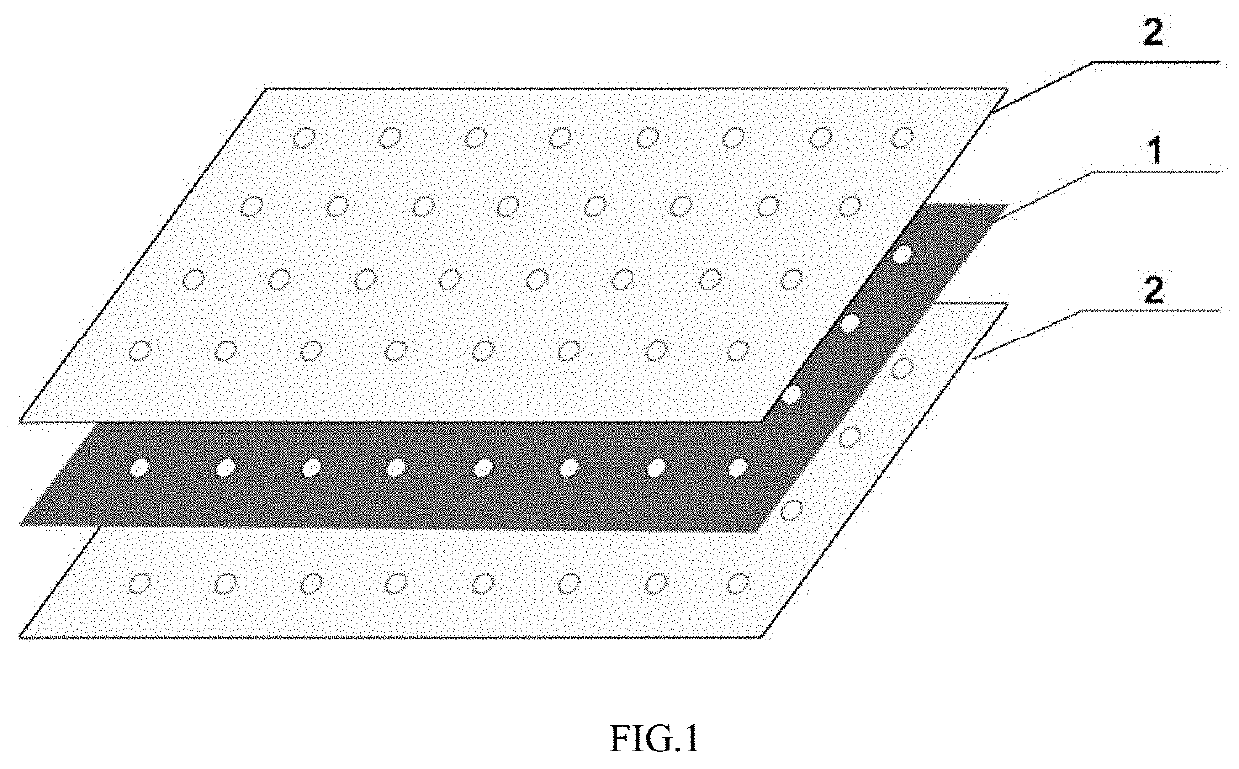
- A composite biological material is developed using decellularized small intestinal submucosa (SIS) as an interlayer and decellularized urinary bladder matrix (UBM) as surface layers, forming a sandwich structure with enhanced bioactivity, mechanical strength, and reduced immunogenicity, and treated with lipid reduction and alkali processes to minimize endotoxin content.
Regulatory Framework for Tissue Engineering Products
The regulatory landscape for tissue engineering products, particularly those involving complex tissue constructs with critical interlayer bonding requirements, presents a multifaceted framework that varies significantly across global jurisdictions. In the United States, the Food and Drug Administration (FDA) classifies tissue-engineered products under the Center for Biologics Evaluation and Research (CBER) or Center for Devices and Radiological Health (CDRH), depending on their primary mode of action and composition. Products requiring interlayer bonding evaluation typically fall under combination product regulations, necessitating comprehensive preclinical testing protocols that demonstrate both structural integrity and biological safety.
The European Medicines Agency (EMA) operates under the Advanced Therapy Medicinal Products (ATMP) regulation, which specifically addresses tissue-engineered products through the Committee for Advanced Therapies (CAT). This framework requires detailed characterization of interlayer bonding properties as part of the quality assessment, including mechanical testing protocols and long-term stability studies. The regulation emphasizes risk-based approaches, where products with complex multi-layered architectures undergo enhanced scrutiny regarding their structural cohesion and potential delamination risks.
Quality control standards for interlayer bonding evaluation are governed by ISO 10993 series for biological evaluation of medical devices, supplemented by ASTM standards for mechanical testing of biomaterials. Regulatory agencies require validated testing methodologies that can reliably assess bond strength, durability under physiological conditions, and failure modes. These standards mandate both in vitro and in vivo evaluation protocols, with specific attention to how interlayer interfaces behave under dynamic loading conditions typical of implantation sites.
Manufacturing compliance requirements under Good Manufacturing Practice (GMP) guidelines necessitate robust process controls for achieving consistent interlayer bonding. Regulatory submissions must include detailed manufacturing protocols, process validation studies, and quality specifications that ensure reproducible bonding characteristics across production batches. The regulatory framework also requires comprehensive risk management plans addressing potential bonding failures and their clinical implications.
Post-market surveillance obligations include monitoring for product performance issues related to interlayer separation or degradation, with mandatory adverse event reporting systems. Regulatory agencies increasingly emphasize real-world evidence collection to validate long-term performance of complex tissue constructs, particularly regarding the durability of interlayer bonds under physiological stress conditions.
The European Medicines Agency (EMA) operates under the Advanced Therapy Medicinal Products (ATMP) regulation, which specifically addresses tissue-engineered products through the Committee for Advanced Therapies (CAT). This framework requires detailed characterization of interlayer bonding properties as part of the quality assessment, including mechanical testing protocols and long-term stability studies. The regulation emphasizes risk-based approaches, where products with complex multi-layered architectures undergo enhanced scrutiny regarding their structural cohesion and potential delamination risks.
Quality control standards for interlayer bonding evaluation are governed by ISO 10993 series for biological evaluation of medical devices, supplemented by ASTM standards for mechanical testing of biomaterials. Regulatory agencies require validated testing methodologies that can reliably assess bond strength, durability under physiological conditions, and failure modes. These standards mandate both in vitro and in vivo evaluation protocols, with specific attention to how interlayer interfaces behave under dynamic loading conditions typical of implantation sites.
Manufacturing compliance requirements under Good Manufacturing Practice (GMP) guidelines necessitate robust process controls for achieving consistent interlayer bonding. Regulatory submissions must include detailed manufacturing protocols, process validation studies, and quality specifications that ensure reproducible bonding characteristics across production batches. The regulatory framework also requires comprehensive risk management plans addressing potential bonding failures and their clinical implications.
Post-market surveillance obligations include monitoring for product performance issues related to interlayer separation or degradation, with mandatory adverse event reporting systems. Regulatory agencies increasingly emphasize real-world evidence collection to validate long-term performance of complex tissue constructs, particularly regarding the durability of interlayer bonds under physiological stress conditions.
Biocompatibility Standards for Complex Tissue Constructs
Biocompatibility standards for complex tissue constructs represent a critical framework that governs the safety and efficacy of engineered tissues intended for clinical applications. These standards encompass comprehensive evaluation protocols that assess the biological response of host tissues to implanted constructs, ensuring minimal adverse reactions while promoting optimal integration and functionality.
The International Organization for Standardization (ISO) 10993 series serves as the foundational guideline for biological evaluation of medical devices, with specific adaptations for tissue-engineered products. These standards mandate systematic testing protocols including cytotoxicity assessments, sensitization studies, irritation evaluations, and systemic toxicity analyses. For complex tissue constructs, additional considerations include degradation product analysis, immune response characterization, and long-term biocompatibility monitoring.
Regulatory frameworks vary significantly across different jurisdictions, with the FDA's guidance documents for tissue-engineered medical products providing specific requirements for preclinical and clinical evaluation. The European Medicines Agency (EMA) has established parallel guidelines under the Advanced Therapy Medicinal Products (ATMP) regulation, emphasizing risk-based approaches to biocompatibility assessment.
Material-specific biocompatibility criteria address the diverse components used in complex tissue constructs, including natural polymers, synthetic scaffolds, and cellular components. Collagen-based matrices require evaluation for immunogenicity and cross-linking stability, while synthetic polymers demand assessment of degradation kinetics and metabolite toxicity. Hydrogel systems necessitate specialized testing for swelling behavior and mechanical property changes in physiological environments.
Emerging standards focus on advanced evaluation methodologies, including in vitro organ-on-chip models and computational toxicology approaches. These innovative assessment tools aim to reduce animal testing while providing more predictive biocompatibility data. Multi-parametric evaluation platforms enable simultaneous assessment of cellular viability, inflammatory responses, and tissue remodeling processes, offering comprehensive biocompatibility profiles for complex tissue constructs in development.
The International Organization for Standardization (ISO) 10993 series serves as the foundational guideline for biological evaluation of medical devices, with specific adaptations for tissue-engineered products. These standards mandate systematic testing protocols including cytotoxicity assessments, sensitization studies, irritation evaluations, and systemic toxicity analyses. For complex tissue constructs, additional considerations include degradation product analysis, immune response characterization, and long-term biocompatibility monitoring.
Regulatory frameworks vary significantly across different jurisdictions, with the FDA's guidance documents for tissue-engineered medical products providing specific requirements for preclinical and clinical evaluation. The European Medicines Agency (EMA) has established parallel guidelines under the Advanced Therapy Medicinal Products (ATMP) regulation, emphasizing risk-based approaches to biocompatibility assessment.
Material-specific biocompatibility criteria address the diverse components used in complex tissue constructs, including natural polymers, synthetic scaffolds, and cellular components. Collagen-based matrices require evaluation for immunogenicity and cross-linking stability, while synthetic polymers demand assessment of degradation kinetics and metabolite toxicity. Hydrogel systems necessitate specialized testing for swelling behavior and mechanical property changes in physiological environments.
Emerging standards focus on advanced evaluation methodologies, including in vitro organ-on-chip models and computational toxicology approaches. These innovative assessment tools aim to reduce animal testing while providing more predictive biocompatibility data. Multi-parametric evaluation platforms enable simultaneous assessment of cellular viability, inflammatory responses, and tissue remodeling processes, offering comprehensive biocompatibility profiles for complex tissue constructs in development.
Unlock deeper insights with PatSnap Eureka Quick Research — get a full tech report to explore trends and direct your research. Try now!
Generate Your Research Report Instantly with AI Agent
Supercharge your innovation with PatSnap Eureka AI Agent Platform!