

Evaluating Process Scalability for Silicon Oxide Battery Scale-Up
MAY 26, 20269 MIN READ
Generate Your Research Report Instantly with AI Agent
PatSnap Eureka helps you evaluate technical feasibility & market potential.
Silicon Oxide Battery Scalability Background and Objectives
Silicon oxide (SiOx) battery technology represents a significant advancement in lithium-ion battery chemistry, offering substantially higher energy density compared to conventional graphite anodes. The evolution of SiOx materials began in the early 2000s when researchers identified silicon's theoretical capacity of 4,200 mAh/g, nearly ten times that of graphite. However, pure silicon's dramatic volume expansion during lithiation cycles led to rapid capacity degradation, prompting the development of silicon oxide composites that balance performance with structural stability.
The technological progression has been marked by several critical milestones. Initial research focused on silicon nanowires and nanoparticles to mitigate volume expansion effects. Subsequently, the introduction of silicon oxide materials provided a breakthrough by incorporating oxygen atoms that form stable lithium silicate phases, creating internal buffering mechanisms. Recent developments have concentrated on optimizing the oxygen content ratio, typically ranging from SiO0.5 to SiO1.5, to achieve optimal performance characteristics.
Current market drivers for SiOx battery technology stem from the rapidly expanding electric vehicle sector and portable electronics industry's demand for higher energy density solutions. The global push toward electrification has created unprecedented pressure on battery manufacturers to deliver cells with extended range capabilities while maintaining safety standards and cost competitiveness. Consumer electronics manufacturers similarly require batteries that can support increasingly power-hungry applications within compact form factors.
The primary technical objectives for SiOx battery scale-up encompass several interconnected challenges. Manufacturing scalability requires developing consistent synthesis processes that can produce uniform SiOx particles with controlled morphology and composition across large production volumes. Process optimization must address particle size distribution, surface area control, and oxygen content uniformity while maintaining economic viability.
Performance standardization represents another critical objective, focusing on achieving reproducible electrochemical characteristics including first-cycle efficiency, capacity retention, and cycling stability. The technology must demonstrate reliable performance across diverse operating conditions and temperature ranges to meet automotive and consumer electronics requirements.
Cost reduction through economies of scale constitutes a fundamental objective, as current SiOx materials remain significantly more expensive than conventional graphite anodes. Achieving commercial viability requires developing manufacturing processes that can reduce material costs while maintaining quality standards necessary for high-performance applications.
The technological progression has been marked by several critical milestones. Initial research focused on silicon nanowires and nanoparticles to mitigate volume expansion effects. Subsequently, the introduction of silicon oxide materials provided a breakthrough by incorporating oxygen atoms that form stable lithium silicate phases, creating internal buffering mechanisms. Recent developments have concentrated on optimizing the oxygen content ratio, typically ranging from SiO0.5 to SiO1.5, to achieve optimal performance characteristics.
Current market drivers for SiOx battery technology stem from the rapidly expanding electric vehicle sector and portable electronics industry's demand for higher energy density solutions. The global push toward electrification has created unprecedented pressure on battery manufacturers to deliver cells with extended range capabilities while maintaining safety standards and cost competitiveness. Consumer electronics manufacturers similarly require batteries that can support increasingly power-hungry applications within compact form factors.
The primary technical objectives for SiOx battery scale-up encompass several interconnected challenges. Manufacturing scalability requires developing consistent synthesis processes that can produce uniform SiOx particles with controlled morphology and composition across large production volumes. Process optimization must address particle size distribution, surface area control, and oxygen content uniformity while maintaining economic viability.
Performance standardization represents another critical objective, focusing on achieving reproducible electrochemical characteristics including first-cycle efficiency, capacity retention, and cycling stability. The technology must demonstrate reliable performance across diverse operating conditions and temperature ranges to meet automotive and consumer electronics requirements.
Cost reduction through economies of scale constitutes a fundamental objective, as current SiOx materials remain significantly more expensive than conventional graphite anodes. Achieving commercial viability requires developing manufacturing processes that can reduce material costs while maintaining quality standards necessary for high-performance applications.
Market Demand Analysis for Silicon Oxide Battery Production
The global battery market is experiencing unprecedented growth driven by the rapid expansion of electric vehicles, renewable energy storage systems, and portable electronics. Silicon oxide batteries represent a promising next-generation technology that addresses critical limitations of conventional lithium-ion batteries, particularly in energy density and charging speed. The automotive sector alone is projected to drive substantial demand for advanced battery technologies as manufacturers commit to electrification targets and governments implement stricter emission regulations.
Electric vehicle manufacturers are actively seeking battery solutions that can deliver higher energy density while maintaining safety and cost-effectiveness. Silicon oxide anodes can theoretically provide up to ten times the capacity of traditional graphite anodes, making them highly attractive for automotive applications where range anxiety remains a primary consumer concern. Major automotive OEMs have begun incorporating silicon-enhanced anodes into their battery specifications, creating immediate market pull for scalable production capabilities.
The consumer electronics market continues to demand thinner, lighter devices with longer battery life, driving requirements for higher energy density solutions. Silicon oxide batteries offer significant advantages in volumetric energy density, enabling manufacturers to design more compact devices without compromising performance. This market segment values rapid technology adoption and is willing to accept premium pricing for superior performance characteristics.
Grid-scale energy storage represents an emerging high-volume market opportunity for silicon oxide battery technology. As renewable energy deployment accelerates globally, utilities and independent power producers require large-scale storage solutions that can efficiently manage intermittent power generation. The enhanced cycle life and improved safety profile of silicon oxide batteries make them suitable candidates for stationary storage applications where long-term reliability is paramount.
Market demand is further amplified by supply chain diversification initiatives as manufacturers seek alternatives to traditional battery chemistries dominated by specific geographic regions. Silicon oxide battery production offers opportunities for establishing more distributed manufacturing capabilities, reducing supply chain risks while meeting growing regional demand for advanced energy storage solutions.
The convergence of regulatory support, technological readiness, and market demand creates a compelling case for scaling silicon oxide battery production. Government incentives for clean energy technologies and battery manufacturing are providing additional market momentum, while declining production costs through economies of scale are expected to accelerate market penetration across multiple application segments.
Electric vehicle manufacturers are actively seeking battery solutions that can deliver higher energy density while maintaining safety and cost-effectiveness. Silicon oxide anodes can theoretically provide up to ten times the capacity of traditional graphite anodes, making them highly attractive for automotive applications where range anxiety remains a primary consumer concern. Major automotive OEMs have begun incorporating silicon-enhanced anodes into their battery specifications, creating immediate market pull for scalable production capabilities.
The consumer electronics market continues to demand thinner, lighter devices with longer battery life, driving requirements for higher energy density solutions. Silicon oxide batteries offer significant advantages in volumetric energy density, enabling manufacturers to design more compact devices without compromising performance. This market segment values rapid technology adoption and is willing to accept premium pricing for superior performance characteristics.
Grid-scale energy storage represents an emerging high-volume market opportunity for silicon oxide battery technology. As renewable energy deployment accelerates globally, utilities and independent power producers require large-scale storage solutions that can efficiently manage intermittent power generation. The enhanced cycle life and improved safety profile of silicon oxide batteries make them suitable candidates for stationary storage applications where long-term reliability is paramount.
Market demand is further amplified by supply chain diversification initiatives as manufacturers seek alternatives to traditional battery chemistries dominated by specific geographic regions. Silicon oxide battery production offers opportunities for establishing more distributed manufacturing capabilities, reducing supply chain risks while meeting growing regional demand for advanced energy storage solutions.
The convergence of regulatory support, technological readiness, and market demand creates a compelling case for scaling silicon oxide battery production. Government incentives for clean energy technologies and battery manufacturing are providing additional market momentum, while declining production costs through economies of scale are expected to accelerate market penetration across multiple application segments.
Current Scalability Challenges in Silicon Oxide Battery Manufacturing
Silicon oxide battery manufacturing faces significant scalability challenges that impede the transition from laboratory-scale production to commercial-scale operations. The primary obstacle lies in maintaining consistent material properties during large-scale synthesis processes. Silicon oxide particles require precise control of size distribution, surface morphology, and internal structure to achieve optimal electrochemical performance. Current manufacturing methods struggle to replicate the uniform conditions achievable in small-batch production when scaled to industrial volumes.
Material handling and processing present another critical bottleneck in silicon oxide battery scale-up. The nanoscale nature of silicon oxide materials creates difficulties in powder handling, mixing, and transportation systems. Agglomeration tendencies increase significantly during large-scale processing, leading to non-uniform electrode compositions and compromised battery performance. Traditional mixing equipment designed for conventional battery materials proves inadequate for silicon oxide's unique physical properties and handling requirements.
Thermal management during manufacturing represents a substantial technical challenge for silicon oxide battery production. The synthesis and processing of silicon oxide materials involve temperature-sensitive reactions that require precise thermal control across large production volumes. Maintaining uniform temperature distribution in industrial-scale reactors becomes increasingly complex, potentially resulting in material property variations that directly impact final battery performance and reliability.
Quality control and characterization methodologies face significant limitations when applied to large-scale silicon oxide battery manufacturing. Current analytical techniques suitable for laboratory samples become impractical or insufficient for continuous production monitoring. The development of real-time quality assessment methods capable of detecting material inconsistencies during high-volume production remains a major technical gap requiring innovative solutions.
Equipment compatibility and process integration challenges further complicate silicon oxide battery scale-up efforts. Existing battery manufacturing infrastructure requires substantial modifications to accommodate silicon oxide materials' unique processing requirements. The corrosive nature of certain silicon oxide precursors demands specialized equipment materials and designs, significantly increasing capital investment requirements for manufacturers attempting to scale production.
Cost optimization while maintaining product quality represents the ultimate scalability challenge for silicon oxide battery manufacturing. The complex processing requirements and specialized equipment needs result in higher production costs compared to conventional battery technologies. Achieving cost-effective large-scale production requires breakthrough innovations in manufacturing processes, equipment design, and material handling systems to make silicon oxide batteries commercially viable in competitive markets.
Material handling and processing present another critical bottleneck in silicon oxide battery scale-up. The nanoscale nature of silicon oxide materials creates difficulties in powder handling, mixing, and transportation systems. Agglomeration tendencies increase significantly during large-scale processing, leading to non-uniform electrode compositions and compromised battery performance. Traditional mixing equipment designed for conventional battery materials proves inadequate for silicon oxide's unique physical properties and handling requirements.
Thermal management during manufacturing represents a substantial technical challenge for silicon oxide battery production. The synthesis and processing of silicon oxide materials involve temperature-sensitive reactions that require precise thermal control across large production volumes. Maintaining uniform temperature distribution in industrial-scale reactors becomes increasingly complex, potentially resulting in material property variations that directly impact final battery performance and reliability.
Quality control and characterization methodologies face significant limitations when applied to large-scale silicon oxide battery manufacturing. Current analytical techniques suitable for laboratory samples become impractical or insufficient for continuous production monitoring. The development of real-time quality assessment methods capable of detecting material inconsistencies during high-volume production remains a major technical gap requiring innovative solutions.
Equipment compatibility and process integration challenges further complicate silicon oxide battery scale-up efforts. Existing battery manufacturing infrastructure requires substantial modifications to accommodate silicon oxide materials' unique processing requirements. The corrosive nature of certain silicon oxide precursors demands specialized equipment materials and designs, significantly increasing capital investment requirements for manufacturers attempting to scale production.
Cost optimization while maintaining product quality represents the ultimate scalability challenge for silicon oxide battery manufacturing. The complex processing requirements and specialized equipment needs result in higher production costs compared to conventional battery technologies. Achieving cost-effective large-scale production requires breakthrough innovations in manufacturing processes, equipment design, and material handling systems to make silicon oxide batteries commercially viable in competitive markets.
Existing Process Scalability Solutions for Silicon Oxide Batteries
01 Silicon oxide nanostructure synthesis and processing methods
Advanced synthesis techniques for creating silicon oxide nanostructures with controlled morphology and properties suitable for battery applications. These methods focus on optimizing particle size distribution, surface area, and structural integrity to enhance electrochemical performance while maintaining process efficiency for large-scale production.- Silicon oxide nanostructure synthesis and preparation methods: Various synthesis techniques have been developed to produce silicon oxide materials with controlled morphology and properties for battery applications. These methods focus on creating nanostructured silicon oxide with optimal particle size distribution and surface characteristics to enhance electrochemical performance. The preparation processes include sol-gel methods, chemical vapor deposition, and thermal oxidation techniques that can be adapted for large-scale production.
- Scalable manufacturing processes for silicon oxide electrodes: Manufacturing processes have been developed to enable mass production of silicon oxide-based battery electrodes. These processes address the challenges of maintaining consistent quality and performance while scaling up from laboratory to industrial production levels. The methods include continuous processing techniques, automated coating systems, and quality control measures that ensure reproducible electrode properties across large production volumes.
- Process optimization for silicon oxide composite materials: Optimization strategies have been developed to improve the manufacturing efficiency and product quality of silicon oxide composite materials for battery applications. These approaches focus on controlling reaction parameters, temperature profiles, and processing conditions to achieve desired material properties while minimizing production costs and time. The optimization includes process monitoring and feedback control systems for consistent output quality.
- Industrial-scale equipment and reactor design: Specialized equipment and reactor configurations have been designed to support large-scale production of silicon oxide battery materials. These systems address the unique requirements of silicon oxide processing, including temperature control, atmosphere management, and material handling capabilities. The designs focus on achieving uniform processing conditions across large batch sizes while maintaining safety and environmental compliance standards.
- Quality control and characterization methods for scaled production: Comprehensive quality control systems and characterization methods have been established to ensure consistent product quality in large-scale silicon oxide battery material production. These methods include in-line monitoring techniques, statistical process control, and advanced analytical methods that can rapidly assess material properties during production. The approaches enable real-time process adjustments and maintain product specifications across different production batches.
02 Scalable manufacturing equipment and process optimization
Industrial-scale equipment design and process optimization strategies for silicon oxide battery material production. This includes reactor design, temperature control systems, and continuous processing methods that enable high-throughput manufacturing while maintaining product quality and consistency across large production volumes.Expand Specific Solutions03 Silicon oxide composite material formulation for enhanced performance
Development of silicon oxide composite materials incorporating various additives and binding agents to improve battery performance characteristics. These formulations address issues such as volume expansion, conductivity, and cycling stability while ensuring the materials can be processed using scalable manufacturing techniques.Expand Specific Solutions04 Quality control and characterization methods for mass production
Comprehensive quality control systems and characterization techniques specifically designed for large-scale silicon oxide battery material production. These methods ensure consistent material properties, detect defects early in the production process, and maintain strict quality standards required for commercial battery applications.Expand Specific Solutions05 Cost-effective raw material processing and purification
Economical approaches to raw material processing and purification that reduce production costs while maintaining high purity standards required for battery-grade silicon oxide materials. These processes focus on efficient use of resources, waste minimization, and energy optimization to achieve commercial viability at industrial scales.Expand Specific Solutions
Key Players in Silicon Oxide Battery Manufacturing Industry
The silicon oxide battery scale-up sector represents an emerging technology landscape within the rapidly expanding battery materials market, currently valued at over $50 billion globally and projected for substantial growth driven by electric vehicle adoption. The industry is in a transitional phase from laboratory development to commercial manufacturing, with technology maturity varying significantly across players. Established chemical manufacturers like Shin-Etsu Chemical and BASF Corp. leverage their process engineering expertise, while specialized battery companies such as LG Energy Solution and Ningde Amperex Technology focus on integration capabilities. Automotive giants including Tesla, Toyota, Honda, and Hyundai are driving demand through vertical integration strategies. Material specialists like BTR New Material Group and Tera Technos represent the emerging pure-play segment, while research institutions like Tianjin University contribute fundamental innovations. The competitive landscape reflects a convergence of traditional chemical processing, advanced materials science, and automotive manufacturing expertise, indicating the technology's progression toward commercial viability despite remaining scalability challenges.
LG Energy Solution Ltd.
Technical Solution: LG Energy Solution has developed advanced silicon oxide anode materials with proprietary coating technologies to enhance cycling stability and reduce volume expansion during lithium insertion/extraction processes. Their manufacturing approach focuses on controlled particle size distribution and surface modification techniques to achieve scalable production. The company utilizes specialized mixing and coating processes that can be adapted from laboratory scale to industrial production lines, incorporating real-time monitoring systems for quality control during scale-up operations.
Strengths: Established manufacturing infrastructure and proven scale-up capabilities in battery materials. Weaknesses: High capital investment requirements for specialized equipment and complex process control systems.
Toyota Motor Corp.
Technical Solution: Toyota has developed silicon oxide battery technology with emphasis on solid-state integration and scalable manufacturing processes. Their approach includes advanced material synthesis techniques and precision manufacturing methods designed for automotive-grade quality requirements. The company focuses on process standardization and quality control systems that can be scaled from research facilities to high-volume production, incorporating lean manufacturing principles and continuous improvement methodologies specifically adapted for silicon oxide battery production.
Strengths: Extensive automotive manufacturing experience and strong quality control systems with proven scale-up methodologies. Weaknesses: Conservative approach to new technology adoption may limit rapid commercialization speed.
Core Process Engineering Innovations for Silicon Oxide Scale-Up
Apparatus and method for producing silicon oxides, and silicon oxide negative electrode material
PatentWO2021210739A1
Innovation
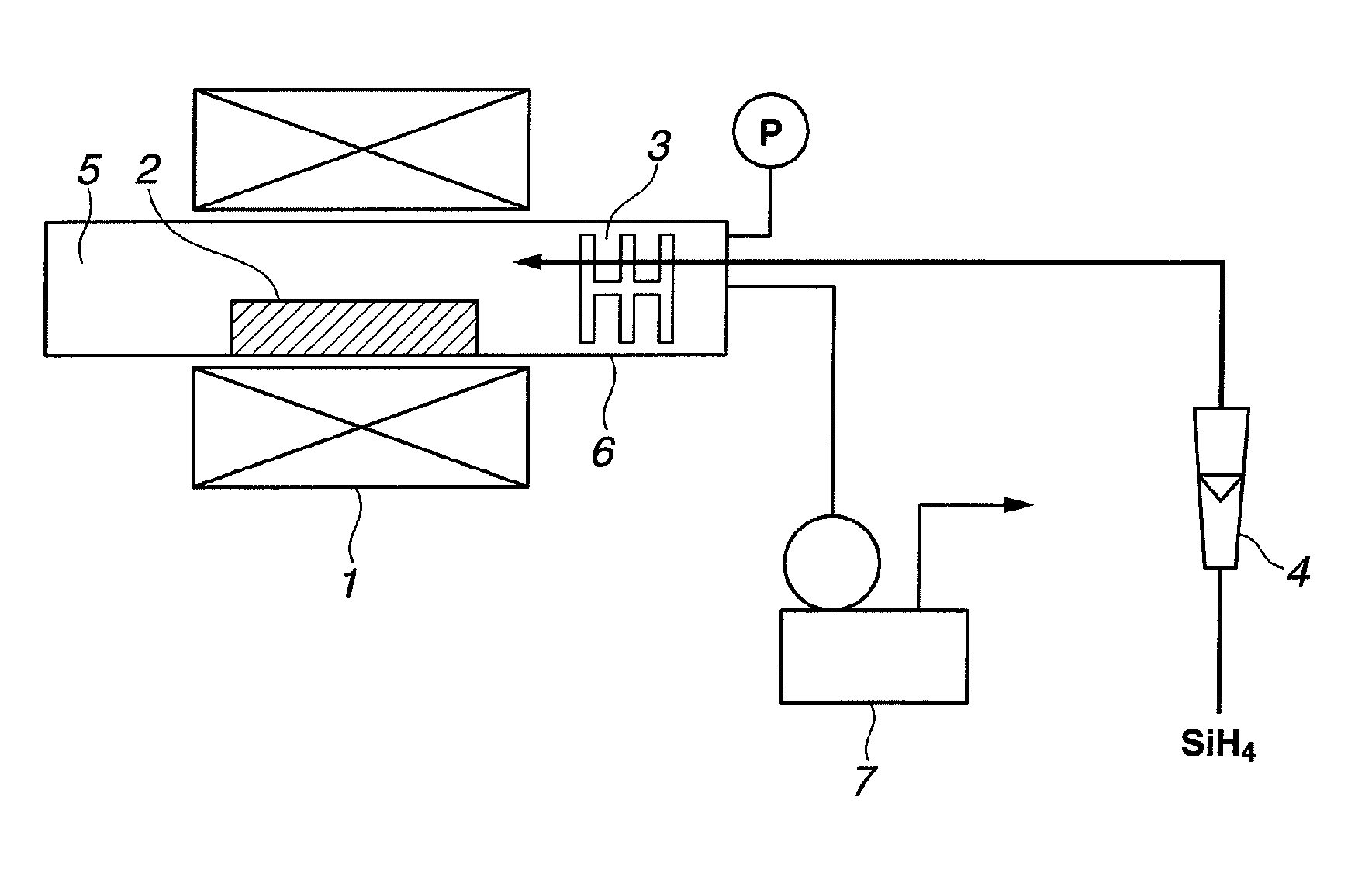
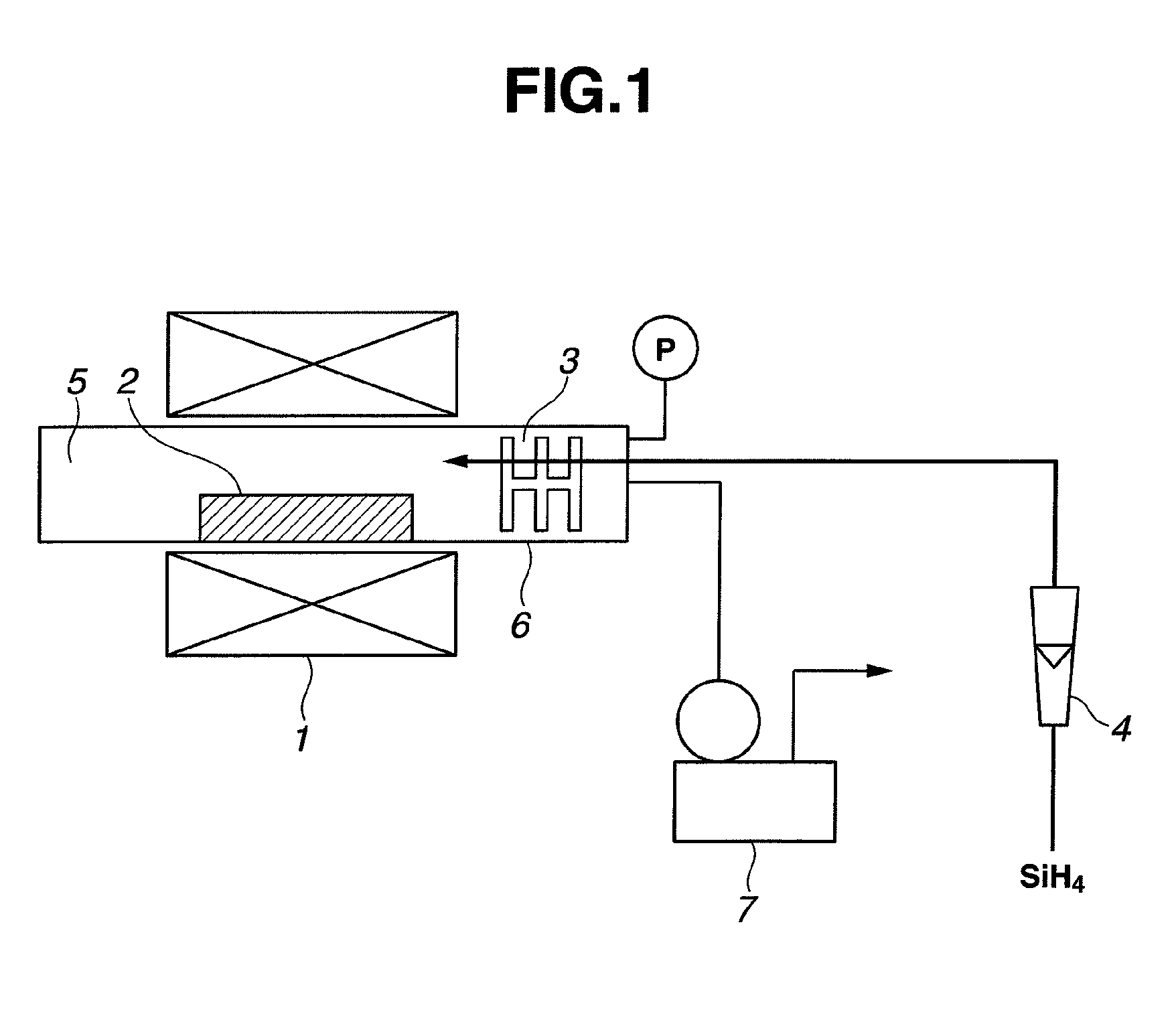
- A silicon oxide manufacturing device and method utilizing a liquid-solid phase reaction between liquid silicon and solid silicon dioxide, with controlled pore area and specific surface area of solid silicon dioxide, and simultaneous metal gas reaction to produce metal-silicon oxide in a single process, enhancing production efficiency and initial reversible efficiency of lithium secondary batteries.


Silicon oxide material for nonaqueous electrolyte secondary battery negative electrode material, making method, negative electrode, lithium ion secondary battery, and electrochemical capacitor
PatentInactiveUS20110287313A1
Innovation
- A silicon oxide material is prepared by cooling a gaseous mixture of SiO gas and silicon-containing gas, resulting in a precipitate with 20-35% oxygen content, which acts as a negative electrode material, reducing Li4SiO4 formation and improving charge/discharge efficiency and cycle performance.
Environmental Impact Assessment of Silicon Oxide Battery Production
The environmental implications of silicon oxide battery production present a complex landscape of challenges and opportunities that require comprehensive assessment across multiple dimensions. Unlike conventional lithium-ion battery manufacturing, silicon oxide production involves unique material processing steps that generate distinct environmental footprints, necessitating specialized evaluation frameworks to understand the full scope of ecological impact.
Carbon emissions constitute a primary concern in silicon oxide battery manufacturing, particularly during the high-temperature synthesis processes required for silicon oxide nanoparticle production. The thermal treatment of silicon precursors typically operates at temperatures exceeding 1000°C, resulting in substantial energy consumption and associated greenhouse gas emissions. Manufacturing facilities must account for both direct emissions from production processes and indirect emissions from electricity consumption, with carbon intensity varying significantly based on regional energy grid compositions.
Water resource utilization represents another critical environmental factor, as silicon oxide production requires extensive purification and washing cycles to achieve battery-grade material quality. The manufacturing process generates wastewater containing silicon particulates and chemical residues that demand specialized treatment systems. Water consumption patterns vary considerably between different production methodologies, with some advanced techniques requiring up to 15 cubic meters of water per kilogram of refined silicon oxide material.
Waste stream management poses significant challenges due to the generation of silicon dust, chemical byproducts, and packaging materials throughout the production cycle. Silicon waste requires careful handling due to potential respiratory hazards, while chemical waste streams containing organic solvents and metal catalysts necessitate specialized disposal or recycling protocols. The implementation of circular economy principles becomes crucial for minimizing waste generation and maximizing material recovery rates.
Resource depletion concerns extend beyond silicon sourcing to include rare earth elements and processing chemicals required for silicon oxide synthesis. The extraction and refinement of these materials often involve environmentally intensive mining operations, creating upstream environmental impacts that must be incorporated into comprehensive lifecycle assessments. Supply chain transparency becomes essential for accurate environmental impact quantification and sustainable sourcing strategies.
Carbon emissions constitute a primary concern in silicon oxide battery manufacturing, particularly during the high-temperature synthesis processes required for silicon oxide nanoparticle production. The thermal treatment of silicon precursors typically operates at temperatures exceeding 1000°C, resulting in substantial energy consumption and associated greenhouse gas emissions. Manufacturing facilities must account for both direct emissions from production processes and indirect emissions from electricity consumption, with carbon intensity varying significantly based on regional energy grid compositions.
Water resource utilization represents another critical environmental factor, as silicon oxide production requires extensive purification and washing cycles to achieve battery-grade material quality. The manufacturing process generates wastewater containing silicon particulates and chemical residues that demand specialized treatment systems. Water consumption patterns vary considerably between different production methodologies, with some advanced techniques requiring up to 15 cubic meters of water per kilogram of refined silicon oxide material.
Waste stream management poses significant challenges due to the generation of silicon dust, chemical byproducts, and packaging materials throughout the production cycle. Silicon waste requires careful handling due to potential respiratory hazards, while chemical waste streams containing organic solvents and metal catalysts necessitate specialized disposal or recycling protocols. The implementation of circular economy principles becomes crucial for minimizing waste generation and maximizing material recovery rates.
Resource depletion concerns extend beyond silicon sourcing to include rare earth elements and processing chemicals required for silicon oxide synthesis. The extraction and refinement of these materials often involve environmentally intensive mining operations, creating upstream environmental impacts that must be incorporated into comprehensive lifecycle assessments. Supply chain transparency becomes essential for accurate environmental impact quantification and sustainable sourcing strategies.
Cost-Benefit Analysis of Silicon Oxide Battery Scale-Up Strategies
The economic viability of silicon oxide battery scale-up hinges on a comprehensive evaluation of capital expenditure requirements versus projected revenue streams. Initial manufacturing setup costs for silicon oxide battery production facilities range from $50-150 million for pilot-scale operations, with full commercial-scale facilities requiring investments of $300-800 million. These figures encompass specialized equipment for silicon oxide synthesis, electrode coating systems, and advanced quality control infrastructure necessary for maintaining consistent performance characteristics.
Manufacturing cost structures reveal significant economies of scale potential, with per-unit production costs decreasing by approximately 40-60% when transitioning from pilot to commercial-scale operations. Raw material costs, particularly high-purity silicon precursors and specialized binders, constitute 35-45% of total manufacturing expenses. Labor costs represent 15-20% of operational expenditure, while energy consumption accounts for 10-15%, primarily driven by high-temperature synthesis processes and controlled atmosphere requirements.
Revenue projections indicate substantial market opportunities, with silicon oxide batteries commanding premium pricing of 20-40% above conventional lithium-ion alternatives due to superior energy density characteristics. Market penetration models suggest potential revenue streams of $2-5 billion annually within the electric vehicle sector alone, assuming 10-25% market share capture within five years of commercial deployment.
Risk assessment reveals critical financial vulnerabilities, including raw material price volatility, technological obsolescence threats, and regulatory compliance costs. Silicon precursor pricing fluctuations can impact manufacturing costs by 15-25%, while evolving safety regulations may necessitate additional capital investments of $20-50 million for compliance infrastructure.
Return on investment calculations demonstrate break-even points typically occurring within 4-6 years for well-executed scale-up strategies, with internal rates of return ranging from 18-35% depending on market penetration success and operational efficiency achievements. Sensitivity analyses indicate that achieving 80% capacity utilization represents a critical threshold for maintaining positive cash flows and justifying continued investment in production expansion initiatives.
Manufacturing cost structures reveal significant economies of scale potential, with per-unit production costs decreasing by approximately 40-60% when transitioning from pilot to commercial-scale operations. Raw material costs, particularly high-purity silicon precursors and specialized binders, constitute 35-45% of total manufacturing expenses. Labor costs represent 15-20% of operational expenditure, while energy consumption accounts for 10-15%, primarily driven by high-temperature synthesis processes and controlled atmosphere requirements.
Revenue projections indicate substantial market opportunities, with silicon oxide batteries commanding premium pricing of 20-40% above conventional lithium-ion alternatives due to superior energy density characteristics. Market penetration models suggest potential revenue streams of $2-5 billion annually within the electric vehicle sector alone, assuming 10-25% market share capture within five years of commercial deployment.
Risk assessment reveals critical financial vulnerabilities, including raw material price volatility, technological obsolescence threats, and regulatory compliance costs. Silicon precursor pricing fluctuations can impact manufacturing costs by 15-25%, while evolving safety regulations may necessitate additional capital investments of $20-50 million for compliance infrastructure.
Return on investment calculations demonstrate break-even points typically occurring within 4-6 years for well-executed scale-up strategies, with internal rates of return ranging from 18-35% depending on market penetration success and operational efficiency achievements. Sensitivity analyses indicate that achieving 80% capacity utilization represents a critical threshold for maintaining positive cash flows and justifying continued investment in production expansion initiatives.
Unlock deeper insights with PatSnap Eureka Quick Research — get a full tech report to explore trends and direct your research. Try now!
Generate Your Research Report Instantly with AI Agent
Supercharge your innovation with PatSnap Eureka AI Agent Platform!