
Evaluating Semi-Solid Batteries for Consumer Electronics
APR 11, 20269 MIN READ
Generate Your Research Report Instantly with AI Agent
Patsnap Eureka helps you evaluate technical feasibility & market potential.
Semi-Solid Battery Technology Background and Objectives
Semi-solid battery technology represents a revolutionary advancement in energy storage systems, emerging as a hybrid solution that bridges the gap between traditional liquid electrolyte batteries and solid-state batteries. This innovative approach incorporates a semi-solid electrolyte containing suspended active materials, offering enhanced safety characteristics while maintaining the manufacturing feasibility of conventional battery systems.
The development of semi-solid batteries traces back to early 2010s research initiatives focused on addressing fundamental limitations of lithium-ion batteries, particularly safety concerns related to thermal runaway and electrolyte volatility. Initial research concentrated on developing flowable electrode materials that could enable both energy storage and transport capabilities within a single system architecture.
The technology has evolved through several critical phases, beginning with proof-of-concept demonstrations of flowable electrodes, progressing to semi-solid electrolyte formulations, and advancing toward commercially viable manufacturing processes. Recent developments have focused on optimizing the rheological properties of semi-solid materials to achieve optimal ionic conductivity while maintaining mechanical stability.
Current technological trends indicate a strong emphasis on developing semi-solid systems specifically tailored for consumer electronics applications. The technology aims to address persistent challenges in portable device power management, including energy density limitations, charging speed constraints, and safety vulnerabilities associated with conventional lithium-ion batteries.
The primary technical objectives for semi-solid battery implementation in consumer electronics encompass achieving energy densities exceeding 300 Wh/kg while maintaining operational safety temperatures below 60°C. Additional targets include reducing charging times to under 30 minutes for 80% capacity and extending cycle life beyond 2000 charge-discharge cycles.
Manufacturing scalability represents another crucial objective, with development efforts focused on adapting existing battery production infrastructure to accommodate semi-solid material processing. This includes optimizing coating techniques, developing appropriate quality control methodologies, and establishing cost-effective supply chain integration for specialized semi-solid electrolyte components.
The technology roadmap envisions progressive integration into consumer electronics, starting with high-performance applications such as gaming devices and professional tablets, before expanding to mainstream smartphones and wearable devices. Success metrics include achieving cost parity with premium lithium-ion batteries while delivering superior performance characteristics and enhanced safety profiles.
The development of semi-solid batteries traces back to early 2010s research initiatives focused on addressing fundamental limitations of lithium-ion batteries, particularly safety concerns related to thermal runaway and electrolyte volatility. Initial research concentrated on developing flowable electrode materials that could enable both energy storage and transport capabilities within a single system architecture.
The technology has evolved through several critical phases, beginning with proof-of-concept demonstrations of flowable electrodes, progressing to semi-solid electrolyte formulations, and advancing toward commercially viable manufacturing processes. Recent developments have focused on optimizing the rheological properties of semi-solid materials to achieve optimal ionic conductivity while maintaining mechanical stability.
Current technological trends indicate a strong emphasis on developing semi-solid systems specifically tailored for consumer electronics applications. The technology aims to address persistent challenges in portable device power management, including energy density limitations, charging speed constraints, and safety vulnerabilities associated with conventional lithium-ion batteries.
The primary technical objectives for semi-solid battery implementation in consumer electronics encompass achieving energy densities exceeding 300 Wh/kg while maintaining operational safety temperatures below 60°C. Additional targets include reducing charging times to under 30 minutes for 80% capacity and extending cycle life beyond 2000 charge-discharge cycles.
Manufacturing scalability represents another crucial objective, with development efforts focused on adapting existing battery production infrastructure to accommodate semi-solid material processing. This includes optimizing coating techniques, developing appropriate quality control methodologies, and establishing cost-effective supply chain integration for specialized semi-solid electrolyte components.
The technology roadmap envisions progressive integration into consumer electronics, starting with high-performance applications such as gaming devices and professional tablets, before expanding to mainstream smartphones and wearable devices. Success metrics include achieving cost parity with premium lithium-ion batteries while delivering superior performance characteristics and enhanced safety profiles.
Consumer Electronics Market Demand for Advanced Batteries
The consumer electronics industry is experiencing unprecedented demand for advanced battery technologies, driven by the proliferation of portable devices and evolving user expectations for enhanced performance. Smartphones, tablets, laptops, wearable devices, and emerging product categories such as foldable displays and augmented reality headsets are pushing the boundaries of traditional lithium-ion battery capabilities. This surge in demand stems from consumers' increasing reliance on mobile technology for work, entertainment, and daily communication, creating a market environment where battery performance directly influences purchasing decisions.
Current market dynamics reveal significant gaps between existing battery solutions and consumer requirements. Users consistently report dissatisfaction with charging frequency, battery degradation over device lifecycles, and safety concerns related to thermal runaway incidents. The rapid adoption of high-performance processors, advanced display technologies, and multiple connectivity features in modern devices has intensified power consumption patterns, creating a mismatch between energy supply and demand that conventional battery technologies struggle to address effectively.
The shift toward premium consumer electronics has elevated battery performance as a key differentiating factor among manufacturers. Device makers are increasingly seeking battery solutions that can support fast charging capabilities, maintain capacity over extended usage periods, and operate safely under various environmental conditions. This trend has created substantial market opportunities for innovative battery technologies that can deliver superior energy density, enhanced safety profiles, and improved thermal management compared to traditional lithium-ion systems.
Emerging application scenarios further amplify the demand for advanced battery solutions. The growing popularity of gaming smartphones, professional-grade tablets, and high-performance ultrabooks requires sustained power delivery under intensive workloads. Additionally, the integration of artificial intelligence processing capabilities and always-on connectivity features in consumer devices necessitates battery technologies capable of supporting variable power demands while maintaining consistent performance characteristics.
Market research indicates that consumers are willing to accept premium pricing for devices featuring significantly improved battery performance, particularly in professional and enthusiast segments. This willingness to pay premium prices for enhanced battery capabilities has encouraged manufacturers to explore alternative battery chemistries and architectures that can deliver measurable improvements in user experience, safety, and device longevity.
Current market dynamics reveal significant gaps between existing battery solutions and consumer requirements. Users consistently report dissatisfaction with charging frequency, battery degradation over device lifecycles, and safety concerns related to thermal runaway incidents. The rapid adoption of high-performance processors, advanced display technologies, and multiple connectivity features in modern devices has intensified power consumption patterns, creating a mismatch between energy supply and demand that conventional battery technologies struggle to address effectively.
The shift toward premium consumer electronics has elevated battery performance as a key differentiating factor among manufacturers. Device makers are increasingly seeking battery solutions that can support fast charging capabilities, maintain capacity over extended usage periods, and operate safely under various environmental conditions. This trend has created substantial market opportunities for innovative battery technologies that can deliver superior energy density, enhanced safety profiles, and improved thermal management compared to traditional lithium-ion systems.
Emerging application scenarios further amplify the demand for advanced battery solutions. The growing popularity of gaming smartphones, professional-grade tablets, and high-performance ultrabooks requires sustained power delivery under intensive workloads. Additionally, the integration of artificial intelligence processing capabilities and always-on connectivity features in consumer devices necessitates battery technologies capable of supporting variable power demands while maintaining consistent performance characteristics.
Market research indicates that consumers are willing to accept premium pricing for devices featuring significantly improved battery performance, particularly in professional and enthusiast segments. This willingness to pay premium prices for enhanced battery capabilities has encouraged manufacturers to explore alternative battery chemistries and architectures that can deliver measurable improvements in user experience, safety, and device longevity.
Semi-Solid Battery Development Status and Technical Challenges
Semi-solid batteries represent a significant advancement in energy storage technology, positioning themselves between traditional liquid electrolyte and solid-state battery systems. Currently, this technology has achieved notable progress in laboratory settings, with several prototypes demonstrating enhanced safety characteristics and improved energy density compared to conventional lithium-ion batteries. The development status shows promising results in addressing key limitations of existing battery technologies, particularly in thermal stability and manufacturing scalability.
The manufacturing landscape for semi-solid batteries has evolved considerably, with companies like 24M Technologies pioneering the semi-solid electrode approach. Their manufacturing process eliminates traditional binding agents and conductive additives, instead utilizing a semi-solid slurry that can be directly coated onto current collectors. This approach has demonstrated potential for reducing production costs by up to 50% while maintaining comparable performance metrics to conventional batteries.
However, significant technical challenges persist in achieving commercial viability for consumer electronics applications. The primary obstacle lies in optimizing the ionic conductivity of the semi-solid electrolyte system. Current formulations struggle to match the conductivity levels of liquid electrolytes, resulting in reduced power output capabilities that may not meet the demanding requirements of modern consumer devices such as smartphones and laptops.
Temperature sensitivity remains another critical challenge affecting the technology's deployment in consumer electronics. Semi-solid batteries exhibit performance variations across different operating temperatures, with reduced efficiency in cold conditions and potential degradation risks at elevated temperatures. This temperature dependence poses particular concerns for portable devices that experience varying environmental conditions during daily use.
Cycle life optimization presents additional complexity, as the semi-solid interface dynamics can lead to impedance growth over repeated charge-discharge cycles. Research efforts are focused on developing stable electrolyte formulations and electrode architectures that can maintain consistent performance over thousands of cycles, which is essential for consumer electronics applications where battery longevity directly impacts user experience.
The integration challenges with existing consumer electronics manufacturing processes also require substantial attention. Current device designs are optimized for conventional battery form factors and thermal characteristics, necessitating potential redesigns to accommodate semi-solid battery specifications and thermal management requirements.
The manufacturing landscape for semi-solid batteries has evolved considerably, with companies like 24M Technologies pioneering the semi-solid electrode approach. Their manufacturing process eliminates traditional binding agents and conductive additives, instead utilizing a semi-solid slurry that can be directly coated onto current collectors. This approach has demonstrated potential for reducing production costs by up to 50% while maintaining comparable performance metrics to conventional batteries.
However, significant technical challenges persist in achieving commercial viability for consumer electronics applications. The primary obstacle lies in optimizing the ionic conductivity of the semi-solid electrolyte system. Current formulations struggle to match the conductivity levels of liquid electrolytes, resulting in reduced power output capabilities that may not meet the demanding requirements of modern consumer devices such as smartphones and laptops.
Temperature sensitivity remains another critical challenge affecting the technology's deployment in consumer electronics. Semi-solid batteries exhibit performance variations across different operating temperatures, with reduced efficiency in cold conditions and potential degradation risks at elevated temperatures. This temperature dependence poses particular concerns for portable devices that experience varying environmental conditions during daily use.
Cycle life optimization presents additional complexity, as the semi-solid interface dynamics can lead to impedance growth over repeated charge-discharge cycles. Research efforts are focused on developing stable electrolyte formulations and electrode architectures that can maintain consistent performance over thousands of cycles, which is essential for consumer electronics applications where battery longevity directly impacts user experience.
The integration challenges with existing consumer electronics manufacturing processes also require substantial attention. Current device designs are optimized for conventional battery form factors and thermal characteristics, necessitating potential redesigns to accommodate semi-solid battery specifications and thermal management requirements.
Current Semi-Solid Battery Solutions and Implementations
01 Semi-solid electrolyte composition and formulation
Semi-solid batteries utilize specially formulated electrolytes that exist in a semi-solid state, combining properties of both liquid and solid electrolytes. These electrolytes typically incorporate gel polymers, ionic liquids, or composite materials that provide enhanced ionic conductivity while maintaining structural stability. The semi-solid nature allows for better contact between electrode materials and electrolyte, improving overall battery performance and safety characteristics.- Semi-solid electrolyte composition and formulation: Semi-solid batteries utilize specialized electrolyte compositions that maintain a semi-solid state, combining properties of both liquid and solid electrolytes. These formulations typically include polymer matrices, gel electrolytes, or composite materials that provide ionic conductivity while maintaining structural integrity. The semi-solid nature allows for improved safety, reduced leakage risks, and enhanced mechanical stability compared to traditional liquid electrolytes.
- Electrode materials and structures for semi-solid batteries: The electrode design in semi-solid batteries incorporates specific materials and architectures optimized for semi-solid electrolyte systems. These include modified cathode and anode materials with enhanced interfacial compatibility, porous structures for improved ion transport, and composite electrodes that integrate well with the semi-solid electrolyte. The electrode formulations are designed to maximize energy density while maintaining good rate performance.
- Manufacturing processes and assembly methods: Semi-solid battery production involves specialized manufacturing techniques that differ from conventional battery assembly. These processes include controlled mixing and casting of semi-solid electrolytes, layer-by-layer assembly methods, and specific curing or solidification steps. The manufacturing approach ensures uniform distribution of components, proper interfacial contact, and scalability for commercial production.
- Performance enhancement and stability optimization: Various strategies are employed to enhance the performance and long-term stability of semi-solid batteries. These include additives to improve ionic conductivity, interface modification techniques to reduce resistance, thermal management solutions, and protective coatings to prevent degradation. The optimization focuses on achieving high energy density, extended cycle life, and improved safety characteristics.
- Application-specific designs and battery systems: Semi-solid battery technology is adapted for various applications through customized designs and system configurations. These include flexible battery formats, high-capacity energy storage systems, and specialized configurations for electric vehicles or portable electronics. The designs consider specific requirements such as form factor, power output, operating temperature range, and integration with existing systems.
02 Electrode material design for semi-solid batteries
The electrode materials in semi-solid batteries are specifically designed to work with semi-solid electrolytes, featuring optimized particle sizes, surface modifications, and composite structures. These electrodes often incorporate conductive additives and binders that are compatible with the semi-solid electrolyte system, enabling efficient charge transfer and improved cycling stability. The design focuses on maximizing the interfacial contact area between electrodes and electrolyte.Expand Specific Solutions03 Manufacturing processes and assembly methods
Semi-solid batteries require specialized manufacturing techniques that differ from conventional battery production. These processes include controlled mixing of semi-solid electrolyte components, precise coating methods for electrode application, and optimized assembly procedures that ensure uniform distribution of the semi-solid electrolyte throughout the battery structure. The manufacturing approach addresses challenges related to viscosity control and layer formation.Expand Specific Solutions04 Performance enhancement and stability optimization
Various strategies are employed to enhance the performance and stability of semi-solid batteries, including the addition of functional additives, optimization of electrolyte viscosity, and implementation of protective layers. These improvements target key performance metrics such as ionic conductivity, cycling life, rate capability, and thermal stability. The optimization efforts focus on balancing the mechanical properties with electrochemical performance.Expand Specific Solutions05 Application-specific semi-solid battery systems
Semi-solid batteries are being developed for various specific applications, with designs tailored to meet particular requirements such as high energy density, fast charging capability, or enhanced safety features. These application-specific systems may incorporate different active materials, electrolyte formulations, and structural configurations optimized for their intended use cases, ranging from portable electronics to electric vehicles and energy storage systems.Expand Specific Solutions
Major Players in Semi-Solid Battery Industry
The semi-solid battery technology for consumer electronics represents an emerging sector within the broader battery industry, currently in its early commercialization phase with significant growth potential. The market demonstrates substantial scale driven by increasing demand for safer, higher-capacity batteries in smartphones, laptops, and wearables. Technology maturity varies considerably across market participants, with established players like EVE Energy, Svolt Energy Technology, and Shanghai Shanshan Tech leveraging their traditional lithium-ion expertise to advance semi-solid innovations. Research institutions including Fudan University, Southeast University, and Tianjin University contribute fundamental research, while specialized companies such as Zhuhai CosMX Battery and Shenzhen Capchem Technology focus on consumer-specific applications. The competitive landscape features a mix of large-scale manufacturers, emerging technology developers, and academic institutions, indicating a dynamic ecosystem where technological breakthroughs and manufacturing scalability will determine market leadership in this rapidly evolving segment.
Svolt Energy Technology Co., Ltd.
Technical Solution: Svolt has developed advanced semi-solid battery technology featuring a gel-like electrolyte system that combines liquid and solid electrolyte properties. Their semi-solid batteries utilize a unique polymer-ceramic composite electrolyte that maintains ionic conductivity while providing enhanced safety through reduced flammability. The technology incorporates silicon-based anodes and high-nickel cathodes, achieving energy densities of 350-400 Wh/kg for consumer electronics applications. Svolt's manufacturing process involves specialized coating techniques to ensure uniform electrolyte distribution and optimal electrode-electrolyte interface contact, resulting in improved cycle life exceeding 2000 charge-discharge cycles.
Strengths: High energy density, enhanced safety profile, excellent thermal stability. Weaknesses: Higher manufacturing complexity, increased production costs compared to conventional lithium-ion batteries.
NIO Technology (Anhui) Co. Ltd.
Technical Solution: NIO Technology has developed semi-solid battery technology with advanced battery management systems specifically designed for high-performance consumer electronics applications. Their approach integrates semi-solid electrolyte technology with intelligent monitoring and control systems, featuring real-time state-of-health assessment and predictive maintenance capabilities. The semi-solid batteries utilize a hybrid electrolyte system combining ionic liquids with polymer matrices, achieving energy densities of 360-420 Wh/kg while maintaining excellent safety characteristics. NIO's technology incorporates machine learning algorithms for optimized charging protocols and thermal management, resulting in extended battery life and improved user experience. The system includes advanced cell balancing and fault detection mechanisms specifically tailored for consumer electronics requirements.
Strengths: Advanced battery management integration, high energy density, intelligent monitoring capabilities, excellent safety features. Weaknesses: Higher system complexity, increased cost due to advanced electronics, potential software dependency issues.
Key Patents in Semi-Solid Battery Technology
Part solid, part fluid and flow electrochemical cells including metal-air and li-air battery systems
PatentInactiveUS20130189592A1
Innovation
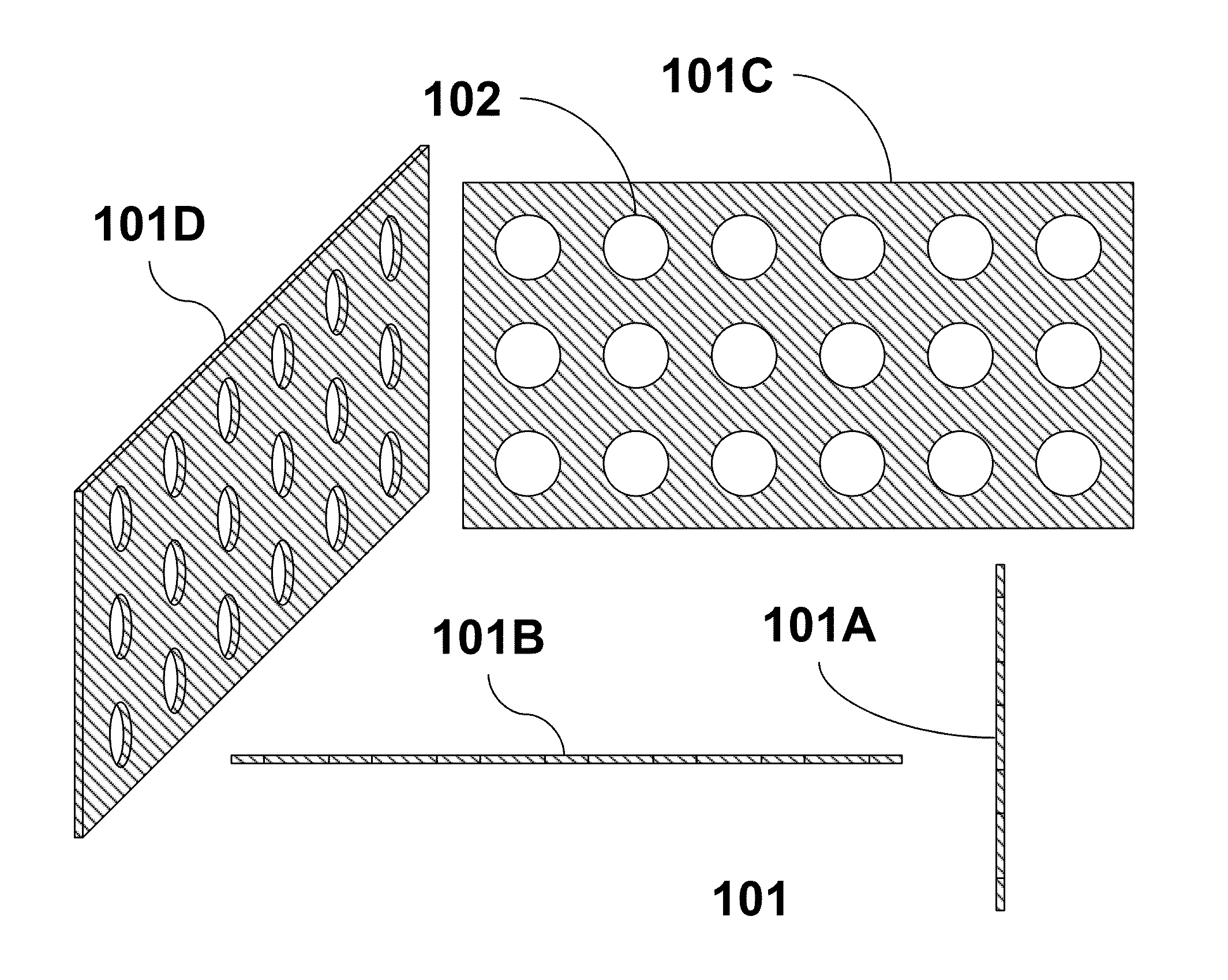
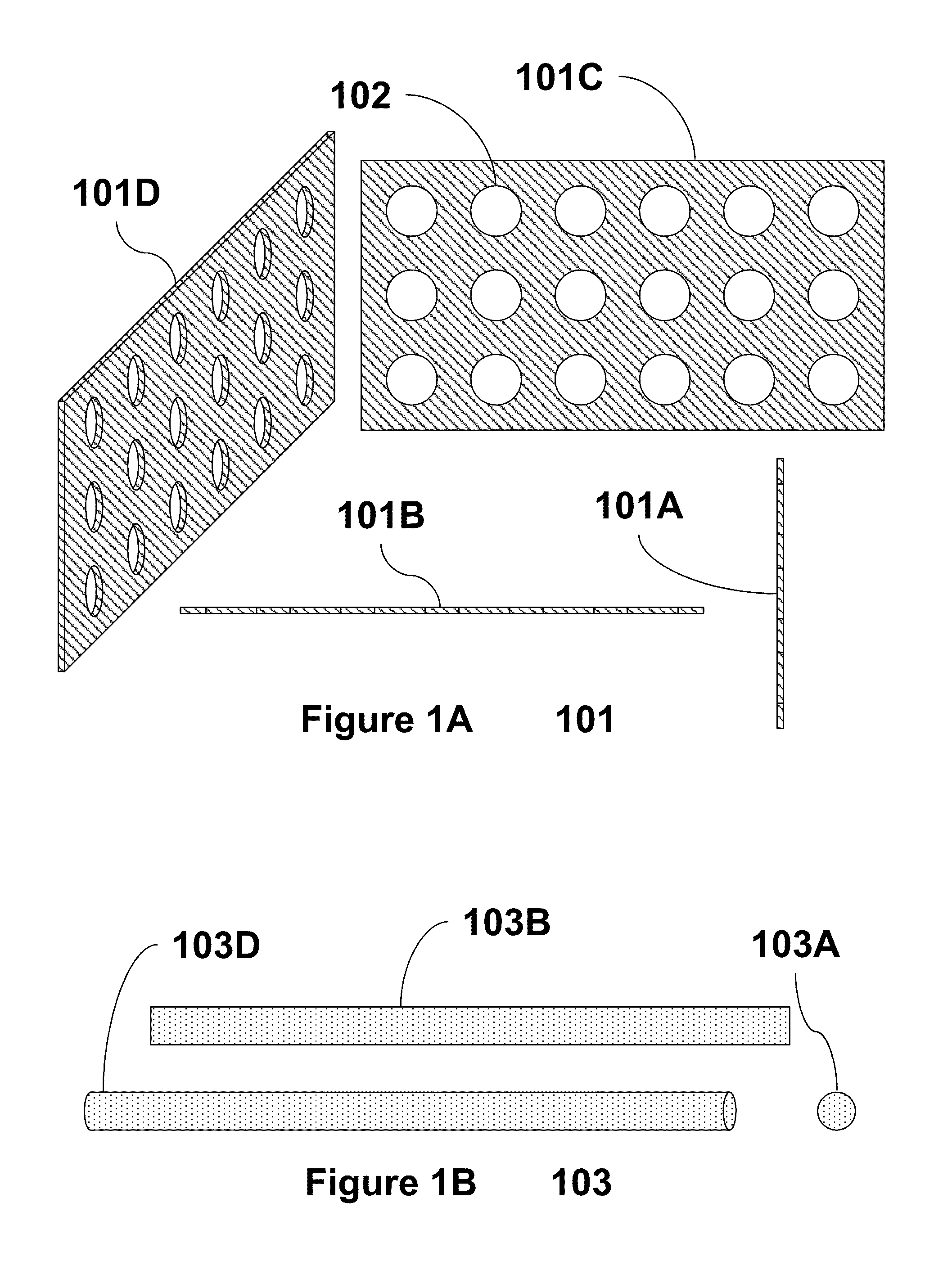
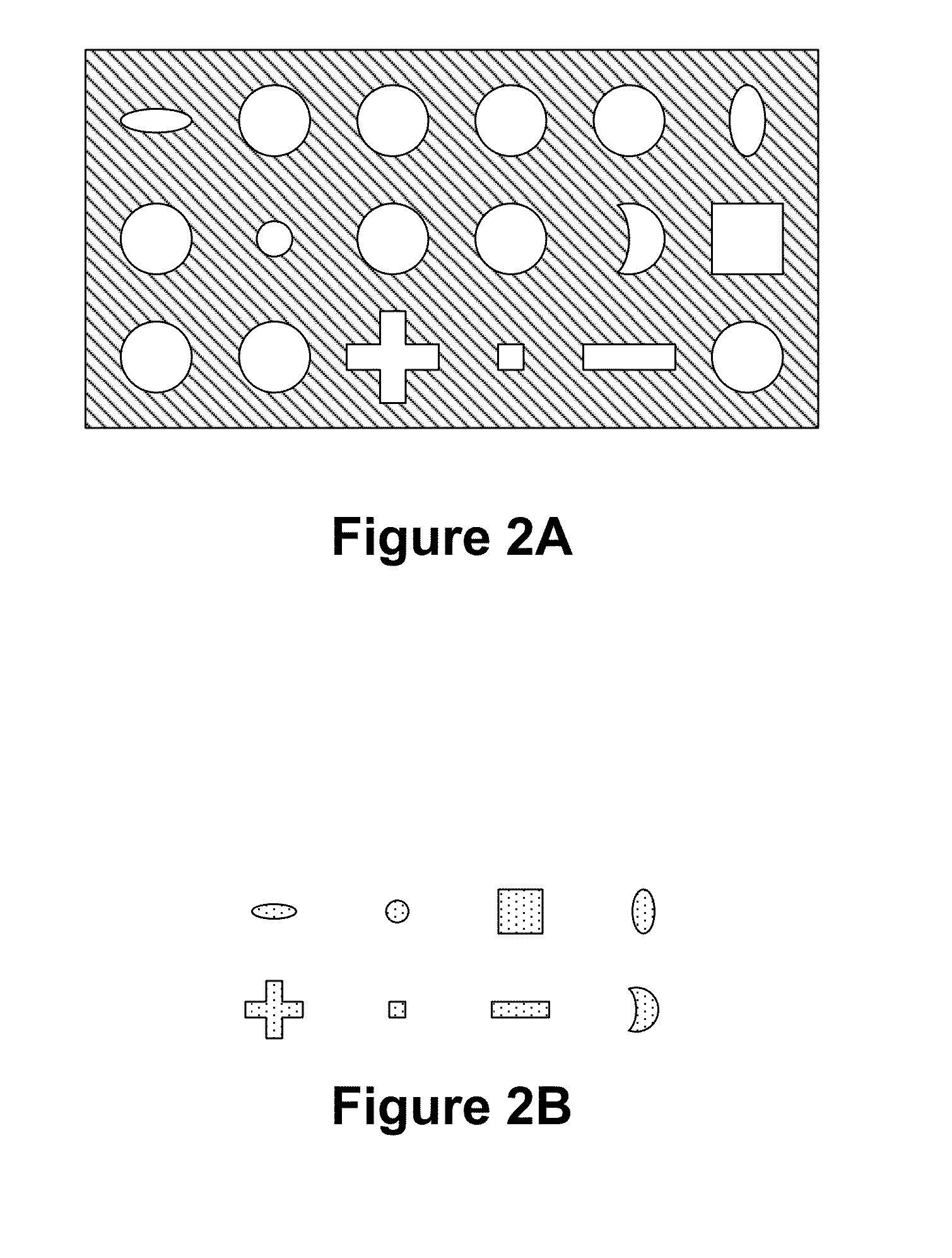
- The development of three-dimensional electrode arrays for part solid, part fluid electrochemical cells, featuring a plurality of plate electrodes with apertures and rod electrodes arranged in a specific orientation to enhance ionic and electronic transport, mechanical robustness, and energy density, while allowing for improved heat management and scalability.

Semisolid electrolyte solution, semisolid electrolyte, semisolid electrolyte layer, electrode, and secondary battery
PatentWO2018179990A1
Innovation
- A semi-solid electrolyte with a solvated electrolyte salt, ether solvent, and low viscosity solvent, where the mixing ratio of the low viscosity solvent to the solvated electrolyte salt is between 4 and 16 molar, improving the lifespan and rate characteristics by retaining the electrolyte within the electrode structure.


Safety Standards for Consumer Electronics Batteries
Safety standards for consumer electronics batteries represent a critical framework governing the development and deployment of semi-solid battery technologies. The International Electrotechnical Commission (IEC) 62133 series serves as the primary global standard, establishing comprehensive safety requirements for portable sealed secondary cells and batteries containing alkaline or other non-acid electrolytes. This standard encompasses thermal abuse testing, mechanical stress evaluation, and electrical safety protocols specifically relevant to semi-solid battery architectures.
The Underwriters Laboratories (UL) 2054 standard provides additional safety criteria for household and commercial batteries, addressing unique challenges posed by semi-solid electrolyte systems. These standards mandate rigorous testing protocols including overcharge protection, short-circuit resistance, and thermal runaway prevention mechanisms. Semi-solid batteries must demonstrate compliance with temperature cycling requirements ranging from -20°C to 60°C, ensuring stable performance across typical consumer electronics operating conditions.
Battery Management System (BMS) requirements under these standards demand sophisticated monitoring capabilities for semi-solid battery implementations. The standards specify voltage monitoring accuracy within ±50mV, current sensing precision of ±3%, and temperature monitoring resolution of ±2°C. These parameters are particularly crucial for semi-solid batteries due to their unique electrochemical behavior and thermal characteristics compared to conventional lithium-ion technologies.
Transportation safety regulations, governed by UN3480 and UN3481 classifications, establish specific packaging and shipping requirements for semi-solid battery-powered devices. These regulations address the semi-liquid nature of the electrolyte, requiring enhanced containment measures and leak-proof packaging solutions. The standards also mandate comprehensive documentation of battery chemistry composition and safety data sheets for semi-solid formulations.
Emerging safety considerations specific to semi-solid battery technology include electrolyte containment integrity testing and long-term stability assessments. Current standards are evolving to address the unique failure modes associated with semi-solid electrolytes, including potential electrolyte migration and interface degradation phenomena. Regulatory bodies are developing supplementary testing protocols to evaluate the mechanical stability of semi-solid electrolyte systems under various stress conditions, ensuring consumer safety while enabling technological advancement in this promising battery technology sector.
The Underwriters Laboratories (UL) 2054 standard provides additional safety criteria for household and commercial batteries, addressing unique challenges posed by semi-solid electrolyte systems. These standards mandate rigorous testing protocols including overcharge protection, short-circuit resistance, and thermal runaway prevention mechanisms. Semi-solid batteries must demonstrate compliance with temperature cycling requirements ranging from -20°C to 60°C, ensuring stable performance across typical consumer electronics operating conditions.
Battery Management System (BMS) requirements under these standards demand sophisticated monitoring capabilities for semi-solid battery implementations. The standards specify voltage monitoring accuracy within ±50mV, current sensing precision of ±3%, and temperature monitoring resolution of ±2°C. These parameters are particularly crucial for semi-solid batteries due to their unique electrochemical behavior and thermal characteristics compared to conventional lithium-ion technologies.
Transportation safety regulations, governed by UN3480 and UN3481 classifications, establish specific packaging and shipping requirements for semi-solid battery-powered devices. These regulations address the semi-liquid nature of the electrolyte, requiring enhanced containment measures and leak-proof packaging solutions. The standards also mandate comprehensive documentation of battery chemistry composition and safety data sheets for semi-solid formulations.
Emerging safety considerations specific to semi-solid battery technology include electrolyte containment integrity testing and long-term stability assessments. Current standards are evolving to address the unique failure modes associated with semi-solid electrolytes, including potential electrolyte migration and interface degradation phenomena. Regulatory bodies are developing supplementary testing protocols to evaluate the mechanical stability of semi-solid electrolyte systems under various stress conditions, ensuring consumer safety while enabling technological advancement in this promising battery technology sector.
Environmental Impact of Semi-Solid Battery Manufacturing
The manufacturing of semi-solid batteries presents both environmental challenges and opportunities compared to conventional lithium-ion battery production. The environmental footprint begins with raw material extraction, where semi-solid batteries require similar lithium, cobalt, and nickel resources as traditional batteries, but their unique electrolyte composition may demand additional chemical precursors with varying environmental impacts.
Energy consumption during manufacturing represents a critical environmental factor. Semi-solid battery production typically requires less energy-intensive processes than conventional batteries due to simplified electrode preparation and reduced drying requirements. The elimination of traditional binder materials and the use of flowable electrodes can reduce processing temperatures and manufacturing complexity, potentially lowering overall energy consumption by 15-25% compared to conventional battery manufacturing.
Water usage and chemical waste generation differ significantly in semi-solid battery production. The manufacturing process generates fewer volatile organic compounds due to reduced solvent usage in electrode preparation. However, the production of specialized electrolyte formulations may introduce new chemical waste streams that require careful management and treatment protocols.
Carbon footprint analysis reveals mixed environmental implications. While manufacturing energy reduction contributes to lower direct emissions, the production of advanced electrolyte materials and specialized separators may increase upstream emissions. Life cycle assessments suggest that semi-solid batteries can achieve 10-20% lower manufacturing-phase carbon emissions when produced at scale with renewable energy sources.
Recycling considerations present both challenges and advantages. Semi-solid batteries' liquid electrolyte components may complicate traditional recycling processes, requiring new separation techniques. However, the flowable nature of electrodes could potentially simplify material recovery and purification processes, improving overall recyclability rates.
Regulatory compliance adds complexity to environmental impact assessment. Semi-solid battery manufacturing must meet existing battery production environmental standards while addressing unique aspects of their production chemistry. This includes proper handling of novel electrolyte formulations and ensuring compliance with emerging regulations on battery sustainability and end-of-life management.
Energy consumption during manufacturing represents a critical environmental factor. Semi-solid battery production typically requires less energy-intensive processes than conventional batteries due to simplified electrode preparation and reduced drying requirements. The elimination of traditional binder materials and the use of flowable electrodes can reduce processing temperatures and manufacturing complexity, potentially lowering overall energy consumption by 15-25% compared to conventional battery manufacturing.
Water usage and chemical waste generation differ significantly in semi-solid battery production. The manufacturing process generates fewer volatile organic compounds due to reduced solvent usage in electrode preparation. However, the production of specialized electrolyte formulations may introduce new chemical waste streams that require careful management and treatment protocols.
Carbon footprint analysis reveals mixed environmental implications. While manufacturing energy reduction contributes to lower direct emissions, the production of advanced electrolyte materials and specialized separators may increase upstream emissions. Life cycle assessments suggest that semi-solid batteries can achieve 10-20% lower manufacturing-phase carbon emissions when produced at scale with renewable energy sources.
Recycling considerations present both challenges and advantages. Semi-solid batteries' liquid electrolyte components may complicate traditional recycling processes, requiring new separation techniques. However, the flowable nature of electrodes could potentially simplify material recovery and purification processes, improving overall recyclability rates.
Regulatory compliance adds complexity to environmental impact assessment. Semi-solid battery manufacturing must meet existing battery production environmental standards while addressing unique aspects of their production chemistry. This includes proper handling of novel electrolyte formulations and ensuring compliance with emerging regulations on battery sustainability and end-of-life management.
Unlock deeper insights with Patsnap Eureka Quick Research — get a full tech report to explore trends and direct your research. Try now!
Generate Your Research Report Instantly with AI Agent
Supercharge your innovation with Patsnap Eureka AI Agent Platform!